• Link to X
  • Link to Facebook
  • Link to Instagram
  • Link to TikTok
  • Link to Youtube
  • About
    • About Us
      • President
      • Board of Directors
      • Board of Advisors
      • Financials
      • Our Methodology
      • Success Tracker
      • Contact
  • Act Now
    • 30 Ways to Help
      • Email Congress
      • Call Congress
      • Volunteer
      • Courses & Certificates
      • Be a Donor
    • Internships
      • In-Office Internships
      • Remote Internships
    • Legislation
      • Politics 101
  • The Blog
  • The Podcast
  • Magazine
  • Donate
  • Click to open the search input field Click to open the search input field Search
  • Menu Menu

Archive for category: Migration

Migration, NGOs

Five Questions About African Immigration to Spain

African Immigration to Spain
While Eastern and Central Europe have been dealing with the brunt of the refugee crisis—thanks to conflicts in Syria and the rest of the Middle East—Western Europe is far from unaffected. However, a large number of immigrants in Spain originate from West Africa, and they come to Spain for a variety of different reasons; both as refugees, and in search of economic opportunity unavailable to them in their home countries. This article takes a look at the causes of African immigration to Spain, as well as the living conditions immigrants experience in their new host country.

Five Questions and Answers

1. Why are People from Western and Central Africa Leaving their Home Countries?

The short answer is a variety of reasons. While the overall volume of immigrants to Europe has dropped to pre-2015 levels, African immigration to Spain is still spurred by more than just garden-variety economic migration—though that certainly still plays a large role. The reasons for migration vary greatly by gender, with most men emigrating for economic reasons while most women are leaving due to threats of violence.

2. Why Spain?

Spain has a labor shortage and is more welcoming to migrants than other European countries. While geography is a major factor in emigration from Spain to Africa (the Strait of Gibraltar is slightly over seven nautical miles from the African mainland to Spain), Spain has—until very recently—been a notable exception to the anti-immigrant sentiment overtaking much of Europe. The current Spanish government is center-left, with over 80 percent of adult poll respondents saying that they would be in favor of taking in irregular refugees. New agricultural sectors in the south of Spain—mainly greenhouse farming—have also created an unskilled economy that few Spaniards find attractive, but looks promising to refugees.

3. How do Immigrants get There?

Refugees arrive in Spain either by the Spanish enclaves in Morocco or the dangerous crossings of the Mediterranean. The most immediate destination for African immigration to Spain is the enclave city of Ceuta, which is politically Spanish and geographically Moroccan but is governed more or less autonomously, like Catalonia or the Basque Country. Some also arrive via ship, in the infamously choppy Mediterranean. The first decision of Prime Minister Pedro Sanchez’s administration was to admit the Aquarius, a ship of more than 600 migrants, into Spain after Italy turned it away.

4. What Kind of Life is Waiting for Immigrants Once they Arrive?

“Nobody talks about what it’s really like.” Many of the African migrants in Spain live in the southern regions, doing seasonal agricultural work. This is especially true for the men who emigrated to Spain for economic reasons, trying to send money back home to their loved ones. Despite the supposed greater economic opportunity that comes from a Eurozone nation, many of the African migrants in Spain live in ramshackle chabolas, makeshift shacks comprised of wood and plastic leftover from agricultural scrap. In these settlements, more migrants have mobile phones than access to a toilet or kitchen.

5. Is Spain’s Generosity Towards Migrants Coming to an End?

The short answer is yes. The majority of African immigration to Spain comes through Morocco and the Strait of Gibraltar, but the path of many migrants does not end there. Recently, Spain has come under fire from other European leaders for being the exception to an otherwise-ubiquitous tight border policy, which has put pressure on the Spanish government to somehow stem the tide. In response, Spain has outsourced its border security to Morocco, the country that processes most migrants to Spain. This has alarmed left-leaning political groups and human rights NGOs, who claim that Morocco’s human rights record is inadequate.

While Spain has upheld the Sanchez government’s initial promise of being more accepting of migrants, large-scale African immigration to Spain and pressure from other European leaders has prompted a tightening of the flow of migrants through Morocco and the Mediterranean. While the conditions African migrants find in Spain are far from luxurious, the work is good enough for them to continue to migrate. What Spain ultimately decides to do in regard to the influx of immigrants from Africa could either continue to serve as a lone exception to the rest of Europe or join the continent in its increasing anxiety over immigration.

– Rob Sprankle
Photo: Flickr

September 14, 2019
https://borgenproject.org/wp-content/uploads/borgen-project-logo.svg 0 0 Kim Thelwell https://borgenproject.org/wp-content/uploads/borgen-project-logo.svg Kim Thelwell2019-09-14 01:30:482024-05-29 23:09:57Five Questions About African Immigration to Spain
Global Poverty, Migration

Mass Migration Out of Venezuela

Mass Migration Out of Venezuela
Mass migration out of Venezuela has several determinants including high inflation, crime rates, food and health care scarcity and the violation of human rights by government forces. These crises are deteriorating living conditions within this Latin American nation, creating a strong push factor for its citizens. The mass migration out of Venezuela is a phenomenon of desperation and necessity, resulting in millions of Venezuelans fleeing from the struggling nation.

Where are Venezuelans Fleeing to?

According to the United Nations Refugee Agency, as of May 2019, over 3.7 million Venezuelans have fled the country. This is around a 10th of the nation’s population. Of these migrants, around 464,000 are asylum-seekers, with the rest acquiring other forms of residency. The majority of these migrants stay in Latin America, while some flee as far as Southern Europe.

In Latin America alone, the highest concentrations of Venezuelan refugees are located as follows:

  1. Columbia: 1.1 million
  2. Peru: 506,000
  3. Chile: 288,000
  4. Ecuador: 221,000
  5. Argentina: 130,000
  6. Brazil: 96,000

Life of Venezuelan Refugees and Migrants

The main goal of these migrants is to secure human rights in other countries. This is due to Venezuela no longer securing these rights within its borders. The United Nations recognized this motivation behind the mass exodus back in an August 2018 report and has since then been pressing Venezuela to address these concerns. As for other countries recognizing this humanitarian crisis, neighboring nations such as Columbia have built temporary refugee camps to house migrant Venezuelans.

Unfortunately, not all migrants receive legal residency in their countries of refuge. While some migrants obtain asylum or temporary legal residencies, some seeking refuge resort to illegal means, leaving them at risk of deportation. Whether illegal or legal, Venezuela migrants all may face potential hardships.

Across the board, people uproot from their homes in Venezuela, leaving behind everything they once had. Venezuelan refugees face unemployment and homelessness, as well as little to no access to basic necessities for survival. Venezuelan refugees are also particularly vulnerable to robbery and human trafficking. This risk amplifies especially as an illegal migrant, as those migrants may resort to contacting gangs in order to enter a region.

Intervention

To combat the potential hardships Venezuelan refugees may face, many organizations are stepping forward to alleviate struggles for migrants. Taking on health services, organizations like Project Hope are continuously reaching out to hospitals packed with refugees, such as those in Cúcuta, Colombia.

Project Hope trains medical teams, provides on-site doctors, supplies essential medicines and treatment care and provides numerous other forms of aid to assist refugee-filled health facilities across Latin America. The International Refugee Committee and UNICEF are other notable organizations providing medical assistance.

Organizations like Global Affairs Canada and the Pan American Development Foundation are helping with housing Venezuelan refugees and building shelters. For instance, shelters exist in Boa Vista, Brazil, and in other areas of great need. Given the sheer magnitude of Venezuelan migrants, proper housing proves to be one of the biggest challenges countries with refugee influx face.

While there are many organizations providing aid to Venezuelan migrants and refugees, one thing is clear: the best way to help these Venezuelan migrants is to help Venezuela as a country. So long as Venezuela is in an economic, political and humanitarian crisis, citizens will continue to flee it. The mass migration out of Venezuela is not an isolated event; it is a symptom of a much bigger problem plaguing Venezuela.

– Suzette Shultz
Photo: Flickr

September 4, 2019
https://borgenproject.org/wp-content/uploads/borgen-project-logo.svg 0 0 Kim Thelwell https://borgenproject.org/wp-content/uploads/borgen-project-logo.svg Kim Thelwell2019-09-04 08:20:412024-05-29 23:10:12Mass Migration Out of Venezuela
Children, Foreign Aid, Global Poverty, Migration

How Foreign Aid Can Stop the Migrant Crisis

Stop the Migrant Crisis
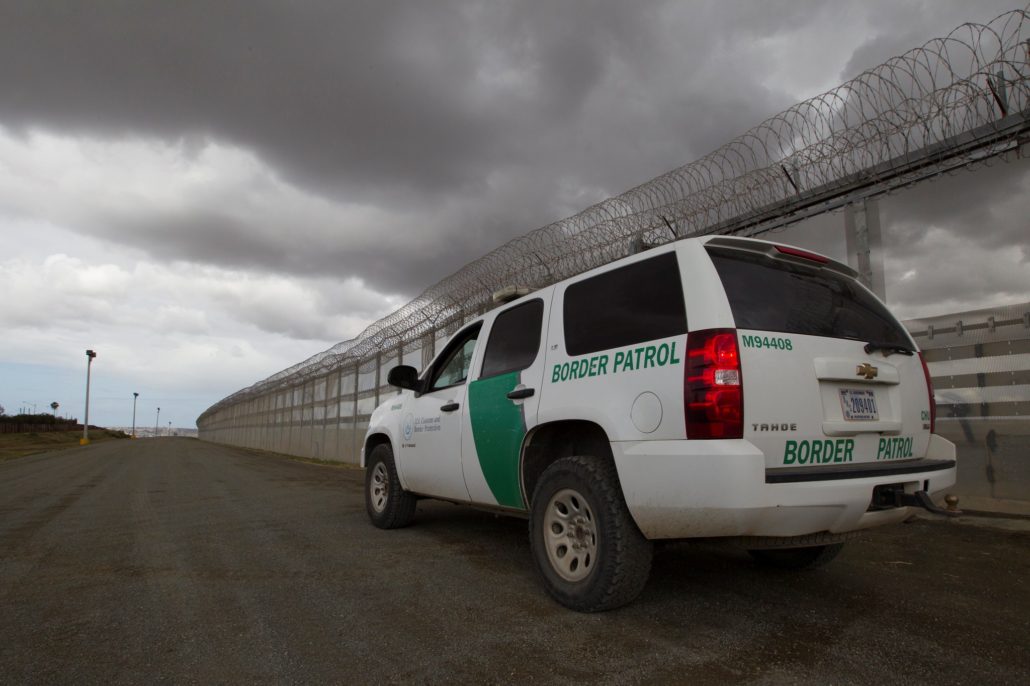
Circulating the United States news cycle as of late is the migrant crisis at the border. From the conditions in which authorities hold migrants to the bills Congress is pushing, such as the Keeping Families Together Act and the Dignity for Detained Immigrants Act, migrants from Central America have captivated the news as well as the minds of most Americans. One might wonder why so many Central Americans are making their way to the border. This article will explore how increasing foreign aid may stop the migrant crisis.

The Migrant Crisis

The majority of migrants at the border are coming from Central America, specifically El Salvador, Guatemala and Honduras, or the Northern Triangle of Central America. These are some of the most dangerous countries, with each of them being on the top 10 list of most homicides in the world. People in these regions face violence, such as gender-based violence and gang violence, political instability and extreme poverty, which makes the perilous journey to the United States seem like the most optimistic of options.

These countries face factors that can help explain why people are fleeing their home countries at such a rate. Studies have found that for every 10 homicides in these all three countries, six children wish to enter the United States. In 2018, there were 51 homicides per 100,000, with around 3,340 homicides in El Salvador. Police attributed these murders to the two prominent gangs in El Salvador called MS13 and the Barrio 18. Guatemala had a homicide rate of 22.4 per 100,000 and Honduras had a homicide rate of 40 per 100,000, both being extremely high compared to the homicide rate of other Central and South American countries.

What Caused the Crisis?

One can possibly attribute the recent influx of migrants from these countries to the foreign aid cuts that the current administration has made. According to the State Department, the 2019 fiscal year cut nearly $700 million in funding to these countries. Some believe that these cuts would force people to stay in their countries while others believe that keeping the cuts would allow people to save their money and use it to immigrate to the United States.

The money the United States gave to Central America funds social programs in order to build these countries up and tackle the root causes of their problems. Some of these root causes are violence, lack of education, food insecurity and poverty. The money mainly funds social programs or government reform that would improve living conditions, incentivizing citizens to stay. These programs include after-school programs, programs to create jobs and programs that help strengthen police forces and the court systems.

How Foreign Aid Helps

In these cases, the foreign aid funding these programs and helping different social agencies and NGOs does in fact work. For example, in El Salvador, a United States funded program trains children for employment. The area that implemented this program saw that homicide rates lowered by 78 percent. The United States Global Leadership Commission also breaks down what the funding in each country does and the different programs it funds. In El Salvador, the commission focuses on improving the rule of law and citizen security. However, in Guatemala, funding focuses on fighting poverty, and in Honduras, funding goes towards fighting corruption. In all of these different endeavors, funding has made a positive difference and helped improve living conditions for citizens. This further shows that to stop the migrant crisis, the United States must increase foreign aid.

Conclusion

Using funding for these social programs allows Central Americans and their countries to grow, thrive and prosper. When a country succeeds and gives its citizens ample opportunities to be successful and live their life to the fullest, those citizens may want to stay in said country. Therefore, it seems that the only way to stop the migrant crisis would be an increase in foreign aid to give the Northern Triangle people a reason to stay in their homes and enjoy a better life in their own countries.

– Sydney Toy
Photo: Flickr

August 30, 2019
https://borgenproject.org/wp-content/uploads/borgen-project-logo.svg 0 0 Jennifer Philipp https://borgenproject.org/wp-content/uploads/borgen-project-logo.svg Jennifer Philipp2019-08-30 11:30:372020-01-03 14:15:04How Foreign Aid Can Stop the Migrant Crisis
Children, Global Poverty, Migration

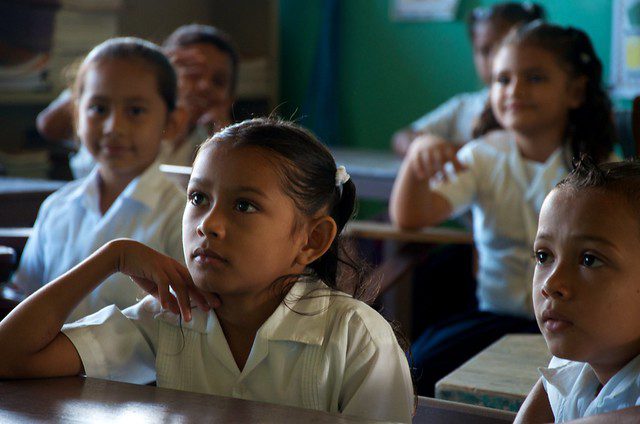
The Impact of Violence on Honduras’ Youth

Violence on Honduras Youth

Honduras, a Central American country located on the Carribean Sea, borders El Salvador, Nicaragua and Guatemala. Honduras has a population of 8.3 million people, but corruption, poverty and crime continue to plague it. The city of San Pedro Sula boasts the second-highest murder rate in the world after Caracas, Venezuela. As a result, violence on Honduras‘ youth has become an issue.

Poverty in Honduras

The World Bank estimates that 5.5 million people live in poverty. That is two-thirds of the population, amounting to one in every five people. Honduras has the highest level of economic inequality in Latin America; its system “only benefits an elite minority” with close political and economic ties.

The average Honduran lives on $120 dollars per month. The country seems to be making advances in protecting its citizens, and the murder rate is down from 60 people per 100,000 in 2015 to 48 per 100,000 in 2016. However, many Hondurans say the authorities achieved this through excessive force and human rights violations.

Gangs in Honduras

This corruption and poverty lead the way for gangs to take over the streets of Honduras and rule where the government does not. With the expansive poverty and gang activity that runs rampant throughout the country, children facing violence in Honduras is commonplace. Street gangs, known as “maras,” control cities like San Pedro Sula. Drug traffickers use the Carribean coast to smuggle cocaine from South America to the United States.

Gangs often pressure children to join them, making them feel that they will be murdered if they do not. Gang members force young girls to be their girlfriends, and the girls fear rape or murder if they do not agree. Most children start elementary school but quit before they turn 12. Only one out of four go to high school, while the others quit school to support their families.

Most members are under sixteen and feel the loyalty to their friends tested by not joining or wanting to protect themselves and their families from other gangs. These children become sick of fighting the corrupt police on their own and find a way to fight back.

The pressure from these gangs and the violence that they embody drives Honduras’s youth to migrate to places like the United States, even if that means leaving without their families. These children fear for their lives, so they travel across Central America alone in an attempt to live a freer life.

Women in Honduras

Women in Honduras face the highest levels of violence, particularly young girls. In 2015, 417 women were killed because of their gender. They face a high level of domestic abuse with 89 killings in San Pedro Sula being from domestic violence. According to the InterAmerican Commission on Human Rights, 90 percent of these killings will go unpunished.

While violence and gangs are an everyday part of life in Honduras, women and children face the brunt of this force. They often choose to migrate because they have to flee the dominant gang in their area, such as when their place of work has been shut down by impossible extortion quotas that they cannot meet. Children face pressure from a young age to join a gang.

Helping Honduras

Attempting to alleviate the impact of violence on Honduras’ youth starts with many organizations dedicated to helping its citizens lead better lives. HELP Honduras is a program aimed at spreading health, education and literacy in Honduras. It wants to educate children so that they have better economic futures and can lead productive lives. This organization builds school and desks while sponsoring children to attend them. It teaches women and mothers marketable skills so that they can work and provide for themselves and their families.

With the help of such organizations, Honduras is starting to make strides to keep its young safe. But, if no one stops the violence rampant in their cities, they will continue to migrate to other countries in an attempt to escape the seemingly perpetual discord.

– Michela Rahaim
Photo: Flickr

August 9, 2019
https://borgenproject.org/wp-content/uploads/borgen-project-logo.svg 0 0 Kim Thelwell https://borgenproject.org/wp-content/uploads/borgen-project-logo.svg Kim Thelwell2019-08-09 01:30:552019-12-17 14:54:59The Impact of Violence on Honduras’ Youth
Global Poverty, Migration, Refugees, Refugees and Displaced Persons

Top 5 Documentaries About Migration

Documentaries About MigrationDocumentaries are often a great resource for gaining insight on a particular topic. In recent years, various journalists, filmmakers and documentarians have played a key role in telling the stories of those suffering from socio-political unrest occurring around the world. These stories include key humanitarian issues, such as migration resulting from crises. Not only do these crises displace millions of lives, but they also create an imbalance, leading to migrants who must endure poor living conditions. As such, documentaries about migration are extremely popular. They portray global migration crises from the perspective of those most affected. Here are the top five documentaries about migration.

Top 5 Documentaries About Migration

  1. 4.1 Miles (2016)
    A story about a Hellenic coast guard captain on a small Greek island who suddenly becomes in charge of saving thousands of refugees from drowning during the European migration crisis gives the viewers hope for humanity. The film was a winner of the David L. Wolper Student Documentary Award at the 2016 IDA Documentary Awards and was an Academy Award® Short Subject nominee.
  2. Human Flow (2017)
    Human Flow takes the viewer across the globe through 23 countries. It highlights urgent stories of victims of the various refugee crisis and shows the plight of those looking for a safe space to live in. For Ai Weiwei, “the purpose of (the documentary) is to show it to people of influence, people who are in a position to help and who have a responsibility to help.”
  3. Stranger in Paradise (2016)
    Stranger in Paradise is a mixture of fiction and documentary that depicts an actor in a classroom of a detention center telling refugees about what Europeans think of them. It reflects on the powerful relation between the Europeans and refugees in a candid manner and highlights the emotion most people feel while they have to go through the turmoil of displacement.
  4. City of Ghosts (2017)
    This film is a story of brave citizen journalists who face the realities of life undercover, in exile and on the run to stand against the violence that is taking place in the city of Raqqa in Syria. This film has used the camera as a powerful weapon to show the circumstances that have shaped the lives of people in Syria and has highlighted the turmoil in Syria in a great way.
  5. The Good Postman (2016)
    This film follows Ivan, the local postman in a quiet Bulgarian community on the Turkish border, as he decides to run for mayor. He then campaigns to bring the aging village to life by welcoming refugees. Some in the community support Ivan, while others resist his campaign. The film highlights the importance of a global discussion, depicting the plight of refugees and how they are perceived around the globe.

These five documentaries about migration enable viewers to understand migrants by portraying the conflicts driving migration through a personal lens. By diving into the lives of those impacted, these films tell a larger story about humanity as a whole.

– Isha Akshita Mahajan
Photo: Flickr

July 22, 2019
https://borgenproject.org/wp-content/uploads/borgen-project-logo.svg 0 0 Kim Thelwell https://borgenproject.org/wp-content/uploads/borgen-project-logo.svg Kim Thelwell2019-07-22 11:15:152024-12-13 18:01:49Top 5 Documentaries About Migration
Economy, Global Poverty, Migration

The Pros of Immigration Outweigh the Cons

Pros of Immigration

While many view immigration as a cultural crisis, the pros of immigration are significant. Immigration is a point of contention as immigrants change the face of a population and bring their own culture with them. Moreover, immigrants receive criticism if they do not fully integrate, by not speaking the country’s primary language. Some people simply feel there’s no room for immigrants. They fear their jobs will be taken or undercut by the low wages some immigrants are willing to work for.

In spite of these concerns, it is undeniable that immigrants infuse much needed vitality into the economy. They build businesses, create jobs and bring new perspectives. Most importantly, welcoming immigrants supports and promotes an international standard of human rights. Everyone should be able to settle somewhere safe, healthy and stable—especially if their native country is not so.

Below is an immigration case study of sorts, demonstrating the economic benefits of immigration in Japan, the U.S., and Western Europe.

Japan

Plagued by an aging population and declining birth rates, immigration provides Japan with a new source of young workers. The Japanese Health Ministry predicts that by 2060, the country’s population will fall to 86.74 million. This is a 40 million decrease since 2010. Currently, 20 percent of Japan’s population is over 65 years old. As a result, this burdens Japan’s shrinking workforce with the funds for their pensions and healthcare. But immigration into Japan ensures the nation’s economy can maintain itself as people retire.

Japan is historically unwelcoming to immigrants, believing peace and harmony to be rooted in homogeneity. As such, the nation’s immigration policy reflects this. Japan only allows a small number of highly skilled workers into the country. This policy has been in place since 1988 to combat labor shortages. However, this is no longer enough to combat Japan’s worsening economy. In 2018, labor shortages in the nation were the highest they had been in 40 years.

However, the pros of immigration in Japan are clear. Without it, Japan faces an incredibly insecure economic future. With no sign of population growth, the nation’s perpetually shrinking workforce will become unable to support its retired citizens. However, immigrants can round out the workforce in Japan. And they can neutralize any economic woes the nation might face in the future by preventing labor shortages.

USA

The cultural and economic contributions immigrants have made to America are vast, overwhelmingly advantageous and long-lasting.

A study done by economists at Harvard, Yale and the London School of Economics found US counties that accepted more immigrants between 1860 and 1920 are doing better today as a result. These counties have significantly higher incomes, higher educational achievement, less poverty and lower unemployment because immigrants provided the low-skilled labor needed to support rapid industrialization. Undeniably, immigrants have always and still continue to increase economic growth in America.

Similarly, immigrants in the U.S. have been integral to innovation and entrepreneurship. Half of all startups in America worth over a billion dollars have been founded by immigrants. Eleven of these startups employ more than 17,000 people in the U.S. Some of these companies, such as Uber and WeWork, have significantly changed American culture. They modify the way Americans live their daily lives. Therefore, the pros of immigration in the U.S. are grounded in the diversity of thought brought by immigrants, necessary to further American innovation and economic growth.

Western Europe

Like Japan, Western Europe is battling an aging population and declining birth rates. Fertility rates are expected to hit zero in the next decade. Consequently, this region may not be able to sustain its expansive social welfare programs as its workforce shrinks and retired populations grow. In Germany, the median age is 47.1 years, the oldest in Western Europe. This is only slightly younger than Japan’s 47.3 years. Besides convincing its native populations to have more children, immigration is their only alternative.

Immigration into Western Europe is an undeniable win for both the immigrants and the host countries. Many new immigrants in Western Europe have escaped unstable regimes, religious persecution, and economic downturn in North African and Middle Eastern countries. Thus, immigrants give the region a younger workforce that is able to sustain the region’s expensive social benefits. In return, Western Europe provides immigrants with jobs, stability, and a safe place to live.

While still a very divisive topic, the pros of immigration lie in its plethora of economic benefits. It is undeniable that immigration has always been the driver of economic growth, despite all of the criticism. Immigration provides immigrants with an alternative to oppressive regimes and other instability, of course. And the pros of immigration for nations absolutely outweigh the cons.

– Jillian Baxter
Photo: Pixabay

June 24, 2019
https://borgenproject.org/wp-content/uploads/borgen-project-logo.svg 0 0 Kim Thelwell https://borgenproject.org/wp-content/uploads/borgen-project-logo.svg Kim Thelwell2019-06-24 14:26:592019-06-25 12:50:15The Pros of Immigration Outweigh the Cons
Global Poverty, Migration

Overcoming Misconceptions about the Migration of People

migration of peopleDr. Ermitte Saint Jacques is an assistant professor at the University of Wisconsin, Milwaukee. She received her Ph.D. in Anthropology from the University of Florida. Her primary focus is the transnational migration of people and globalization. Dr. Jacques sat down with the Borgen Project to discuss the state of the migration of people and some of the misconceptions that follow in their paths.

Limited Economic Opportunities

Dr. Ermitte Saint Jacques has found in her research that the migration of people provides benefits for both the migrants and the countries involved. “Many people migrate for a livelihood,” said Dr. Jacques. “If people can’t seek a livelihood in their own country, they travel abroad.” Migration enables people to maximize their opportunities. When prospects aren’t working out in one country, they have the capability to go to the next.

Many migrants return to their home countries after finding successful jobs; it’s often seasonal and not permanent. For example, in 2017, 4.4 million people immigrated to a country within the European Union. Of that, two million migrants were from non-EU countries. However, more than three million reported leaving the EU that same year. As of Jan. 1, 2017, non-EU immigrants made up only 4.2 percent of the EU population.

Supply and Demand

Businesses demand the need for workers, and migrants fulfill some of these demands. “It’s important to recognize the contribution immigrants have,” said Dr. Jacques. “Some immigrants come to open businesses, some come to be laborers.” Often, those who are here as laborers, fulfill an important function that might otherwise go unfilled. Many misconceptions about laborers revolve around them taking important jobs from citizens or living off of government aid.

“We need to push back against the rhetoric of migrants coming to steal work, get on welfare, etc.,” said Dr. Jacques. “Everything can cross borders except people, and that’s very problematic. Mobility for people is a problem.” Dr. Jacques hopes more countries will follow suit with the European Union’s policy on open borders and the Schengen Agreement. Signed in 1985, the Schengen Agreement eliminates internal borders to enable migrants to travel freely among countries in search of economic opportunities. Only four of the 26 members of the Schengen Agreement are not part of the EU.

Poverty and Migration

Poverty poses a problem in that it hinders many people’s ability to migrate because they simply don’t have the funds to leave. So, impoverished people often lack the opportunities that migration offers. People who don’t have the resources to migrate either need a social network that can provide access to the ability to migrate or they must enter a cyclical travel and work pattern. They travel as far as they can and work for a bit before traveling again until they finally end up where they want to be.

“We are not talking about people fleeing turmoil or fearing for their life,” said Dr. Jacques. “They are not refugees or seeking asylum. They are typically economic migrants seeking work.” Migrants are different than immigrants. Immigrants move from one country to another to live; whereas migrants typically move from one country to another for economic reasons, and often, the move is temporary.

People emerge from poverty by seeking better opportunities elsewhere, and migration enables them to do so. It is an investment for those who are struggling. “Migration is necessary for people to escape from the horrendous cycle of poverty and finally be able to maintain a livelihood,” said Dr. Jacques. The more people understand about the migration of people, the easier it will be to dispell the misconceptions.

– Jodie Filenius

Photo: Flickr

May 23, 2019
https://borgenproject.org/wp-content/uploads/borgen-project-logo.svg 0 0 Kim Thelwell https://borgenproject.org/wp-content/uploads/borgen-project-logo.svg Kim Thelwell2019-05-23 01:30:012024-05-29 23:00:19Overcoming Misconceptions about the Migration of People
Global Poverty, Migration

10 Things to Know About the Crisis in Venezuela

Crisis in VenezuelaIn March 2013, after a 14-year rule, Venezuelan President Hugo Chavez died of cancer. He was succeeded by Vice President Nicolas Maduro. Since then, the oil-rich but cash-poor South American country has been in a political and economic crisis. Here are 10 things you should know about the crisis in Venezuela.

10 Things to Know About the Crisis in Venezuela

  1. Inflation rates are at an all-time high. The biggest problem in the day-to-day lives of Venezuelans is due to the record high inflation rates. Throughout the Chavez presidency, the inflation rate had fluctuated between 10 and 40 percent but never higher. Since Maduro took office inflation rates have grown exponentially. In 2018, the inflation rate hit 1.3 million percent and is projected to reach 10 million in 2019. With inflation being so high, it becomes impossible for Venezuelans to buy basic necessities.
  2. Minimum wage is as low as $6 a month. On top of the high inflation rate, the minimum wage is now $6 dollars a month. Nearly 90 percent of the country’s population is living in poverty and unable to buy basic goods. Additionally, the number of active companies in Venezuela has dropped dramatically, minimizing the number of jobs available to citizens.
  3. More than 3 million people have fled the country. Over the last five years, the crisis in Venezuela has forced more than 3 million people out of their homes. Most of these refugees have claimed that the lack of rights to health and food were among the main reasons for them to leave. These migrants, who made up roughly 10 percent of the Venezuelan population, have fled to neighboring countries including Chile, Colombia and Brazil.
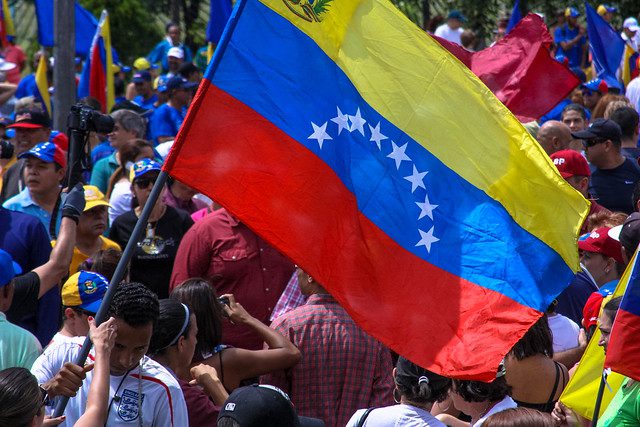
  4. There are currently two presidents. Since 2019 started, political tensions in Venezuela have escalated. In early January, President Nicolas Maduro was sworn in for a second term, following an election period of boycotts and opposition. The results of this election led to a new wave of rallies throughout the streets of Venezuela, particularly the capital city of Caracas. These boycotts culminated with the elected leader of Venezuela’s National Assembly, Juan Guaido, naming himself interim president.
  5. The rest of the world is very split over who to support. The most unique part about Guaido declaring himself interim president is that several countries around the world immediately acknowledged it as legitimate. The United States, much of Europe and several South American countries recognize Guaido as the rightful interim president of Venezuela. However, Russia, China and most of the Middle East still recognize Maduro as the president. Additionally, some countries, including Italy, are calling for a new election to determine the rightful president.
  6. Oil output has declined dramatically. Venezuela has over 300 billion barrels of proven oil reserves, making it a leader amongst the world’s oil-rich countries. Oil production dropped in 2002 after Chavez was first elected, but soon after, it rose back up to regular rates and has been steady since. Since 2012, however, there has been a consistent decrease in oil output. In January 2019, President Trump announced that the U.S. will not import oil from Venezuela for the time being, in hopes that economic pressure will lead to correcting the political crisis.
  7. There have been countless mass protests across the country. The crisis in Venezuela has sparked riots and rallies across the whole country. In 2018 alone, there were more than 12 thousand protests, according to the Venezuelan Observatory of Social Conflict. These protests, starting in 2002 after Chavez came to power, have only escalated in violence since.
  8. Officials have resorted to excessive use of force. In April of 2017, Maduro ordered armed forces to put a stop to what had been weeks of anti-government protests. In the two months to follow, more than 120 people were killed, 2,000 were injured and more than 5,000 were detained. Since then, multiple citizens have been killed or injured when police and protesters have clashed.
  9. Maduro’s administration denies that it is in a human rights crisis. Despite the statistics pointing to the crisis in Venezuela, Maduro and his administration have not acknowledged the human rights crisis. Additionally, the administration has not recognized the shortages of food and medication, and, as a result, it has not accepted international humanitarian assistance. Despite the lack of official recognition, the current state of Venezuela has been regarded as the worst humanitarian crisis in recent memory in the Western Hemisphere.
  10. The crisis is taking a toll on the overall health of the country. Since 2014, the number of malaria cases in Venezuela has more than quadrupled. After years of remaining steadily below 100 thousand cases, there are now more than 400 thousand people living in Venezuela with malaria. This is because there is a dramatic shortage of anti-malaria drugs for all strains. Medical facilities are struggling with a shortage of 85 percent for medications. At least 13 thousand Venezuelan doctors were among those who have fled the country. A lack of proper medical care is making the people of Venezuela more susceptible to treatable diseases such as tuberculosis.

The crisis in Venezuela is worsening by the day. There are countless people being forced to leave their homes, jobs and families in hopes of finding a safer place to live. While the country awaits political intervention and foreign aid, there are still ways for people overseas to give help. Many nonprofit organizations, including The Better World Campaign, are doing their part in helping the humanitarian crisis. These groups are always looking for volunteers and donations. Spreading the word about the situation in Venezuela, raising awareness and mobilizing others to donate is also a great way to help, even from afar.

– Charlotte Kriftcher
Photo: Flickr

May 18, 2019
https://borgenproject.org/wp-content/uploads/borgen-project-logo.svg 0 0 Kim Thelwell https://borgenproject.org/wp-content/uploads/borgen-project-logo.svg Kim Thelwell2019-05-18 01:30:172024-05-29 23:00:1410 Things to Know About the Crisis in Venezuela
Global Poverty, Migration

Remittances in the Arab World

Worker Remittances and Poverty in the Arab World
The Arab world has one of the highest proportions of migrant to local workers in the world, with over 32 million migrant workers in the Arab states in 2015 alone. In addition, the region has one of the largest diasporas in the world. This means that many skilled workers are emigrating to wealthier countries and sending money home via remittances. But what do remittances in the Arab World mean for the region and its inhabitants?

Brain Drain vs. Gain

In Lebanon and Jordan, unskilled labor is provided by growing numbers of refugees and foreign workers, totaling over five million in 2015. However, as more foreign workers enter the country, growing numbers of high-skilled Lebanese and Jordanian nationals are emigrating. This often occurs when opportunities are limited, when unemployment is high and economic growth slows. The phenomenon is dubbed ‘brain drain’ as opposed to ‘brain gain’, whereby an increasing stock of human capital boosts economies. A drain occurs while poor countries lose their most high-skilled workers and wealthier countries in turn gain these educated professionals.

Remittances in the Arab World

These expatriates commonly work to improve their own living situations while also helping to support their friends and families. This is where remittances come into play. As defined by the Migration Data Portal, remittances are financial or in-kind transfers made by migrants to friends and relatives in their communities of origin. Remittances often exceed official development aid.  They are also frequently more effective in alleviating poverty. In 2014 alone, the Arab states remitted more than $109 billion, largely from the United States followed by Saudi Arabia and the United Arab Emirates.

There is no denying that remittances can be a strong driving force for the socioeconomic stability of many Arab countries. But not all the influences are positive. Some experts argue that remittances can actually hurt the development of recipient countries. Their arguments cite potential negative effects of labor mobility and over-reliance on remittances. They emphasize that this can create dependency which undermines recipients’ incentive to find work. All this means an overall slowing of economic growth and a perpetuation of current socioeconomic status.

The Force of the Diaspora

The link between remittances in the Arab world and poverty is clear. Brain drain perpetuates and high amounts of remittance inflow and outflow persist if living conditions remain unchanged. Policymakers are therefore focusing efforts on enticing emigrants to return to their countries of origin. By strengthening ties with migrant networks, and implementing strategies like entrepreneurial start-up incentives and talent plans, the initial negative effects of brain drain could be curbed.

Overall, though brain drain and remittances can seem to hurt development in the short-term, if policies can draw high-skilled workers back, contributions to long-term economic development can erase these negative aspects altogether. Young populations that have emigrated to more developed countries acquire education and valuable experience that is essential to promote entrepreneurship in their home countries. Moreover, their experiences in advanced democracies can bolster their contribution to improved governance in their countries of origin. The Arab world’s greatest untapped potential is its diaspora, and it could be the key to a more prosperous future, if only it can be harnessed.

– Natalie Marie Abdou
Photo: Flickr

May 15, 2019
https://borgenproject.org/wp-content/uploads/borgen-project-logo.svg 0 0 Kim Thelwell https://borgenproject.org/wp-content/uploads/borgen-project-logo.svg Kim Thelwell2019-05-15 07:36:112019-05-23 11:34:57Remittances in the Arab World
Global Poverty, Migration

Al Otro Lado and Other Nonprofits Helping the Migrant Crisis

al otro ladoMore than 4,000 asylum seekers in Tijuana have written their names on a waitlist in hopes of presenting themselves at the U.S. port of entry. It is unclear how the list began since the U.S. government doesn’t claim jurisdiction and neither does Mexico. Regardless, the waitlists are followed and migrants’ names are slowly crossed off as they are brought to state their cases. Most asylum-seekers are from Honduras, El Salvador and Guatemala, many of whom are fleeing gang violence, political instability and extreme poverty. Al Otro Lado and other nonprofits are helping the migrant crisis.

The Migrant Crisis

Central Americans from the caravan have been labeled everything from refugees, asylum seekers and economic migrants to invaders, aliens and criminals. However, despite widespread disagreement and confusion about the caravan, U.S. immigration and international laws dictate that people have the legal right to seek asylum. Asylum seekers’ have the right to present their cases to an immigration officer, but with so many asylum-seekers to process, thousands of individuals and families are left waiting in limbo.

As Policy Analyst at the American Immigration Council Aaron Reichlin-Melnick explains, “The government would argue that high [asylum] denial rates indicate they’re fraudulent asylum claims… the more likely answer is that people are genuinely afraid for their lives–they may not know the ins and outs of a complex asylum system.” For many nonprofits, the situation is clearly a refugee crisis, and they treat it like one. Since caravans began arriving at the border, humanitarian organizations have been on the ground providing shelter, medical care and legal assistance. This is one way that Al Otro Lado is helping.

Al Otro Lado

Al Otro Lado is a legal services nonprofit based in Los Angeles, San Diego and Tijuana. Over the last four months, Al Otro Lado has helped more than 2,000 migrants in Tijuana while also fighting larger battles to protect the legal rights of asylum seekers. Operating out of an Enclave Caracol, a three-story community center turned migrant shelter, Al Otro Lado provides legal orientation and know-your-rights training to asylum seekers waiting in Tijuana.

Though Al Otro Lado is focused on upholding international and U.S. law, it is not immune to the controversy and violence that has accompanied the migrant caravan. The organization and its staff have received death threats, and co-directors Erika Pineiro and Nora Phillips were detained and forced to leave Mexico in January. Still, Al Otro Lado continues their operations in Tijuana, but now they just unplug their phones between calls to cut down on the death threats.

Other Notable Organizations Helping the Migrant Crisis

  1. In April 2018, Food Not Bombs served food to migrants out of the Enclave Caracol community center. They accepted donations of food, spices and reusable plates among other items.
  2. UNICEF works with the Mexican government to provide safe drinking water and other necessities to asylum seekers. The organization also provides psychosocial services and trains authorities on child protection.
  3. Save the Children provides emergency services, legal representation, case management and works to reunite migrant families.
  4. Amnesty International, like Al Otro Lado, is concerned with upholding immigration law. The organization monitors the actions of Mexican authorities at the border and also documents the situations and conditions that migrants face.

Organizations like Al Otro Lado, Save the Children and Amnesty International see the migrant caravan as a humanitarian issue beyond party politics. They have wasted no time supporting migrants and asylum-seekers who have risked their lives journeying to the border. However, unless governments and organizations address the larger issues that led the people to leave in the first place, they will continue migrating. Faced with violence, persecution and poverty, it’s hard to imagine anyone who wouldn’t do the same.

– Kate McIntosh

Photo: Flickr

April 26, 2019
https://borgenproject.org/wp-content/uploads/borgen-project-logo.svg 0 0 Kim Thelwell https://borgenproject.org/wp-content/uploads/borgen-project-logo.svg Kim Thelwell2019-04-26 01:30:352024-05-29 22:59:41Al Otro Lado and Other Nonprofits Helping the Migrant Crisis
Page 11 of 14«‹910111213›»

Get Smarter

  • Global Poverty 101
  • Global Poverty… The Good News
  • Global Poverty & U.S. Jobs
  • Global Poverty and National Security
  • Innovative Solutions to Poverty
  • Global Poverty & Aid FAQ’s
Search Search

Take Action

  • Call Congress
  • Email Congress
  • Donate
  • 30 Ways to Help
  • Volunteer Ops
  • Internships
  • Courses & Certificates
  • The Podcast
Borgen Project

“The Borgen Project is an incredible nonprofit organization that is addressing poverty and hunger and working towards ending them.”

-The Huffington Post

Inside The Borgen Project

  • Contact
  • About
  • Financials
  • President
  • Board of Directors
  • Board of Advisors

International Links

  • UK Email Parliament
  • UK Donate
  • Canada Email Parliament

Get Smarter

  • Global Poverty 101
  • Global Poverty… The Good News
  • Global Poverty & U.S. Jobs
  • Global Poverty and National Security
  • Innovative Solutions to Poverty
  • Global Poverty & Aid FAQ’s

Ways to Help

  • Call Congress
  • Email Congress
  • Donate
  • 30 Ways to Help
  • Volunteer Ops
  • Internships
  • Courses & Certificates
  • The Podcast
Scroll to top Scroll to top Scroll to top