Understanding Hunger in South Africa
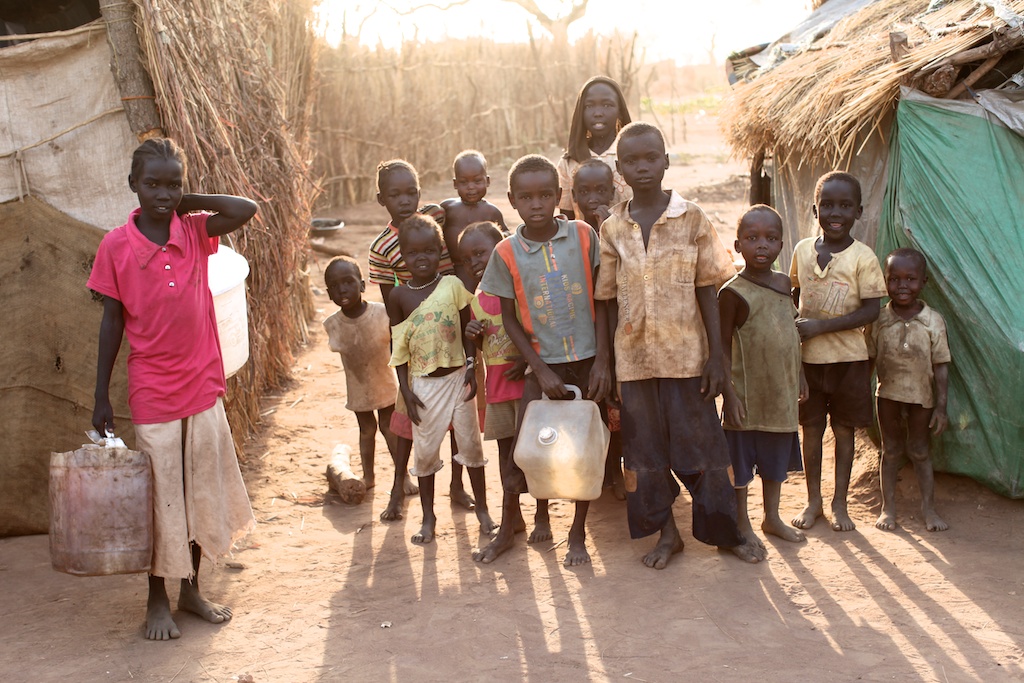 Food insecurity plagues approximately 14 million South Africans. Poverty and unemployment are the two leading contributors of hunger in South Africa, caused in part by the 2008 global economic crisis, which limited job creation opportunities and the purchasing power of South African households. The nation’s economy has also been stagnant, at a growth rate of 3.3 percent since 2011 and shows little signs of improvement. In 2006, 28.4 percent of the country’s population was living in extreme poverty. In 2015, the rate had only decreased to 25.2 percent.
Causes of Hunger
Other factors of poverty include the legacy of apartheid. Apartheid barred black individuals from a proper education system and thus skilled and higher paying occupations. South Africans also seem to display a sense of disinterest in entrepreneurship, given the lack of investment within the business space. High food and fuel prices, high-energy tariffs and increasing interest rates further exacerbate hunger within the nation, as households are struggling to meet basic needs.
Solutions for Hunger
In hopes to mitigate hunger in South Africa, several initiatives have been taken. For instance, Dr. Louise Van Rhyn founded Partners for Possibilities in 2010. Partners for Possibilities is a leadership development program focused on using grassroots and cross-sector collaboration efforts to help teachers and business leaders. The program pairs a business leader as a co-partner to a school principal. By forcing them to adapt and learn to lead a complex and unfamiliar environment, business leaders gradually develop leadership capabilities in the process. The principals learn to work with other individuals, as well as a partner to help them better manage under-resourced schools.
This approach not only improvement schools, spurs individuals to be involved in a business, but it also empowers individuals to succeed in their careers, strengthening South Africa’s education system, economy strengthening households from hunger and food insecurity.
Major international nonprofits such as the World Health Organization have invested in millions of dollars on food aid programs. Often times, even though there is food in markets, it is not necessarily available. Thus, these programs compensate for the lack of access. CARE is another major organization that has been trying to limit hunger in South Africa. Their programs focus on the nutrition specific needs of fetal and child development, as well as home-based practices, making them easy to follow for households of various conditions. One of their most notable developments is the creation of the integrated model: Collective Impact for Nutrition. This particular model was established after 10 years of programming where “key nutrition-sensitive interventions support a core nutrition-specific behavior-based approach, ensuring not only the promotion of improved nutrition practices but also helping to provide the necessary foundation for adopting them.”
Ultimately, hunger in South Africa is a complicated issue, as there are many factors at play. From high rates of unemployment, lack of accessibility to food markets and economic instability due to a lack of education, its difficult to resolve hunger. Recent statistics have shown there has been some improvement in the nation’s economy, though small. For these reasons, it is vital the organizations on the ground continue their efforts to limit hunger within South Africa.
– Iris Gao
Photo: Flickr
