• Link to X
  • Link to Facebook
  • Link to Instagram
  • Link to TikTok
  • Link to Youtube
  • About
    • About Us
      • President
      • Board of Directors
      • Board of Advisors
      • Financials
      • Our Methodology
      • Success Tracker
      • Contact
  • Act Now
    • 30 Ways to Help
      • Email Congress
      • Call Congress
      • Volunteer
      • Courses & Certificates
      • Be a Donor
    • Internships
      • In-Office Internships
      • Remote Internships
    • Legislation
      • Politics 101
  • The Blog
  • The Podcast
  • Magazine
  • Donate
  • Click to open the search input field Click to open the search input field Search
  • Menu Menu

Archive for category: Migration

Foreign Policy, Global Poverty, Migration, Refugees and Displaced Persons

Syrian Refugee Camps in Demand

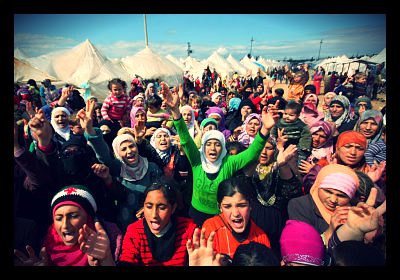
Overfull and varying widely in accommodation, Syrian refugee camps have become an international crisis. The United Nations has made the largest humanitarian appeal for aid ever at $5 billion to relieve the situation but has received less than $2 billion to date. Some 2.2 million refugees are currently scattered across Lebanon, Jordan, Turkey, Iraq and Egypt while more Syrians are fleeing war at an alarming pace. Estimates say more than 3 million refugees will be in those areas by January.

Such numbers are startling given the Syrian population before the onset of war was only  22.5 million. Lebanon, for example, has no official camps despite having more than a million refugees in its borders and does not allow the building of permanent refugee structures. Those who can afford it rent apartments or rooms in the cities at an exorbitant rate while others share the homes of sympathetic civilians or even inhabit abandoned buildings in depressed areas. In the northeast region, an average of 17 people per household are packed together according to a study conducted by Doctors Without Borders last year.

Water, food and healthcare are rationed out slowly and insufficiently, with less to go around as numbers rise. Employment for refugees was around 20% last year in Lebanon, and the economies of Iraq, Turkey and Jordan are in little better position to provide opportunities for such a rapid influx of labor.

Dependency on humanitarian aid is heightened and the desperation of the situation has many refugees working for extremely low wages in poor conditions and engaging in child labor. Economic and physical insecurity in Jordan’s Zataari camp has led parents to arrange hurried marriages for their teenage daughters as young as 14. Matchmakers recruit young girls for Saudi husbands but often end up as prostitutes or victims of “pleasure marriages” where the suitor divorces them after consummation.

Though some of Syria’s displaced persons find bourgeois  housing in Cairo or end up in one of Turkey’s refugee camps that consist of metal trailers with access to satellite T.V. and air conditioning, most see basic necessities and sanitation as luxuries. The Domiz camp in Iraq is made up primarily of tents and has 45,000 residents despite being designed for just 30,000. In just two weeks between August and September, more than 1,500 people were treated for upper respiratory infections there by the World Health Organization (WHO).

Security is also an issue in these camps with reports of rape, theft, kidnapping and murder being common. In the Zataari camp, Jordan security forces restrict entry but lack the manpower to adequately police the camp’s 120,000 residents. Other camps in Iraqi Kurdistan and Turkey reportedly funnel arms and recruits back into Syria. In Lebanon, crime has increased by 30% and increased tensions between Hezbollah and Sunni refugees may be behind the recent bombing of the Iranian embassy in Beirut.

Syria’s bordering nations are gradually increasing restrictions for entering refugees. Lebanon and Turkey are both planning to relocate some people to camps they wish to build within Syria’s insecure borders. Only about 25% of Syria’s refugees are actually in camps now, the rest are trying to survive by their own means. There are also an additional 3.8 million who are internally displaced.

Despite their faults, the refugee camps provide essential support and the need for more camps is evident, but where they can be built and how they will be funded is not so clear.

– Tyson Watkins

Sources: Medecins Sans Frontieres, World Health Organization, United Nations High Commissioner for Refugees: Syrian Arab Republic,
United Nations High Commissioner for Refugees: Moving Refugees, The Guardian, Integrated Regional Information Networks, BBC, United Nations High Commissioner for Refugees: Syrian Regional Response Plan, Aljazeera, The Daily Star United Nations High Commissioner for Refugees: Stories from Syrian Refugees, The New York Review of Books
Photo: NPR

December 25, 2013
https://borgenproject.org/wp-content/uploads/borgen-project-logo.svg 0 0 Borgen Project https://borgenproject.org/wp-content/uploads/borgen-project-logo.svg Borgen Project2013-12-25 04:00:442024-05-25 00:32:28Syrian Refugee Camps in Demand
Foreign Aid, Migration, Refugees and Displaced Persons

Kenya Plans To Close All Refugee Camps

kenyan_refugee_camps
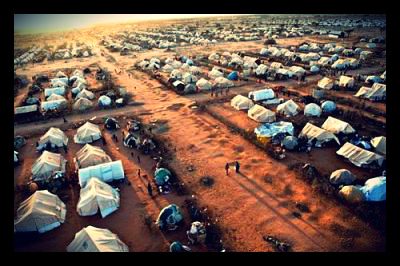
Kenya in recent decades has become a place of refuge for people from all countries in Africa. Nonetheless, this past week, Asman Kamama, the Chairman of the Kenyan Administration and National Security Committee, stated that Kenya would attempt to close all its refugee camps within the next two years. This goal, however, depends upon the stability and improvements made within the countries where the refugees are coming from, particularly Somalia. Of Kenya’s 592, 219 refugees, 476,635 (80%) of these refugees are Somalis.

Groups from Ethiopia, Sudan, Congo, Rwanda, Eritrea, Burundi, South Sudan and Uganda also compromise the population of Kenyan refugee camps. As a result of the mass amount of refugees, the populations in refugee camps have swollen and strained the resources available. For example, Dadaab refugee camp, located in Kenya, is ranked the largest refugee camp in the world.

However, the United Nations has denied that an effort has been made to close the Somali refugee camps in Kenya. Kitty McKinsey, a spokeswoman for the U.N. Refugee Agency, stated that the United Nations does not believe “that there is any order for the refugee camps in Kenya to be closed.” McKinsey added, “The Kenyan government and the Kenyan people have been very generous to the refugees over the years, and we certainly have every reason to expect that will continue to be the case.”

The fate of refugees in Kenya is yet to be seen. If Kenya does close the refugee camps, Kamama explained that the return of these refugees will be peaceful and smooth.

– Lienna Feleke-Eshete

Sources: VOA News, All Africa

Photo: Womens News Network

December 23, 2013
https://borgenproject.org/wp-content/uploads/borgen-project-logo.svg 0 0 Borgen Project https://borgenproject.org/wp-content/uploads/borgen-project-logo.svg Borgen Project2013-12-23 04:00:362024-05-25 00:38:39Kenya Plans To Close All Refugee Camps
Page 15 of 15«‹131415

Get Smarter

  • Global Poverty 101
  • Global Poverty… The Good News
  • Global Poverty & U.S. Jobs
  • Global Poverty and National Security
  • Innovative Solutions to Poverty
  • Global Poverty & Aid FAQ’s
Search Search

Take Action

  • Call Congress
  • Email Congress
  • Donate
  • 30 Ways to Help
  • Volunteer Ops
  • Internships
  • Courses & Certificates
  • The Podcast
Borgen Project

“The Borgen Project is an incredible nonprofit organization that is addressing poverty and hunger and working towards ending them.”

-The Huffington Post

Inside The Borgen Project

  • Contact
  • About
  • Financials
  • President
  • Board of Directors
  • Board of Advisors

International Links

  • UK Email Parliament
  • UK Donate
  • Canada Email Parliament

Get Smarter

  • Global Poverty 101
  • Global Poverty… The Good News
  • Global Poverty & U.S. Jobs
  • Global Poverty and National Security
  • Innovative Solutions to Poverty
  • Global Poverty & Aid FAQ’s

Ways to Help

  • Call Congress
  • Email Congress
  • Donate
  • 30 Ways to Help
  • Volunteer Ops
  • Internships
  • Courses & Certificates
  • The Podcast
Scroll to top Scroll to top Scroll to top