• Link to X
  • Link to Facebook
  • Link to Instagram
  • Link to TikTok
  • Link to Youtube
  • About
    • About Us
      • President
      • Board of Directors
      • Board of Advisors
      • Financials
      • Our Methodology
      • Success Tracker
      • Contact
  • Act Now
    • 30 Ways to Help
      • Email Congress
      • Call Congress
      • Volunteer
      • Courses & Certificates
      • Be a Donor
    • Internships
      • In-Office Internships
      • Remote Internships
    • Legislation
      • Politics 101
  • The Blog
  • The Podcast
  • Magazine
  • Donate
  • Click to open the search input field Click to open the search input field Search
  • Menu Menu

Archive for category: Hunger

Hunger

Five Facts About Hunger in Southeast Asia and How to Help

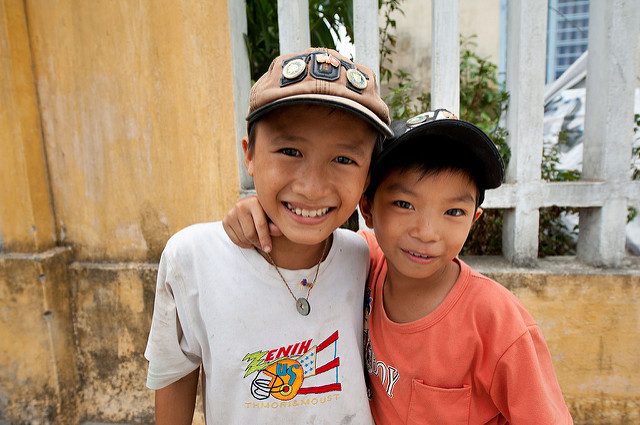
Hunger in Southeast AsiaDue to the ongoing mistreatment of the Rohingya people in Myanmar, humanitarian issues in Southeast Asia have been front and center in conversations among the international community. Hunger in Southeast Asia is one of many complex issues that need to be addressed for the region to improve its quality of life. Here are five things you need to know to better understand the problem as well as four ways to help.
Five Facts About Hunger in Southeast Asia

  1. In Southeast Asia, 9.8 percent of the total population is undernourished. This amounts to 27.8 million people, the equivalent of the entire population of Texas.
  2. Over 80,000 children in Muslim-majority areas of western Myanmar are classified as wasting (low weight for height). One-third of homes in the Maungdaw region of the country are suffering from extreme food deprivation. These are the areas where the violence against the Rohingya has taken place. This crisis has also led to 480,000 refugees fleeing from Myanmar to Bangladesh since August 25, 2017. Many of these refugees are now suffering from malnutrition.
  3. The U.S. cut assistance to Southeast Asia from $182.1 million in 2010 to $147.6 million in 2015, a 19 percent drop. During that same time frame, the U.S. increased assistance to the Middle East by 19 percent, from $6.7 billion to $8 billion.
  4. In Timor-Leste, one of the most malnourished countries in Asia, half of all children suffer from stunting (low height for age). Lack of access to nutritious foods as well as lack of nutrition education can lead to stunting. The country’s extreme reliance on agriculture also leaves it open to food shortages caused by natural disasters and climatic cycles such as El Niño.
  5. An Asian Development Bank study found that climate change could cause Southeast Asia’s agriculture-dependent economies to contract by 6.7 percent by the year 2100. This would cause food shortages and poverty to increase across the region.

Four Ways to Help

  1. The U.S. Foreign Assistance planned budget has decreased each year since 2015 (with the largest cuts due to take place in 2018). Foreign Assistance goes toward things like health services, peace & security and environmental protections, all of which can help decrease hunger in Southeast Asia. Calling on Congress to protect the U.S. Foreign Assistance budget can help make sure that this trajectory is changed.
  2. Get involved with organizations that help fight hunger and poverty. The World Food Programme delivers food assistance in emergencies and works with communities worldwide to improve nutrition and build resistance. Oxfam tackles the root causes of poverty and creates lasting solutions. These two organizations are a great starting point, but there are many others doing great work to help eliminate hunger and improve people’s quality of life.
  3. If climate change continues at the current pace, poverty and hunger in Southeast Asia and other developing regions will increase. Live sustainably and help others do the same. Advocate for environmental protection agreements such as the Paris Accords.
  4. Stay positive and focus on the progress that has been made. The Global Hunger Index for South and Southeast Asia dropped 36 percent from 2000 to 2015. The United Nations reports that more than 1 billion people have been lifted out of extreme poverty worldwide since 1990.

While there is still a lot of work to be done, the global community is taking many positive steps toward reducing, and eventually eliminating, hunger in Southeast Asia. The problem can seem overwhelming at times, but with ongoing innovation and advocacy, the number of people suffering from malnutrition in the region will continue to decrease.

– Aaron Childree

Photo: Flickr

October 30, 2017
https://borgenproject.org/wp-content/uploads/borgen-project-logo.svg 0 0 Kim Thelwell https://borgenproject.org/wp-content/uploads/borgen-project-logo.svg Kim Thelwell2017-10-30 01:30:002024-05-28 00:00:12Five Facts About Hunger in Southeast Asia and How to Help
Global Poverty, Hunger

3 Causes of Hunger in Niger

Hunger in NigerNiger is a landlocked country in sub-Saharan Africa that struggles to feed its population. Three major factors that contribute to hunger in Niger are overpopulation, scarce water supply and armed conflict.

The food crisis in Niger is made worse by the staggering birth rates of the region. With an average of 7.6 children per woman, Niger’s population is growing fast.

This growth raises questions regarding how to feed these children. An estimated 2.5 million people have no secure source of food.

Niger has poor access to contraception, so the population is likely to continue increasing and put more strain on its already meager food supply.

Nigerien president Mahamadou Issoufou is working with the African Development Bank (AfDB) to better modernize the infrastructure of the country in an attempt to feed the growing population.

“We have launched the Nigeriens Nourish Nigeriens initiative, aiming to reduce poverty — which mainly affects women and rural populations — to 31 percent and enabling the complete eradication of hunger in Niger by 2021,” Issoufou said.

Niger is a landlocked country located just beneath the Sahara Desert. As a result, finding access to water can be difficult.

Niger’s food sources are vulnerable since the country relies heavily on subsistence rain-fed agriculture. The variance in rainfall and the harsh climatic conditions contribute to the chronic food insecurity.

AfDB president Akinwumi Adesina addressed members of Niger’s government on Sept. 26, 2017, in an effort to show how the AfDB plans to help mitigate the lack of water.

“I am convinced that the construction of the Kandadji dam, one of the projects we are financing here in Niger, will enable your country to overcome challenges in agriculture and energy. Once complete, the Kandadji dam will produce 1.5 billion square meters, 125 megawatts, and will allow about 45,000 hectares of land to be irrigated.”

Ongoing Boko Haram-related conflict has caused an influx of Nigerian refugees. Population displacement has left locals in the Diffa region of Niger food-insecure.

Boko Haram, the Islamist extremist group, has rampaged across the region for years, forcing more than two million people to flee their homes and farms. Across the border of Niger and Nigeria, trade has come to a halt. Markets have shut down because vendors have nothing to sell.

Because of Boko Haram-induced terror in Nigeria, refugees flee north into Niger. This places even more stress on the overpopulated and food-insecure country.

Farmers in Niger and Nigeria have begun to change their tactics, planting crops that lay low to the ground so as not to be easily spotted by raiding soldiers. However, this is a desperate solution to hunger in Niger that only direct actions from world powers can fix.

– Sam Bramlett

Photo: Flickr

October 29, 2017
https://borgenproject.org/wp-content/uploads/borgen-project-logo.svg 0 0 Borgen Project https://borgenproject.org/wp-content/uploads/borgen-project-logo.svg Borgen Project2017-10-29 07:30:292019-12-31 12:56:273 Causes of Hunger in Niger
Health, Hunger

Solutions to Hunger in Hong Kong

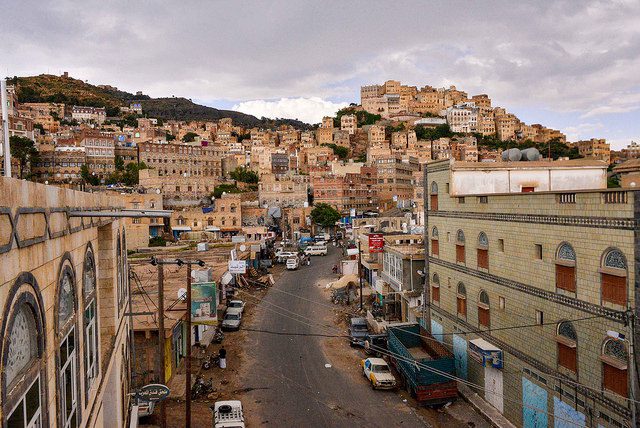
A Prospect of Solutions to Hunger in Hong KongAs a cosmopolitan region with high economic prosperity, hunger in Hong Kong is often overlooked, since there are both short-term food assistance and governmental welfare systems available. However, as one of the most densely populated cities in the world with seven million residents, hunger for a healthy diet exists among low-income families in Hong Kong.
According to a 2014 joint study by the Hong Kong Council of Social Service and the Social Work Department of the Chinese University of Hong Kong, about 70,000 people lack fresh fruit and vegetables for daily consumption, while 40,000 people cannot afford to eat three meals per day.

There is also some argument as to whether Hong Kong is a well-developed or developing region. As indicated by a 2012 census report, Hong Kong’s 15.2 percent poverty rate suggests that around one million people may experience a risk of hunger and related health issues. The population of working poor was estimated at 644,000, while one-third of senior citizens and one-fifth of children live below the poverty line in Hong Kong. In addition, there is a significant gap between the rich and the poor.

The most common ways for low-income families to reduce their living costs include purchasing food on sale in large supermarkets or accepting food donations from charitable organizations. Households that are highly dependent on cheap food have a higher risk of malnutrition and related health and social issues due to the poor quality of food.

In the past few years, several nonprofit organizations have carried out several projects to improve the diets of people living under the poverty line in Hong Kong. The Feeding Hong Kong program both collects and delivers surplus fruits, vegetables and canned foods through multiple charitable organizations and communities. The Food for Thought project focuses on seniors by arranging food donations in the basketball court of Tin Yiu Estate once a week. They provide surplus food donated by market stalls and offer it to anyone who comes, with no means testing required.

While there is still a long march to eliminate the negative impacts of hunger in Hong Kong, many organizations are working to eliminate food waste and get it into the hands of those who need it most.

– Xin Gao

Photo: Flickr

October 28, 2017
https://borgenproject.org/wp-content/uploads/borgen-project-logo.svg 0 0 Kim Thelwell https://borgenproject.org/wp-content/uploads/borgen-project-logo.svg Kim Thelwell2017-10-28 07:30:592019-12-31 13:06:26Solutions to Hunger in Hong Kong
Global Poverty, Hunger, Women and Female Empowerment

10 Facts About the Yemeni Crisis

10 Facts About the Yemeni CrisisOne of the world’s most severe humanitarian crises is currently happening in Yemen, a desert country in the Middle East on the southern point of the Arabian Peninsula. 26 million people in the country are suffering through the conflict between Al Houthi and the Saudi-led coalition that has been going on since March 2015. These 10 facts about the Yemeni crisis highlight the struggles of Yemen‘s population.

  1. The Yemeni crisis started because of weak governance that has plagued the country for decades. In 2014, President Abdrabbuh Mansour Hadi was deposed by the Houthi rebels, and a coalition led by Saudi Arabia has been fighting them to restore the legitimate government.
  2. The conflict is dangerously affecting the availability of food in Yemen. As of 2017, the food crisis in Yemen could be considered a famine, according to the U.N.’s humanitarian chief. Many people have resorted to reducing the number of meals they eat and limiting portion sizes.
  3. 14 million people in Yemen do not have enough food or clean water, and seven million are at risk of dying of starvation.
  4. 385,000 children suffer from life-threatening malnutrition. 4.5 million citizens need nutritional aid and 3.3 million are considered malnourished. These rates are considered to be far above the emergency threshold.
  5. Schools and health facilities have been damaged or destroyed; exactly half of all health facilities are now closed in Yemen. Only 45 percent of health facilities are fully accessible, while 38 percent are only partially accessible and 17 percent are not functional. Many of the medical staff and teachers have left Yemen to avoid the conflict. At least two million children are not in school due to the Yemeni crisis.
  6. More than 40,000 people have been killed or injured due to warfare in the villages, losing their homes, their safety and healthcare. 3.1 million people have been forced out of their homes.
  7. Millions of people are living in overpopulated shelters or damaged homes, while 184,000 people have fled to other countries.
  8. Females are the most vulnerable people in the Yemeni crisis. Women and girls in Yemen are facing abuse, forced marriage, exploitation and violence. Violence against females has increased by more than 63 percent since 2015. About 2.6 million females are now at risk.
  9. The restrictions on commercial trade prevent the delivery of supplies of food, medicine and other essentials. Fortunately, Action Against Hunger has mobile nutrition teams working in Yemen to provide health care, nutrition, water sanitation and food.
  10. Organizations need financial support to help those struggling with the Yemeni crisis. The government funding that has been given to organizations is being used to increase food security and fight cholera, an infectious disease that leads to dehydration and often death caused by contaminated food and water.

– Chloe Turner

Photo: Flickr

October 28, 2017
https://borgenproject.org/wp-content/uploads/borgen-project-logo.svg 0 0 Kim Thelwell https://borgenproject.org/wp-content/uploads/borgen-project-logo.svg Kim Thelwell2017-10-28 07:30:172024-05-29 22:27:4910 Facts About the Yemeni Crisis
Children, Food Security, Global Poverty, Hunger, Women

Hunger in Malaysia on the Decline

Hunger in MalaysiaMalaysia has shown remarkable economic progress over the past several decades, with poverty falling from 49.3 percent in 1970 to 23 percent in 1989 and 1.7 percent in 2012. One of the key aspects of the New Economic Policy adopted by Malaysia was creating a “Pro-Poor” policy. According to the World Bank, “the NEP contributed to poverty reduction and helped provide opportunities to poor households.”

However, Malaysia’s Poverty Line Income differs from the standard $1 USD per day (purchasing power parity) poverty line. When converting to international standards, it results in Malaysia having a higher poverty rate.

There has never been a problem of chronic hunger in Malaysia. Many nutrition programs have been incorporated into the rural development programs and have proved successful. According to the World Health Organization, consumption of fewer than 1,960 calories a day is a mark of food poverty. A great indicator of successful eradication of hunger in Malaysia lies in the fact that its daily per capita intake of calories has been consistently above the standard mark. The average was 2,969 in 1999.

The government introduced the Applied Food and Nutrition Programme in 1972 to improve nutrition and alleviate hunger in Malaysia. It aimed to increase the production of nutritious foods and promote supplementary feeding of pregnant and lactating mothers as well as infants and school-going children.

The Nutrition Rehabilitation Programme started in 1989, focusing on malnourished children. Food baskets containing nutritional supplements are distributed to such children on a monthly basis.

The results have been very positive. Only 1 percent of Malaysia’s children under the age of five are severely underweight, while the proportion of moderate underweight malnutrition has declined from 25 percent in the early 1990s to 12 percent in 2001.

Malaysia has overcome poverty through an inclusive approach to growth and equity. But there are still vulnerable groups, like single female-headed households and the elderly. Also, many Orang Asli still face extreme poverty. To move forward, a new consensus has to be built around a poverty line that is more balanced in line with international standards, as was suggested by the UNDP.

– Tripti Sinha

Photo: Flickr

October 27, 2017
https://borgenproject.org/wp-content/uploads/borgen-project-logo.svg 0 0 Kim Thelwell https://borgenproject.org/wp-content/uploads/borgen-project-logo.svg Kim Thelwell2017-10-27 07:30:482024-06-05 02:36:40Hunger in Malaysia on the Decline
Global Poverty, Hunger, War and Violence

10 Facts About the Somali Civil War

10 Facts About the Somali Civil War
A conflict that began in 1991, the Somali civil war has ravaged the Horn of Africa ever since. The civil war began as an armed resistance to the Siad Barre regime, which grew into a much larger conflict between various competing factions after the overthrow of Barre.


10 Facts about the Somali Civil War


  1. Over the nearly 30 years of conflict, the war has claimed upwards of 500,000 lives, according to estimates from the Associated Press and Africa News in 2007. Since then, the Armed Conflict Location and Event Dataset reports falling numbers of fatalities in Somalia, although more than 3,000 people continue to die in the conflict each year.
  2. The lasting effects have helped trigger continuous famines and food shortages over the years, with the most recent beginning last year and continuing to today. Not only is food in short supply, the price of a jug of water has shot up more than tenfold and can cost nearly half a day’s wages for some families.
  3. The militant organization al-Shabaab is in control of large tracts of land in southern Somalia that comprise much of the nation’s most fertile lands. This has aided al-Shabaab’s recruitment during famines, as they can promise to feed the poor in exchange for joining the group.
  4. The United Nations Security Council will soon have to vote on whether to extend or end the weapons embargo on Somalia, as the current embargo is set to expire on November 15, 2017. The embargo is a measure, supported by most members of the UNSC, that seeks to take away al-Shabaab’s funding and ways of arming themselves.
  5. Though foreign aid workers are working to help alleviate famine in the areas controlled by Somalia’s African Union-backed government, aid workers are banned from helping within territory controlled by al-Shabaab. This has led to people dying of hunger and thirst mere miles from people able to assist them.
  6. Though there have been a variety of different factions vying for control over the three decades of the civil war, al-Shabaab is currently the leading opposition to peace in the region. The terrorist group numbers between 7,000 and 9,000 members, and seeks to seize control of Somalia and bring it under extremist Islamic control.
  7. One of the major players opposing al-Shabaab are the forces of the African Union Mission to Somalia (AMISOM). AMISOM is comprised of some 22,000 soldiers from the armies of surrounding African nations that seek to support the legitimate government of Somalia. Since the mission began in 2007, AMISOM has lost upwards of 1,000 soldiers in combat with al-Shabaab, the most recent coming in a late July ambush on an AMISOM patrol, which cost the lives of at least 12 Ugandan soldiers.
  8. According to data from the United Nations Development Programme, 73 percent of Somalians live in poverty and the average life expectancy in the nation is only 52 years. Though the government of Somalia is beginning to make progress, the instability from years of war is making progress hard and keeping the nation in flux.
  9. As a result of the war, over one million Somalians have been displaced from their homes and livelihoods. Those displaced are in serious trouble, as the government still lacks the capabilities to adequately aid them and their situation is only exacerbated by the rising famine and drought.
  10. United States aid to Somalia has been falling in recent years, from its highest at $461 million in 2012 to a mere $212 million in 2016. For a fledgling nation that faces the dual plights of internal conflict and severe famine, such aid is extremely important to ensuring the well-being of their citizens.

The above 10 facts about the Somali civil war are just a brief overview of the long and complex conflict. Though things appear to be improving in Somalia, with the government finally gaining a more secure foothold, the famine and attacks by groups like al-Shabaab still leave the nation in a precarious situation.

– Erik Halberg

Photo: Flickr

October 27, 2017
https://borgenproject.org/wp-content/uploads/borgen-project-logo.svg 0 0 Kim Thelwell https://borgenproject.org/wp-content/uploads/borgen-project-logo.svg Kim Thelwell2017-10-27 07:30:462024-06-05 23:55:3210 Facts About the Somali Civil War
Developing Countries, Education, Global Poverty, Hunger, Women and Female Empowerment

10 Educational Obstacles Throughout the World


In a perfect world, education would be free and easily accessible for citizens of all countries. As education seems to be unattainable for a lot of people in certain countries, there are a lot of people and organizations that want to help, but just do not know how or they  may not understand the many obstacles to obtaining an education. Here are 10 obstacles that citizens around the world struggle with when trying to obtain an education.

Classrooms
Finding an adequate space to teach students can be one of the major issues countries find when looking to start a school. Often, without a large enough teaching space, there are overcrowded classrooms or teachers are forced to teach outside, in which case they are not in a proper learning environment. The existing classrooms and buildings are sometimes poorly built and falling apart, lacking proper facilities such as toilets and water.

Learning Materials
Tools and materials students need access to in order to have a decent education are hard for them to obtain, often because living in poverty means that their families simply cannot afford them. A lot of textbooks are old and in bad condition and may be shared by six or more students. Not only do the students need proper materials, but the teachers often lack these supplies as well. Lesson plans and chalkboards may seem like basic materials, but a lot of countries lack these essentials for the classroom.

Expenses
Fees for tuition, school uniforms, transportation, supplies and any other fees add up very quickly. For families living on a low household income, this means that school is not an option for them; aside from this, these families often require their children to work instead of spending time in school.

Gender
Females are about two and a half times more likely to not attend school than males in conflict-affected countries. Therefore, even being born a female can prevent a student from obtaining an education. Often times this is due to the risk of a violent attack when attempting to attend class, an early marriage or pregnancy or discrimination. Some countries discriminate against women and girls from going to school because of longstanding social beliefs that men dominate women.

Rural Living
Children and students living in rural areas are at a disadvantage when it comes to their education. The distance is much farther than those who live in the city and closer to the schools, and it can be hard to find proper transportation to and from class.

Funding
A lot of poor countries do not receive enough government funding to establish a school, and often, the existing schools are not well built or sanitary. In some instances, there are not even private restrooms for females to use and this can prevent them from attending school.

Disabilities
Developmental disabilities are common of children in developing countries. Due to these – often cognitive – disabilities, families often suffer from an economic and social disadvantage. These children may not be able to learn and retain information properly, and therefore may have a hard time keeping up in school. This can prevent the child from attending school in general.

Teachers
Filling teaching positions is one of the many educational obstacles that countries face. Unfortunately, for there to be universal primary education, there would need to be 28.5 million new teachers by the year 2030. A lot of educators are given a class that contains way too many kids, with a variety of languages being spoken and not many materials to use.

Hunger
Malnutrition is known to make children very ill and hurt their immune system. Hunger can also cause things like anxiety and depression as well as behavioral problems, which can result in difficulty focusing. Not eating enough can impair childrens’ development and their achievement and can cause psychological problems.

War Zones
Education becomes less important when living in a war zone. An estimated 28 million children – 42 percent of the world’s total – do not have access to education, as they are living in war zones. Governments often donate and help with food, water and shelter, as the primary needs during an emergency, and education is an afterthought.

Although there are many obstacles prohibiting educational attainment around the globe, many of them can themselves be prevented. There are so many different organizations that people throughout the world can choose from to contribute their time to or donate to. Save the children, an organization founded in the U.S., was able to help over 13 million children receive an education in 2016. This is evidence that our donations and contributions through charities are indeed effective and changing lives, and that we are able to tackle these obstacles one by one.

– Chloe Turner

Photo: Flickr

October 27, 2017
https://borgenproject.org/wp-content/uploads/borgen-project-logo.svg 0 0 Kim Thelwell https://borgenproject.org/wp-content/uploads/borgen-project-logo.svg Kim Thelwell2017-10-27 01:30:352024-05-29 22:28:0210 Educational Obstacles Throughout the World
Food Security, Global Poverty, Hunger

Free School Meals Alleviating Hunger in Guam

Hunger in GuamGuam is a small island and a U.S. territory located southeast of Japan with a small population of about 163,000 people. Because of the small population, hunger in Guam has a much higher impact. Thankfully, things are looking up for Guam as rising employment rates and school programs are helping the hunger situation in Guam.

One of the more impactful programs in Guam that is fighting the hunger situation is that all 26 elementary schools in Guam serve meals for free. This free meal plan is provided through the federally funded Community Eligibility Provision grant that is provided by the U.S. Department of Agriculture.

This program feeds elementary students so they are focused and ready to participate in classes by giving them the nutrition they need. Some middle and high schools are also participating in the free meal program. The First Lady of Guam, Christine Calvo, wants to stamp out child hunger in Guam by expanding this program to all schools.

With unemployment, food insecurity becomes an issue. Food insecurity is when people are without reliable access to affordable or nutritious food. Unfortunately, people need to spend money to eat, and if people are unemployed, they cannot do so.

However, Guam has decreased its unemployment rate quite drastically. From June 2015 to June 2016, the unemployment rate in Guam dropped from 8.7 percent to 3.9 percent, a 55 percent decrease in unemployment. Because of this decrease, food insecurity has become less of an issue and more people know where their next meal is coming from.

Although hunger in Guam used to be a major issue, solutions are being implemented to help those in the country. Implementing free meal programs in schools and decreasing unemployment are important steps to alleviating hunger in Guam. If the free meal program expands to all schools and the unemployment rate continues to drop, hunger could become a thing of the past for the people of Guam.

– Daniel Borjas

Photo: Flickr

October 26, 2017
https://borgenproject.org/wp-content/uploads/borgen-project-logo.svg 0 0 Kim Thelwell https://borgenproject.org/wp-content/uploads/borgen-project-logo.svg Kim Thelwell2017-10-26 07:30:102024-05-28 00:02:09Free School Meals Alleviating Hunger in Guam
Food & Hunger, Global Poverty, Hunger

Hunger in Guadeloupe Needs Improvement

Hunger in GuadeloupeGuadeloupe is an island and a French overseas region in the Lesser Antilles of the Caribbean. Its population is around 395,000.

Current Statistics

  • Poverty rate – The worldwide economic crisis has caused a sharp increase in unemployment, currently at around 28.7%. The surge in unemployment has led to higher poverty rates, with statistics showing that 34.7% of the population is living below the poverty line. This has directly contributed to hunger and food insecurity, threatening the population’s well-being.
  • Malnourishment –The combination of longer life expectancy and lower fertility rates in Guadeloupe has caused a decrease in population growth and increased dependency ratio, which currently stands at “62.5 passive people (under 15 and over 65) for every 100 working-age people”. This means fewer working-age individuals are available to support the dependent population. The demographic shift has led to increased food insecurity and higher poverty rates. Consequently, hunger is rising, particularly among older adults who are especially vulnerable. As a result, 20% of older adults are malnourished, compared to only 5% of the general population. 

Impact of COVID-19

  • Agriculture – Guadeloupe derives 50% of its export revenue from crop products,  but it still relies on France for a portion of its food supply. The COVID-19 pandemic significantly affected the country’s agricultural systems, leading to various consequences. Reduced demand during lockdowns and a labor shortage resulted in declining crop production and reduced income for farmers and those associated with food businesses. 
  • Eating Habits – The COVID-19 pandemic has not only impacted the economy but has also led to changes in people’s eating habits. Lockdown measures caused individuals to stock up on non-perishable food items, resulting in a less varied diet and an increased susceptibility to health issues like obesity, diabetes and cardiovascular diseases. Additionally, due to rising poverty levels, people have less purchasing power, which prompts them to opt for cheaper but less healthy food choices. Studies have shown a link between low income and obesity. According to the scientific journal Diabetes and Metabolism, obesity rates in the country are high, ranging from 17.9 to 33.1% in different parts of the country.

Good News

Despite facing numerous challenges, there is promising news for the agricultural sector in Guadeloupe. Farmers in the region have responded to these challenges by broadening their crop range and prioritizing greater self-sufficiency in resources, labor and marketing. These adaptations indicate a transition towards more sustainable and eco-friendly farming practices. 

Final Thoughts

The current situation in Guadeloupe is alarming due to high poverty rates, malnourishment among older adults and increased obesity among the population. Resolving these issues will require a comprehensive strategy that includes economic assistance, reforms in the agricultural sector, and the implementation of public health programs. Such steps will help reduce unemployment and poverty and ensure access to nutritious food for all residents of Guadeloupe.

– Scott Kesselring and Maria Waleed

Photo: Flickr
Updated: October 18, 2024

October 26, 2017
https://borgenproject.org/wp-content/uploads/borgen-project-logo.svg 0 0 Kim Thelwell https://borgenproject.org/wp-content/uploads/borgen-project-logo.svg Kim Thelwell2017-10-26 01:30:082024-10-18 05:58:02Hunger in Guadeloupe Needs Improvement
Global Poverty, Hunger

Fighting Hunger in Gabon

Hunger in Gabon

On a continent where a number of countries struggle with the issue of hunger, the western African nation of Gabon has proven to be a relatively optimistic case. Hunger in Gabon has gone down in absolute terms over the past decade.

In general, western Sub-Saharan Africa has improved its hunger situation in recent years. The prevalence of undernourishment in the region has been reduced from 24.2 percent in 1992 to 9.6 percent in 2016. In Gabon alone, the proportion of undernourished people went from 9.5 percent to 2.7 percent between 1992 and 2016. For Gabon, one of the most notable gains has been the wellbeing of children. Prevalence of growth stunting in children has dropped from 26.7 to 17.5 percent and the under five mortality rate has decreased from 9.1 to 5.1 percent in the span of 1992 to 2016. A big part of this improvement in western Africa has been the developments in infrastructure in the region. This has led to increased agricultural productivity.

Another reason for the decrease in hunger, including hunger in Gabon, is the increased cooperation between western African states. Several organizations have sprung up, including the Economic Community of West African States, the West African Monetary and Economic Union, and the Permanent Interstate Committee for Drought Control in the Sahel. Additionally, the region has adopted the Comprehensive Africa Agriculture Development Program, which, among other things, aims to right gender imbalances, promote nutrition and encourage investment in agriculture.

There are still some factors that may be perpetuating hunger in Gabon. According to the Hunger Reduction Commitment Index Africa, Gabon lacks access to agricultural research, functioning social protection systems and equal access for women to agricultural land. Gabon also lacks a constitutional right to food. However, access to land was rated as “moderate,” which is an improvement.

Overall, hunger in Gabon still persists. However, the country is making strides in the right direction. If it continues to cooperate with its neighboring states and expand the access of its people – especially in the rural zones – to the resources they need, it will continue down the path to ending hunger.

– Andrew Revord

Photo: Pixabay

October 24, 2017
https://borgenproject.org/wp-content/uploads/borgen-project-logo.svg 0 0 Borgen Project https://borgenproject.org/wp-content/uploads/borgen-project-logo.svg Borgen Project2017-10-24 01:30:462020-04-03 13:46:50Fighting Hunger in Gabon
Page 45 of 71«‹4344454647›»

Get Smarter

  • Global Poverty 101
  • Global Poverty… The Good News
  • Global Poverty & U.S. Jobs
  • Global Poverty and National Security
  • Innovative Solutions to Poverty
  • Global Poverty & Aid FAQ’s
Search Search

Take Action

  • Call Congress
  • Email Congress
  • Donate
  • 30 Ways to Help
  • Volunteer Ops
  • Internships
  • Courses & Certificates
  • The Podcast
Borgen Project

“The Borgen Project is an incredible nonprofit organization that is addressing poverty and hunger and working towards ending them.”

-The Huffington Post

Inside The Borgen Project

  • Contact
  • About
  • Financials
  • President
  • Board of Directors
  • Board of Advisors

International Links

  • UK Email Parliament
  • UK Donate
  • Canada Email Parliament

Get Smarter

  • Global Poverty 101
  • Global Poverty… The Good News
  • Global Poverty & U.S. Jobs
  • Global Poverty and National Security
  • Innovative Solutions to Poverty
  • Global Poverty & Aid FAQ’s

Ways to Help

  • Call Congress
  • Email Congress
  • Donate
  • 30 Ways to Help
  • Volunteer Ops
  • Internships
  • Courses & Certificates
  • The Podcast
Scroll to top Scroll to top Scroll to top