• Link to X
  • Link to Facebook
  • Link to Instagram
  • Link to TikTok
  • Link to Youtube
  • About
    • About Us
      • President
      • Board of Directors
      • Board of Advisors
      • Financials
      • Our Methodology
      • Success Tracker
      • Contact
  • Act Now
    • 30 Ways to Help
      • Email Congress
      • Call Congress
      • Volunteer
      • Courses & Certificates
      • Be a Donor
    • Internships
      • In-Office Internships
      • Remote Internships
    • Legislation
      • Politics 101
  • The Blog
  • The Podcast
  • Magazine
  • Donate
  • Click to open the search input field Click to open the search input field Search
  • Menu Menu

Archive for category: Hunger

Advocacy, Global Poverty, Hunger

The Top 10 Most Important Current Global Issues

current global issues

Among all the good in the world, and all the progress being made in global issues, there is still much more to be done. Given the overwhelming disasters that nations, including the U.S., have been or still are going through, it is important to be aware of the most pressing global issues.

Top 10 Current Global Issues

  1. Climate Change
    The global temperatures are rising, and are estimated to increase from 2.6 degrees Celsius to 4.8 degrees Celsius by 2100. This would cause more severe weather, crises with food and resources and the spread of diseases. The reduction of greenhouse emissions and the spreading of education on the importance of going green can help make a big difference. Lobbying governments and discussing policies to reduce carbon emissions and encouraging reforestation is an effective way of making progress with climate change.
  2. Pollution
    Pollution is one of the most difficult global issues to combat, as the umbrella term refers to ocean litter, pesticides and fertilizers, air, light and noise pollution. Clean water is essential for humans and animals, but more than one billion people don’t have access to clean water due to pollution from toxic substances, sewage or industrial waste. It is of the utmost importance that people all over the world begin working to minimize the various types of pollution, in order to better the health of the planet and all those living on it.
  3. Violence
    Violence can be found in the social, cultural and economic aspects of the world. Whether it is conflict that has broken out in a city, hatred targeted at a certain group of people or sexual harassment occurring on the street, violence is a preventable problem that has been an issue for longer than necessary. With continued work on behalf of the governments of all nations, as well as the individual citizens, the issue can be addressed and reduced.
  4. Security and Well Being
    The U.N. is a perfect example of preventing the lack of security and well being that is a serious global issue. Through its efforts with regional organizations and representatives that are skilled in security, the U.N. is working toward increasing the well being of people throughout the world.
  5. Lack of Education
    More than 72 million children throughout the globe that are of the age to be in primary education are not enrolled in school. This can be attributed to inequality and marginalization as well as poverty. Fortunately, there are many organizations that work directly with the issue of education in providing the proper tools and resources to aid schools.
  6. Unemployment
    Without the necessary education and skills for employment, many people, particularly 15- to 24-year olds, struggle to find jobs and create a proper living for themselves and their families. This leads to a lack of necessary resources, such as enough food, clothing, transportation and proper living conditions. Fortunately, there are organizations throughout the world teaching people in need the skills for jobs and interviewing, helping to lift people from the vicious cycle of poverty.
  7. Government Corruption
    Corruption is a major cause of poverty considering how it affects the poor the most, eroding political and economic development, democracy and more. Corruption can be detrimental to the safety and well being of citizens living within the corrupted vicinity, and can cause an increase in violence and physical threats without as much regulation in the government.
  8. Malnourishment & Hunger
    Currently there are 795 million people who do not have enough to eat. Long-term success to ending world hunger starts with ending poverty. With fighting poverty through proper training for employment, education and the teaching of cooking and gardening skills, people who are suffering will be more likely to get jobs, earn enough money to buy food and even learn how to make their own food to save money.
  9. Substance Abuse
    The United Nations reports that, by the beginning of the 21st century, an estimated 185 million people over the age of 15 were consuming drugs globally. The drugs most commonly used are marijuana, cocaine, alcohol, amphetamine stimulants, opiates and volatile solvents. Different classes of people, both poor and rich, partake in substance abuse, and it is a persistent issue throughout the world. Petitions and projects are in progress to end the global issue of substance abuse.
  10. Terrorism
    Terrorism is an issue throughout the world that causes fear and insecurity, violence and death. Across the globe, terrorists attack innocent people, often without warning. This makes civilians feel defenseless in their everyday lives. Making national security a higher priority is key in combating terrorism, as well as promoting justice in wrongdoings to illustrate the enforcement of the law and the serious punishments for terror crimes.

With so many current global issues that require immediate attention, it is easy to get discouraged. However, the amount of progress that organizations have made in combating these problems is admirable, and the world will continue to improve in the years to come. By staying active in current events, and standing up for the health and safety of all humans, everyone is able to make a difference in changing the fate of our world.

– Chloe Turner

Photo: Flickr


January 18, 2018
https://borgenproject.org/wp-content/uploads/borgen-project-logo.svg 0 0 Borgen Project https://borgenproject.org/wp-content/uploads/borgen-project-logo.svg Borgen Project2018-01-18 07:30:302024-05-29 22:30:05The Top 10 Most Important Current Global Issues
Aid, Global Poverty, Hunger

The Top 10 Most Thought-Provoking Quotes About Hunger

top 10 hunger quotes

Globally, around 795 million people lack access to adequate food resources. This equates to approximately one in nine hungry humans who do not have enough to eat. As these quotes about hunger will illustrate, hunger and malnutrition are self-perpetuating issues that affect a person’s mental ability, health, work and productivity. They constitute the world’s greatest public health risk, more pressing than AIDs, malaria and tuberculosis combined.

The good news is that hunger is preventable; the earth produces more than enough food to provide for all of its citizens. The problem lies in food access and apathy from developed nations. Solving world hunger involves investing in smallholder family farmers, healthcare, financial services and increasing women’s access to resources. The following are 10 of the greatest, most thought-provoking quotes about hunger that bring various perspectives to this complex issue.

  1. “If we can conquer space, we can conquer childhood hunger.” –Buzz Aldrin
  2. “It is an eternal obligation toward the human being not to let him suffer from hunger when one has a chance of coming to his assistance.” –Simone Weil
  3. “Every gun that is made, every warship launched, every rocket fired, signifies in the final sense a theft from those who hunger and are not fed, those who are cold and not clothed.” –Dwight D. Eisenhower
  4. “There are people in the world so hungry, that God cannot appear to them except in the form of bread.” –Mahatma Gandhi
  5. “We know that a peaceful world cannot long exist, one-third rich and two-thirds hungry.” –Jimmy Carter
  6. “The war against hunger is truly mankind’s war of liberation.” –John F. Kennedy
  7. “Hunger is not a problem. It is an obscenity. How wonderful it is that nobody need wait a single moment before starting to improve the world.” –Anne Frank
  8. “If you cannot feed a hundred people, then feed just one.” –Mother Teresa
  9. “It is important for people to realize that we can make progress against world hunger, that world hunger is not hopeless. The worst enemy is apathy.” –Reverend David Beckmann
  10. “You pray for the hungry. Then you feed them. This is how prayer works.” –Pope Francis

For anyone moved by these quotes about hunger, there are many ways for individuals to get involved. Advocacy is essential, and contacting representatives is an easy and effective means of citizen involvement. Supporting hunger initiatives and awareness over social media is another simple option. On a local level, communities can provide meals for the hungry among them.

In the last 26 years, the number of hungry people worldwide has fallen by 216 million. With enough public determination, this amount will continue to drop until no one in the world goes to bed hungry.

– Anna Parker

Photo: Flickr

January 18, 2018
https://borgenproject.org/wp-content/uploads/borgen-project-logo.svg 0 0 Borgen Project https://borgenproject.org/wp-content/uploads/borgen-project-logo.svg Borgen Project2018-01-18 01:30:232024-05-29 22:30:15The Top 10 Most Thought-Provoking Quotes About Hunger
Global Poverty, Hunger

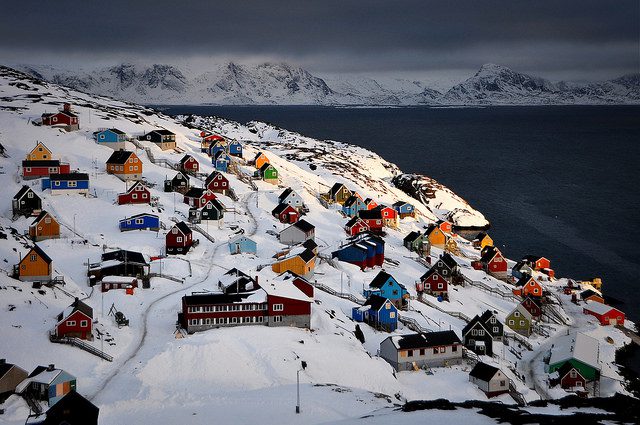
Child Hunger in Greenland

Hunger is a broad topic that touches on various aspects encompassing more than the physical lack of energy. According to Bread for the World, a Christian non-profit organization that aims to end hunger abroad and nationally, chronic hunger exists due to the lack of access and availability of resources to obtain it. In acknowledging this, there is no question that this leads to food insecurity and it is unspeakable that more than 800 million people in the world are suffering from chronic hunger. Two studies done focused specifically on the prevalence of child hunger in Greenland, which has brought to light the problem of hunger in the world’s largest island.
A national report on the food policy of Greenland was published by the Greenland Home Rule Government in 2004. This brought awareness to the prevalence of food insecurity that existed among Greenlandic children. From this report, it was found that 11 percent of children in the ages 11 to 16 reported “often hungry” or “always hungry” when they were going to school or going to bed. This hunger in Greenland, which exists among children especially, sheds light on the performance deficiencies regards to health, developmental, and academic performance. These performance deficiencies may then be associated with behavioural and psychosocial problems that continue to manifest into adulthood.

In 2010, a study was organized based on the Health Behavior in School-Aged Children where 2,254 Greenlandic students were surveyed, of which 40 percent were students in grades five to ten. In the study, the survey analyzed the occurrences of high percentages of child hunger existing in their homes. The results showed that food insecurity was related with neglect as the parents dealt with economic discrepancies and were often correlated with single-families, those living on welfare, immigrants, low educational levels and so on.

It is a beneficial first step for Greenland’s government to bring this grand concern to light. Solutions must then be made to assist these young children to receive the adequate nutrition required at such a blooming age. Children who live in poverty with low-income families, however they may be structured, need more intensive guidance from government policies and programs. Perhaps a solution to the hunger in Greenland would be to propose food drives, free school lunches, and adequate shelters as secondary arrangements to supplement the issues at home.

– Nicole Suárez

Photo: Flickr

November 23, 2017
https://borgenproject.org/wp-content/uploads/borgen-project-logo.svg 0 0 Borgen Project https://borgenproject.org/wp-content/uploads/borgen-project-logo.svg Borgen Project2017-11-23 01:30:072024-05-29 22:29:22Child Hunger in Greenland
Aid, Global Poverty, Hunger

Humanitarian Aid to Rwanda

Humanitarian Aid to Rwanda

We often hear stories about humanitarian aid that highlight waste, corruption and inefficiency. An example is in the wake of the horrific genocide in Rwanda in 1994 when the international community was too slow to react. There are important lessons to be learned from this failure and how to prevent similar atrocities in the future of delivering humanitarian aid to Rwanda.

However, there are also many success stories of aid being delivered effectively, saving lives and changing communities for the better. Despite the tragedy, there have been many positive steps taken to improve humanitarian aid delivery.


Humanitarian Aid to Rwanda Success Stories:

  1. The Clinton Foundation has been giving aid to farmers in Rwanda through the Clinton Development Initiative. During the 2016-2017 season, the foundation worked with over 35,000 farmers. The initiative focuses on increasing crop yields and income for farmers by providing them with the knowledge they need to meet their agricultural goals.
  2. The collaboration between the government and NGOs in Rwanda played a large part in Rwanda’s success in working towards the U.N. Millennium Development Goals (MDGs). Rwanda was one of the few countries to lead in the achievement of the MDGs. Progress was made to close the economic gender gap and free education was extended from 9 years to 12 years. Between 2000 and 2015, the infant mortality rate was cut in half and so was the number of people suffering from hunger.
  3. The USAID Mission in Rwanda began distributing humanitarian aid to Rwanda in 1964. Since that time the U.S. has given aid in many different areas including health, rural development, education and economic development. These funds have also helped develop democracy in Rwanda. The mission had to be halted in 1994 at the beginning of the genocide but was reopened several months later to provide emergency humanitarian aid. The transitional assistance in the wake of the conflict focused on food security as well as HIV/AIDS treatment and prevention. A fully-functioning mission was then reopened in 1998 with a focus on post-conflict reconstruction.

Tackling problems like poverty, hunger and conflict is an enormous undertaking. These issues require complex solutions and coordinated global effects. The size and scope of these efforts can often lead to tragic inefficiencies and lost lives, as was the case with the humanitarian response to the 1994 genocide in Rwanda.

There are also many stories in which humanitarian aid has helped save and improve lives. It is of paramount importance that we learn from the successes and failures of our efforts. The humanitarian aid to Rwanda is an example of both sides of this issue.

– Aaron Childree

Photo: Flickr

November 17, 2017
https://borgenproject.org/wp-content/uploads/borgen-project-logo.svg 0 0 Borgen Project https://borgenproject.org/wp-content/uploads/borgen-project-logo.svg Borgen Project2017-11-17 01:30:352019-12-23 08:04:53Humanitarian Aid to Rwanda
Global Poverty, Hunger

Mitigating the Effects of Hunger in East Timor

Hunger in East TimorThe situation in Timor Leste (East Timor) has been characterized by war and oppression for decades. In 1975, after Portuguese colonialism finally abdicated control of the region, there began a brutal war between the people of Timor Leste and neighboring Indonesia.

The war resulted in a 24-year Indonesian occupation of Timor Leste, and a cumulative death toll of 200,000 people – nearly one-quarter of the current population. Throughout the country’s occupation, there were guerilla movements working to remove Indonesia from power. However, the final decision to leave Timor Leste to its own devices came after a change of leadership occurred in Indonesia and U.N. intervention.

The Timorese voted for independence in 1999 – the result was a 78 percent majority. Unfortunately, the vote was far from respected. Those who did not wish to be independent of Indonesia instigated yet another insurgency against the majority of Timorese, necessitating more direct United Nations involvement. Finally, in 2002, after two years of U.N. Peacekeeping presence, full independence was attained.

However sweet this victory may have been, it did little to alleviate the problems of poverty, malnutrition and hunger in East Timor. Hunger is arguably the country’s most urgent problem. It affects nearly 100 percent of the population.

In 2010, 57.7 percent of children under the age five were classified as stunting, a term used to describe the condition of weighing too little for your height. Other indicators of malnutrition, such as wasting and generally being underweight, are prevalent, indicating that the situation is dire.

One of the many organizations working to mitigate the effects of hunger in East Timor is Oxfam Australia. The work they do is primarily aimed at educating the public, generally women and children, about the effects of malnutrition and specific ways to increase their family’s consumption of important nutrients.

In classes that they term “supplementary feeding courses,” they demonstrate how to cook nutritious meals, process fresh food so it lasts longer and which ingredients have the highest protein content.

This program, coupled with the organization’s efforts to work with local farmers on improving agricultural yields for their farming cooperatives, has been a formidable attempt to arm Timorese communities with life-saving nutritional and agricultural knowledge.

-Katarina Schrag

Photo: Flickr


November 14, 2017
https://borgenproject.org/wp-content/uploads/borgen-project-logo.svg 0 0 Borgen Project https://borgenproject.org/wp-content/uploads/borgen-project-logo.svg Borgen Project2017-11-14 01:30:182024-05-29 22:29:01Mitigating the Effects of Hunger in East Timor
Global Poverty, Hunger

Hunger in Ukraine: Corruption in the West, War in the East

Hunger in UkraineUkraine made global headlines just over three years ago, when weeks of protests culminated in the Maidan revolution that unseated President Viktor Yanukovych. Russia’s subsequent seizure of Crimea and the outbreak of war in the Russian-speaking east caused the country’s economy to collapse, plunging many Ukrainians into poverty and hunger.

Ukraine’s GDP decreased by 6.6 percent in 2014 and 9.8 percent in 2015, when fighting in the east escalated and devastated the once-rich industrial regions of Donetsk and Luhansk. According to the U.N.’s Food and Agriculture Organization (FAO), Ukraine is now home to one of the most violent conflicts on the planet.

Around 1.5 million Ukrainians suffered from hunger due to the conflict in eastern Ukraine after two years of fighting in 2016, with 300,000 in need of immediate help and food aid. The ongoing war led Ukraine to become the only European country to require assistance from the World Food Programme (WFP), which distributed rations and aid to Ukrainians in the east. The WFP has assisted over one million people in the country since it began operations there in August 2014.

Hunger is also a problem in western and central Ukraine, untouched by the conflict but still deeply affected by the country’s economic crisis. Corruption is still seen as a major problem after the 2014 revolution, and protests against the government of President Petro Poroshenko have erupted over concerns of rising poverty and corruption.

While the war has left over 2,500 civilians dead, the conflict has stalled and Ukraine is making progress in reducing poverty since the most violent periods of the war. According to the International Food Policy Research Institute’s 2017 Global Hunger Index, Ukraine sharply reduced its rate of hunger over the last several years and was one of the strongest performers after China since 2008.

– Giacomo Tognini
Photo: Flickr

November 14, 2017
https://borgenproject.org/wp-content/uploads/borgen-project-logo.svg 0 0 Borgen Project https://borgenproject.org/wp-content/uploads/borgen-project-logo.svg Borgen Project2017-11-14 01:30:152024-05-29 22:29:06Hunger in Ukraine: Corruption in the West, War in the East
Global Poverty, Hunger

Hunger in Uzbekistan: A need for change

Hunger in UzbekistanHunger in Uzbekistan remains a serious issue, yet it is not recognized as a national one.

Close to 75 percent of the working-class population in Uzbekistan live in rural areas, and thus the income of this stratum of the population typically remains low, which exacerbates the lack of food security. This level of poverty has its roots in Uzbekistan’s independence.

Both the domestic and foreign policy of Uzbekistan are inimical to any significant changes that would address the hunger that plagues the country. Since the main priority of such policies is to keep the ruling regime in power, securing food and combating hunger is simply not a huge priority.

Another cause of the lack of food security is the slow growth of the gross domestic product (GDP), which in recent years was as low as seven percent, which is not sufficient for the steadily increasing population.

Furthermore, the economy of Uzbekistan, in regards to agriculture, is largely confined to producing cotton. This lack of diversification exposes Uzbekistan to increased economic risk. This problem is exacerbated by rising food prices as well.

Despite all of these indicators painting a bleak picture of Uzbekistan in the long run, recent reports have shown a decrease in hunger. From 2000 to 2014 the number of undernourished Uzbeks was reduced to less than half of what they previously were. Currently, this number is at around 1.7 million. While much work has to be done, this is a great improvement.

Additionally, unlike the GDP, the rate of agricultural production increased gradually at about 6 percent every year from 2000 to 2007. Furthermore, wheat production grew nine-fold from 1991 to 2006. These stark improvements are largely a result of the isolationist approach Uzbekistan has adopted in terms of its foreign policy, which has both its pros and cons.

One of the downsides that the Uzbeks have experienced as a result of this foreign policy has already been mentioned: the aversion of the rigid regime to take chances that may benefit its population but would otherwise risk its own stability, such as lifting restrictions on trade. The pros of this are increased self-sufficiency that has spurred the growth in certain aspects of the agricultural sector.

There is much work that needs to be done in order to reduce hunger in Uzbekistan. The country has improved in some ways but further work is needed in order to develop a sustainable model that adequately addresses the needs of the citizenry.

– Mohammad Hasan Javed

Photo: Flickr


November 13, 2017
https://borgenproject.org/wp-content/uploads/borgen-project-logo.svg 0 0 Borgen Project https://borgenproject.org/wp-content/uploads/borgen-project-logo.svg Borgen Project2017-11-13 01:30:232024-05-29 22:28:01Hunger in Uzbekistan: A need for change
Global Poverty, Hunger, Inequality

Addressing the Causes of Wealth Inequality in India

Wealth Inequality in India India is considered to be one of the foremost emerging economies in the world and has a rapidly growing Gross Domestic Product (GDP). Despite this, the annual Global Hunger Index (GHI) has put India at 100th place among 119 countries. This is a case where the GDP does not properly represent the country’s situation, as it is facing major wealth inequality. In India, the top 10 percent of the population control the country’s wealth, while the common people, more than a billion in number, fall along the lower end of the Hunger Index. The major causes of wealth inequality in India can be attributed to a large number of people in India being either unemployed or underemployed.

The country is experiencing poverty growth, as poverty will only increase with joblessness and lead to more hunger in the rural and semi-urban landscape. The hunger problem persists, despite the government spending to feed the people. In addition, this has prevented the country from allocating more fiscal resources toward infrastructure and other areas needed to develop the economy. Even with India having the world’s fastest-growing economy over the last three years, the problems persist.

It is not all negative though, as the undernourishment level and child mortality rate in the country has declined significantly since 1991, though the issues are still serious. The International Food Policy Research Institute said in a statement, “India was rated as ‘alarming’ in 2013 and has experienced an improvement in its GHI score over recent years. Since 2000, the country has reduced its GHI score by a quarter.” The statement continues on with, “India is making tremendous progress, but we have significant challenges ahead.”

In an attempt to address the causes of poverty and wealth inequality in India, among other countries, the United Nations declared a set of eight Millennium Development Goals (MDGs) at the start of the millennium, which they aimed to complete by 2015. After their inability to achieve this within the targeted date, the U.N. expanded and modified the goals to a total of 17 goals to be achieved by 2030, called Sustainable Development Goals (SDGs).

The first two of these goals, featured in both MDGs and SDGs, are the removal of hunger and poverty. Since becoming a quickly emerging economy, India has pledged to work toward these goals. It has been committed to achieving SDGs, focusing specifically on ending poverty. The Indian government believes that if poverty can be removed, hunger will go along with it. Malnourishment comes from the inability to procure food because of a lack of money, so India remains a country of constraints with its large wealth disparity.

If we hope to combat the causes of wealth inequality in India, we must improve the underemployment of India. The National Institutions for Transforming India claims that a “severe under-employment” is the main problem facing India. According to the Institutions, in order to combat underemployment, and thus reduce poverty, “what is needed is the creation of high-productivity, high-wage jobs.”

– Drew Fox

Photo: Flickr

November 11, 2017
https://borgenproject.org/wp-content/uploads/borgen-project-logo.svg 0 0 Borgen Project https://borgenproject.org/wp-content/uploads/borgen-project-logo.svg Borgen Project2017-11-11 01:30:072024-05-29 22:29:15Addressing the Causes of Wealth Inequality in India
Global Poverty, Hunger

Staving Off Post-Hurricane Hunger in Dominica

Staving Off Post-Hurricane Hunger in DominicaDominica, the first Caribbean island hit by Hurricane Maria, reported 27 people dead and hundreds of others missing as of October 9, 2017. Hunger in Dominica increases as the wait for food and other supplies to the island lengthens.

While Maria marks the fifth time that Dominica has withstood a direct hit from a hurricane, it has never been hit by one of such incredible force and magnitude, according to the United Nations Office for Coordination of Humanitarian Affairs.

According to onsite volunteers, a month after Hurricane Maria struck Dominica, island residents still lack clean water, adequate food and medical attention. One of two airports serving the country is out of commission. Roofs blew off in 95 percent of Dominica towns such as Portsmouth and Mahaut. No information exists on nearly nine remote communities, as communications are down in the more rural areas.

However, signs of the island nation’s restoration are finally becoming visible. Principal seaports have reopened, allowing NGOs to deliver food, water and necessities consistently.

The World Food Programme (WFP), working with the government of Dominica, distributed over 66 tons of food to approximately 30,000 people, supplying almost half the residents. Over 40 United Nations workers are on the ground to help the struggling community. WFP reports it now can distribute water and supplies to nearly all people, although the organization expects future hurdles.

On September 29, over 11 tons of WFP wheat biscuits containing high-protein cereals and vegetable fat arrived in Dominica. The organization distributed aid by helicopter to interior communities and waterfront communities by ship. Ultimately, the WFP intends to distribute food to approximately 25,000 residents over the next three months. The organization is in discussions with the government to develop a functional system to supply Dominica’s residents with meal vouchers that will be valid once local shops reopen.

The U.N.’s central goal is to help people feel confident and stable. WFP officials project that if residents of Dominica have access to food, water and shelter, belief in that security provides the psychological lift necessary to withstand hunger in Dominica.

– Heather Hopkins

Photo: Flickr

November 6, 2017
https://borgenproject.org/wp-content/uploads/borgen-project-logo.svg 0 0 Kim Thelwell https://borgenproject.org/wp-content/uploads/borgen-project-logo.svg Kim Thelwell2017-11-06 01:30:462024-05-29 22:29:03Staving Off Post-Hurricane Hunger in Dominica
Food & Hunger, Food Security, Global Poverty, Hunger, Water

Protect Drought Vital to End Hunger in Uganda

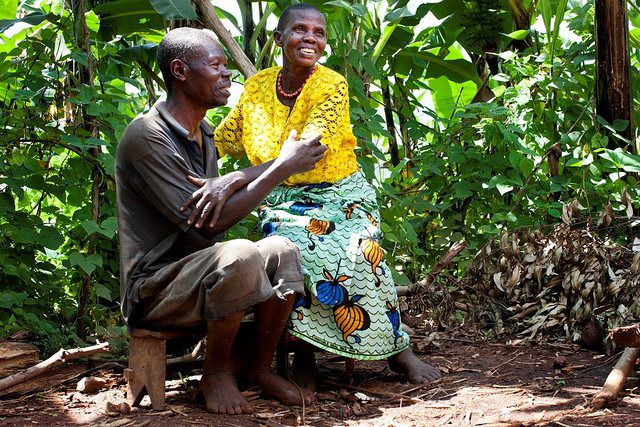
Hunger in UgandaLocated between South Sudan and the Democratic Republic of Congo, while also struggling against the Lord’s Resistance Army, hunger in Uganda is a major issue that the country, as well as 800,000 refugees, are facing every day. Uganda as a whole produces more food than it consumes, but because of the prevalence of poverty in the country, many of its 39 million people cannot afford to buy all of the food they need.

Only 4 percent of households in Uganda have had food security over the past six years. This is related to the food shortages and destitute diets that have also come from dealing with climate change, urbanization, the inconsistencies of Ugandan policies and poor public financing.

Hunger in Uganda has also been caused by the lack of water. A growing population has led to stresses on water and sanitation services. 24 million people in rural areas do not have access to water, which has increased the incidence of water-related diseases such as diarrhea and dysentery. Each week, 30,000 deaths are caused by unsafe water.

The lack of food has led to malnutrition among children, including refugees. It has been estimated that 33 percent of children under five are enduring chronic undernourishment and stunted growth. Only one in three children actually have food to eat during the day, while stunting affects 29 percent of children and rises to 40 percent in certain areas and among refugees.

Organizations like Action Against Hunger have made efforts to help Uganda. They focus on nutrition, health and care practices, and have helped 148,420 people. They have been able to reach some of the most vulnerable children in refugee settlements and treat life-threatening malnutrition. Action Against Hunger has helped strengthen the local capacity while training locals to be able to provide treatment. They have plans to help prevent malnutrition as well as to gather more information on malnutrition in order to prevent it in the future.

The World Food Programme also helps Uganda by providing cash and food assistance to people in need. They have also set up the “cash/food-for-work” program to ensure there is food during the lean seasons. This program helps communities build tree farms, orchards, irrigation systems, water ponds and dams to help them better endure droughts.

While the poverty rate in Uganda has declined from 31 to 19.7 percent, the fact that the population is still growing means that the number of poor people has not decreased. To combat this, the work the aforementioned groups are doing is vital to help Ugandans become self-sufficient in growing food and end hunger in Uganda.

– Chavez Spicer

Photo: Flickr

November 5, 2017
https://borgenproject.org/wp-content/uploads/borgen-project-logo.svg 0 0 Kim Thelwell https://borgenproject.org/wp-content/uploads/borgen-project-logo.svg Kim Thelwell2017-11-05 07:30:342024-05-29 22:27:40Protect Drought Vital to End Hunger in Uganda
Page 43 of 71«‹4142434445›»

Get Smarter

  • Global Poverty 101
  • Global Poverty… The Good News
  • Global Poverty & U.S. Jobs
  • Global Poverty and National Security
  • Innovative Solutions to Poverty
  • Global Poverty & Aid FAQ’s
Search Search

Take Action

  • Call Congress
  • Email Congress
  • Donate
  • 30 Ways to Help
  • Volunteer Ops
  • Internships
  • Courses & Certificates
  • The Podcast
Borgen Project

“The Borgen Project is an incredible nonprofit organization that is addressing poverty and hunger and working towards ending them.”

-The Huffington Post

Inside The Borgen Project

  • Contact
  • About
  • Financials
  • President
  • Board of Directors
  • Board of Advisors

International Links

  • UK Email Parliament
  • UK Donate
  • Canada Email Parliament

Get Smarter

  • Global Poverty 101
  • Global Poverty… The Good News
  • Global Poverty & U.S. Jobs
  • Global Poverty and National Security
  • Innovative Solutions to Poverty
  • Global Poverty & Aid FAQ’s

Ways to Help

  • Call Congress
  • Email Congress
  • Donate
  • 30 Ways to Help
  • Volunteer Ops
  • Internships
  • Courses & Certificates
  • The Podcast
Scroll to top Scroll to top Scroll to top