• Link to X
  • Link to Facebook
  • Link to Instagram
  • Link to TikTok
  • Link to Youtube
  • About
    • About Us
      • President
      • Board of Directors
      • Board of Advisors
      • Financials
      • Our Methodology
      • Success Tracker
      • Contact
  • Act Now
    • 30 Ways to Help
      • Email Congress
      • Call Congress
      • Volunteer
      • Courses & Certificates
      • Be a Donor
    • Internships
      • In-Office Internships
      • Remote Internships
    • Legislation
      • Politics 101
  • The Blog
  • The Podcast
  • Magazine
  • Donate
  • Click to open the search input field Click to open the search input field Search
  • Menu Menu

Archive for category: Hunger

Global Poverty, Hunger

Addressing Food Security in Côte D’Ivoire

Addressing Food Security in Côte D'IvoireThe Côte d’Ivoire, or Ivory Coast, region of Africa is mainly known for being one of the world’s largest cocoa producers. The population of Côte d’Ivoire is roughly 22.7 million people, with the majority of those living below the poverty line. Recently, food security in Côte d’Ivoire and other countries in Africa has been worsened by conflict, violence and increasing poverty throughout the continent.

Since July 2016, there has been a rise in conflict in 17 countries in the world, including the Côte d’Ivoire region. In a statement from the World Food Programme executive director Ertharin Cousin and the U.N. Food and Agriculture Organization Director-General José Graziano da Silva, they classify violence and conflict as one of the leading causes of famine within Africa. The issue of conflict and violence in places like Africa increases the risk of famine, as it “undermines food security in multiple ways: destroying crops, livestock and agricultural infrastructure, disrupting markets, causing displacement, creating fear and uncertainty over fulfilling future needs, damaging human capital and contributing to the spread of disease among others.”

Liberian President Ellen Johnson-Sirleaf called for action at the African Revolution Forum, stating that while Africa missed the first Green Revolution, they must now “seize the moment and tackle food urgency” and food security in Côte d’Ivoire and other African countries. Since the rise of famine in Africa, Cote d’Ivoire has made great progress in the Green Revolution, yet they still have a long road ahead of them. Transforming the agriculture of conflicted areas and improving food security in Côte d’Ivoire and other countries in Africa can also be achieved with The Feed Africa Strategy, which will “create wealth, improve ties and secure the environment.”

Along with the Green Revolution working toward alleviating poverty and aiding food security in Côte d’Ivoire and other countries in Africa, the U.N. states that “addressing hunger can be a meaningful contribution to peacebuilding” and can be achieved with the 2030 Agenda, as it is a “vital threshold condition for development.” Other organizations like Action Against Hunger are addressing food security in Côte d’Ivoire by providing people with nutritional support, access to safe water and sanitation and the means for economic self-sufficiency. The Borgen Project is helping by advocating for support of the International Affairs Budget and the Economic Growth and Development Act directly to Congress.

– Jennifer Lightle

Photo: Flickr

October 22, 2017
https://borgenproject.org/wp-content/uploads/borgen-project-logo.svg 0 0 Kim Thelwell https://borgenproject.org/wp-content/uploads/borgen-project-logo.svg Kim Thelwell2017-10-22 07:30:102020-04-04 08:23:49Addressing Food Security in Côte D’Ivoire
Children, Hunger

Hunger in Poland an Ongoing Post-Soviet Battle

Hunger in Poland

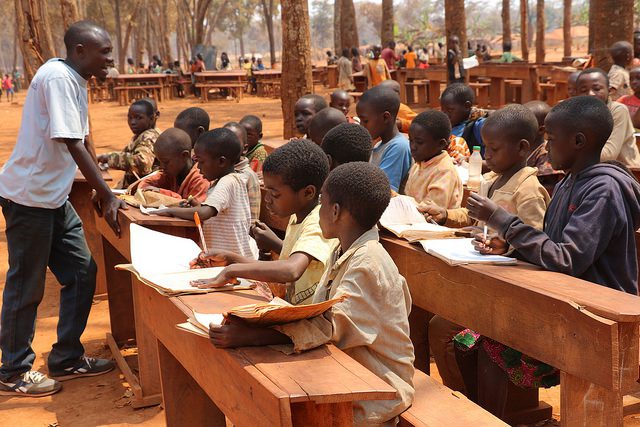
Every day in Poland, almost 120,000 children go to school hungry. More than half of these children rely almost entirely on meals supplied by their school or another type of government-funded meal program. Hunger in Poland is one of the most pressing issues facing the nation, and despite the alarmingly high number of hungry Polish children, the Polish government’s plan to address this crisis is to spend 550 million zlotych (roughly $153 million) per year on food programs. When you do the math, this equates to less than $70 per child per year.

Poland ranks third in the European Union on the list of the most children living in poverty, behind only Romania and Belarus. Poverty, hunger and limited access to education all go hand in hand, and today the children of Poland are facing a crisis of epic proportions.

The foundations of hunger in Poland can be traced back to the nation shifting from a planned to a market economy in 1989. This created a sort of vacuum in terms of economic control, and it allowed a wealthy minority to capitalize on the shift while the poor grew poorer. The economic shift marked the beginning of a steady increase in economic inequality in Poland. Ensuing conditions in the years since 1989 led to spiking levels of unemployment, emigration and labor strikes.

Poland is a Second World, the former socialist state still reeling from economic turmoil created decades before. In 2017, the repercussions of the radical shift in the Polish economic system can be seen in the faces of hungry children. But given the necessary assistance, Poland can rebound and develop into a balanced, self-sustaining economic power in Eastern Europe.

There are a number of charities of a variety of sizes and origins currently working in Poland. They range from the Red Cross, which provides aid around the world, to the local Emaus Lubin charity, based in Lubin, Poland, which helps hungry Poles by supporting food systems and social welfare programs.

The humanitarian crisis in Poland needs to be combated with the full efforts of the international aid community. The children of Poland who wake up and go to school without breakfast are depending on our help, and today is the day to implement the change to stop this cycle of poverty and hunger in Poland.

– Ty Troped

Photo: Flickr

October 22, 2017
https://borgenproject.org/wp-content/uploads/borgen-project-logo.svg 0 0 Kim Thelwell https://borgenproject.org/wp-content/uploads/borgen-project-logo.svg Kim Thelwell2017-10-22 01:30:492024-05-29 22:27:41Hunger in Poland an Ongoing Post-Soviet Battle
Hunger, War and Violence

War and Hunger in South Sudan

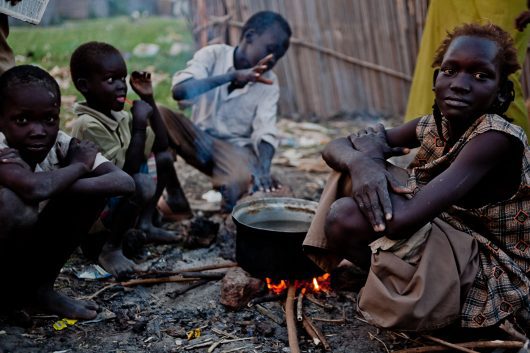
Hunger in South SudanSouth Sudan gained independence from Sudan in July 2011 following several decades of war. It is the world’s least developed country as well as its newest. Since its independence, there have been several causes of internal conflict within the newly founded state. Between 2013 and 2015, the outbreak of civil war in South Sudan brought about increasing violence and impoverishment. By 2014, 1.4 million people were forced to leave their homes in search of security. Hunger in South Sudan is still a consequence of the violence.

Fighting and violence are disruptive to the agricultural system in South Sudan, leading to critical food shortages. South Sudanese people struggle to find reasonably priced food, let alone an adequate amount of nutrition. More than 90 percent of South Sudan’s population depends on rain-fed farming.

A famine was declared in South Sudan in February of this year when the number of deaths due to starvation reached an alarming rate. The famine was declared in two different counties home to approximately 100,000 people. Quick and efficient delivery of aid relief reversed famine conditions in these areas by July.

Organizations like World Vision and other nonprofits are aiding children and their families in South Sudan. Emergency food aid and cash transfers for families are the primary forms of outreach. Other means of assistance include supporting the South Sudanese with training and equipment for farming and fishing.

In 2016, Action Against Hunger mobilized expert emergency teams on the ground in Sudan, who delivered immediate nutritional needs to vulnerable communities in the conflicted regions. The group also gathered data to identify the needs of the population using a surveillance and evaluation team and provided treatment to 3,100 undernourished children.

There are still emergency operations ongoing in South Sudan, and immediate assistance is being provided by nonprofit organizations. Organizations like these mentioned and the World Food Programme continue to work with donors and volunteers to support the South Sudanese and reduce hunger in South Sudan.

– Melanie Snyder

Photo: Flickr

October 22, 2017
https://borgenproject.org/wp-content/uploads/borgen-project-logo.svg 0 0 Borgen Project https://borgenproject.org/wp-content/uploads/borgen-project-logo.svg Borgen Project2017-10-22 01:30:472020-04-04 08:30:20War and Hunger in South Sudan
Hunger

Minimal Hunger in Saudi Arabia Due to Government Initiatives

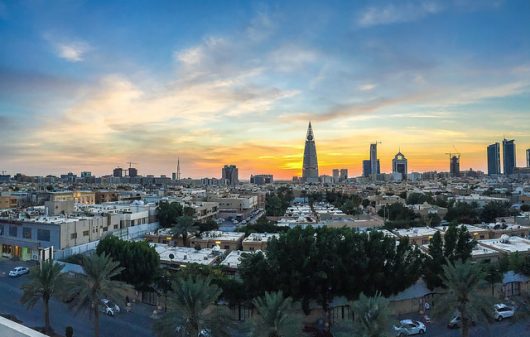
Hunger in Saudi ArabiaAccording to the 2011 National Millennium Goals Report, economic and social development rely on the reduction of poverty. While many times poverty is associated with material deprivation or a lack of adequate shelter, poverty is present whenever there is a basic need left unsatisfied. This can be for clothing or shelter, but it can also be in regard to proper food.

Given Saudi Arabia’s interest in accelerating and expanding all aspects of socioeconomic development, all of the nation’s needy groups have been specifically targeted. There is a wide availability of services provided throughout the Kingdom, including education, health and social services. The Kingdom’s actions have been undertaken in efforts to reduce poverty, but also to improve the standard of living and establish a “firm” middle class.

These efforts have been effective, as the number of Saudi households living below the extreme poverty line was at a mere 0.06 percent as of 2009. However, the context of the Kingdom’s poverty line is essential because it was raised nationally to $2 per day over the Millennium Goals level of $1 per day. Further, the Kingdom achieved one Millennium Development Goal by eradicating food poverty ahead of the 2015 deadline.

Fortunately, the Kingdom’s efforts to fight hunger are spreading elsewhere. Saudi officials report that both private and public donors in Saudi Arabia have made considerable donations in the Middle East and abroad as part of a global initiative to end hunger. The World Food Programme (WFP) praised Saudi support in 2006 specifically due to the Kingdom’s tenfold increase in support of the humanitarian cause from 2005. Through WFP operations, Saudi donations have benefitted nations including Lebanon, Cambodia, Palestinian territory, Pakistan and several areas in East and West Africa.

Despite Saudi success, the Kingdom must remain diligent in maintaining its successes in eradicating hunger in Saudi Arabia. While most citizens do not face hunger, some within the borders do still struggle. For example, women are particularly vulnerable to hunger in Saudi Arabia because they typically are not employed and rely on their husband’s support. By Islamic law, a widowed woman is stateless and not recognized as a Saudi citizen, which means it is also barred from welfare and aid. Additionally, the surrounding countries are permeated with hunger. Specifically, Yemen, a bordering nation, is one of the poorest and hungriest of the Arab nations.

Currently, Saudi Arabia is successfully fighting hunger both domestically and internationally. While some Saudis are at more risk, as women, as long as officials continue to focus on improving conditions, hunger is likely to remain outside of the nation’s borders.

– Taylor Elkins

Photo: Flickr

October 22, 2017
https://borgenproject.org/wp-content/uploads/borgen-project-logo.svg 0 0 Kim Thelwell https://borgenproject.org/wp-content/uploads/borgen-project-logo.svg Kim Thelwell2017-10-22 01:30:392024-05-29 22:27:41Minimal Hunger in Saudi Arabia Due to Government Initiatives
Children, Hunger

Hunger in Barbados: Tackling the Effects of Malnourishment

Hunger in Barbados

Barbados is an eastern Caribbean island that, along with other Caribbean nations, has faced problems with malnourishment. Hunger in Barbados and other Caribbean countries was a major issue between 1990 and 1992 when there were an estimated 8.1 million malnourished citizens in these countries.

However, by 2016, that number decreased to 7.5 million, improving by 7.4 percent. Barbados is also one of the leaders in the Caribbean when it comes to ending malnourishment. Barbados, along with Guyana and St. Vincent and the Grenadines, met the global hunger target set at the World Food Summit in 1996. Hunger in Barbados is nearly gone; the estimated rate of malnourishment in Barbados is less than 5 percent.

Barbados has taken great steps towards ending hunger; however, Barbados has a new problem: childhood obesity. At the National Committee Monitoring the Rights of the Child, Consultant Pediatrician from the Queen Elizabeth Hospital Professor Anne St. John gave a speech. She praised Barbados for conquering malnutrition and the illnesses that go along with it, but then said, “now we have gone from under-feeding to overeating, and obesity is a form of malnutrition.”

Dr. St. John also explained that the average Barbadian is now eating 400 more calories a day than they were just 30 years earlier. According to a 2005 study, about 27 percent of students in primary school are obese, which could be a result of these extra calories that mostly come from fat and snacks. Dr. St. John believes that cultural practices and traditions may be a contributing factor to this weight gain in adolescents. She says that some parents claim their child is a picky eater, but some parents take more drastic measures. She has heard stories of parents hitting their children with a belt or ruler if they do not finish their plate or some resort to “shoveling food down the child’s throat”.

Along with the increase in calorie intake, the idea around exercise at a young age has also affected obesity rates. Dr. St. John explained that when children begin choosing classes in the third form, some schools do not have physical education as a requirement, so some students no longer take it. Also, students’ parents are using conditions such as asthma as an excuse to take them out of these classes, when in reality they should stay in, as it helps increase their lung capacity.

Barbados is working on ways to stop this increase in childhood obesity, such as removing mascots from children’s cereal like Tony the Tiger. Children may choose these cereals based on the characters when in reality they are full of sugar and less healthy than alternatives. Educators are also trying to teach children that fruit juices, though they contain fruit in the name, are actually unhealthy based on the added sugars. Like hunger in Barbados, obesity is another issue that Barbadians will be sure to solve.

– Scott Kesselring

Photo: Flickr

October 22, 2017
https://borgenproject.org/wp-content/uploads/borgen-project-logo.svg 0 0 Kim Thelwell https://borgenproject.org/wp-content/uploads/borgen-project-logo.svg Kim Thelwell2017-10-22 01:30:002024-05-29 22:27:41Hunger in Barbados: Tackling the Effects of Malnourishment
Hunger

3.2 Million Face Extreme Hunger in Somalia

In March 2017, CNN spoke to Fatumata Hassan, a Somali mother struggling for her own survival and the survival of her children as Somalia faces drought, famine and terrorism – all culminating in the hunger of nearly half its population. She has walked over 100 miles to find food – an increasingly common requirement for many Somalis. Extreme hunger in Somalia is far-reaching; 3.2 million Somalis are critically food insecure, and 6.2 million Somalis need humanitarian assistance in general.

Somalia lies on the east coast of Africa, neighbored by Djibouti, Kenya, and Ethiopia. Established in 1960, Somalia is a relatively young country and has often faced instability. In 1991, the ousting of the ruler Mohamed Siad Barre resulted in an ongoing civil war. In the 2000s, pirates and jihadist groups, such as Al-Shabaab, created disruption and military conflict. Finally, in 2012, Somalia reintroduced a formal parliament and the first presidential election since 1967 took place. While these measures have helped to create greater stability in Somalia, Al-Shabaab continues to cause violence within the country.

Great instability within Somalia has not helped it to cope with the drought it has been facing. For two years now, Somaliland and Puntland in northern Somalia have received below-average rainfall. Now, Jubaland in the south is beginning to feel the effects of drought as well. Lack of rain causes crop failure. With little to nothing to eat for the people of Somalia, they cannot spare food to feed their livestock. Locals in Puntland estimate that pastoralists had lost 65 percent of their animals by March of 2017. Loss of livestock equates to a loss of income, meat and milk to nourish children, resulting in increased poverty and extreme hunger in Somalia.

Humanitarian efforts are helping alleviate the effects of the drought. Since the beginning of 2017, $667 million has gone to humanitarian aid within the country, helping it to avoid a similar outcome to the fatal famine of 2011, in which 260,000 people perished. However, conditions in camps set up to provide aid deteriorate as the U.N. appeal for donations is only one-third of the way fulfilled.

Stability and long-term investment to build proper infrastructure – such as a proper healthcare system – are necessary for Somalia to fully recover and handle future droughts with less required aid from the international community. These needs are difficult to achieve with most of Somalia’s budget funneled toward security forces needed to fend off Al-Shabaab.

In the future, greater international support and funding could help create stability in Somalia. The World Bank and International Development Association could be instrumental in this process.

For now, donations from the international community are needed to fend off famine and rehabilitate the 6.2 million Somali people struggling to survive. UNICEF and Save the Children both have online donation pages where individuals can help save those in Somalia who are suffering from hunger.

– Mary Kate Luft

Photo: Flickr

October 21, 2017
https://borgenproject.org/wp-content/uploads/borgen-project-logo.svg 0 0 Borgen Project https://borgenproject.org/wp-content/uploads/borgen-project-logo.svg Borgen Project2017-10-21 01:30:322024-06-07 05:07:473.2 Million Face Extreme Hunger in Somalia
Global Poverty, Hunger

Two Initiatives Targeting Global Food Waste

Global Food Waste

Today, 789 million people — one in nine — are food insecure or undernourished. However, one-third of the food produced annually — 1.3 billion metric tons — is wasted. This adds up to $990 billion in yearly economic loss worldwide due to food waste. Two initiatives, YieldWise and SAVE FOOD, are aiming to reduce global food waste, particularly in developing nations.

In 2016, The Rockefeller Foundation launched YieldWise, a $130 million project, with a focus on halving global food waste by 2030. The Food and Agriculture Organization of the U.N. (FAO) partnered with Messe Düsseldorf to launch the SAVE FOOD program. Here is a closer look at both of these initiatives.

YieldWise

YieldWise will initially focus on fixing the broken food chain in Kenya, Nigeria and Tanzania, where approximately half of all crops grown are wasted. Collectively, 70% of citizens in these three countries work in the agricultural sector.

The initiative focuses on four pillars. First, YieldWise links smallholder farmers to markets by facilitating agreements between producers and buyers like Coca-Cola and Cargill. Next, farmers are connected with technology that combats food spoilage, like metal silos provided by the government of Tanzania. YieldWise invests in technology and financial models that extend the shelf-life of food and helps manufacturers promote solar-drying and cold storage units. Finally, the program increases accountability for global businesses by creating tracking tools, so corporations can measure the waste within their supply chains.

The Rockefeller Foundation intends to increase YieldWise’s sphere of influence to include developed countries such as the U.S. and Europe, where food waste occurs on the consumer level. Buyers in developed countries waste approximately 222 million tons of food per year. The entire net food production of Sub-Saharan Africa is only 230 million tons per year. Thus, the developed world wastes almost as much food as is produced in the Sub-Saharan region.

So far, YieldWise has impacted nearly 40,000 smallholder farmers in Kenya, Nigeria and Tanzania and 16,400 metric tons of produce have been sold by smallholder farmers that have been connected to markets through this program.

SAVE FOOD

Similarly, the FAO and Messe Düsseldorf have created an initiative focused on spreading awareness about food waste. SAVE FOOD engages over 900 partners worldwide in developing programs to promote waste reduction.

SAVE FOOD has implemented four major actions to combat global food waste. First, the initiative has formed a worldwide media campaign to raise awareness of the aggregate impact of waste and to circulate solutions. Second, the project has mobilized public and private partnerships to collaborate and develop widespread initiatives. Third, the program leverages field studies and cost-benefit analyses to determine which interventions provide the greatest returns on investment and how best to fix political and regulatory policy. Finally, SAVE FOOD provides anti-waste capacity-building support and training to actors in the food chain.

One of SAVE FOOD’s projects aims to reduce post-harvest waste and improve the quality of crops in Bangladesh, Nepal and Sri-Lanka. Poor packaging and storage, little post-harvest infrastructure and improper handling results in crop losses between 20 and 44% in these three countries. Specialists trained in post-harvest practices will extend teachings to actors in the food chain, such as small farmers and farm groups. The overall aim of the project is to reduce post-harvest losses by improving the quality and extending the shelf-life of fresh produce.

Looking Toward the Future

By 2050, the world’s population is expected to grow to 9.7 billion people. Feeding this number will require a 70% increase in food production. To accommodate a growing population, the current global agricultural system must be adjusted to maximize efficiency and prioritize the growth of sustainable practices.

More than half of the 17 Sustainable Development Goals touch upon food availability and nutrition. Minimizing global food waste, particularly in areas with vulnerable populations, works toward achieving these goals. Innovative initiatives such as YieldWise and SAVE FOOD have the potential to improve food security worldwide by redirecting wasted food to undernourished populations and profits to smallholder farmers.

– Katherine Parks

Photo: Flickr

October 20, 2017
https://borgenproject.org/wp-content/uploads/borgen-project-logo.svg 0 0 Kim Thelwell https://borgenproject.org/wp-content/uploads/borgen-project-logo.svg Kim Thelwell2017-10-20 01:30:352020-06-22 15:55:19Two Initiatives Targeting Global Food Waste
Hunger

Fighting Hunger in Qatar Through Food Programs

Fighting Hunger in Qatar Through Food Security Programs

In June 2017, Saudi Arabia, the UAE, Egypt and Bahrain cut diplomatic ties and initiated an economic embargo of Qatar. This was due to reported Qatari state sponsorship of terrorism and of strengthening diplomatic ties between Qatar and Iran. As a part of the economic embargo, the four nations ceased food exports to Qatar, leading to raised concerns about food shortages and hunger in Qatar.

As a desert nation, Qatar relies heavily on food imports, with 80-90% of food supplies being imported. These imports were greatly affected by the embargo. Despite a rise in food aid from Turkey and Iran, Qatar saw a 40% hit to food imports by the end of June. Many people living in Qatar began to stockpile food as food shortages began and food prices rose. While there have been attempts to mediate the situation, the embargo was still ongoing at the end of September 2017 and is expected to continue into 2018.

While the rise in food prices has slowed and food imports have been coming in from different parts of the world, sustainability is still an issue. Qatar has been attempting to develop sustainable ways of providing its own food since before the embargo. In 2008, Qatar established the National Food Security Program (QNFSP) with the goal of increasing domestic food production. This would reduce the amount of food being imported and increase food security, the ability for all people to have economic and physical access to food, ultimately reducing hunger in Qatar.

The QNFSP has sought technological advances in crop production technologies and irrigation systems. One way this is being done is through the Sahara Forest Project, a pilot program using greenhouses on a one-hectare parcel of land outside Doha to grow crops and make fresh water from seawater. The Qatar Islamic Bank also announced in August that it would fund a 530,000 square meter food security facility to manufacture and store rice, raw sugar and edible oils. In addition, several companies are expanding livestock numbers, with one company seeking to add 25,000 cows in order to meet Qatar’s dairy demand by April 2018.

Another attempt to increase food security is being done through food processing. Food processing allows for longer shelf life and less waste. QNFSP is still working to expand this industry.

Finding ways to increase productivity in agriculture is extremely necessary for Qatar, where only one percent of the land is arable. In addition to investing in technology, private enterprises and the Qatar Development Bank will be investing to financially support unproductive farms, which currently make up 80% of registered farmland in Qatar. With the goal of providing 60% of its food through domestic agriculture by 2024, major steps are being taken to increase food security and decrease hunger in Qatar.

– Erik Beck

Photo: Flickr

October 19, 2017
https://borgenproject.org/wp-content/uploads/borgen-project-logo.svg 0 0 Kim Thelwell https://borgenproject.org/wp-content/uploads/borgen-project-logo.svg Kim Thelwell2017-10-19 01:30:472024-05-29 22:27:36Fighting Hunger in Qatar Through Food Programs
Global Poverty, Hunger

How Mobile Technology Can Help Reduce Food Insecurity

Food Insecurity
Millions of people around the world continue to face extreme hunger with little to no chance of receiving help to alleviate the situation. Resolving food insecurity in vulnerable populations requires vast amounts of information: How many need help? Where do they live? What is causing the food insecurity? Mobile technology may be the solution.

In the past, humanitarian organizations have struggled to help those in need due to untimely food assistance and frequent failures to collect valid information for addressing hunger in remote areas. The fact that most vulnerable populations live in isolated or dangerous areas with little infrastructure made data collection incredibly expensive, risky and often unfeasible.

Today, the World Food Programme (WFP), the largest humanitarian organization working to reduce food insecurity, conducts food security analyses of vulnerable populations through Vulnerability Assessment and Mapping. Through these efforts, WFP can gather usable information about the level of food insecurity in addition to important details that help divert resources to areas where they are most needed. New food security monitoring methods now allow WFP to gather real-time data to properly identify and assess the situation in distant areas that were previously inaccessible.

An effective blend of traditional methods and technological advancements help WFP’s analysts collect pertinent data. For example, face-to-face assessments provide a baseline that gives WFP the necessary information to more accurately plan food assistance efforts as well as providing the ability to further monitor the area for possible concerns. However, these assessments are time-consuming and challenging to conduct in far-off areas and those susceptible to a sudden collapse in food security. To address this, WFP often resorts to another, more efficient method.

Mobile Vulnerability Analysis and Mapping (mVAM) offers the unique opportunity to continuously monitor an evolving situation. Using common mobile technology such as texting or live voice calls to collect real-time information on household incomes, potential risks, food consumption and other crucial information remain central to WFP’s efforts to develop risk management strategies. This type of monitoring also emphasizes market prices and rainfall patterns to flag potentially deteriorating situations to ensure that assistance is provided promptly if it is needed.

WFP can also use mVAM’s automated two-way communication to relay new information to people in a cost-efficient and effective manner. Another substantial benefit offered by mobile technology is the drastic reduction in expended resources. WFP will save 50 percent of the money that was previously used for data collection in addition to reducing the time for survey turnaround by 83 percent.

With the explosion of mobile phone and Internet access in developing countries, particularly those in Africa, smartphones and messaging services could serve as a vital support system for the food insecure, including refugees. WFP’s Food Bot, designed to be widely accessible, works on various platforms such as Facebook Messenger, WhatsApp and Telegram. It can even be altered to fit onto other messaging services. To help ease costs in developing countries, people also now have access to low-data usage apps like Facebook Lite and others. mVAM was first used in Somalia and the Democratic Republic of the Congo to access unsafe areas but quickly expanded to other countries.

Actionable information is one of the most critical components of humanitarian efforts, as organizations desperately need to know exactly what is happening and what people need if they wish to adequately support vulnerable areas. During the Ebola crisis, information from texts and calls helped identify the communities struggling the most without risking the safety of analysts. African farmers suffering from severe droughts were able to notify WFP of the worsening food security in their area through mVAM. While the Iraqi province of Anbar experienced violent internal conflict, continuous information about the food security and other needs of those displaced streamed in through mobile phones. There are dozens of more examples of the successes of WFP’s mobile technology platform.

The mVAM program provides WFP with a more concrete and precise understanding of the nature of food insecurity in communities around the world, equipping them with the information they need to rapidly and effectively help those in need. This type of basic technology can be utilized to aid remote areas in nearly every situation, whether it is during a drought, an infectious disease outbreak or even political conflict. As the world’s number of phone and Internet users steadily increases, other humanitarian organizations could undoubtedly utilize more robust data-collecting platforms to better deliver various forms of aid to the millions in need.

– Akhil Reddy

Photo: Flickr

October 13, 2017
https://borgenproject.org/wp-content/uploads/borgen-project-logo.svg 0 0 Kim Thelwell https://borgenproject.org/wp-content/uploads/borgen-project-logo.svg Kim Thelwell2017-10-13 07:30:452024-05-29 22:27:26How Mobile Technology Can Help Reduce Food Insecurity
Hunger

Organizations Fighting Hunger in Cameroon

Organizations Fighting Hunger in CameroonWedged between the Sahara Desert and the Savanna is a semi-arid, poverty-stricken country that is barely 50 years old. Since gaining its independence in 1960, the Republic of Cameroon has been ravaged by debt and political turmoil, remaining largely underdeveloped through the decades.

The few roads linking rural areas to urban centers are rickety and inefficient; though on the decline, the country’s rural population still topped 40 percent in 2015. Falling investments, poor infrastructure and Boko Haram insurgency have thrown Cameroon into an economic and existential crisis of an unprecedented scale – 2.6 million of nearly 24 million people are food insecure and chronic malnutrition affects one third of children under the age of five. The country is ranked 68 out of 104 on the 2015 Global Hunger Index.

Reducing abject hunger in Cameroon has become a priority for humanitarian organizations. The World Food Programme (WFP) works with local ministries and food banks to provide critical nutrition sources to the 230,000 Nigerian refugees and displaced Cameroonians in the Far North. The organization aims to install cash for work programs in the country and feed 500,000 people this year.

WFP’s comprehensive program board aims to benefit a host of communities. Its Food by Prescription Programme (FPP), for example, assists malnourished HIV-infected people. Another initiative hopes to supply school meals to 55,000 children in rural schools every year – at once diminishing hunger and incentivizing school attendance. One of the most effective tools the WFP employs is air transport services. The U.N. Humanitarian Air Service imports food to 41 humanitarian agencies fighting hunger in Cameroon.

The Food and Rural Development Foundation (FORUDEF), a NGO founded by citizens of Cameroon in 1998, seeks to promote higher living standards and economic growth primarily by boosting education and advocacy in the Southwest, where many lack access to basic sanitation facilities. After establishing community latrines to distribute anti-malaria medication – to dampen immediate health threats – FORUDEF began pioneering the region’s first nutrition program to lower malnutrition and deficiency-related illnesses.

FORUDEF founders believe that access to education can allow individuals to become knowledgeable and self-reliant, eventually overcoming poverty through their own efforts. In partnership with Bees Abroad UK, the organization brought beekeeping to the Akwaya and Buea regions, creating jobs for locals and unlocking growth potential. FORUDEF also opened workshops to train ambitious Cameroonians into successful beekeepers who can then introduce future generations to the trade.

The efforts of organizations such as the WFP and FORUDEF have made great strides in fighting hunger in Cameroon thus far, and they give hope that progress can continue to be made on this front.

– Claire Wang

Photo: Flickr

October 12, 2017
https://borgenproject.org/wp-content/uploads/borgen-project-logo.svg 0 0 Kim Thelwell https://borgenproject.org/wp-content/uploads/borgen-project-logo.svg Kim Thelwell2017-10-12 01:30:252024-06-04 01:08:25Organizations Fighting Hunger in Cameroon
Page 46 of 71«‹4445464748›»

Get Smarter

  • Global Poverty 101
  • Global Poverty… The Good News
  • Global Poverty & U.S. Jobs
  • Global Poverty and National Security
  • Innovative Solutions to Poverty
  • Global Poverty & Aid FAQ’s
Search Search

Take Action

  • Call Congress
  • Email Congress
  • Donate
  • 30 Ways to Help
  • Volunteer Ops
  • Internships
  • Courses & Certificates
  • The Podcast
Borgen Project

“The Borgen Project is an incredible nonprofit organization that is addressing poverty and hunger and working towards ending them.”

-The Huffington Post

Inside The Borgen Project

  • Contact
  • About
  • Financials
  • President
  • Board of Directors
  • Board of Advisors

International Links

  • UK Email Parliament
  • UK Donate
  • Canada Email Parliament

Get Smarter

  • Global Poverty 101
  • Global Poverty… The Good News
  • Global Poverty & U.S. Jobs
  • Global Poverty and National Security
  • Innovative Solutions to Poverty
  • Global Poverty & Aid FAQ’s

Ways to Help

  • Call Congress
  • Email Congress
  • Donate
  • 30 Ways to Help
  • Volunteer Ops
  • Internships
  • Courses & Certificates
  • The Podcast
Scroll to top Scroll to top Scroll to top