• Link to X
  • Link to Facebook
  • Link to Instagram
  • Link to TikTok
  • Link to Youtube
  • About
    • About Us
      • President
      • Board of Directors
      • Board of Advisors
      • Financials
      • Our Methodology
      • Success Tracker
      • Contact
  • Act Now
    • 30 Ways to Help
      • Email Congress
      • Call Congress
      • Volunteer
      • Courses & Certificates
      • Be a Donor
    • Internships
      • In-Office Internships
      • Remote Internships
    • Legislation
      • Politics 101
  • The Blog
  • The Podcast
  • Magazine
  • Donate
  • Click to open the search input field Click to open the search input field Search
  • Menu Menu

Archive for category: Hunger

Global Poverty, Hunger

Hunger in New Caledonia Tied to Unemployment Rates

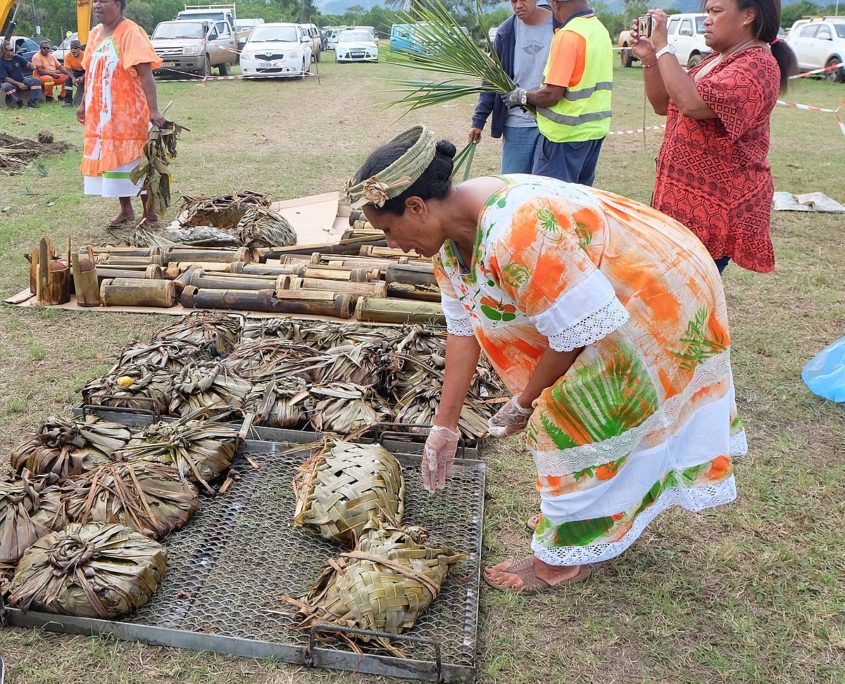
New Caledonia is a group of islands situated in the South Pacific Ocean. Although it is a part of French territory, it enjoys a considerable degree of autonomy. In recent years, unrest in the region has negatively impacted the economy, leading to increased poverty and hunger in New Caledonia.

Current Realities

Dissatisfaction among various factions due to societal disparities intensified after the 2021 referendum, leading to significant turmoil and widespread protests. This unrest had a detrimental effect on the economy, pushing New Caledonia to the brink of bankruptcy. Consequently, many people have lost their jobs, businesses have shut down and incomes have declined. As a result, poverty levels have increased and food insecurity has become a pressing issue throughout the region, especially among the Indigenous Kanak population. 

  • The poverty rate in the region is approximately 19.1%, with a significantly higher rate of 45.8% in rural areas. 
  • The national unemployment rate stands at 11.2%, but it reaches around 38% for the Indigenous population.  
  • Undernourishment is prevalent in 6% of the population.

Drivers of Hunger and Poverty

The pandemic and the political turmoil are the main drivers for rising poverty, unemployment and hunger in New Caledonia, severely impacting the economy and the population in various ways.

  1. Nickel Mining– Protests, riots and blockades have led to a reduced workforce, disruptions in supply chains, and the destruction of equipment and infrastructure, resulting in financial losses and unemployment.
  2. Tourism Decline– COVID-19, along with the subsequent riots and protests, has negatively impacted the tourism industry, leading to a significant decline in the number of tourists and the loss of thousands of jobs.
  3. Reduced Investment– The security situation has led to a lack of trust among foreign companies, which has decreased foreign investments. Consequently, the GDP has dropped by 20% since early 2024. 
  4. Dependence on France- New Caledonia receives substantial aid from France, accounting for 15% of its GDP. However, this assistance hinders the government from implementing its own policies to reduce poverty among the vulnerable population. 
  5. Destruction of Businesses- The riots and violence have damaged infrastructure and businesses, resulting in the loss of investments and income for the common man in the region. 
  6. High cost of living– The high cost of living in the region has adversely impacted the population, with the Kanaks suffering the most. This situation has further exacerbated poverty and hunger among the vulnerable population in New Caledonia.

Path to Progress

Despite the challenges, the local government, international organizations and the French government are working to improve the situation in the region. The French government has provided an additional $136 million to help revive local businesses. Additionally, the United Nations is supporting the Indigenous population in their fight for equal rights and opportunities. With these combined efforts, there is hope for a better future for the vulnerable population in New Caledonia. 

– Maria Waleed

Photo: Wikemedia
Updated: December 17, 2024

November 5, 2017
https://borgenproject.org/wp-content/uploads/borgen-project-logo.svg 0 0 Kim Thelwell https://borgenproject.org/wp-content/uploads/borgen-project-logo.svg Kim Thelwell2017-11-05 01:30:422024-12-17 04:25:24Hunger in New Caledonia Tied to Unemployment Rates
Global Poverty, Hunger

Counteracting Hunger in Paraguay

Hunger in ParaguayA small country in Latin America with a population of approximately seven million people, Paraguay is located between Argentina, Bolivia and Brazil. Paraguay falls under the Latin American average when it comes to poverty and wellness. Furthermore, hunger in Paraguay is a large problem that needs to be addressed.
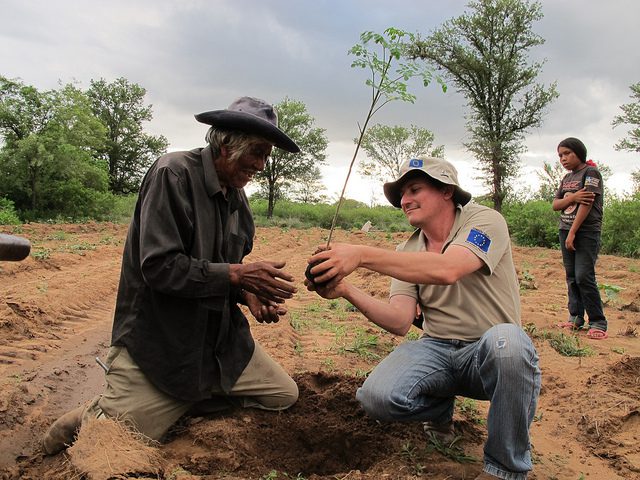
Paraguay is one of the poorest countries in Latin America. The poverty rate is around forty percent. U.N. Special Rapporteur, Hilal Elver, visited the country in 2016. She said, “Paraguay has struggled to address inequalities -higher than in most neighboring countries- and important segments of society are still excluded from the country’s economic development and suffer from food insecurity.”

Overall, ten percent of the population live in extreme poverty, while the number grows for people living in rural areas. Over fifty percent of indigenous peoples live in extreme poverty. The people in the rural areas suffering from poverty rely heavily on agriculture for their livelihood.

The inequalities between elite landholders and the rural poor only exacerbate the consequences of poverty. After conducting her report, the U.N. Special Rapporteur reported that 10 percent of people in Paraguay face hunger and malnutrition. This is despite the impressive economic growth and the fact that Paraguay produces food for almost nine times its population.

While other issues are to blame for the underlying causes of poverty and hunger, the outlook is a hopeful one. A lot is being done to counteract hunger in Paraguay. The country is on track to reach its goal of ending undernourishment by 2020.

Organizations such as the World Food Programme are instituting plans and projects to help fight hunger in Paraguay. Their current programs partner with other organizations, specifically those operating locally in Paraguay, to ensure food security.

Working with these vulnerable communities who not only suffer from economic inequality, but also hunger, will help the current situation in Paraguay. It is imperative that a country with vast food resources feed its people. Hunger in Paraguay should not be a problem, especially with its growing economy.

– Emilia Beuger

Photo: Flickr

November 4, 2017
https://borgenproject.org/wp-content/uploads/borgen-project-logo.svg 0 0 Borgen Project https://borgenproject.org/wp-content/uploads/borgen-project-logo.svg Borgen Project2017-11-04 01:30:382024-05-29 22:29:00Counteracting Hunger in Paraguay
Global Poverty, Hunger

Hunger in Malta Closely Linked to History of Poverty

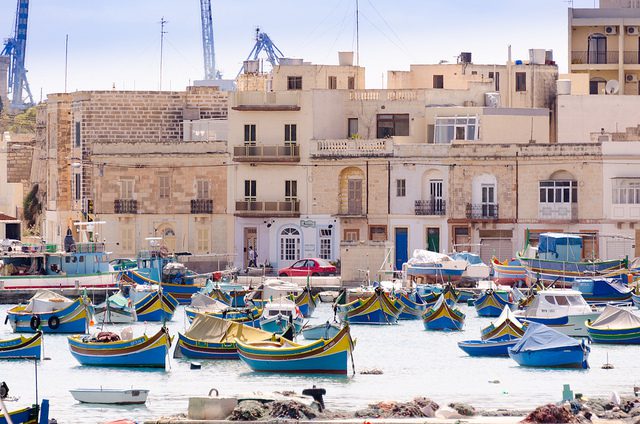
Malta is an island nation in the Mediterranean Sea, located off the coast of Italy. Due to its strategic location, it has been ruled by various nations over the centuries and it was not until 1964 that it gained independence from the United Kingdom. Despite being one of the world’s smallest countries, it faces challenges with hunger, which is closely linked to poverty.

A Closer Look

  • Malta has a population of 553,000 and around 90,000 people, or one in five individuals, live below the poverty line.
  • Poverty disproportionately affects children under the age of 18 and adults over 65, with rates of 23% and 29% respectively. 
  • Over the last two decades, the poverty rate has risen from 14% in 2006 to 16% in 2024. 
  • Hunger and food insecurity in Malta are closely linked to poverty, as people cannot afford to feed themselves and their families adequately. The percentage of malnourished individuals has increased from 2.5% in 2018 to 4.6% in 2021, highlighting the seriousness of the situation.
  • The pandemic and the Russian-Ukrainian war, combined with decreased local agriculture, have caused food prices to increase by at least 20%. 

Underlying Factors

  • Dependence on Imports– Malta has limited arable land and climate change has resulted in water scarcity, making large-scale agriculture difficult. The country’s high population density and strong focus on tourism have led to converting agricultural land into recreational areas, further diminishing food production. As a result, Malta imports the majority of its food, making it vulnerable to fluctuations in global prices and supply disruptions.
  • Economic Crisis- Malta’s economy is significantly dependent on tourism, which was severely impacted by the COVID-19 pandemic, resulting in widespread unemployment. Those who had already lost their jobs faced even more difficulties as the global economic crisis and rising inflation further strained their financial situations.

Support Measures

Various organizations and the Maltese government have intensified efforts to support the vulnerable population in combatting poverty and hunger. This section highlights some of these measures to show their importance and effects.

  • Food Banks- Many nonprofit organizations in Malta operate food banks and kitchens, which provide free meals to the food-insecure and vulnerable population. One of these kitchens alone served 27,000 people in 2023.
  • Employment assistance- Jobsplus is a national employment agency that offers training and skills development programs to unemployed individuals, helping them find jobs. Such measures aim to address the root causes of poverty and provide long-term sustainable solutions. 

Path Ahead

In conclusion, Malta is facing challenges, but the government and local organizations are making a positive impact through their initiatives. However, to achieve long-term solutions, continued efforts in promoting local agriculture, economic diversification and unemployment reduction are needed to ensure food security and reduce poverty.

– Liyanga De Silva and Maria Waleed

Photo: Flickr
Updated: November 12, 2024

November 2, 2017
https://borgenproject.org/wp-content/uploads/borgen-project-logo.svg 0 0 Kim Thelwell https://borgenproject.org/wp-content/uploads/borgen-project-logo.svg Kim Thelwell2017-11-02 07:30:512024-11-13 21:37:30Hunger in Malta Closely Linked to History of Poverty
Hunger

Food Waste and Hunger in Trinidad and Tobago

A small Caribbean nation with less than 1.4 million people, Trinidad and Tobago faces a serious hunger problem that is afflicting its citizens. According to the United Nations Food and Agriculture Organization (FAO), roughly 100,000 people are undernourished, which accounts for nearly 7.5 percent of the nation’s population. The rest of the Caribbean and Latin America has an average undernourishment rate of only 5.5 percent of the population, which signals how serious hunger in Trinidad and Tobago is.

One of the major reasons for the sheer amount of hunger in the nation is how much food it wastes every year. According to the World Bank, Trinidad and Tobago is the most wasteful country per urban capita in the world.

At a conference launching the nonprofit organization Nourish TT, Dr. Lystra Fletcher-Paul reported that the Caribbean and Latin America waste a staggering 78 million tons of food annually, which totals 6 percent of global food production, and Trinidad and Tobago is the most wasteful country in the region.

Fletcher-Paul said: “The FAO estimates that in T&T if we were to reduce the food losses at the retail level, we would have enough food to reduce, by 50 percent, the undernourished people in the country.” That only includes food wasted in retail. If waste from all sources could be eliminated, the FAO calculates, all the undernourished people in Trinidad and Tobago could be fed.

With a GDP per capita in the world’s top 60, Trinidad and Tobago has an economic infrastructure more than capable of feeding its citizens, yet more than one in 10 citizens goes hungry. Organizations such as Nourish TT are doing their best to help eliminate food waste and ensure that hungry people receive the nourishment they need.

Similarly, the United Nations Development Programme has implemented the MDG1 program to help eliminate poverty and hunger in Trinidad and Tobago as well as other nations. Programs like MDG1 identify areas of critical need such as improving education, growing non-fossil fuel industries and helping reform healthcare and workers’ rights. With programs such as these in place to eliminate waste, hunger in Trinidad and Tobago looks to be a problem on its way to ending.

– Erik Halberg

Photo: Flickr

November 2, 2017
https://borgenproject.org/wp-content/uploads/borgen-project-logo.svg 0 0 Borgen Project https://borgenproject.org/wp-content/uploads/borgen-project-logo.svg Borgen Project2017-11-02 07:30:182024-05-29 22:28:01Food Waste and Hunger in Trinidad and Tobago
Global Poverty, Hunger

Pope and Catholic Church Target Hunger in Vatican City

Hunger_in_Vatican_CityOn July 4, 2017, Pope Francis made a vibrant statement regarding the world’s suffering and hungry. He declared world hunger to be a direct result of nothing less than indifference and selfishness. Further, he saw the effects of these same problems in his immediate surroundings—there is hunger in Vatican City. Since the beginning of his service, Pope Francis has made addressing poverty, hunger and homelessness some of the most important goals for the Catholic Church in hopes to lead by example.

Due largely to the Catholic Church’s presence in the world’s smallest country, many of the poor and needy draw near to the Vatican. As the impoverished seek refuge, hunger is becoming a bigger problem for the Church to address. With Pope Francis at the helm of the Vatican’s efforts, the needy are being tended to with a vigorous priority.

Pope Francis has personally addressed hunger by appealing to the United Nations Food and Agriculture Organization and pointing out the “uneven distribution of resources and the lack of agricultural development.” The Vatican has sponsored several refugees and their families facing the challenges of displacement, especially hunger. Further, the rest of Europe’s Catholic community has been encouraged to follow suit in accepting, housing and aiding those seeking refuge.

Contrary to tradition, Pope Francis insists on mobilizing the church by sending out the Vatican’s almoner. In the past, the almoner waits for letters from the poor for guidance on how to meet needs. However, Polish Archbishop Konrad Krajewski has taken to the streets of Vatican City in attempts to help the poor and hungry. Krajewski’s method aligns with the rumors of Pope Francis instructing him to “sell his desk” since he would not be needing it.

One of the more controversial techniques to fight hunger in Vatican City came with a corporate lease of a Vatican building to McDonald’s in 2016. While some members of the Church and the Catholic community responded with alternative uses of the building, like housing the homeless, that attitude has since shifted as McDonald’s promised to hand out over 1,000 meals to the poor in their first six months of operations.

The 2030 Development Agenda of the U.N. reflects this same commitment of the Catholic Church. The fight for universal food security cannot be put off and Pope Francis recognizes that it is a demanding task. However, intentions to provide for everyone are not enough. Rather, people need to make a commitment to their country to increase the level of nutrition, to improve agricultural operations, to improve living conditions of rural communities and promote effective distribution of resources like food supplies. When a country is unable to provide for its people, then intergovernmental institutions need to step in. As Pope Francis said in his July 4 address, every person has a right to be free from poverty and hunger. Further, it is the duty of the entire human family to intervene and actually do something about it.

– Taylor Elkins

Photo: Flickr;

November 1, 2017
https://borgenproject.org/wp-content/uploads/borgen-project-logo.svg 0 0 Borgen Project https://borgenproject.org/wp-content/uploads/borgen-project-logo.svg Borgen Project2017-11-01 07:30:192024-05-29 22:27:55Pope and Catholic Church Target Hunger in Vatican City
Global Poverty, Hunger

Poverty and Hunger in Finland

Hunger in Finland

In America, Finland (along with its fellow Scandinavian nations) is often portrayed as a utopia bereft of human suffering and a model for the rest of the world. The simple truth, however, is that economic troubles in Finland are real, and the nation has had its own set of struggles in the wake of the Great Recession.

The Finnish labor market has experienced three recessions since the 2007-2008 financial crisis. Business Insider reports that Finland suffered the worst economic contraction of any Eurozone nation during that same crisis. The country’s public debt doubled to more than 60 percent of its GDP by 2015.

According to Eurostat, as of August 2017, Finland’s unemployment rate stood at 8.7 percent. That number is not bad, but could be better. Today, 35 percent of Finland’s unemployed are long-term unemployed, representing a significant challenge for the nation as a whole.

However, the potential for these issues to cause poverty and hunger in Finland has been mitigated by the nation’s public welfare system. No one in Finland lives below the international poverty line due to a wide net of benefits covering both the young and the old. According to OECD data, the poverty rate ratio is only 0.04. Social spending at 30.8 percent of GDP and a well-funded, efficient public schooling system undoubtedly contribute to these successes. And there are other innovative ideas as well.

Those who pay close attention to American politics will know that 2016 Democratic presidential candidate Hillary Clinton recently revealed that she considered running on a platform of universal basic income, a plan she scrapped because she could not make the numbers work. Earlier this year, the Finnish government started a test run for that very same idea.

Finland’s idea was to give 2,000 Finns ages 25 to 28 who had been unemployed for a year or more, or had less than six months of work experience, a monthly subsidy of €560 for two years, regardless of whether they found work.

However, after a government pushing austerity came to power, the trial size was cut to one-fifth of the original plan, making it too small to be scientifically useful, and regular social programs were scaled back, making it even more difficult to measure the program’s effects. The program may or may not help alleviate poverty and encourage economic growth, but it will be hard to know given the small sample size and lack of controls. Still, the presence of ideas like this show a healthy willingness to experiment by trial and error.

Earlier this year, the Finnish central bank affirmed that Finland finally seems to be emerging from the Great Recession. The bank forecasts that this year will see exports recover and GDP growth reach 1.3 percent, in part due to the Competitiveness Pact signed last year. Strong social programs, powered by economic activity inherent in free and open markets, will hopefully keep poverty and hunger in Finland at a historic low.

– Chuck Hasenauer

Photo: Flickr

November 1, 2017
https://borgenproject.org/wp-content/uploads/borgen-project-logo.svg 0 0 Borgen Project https://borgenproject.org/wp-content/uploads/borgen-project-logo.svg Borgen Project2017-11-01 07:30:182024-05-29 22:27:58Poverty and Hunger in Finland
Hunger

Hunger in Ukraine Amid Conflict

Hunger in Ukraine

Once seen as the “breadbasket of Europe” because of its rich resources, Ukraine has since had tumultuous issues regarding hunger.

Hunger in Ukraine is a prevalent issue due to years of war and conflict. The 2014 Ukraine crisis — in which Russia controversially annexed Crimea — soon led the eastern part of the country to erupt in war, creating widespread political and economic upheaval. Since 2014, there have been multiple ceasefires, but none have been able to successfully quell the conflict.

Facing the Effects of Conflict

The war exacerbated hunger in Ukraine, particularly in the easternmost regions of Donetsk and Luhansk. A 2019 U.S. Agency and International Development report found that approximately 558,000 people in Ukraine were food insecure and 103,000 people were severely food insecure. In 2016, Ukraine was the only European country to receive assistance from the World Food Programme, an organization that began its efforts in the region in 2014.

In 2016, the WFP reported that as eastern Ukraine reeled from this geopolitical conflict, 1.5 million people were left hungry and nearly 300,000 people needed near-immediate assistance. The WFP gave 370,000 people monthly food packages and 180,000 people assistance through cash transfers, according to a 2016 press release.

The United Nations’ Food and Agriculture Organization stated in a December 2017 report that Ukrainians living in rural areas most heavily affected by the war were the most at risk for hunger. The report concluded that the most at-risk populations in the region needed $5.9 million in immediate assistance.

Before the FAO released the report, the organization delivered $2.3 million worth of seed potatoes to the Donetsk and Luhansk regions. The initiative was part of the organization’s attempt to bolster agriculture in the conflict-ridden regions and stymie issues of hunger and food insecurity.

“This is a hard time in the conflict area, and it is important that we use the short window of planting season,” said Farrukh Toirov, FAO’s emergency response program coordinator in Ukraine circa May 2017.

Toirov continued, “I see an essential need to continue distributing high-quality inputs like vegetable seeds that can improve the self-production of food for household consumption and also enrich local markets.”

To combat hunger in Ukraine, USAID’s Office of Food for Peace donated more than $4 million during its 2019 fiscal year to non-governmental organizations to offer food assistance to people in the most affected regions.

Changes in Aid for Hunger in Ukraine

Despite the ongoing crisis, Ukraine has seen some improvement in food security over the last 20 years. According to the Global Hunger Index, Ukraine had a score of less than five in 2019, indicating that it had an overall low level of hunger. In 2000, the Global Hunger Index gave Ukraine a score of 13.7, showing that the country had moderately higher levels of hunger.

But even though most of Ukraine does not deal with pervasive hunger, millions in the Donetsk and Luhansk regions continue to deal with food insecurity, and international efforts have slowed in recent years.

The WFP halted its efforts in tackling hunger in Ukraine in 2018, citing a lack of funding and access. Even in four years, the WFP delivered food assistance to millions of Ukrainians and pumped $60 million into the Donetsk and Luhansk economies.

“In those four years, WFP touched many lives across the country and those lives touched us too,” the organization wrote in a Medium post. “WFP will continue to monitor the food security situation in the country while other humanitarian actors will take over assisting the most vulnerable.”

Currently, organizations like the FAO and USAID are continuing to pump millions of dollars in food assistance and agriculture, hoping to eventually relieve hunger in eastern Ukraine amid immense conflict.

– Meghna Maharishi
Photo: Flickr

November 1, 2017
https://borgenproject.org/wp-content/uploads/borgen-project-logo.svg 0 0 Borgen Project https://borgenproject.org/wp-content/uploads/borgen-project-logo.svg Borgen Project2017-11-01 01:30:132024-05-29 22:27:56Hunger in Ukraine Amid Conflict
Developing Countries, Global Poverty, Hunger

Organizations Working to Relieve Hunger in Guinea

Hunger in GuineaSituated in West Africa, Guinea is a country populated with around 12 million people. As in many impoverished countries, hunger and malnutrition are issues primarily affecting the rural areas of the nation. Over half of the population lives in extremely poor conditions, and 17.5 percent are food-insecure. Coupled with poor socioeconomic conditions and a weak government, natural disasters and disease further add to the chronic malnourishment issue. There are several programs, however, that have contributed to alleviating the consequences of hunger in Guinea over the past few decades.

The World Food Programme (WFP) has been working on reducing hunger in Guinea since the mid-1960s. In the time the organization has spent in Guinea, WFP has effectively improved nourishment by promoting education programs in schools, providing nourishment to women and children specifically with HIV, tuberculosis and Ebola and promoting locally grown foods. Another area of focus for food insecurity that the WFP is addressing is access to healthcare supplies by supporting government incentives for air transport.

Similarly, Action Against Hunger (AAH) is helping Guinea move forward in food security and nutrition. AAH began work in the mid-1990s and has worked to fight disease such as cholera, while also promoting better practices relating to hunger in Guinea. AAH assisted 264,124 people in 2016.

Earlier in 2017, two native Guineans were celebrated on International Women’s Day for their contributions to the fight against hunger in Guinea. The food security, resiliency and archeology project team of the Stop Hunger foundation awarded the two women for their work in involving local parboiling in schools in rural areas that experience food-insecurity. Supported by local government, the program is an excellent example of mobilization of local communities and the effectiveness that larger nonprofits have in sparking efforts toward reliving hunger in Guinea.

– Casey Hess

Photo: Flickr

October 31, 2017
https://borgenproject.org/wp-content/uploads/borgen-project-logo.svg 0 0 Borgen Project https://borgenproject.org/wp-content/uploads/borgen-project-logo.svg Borgen Project2017-10-31 07:30:002024-05-29 22:27:54Organizations Working to Relieve Hunger in Guinea
Hunger

Addressing Hunger in Taiwan and the World

Hunger in Taiwan

Hunger in Taiwan is addressed by the current welfare system in place. The Taiwanese government is not only helping its own people, it is also committed to becoming an international leader in feeding the hungry worldwide.

The welfare system in Taiwan is a contributing factor for the decline of hunger in Taiwan. Different welfare programs are distributed to help those in specific age groups. For example, welfare for children and youth is designed to give homeless kids day-care centers so they can be helped and provided for. It also provides school dropouts with study opportunities and enforces parental responsibility.

A similar system is in place for the elderly. The government provides “benevolent homes” to help homeless people over the age of 70, providing them with food and shelter. It is not uncommon for adults to receive welfare aid as well.

The welfare system is in place for those under the poverty line, yet only 2-3 percent of the population is considered for monthly welfare help. Although the Taiwanese government is doing what it can to provide help to the families that need it, they do not want the population to depend on welfare.

The government wants more family intervention and assistance to help each other in need. The local non-profit organization, Taiwan Fund for Children and Families, assists those who are just over the poverty line.

The government also wants to help reduce world hunger. The Taiwanese government has committed to donate 300,000 tons of rice to 33 different countries. Over 17,300 tons of rice has been distributed in 2016. This commitment to feed hungry people in the world has gotten the Taiwanese government praise from African nations.

The organization, Food for the Poor, has also praised Taiwan for its continued contributions. According to Food for the Poor, Taiwan has provided food for tens of thousands of people around the world.

By providing assistance to residents in need, as well as others around the world, Taiwan has proven its commitment to ending hunger worldwide. It stands as a good example for handling hunger domestically and abroad.

– Daniel Borjas

Photo: Flickr

October 30, 2017
https://borgenproject.org/wp-content/uploads/borgen-project-logo.svg 0 0 Borgen Project https://borgenproject.org/wp-content/uploads/borgen-project-logo.svg Borgen Project2017-10-30 01:30:112024-05-28 00:00:14Addressing Hunger in Taiwan and the World
Global Poverty, Hunger

Hunger in Namibia: Fighting Aftereffects of Apartheid

 NamibiaNamibia gained its independence from South Africa in 1990. However, it is still dealing with the result of socioeconomic inequalities that came from the apartheid system during colonization. The government has achieved the UNDP Millennium Development Goal of cutting its poverty rate in half, but has unfortunately failed to eradicate hunger in Namibia.

Namibia has a Global Hunger Index (GHI) of 31.4, as reported by the International Food Policy Research Institute. This shows an alarming level of hunger in Namibia. What makes it more serious is the fact that Namibia has the lowest percentage reductions in GHI scores since 2000. Though child stunting, child wasting and child mortality have declined, undernourishment has increased to 42.3 percent. The factors that lead to hunger in Namibia include frequent droughts and flooding, putting pressure on the country’s agricultural and livestock production.

Chronic droughts, lack of agricultural land and water shortages result in crop failure. This means that agricultural production is severely low, even though about 70 percent of the population depends on the agricultural sector for their subsistence.

15.8 percent of Namibia’s population lives on less than $ 1.25 per day. Its economy is largely dependent on extraction and limited processing of minerals like diamonds, gold and zinc. It is also one of the largest producers of uranium in the world. However, only 10 percent of the labor force is employed in the mining sector.

Poverty is the most important of the causes of hunger in Namibia, limiting access to food. Another problem is that Namibia is heavily reliant on food imports (60 percent of all its food requirements), which means it is subject to high prices. The proportion of food insecure individuals was estimated at 25 percent in 2016.

Recently, the World Food Programme and Namibia’s National Planning Commission launched a five-year Country Strategic Plan (CSP) with an aim to end hunger in Namibia. The CSP is aligned with the Fifth National Development Plan and the Zero Hunger Roadmap, meant to achieve two strategic wins: enabling the vulnerable population to meet their food and nutrition requirement and ensuring government policies and programme designs are more informed of hunger issues. The support includes implementation of food-based safety net programmes, food management and monitoring system as well as capacity development to sustain the improvements and achieve zero hunger in Namibia.

– Tripti Sinha

Photo: Flickr

October 30, 2017
https://borgenproject.org/wp-content/uploads/borgen-project-logo.svg 0 0 Kim Thelwell https://borgenproject.org/wp-content/uploads/borgen-project-logo.svg Kim Thelwell2017-10-30 01:30:022019-12-31 12:50:14Hunger in Namibia: Fighting Aftereffects of Apartheid
Page 44 of 71«‹4243444546›»

Get Smarter

  • Global Poverty 101
  • Global Poverty… The Good News
  • Global Poverty & U.S. Jobs
  • Global Poverty and National Security
  • Innovative Solutions to Poverty
  • Global Poverty & Aid FAQ’s
Search Search

Take Action

  • Call Congress
  • Email Congress
  • Donate
  • 30 Ways to Help
  • Volunteer Ops
  • Internships
  • Courses & Certificates
  • The Podcast
Borgen Project

“The Borgen Project is an incredible nonprofit organization that is addressing poverty and hunger and working towards ending them.”

-The Huffington Post

Inside The Borgen Project

  • Contact
  • About
  • Financials
  • President
  • Board of Directors
  • Board of Advisors

International Links

  • UK Email Parliament
  • UK Donate
  • Canada Email Parliament

Get Smarter

  • Global Poverty 101
  • Global Poverty… The Good News
  • Global Poverty & U.S. Jobs
  • Global Poverty and National Security
  • Innovative Solutions to Poverty
  • Global Poverty & Aid FAQ’s

Ways to Help

  • Call Congress
  • Email Congress
  • Donate
  • 30 Ways to Help
  • Volunteer Ops
  • Internships
  • Courses & Certificates
  • The Podcast
Scroll to top Scroll to top Scroll to top