• Link to X
  • Link to Facebook
  • Link to Instagram
  • Link to TikTok
  • Link to Youtube
  • About
    • About Us
      • President
      • Board of Directors
      • Board of Advisors
      • Financials
      • Our Methodology
      • Success Tracker
      • Contact
  • Act Now
    • 30 Ways to Help
      • Email Congress
      • Call Congress
      • Volunteer
      • Courses & Certificates
      • Be a Donor
    • Internships
      • In-Office Internships
      • Remote Internships
    • Legislation
      • Politics 101
  • The Blog
  • The Podcast
  • Magazine
  • Donate
  • Click to open the search input field Click to open the search input field Search
  • Menu Menu

Archive for category: Hunger

Activism, Developing Countries, Global Poverty, Hunger

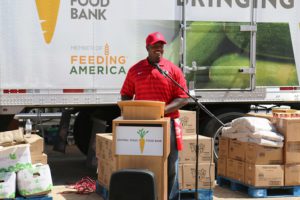
Kelvin Beachum Fighting to End World Hunger

Kelvin Beachum

As an offensive tackle in American Football, Kelvin Beachum is accustomed to being in tough circumstances. But as a child, he remained unaware of the harsh reality of food insecurity that his hardworking parents struggled with. His family grew up poor but his parents always found a way to provide, sometimes having to rely on government programs like food stamps or WIC (Women, Infants and Children) to put food on the table. Now, the football player does his part by giving back to ensure that fewer families have to worry about where their next meal will come from.

Beachum and World Vision

There are 795 million hungry people throughout the world, and malnutrition is the cause of almost half of all deaths of children under the age of 5. These sobering facts have inspired Beachum to take his cause for food security international. In the summer of 2016, he traveled to Honduras with World Vision, a global Christian humanitarian organization, to witness how another country deals with the issue of childhood hunger. He was surprised to discover that finding a source of clean water is just as difficult as finding food within the country.

During his travels, he visited a rural school where he witnessed a water tank system that is part of a World Vision water project and will eventually provide access to clean water for more than 200,000 people. In another community he visited, World Vision facilitated the growth of an economic empowerment project, which provides clean drinking water for the entire community as well as water for agricultural irrigation.

Beachum and World Food Day

Beachum also advocates for World Food Day, which is celebrated every year on October 16th to honor the founding of the U.N.’s Food and Agriculture Organization in 1945. For World Food Day 2018, he created a match challenge for five food banks throughout the U.S. His plan entailed donating $5,000 to each food bank and doubling his donation if members of the community matched his contribution.  Eventually, he reached his goal of $70,000, which provided 327,000 meals for hungry individuals throughout the U.S.

“It allows me to keep things in perspective,” Beachum states. “I was…on food stamps growing up…We had people who helped us out. So, for me, that keeps me grounded, honestly, because I was there.”

Kelvin Beachum and Feed the Future

His advocacy extends Feed the Future (FTF), the U.S. government’s global hunger and food security initiative. FTF works with partner countries to break the vicious cycle of poverty and hunger by developing their agricultural sectors and working to sustainably grow enough food to feed their people. They are also leading the implementation of the Global Food Security Act of 2016, which promotes global food security, resilience and nutrition. FTF draws on resources and expertise from multiple U.S. federal departments and agencies, such as the U.S. Department of Agriculture (USDA) and the U.S. Agency for International Development (USAID).

The progress speaks for itself; it is projected that 23.4 million more people are living above the poverty line, 3.4 million more children are living free of stunting, and 5.2 million more families do not go hungry within the countries that FTF partners with. The Global Food Reauthorization Act, signed by President Donald J. Trump in 2018, ensures that funding continues for FTF so the assistance they provide for hungry individuals around the world will persist.

Conclusion

Through his advocacy and partnership with organizations such as FTF, Kelvin Beachum is breaking the mold of the stereotypical football player. His interest in humanitarian issues all started with a canned food drive in college and has blossomed into global efforts that are making real change. His hope is to inspire others to take action through advocacy, donations, and volunteering. “The world is going through a lot right now,” Beachum writes. “Anything [one] can do to bring light to it—that’s impactful.”

– Rachel Baum
Photo: Flickr

November 25, 2019
https://borgenproject.org/wp-content/uploads/borgen-project-logo.svg 0 0 Kim Thelwell https://borgenproject.org/wp-content/uploads/borgen-project-logo.svg Kim Thelwell2019-11-25 07:30:012024-05-29 23:13:42Kelvin Beachum Fighting to End World Hunger
Children, Global Poverty, Health, Hunger

The Truth About Starvation in Africa

starvation in Africa
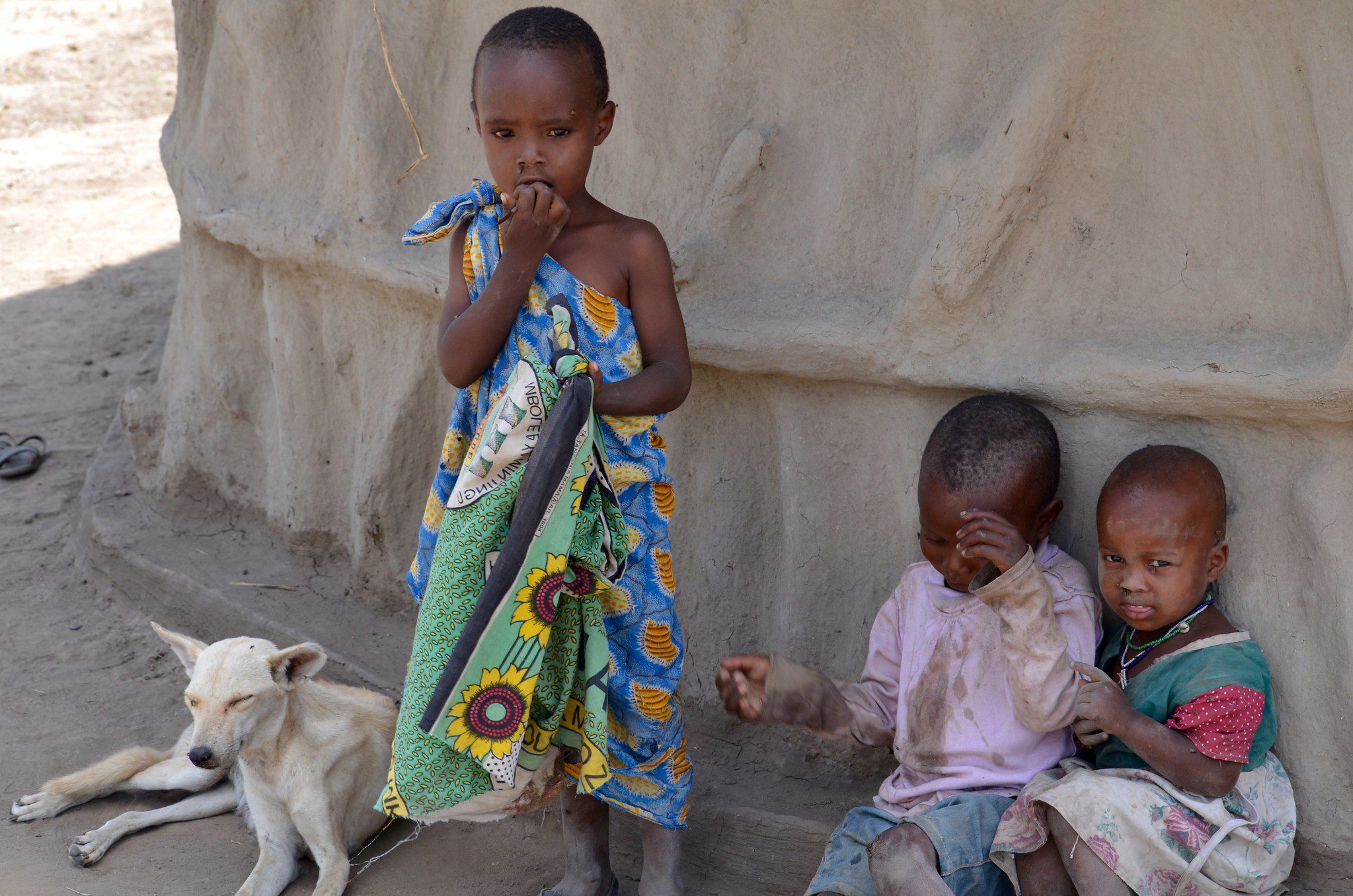
In East Africa, hunger is a major crisis. In fact, about 20 percent of the entire African population experiences hunger daily. While the claim that African children die from malnutrition every few seconds is a bit exaggerated, the true number of deaths from starvation in Africa is still quite alarming. Here are the causes and facts about the African hunger crises, as well as potential solutions to ebbing them.

The Causes

Hunger and malnutrition are not instantaneous, and there are many factors involved, such as poverty, drought, conflict and governance. Historically, famines and hunger crises from drought or war have plagued Africa’s poor since 1968. More often than not, extreme weather and climates will yield unsuccessful crops, which in turn subtracts from the profit that families can make from farming.

People suffering from poverty often cannot afford to purchase food, both in quality and quantity. Conflict and violence further instigate the food crisis by causing food insecurities and lessening the availability of food imports and incomes. Lastly, insufficient access to food can also be the result of poor governance and policies. Without proper leadership and guidance from governments, conflict and poverty can affect the quality, availability and affordability of food.

The Facts

As aforementioned, 20 percent of the African population—257 million people—suffer from hunger and famine. In the Sub-Saharan alone, 237 million suffer chronic undernourishment. As of June 2019, nearly 60 million children in Africa are underfed despite the continent’s recent economic growth.

Statistically, nine out of 10 African children do not meet the World Health Organization’s criteria for a minimum acceptable diet, and two in five children do not eat meals on a regular or scheduled basis. Children who suffer from such hunger also experience stunted growth and impaired cognitive development.

In truth, this is due to malnutrition, which is different from hunger in that while a child can fill its stomach with food and water, he or she will still suffer from a lack of essential nutrients that do not exist in the food they are eating. This is true for adults in Africa as well. While the number of starving, malnourished Africans is alarmingly high and ranging in the millions, however, the number of deaths from starvation in Africa is surprisingly low at approximately 400,000 deaths per year.

The Solutions

In order to prevent these numbers from increasing, the poor and the malnourished require accessible, affordable, good-quality food, as well as innovations to improve the harvests. In fact, the nonprofit World Vision has been doing so for over 40 years, providing emergency aid and long-term assistance to African communities and families.

In the event of a food crisis, World Vision offers food assistance, including emergency feeding those who are starving and treating malnourished children. It also provides fresh, clean water and sanitation to those in need. For the long term, World Vision offers business training and equipment to families to prepare them for another onslaught of adverse weather and gives families cash to support and provide for themselves.

In other words, with the right assistance, families and communities can avoid another hunger crisis and ebb the number of deaths from starvation in Africa. People either downplay or exaggerate the hunger crisis in Africa. The truth about starvation in Africa needs to come out.

– Yael Litenatsky
Photo: Flickr

November 25, 2019
https://borgenproject.org/wp-content/uploads/borgen-project-logo.svg 0 0 Lynsey Alexander https://borgenproject.org/wp-content/uploads/borgen-project-logo.svg Lynsey Alexander2019-11-25 04:30:032020-01-18 13:03:10The Truth About Starvation in Africa
Global Poverty, Hunger, Malnourishment

12 Shocking Facts About Hunger in the Philippines

12 Shocking Facts About Hunger in the Philippines
The Philippines is an archipelagic country of more than 7,000 islands located in Southeast Asia in the Pacific Ocean. Hunger is a very serious problem in the Philippines, affecting a large percentage of the population and causing many serious health concerns. Here are 12 shocking facts about hunger in the Philippines.

12 Shocking Facts About Hunger in the Philippines

  1. More than 33 percent of Filipino children suffer from malnutrition due to hunger problems in the Philippines. The problems with hunger and resulting malnutrition have long-term negative effects on children’s health.
  2. Out of the countries that make up the Association of Southeast Asian Nations (ASEAN), the Philippines has one of the highest hunger severities. The only country facing a worse hunger situation in the ASEAN is Indonesia.
  3. The most recent Global Hunger Index (GHI) calculated that the Philippines ranks 69 out of 113 countries with a GHI of 20.2. Factors such as undernourishment and health statistics such as weight and mortality rates, and particularly with children, determine the GHI for a country. The higher the GHI value, the more serious the hunger situation is. A GHI value of zero indicates no undernourishment in the population. The Philippines’ high ranking displays the country’s serious struggles with hunger.
  4. With a GHI of 20.2, the Philippines has one of the most serious scores on the GHI scale. However, this score does not place the country into an alarming category. This shows that while the situation is serious, it is not unsalvageable.
  5. There are approximately 520 million malnourished people in the world. The Philippines has amongst the highest number of citizens suffering from malnourishment. The Asian region, in general, has an extremely high malnourishment rate, which includes the islands of the Philippines.
  6. During recent years, effective results against malnourishment in the Philippines have gone down. The high rate and stagnant poverty make it difficult to find positive outcomes for this problem.
  7. High rates of hunger and malnourishment in the Philippines are primarily due to high food costs and a large low-income population. Additionally, the government lacks focus on addressing the problems associated with hunger, such as regional agricultural laws. The Philippines has passed some bills to reduce the hunger problem including the Philippine Food Fortification Act of 2000. This law mandates “fortifying with essential micronutrients staple food items like rice, flour, oil, and sugar.”
  8. The current strategy for addressing malnutrition in the Philippines is the Philippine Plan of Action for Nutrition (PPAN). This initiative has promoted many recent laws and bills. These laws address solving the malnutrition problem in the Philippines on specific levels or issues such as aid and security to small businesses, farmers and fishermen.
  9. The Duterte administration that currently runs the Philippines garnered an increase in foreign investments of 43.5 percent in 2018. While this brings in more money for the Philippines, a significant proportion goes toward building skyscrapers and big business centers, rather than providing methods to increase the sustainable food supply for the poor. A shift toward fixing hunger needs to become the primary focus in order to begin solving the hunger and health problems of the population.
  10. The organization Rise Against Hunger has been fighting hunger in the Philippines since 2011. Rise Against Hunger coordinates the distribution of food and aid to the most susceptible regions around the world. Rise Against Hunger hopes to end hunger in the Philippines and other countries by 2030.
  11. Feed the Children is another organization that strives to improve the lives of Filipino citizens since 1984. Feed the Children hopes to meet the immediate and long-term needs of children and their families. One of its main focuses is providing individuals with food, nutrition and clean water. It has been able to reach approximately 38 communities.
  12. Action Against Hunger has also worked in the Philippines since 2000 with a focus on humanitarian needs. It specifically looks at needs stemming from physical and emotional issues resulting from natural disasters and their consequences on family and living. In 2018, it was able to help 302,014 people with their programs of nutrition and health, food security and water sanitation.

This concludes the 12 shocking facts about hunger in the Philippines. The country has made small improvements, but there is still a long way to go. Many organizations are doing impactful work to bring real change to the Philippines. However, there are other ways to help, such as contacting congressional leaders or making a donation to one of the organizations mentioned.

– Haley Saffren
Photo: Flickr

October 13, 2019
https://borgenproject.org/wp-content/uploads/borgen-project-logo.svg 0 0 Kim Thelwell https://borgenproject.org/wp-content/uploads/borgen-project-logo.svg Kim Thelwell2019-10-13 07:49:422019-12-18 09:26:1612 Shocking Facts About Hunger in the Philippines
Global Poverty, Hunger

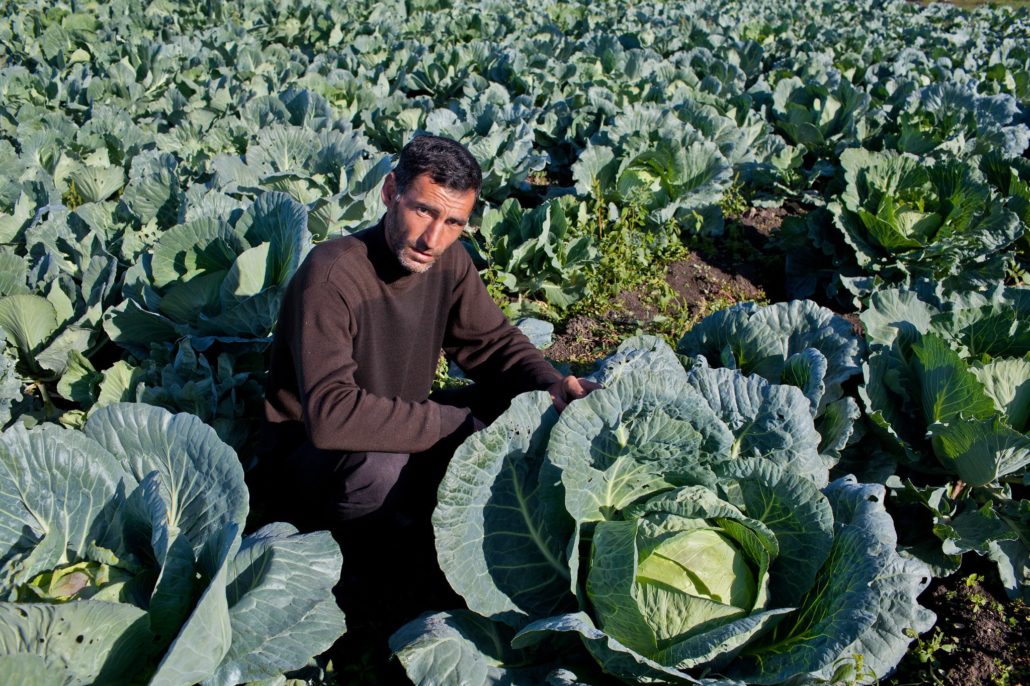
10 Facts About Hunger in Azerbaijan

10 Facts About Hunger in AzerbaijanAzerbaijan is a small country that was formerly a part of the Soviet Republic. The country consists of both urban and large agricultural areas, and some call it the Land of Fire due to a continuous, naturally burning mountain fire in its Caucasus mountains. Over the past decades, Azerbaijan has been steadily addressing its hunger issues and making important improvements. Here are 10 facts about hunger in Azerbaijan.

10 Facts About Hunger in Azerbaijan

  1. Azerbaijan had a Global Hunger Index of 6.9 in 2023, which is a low level of hunger that ranked the country 34 out of the 125 countries with sufficient data for the calculation of a GHI score. The GHI is a scale ranging from zero hunger to 100 being the most severe hunger and is based on four factors – child stunting, child mortality, undernourishment and child wasting. 
  2. The proportion of the population that is undernourished has decreased from 16.8% to less than 2.5% since 2000. 
  3. Child stunting refers to the proportion of children under the age of 5 who experience low height as a result of chronic undernutrition. According to the Global Health Index, child stunting in Azerbaijan has decreased from over 24% in 2000 to 12% in 2023. 
  4. A 2019 Memorandum of Understanding between UNICEF and Azerbaijan’s State Agency for Mandatory Health Insurance included integrating baby-friendly standards into hospital maternity departments, training on monitoring child development, and counseling on infant and child feeding for frontline health workers. This was capacity building for essential child health and nutrition services. 
  5. Child wasting refers to children who are underweight for their age as a result of severe undernourishment. The 2022 Global Nutrition Report cites wasting in Azerbaijan children under 5 at 3.2%, which it notes is below the Asian region average of 8.9% and is “on course” to meet the global nutrition target. While 14.1% of children are overweight, this metric is also seen as on target to prevent an increase. 
  6. Iron-deficiency anemia is a condition in which a person does not have sufficient healthy red blood cells. This can often lead to headaches, shortness of breath, severe fatigue, weakness and multiple other symptoms. Iron-deficiency anemia in Azerbaijan affects 38.2% of women of reproductive age and 39.5% of children between the ages of 6 and 11 months. This leads to low-birth-weight babies and underweight children, respectively. 
  7. A solution to combat iron deficiencies is flour fortification, which is the addition of nutrients such as folic acid and iron to flour.  UNICEF for several years has worked with government partners to achieve wheat flour fortification legislation. The Cabinet of Ministers in 2023 approved guidelines for the fortification of food products, with a national working group established to begin a pilot program.
  8. In 2015, the U.N. Member States adopted the 2023 Agenda for Sustainable Development, comprising 17 Sustainable Development Goals. The 2024 Sustainable Development Report notes that for SDG 2, Zero Hunger, Azerbaijan is moderately improving but major challenges remain, and the improvement will be insufficient to attain the goal of zero hunger by 2030. The goal objectives are to “end hunger, achieve food security and improved nutrition and promote sustainable agriculture.” Azerbaijan has achieved objectives relating to undernourishment, child wasting and cereal yield, with its most severe challenges related to child stunting, obesity, and sustainable nitrogen management. 
  9. In March 2023, the U.N. Food and Agriculture Organization joined Azerbaijan State Agrarian University to hold an event to explore the role played by science and innovation to ensure food security. Participants in the event included government bodies, academics and experts. Specific topics focused on sustainable animal livestock in the country and integrated pest control measures. Sharing information with students on novel technologies to move from conventional farming practices to more advanced methods was seen as one means to address food security, especially within the context of climate change. 
  10. In November 2021, the FAO reported on the Azerbaijan project, “Improving food security and living conditions in rural areas by increasing women’s economic power.” This initiative addressed SDG 2, Zero Hunger, SDG 5, Gender Equality and SDG 8, Decent Work and Economic Growth. The intention was to provide women equal access to economic opportunities as male farmers by increasing their technical knowledge in various areas, as well as supporting business development and marketing skills and agricultural innovations. The expectation is that by increasing the productivity of women in small farms, food security will also increase. 

With the rise of innovative programs and worldwide discussions, Azerbaijan has improved the state of its population’s hunger levels. By working with the United Nations and UNICEF, the country has been able to incorporate important research regarding child nutrition and farming techniques into achievable goals and programs. These 10 facts about hunger in Azerbaijan show the government’s dedication to further reducing hunger levels through educational resources and economic changes.

– Jane Burgan

Photo: Flickr
Updated: July 12, 2024

September 25, 2019
https://borgenproject.org/wp-content/uploads/borgen-project-logo.svg 0 0 Jennifer Philipp https://borgenproject.org/wp-content/uploads/borgen-project-logo.svg Jennifer Philipp2019-09-25 12:43:102024-07-17 15:58:5110 Facts About Hunger in Azerbaijan
Children, Global Health, Global Poverty, Hunger, Malnourishment

Project Healthy Children in Tanzania

Project Healthy Children

Global hunger is one of the most pressing and visible poverty-related issues in our world today. People can easily recognize the defined ribs, sunken eyes and bone-thin limbs of starvation. However, there is another side to hunger that is not as obvious: micronutrient deficiency.

Micronutrients are vitamins and minerals such as zinc, iron, iodine, vitamin A and folic acid. In developed nations like the United States, most people get these critical nutrients from maintaining a well-rounded diet or taking a daily supplement. But it isn’t always that simple in some other parts of the world. In fact, micronutrient deficiency remains a big problem in Eastern and Southern Africa but often does not get the attention it deserves because the effects are not immediately visible. For this reason, micronutrient deficiency has been nicknamed “hidden hunger.”

Hidden hunger has real and long-lasting consequences. Insufficient amounts of vitamins and minerals can result in learning disabilities, mental retardation, low work capacity, blindness and premature birth. These deficiencies lower overall health and weaken the immune system, thus making it much harder to survive infections like HIV and measles. They can cause extreme birth defects in children and are the leading cause of maternal death during childbirth.

Background

Clearly, micronutrient deficiency is a pressing issue that deserves the attention necessary to mitigate it. An organization called Sanku’s Project Healthy Children (PHC) is doing just that through a process known as food fortification: essentially, they add critical micronutrients to the flour people already consume.

PHC is based in Tanzania and currently supplies almost 2 million people with fortified flour to help them get the vitamins and minerals they need. Flour is a staple food that many people consume regularly; according to the PHC website, “over 50 million Tanzanians eat maize flour every day,” but more than 95 percent of it is produced without added nutrients in small, rural mills. Countries like Tanzania are in desperate need of better access to micronutrients—here, about 35 percent of children under 5 years old have stunted growth due to under-nutrition. Project Healthy Children uses the mills and distribution systems already in place to simply add essential micronutrients to the flour with no additional cost for the consumer. This way, people can get the nutrition they need without changing their eating or purchasing habits.

Why Food Fortification?

  1.  It is cheap: Food fortification is very inexpensive, typically costing no more than $0.25 per person annually. In other words, one quarter donated is enough to supply someone with adequate nutrients for an entire year.
  2. It is effective: Improving nutrition can be highly beneficial to overall health, work capacity and productivity. Women who sustain good nutrition before getting pregnant greatly reduce the risk of maternal death and birth defects.
  3. It has a huge payback: The economic rewards of food fortification are astounding. The WHO estimates that the consequences of micronutrient deficiency (birth defects, learning disabilities, premature death, etc.) can cost a country about 5 percent of its GDP per year. Supplying people with critical vitamins and minerals puts less pressure on a country’s health care system and allows for a more productive workforce. In addition, the Copenhagen Consensus estimated that for every dollar spent on nutrition in young children, a country will save an average of $45 and sometimes as much as $166.

The Future of Project Healthy Children

In the past few years, Project Healthy Children has become even more streamlined in its approach to food fortification. A partnership with Vodafone, a mobile network based in the United Kingdom, allows PHC staff to remotely monitor flour mills so that they instantly know when a machine is down or a mill is low on nutrients. The partnership saves money, time and manpower, allowing PHC to run more smoothly.

Project Healthy Children currently helps nourish about 1.7 million people in sub-Saharan Africa but hopes to reach 100 million people by 2025, an ambitious goal that would be instrumental in lifting communities in Southern and Eastern Africa out of extreme poverty.

– Morgan Johnson
Photo: Flickr

September 18, 2019
https://borgenproject.org/wp-content/uploads/borgen-project-logo.svg 0 0 Jennifer Philipp https://borgenproject.org/wp-content/uploads/borgen-project-logo.svg Jennifer Philipp2019-09-18 01:30:432024-05-29 23:12:47Project Healthy Children in Tanzania
Global Poverty, Hunger

What You Need to Know About Food Waste and Global Hunger

food waste and global hungerAccording to World Food Program (WFP) USA, food waste and global hunger are directly correlated. Food waste, alongside conflict, lack of resources and chronic poverty, is a key cause of hunger in the world today. Annually, as much as one-quarter to one-third–approximately 1.3 billion tons–of all food is wasted or lost globally. In sub-Saharan Africa alone, $4 billion in food was lost in 2011, significantly exceeding the amount of foreign assistance the region received that year.

Lack of Access

The issue of global hunger is generally a lack of access to food, rather than lack of food supply. Considering that $1 trillion in edible food, enough to feed roughly 2 billion people, is discarded around the globe each year, it would seem that examining and addressing food waste could be a significant step in alleviating global hunger.

Projections indicate that a 25 percent decrease in global food waste could provide enough food to feed all who are malnourished in the world today. Food waste has multiple root causes, depending on the region and level of development where it occurs. In developing countries, food loss and waste is usually the fault of lack of technology and infrastructure in the agricultural and transportation sectors. Conversely, developed countries tend to create food waste because of overproduction or consumers purchasing more food than needed.

Combating Hunger

To combat food waste and global hunger, the United Nations (UN) and other organizations have created initiatives to increase efficiency in food production and minimize waste. One such initiative is the Global Agriculture and Food Security Program (GAFSP), to which the Bill & Melinda Gates Foundation, along with nine countries, pledged about $1.4 billion over the course of three years.

Since its creation in 2009, GAFSP has been able to target 2.5 million farmers, deploy approximately $332 million, approve 61 investments spanning 27 countries and approve 67 advisory projects across 30 countries in the developing world. Today, GAFSP is working on projects ranging from modernizing the dairy industry in Mauritania to promoting the growth of sustainable development in the palm oil sectors of Liberia and Sierra Leone.

These contributions, in addition to the $4.4 billion invested in the private sector by the International Finance Corporation in 2013, jumpstarted projects to provide access to seeds, equipment, information, markets and finances for producers and farmers in developing countries. The Global Irrigation Program (GIP), created by the IFC, continues to support irrigation suppliers and farmers by creating access to and availability of effective irrigation equipment, thus helping to manage water use in farming communities.

The Impact of Aid

The World Bank notes that initiatives such as these have led to significant improvements relating to food waste and global hunger in recent years. As a direct result of the International Development Association’s efforts, over 210 million pregnant and/or lactating women, children under the age of five, and adolescent girls in developing regions gained access to basic nutrition services from 2003 to 2013.

Food waste, along with other factors such as poverty and conflict, is a root cause of global hunger. Initiatives to address hunger and malnourishment worldwide have sought to improve the efficiency of food production and minimize sources of food waste; these initiatives are making significant progress toward the Sustainable Development Goal of eliminating hunger by 2030.

– Shania Kennedy
Photo: Pixabay

September 7, 2019
https://borgenproject.org/wp-content/uploads/borgen-project-logo.svg 0 0 Kim Thelwell https://borgenproject.org/wp-content/uploads/borgen-project-logo.svg Kim Thelwell2019-09-07 11:10:532019-10-30 10:15:48What You Need to Know About Food Waste and Global Hunger
Global Poverty, Hunger

How Eating Plant-Based Can Help Save Lives

eating plant-based
Many people (820 million) around the world fall asleep hungry every night. Some have taken significant steps to help feed those who lack the significant food necessary to survive, but those steps have not yet been enough to completely combat hunger and poverty. One easy step that every person could take to make a small difference in helping the hungry, though, would be eating plant-based. Studies show that decreasing one’s meat intake could ultimately help save lives and feed those who cannot afford to feed themselves.

The Effects of Meat-Eating on Poverty

Estimates determine that global meat production will steadily increase due to a rise in the pork and poultry industry in developing countries. According to Livestock Production Science, almost two-thirds of all livestock around the world are in developing countries. Yet many of these farms are industrial animal farms that require the importation of grains, animal units, tractors and other necessary processors necessary to raise livestock. Because of inadequate wages for farmers and the excess of tools needed to produce and sell meat, the rise of poultry and livestock farms is creating more poverty in developing countries.

In addition to insignificant wages for farmers, industrial animal agriculture creates problems such as how it can detrimentally affect the environment and human health, put small family-run farms out of business and use food sources inefficiently. According to a joint report of the Organization for Economic Co-operation and Development (OECD) and the Food and Agricultural Organization of the U.N. (FAO), cheap food, such as legumes and cereal, could feed hungry people, but instead feeds livestock. The result of eating more plant-based is that one will waste less energy, save more water and gain additional space and money.

Fighting Poverty

Although the rise of meat production is doing more harm than good, the rise of veganism and vegetarianism is uncovering data that highlights the benefits of eating plant-based. According to a report in The Lancet, “almost two-thirds of all soybeans, maize, barley, and about a third of all grains are used as feed for animals.” Another study highlights that eating less beef and more legumes would open up 42 percent more croplands, which could grow plant-based foods to feed more people.

In addition to opening up more croplands, eating more plant-based can allow farmers to grow more food with the land that they have. According to the U.N. Convention to Combat Desertification, it takes 56 million acres of land to grow feed for animals in the United States alone, while farmers use only 4 million acres to produce plants for humans to actually eat. By using this land for plant-based foods rather than meat, farmers could harvest a much larger quantity of food and feed those who are hungry and in poverty.

Every Step Makes a Difference

Scientific research has found that eating plant-based can make a huge impact on human health, the environment and poverty. Although veganism and vegetarianism may not be an option for everybody, every small step can make a huge difference in feeding the hungry and saving lives.

– Paige Regan
Photo: Wikimedia

September 5, 2019
https://borgenproject.org/wp-content/uploads/borgen-project-logo.svg 0 0 Kim Thelwell https://borgenproject.org/wp-content/uploads/borgen-project-logo.svg Kim Thelwell2019-09-05 14:16:052024-06-06 00:08:02How Eating Plant-Based Can Help Save Lives
Food & Hunger, Global Poverty, Health, Hunger

What is Hunger?

What is Hunger?
Every day, people around the world experience those familiar sensations of emptiness and rumbling pangs in their stomach, signaling that it is time to eat. At this point, most people would get something to eat and go on with their day. Sadly, many people in the world, especially those in developing countries, do not receive this luxury. They experience chronic hunger, which is undernourishment from not ingesting enough energy to lead a normal, active life. It is difficult to empathize with what hunger feels like, to live with a body longing for nourishment, weakened by a lack of energy and unable to fulfill its basic need for food.

According to the Food and Agriculture Organization (FAO) of the United Nations, an estimated one in nine people, 821 million, live with chronic hunger. It also states that the number of people living with the condition has been on the rise since 2014, with a staggering 98 percent living in developing countries.

The Consequences of Hunger

Hunger brings along with it many problems other than an aching stomach. Prolonged lack of adequate nourishment results in malnutrition, which causes the stunting of growth and development in children and wasting syndrome. Wasting syndrome is a side effect of malnutrition, in which the victim’s fat and muscle tissues break down to provide the body with nourishment. The condition results in an emaciated body and in some cases, death. In fact, malnutrition links to around 45 percent of deaths among children under the age of five, according to the World Health Organization (WHO).  Fortunately, some have made progress. Since 2012, the number of stunted children in the world has decreased by nine percent from 165.2 million to 150.8 million, a significant improvement.

Hunger and Poverty

Poverty is the underlying determinant in who suffers from chronic hunger. Impoverished people are unable to consistently provide substantial amounts of food for themselves or their families, as they simply cannot afford to. This inability to provide nourishment creates a vicious cycle of hunger and poverty.

Undernourished people lack the energy required to perform basic tasks and therefore are less productive. Those who were malnourished as children develop stunted physical and intellectual abilities, which results in a reduction in the level of education achieved and the individual’s income, according to UNICEF.

What Can People Do?

People can break this vicious cycle and help people suffering from chronic hunger. Organizations such as The Hunger Project, the FAO and the Gates Foundation all have initiatives aimed at helping those in need get on their feet.

The Hunger Project works to empower those suffering from hunger with the tools they need to become self-reliant.  In Mbale, Uganda, the organization partnered with the local community to build a food bank where farmers are able to safely store grain, which has greatly increased their food security.

The FAO focuses on aiding governments and other organizations in implementing initiatives that aim to decrease hunger and malnourishment. A great example of this is Africa Sustainable Livestock 2050, in which the FOA helps countries such as Kenya and Ethiopia develop livestock infrastructure that will support the countries as their populations increase over the coming years.

Bill and Melinda Gates formed the Gates Foundation in 2000 with the main focus of providing internet to those who do not have access to it. Since then, the scope of the foundation’s mission has expanded to help the impoverished through global health and development initiatives. One of the foundation’s major initiatives is Seed Systems and Variety Improvement, which aims to improve seed breeding systems in Africa and India in an effort to make agriculture in those countries more sustainable.

With projects that aim to give impoverished people access to clean water, infrastructure, sustainable farming, disaster relief and education, these organizations have made significant strides.

Individuals can help eradicate chronic hunger by donating to charitable organizations or by contacting their government representatives, encouraging them to support bills and initiatives that aim to combat global hunger. Everyone can play a role and spread the word. There is a long road ahead, but with the tools available, chronic hunger can become a thing of the past.

– Shane Thoma
Photo: Flickr

September 3, 2019
https://borgenproject.org/wp-content/uploads/borgen-project-logo.svg 0 0 Kim Thelwell https://borgenproject.org/wp-content/uploads/borgen-project-logo.svg Kim Thelwell2019-09-03 05:45:122024-05-29 23:09:55What is Hunger?
Global Poverty, Humanitarian Aid, Hunger

7 Facts About Hunger in Venezuela

10 Facts About Hunger in Venezuela

Food shortages across Venezuela started to rise in 2013, around the time of President Hugo Chávez’s death. Less than a year later, the nation’s oil-dependent economy began to tank and inflation began to soar. Venezuela could no longer afford the cost of its imported basic goods, resulting in nationwide shortages in food and medicine. While the nation’s instability worsens, people are going hungry in Venezuela. Here are the top seven facts about hunger in Venezuela.

7 Facts About Hunger in Venezuela

  1. In 2017, 89.4 percent of Venezuelan households could not afford basic food supplies due to inflation and six out of 10 Venezuelans reported going to bed hungry. In February 2019, peak inflation in food prices hit a staggering 371,545.6 percent and high rates are continuing throughout 2019.
  2. Due to hunger in Venezuela, malnourishment is quite common. The United Nations reported that nearly 3.7 million Venezuelans suffered from malnourishment in 2018.
  3. Mass weight loss is also common across Venezuela as 64.3 percent of Venezuelans lost weight due to food shortages in 2017. Venezuelans who lost weight dropped an average of 11.4 kg each since the shortages began. 
  4. Available food supplies all too often end up on the black market and are sold by bachaqueros. Bachaqueros buy subsidized goods at government-set prices, then sell those goods at double, even triple, the original price, taking advantage of struggling communities. This illegal practice is exacerbated by Venezuela’s compounded crises.
  5. Without easy access to affordable food supplies, some Venezuelans resort to using alternative resources. For example, the yuca root can replace potatoes, which is a similar, yet far cheaper vegetable. In more desperate cases, scavenging for scraps has also become popular.
  6. Although President Nicolás Maduro has rejected many types of humanitarian aid, including extensive efforts to send food supplies, the government has accepted aid from nonpartisan groups. In 2018 alone, Cuatro Por Venezuela, one of the largest relief suppliers, sent 41,804 pounds of food to Venezuela, amounting to 120,000 standard meals for people in need. These supplies are distributed directly to schools, orphanages, nursing homes and homeless shelters all over Venezuela.
  7. In addition to nonpartisan NGOs, international government groups, such as the European Commission (EC), allocated another €50 million to the crisis in Venezuela, along with additional food supplies and nutritional services in March 2019. 

As food shortages continue and people remain hungry, these seven facts about hunger in Venezuela show that the country is in a clear humanitarian crisis. While there are aid efforts out there, supplies must be sent in as nonpartisan support. So long as aid efforts adhere to this restriction, there is hope for hunger relief in Venezuela.

—Suzette Shultz
Photo: Wikimedia Commons

August 30, 2019
https://borgenproject.org/wp-content/uploads/borgen-project-logo.svg 0 0 Kim Thelwell https://borgenproject.org/wp-content/uploads/borgen-project-logo.svg Kim Thelwell2019-08-30 01:30:532019-10-29 14:36:047 Facts About Hunger in Venezuela
Global Poverty, Hunger, Life Expectancy

10 Facts About Hunger in Algeria

10 Facts About Hunger in AlgeriaLocated in Western Sahara, Algeria is one of the largest countries in the world. Home to around 45 million people in 2022, the French-speaking nation continues to grow in population. The Algerian economy centers around oil exports and that oil has allowed the Algerian economy to become one of the biggest in Africa. Despite this, many Algerians struggle to put food on the table and the main problem lies with the poorest people in the country. The unemployed and Sahrawi refugees struggle to maintain a healthy diet due to a lack of affordable and nutritious food. Here are 10 facts about hunger in Algeria.

10 Facts About Hunger in Algeria

  1. Only 17% of Algerian land is used for agriculture. The Sahara desert covers a large amount of Algeria. As a result, Algeria is unable to produce enough food for its people which forces it to import a lot of its food.
  2. Food products and vegetables made up 16.5% of Algerian imports in 2017. At first glance, 16.5% may not seem like a large number, however, Algerian vegetables and food products make up only 1% of its exports. When a country imports more food than it can produce, prices tend to be higher for its people. This may be the reverse for meat, however. In March 2024, Algeria imported “massive amounts of beef and lamb” before Ramadan, to counter the inflated costs of local meat. 
  3. There are 173,600 Sahrawi refugees in Algeria and almost 90% are food insecure or at risk of food insecurity.  The refugees are Western Saharans that the Western Saharan War in 1975 displaced. For almost 45 years, the refugees have been living in harsh desert environments with limited access to economic opportunity.
  4. Fifty-four percent of Sahrawi women of childbearing age and more than half of children under 5 are anemic. Anemia in pregnant women can cause complications with the fetus and mother. Similarly, anemia in young children can cause serious health problems and hurt their growth.
  5. The World Food Program provides 134,000 food rations to refugees each month. The WFP also created nutrition centers to fight anemia and stunting in children. It also distributes thousands of school meals to refugee children to keep them in school.
  6. Algeria ranks 33rd out of 125 countries on the Global Hunger Index. With a score of only 6.8, Algeria boasts a low level of hunger. Over the past few years, Algeria moved up two spots in the rankings.
  7. Between 2000 and 2019, the prevalence of stunting in children under 5 years old has been reduced by almost 60%, to 9.8%.  
  8. The proportion of undernourished in Algeria, which was 8% in 2001, decreased to 3% by 2021.  
  9. Algeria’s infant mortality rate dropped from 36 (per 1,000) in 2000 to 19 in 2022, thanks to better support for infants and easier access to nutritious foods.
  10. Between 2000 and 2021, Algeria’s life expectancy grew from 72 to 76. This is three years higher than the rest of North Africa. 

These 10 facts about hunger in Algeria illustrate that hunger is a problem that the country may overlook. At first glance, the country may appear to be doing well, however, the most impoverished Algerians suffer greatly from food insecurity. Thankfully, the country is making progress in combating this difficult problem, which means there is hope that Algeria will one day eliminate hunger.

– Gaurav Shetty
Photo: Flickr
Updated: July 12, 2024

August 26, 2019
https://borgenproject.org/wp-content/uploads/borgen-project-logo.svg 0 0 Kim Thelwell https://borgenproject.org/wp-content/uploads/borgen-project-logo.svg Kim Thelwell2019-08-26 07:30:542024-07-17 08:02:4310 Facts About Hunger in Algeria
Page 35 of 71«‹3334353637›»

Get Smarter

  • Global Poverty 101
  • Global Poverty… The Good News
  • Global Poverty & U.S. Jobs
  • Global Poverty and National Security
  • Innovative Solutions to Poverty
  • Global Poverty & Aid FAQ’s
Search Search

Take Action

  • Call Congress
  • Email Congress
  • Donate
  • 30 Ways to Help
  • Volunteer Ops
  • Internships
  • Courses & Certificates
  • The Podcast
Borgen Project

“The Borgen Project is an incredible nonprofit organization that is addressing poverty and hunger and working towards ending them.”

-The Huffington Post

Inside The Borgen Project

  • Contact
  • About
  • Financials
  • President
  • Board of Directors
  • Board of Advisors

International Links

  • UK Email Parliament
  • UK Donate
  • Canada Email Parliament

Get Smarter

  • Global Poverty 101
  • Global Poverty… The Good News
  • Global Poverty & U.S. Jobs
  • Global Poverty and National Security
  • Innovative Solutions to Poverty
  • Global Poverty & Aid FAQ’s

Ways to Help

  • Call Congress
  • Email Congress
  • Donate
  • 30 Ways to Help
  • Volunteer Ops
  • Internships
  • Courses & Certificates
  • The Podcast
Scroll to top Scroll to top Scroll to top