• Link to X
  • Link to Facebook
  • Link to Instagram
  • Link to TikTok
  • Link to Youtube
  • About
    • About Us
      • President
      • Board of Directors
      • Board of Advisors
      • Financials
      • Our Methodology
      • Success Tracker
      • Contact
  • Act Now
    • 30 Ways to Help
      • Email Congress
      • Call Congress
      • Volunteer
      • Courses & Certificates
      • Be a Donor
    • Internships
      • In-Office Internships
      • Remote Internships
    • Legislation
      • Politics 101
  • The Blog
  • The Podcast
  • Magazine
  • Donate
  • Click to open the search input field Click to open the search input field Search
  • Menu Menu

Archive for category: Hunger

Economy, Food Security, Global Poverty, Hunger

Understanding Hunger in South Africa

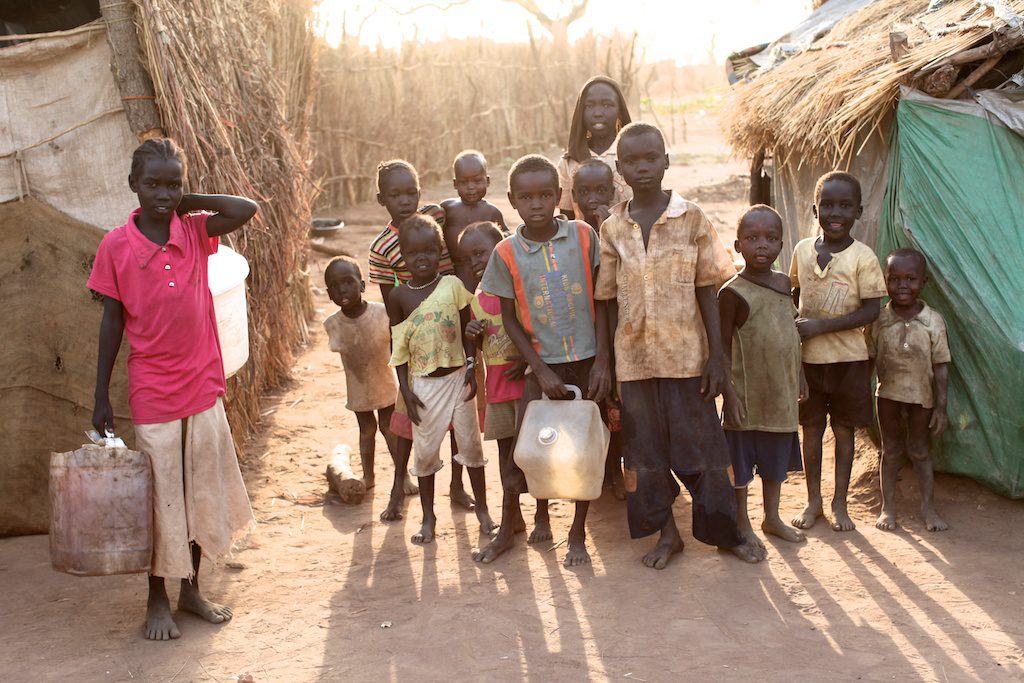
Hunger in South AfricaFood insecurity plagues approximately 14 million South Africans. Poverty and unemployment are the two leading contributors of hunger in South Africa, caused in part by the 2008 global economic crisis, which limited job creation opportunities and the purchasing power of South African households. The nation’s economy has also been stagnant, at a growth rate of 3.3 percent since 2011 and shows little signs of improvement. In 2006, 28.4 percent of the country’s population was living in extreme poverty. In 2015, the rate had only decreased to 25.2 percent.
Causes of Hunger

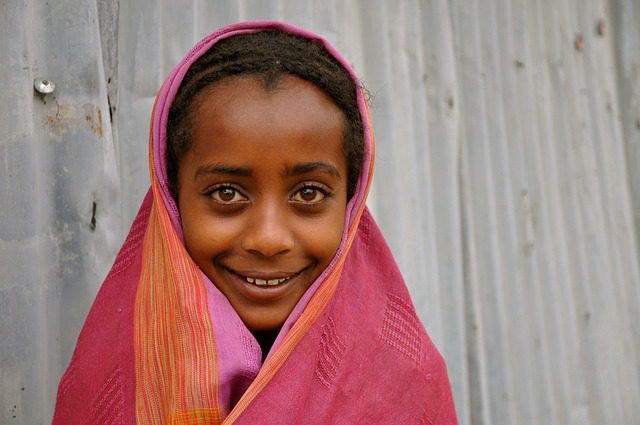
Other factors of poverty include the legacy of apartheid. Apartheid barred black individuals from a proper education system and thus skilled and higher paying occupations. South Africans also seem to display a sense of disinterest in entrepreneurship, given the lack of investment within the business space. High food and fuel prices, high-energy tariffs and increasing interest rates further exacerbate hunger within the nation, as households are struggling to meet basic needs.

Solutions for Hunger

In hopes to mitigate hunger in South Africa, several initiatives have been taken. For instance, Dr. Louise Van Rhyn founded Partners for Possibilities in 2010. Partners for Possibilities is a leadership development program focused on using grassroots and cross-sector collaboration efforts to help teachers and business leaders. The program pairs a business leader as a co-partner to a school principal. By forcing them to adapt and learn to lead a complex and unfamiliar environment, business leaders gradually develop leadership capabilities in the process. The principals learn to work with other individuals, as well as a partner to help them better manage under-resourced schools.

This approach not only improvement schools, spurs individuals to be involved in a business, but it also empowers individuals to succeed in their careers, strengthening South Africa’s education system, economy strengthening households from hunger and food insecurity.

Major international nonprofits such as the World Health Organization have invested in millions of dollars on food aid programs. Often times, even though there is food in markets, it is not necessarily available. Thus, these programs compensate for the lack of access. CARE is another major organization that has been trying to limit hunger in South Africa. Their programs focus on the nutrition specific needs of fetal and child development, as well as home-based practices, making them easy to follow for households of various conditions. One of their most notable developments is the creation of the integrated model: Collective Impact for Nutrition. This particular model was established after 10 years of programming where “key nutrition-sensitive interventions support a core nutrition-specific behavior-based approach, ensuring not only the promotion of improved nutrition practices but also helping to provide the necessary foundation for adopting them.”

Ultimately, hunger in South Africa is a complicated issue, as there are many factors at play. From high rates of unemployment, lack of accessibility to food markets and economic instability due to a lack of education, its difficult to resolve hunger. Recent statistics have shown there has been some improvement in the nation’s economy, though small. For these reasons, it is vital the organizations on the ground continue their efforts to limit hunger within South Africa.

– Iris Gao
Photo: Flickr

May 5, 2019
https://borgenproject.org/wp-content/uploads/borgen-project-logo.svg 0 0 Kim Thelwell https://borgenproject.org/wp-content/uploads/borgen-project-logo.svg Kim Thelwell2019-05-05 11:49:192024-05-29 22:59:59Understanding Hunger in South Africa
Hunger

5 Organizations Working to Improve Food Security in Ethiopia

Food Security in EthiopiaFood security in Ethiopia is largely dependent on climate. This is what makes the 2011 Horn of Africa drought so devastating. The drought left 4.5 million Ethiopians in need of emergency food aid. Another drought in 2017 hit, putting another 8.5 million at-risk of hunger. In efforts to combat Ethiopia’s food insecurity, five organizations are working to provide various forms of food aid.

5 Organizations Working to Improve Food Security in Ethiopia

  1. Food and Agriculture Organization of the United Nations (FAO)
    In recent years, the FAO has been collaborating with the Ethiopian Government to execute the Country Programming Framework (CPF). The CPF is a 5-year program to address crop production, livestock and fisheries, and sustainable natural resource management to combat food insecurity. In the case of crop production, crop productivity per unit of land is low due to pests, diseases, as well as the limited use of crop-boosting technologies. In response, the FAO has promoted the use of crop intensification, diversification and pest management practices.
  2. TechnoServe
    TechnoServe has been working to help Ethiopians increase the production of food and cash-based crops. This work is especially helpful for small landholders who make up 95 percent of Ethiopia’s agricultural GDP. TechnoServe’s impact involves teaching farmers techniques such as intercropping maize with beans to increase productivity. The nonprofit is also aiding forest-coffee producers to gain access to premium markets, which offer higher prices for their products. The coffee grown in the Gabrebeco Forest is not only distinct in taste from other brands, but it also serves as an important source of income for impoverished communities. However, this coffee is often sold as a low-grade bulk product, limiting the economic power of Ethiopians. This Coffee Initiative, however, is estimated to save 150,000 hectares of the forest and allow 10,000 farmers to earn higher incomes, mitigating Ethiopia’s food insecurity.
  3. USAID
    USAID’s Feed the Future initiative which focuses on helping the vulnerable gain access to markets. The plan has three main focuses: growth based food security, helping the vulnerable access markets and implementing economic regulations. To do so, USAID is looking to increase the value of products such as maize, wheat, coffee, sesame, chickpea, honey, potato, livestock and poultry. Feed the Future is also working to kickstart enterprises by providing access to both technical and credit support. Again, USAID’s initiative would not only increase the food supply but also improve the economic status of Ethiopians to purchase food as well.
  4. The Hunger Project
    In efforts to help, the Hunger Project developed the Epicenter Strategy to mobilize Ethiopians so that they may meet their own needs. The Epicenter Strategy involves the establishment of epicenters, a coalition of 5,000 to 15,000 people who work to become leaders and initiate change on a local level. In addition to leadership skills, Ethiopians learn about nutrition, improved farming methods, micro-financing, as well as water and sanitation. Epicenters also provide information on composting and environmentally sound irrigation methods like drip irrigation. All of these will help to improve agricultural output and increase food security.
  5. Farm Africa
    Farm Africa has led several climate-smart based agriculture methods. For instance, many farmers tend to rely on rainfall as a source of water for their crops. However, this method is unreliable given the droughts the nation has faced. In response, Farm Africa has provided small farmers with water lifting motor pumps, giving farmers a year-round supply of water. In addition, droughts decrease the available food supply for livestock. To protect the surrounding land, Farm Africa has also been encouraging the implementation of rangeland management cooperatives. Doing so also helps farmers to work with local government officials to develop long-term resource management plans.

While there is still much more work to be done, each of these organizations has made great strides in addressing food security in Ethiopia.

– Iris Goa
Photo: Pixabay

April 29, 2019
https://borgenproject.org/wp-content/uploads/borgen-project-logo.svg 0 0 Kim Thelwell https://borgenproject.org/wp-content/uploads/borgen-project-logo.svg Kim Thelwell2019-04-29 10:26:492019-04-29 10:29:265 Organizations Working to Improve Food Security in Ethiopia
Hunger

WFP and Palantir Partner to End Global Hunger

End Global HungerWorld Food Programme and Palantir have recently announced a five-year partnership. WFP delivers 12.6 billion rations across the globe every year. Palantir’s technology has the potential to help WFP reach even more people in need while saving money.
Palantir’s Track Record

Palantir is a private software company that focuses on data analytics. Palantir emerged in 2004 with the intention of providing a different kind of technology than the ones it had seen fail before. The company has worked with several government agencies and other nonprofit organizations such as Mercy Crops and NCMEC. Both organizations have stated that Palantir has helped them become more efficient and that they had become a vital part of the organization’s operations.

How Will Data Mining Help World Food Programme?

World Food Programme has recently stated that it believes that technological innovation is a vital part of reaching its goal to end global hunger by 2030. With Palantir’s help, WFP can develop new analytical technologies to further enhance its global reach. WFP generates tons of data every year with its immense purchases and deliveries of rations. The benefits of the WFP and Palantir’s partnership have already been seen in the two organizations’ pilot application.

WFP and Palantir’s partnership has come from its foundational project together on WFP’s Optimus. An application that pulls together different datasets about types of food which allows for better decision making. Optimus saved WFP $30 million during operation and WFP projects to save up to $100 million. The success of the Optimus application has pushed WFP to partner with Palantir.

Controversy

Although the WFP and Palantir partnership could be extremely beneficial, many worry that it could actually harm the people that it aims to help. Some claim that without oversight, this collaboration could put impoverished people’s data at risk which could be exploited. However, WFP has already expressed that it would not give Palantir access to data about specific people. The nonprofit has also expressed its trust in Palantir and that the company will not use WFP’s data for its own benefit or use the company for data mining unless authorized by WFP.

Although WFP has expressed that this partnership will not put people in harm’s way, it still worries some. However, there have been great benefits from Palantir’s other partnerships with nonprofits and with WFP’s own Optimus project. The WFP and Palantir partnership has great potential and may allow WFP to reach even more hungry people in the next five years.

– Olivia Halliburton
Photo: Flickr

April 26, 2019
https://borgenproject.org/wp-content/uploads/borgen-project-logo.svg 0 0 Kim Thelwell https://borgenproject.org/wp-content/uploads/borgen-project-logo.svg Kim Thelwell2019-04-26 05:30:092019-04-26 05:34:50WFP and Palantir Partner to End Global Hunger
Hunger

Top 10 Facts About Hunger in Swaziland

Swaziland Hunger
Swaziland is a small, landlocked Southern African country that borders South Africa and Mozambique. The country is only 120 miles long and 81 miles wide and has a population of less than 1.5 million, making it one of the smallest countries in Africa in these regards. The Swazi population faces some major health issues, the most severe among them being HIV and tuberculosis. The biggest concern for the country is, however, the widespread hunger. Keep reading to learn the top 10 facts about hunger in Swaziland.

Top 10 Facts About Hunger in Swaziland

  1. Swaziland has a score of 22.5 out of 50 on the Global Hunger Index (GHI), indicating that the level of hunger in the country is serious. The country ranks 76th out of 119 qualifying countries. This indicator is calculated using factors such as child undernutrition, inadequate food supply and child mortality. Although hunger is still a huge problem in Swaziland, the GHI score is trending generally downwards, from 28.9 in 2000 to 22.5 currently.
  2. Around 25.5 percent of Swazi children under the age of 5 show signs of growth stunting or being irreversibly short for their age. In real numbers, this is around 43,000 children. This number is trending downwards and has dropped for 11.1 percent from 36.6 percent in 2000. Stunting is an indicator of child undernutrition due to the particular vulnerability of children to dietary deficiencies.
  3. Child undernutrition has significant economic ramifications for Swaziland. According to the World Food Programme (WFP), approximately $92 million or 3.1 percent of the country’s GDP was lost in 2009 as a direct result of child undernutrition. These costs come from clinical episodes, grade repetition and school dropouts (more common in stunted children) and loss of working hours due to undernutrition.
  4. Forty percent of adults in Swaziland are considered to have stunted growth due to undernutrition as children. This presents a significant challenge for these individuals as most job opportunities require manual labor. The WFP estimates losses of $14.8 million in 2009 due to the impaired physical capacity of this demographic.
  5. According to national surveys, the country has reduced the population living under the poverty line from 69 to 63 percent. However, there has been no improvement in the last decade regarding the high levels of income inequality. It is estimated that around 40.6 percent of Swazi people live under $1.25 per day.
  6. Life expectancy in Swaziland is trending upwards. Between 2000 and 2002, life expectancy at birth stood at 46.5 years but rose to 48.7 years from 2009 to 2016. This is still far below the World Health Organization’s estimated global average of 72 years in 2016.
  7. The country has slashed the rate of new HIV infections by 44 percent through a number of initiatives including greater access to anti-retroviral drugs (ARVs). A 2017 Washington D.C.-funded survey found that 73.1 percent of the infected population has fully suppressed the virus and the HIV incidence had dropped to 1.4 percent. Proper nutrition also has an impact on the ability of those infected to maintain a healthy weight and absorb HIV medication.
  8. Swaziland consistently fails to produce enough maize, its staple crop, to fulfill its population’s needs. Around 140,000 metric tonnes (MT) of the crop would be needed to satisfy the population’s requirement, but only 84,344 MT was produced in 2016/2017 and 33,460 MT in 2015/2016.
  9. Drought is a huge factor when it comes to agricultural production. According to the Food and Agriculture Organization (FAO), the majority of Swazi people live in rural areas, and over 70 percent or more than a million people rely on subsistence farming.
  10. Swaziland’s under-5 mortality rate (per 1,000) is on the decline. In 2016, this metric stood at 70.4 compared to 120 a decade prior.

These top 10 facts about hunger in Swaziland presented in this article highlight the issues that the country still faces in its development and the progress that has been made to combat food insecurity, especially in children.

– Chelsey Crowne
Photo: Flickr

March 24, 2019
https://borgenproject.org/wp-content/uploads/borgen-project-logo.svg 0 0 Kim Thelwell https://borgenproject.org/wp-content/uploads/borgen-project-logo.svg Kim Thelwell2019-03-24 19:30:152024-05-29 22:59:24Top 10 Facts About Hunger in Swaziland
Global Poverty, Hunger, Sustainable Development Goals

Hunger and Whale Hunting in Japan: What’s Tradition Got to Do With It?

starving to death
Whale hunting in Japan is immaterial to feeding the population. As a result, many wonder why the nation continues to practice the antiquated ritual, while a bulk of its citizens are starving and fighting an uphill battle against the national welfare program. Japan’s current poverty rate is 15.3 percent, and more than 19 million citizens are living below the poverty line.

Welfare and Whale Hunting in Japan

The Japanese government has defended whaling practices by claiming that the practice is a part of the ancient Japanese culture. From the 1940s to the mid-1960s, whales were the biggest source of meat for the Japanese people. This was due to food shortages throughout the country. The government found an inexpensive solution in canning whale meat and serving in the government-funded national school lunch programs. At the highest point of the hunt, 24,000 whales were killed in just one year.

However, the economic climate has shifted. Japan has one of the wealthiest economies in the world and can easily afford to import meat from the United States or Australia. Currently, with Japan leaving the International Whaling Commission (IWC), the financial burden of whaling will again fall on taxpayers. Expenditure of citizens’ tax money on whaling is justified by classifying whaling as research. The International Court of Justice has disproved Japan’s research claims, yet, funding that could be allocated to other benefits, like welfare, continues to be allocated to the practice.

According to a poll in 2015, the average consumption by the Japanese people of whale meat was just one ounce per person. Whale meat in Japanese cuisine has only been popular post World War II, and it would be categorized as nostalgia food by older generations. Nevertheless, Japan continues to fund whaling with $50 million annually. Regarding the Japanese welfare system, the central government acknowledges 75 percent of the costs, and Japan is planning on cutting back even further to their system.

When it comes to welfare,  Japanese citizens do not have the right to be taken care of by the government. Welfare in Japan is most commonly utilized by either the elderly, single mothers or handicapped citizens. Currently, there are five million unemployed Japanese citizens. Since 2008, the Japanese government has tried to make acquiring government assistance more manageable. However, most applicants are obliged to ask their family for help before applying, and impoverished people who are physically capable of working are still ineligible.  Professor Hiroshi Sugimura from Hoesei University in Tokyo said: “Local governments tend to believe that using taxpayer money to help people in need is doing a disservice to the citizens, only those who pay taxes are citizens.” The government currently gives 3.4 trillion Yen to welfare a year, but this only amounts to 10 percent of all tax revenues.

With the strict guidelines of the welfare program, people in need often slip through the cracks. Just in the past ten years alone, 700 Japanese citizens have starved to death, most of them elderly people. While the poverty rate in Japan does not reach the global levels (nearly 3.4 billion people, or half of the world’s population, struggle to meet basic needs),  Japan is currently in the lowest category of children in need, with the OECD estimating there are 3.5 million Japanese children who are living in relative poverty.

What Is Being Done?

An organization called Second Harvest provides the only nationwide food bank in Japan. Since 2002, Second Harvest has been food security for the needy. It delivers to children’s homes, women’s shelters and handicapped facilities. Second Harvest also works tirelessly with companies to acquires left-over food that is still edible and recycles it into free meals.

The Japanese government supports the Sustainable Development Goals, one of which is to bring hunger to zero by the year 2030. Japan is putting forth procedures that will help build a sustainable society and help with social improvements. By incorporating the Sustainable Development Goals, Japan is hoping to prioritize ancillary benefits, far removed from previous oversight, promoting human rights for every citizen.

The heated issue of whale hunting in Japan and the hunger of its citizens has been recognized by the Japanese government. Acknowledging the fact that many citizens are starving to death, and few are interested in eating whale meat, is an impetus for the government to remedy the issue. Solutions are being established and proposed on a regular basis, and with time. these two issues will be combatted and Japan’s healing as a nation will happen quickly.

– Jennifer O’Brien
Photo: Google

March 1, 2019
https://borgenproject.org/wp-content/uploads/borgen-project-logo.svg 0 0 Kim Thelwell https://borgenproject.org/wp-content/uploads/borgen-project-logo.svg Kim Thelwell2019-03-01 12:00:492024-05-27 23:53:19Hunger and Whale Hunting in Japan: What’s Tradition Got to Do With It?
Hunger

Top 10 Facts About Hunger in Tunisia

Top 10 Facts About Hunger in Tunisia
Tunisia, a small North African country, is often seen as a success story of the Arab uprisings after making strides towards consolidating its democracy. However, the economic woes that triggered the 2011 revolts have yet to be addressed and some citizens are unable to access sufficient nutrients as a result. These top 10 facts about hunger in Tunisia outline the issues that the country faces today in regards to food insecurity.

Top 10 Facts About Hunger in Tunisia

  1. There are a handful of factors that negatively impact Tunisia’s most vulnerable citizens’ access to a nutritional, balanced diet. According to the World Food Programme (WFP), those include a stagnant economy, high unemployment rates, regional disparities and dependence on cereal imports. Approximately 28 percent of the country’s rural-dwelling citizens are poor, coming out to around one million people.
  2. Due to the arid, dry nature of Tunisia’s location, water scarcity is a major roadblock when it comes to the country’s agricultural production. The International Development Research Centre reports that the country must import most of its basic foods and all of its livestock feed and focus its own agricultural efforts on high-value crops for export. Financial, technical and climate conditions are all major factors that impede an increase in domestic food production. Because of these conditions, Tunisia is heavily dependent on foreign trade for food.
  3. Food waste is a serious problem. Bread is the most wasted product with around 16 percent going uneaten. The Tunisian National Institute for Consumption states that food waste represents around 5 percent of food expenditures per year, coming out to the equivalent of about $197 million. The average family loses $7 on food waste per month.
  4. Tunisians most vulnerable to facing hunger are those living in rural areas, in the Central West and North West regions, as well as women and children. Poverty rates exceed 32 percent in the country’s Central West and North West regions. In addition, low-income rural households headed by women are especially at risk of hunger. Although physical access to food is virtually guaranteed nation-wide, economic barriers, such as price inflation and unemployment, pose a serious threat in achieving it.
  5. Hunger in Tunisia has led to some of its citizens facing a plethora of nutritional ailments. The most prominent of those include deficiencies in vitamins, minerals and obesity. The Food and Agriculture Organization of the United Nations (FAO) reports that anemia, or iron deficiency, was estimated at 31.2 percent for women of reproductive age (15-49) in 2016. Rates of this disorder in this demographic have been steadily increasing since 2010. According to the FAO, approximately 27.3 percent of the country’s adult population (over 18) was considered obese in 2016. This number is over 10 percent higher than in 2000.
  6. With a score of 7.9 out of 50, Tunisia has a low level of hunger according to the 2018 Global Hunger Index (GHI), and this number continues to trend downwards. In other words, fewer and fewer Tunisians go hungry each year. This an improvement from moderate levels of hunger recorded in 2000 when Tunisia had a score of 10.7. In 2018, the country was ranked 28th out of 119 qualifying countries. The GHI score is calculated based on four indicators: undernourishment, child wasting, child stunting and child mortality. As the score has improved over the last two decades, this indicates that these factors have been decreasing in frequency and that hunger in Tunisia is improving.
  7. Prevalence of stunting in children under the age of 5 has decreased by 5.7 percent since the year 2000 according. Currently, 10.9 percent of children of this category is considered to have stunted growth, meaning that their growth is below normal due to prolonged malnutrition. While the percentage of children affected has fallen since 2000, it is slowly on the incline, rising from 9 percent in 2005 to 10.9 percent last year.
  8. The mortality rate for children under the age of 5 is decreasing. Death is the most serious consequence of hunger, and children are the most vulnerable group. However, the percentage of children losing their lives before their fifth birthdays has more than halved since 2000, dropping from 3.4 percent to just 1.4 percent in 2018.
  9. Government-run National School Meals Programs to combat hunger in Tunisia reach approximately 260,000 children per month. Tunisia’s investment in school meals that reaches 125,000 girls and 135,000 boys in around 2,500 schools is fully funded by the government and totaled the equivalent of $13.2 million in the 2014/15 school year. The Tunisian government has also allocated the equivalent of $1.7 million for the construction and equipment of a pilot central kitchen and a first School Food Bank hub.
  10. Over the past two decades, Tunisian agriculture has made significant progress. The most notable improvements are achieving self-sufficiency in products such as milk, meat, fruit and vegetables, limiting import dependence and strengthening the country’s presence in foreign markets as a result of the good quality-price ratio of its products.

Overall, as demonstrated by these top 10 facts about hunger in Tunisia, the situation in the country is improving. Fewer people are, according to the data, going without food every year, and this trend shows no sign of stopping. The efforts today appear to be more concentrated on the nutritional density of food available than its access. While no situation is perfect, Tunisia has made and is still making strides towards minimizing food insecurity within its borders.

– Chelsey Crowne
Photo: Flickr

February 27, 2019
https://borgenproject.org/wp-content/uploads/borgen-project-logo.svg 0 0 Kim Thelwell https://borgenproject.org/wp-content/uploads/borgen-project-logo.svg Kim Thelwell2019-02-27 19:30:432019-12-16 14:31:10Top 10 Facts About Hunger in Tunisia
Global Poverty, Hunger, Life Expectancy

10 Facts About Life Expectancy in Yemen

PA 10 Facts About Life Expectancy in Yemen
Historically, Yemen has been one of the poorest of the Arab countries. Since the civil war that broke out in 2015, the U.N. has found some alarming statistics on the state of the nation. In 2018, the number of Yemeni living in poverty is at a high of 79 percent, a 30 percent increase since 2017. The country is also experiencing other hardships as a result of the war. This includes concerns such as food insecurity, sanitation, healthcare access, nutritional needs, education, lack of access to clean water, a wavering economy and the displacement of people. Here are 10 facts about life expectancy in Yemen, both the causes and solutions to demonstrate the progress everyone has made.

10 Facts About Life Expectancy in Yemen

  1. Food insecurity is a problem that is currently impacting 60 percent of Yemen’s population. Save the Children estimated that, since the beginning of the war in 2015, as many as 85,000 children may have died of hunger. Governments, like the U.K for example, have taken action in response. The U.K. has allocated enough funds to provide £170 million in aid for the 2018-2019 year, meeting the food needs of 2.5 million Yemenis.
  2. Malnourishment is having a severe impact on 3 million pregnant or nursing women as well as on children. Thankfully the World Food Programme (WFP) has also been working to combat this. In 2018, WFP used direct food distributions or vouchers to provide 12 million people monthly rations of edible seeds and legumes, vegetable oil, sugar, salt and wheat flour. The organization has also been providing nutritional support to approximately 1.5 million women and children as well. However, humanitarian efforts are also struggling to reach Yemen. A coalition led by Saudi Arabia imposed a blockade on Yemen airspace. Yemen is an import-heavy country, requiring 10 to 15 thousand metric tons of food, this blockade is pushing Yemen even further to the brink of famine.
  3. The lack of basic healthcare is also having a negative impact on the long-term health of the Yemeni. The war effort has practically demolished the country’s healthcare system. In addition, fewer than 50 percent of healthcare facilities are functioning, leaving approximately 16 million people without access to basic healthcare. The International Committee of the Red Cross (ICRC) reported that in 2017, a cholera outbreak infected nearly a million people. Despite being a completely treatable disease, thousands of people died from it.
  4. Contaminated water supplies have also contributed to the spread of waterborne diseases. The collapse of the wastewater management systems, mostly in Houthi-controlled territory, led to the previously mentioned cholera outbreak. In addition to cholera, contagious diseases like diphtheria are spreading to the immunocompromised population as well. Thankfully, both the ICRC and the World Health Organization (WHO) have been sending fuel for electric generators to power hospitals, blood banks and labs as well as petrol for ambulances and clean water to try to mitigate the problem.
  5. Rising fuel prices are aggravating other existing issues, like food security, and contributing to the shortening life expectancy. According to the U.S. Central Intelligence Agency’s World Factbook, in 2017 Yemen ranked at 176 in terms of life expectancy with the average age of 65.9. In comparison, the U.S. ranks at 43 with an average age of 80. In 2016, the U.N. shared that the global average life expectancy was also much higher at 72 years. In the last three years, food costs have increased by 46 percent, partially due to the cost of fuel prices increasing higher than 500 percent of what they were before the conflict. The more expensive fuel is, the higher the food transportation costs are, which leads to more expensive food and the higher likelihood that people are going to go hungry.
  6. The declining economy is also limiting the purchasing power of the Yemeni, making it difficult for them to buy basic necessities. The World Bank notes that household incomes have been continuously declining, partially due to the fact that, traditionally, agriculture has been a source of income for poor households, but it’s now being restricted by several factors. In efforts to combat this problem, the Kingdom of Saudi Arabia has provided $2 billion to the Central Bank system of Yemen (CBY) as well as an oil grant of $1 billion. This action should help to revitalize the private channels and imported financing facilities previously provided by the CBY for food.
  7. Displacement of the Yemeni has also had a considerable impact on their life expectancy. According to the U.N. High Commissioner for Refugees (UNHCR), 2 million people who have escaped the country don’t have access to basic needs like food, water, shelter and healthcare. In response, the UNHCR has also been taking measures to mitigate these problems. The UNHCR provides basic necessities like blankets, mattresses, kitchen sets, buckets and emergency shelters. The organization has also provided healthcare services like psycho-social support and worked to prevent the spread of cholera. While refugees travel to these campus for safety, they are still susceptible to danger. Just last month, eight civilians were killed and 30 were injured from after a camp for displaced people in Yemen’s northwestern Hajjah province was bombed.
  8. International Rescue Committee (IRC) is another NGO working to alleviate the burdens of the Yemeni. Since 2012, the IRC has worked to promote cholera awareness, run medical treatment centers, screen and treat children for malnutrition and train volunteers to work in local communities. The IRC has provided primary reproductive care to more than 800,000 people, counseling mothers and caregivers on safe feeding and breastfeeding methods.
  9. Organizations like Yemen Relief and Reconstruction Foundation (YRRF) have also initiated considerable positive changes. Some of their highlights of the 2018 year include sending 1,300 water filters to people in need, distributing a month’s worth of food rations to 110,000 people and providing school bags and supplies to kids. These supplies were given primarily to families in Aslim, Hajjah, an area close to Saudi Arabia where many are unable to access to aid agencies.
  10. In addition to international organizations, passionate individuals are taking action to help the Yemeni. Ahman Algohbary is using his passion for photography, social media skills and ability to speak English to draw attention to the conditions people are going through in Yemen. His images online have led to people sending donations that are being used to sponsor families so they can reach clinics where they can receive nutrition treatment.

The problems that the Yemeni face are essentially all related, making them difficult to resolve. The conflict, for instance, has led to a decrease in funds and focus on vital public services, leading to the failure of sanitation and healthcare. However, international organizations like the UNHCR and ICRC are all stepping up to provide aid to thousands of families. Even individuals on a grassroots level are doing what they can to improve the situation. The 10 facts about the life expectancy in Yemen demonstrate the severity of the issue but also the ability for people all across the world to come together in efforts to help others.

– Iris Gao
Photo: Flickr
February 17, 2019
https://borgenproject.org/wp-content/uploads/borgen-project-logo.svg 0 0 Kim Thelwell https://borgenproject.org/wp-content/uploads/borgen-project-logo.svg Kim Thelwell2019-02-17 15:43:432024-05-29 22:58:2810 Facts About Life Expectancy in Yemen
Hunger

Top 10 Facts About Hunger in Tanzania

Top 10 Facts About Hunger in Tanzania
Tanzania is an East African country that has a current population of more than 60 million. Although this country is known in part for its large agricultural sectors, it has continually faced food shortages and hunger crisis over the course of its existence. Hunger continually proves to be an ongoing battle and although there has been significant progress, poor nutrition remains a crucial development challenge for the country. In the text below, a list of the top 10 facts about hunger in Tanzania is presented.

Top 10 Facts About Hunger in Tanzania

  1. One of the reasons hunger is extremely hard to overcome is because of the continuous droughts Tanzania faces, which results in insufficient harvests. Almost half of the year is marked by a dry season given there is hardly any rainfall from June to October. Even after the dry season is over, the following six months are the most scarce in many Tanzanian households because the next harvest usually does not occur until March. This creates almost a year-long struggle of food shortages and lingering hunger.
  2. Food insecurity affects the population in rural areas significantly more than the population in the city. Surveys show that, although 64 percent of people living in cities suffer food shortages, the percentage rises to about 84 percent in people from rural areas. The simple reason for this statistic is that in rural areas the majority of the population relies on subsistence agriculture for their food.
  3. There is a generational transfer of undernutrition. Around 10 percent of women are undernourished and, in turn, they give birth to low-weight babies. These infants become malnourished both in their childhood and later in life. These children can grow up uneducated or not being able to work very hard. This cycle of poverty has made it extremely difficult for poor households to escape poverty and malnutrition.
  4. The first 1,000 days of a child’s life are the most crucial time to prevent lifelong malnutrition. These days consists of a period from the pregnancy up until the second birthday of a child. This can either result in the establishment of healthy growth and adequate nutrition or poor nutrition which will affect the entirety of their life.
  5. Forty-two percent of all children under the age of 5 suffer from stunting in the country. This equivalates to about 3.3 million children. Stunting is mostly caused by a lack of adequate nutrition from food, therefore the millions of children are not only stunted but also experiencing acute or severe malnourishment as well.
  6. Stunting rates in children under the age of 5 have declined by 8.1 percent from 2010 to 2015. This progress has been possible due to improved coordination of nutrition activities and increased nutrition-based budgets. This includes the participation of both the government and development partners, including the United States.
  7. In 2012, Tanzania joined the New Alliance for Food Security and Nutrition, establishing a separate budget solely for improving nutrition and hunger by means of agriculture. The New Alliance has several goals, including reducing poverty and hunger, achieving sustained agriculture-led growth in Africa and relieving 50 million people of poverty in Africa by 2022. Tanzania has specifically committed to policy actions in business, inputs, land, nutrition, trade and markets.
  8. In 2014/2015, more than half of the nutrition-related funding came from foreign resources. Funding from development partners accounted for 55.8 percent while the remaining 44.2 percent came from both local and central government. The Tanzania Food and Nutrition Center working to decrease malnutrition also received 92 percent of their funding by outside donors.
  9. Tanzania ranks sixth among 45 African government’s political commitment to combat hunger and undernutrition. The Hunger and Nutrition Index for Africa ranks 45 governments on their commitment and Tanzania scores in the “green zone” representing high commitment. The HNI develops the index by ranking the performance of the countries based on 22 different indicators of political commitment.
  10. There are several USAID programs that are active in Tanzania and that focus on nutrition. One of the most significant is Feed The Future. This initiative is making agriculture a driver of economic growth by focusing on five key investment areas: agriculture, nutrition, policy, infrastructure and institutional capacity. Besides Feed the Future, there are several other USAID programs working to decrease the numbers of people in poverty and facing malnutrition in Tanzania.

The top 10 facts about hunger in Tanzania presented above are difficult to read and to understand. Even harder is to comprehend the reality that more than 60 million people in this country are facing. However, there is hope in the sense of the continuous progress and actions that are being made to help fight the currently ongoing hunger crisis in the country.

– Savannah Huls

Photo: Flickr

February 9, 2019
https://borgenproject.org/wp-content/uploads/borgen-project-logo.svg 0 0 Kim Thelwell https://borgenproject.org/wp-content/uploads/borgen-project-logo.svg Kim Thelwell2019-02-09 19:30:552024-05-29 22:58:13Top 10 Facts About Hunger in Tanzania
Global Poverty, Hunger

The Poverty Behind Venezuela’s Soaring Crime Rate

Venezuela
What began as an economic recession in Venezuela has quickly escalated into a humanitarian crisis where one must fight to survive. Venezuela is steadily becoming the most violent country in the world. At least 28,479 deaths of a violent nature occurred in 2016, and the nation currently holds a homicide rate of 91.8 for every 100,000 people. The hunger crisis and the fact that 82 percent of its population is living in poverty could be linked with the growing rate of crime and violence in Venezuela.

Conditions Leading Up to the Violence

In 2014, Venezuela was struck by an economic recession caused by the decline in oil prices – Venezuela’s primary export. Its biggest shortfall came with the collapse of Venezuela’s currency when the price of imported goods swelled and the country was forced to limit the number of goods brought in. Staples like toilet paper or rice were often impossible to find, and when one did locate them, such essential products were often too expensive to buy. A shortage in even basic medicines and medical supplies began causing serious concerns.

The Borgen Project was fortunate enough to interview Venezuelan national and Ph.D. student, Maria Alemán. She described the scene, “Picture a supermarket or a grocery store when there is a snow storm in one of the southern states. You go in and everything is empty. There is nothing. That’s how it is there 24/7.” This lack of imported goods has created panic and a hunger crisis in Venezuela. With the widespread panic, Venezuela was faced with having to put strict regulations on many goods available for purchase. “If you get to the store and they are regulating an item, let’s say you want to buy two gallons of milk because you have a big family. Well no, if they are only allowing you to buy a gallon, then that is all you get,” Maria explains.

Lack of Jobs and Resources is Creating Chaos

The collapse of Venezuela’s economy affected the job market. Many businesses’ closed or took their business out of the country, leaving families to struggle with the cost of rising food prices with no source of income or not nearly enough income. “People are starving because the price of food is too expensive, even with a monthly salary,” Maria defends. As conditions grew dire and many were met with the challenge of feeding themselves and their families, crime in Venezuela rose at an epidemic rate. The Venezuelan Observatory on Violence (VOV) reported a 14 percent increase in violent crimes from 2012 to 2013. In 2015, 17,778 people were murdered in Venezuela; however, the VOV revealed that those numbers were as high as 27,875.

Maria recalls a shift in the nature of the crimes as desperation fueled robberies with the threat of violence. “Thieves started to go find knives and guns because there was no other way people were going to go and give them their stuff. People got so upset that they had no choice but to start killing people to actually feel threatened. It’s even worse now because people are having to kill to survive.” With no other resources available, the population turned to violence, either in an effort to attain resources or to protect oneself from others trying to take resources.

If things couldn’t seem any worse, the increase in crime and violence running rampant in the streets of Venezuela was a catalyst for the formation of several crime organizations who have taken to exploiting the hunger of young people to get them to participate in criminal activities, which is only adding to the rising crime rate.

Efforts to Decrease Crime and Violence in Venezuela

While Venezuela has implemented a subsidized food program that benefits 87 percent of Venezuelans, it hasn’t done much to slow the hunger-induced crime sprees. Maria says, “people receive boxes from the government with some food products like rice, flour, etc., but not everyone gets the same products in their boxes. The contents of a single box aren’t enough for a family of four.” Clearly, the government needs to find other solutions than providing a small amount of food per family.

Other attempts to alleviate the situation were raising the minimum wage to 34 times the previous amount and minting a new currency (the “sovereign bolivar”) to replace the “strong bolivar.” Unfortunately, new currency or no, businesses cannot afford to pay the new minimum wage set by the government and are laying off employees or, in the worst case scenario, closing down. There have been attempts by the Union of South American Nations (UNASUR) to act as a mediator between the people and the government amidst the protesting, but no demands have been met. Although the situation is bleak, the hopes for successful negotiation may be the only way to end the crisis in Venezuela.

Although crime and violence in Venezuela have been commonplace in the past, current living conditions in Venezuela have escalated the crime to new heights, creating a harsh reality many are facing in order to survive. Without the basic means of survival such as a livable wage, job security and even access to basic resources, Venezuela will continue to see a steadily climbing crime and murder rate.

– Catherine Wilson

Photo: Flickr

February 1, 2019
https://borgenproject.org/wp-content/uploads/borgen-project-logo.svg 0 0 Kim Thelwell https://borgenproject.org/wp-content/uploads/borgen-project-logo.svg Kim Thelwell2019-02-01 01:30:522019-05-07 14:13:25The Poverty Behind Venezuela’s Soaring Crime Rate
Global Poverty, Hunger

Top 5 Songs About Hunger

Top 5 Songs About Hunger
Hunger is an issue that affects more than 800 million people worldwide. It can lead to malnutrition, which in turn can lead to a number of health issues and chronic diseases.

In addition to the hard work of advocacy groups and other nonprofits, recording artists like Beyonce and Jay-Z hold and perform at benefit concerts to bring awareness to global issues like poverty and hunger, and raise money for relief efforts. Not only do artists hold benefit concerts for these issues, but they also sing about them.

Top 5 Songs About Hunger

“Is This The World We Created?” by Queen

Just look at all those hungry mouths we have to feed
Take a look at all the suffering we breed
So many lonely faces scattered all around
Searching for what they need

This song kicks off the list of the Top 5 Songs About Hunger because it directly talks about the hunger and suffering going on in the world, and singer Freddy Mercury begs the question, “is this the world we created?” suggesting that these issues are manmade and preventable. One of the ways that the band Queen helped bring relief to world hunger was through Live Aid. This benefit concert was organized by Irish rock singer, Bob Geldof. Many different artists and bands came together to put on this concert and were able to raise over $125 million for famine relief in Africa.

“Another Day In Paradise” by Phil Collins

She calls out to the man on the street
He can see she’s been crying
She’s got blisters on the soles of her feet
She can’t walk but she’s trying

Oh think twice, it’s another day for
You and me in paradise

This song brings attention to homelessness and singer Phil Collins tells the listener to be grateful for what they have because they are in paradise compared to the woman on the street. The global organization, Action Against Hunger, utilizes the donations of those who can provide (arguably, those that live in ‘paradise’) to help those in need. Their focus is hunger relief. So far, this organization has had a lifesaving impact on over 45 countries and helped over 20 million people.

“Them Belly Full” by Bob Marley

Them belly full, but we hungry
A hungry mob is a angry mob
A rain will fall, but the dirt it tough
A pot a cook but the food nah nuff

The third song to make it onto the Top 5 Songs About Hunger, “Them Belly Full” by Bob Marley calls attention to the fact that in some countries, the government is corrupt and neglects their people, leaving them poor and hungry. When he says, “them belly full” he is referring to the government and the “we” in “but we hungry” are the people of Jamaica.

Other governments have taken to weaponizing aid. Take for instance the Syrian regime, which withholds humanitarian access to basic necessities like food in order to “weaken opposition groups and to prevent the creation of an alternative political order.” Still, many organizations continue to work hard to reach those in need. One such organization is Relief International, which provides aid to the refugees that cross the border into Turkey.

“In The Ghetto” by Elvis Presley

Well the world turns
And a hungry little boy with a runny nose
Plays in the street as the cold wind blows
In the ghetto

The lyrics throughout this song tell the story of a boy growing up in the ghetto and emphasize how hard life is for those living in poorer areas. Singer Elvis Presley also calls out the fact that people often turn a blind eye to those impacted by poverty. Presley used his fame as a platform to help normalize polio vaccinations in the 1950s. Today, the disease has been eradicated in all but two countries, Afghanistan and Pakistan, two impoverished countries, who are working hard to completely wipe out this disease.

“Beans For Breakfast” by Johnny Cash

Caught a cold with the window open
Crow droppings o my window sill
Probably got histoplasmosis
… Beans for breakfast once again
Hard to eat them from the can
Plastic forks are a dime a dozen
I’m a hungry nasty lonesome man

Histoplasmosis, a fungal disease that affects the lungs and causes skin lesions, most commonly impacts those with HIV/AIDS or others with compromised immune systems. In Africa, it is most prevalent in the central and western parts. Treatment options include anti-fungal medications such as Amphotericin B or Oral Itraconazole.  The organization LIFE aims to improve fungal infection case outcomes through advocacy and educating public health and medical professionals so that may be able to spot these diseases and effectively treat the patients.

World hunger is an issue that can never get enough advocacy. Through the combined efforts of many people, ranging from politicians to everyday people, including the artists who made it on to the Top 5 Songs About Hunger, it is an issue that is steadily gaining more awareness. In the year 2000, about 900 million people were chronically malnourished, but as of 2018, that number is down to 821 million people. The fight against hunger has proved to be one that takes time and resilience, but with many organizations, including the ones listed here whose mission is to downsize global hunger, it is a fight that can be won.

– CJ Sternfels

Photo: Flickr
January 29, 2019
https://borgenproject.org/wp-content/uploads/borgen-project-logo.svg 0 0 Kim Thelwell https://borgenproject.org/wp-content/uploads/borgen-project-logo.svg Kim Thelwell2019-01-29 12:22:152024-12-13 18:01:44Top 5 Songs About Hunger
Page 37 of 71«‹3536373839›»

Get Smarter

  • Global Poverty 101
  • Global Poverty… The Good News
  • Global Poverty & U.S. Jobs
  • Global Poverty and National Security
  • Innovative Solutions to Poverty
  • Global Poverty & Aid FAQ’s
Search Search

Take Action

  • Call Congress
  • Email Congress
  • Donate
  • 30 Ways to Help
  • Volunteer Ops
  • Internships
  • Courses & Certificates
  • The Podcast
Borgen Project

“The Borgen Project is an incredible nonprofit organization that is addressing poverty and hunger and working towards ending them.”

-The Huffington Post

Inside The Borgen Project

  • Contact
  • About
  • Financials
  • President
  • Board of Directors
  • Board of Advisors

International Links

  • UK Email Parliament
  • UK Donate
  • Canada Email Parliament

Get Smarter

  • Global Poverty 101
  • Global Poverty… The Good News
  • Global Poverty & U.S. Jobs
  • Global Poverty and National Security
  • Innovative Solutions to Poverty
  • Global Poverty & Aid FAQ’s

Ways to Help

  • Call Congress
  • Email Congress
  • Donate
  • 30 Ways to Help
  • Volunteer Ops
  • Internships
  • Courses & Certificates
  • The Podcast
Scroll to top Scroll to top Scroll to top