• Link to X
  • Link to Facebook
  • Link to Instagram
  • Link to TikTok
  • Link to Youtube
  • About
    • About Us
      • President
      • Board of Directors
      • Board of Advisors
      • Financials
      • Our Methodology
      • Success Tracker
      • Contact
  • Act Now
    • 30 Ways to Help
      • Email Congress
      • Call Congress
      • Volunteer
      • Courses & Certificates
      • Be a Donor
    • Internships
      • In-Office Internships
      • Remote Internships
    • Legislation
      • Politics 101
  • The Blog
  • The Podcast
  • Magazine
  • Donate
  • Click to open the search input field Click to open the search input field Search
  • Menu Menu

Archive for category: Hunger

Global Poverty, Hunger

Hunger in Yemen: The Current State

Hunger in Yemen
The devastation of the Yemeni Civil War is a widely-known tragedy. The mounting casualties and damage to Yemen’s supporting infrastructures continue to put the lives of Yemeni civilians in jeopardy. Another devastating effect, however, is increased food security and hunger in Yemen. According to estimates in 2018, there were 20.2 million people in Yemen who faced a critical food shortage.

The Yemeni Civil War

Hunger in Yemen has its root in the Yemeni Civil war, which is entering its fifth year in 2020. What makes the Yemeni Civil war notable is the sheer amount of civilian casualties it has caused. Both the Saudi and Emirati-led coalition (SELC) and the Houthis seem to carry out artillery strikes and airstrikes with little regard to civilian casualties.

According to the International Rescue Committee’s 2019 report, an estimated 100,000 civilians died from the current conflict, 42 of whom were aid workers. The numerous air and artillery bombardment from the SELC and Houthi insurgency further add to the suffering of Yemeni civilians. In addition, explosive weaponry hit over 500 civilian homes in only July of 2019. These airstrikes and artillery bombardments threaten Yemeni civilians’ well-being when they directly target the agricultural sectors.

Starvation as a War Tactic

On top of their attack jets and precision munitions, SELC is using starvation as a weapon against the Houthis. Additionally, multiple reports suggest that airstrikes in Yemen are sometimes intentionally aimed at civilian agricultural sectors. The targets of these airstrikes include farms, fishing boats and factories that supply food and basic-goods to the civilians of Yemen. According to the Yemeni Ministry of Agriculture, there were at least 10,000 SELC airstrikes that struck farms and 800 that struck local food markets. In addition, there were 450 airstrikes that hit silos and other food storage facilities.

In addition, the SELC imposed its blockade of Yemeni airports, seaports and land ports since November of 2017. This blocked out 500,000 metric tons of food and fuel, and 1,476 metric tons of foreign aid. As a result, this worsens the condition of hunger in Yemen because Yemen already imports about 70 percent of their food.

Malnourishment in Yemen

These factors all contribute to the current humanitarian crisis in Yemen. By 2017, two years after the escalation of the conflict, an estimated 21.7 million people needed humanitarian assistance. Yemeni children are especially in danger of malnutrition. UNICEF’s 2017 estimate reported that nearly 2.2 million Yemeni children were acutely malnourished. There are a variety of negative consequences of malnourishment, including decreased immunity to diseases and impediments to physical development.

The call to end conflict and hunger in Yemen is certainly loud. In 2019, an article from the Independent stated that if the current conflict lasts for another 5 years, it will cost the international community an estimated $29 billion in humanitarian funding to the country. Moreover, there are signs that an end to the conflict is close. In October 2019, the Houthi offered to stop aiming missile and drone attacks at Saudi Arabia if the SELC would do the same. In addition, both SELC and the Houthi agreed to a nationwide ceasefire due to the current COVID-19 outbreak.

Organizations Fighting Hunger in Yemen

Many international organizations are working to alleviate hunger in Yemen. Action Against Hunger helps the malnourished in Yemen through its comprehensive health programs. The organization has reached 224,651 people with their nutrition and health programs, as well as 395,534 with their sanitation and hygiene programs and 102,666 with their food security and livelihood programs.

UNICEF is also working hard to treat child malnourishment. In 2016, UNICEF reported that they had treated 215,000 children suffering from severe acute malnutrition. Additionally, they provided vitamin supplements to more than 4 million children in Yemen.


Hunger in Yemen is one of the most significant humanitarian crises of our time. The Yemeni Civil War is the primary cause of this crisis, and continued fighting will only exacerbate the suffering of Yemeni citizens. However, the work being done by humanitarian organizations to alleviate hunger is having a real impact. These efforts, in addition to continued efforts toward peace, are crucial to decreasing hunger in Yemen.

– YongJin Yi
Photo: Flickr

April 28, 2020
https://borgenproject.org/wp-content/uploads/borgen-project-logo.svg 0 0 Lynsey Alexander https://borgenproject.org/wp-content/uploads/borgen-project-logo.svg Lynsey Alexander2020-04-28 10:00:322024-05-29 23:15:48Hunger in Yemen: The Current State
Global Poverty, Hunger, Poverty, Poverty Reduction

Ending Poverty in Bangladesh

Poverty in Bangladesh
Between 2000 and 2016, Bangladesh lifted 8 million people out of poverty. According to a World Bank report, the rate of poverty in Bangladesh went from 44.2% to 13.8% between 1991 and 2017. Improvements include increased life expectancy and nutrition, easier access to electricity, safer water and sanitation and broad-based expansion in education that is accessible to more than 164 million people. The road to ending poverty in Bangladesh is a challenging one, but the country and several organizations are making efforts to accomplish this.

History of Poverty in Bangladesh

About 61% of the country is rural while 39% of the population is urban. The urban regions experienced their turnaround from poverty at a slower pace than the rural regions with the help of industrial services, which resulted in solving the problems quicker and better for those living in the urban regions. Despite the 1:4 ratio of people still suffering from poverty, the progress has been remarkable. In fact, Bangladesh’s rural areas experienced a 90% decrease in poverty.

With the improvements that the country has made toward ending poverty in Bangladesh, the nation’s finance minister Mustafa Kamal has announced that the nation should expect to be poverty-free by 2030. With plans to improve more vulnerable, urban areas, the Special Economic Zones (SEZ) have been key contributors in investing to rebuild the nation by creating 10 million jobs over the next decade. SEZs are areas in a country that is subject to economic regulations that differ from other regions in the same country. For instance, since the urban regions have a slower rebuilding process than the rural, that means that they may be more favorable towards the urban region which has not caught up to the rural region in terms of progress, despite the improvement regarding poverty. With job creation on its agenda, Bangladesh could earn $100 billion in remittance from now until the deadline to wipe out poverty, which equals $1 trillion.

Pizza Hut and KFC

To make matters better, corporate food chains Pizza Hut and Kentucky Fried Chicken have formed a partnership to launch a campaign called the World Hunger Relief, which supports the United Nations World Food Programme (WFP). Founded in 2009, the WFP not only raises funds to provide vitamin and mineral fortified biscuits among other snacks to children in small rural areas, but it also promotes the importance of basic education to help others rise from poverty in the long run.

Yum Incorporated owns Pizza Hut and KFC and has been using its network to raise awareness in the hopes of making a difference on top of the improvements that Bangladesh has made independently. Its success rate has included reaching more than 4 million children and calling for customers of the respective food chains to make a contribution. This campaign will be a key asset to ending poverty in Bangladesh by the start of the next decade and preventing it from returning.

The Investment Component for Vulnerable Group Development (ICVGD) Program

The WFP has also partnered with the Bangladeshi government to help women break away from their gender roles through livelihood training and food assistance programs. The Investment Component for Vulnerable Group Development (ICVGD) program’s participants come from all 64 districts of the country, which tend to be remote areas where natural disasters are likely to occur. The implementation of this program received positive feedback after improving food security, income and diet variation in those districts.

The organization is now bringing focus to financial management, life skills and personal hygiene. There is a training period where the women will receive a grant of $180, as well as fortified rice as their rations. The ICVGD is part of the Vulnerable Group Development program that the Ministry of Women and Children Affairs runs, which boasts the largest safety net to aid poor women and children across the country.

– Tom Cintula
Photo: Flickr

April 16, 2020
https://borgenproject.org/wp-content/uploads/borgen-project-logo.svg 0 0 Lynsey Alexander https://borgenproject.org/wp-content/uploads/borgen-project-logo.svg Lynsey Alexander2020-04-16 07:13:122022-04-13 07:48:13Ending Poverty in Bangladesh
Food & Hunger, Global Poverty, Hunger, World Hunger

5 NGOs Fighting World Hunger

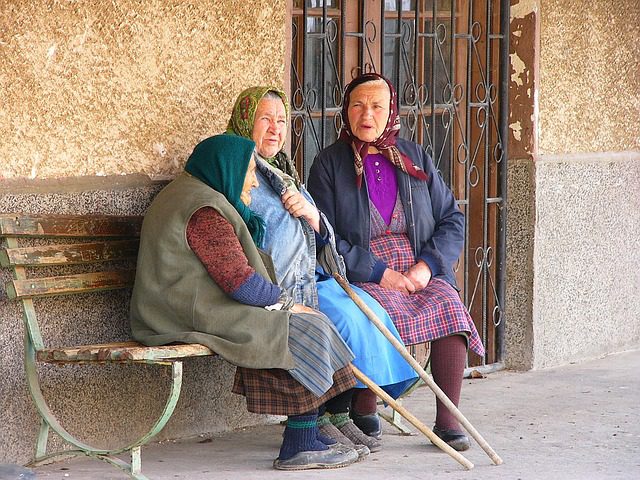
Five NGOs Fighting World HungerEnding world hunger isn’t an easy task. For decades now, famine and food insecurity have caused problems worldwide. When kids are malnourished, they are unable to successfully perform at school, limiting their chances at an education. They are also at risk of weakened immune systems. Non-governmental organizations are working to help fight famine. Here are five NGOs fighting world hunger all across the world.
5 NGOs Fighting World Hunger

  1. Action Against Hunger. Action Against Hunger is a global nonprofit organization that has been working to end famine since 1979. Originally starting in France, Action Against Hunger now works in more than 50 countries worldwide, including Malawi, Cambodia, Nepal and Ethiopia. The organization takes a hands-on approach, addressing malnutrition through several points. These include developing nutritional products, promoting food security through public health and using research to develop nutritional products. The final goal of the organization is ending world hunger.
  2. A Growing Culture. A Growing Culture believes in ending word hunger by advocating for independent, smallholder farmers everywhere. According to the organization, smallholder farmers make up 94 percent of the world farms while providing 70 percent of the world’s food. A Growing Culture supports farmers in creating sustainable agricultural practices through outreach, information exchange and advocacy. By doing this, it ensures that local farms can grow crops to help their local communities. Sustainable farming practices are better for ecological systems as well as people. Smallholder farms have less risk of pesticide abuse, waste runoff and water supply contamination.
  3. The Carbon Underground. The Carbon Underground believes in ending world hunger by using a technique called regenerative agriculture. Regenerative agriculture is described as “a system of farming principles and practices that increases biodiversity, enriches soils, improves watersheds and enhances ecosystem services.” This can include capturing carbon in the soil while reversing atmospheric accumulation. The Carbon Underground organization also believes that regenerative agriculture is beneficial for food and freshwater security and healthier food production. Furthermore, it supports the world’s farmers. These benefits can change entire communities and cities. When people have access to fresh water and clean crops, they are able to have nutritious meals, feel more focused in school or work and contribute to society.
  4. The Small Planet Institute. In the late 1960s, Frances Moore Lappé began writing a book that would revolutionize the way people would think about food. The book, titled “Diet for a Small Planet,” sold more than three million copies. In the book, Lappé discusses the myth of “scarcity in a world of plenty.” It dives into concepts of responsible agriculture, the environmental impact of animal products and the philosophy of food. The award-winning book went on to become the inspiration for The Small Planet Institute, an organization that she began with her daughter. One of the main programs of the group is dedicated to ending world hunger by discussing some of the myths and facts about famine.
  5. Alliance for Food Sovereignty in Africa (AFSA). The Alliance for Food Sovereignty in Africa (AFSA) believes in transitioning Africa toward safe agriculture and an environmentally friendly future. The AFSA also strongly believes in consumer action. This means that consumers should have a say in the crops grown, the way they are produced and agroecology. Agroecology is the link between agriculture and the ecological process in which it can flourish. By giving African citizens the skills they need to succeed in farms, they are able to contribute more to society, send children to school and give communities the ability to flourish independently.

World hunger continues to be a problem worldwide. However, non-government organizations are stepping in to help combat these problems. Malnutrition and famine are proven to hinder students in school, parents in the workforce and communities. But with the help of these organizations, vulnerable people are able to get the assistance they need in the fight toward ending world hunger.

– Asha Swann
Photo: Flickr

April 13, 2020
https://borgenproject.org/wp-content/uploads/borgen-project-logo.svg 0 0 Lynsey Alexander https://borgenproject.org/wp-content/uploads/borgen-project-logo.svg Lynsey Alexander2020-04-13 07:30:472024-05-29 23:15:345 NGOs Fighting World Hunger
Global Poverty, Hunger, Volunteer

4 Facts About Hunger in Bulgaria

Hunger in BulgariaThe Republic of Bulgaria is a Southeast European country of 6.4 million people. The World Bank classifies the country as an upper-middle income nation that has been transformed to an open market-based economy from its previous planned and highly centralized economy. 

4 Facts About Hunger in Bulgaria

  1. Hunger in Bulgaria is Low: According to the 2023 Global Hunger Index, Bulgaria is 23 out of the 125 countries ranked. The GHI measures undernourishment, child wasting, child stunting and child mortality and Bulgaria’s score of 5.4 categorized its hunger level as low.
  2. SDG Progress: Although Bulgaria’s GHI ranking of hunger is low, the country is nevertheless seen as progressing slowly overall in achieving the U.N.’s Sustainable Development Goal 2, Zero Hunger. While the country has achieved the target for undernourishment and prevalence of stunting in children under 5 years old, significant challenges are seen to be remaining for several indicators, including the prevalence of obesity. 
  3. Limited Progress on Nutrition Targets: The 2022 Global Nutrition Report noted insufficient data to assess Bulgaria on all global nutrition targets for maternal, infant and young child nutrition. For those targets for which there was adequate data, Bulgaria was found to be “on course” in preventing the increase of only one measure—the prevalence of overweight children under 5 years old, which was 6.9%. There was also “some progress” on childhood stunting, which was at 7%. The country was “off course” for seven metrics and had no data on two. Low birth weight (9.6%) and anemia of women of reproductive age (23.6%) were classified as having seen no progress or worsening. The report calls these outcomes the “burden of malnutrition.” 
  4. Legislation: In 2020, during the COVID-19 pandemic, Bulgaria passed the Bulgarian Foodstuff Act. The law regulated online and distance food sales, required registration of food supplements and food for athletes, gave the Ministry of Health control over the placement of infant formulas, follow-on formulas and foods containing additional minerals and vitamins, and addressed packaging waste. Since the preferred sale of food by small independent organic farms is via online food platforms, this was seen as a means to achieve “sustainable greening” of the local food industry.” The National Program for the Prevention and Reduction of Food Losses 2021-2026, among other intended outcomes, includes reducing food waste and loss, which is seen as contributing to food security and sustainable food production and consumption.  

The World Bank notes that although Bulgaria has been in the EU since 2007, it has not yet reached the average EU GDP per capita and is the EU’s poorest member state. Reforms and policies to address income and opportunity inequalities, as well as several other variables are seen as critical to achieving full convergence with EU levels. 

– Staff Reports
Photo: Flickr

Updated: August 21, 2024

March 27, 2020
https://borgenproject.org/wp-content/uploads/borgen-project-logo.svg 0 0 Lynsey Alexander https://borgenproject.org/wp-content/uploads/borgen-project-logo.svg Lynsey Alexander2020-03-27 07:30:022024-08-23 09:13:294 Facts About Hunger in Bulgaria
Global Poverty, Humanitarian Aid, Hunger, NGOs

4 Organizations Fighting World Hunger

4 Organizations Fighting World Hunger
Hunger and poverty integrally link together, because most people experiencing chronic hunger live in poverty. Further, most of the world’s hungry reside in developing nations. A 2018 report from the United Nations concluded that the number of people afflicted with chronic hunger was actually rising.  In 2017, there were 821 million people around the globe that were hungry. In other words, hunger affects one in every nine people. World hunger is an issue that demands attention because of its regression throughout the past few years. Additionally, improving food security should boost global health and support the achievement of the Sustainable Development Goal of zero hunger by 2030. There are countless organizations working tirelessly to make a hunger-free world a reality. Below are four organizations fighting world hunger.

4 Organizations Fighting World Hunger

  1. Oxfam International: Oxfam International is a global movement working in more than 90 countries on a multitude of issues. Between 2017 and 2018, Oxfam worked with 22.3 million people to fight inequality and beat poverty. The organization aims to build resilience in communities and campaigns for sustainable change. It operates as a confederation that partners with local organizations. Oxfam believes that hunger in a world of plenty is the result of inequalities such as economic and gender differences. One specific aim is to create a more fair and sustainable global food system. Various programs support small-scale farmers and workers in production with the capacity to provide for increasing populations and reduce poverty. Specifically, the implementation of these sustainable farming techniques in conjunction with advocating for necessary government investments helps to fight against world hunger.
  2. Biodiversity International: Biodiversity International is a global research and development organization working in 35 countries around the world with the aim of fighting world hunger. This organization has a regional presence in Central and South America, West and Central Africa, East and Southern Africa, Central and South Asia and Southeast Asia. It implements various research endeavors and programs based on the idea that agricultural biodiversity provides adequate nutrition for the global population by sustaining the planet. In 2018, Biodiversity International published 145 papers indicating that biodiversity aids in achieving the Sustainable Development Goals, which includes ending hunger. In order to accomplish these goals, Biodiversity International partners with local communities and organizations in low-income countries to target issues specific to that population. All of the research and intervention methods are based around the use of scientific evidence, effective management practices and the implementation of policies to safeguard biodiversity, thus achieving food security globally.
  3. Rise Against Hunger: Rise Against Hunger is a hunger relief organization that aligns itself with the United Nation’s Sustainable Development Goals in its efforts to end world hunger by 2030. In order to achieve this, the organization distributes food and aid to vulnerable populations. In 2018, Rise Against Hunger impacted 794,700 people by providing meals and aid. The organization implements safety nets in order to provide for basic needs while people are planning and putting long term solutions in place. Rise Against Hunger also provides effective and efficient food provisions along with aid during emergency situations. Additional focuses include efforts to build community resilience, self-sufficiency and empowerment. The organization also brings resilient food security by creating long-lasting solutions for fighting world hunger through implementing sustainable agricultural practices, teaching business skills and improving market access.
  4. UNICEF: UNICEF is an organization active in more than 90 countries that focuses on saving the lives of children around the globe. Development is a huge part of providing for vulnerable populations and is especially critical for youth. Combating hunger and implementing accessible food systems is an integral part of the development; it interweaves in almost all of UNICEF’s programs in developing countries. UNICEF’s Survive and Thrive initiatives address the health of children, including early childhood development, health, HIV/AIDS, immunization, water, sanitation, hygiene and nutrition. UNICEF understands that fighting world hunger is necessary for achieving these initiatives and creating a healthier young population. Additionally, the organization provides aid during crisis and emergency situations, which includes ensuring food security for children. Through these programs, UNICEF improved the quality of 15.6 million children’s diets in 2018. UNICEF primarily focuses on children’s issues, but the organization is aware that addressing hunger is a crucial aspect of addressing developmental issues.

Hunger and poverty are issues that inherently tie together. These four organizations address global hunger through diverse programs and disciplines. Through each organizations’ work, achieving the Sustainable Development Goals of fighting world hunger has a profound possibility. 

– Treya Parikh
Photo: Flickr

March 17, 2020
https://borgenproject.org/wp-content/uploads/borgen-project-logo.svg 0 0 Kim Thelwell https://borgenproject.org/wp-content/uploads/borgen-project-logo.svg Kim Thelwell2020-03-17 01:30:062024-05-29 23:14:494 Organizations Fighting World Hunger
Food Insecurity, Global Poverty, Hunger

12 Facts About Hunger in Afghanistan 

12 Facts About Hunger in Afghanistan 
Due to decades of conflict, environmental disaster and economic instability, Afghanistan is one of the world’s poorest nations. One of the largest issues to building national stability for Afghanistan is the remaining issue of food insecurity. Hunger and malnutrition are the biggest risks to health worldwide, according to the United Nations. Hunger prevents people from reaching their full potential by limiting their ability to work and learn. Here are 12 facts about hunger in Afghanistan.

12 Facts About Hunger in Afghanistan

  1. By the end of 2019, average wheat and staple food production contributed to stable pricing. Even though food prices have been stabilizing, households are unable to purchase necessary food because there are few opportunities to work. Even when work is available, the pay is not high enough to account for all living costs. People in Afghanistan, on average, spend 60 percent of their income on food.
  2. It is essential to invest in agriculture in Afghanistan, as it is almost 25 percent of the GDP. At least 50 percent of all households attribute at least part of their income to agriculture. The World Bank suggests that the most promising agricultural opportunities will be to invest in growing irrigated wheat and horticulture and to raise livestock. With the combination of investing in the growth of investment in these agricultural products, the World Bank estimates that there is the potential for the growth of 1.3 million jobs over a period of 10 years.
  3. The International Fund for Agricultural Development (IFAD) estimates that approximately 38 percent of rural households face food shortages. It also determines that 21 percent of the rural population lives in extreme poverty due to continuing conflict in the region, drought and floods. In addition to this range of factors, agricultural production has decreased due to insufficient investment in the sector, crop diseases and pests.
  4. The World Bank also reports that over the past decade, hunger in Afghanistan has risen from 28 to 45 percent. The International Fund for Agricultural Development (IFAD) works closely with the Afghan government and development partners to reduce gender disparities and increase the social and economic status of vulnerable and marginalized communities. IFAD does this by increasing access to financial institutions in remote or rural areas, enhancing the skills of rural households and strengthening local infrastructure.
  5. From November 2019 to March 2020, the IPC, a coalition of U.N. agencies working on food insecurity, predicts that the number of people experiencing severe food insecurity will rise to 11.3 million. According to the IPC, continued conflict, mass migration back to the region, predictions of rising crop prices in the winter and unemployment are the main contributors to rising hunger in Afghanistan at the end of 2019 and the beginning of 2020.
  6. The Famine Early Warning Systems Network, predicts that 820,000 people will require food assistance through January 2020 in Afghanistan. It expects this number to rise between these dates because of the returning displaced citizens from Pakistan and Iran. USAID’s Office of Food for Peace, the U.N. World Food Programme (WFP), the U.N. Children’s Fund (UNICEF) and local NGOs will provide food assistance.
  7. High rates of malnutrition and lack of the right variety of food for children in Afghanistan have contributed to a variety of health issues. Only 12 percent of children from 6 months to 2 years old receive the correct quantity of food in order to grow, according to UNICEF. This results in problems such as stunting, wasting and anemia. These problems result in ongoing health issues throughout a lifetime.
  8. Mercy Corps, a global humanitarian organization, provides extensive support to farmers in Afghanistan through a U.N. grant. From 2015 to 2019, the $34.6 million grant supported more than 7,380 farmers by training them to plant and produce opium alternative crops including grapes, almonds, pistachios, saffron and vegetables.
  9. One of the largest supporters of ending hunger in Afghanistan is the U.N. World Food Programme. The World Food Programme provides monthly food and cash for a period of six months while vocationally training men and women. In 2018 in Afghanistan, the WFP program had 14,000 women and 3,000 men graduate and learn income-generating skills. Additionally, between January and June 2019, WFP assisted more than 3.2 million people across 31 of Afghanistan’s 34 provinces.
  10. UNICEF and the World Health Organization (WHO) set up a national surveillance system in Afghanistan in 2013. The purpose of it is to guide the government and NGO partners to collect and analyze data in order to quickly address nutritional challenges or emergencies. Since 2013, the WHO has trained 1,500 community health workers to accurately collect nutritional metrics and quarterly report data from 175 sentinel sites around the country.
  11. A paper in partnership with the World Bank in 2018, the Investment Framework for Nutrition in Afghanistan, examined what would be necessary for Afghanistan to improve nutrition. This endeavor also included efforts to reduce stunting and invest more in children’s health for Afghanistan’s Ministry of Public Health’s (MOPH) Basic Package of Health Service implementation for 2018 to 2021. The total estimated public investment necessary would be $44 million a year for five years. This money would prevent 25,000 deaths, 90,000 cases of anemia and 4,000 cases of stunting in children.
  12. Since 2005, the Food and Agriculture Organization of the U.N. has worked to improve the production of dairy in collaboration with Afghanistan’s Ministry of Agriculture, Irrigation and Livestock. The results of this partnership have been the establishment of five dairy process plants and 64 milk collection centers. From 2005 to 2017, production per cow went from 3.5 to 9.1 liters, resulting in annual household income growing from $371 to $852 through the sale of extra milk.

Although there are many challenges in the region to building local capacity to handle food insecurity, there are many Afghani and global organizations that are continuing to help formulate strategies to bring about change. These 12 facts about hunger in Afghanistan shed some light on these issues.

– Danielle Barnes
Photo: Flickr

February 22, 2020
https://borgenproject.org/wp-content/uploads/borgen-project-logo.svg 0 0 Lynsey Alexander https://borgenproject.org/wp-content/uploads/borgen-project-logo.svg Lynsey Alexander2020-02-22 07:30:452024-05-29 23:14:5812 Facts About Hunger in Afghanistan 
Food Insecurity, Global Poverty, Hunger

How Droughts in Zimbabwe Affect the Hunger Crisis

Droughts in Zimbabwe
Temperatures in southern Africa are notable for their fluctuation which commonly causes climate disasters. These disasters are particularly devastating to Zimbabwe’s rural population of approximately 16 million people and its substantial community of farmers. The country’s landscape has suffered significant damage from unprecedented weather, particularly droughts. Efforts to scale up governmental assistance have skyrocketed since January 2019, which has accounted for much of the rise in the price of basic commodities. Below is a brief history of droughts in Zimbabwe, the many implications that they cause and the solutions that different aid efforts have come to.

History of Drought

Zimbabwe has a long history of droughts, which have cumulatively caused an increase in poverty. On a regional scale, droughts often result in crop failure, loss of livestock and wildlife and power outages. A report from the World Food Programme indicates that as of 2019, an estimated 2.3 million people suffered from poverty as a result of the country’s worst hunger crisis thus far. Citizens turn to government officials to assist in food shortages, and while weather within the region is a determining factor in food production, it is mostly up to different organizations to provide varied forms of food security.

The country’s worst drought happened in 1992, which many consider the most destructive one Zimbabwe faced in the 20th century. Water shortages forced the shutdown of many industries and schools. Due to poor harvests that year, regions across southern Africa faced a short-term supply in their food reserves. Zimbabwe’s food shortages caused a ripple effect, with aggravated food production compromising foods like corn to countries like Mozambique, which relied on Zimbabwe’s exports. Due to low rainfall, communal area farmers did not have any suitable locations for food production.

Solutions and Aid

Shortly after the regional drought, the humanitarian agency Cooperative for Assistance and Relief Everywhere (CARE) worked with Zimbabwe in order to build developmental programs that would increase accessibility to clean water and food. Programs that pilot cleaner VIP latrines, reinforce sexual and reproductive health and develop financial advocacy should increase household income, alleviate food insecurity and improve better access to markets.

In 2016, Zimbabwe declared a drought disaster as an estimated five million people faced food shortages. Shifts in weather patterns were a direct result of El Nino and La Nina, which refer to the periodic changes in sea temperatures in the Pacific Ocean.

The International Rescue Committee works to alleviate many of the economic struggles in Zimbabwe. Started in 2008 after a devastating cholera outbreak, the organization provides support to those afflicted by natural disasters. It will extend its strategy action plan to 2020, continuing to transfer direct cash transfers to low-income households, provide vouchers to farmers, assist in getting more food for livestock, deliver medical and emergency supplies, drill deeper wells and rehabilitate water plants.

The World Food Programme also plans to assist up to two million people in 2020. By March 2020, predictions determine that nearly 59 percent of rural households—5.5 million people—will be food insecure or in poverty. An estimated $173 million is necessary to allocate support to these regions. Many are saying that the hunger crisis will peak during the first three months of 2020, which is elevating the level of urgency for funding.

Recent Drought

Zimbabwe experienced another drought in December 2019, which ignited the worst hunger crisis the country has faced in nearly a decade. It has entered a “Phase 3” food crisis, which is just two steps below large-scale famine. Predictions estimate that this will extend into 2020, as poor macro-economy and germination rates continually affect crop production. In November 2019, farmers received only 55 percent of normal rainfall. Livestock losses have reached 2.2 million people in urban areas and 5.5 million in rural ones. An emergency operation is underway by the World Food Programme in order to assist the 7.7 million people who plunged into hunger. Partnerships with UNICEF and the Food and Agricultural Organization of the United Nations (FAO) are leading to more international efforts for resilience programs.

Implications of Drought

These droughts carry many logistical implications, leading to economic struggles as inflation rates go up, farmers undergo crop failure and food supplies grow scarce. Clean water, medical supplies and nourishing foods have become inaccessible and render much of the population food insecure and poverty-stricken.

Droughts in Zimbabwe hold many implications for the country’s current hunger crisis. Varying aid efforts are slowly pushing the region to a progressive standpoint. The limitations of food security, when it comes to natural hazards like droughts, illustrate a need to offer more aid to regions stricken by climate disasters. Efforts to mobilize aid in southern African are essential to curbing economic decline and creating sustainable communities.

– Brittany Adames
Photo: Flickr

February 14, 2020
https://borgenproject.org/wp-content/uploads/borgen-project-logo.svg 0 0 Kim Thelwell https://borgenproject.org/wp-content/uploads/borgen-project-logo.svg Kim Thelwell2020-02-14 10:30:092024-05-29 23:14:47How Droughts in Zimbabwe Affect the Hunger Crisis
Global Poverty, Hunger, World Hunger

8 Quotes About How to End Hunger

8 Quotes About How to End HungerMore than 820 million people are suffering from hunger. Further, 2 billion are suffering from malnutrition. However, there is enough food, knowledge and resources to end hunger. First, society must address the root cause to effectively end world hunger. Here are 8 inspiring quotes about how to end hunger.

8 Quotes About How to End Hunger

  1. “If with so little we have done so much in Brazil, imagine what could have been done on a global scale if the fight against hunger and poverty were a real priority for the international community.” -Luiz Inácio Lula Da Silva. Luiz Inácio Lula Da Silva is a former Brazilian president, with enormous popularity across Brazil. Lula Da Silva made the poor his central focus. He put into place many social welfare programs and was able to bring millions out of poverty.
  2. “If you can’t feed a hundred people, then feed just one.” -Mother Teresa. Mother Teresa is widely known for feeding the hungry one person at a time. She also set up programs that assisted in resolving world hunger.
  3. “You cannot tackle hunger, disease and poverty unless you can also provide people with a healthy ecosystem in which their economies can grow.” -Gro Harlem Brundtland. Dr. Gro Harlem Brundtland was a physician and scientist for the Norwegian public health system and the Prime Minister of Norway. She later became the Director-General of the World Health Organization (WHO). Brundtland believes in being the moral voice in improving health and alleviating suffering for people around the world.
  4. “We cannot fight against the poverty and hunger in the world when our stomachs are full of delicious food… the fighters must feel the poverty not imagine it.” -M.F. Moonzajer. This quote comes from M.F. Moonzajer’s latest book titled “Love, Hatred, and Madness.” Moonzajer is a journalist and a former intern for the United Nations Secretariat in Bonn as well as a policymaker for an international NGO in Afghanistan.
  5. “Nowhere in the world, in no act of genocide, in no war, are so many people killed per minute, per hour and per day as those who are killed by hunger and poverty…” -Fidel Castro. Fidel Castro was the former Prime Minister of Cuba. Castro felt strongly about human rights, particularly the right to food accessibility. He accused wealthy nations of tolerating the genocide of starvation. He addressed the United Nations during the organization of a multinational force to aid “1 million Rwandan refugees in eastern Zaire where rebel fighting cut off the country’s food supply.”
  6. “When you see in places like Africa and parts of Asia abject poverty, hungry children and malnutrition around you, and you look at yourself as being people who have well being and comforts, I think it takes a very insensitive, tough person not to feel they need to do something.” -Ratan Tata. Ratan Tata is an Indian philanthropist working to improve conditions in India by honing in on the malnutrition of children, fortifying staple foods and aiming to alleviate poverty. The Tata Trusts are providing 60,000 meals a day.
  7. “If you want to eliminate hunger, everybody has to be involved.” – Bono. Bono is a band member of the group U2 and is a leading voice for the world’s poor. His efforts mainly pertain to fighting hunger and poverty, particularly for those in Africa. The musician donates his time to philanthropic causes such as creating charities such as the ONE Campaign and the clothing line EDUN to stimulate trade in poverty-stricken countries.
  8. “If everyone who wants to see an end to poverty, hunger and suffering speak out, then the noise will be deafening.” -Desmond Tutu. Archbishop Desmond Tutu of South Africa is an advocate for human rights, particularly the right to food and clean water. Tutu received the Global Champion Against Hunger award from the United Nations World Food Program for his efforts to defend the weak and the hungry.

These 8 inspiring quotes about how to end hunger show that there are people in the world trying to make a difference. But, as Bono said, everyone has to be involved to truly end world hunger.

– Na’Keevia Brown
Photo: Flickr

February 6, 2020
https://borgenproject.org/wp-content/uploads/borgen-project-logo.svg 0 0 Kim Thelwell https://borgenproject.org/wp-content/uploads/borgen-project-logo.svg Kim Thelwell2020-02-06 01:30:022024-05-29 23:14:288 Quotes About How to End Hunger
Global Poverty, Hunger

Number of Deaths from Starvation in Asia

Starvation in Asia
The number of deaths from starvation in Asia is significant in many different regions, including South-East Asia and South Asia. Several global organizations including the United Nations have come forward to claim that malnutrition and a lack of food distribution are major global issues.

The Facts About Starvation

In 2018, Time Magazine reported that nearly half a billion people in the Asia-Pacific region suffered from starvation. Meanwhile, according to Mercy Corps, nine million people die from starvation every year, which is more than the deaths from malaria, AIDS and tuberculosis combined. Whilst the causes of starvation-related deaths vary from region to region, there are common factors that have lead to their increase. Using India as an example, the organization Action Against Hunger lists poverty, low availability of food, disease, climate change and violent conflicts as just a few factors that contribute to malnutrition and starvation rates.

Whilst no one knows the exact number of deaths from starvation in Asia, the website Hunger Notes breaks down undernourishment based on region. According to Hunger Notes, South-East Asia, including areas such as Indonesia, Vietnam and the Philippines, and South Asia, comprising of India and Pakistan, account for the highest percentage of undernourished citizens. Over half (56.5 percent) suffers undernourishment and 27.8 percent of South-East Asia’s population does not have adequate nourishment.

The facts from Action Against Hunger mentioned earlier, provide a clear indication as to why the South Asia region has such a high malnutrition rate. As for South-East Asia, according to a World Bank report, some of the underlying causes of malnutrition for Vietnam include diseases, infections, parasites and a lack of food security. The rate of starvation in South Asia has seen a 6.6 percent increase in growth from 1992 to 2014 in the percentage of the world’s hungry people. The organization explains that both an increase in global malnutrition and an increase in malnutrition in the region have caused this. India alone accounts for 22.3 percent of the world’s malnutrition rate, according to Action Against Hunger. Meanwhile, UNICEF states that the malnutrition rate in South Asia has decreased since WorldHunger.org published its report. In 2018, the malnutrition rate stood at 27 percent, compared to the reported 37.5 percent in 2014.

Organizations Fighting Against Starvation in Asia

Mercy Corps, Action Against Hunger and Food Aid are helping to fight against deaths from starvation in Asia. The Mercy Corps aims to assist farmers by providing them with what they need to help supply their regions with food and improve sustainability. According to The Mercy Corps, there has been a 17 percent increase in the amount of food on a per-person basis in the last 30 years. The Mercy Corps also states that whilst the world produces enough food to supply the population, the distribution of that food is the real cause of starvation and deaths from starvation both in Asia and worldwide.

Action Against Hunger aims to provide emergency care for malnourished children and help governments give their people clean water and improved nutrition. In 2018, it worked with the Indonesian Ministry of Health on a joint project to help fight malnutrition. In 2018, Action Against Hunger provided over 1,800 people in Indonesia with food security programs and livelihood programs. It also assisted the Indonesian government in creating a Community-Based Management of Acute Malnutrition Project that helped provide sanitary water to the people of Indonesia.

Food Aid works as a global food pantry, providing unused food to communities in need. It has also helped supply soup kitchens, welfare programs and families with the food necessary to function.

Whilst the number of deaths from starvation in Asia continue to be a part of the larger issue of global starvation, there have been progressive strides towards improving the statistics. The United Nations, however, did warn in its 2018 report that these numbers need to fall much quicker in order for the world to see a significant change in global malnutrition. Several global organizations have been working to help fix the major problem areas, though, such as food distribution, sustainability, hydration and malnutrition among youth.

– Jacob Creswell
Photo: Flickr

February 2, 2020
https://borgenproject.org/wp-content/uploads/borgen-project-logo.svg 0 0 Jennifer Philipp https://borgenproject.org/wp-content/uploads/borgen-project-logo.svg Jennifer Philipp2020-02-02 01:30:322024-05-29 23:14:34Number of Deaths from Starvation in Asia
Education, Global Poverty, Hunger

Food for Education is Feeding Kenyan Schoolchildren

Food for Education is Feeding Kenyan Schoolchildren
The World Health Organization (WHO) reports that Africa has the highest rising rates of hunger in the world. In Eastern Africa, where Kenya is located, almost a third of the population is said to be undernourished. Additionally, 40 percent of the world’s stunted children live in Africa. Luckily, Food for Education is feeding Kenyan schoolchildren to help solve the problem.

Food for Education

Wawira Njiru founded Food for Education in 2012 to provide nutritious, subsidized meals to children in Kenyan primary schools. When she began, Njiru only fed 25 children from Ruiru Primary School. Now, her organization has provided over 500,000 meals to more than 10,000 children across 11 different primary schools. Food for Education has four head chefs and eight assistant chefs who prepare food. The organization delivers the food to the 11 partner schools by lunchtime. Parents pay $0.15 for the lunches using mobile money, which then credits into a virtual wallet. The wallet links to a smart wristband that students wear that they then use to pay for their meals.

Effects of Hunger on Students

Food for Education is feeding Kenyan schoolchildren and this is important because hunger affects both the physical and mental development of children. Estimates determine that 23 million children go to school without anything to eat in Kenya. Chronic undernutrition impacts one in four children, stunting their growth. Children who are hungry fall behind in classes because they have trouble learning and paying attention. The child may also fall behind in class as a result of missing classes to help their family put food on the table. In addition, they are also more likely to have behavioral problems. All of these challenges may result in the child having to repeat a grade, which contributes to the family’s financial strain. In the long run, it affects the child’s productivity and future economic potential.

There has been a positive impact since Food for Education began its work feeding Kenyan schoolchildren. The organization reports that other than the improved nutrition for the children, there has been an improvement in school attendance, school performance and the transition rates from primary to high school. The U.N. deputy secretary-general, Amina Mohammed, at a school visit by Food for Education, noted that stunted growth costs Africa $25 billion annually. Therefore, the work that Njiru and her organization does is helping lift people out of poverty.

The Benefit to the Community

Food for Education does not only benefit the student, it also feeds the community around them. For example, the organization utilizes food sourced from local farmers. Njiru also makes an effort to only hire locals. The 35 employees who help her meet her goal are all from the Ruiru community. This is important because it enables the members of that community to earn an income and support themselves.

Food for Education efforts are helping Kenyan children receive an education without worrying about a lack of stable access to food. In fact, Njiru’s contribution has not gone unnoticed. In 2018, she was the first recipient of the Global Citizen Prize, Cisco Youth Leadership Award. Among other things, the award came with a cash prize of $250,000 which has significantly helped boost the organization. She hopes that she can one day scale up from 10,000 meals a day to providing one million meals a day.

– Sophia Wanyonyi
Photo: Flickr

January 2, 2020
https://borgenproject.org/wp-content/uploads/borgen-project-logo.svg 0 0 Lynsey Alexander https://borgenproject.org/wp-content/uploads/borgen-project-logo.svg Lynsey Alexander2020-01-02 01:30:252024-06-07 05:08:00Food for Education is Feeding Kenyan Schoolchildren
Page 34 of 71«‹3233343536›»

Get Smarter

  • Global Poverty 101
  • Global Poverty… The Good News
  • Global Poverty & U.S. Jobs
  • Global Poverty and National Security
  • Innovative Solutions to Poverty
  • Global Poverty & Aid FAQ’s
Search Search

Take Action

  • Call Congress
  • Email Congress
  • Donate
  • 30 Ways to Help
  • Volunteer Ops
  • Internships
  • Courses & Certificates
  • The Podcast
Borgen Project

“The Borgen Project is an incredible nonprofit organization that is addressing poverty and hunger and working towards ending them.”

-The Huffington Post

Inside The Borgen Project

  • Contact
  • About
  • Financials
  • President
  • Board of Directors
  • Board of Advisors

International Links

  • UK Email Parliament
  • UK Donate
  • Canada Email Parliament

Get Smarter

  • Global Poverty 101
  • Global Poverty… The Good News
  • Global Poverty & U.S. Jobs
  • Global Poverty and National Security
  • Innovative Solutions to Poverty
  • Global Poverty & Aid FAQ’s

Ways to Help

  • Call Congress
  • Email Congress
  • Donate
  • 30 Ways to Help
  • Volunteer Ops
  • Internships
  • Courses & Certificates
  • The Podcast
Scroll to top Scroll to top Scroll to top