• Link to X
  • Link to Facebook
  • Link to Instagram
  • Link to TikTok
  • Link to Youtube
  • About
    • About Us
      • President
      • Board of Directors
      • Board of Advisors
      • Financials
      • Our Methodology
      • Success Tracker
      • Contact
  • Act Now
    • 30 Ways to Help
      • Email Congress
      • Call Congress
      • Volunteer
      • Courses & Certificates
      • Be a Donor
    • Internships
      • In-Office Internships
      • Remote Internships
    • Legislation
      • Politics 101
  • The Blog
  • The Podcast
  • Magazine
  • Donate
  • Click to open the search input field Click to open the search input field Search
  • Menu Menu

Archive for category: Health

Information and stories on health topics.

Education, Global Poverty, Health

Deworming Programs & School Attendance in Cambodia

Deworming ProgramsParasitic worm infections remain a common but preventable health challenge for children in Cambodia. While these infections are rarely life-threatening, they can cause chronic fatigue, anemia and recurring illness that make it difficult for children to attend school consistently or concentrate in class. For low-income households, these repeated health disruptions can quietly undermine education and limit long-term economic opportunity.

In recent years, national deworming programs implemented through schools have become a core part of Cambodia’s public health and education strategy. By reducing preventable illness among school-aged children, these initiatives help protect learning and remove health-related barriers that can trap families in cycles of poverty.

A Persistent Health Burden

Soil-transmitted helminth infections, including roundworm, whipworm and hookworm, continue to affect more than one billion people worldwide, with children among the most vulnerable groups. According to a 2023 fact sheet from the World Health Organization (WHO), chronic worm infections contribute to malnutrition, impaired growth and reduced physical stamina, particularly in areas with limited sanitation and access to clean water.

In Cambodia, exposure remains common in many rural and peri-urban communities. Rather than causing acute illness, these infections often create a steady health burden that lowers children’s energy levels and increases short-term absenteeism. Over time, the persistent drag on health weakens children’s ability to benefit fully from schooling.

Why Attendance Is Fragile for Poor Households

For children from low-income families, school attendance is often highly sensitive to health. Even a relatively minor illness can result in missed days when households lack access to timely health care or cannot absorb repeated disruptions. These short absences accumulate, creating learning gaps that are difficult to recover from.

Education is widely recognized as one of the most reliable pathways out of poverty. However, its benefits depend on consistent participation. When preventable health conditions interfere with attendance, the effectiveness of education spending is reduced, particularly for children already facing economic disadvantage. 

Schools as a Platform for Health Delivery

Deworming involves periodic administration of safe, low-cost medication to eliminate intestinal worms. The WHO’s most recent guidance, updated in the early 2020s, recommends preventive treatment for children living in endemic areas where infection prevalence exceeds established thresholds.

When delivered through schools, deworming programs can reach large numbers of children efficiently and at a minimal cost. According to recent estimates summarized by the Abdul Latif Jameel Poverty Action Lab (J-PAL), school-based deworming programs typically cost around $0.50 per child per year. This makes them one of the most cost-effective public health interventions currently in use.

In Cambodia, deworming efforts are coordinated by the Ministry of Health in collaboration with the Ministry of Education, Youth and Sport. This allows treatment to be integrated into routine school activities rather than relying on clinic-based delivery.

Evidence From Implementation in Cambodia

Cambodia’s school-based deworming programs have historically achieved high levels of coverage among enrolled children. A treatment coverage survey conducted in Kamport Province in the early 2010s found that 84%–89% of targeted school-age children received treatment. This result demonstrates the effectiveness of school-based delivery in reaching the intended population.

While this study reflects an earlier implementation phase, more recent WHO country profiles indicate that Cambodia has continued regular school-based deworming in the 2020s as part of its neglected tropical disease control strategy. The country has maintained national program coverage in endemic areas. High treatment coverage plays an important role in reducing the overall burden of infection within schools and surrounding communities.

It supports sustained improvements in child health when programs are delivered consistently and at scale.

Protected Learning and Household Stability

Deworming programs do not create educational opportunities on their own. Instead, they help prevent preventable illness from eroding children’s ability to attend school regularly and participate in learning. Healthier children are better able to maintain attendance and avoid repeated short-term absences that disproportionately affect students from low-income households.

For families living near or below the poverty line, recurring illness can also lead to avoidable medical expenses and lost income when caregivers must miss work. By lowering infection prevalence, deworming programs help reduce these health-related economic shocks and support household stability.

A Low-Cost Way To Safeguard Opportunity

Deworming programs are widely recognized for their reliability rather than their novelty. Their strength lies in consistent delivery, high coverage and low cost. Implemented through schools, they help ensure that basic health conditions do not quietly undermine the effectiveness of education for children most at risk of poverty.

In Cambodia, continued investment in school-based deworming reflected a broader understanding that poverty reduction depends not only on expanding access to education, but also on protecting children’s health so that education can work as intended.

– Tom Basu

Tom is based in Buckinghamshire, UK and focuses on Good News and Global Health for The Borgen Project.

Photo: Flickr

February 16, 2026
https://borgenproject.org/wp-content/uploads/borgen-project-logo.svg 0 0 Lynsey 2 https://borgenproject.org/wp-content/uploads/borgen-project-logo.svg Lynsey 22026-02-16 01:30:282026-02-16 00:37:06Deworming Programs & School Attendance in Cambodia
Global Poverty, Health, Inequality

Floating Micro-Clinics for Riverine Communities in Guyana

Floating Micro-Clinics

Across the dense river networks of Guyana’s interior, many Indigenous and hinterland communities face challenges accessing basic health care due to geographic isolation, limited transportation and poor road infrastructure. Residents often travel days by boat or on foot to reach the nearest clinic for vaccinations, prenatal care, emergency treatment or chronic disease management. Floating micro-clinics for riverine communities in Guyana offer a culturally sensitive, practical solution by delivering essential health services directly along rivers, which serve as the main transportation routes for these communities.

The Government of Guyana has expanded river transportation for health access by providing purpose-built boats and engines to remote villages. This has enabled patients and medical staff to reach health facilities more efficiently.

What Are Floating Micro-Clinics?

Floating micro-clinics are rapid-response medical units, often boats outfitted with consultation space and solar-powered equipment, that travel on regular circuits between riverine villages. By ferrying nurses, health educators and medical supplies directly to residents, these services reduce travel time, lower costs and improve preventative health care.

The Guyanese Ministry of Health has invested in river transport infrastructure to improve access to health care for residents of Regions One, Three and Five. It has delivered boats equipped to support patient care and outreach. In addition to government investment, UNICEF-supported programs have helped expand maternal health outreach.

They do this by providing boats equipped with solar-powered vaccine refrigerators and cots to serve communities in Regions One and Eight. These vessels enhance access to immunization and maternal care in villages such as Kamwatta, Sandhill and Orinduik.

Bringing Health Services Closer to Communities

Floating micro-clinics for riverine communities in Guyana enable nurses, community health workers and other providers to offer vaccinations, prenatal checkups and treatment for common illnesses on the spot. By reducing the distance families must travel for routine care, these mobile units help prevent illness and support early detection of health issues. Telemedicine has also expanded across remote regions, complementing floating clinic outreach by allowing health workers to consult specialists and manage patient care more effectively.

Many of the communities served through these initiatives are Indigenous and deeply rooted along river systems. Floating micro-clinics serving riverine communities in Guyana align medical outreach with traditional travel routes and cultural practices, ensuring services are delivered in ways that respect community life. Families no longer need to undertake long and costly journeys through difficult terrain to reach basic health services.

River transport investments and floating clinic models demonstrate how integrated health and transportation strategies can reduce geographic disparities. These programs coordinate regular river routes and supply essential health equipment directly to remote villages. This strengthens health surveillance, expands vaccination coverage and supports maternal and child health across Guyana’s hinterland.

Conclusion

Floating micro-clinics serving riverine communities in Guyana bring essential health care to populations that traditional infrastructure has historically underserved. By leveraging river transport and mobile medical units, these programs improve access to vaccinations, maternal and child care, diagnostics and routine treatment. With continued investment and community involvement, floating micro-clinics can significantly strengthen rural health outcomes and reduce inequality across Guyana’s vast river systems.

– Shahzeb Khan

Shahzeb is based in San Ramon, CA, USA and focuses on Business and Good News for The Borgen Project.

Photo: Flickr
February 15, 2026
https://borgenproject.org/wp-content/uploads/borgen-project-logo.svg 0 0 Lynsey 2 https://borgenproject.org/wp-content/uploads/borgen-project-logo.svg Lynsey 22026-02-15 01:30:352026-02-14 22:45:05Floating Micro-Clinics for Riverine Communities in Guyana
Global Poverty, Health, World Bank

Health Care Access in Tajikistan

Healthcare Access in TajikistanTajikistan, a country in Central Asia surrounded by Afghanistan, Uzbekistan, China and Kyrgyzstan, faces a health care crisis. With 25% of its population living below the poverty line and a health infrastructure that has barely been updated since the Soviet collapse, access to medical care remains out of reach for millions, particularly in rural areas. Health care access in Tajikistan has become a critical development challenge, encouraging a wave of private sector initiatives attempting to fill the gap left by decades of government underinvestment. Private clinics are expanding slowly, the government is working with civil society organizations to achieve universal health care, and there is a strong foundation that could be built upon in this country.

The Situation in Tajikistan

Tajikistan is the poorest country in the WHO European Region. The World Bank’s 2024 report shows that over 25% of the population lives on less than $3.65 per day, with 80% of the poor living in rural areas. This poverty directly impacts health care access in Tajikistan, where vital treatment remains unaffordable.

In 2025, Tajikistan launched a groundbreaking Universal Health Coverage (UHC) pilot program in the Sughd region, with presidential approval. The pilot tests new health financing and governance reforms designed to improve access and affordability of health care. The early results of this include districts that are investing in services that meet specific community needs, and health facilities are better able to attract primary health care nurses and doctors.

Health Care Access Challenges

Improving health care access in Tajikistan requires addressing severe gaps in basic services. Currently, 44% of Tajik men have never had their blood pressure measured. In 2022, 18% of households experienced catastrophic health spending. In Tajikistan, hospital services require 80% cost-sharing and when compared to a country like India, where controlling blood pressure for hypertension costs just $2-4 per patient annually, this treatment remains unaffordable for many Tajiks. However, a potential foundation is present in this country. Since 2008, there have been free family doctor consultations for all citizens, and an extensive primary care clinic network already exists.

Government and Private Partnerships

In 2023, when Tajikistan declared the ‘Year of Human Capital,’ the $57.25 million World Bank “Millati Solim” (Healthy Nation) project was approved, which aimed to achieve universal health coverage. The World Bank currently finances 26 projects in Tajikistan totalling $1.6 billion and this collaboration is a major government-private partnership. The focus on primary care is targeting the most vulnerable and direct beneficiaries include young children, pregnant women, the elderly and victims of gender-based violence.

Aga Khan Development Network (AKDN) is a private organization that partners with the Tajik government, and in the last 6 years, it has allowed 650,000 people to gain access to primary health care, using teleconsultations to increase access. It has provided over 53,550 people with access to safe drinking water and sanitation, as well as microfinance clients who live in remote, rural areas. AKDN is an example of how private organisations can serve, not exploit, the poor.

The Role and Limits of Private Clinics

Following the 1991 Soviet collapse and the 1990s civil war, many experienced doctors left Tajikistan, so the government had to terminate the free health care program due to a shortage of doctors and supplies. Over the last decade, the private sector in health care has developed. Prospekt Medical Clinic, founded in 2004, is the first western-style clinic in Dushanbe, using western equipment, pharmaceuticals and vaccines, however, hospitals typically require upfront payment in cash. Additionally, rural populations have virtually no access to private care and evidence shows that these clinics cater almost exclusively to wealthy Tajiks and those with international health insurance.

Tajikistan citizens often seek medical management abroad due to the undeveloped medical infrastructure, with India emerging as a leading hub. This means even private clinics in Tajikistan cannot meet the needs of those who may be able to pay, but regardless, private clinics rarely serve the 75% of Tajiks who are in poverty in rural areas.

Looking Ahead

While private clinics offer advanced equipment and western standards, they serve only wealthy urbanites and expatriates in Dushanbe, leaving the 75% of Tajiks in rural poverty completely behind. However, a different model offers hope. The success of partnerships like AKDN and ambitious government initiatives like the $57.25 million Millati Solim project and the Sughd UHC pilot demonstrate that carefully structured public-private collaborations can serve the poor without abandoning them.

Unregulated private clinics serving only those who can pay upfront create inequality, but government-led partnerships with civil society organizations, guided by principles of universal coverage and explicit protection for the vulnerable, can transform health care from a luxury commodity into a fundamental right. For Tajikistan’s millions living on less than $3.65 a day, health care access in Tajikistan depends on this distinction: the difference between care and commerce.

– Anisa Begum

Anisa is based in Birmingham, UK and focuses on Business and Global Health for The Borgen Project.

Photo: Wikimedia Commons

February 10, 2026
https://borgenproject.org/wp-content/uploads/borgen-project-logo.svg 0 0 Precious Sheidu https://borgenproject.org/wp-content/uploads/borgen-project-logo.svg Precious Sheidu2026-02-10 07:30:472026-02-09 23:18:17Health Care Access in Tajikistan
Global Poverty, Health, Women

Community Health Workers in Sierra Leone Save Mothers’ Lives

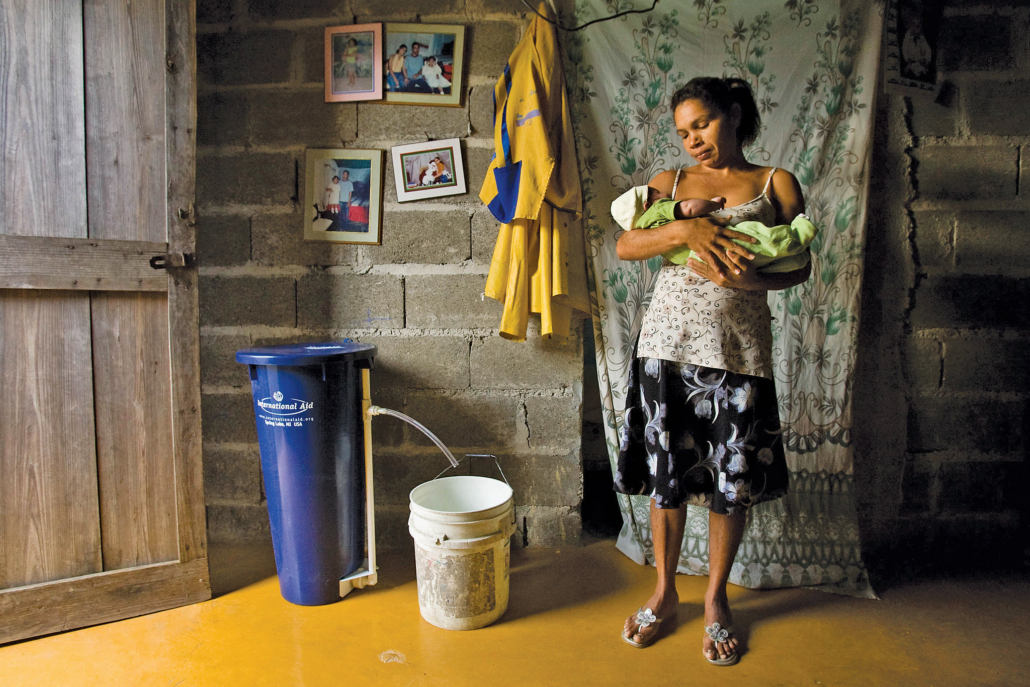
Community Health Workers in Sierra LeoneCommunity Health Workers (CHWs) in rural Sierra Leone are bringing maternal health support directly into villages. They connect families to clinics and hospitals better equipped to handle pregnancy and childbirth. They operate in a country that has faced some of the highest maternal health risks in the world.

UNICEF reported that Sierra Leone’s maternal mortality ratio reached 1,360 maternal deaths per 100,000 live births in 2015. Approximately one in 17 women faced a lifetime risk of dying from pregnancy-related causes at that time. However, national and partner-led investments have contributed to measurable improvement.

The World Bank modeled estimates show that Sierra Leone’s maternal mortality ratio declined to about 354 deaths per 100,000 live births in 2023, reflecting substantial progress over the past decade.

How CHWs Work

Community Health Workers in rural Sierra Leone reduce maternal risk by reaching women earlier, identifying warning signs during pregnancy and helping families reach health facilities quickly during emergencies. They usually conduct home visits throughout pregnancy and for up to a year after delivery, providing referrals and accompanying women to care when complications occur. They also serve as a first point of contact at the community level.

Key ways local health workers support safer pregnancy and childbirth include:

  • Home visits that encourage antenatal care and help spot complications early
  • Referrals and accompaniment that help women reach skilled care faster during emergencies
  • Follow-up after delivery that supports recovery and newborn health in the first year
  • Trust-building that increases the use of facility-based services over time

Partners In Health’s Work in Sierra Leone

Partners In Health began working in Sierra Leone during the 2014 Ebola outbreak, after the government requested support and committed to strengthening the health system beyond the emergency response. In partnership with Sierra Leone’s government, the organization supports 11 health facilities across eight districts and combines community outreach with strengthened maternity wards and emergency referral systems.

As Kono District’s only hospital, Koidu Government Hospital now provides safer maternal care after Partners In Health introduced essential services, including running water and 24-hour electricity. The organization also expanded clinical capacity through oxygen production and a functioning blood bank. These upgrades allow clinicians to respond to obstetric emergencies that once proved fatal, including hemorrhage and obstructed labor.

Partners In Health also employs the district’s only specialized obstetrician-gynecologist and pediatrician. It has expanded services to include an emergency room, a special care baby unit and 24-hour access to C-sections and other surgeries, ensuring women receive timely, skilled care during complications.

Beyond the hospital, Partners In Health operates Wellbody Clinic, a model primary health facility providing maternal care alongside services for infectious and chronic diseases. It also partners with smaller public primary health clinics across the district to extend access to care before and after childbirth.

Measured Gains in Maternal and Newborn Care

From 2020 to 2025, Koidu Government Hospital saw a 69% increase in the number of women delivering there. In 2025 alone, more than 2,700 deliveries occurred at Koidu Government Hospital and 44% were C-sections. The program attributes this to the hospital’s role as a key referral facility for pregnancy complications.

Partners In Health also reported an 8% decrease in maternal deaths at Koidu Government Hospital from 2020 to 2022. The organization also reported broader gains across its supported system, including a 73% increase in mothers served at its supported facilities and a 49% increase in patients supported by CHWs. These figures indicate both stronger facility capacity and more consistent outreach in communities with historically limited access to skilled care.

Traditional Birth Attendants and Emergency Referrals

CHWs in rural Sierra Leone strengthen maternal care by working alongside trusted community figures who already support women during pregnancy and childbirth. Partners In Health Sierra Leone trained 191 traditional birth attendants and integrated them into the formal health system. They provide health education, accompany women to clinics and help families navigate care.

In 2025, these traditional birth attendants made more than 110,000 visits, connecting pregnant women to health services. They also helped reduce obstetric complications, stillbirths and maternal deaths across Kono District. When complications escalate, Partners In Health Sierra Leone supports Sierra Leone’s National Emergency Medical Services with fuel for ambulances, enabling rapid referrals.

In 2025 alone, 562 pregnant women reached Koidu Government Hospital through this emergency pathway, turning community-level care into timely, lifesaving treatment.

Expanding Capacity in 2026

Partners In Health and the Ministry of Health plan to expand maternal and newborn services through the Paul E. Farmer Maternal Center of Excellence. The center is scheduled to open in February 2026 on the Koidu Government Hospital campus in rural Kono District. The new center will add 120 beds across four modern buildings and include three operating theaters, significantly increasing capacity for complex deliveries and emergency obstetric care.

As the first facility outside Freetown with a piped medical gas system, the center will allow clinicians to deliver oxygen and anesthesia directly at the bedside, reducing delays during critical interventions. Alongside expanded clinical care, the center will function as a rural training hub. It will equip the next generation of health care workers with the skills needed to sustain maternal and newborn services in underserved settings.

Why the Approach Matters

Community Health Workers in rural Sierra Leone improve maternal survival by shortening the time between the first signs of complications and skilled medical care. UNICEF has found that many women never reach a health facility to give birth and that expanding training, equipment and medical supplies plays a critical role in increasing access to skilled care. By pairing community outreach with better-equipped hospitals and clinics, Partners In Health and government partners now reach women earlier in pregnancy and respond more quickly when complications arise.

This system depends on CWHs, who bring care closer to mothers while linking families to facilities that can deliver lifesaving treatment during emergencies.

– Kira Dosanjh Rai

Kira is based in London, UK and focuses on Global Health for The Borgen Project.

Photo: Flickr
February 10, 2026
https://borgenproject.org/wp-content/uploads/borgen-project-logo.svg 0 0 Lynsey 2 https://borgenproject.org/wp-content/uploads/borgen-project-logo.svg Lynsey 22026-02-10 01:30:522026-02-09 23:01:21Community Health Workers in Sierra Leone Save Mothers’ Lives
Global Poverty, Health

The Hear, Listen and Speak Program: Hearing Care in Bhutan

Hearing Care in BhutanHearing loss and ear disorders often go undetected and untreated, especially in infants and children. Disparities in health services and socioeconomic positions in Bhutan contribute to inequities in pediatric hearing care. The Hear, Listen and Speak (HLS) Program addresses the need for a better system by providing innovative and comprehensive solutions to gaps in pediatric hearing care in Bhutan.

Poverty and Health Care Disparities in Bhutan

In 2022, 10.1% of Bhutanese people lived below the national poverty line, with 87% of this population residing in rural areas. About 62% of Bhutan’s total population lives in rural areas, where access to services is more limited and socioeconomic conditions are generally poorer than in urban areas. Significant disparities in health care access exist between rural and urban populations, with rural residents having 3.4 times higher odds of using primary health centers rather than outpatient hospital services.

Socioeconomic Position and Hearing Loss

People with hearing loss are more likely to be unemployed, attain lower levels of education and earn lower wages. Meanwhile, people in lower socioeconomic positions are less likely to use hearing aids or access hearing care. Children in lower socioeconomic positions are less likely to receive early diagnosis and intervention.

They also have lower levels of device use and generally attend schools with fewer resources or rehabilitation programs. If hearing loss in childhood goes untreated, it can permanently impair speech and language acquisition, reducing a child’s likelihood of completing their primary education.

The Hear, Listen and Speak Program

The Ministry of Health of Bhutan launched the HLS Program in 2021 to address gaps in pediatric ear and hearing care for children ages 0-14 years with hearing loss and ear disorders. The national program provides early screening, diagnosis and intervention services. The HLS Program increases accessibility for rural populations by delivering the necessary technology, including hearing aid fittings, surgical capabilities and aftercare rehabilitation, at all levels of the health care continuum.

By equipping primary health centers with the technology to treat ear and hearing disorders, these services become decentralized and more accessible to rural communities. 

HLS Program Goals:

  • Early detection and intervention: Establish hearing screening in schools across all 20 districts to secure early identification and referrals for children with ear and hearing disorders. 
  • Integrated treatment and rehabilitation: Strengthen referral systems and service delivery to provide a wide variety of treatments, including hearing aid fittings, cochlear implants, surgeries and auditory-verbal therapy. 
  • Capacity building and workforce development: Train local health workers to deliver quality hearing care in Bhutan, including audiologists, ENT technicians and school health coordinators.
  • Infrastructure and technology strengthening: Establish earmold labs and digital referral systems and integrate hearing screening into health and education programs. 
  • Community engagement and policy integration: Promote information on pediatric hearing loss and health care to communities and encourage people to advocate for more representation in national public health and education systems. 

Program Results

By June 2025, the program had screened more than 104,746 children and identified ear and hearing conditions in 14,003 children (13% of those screened). By strengthening referral pathways and continuum-of-care camps, 32% of the children identified with ear and hearing conditions were registered for treatment. About 87% of those registered received care, including 81 hearing aid fittings and 73 surgeries.

Furthermore, the HLS Program established the first earmold lab in the country at the Jigme Dorji Wangchuck National Referral Hospital (JDWNRH), revolutionizing hearing care in Bhutan. Earmold impression and hearing aid services for children are now available at the JDWNRH through the earmold lab.

Conclusion

Bhutan is making significant strides to upgrade its pediatric hearing care system across all levels of care through the HLS Program. The program ensures the sustainability of ongoing prevention and treatment for hearing loss and ear disorders in children by establishing the country’s first earmold lab. It also builds capacity through training and by empowering health workers, schools and communities across Bhutan.

With a strong focus on early detection and intervention, the program improves treatment for the estimated 60% of pediatric hearing loss that is preventable with timely intervention.

– Sarah Merrill

Sarah is based in Matthews, NC, USA and focuses on Good News and Global Health for The Borgen Project.

Photo: Flickr

February 9, 2026
https://borgenproject.org/wp-content/uploads/borgen-project-logo.svg 0 0 Lynsey 2 https://borgenproject.org/wp-content/uploads/borgen-project-logo.svg Lynsey 22026-02-09 03:00:182026-02-09 01:43:39The Hear, Listen and Speak Program: Hearing Care in Bhutan
Food Insecurity, Global Poverty, Health

How Nutrition Policy Shapes Health Equity in South Africa

Health Equity in South AfricaIn South Africa, gaps in nutrition and food environment policies drive the double burden of malnutrition, including hunger, micronutrient deficiencies and rising obesity, despite sufficient food production. These policy gaps highlight the central role nutrition systems play in shaping health equity in South Africa.

How Economic Pressure Fuels Food Insecurity in South Africa

Economic pressures, rather than food availability, drive food insecurity in South Africa, pushing many families to struggle to access nutritious diets. Low-income individuals and households often choose cheaper, energy-dense alternatives that provide calories but few essential nutrients. High unemployment, structural poverty and rising living costs have made food increasingly inaccessible across South Africa.

The national energy crisis, particularly in Johannesburg and Cape Town, has further driven widespread hunger. In 2021, roughly 80% of South African households had adequate access to food, 15% had inadequate access and 6% had severe food insecurity. Food insecurity was more prevalent in urban areas, with the highest concentrations in Cape Town (241,000 households) and Johannesburg (239,000 households).

Households with young children are disproportionately affected. An estimated 683,221 households with children under age 5 experienced hunger and malnutrition. This has contributed to higher rates of stunting and impaired physical and cognitive development.

The highest prevalence is found in KwaZulu-Natal (20.1%), Johannesburg (13.6%) and Cape Town (12.4%). Since April 2021, 323 child deaths linked to malnutrition and hunger have been reported in the Eastern Cape.

Unequal Cities, Unequal Health: The Cost of Urban Planning Failures

As South Africa rapidly urbanizes, with more than 72% of the population projected to live in cities by 2030, food security policies remain inadequate. Low-income households in informal settlements and townships often lack access to affordable supermarkets. This forces them to rely on higher-priced spaza shops with limited access to fresh produce, directly deepening nutrition-related health inequities.

These failures in the urban food environment directly undermine health equity in South Africa. Energy and infrastructure instability disrupt cooking, refrigeration and food storage. This reduces households’ ability to consume fresh foods, increasing reliance on processed and street foods.

Despite social grants such as the Child Support Grant and the Social Relief of Distress (SRD), many households earn too much to qualify for assistance yet too little to afford adequate food. Even among households that do qualify, grant amounts are insufficient to cover the cost of a nutritious diet, particularly amid rising food inflation in South Africa. The criminalization of street vendors and restrictions on trading spaces undermine the informal food system.

In turn, this reduces access to affordable food for low-income households and pushes many into more severe food insecurity.

National and International Initiative To Improve Health Equity in South Africa

To address persistent nutrition-related health inequalities, the South African government uses initiatives such as the National Food and Nutrition Security Plan (NFNSP). It also implements the National School Nutrition Program (NSNP) to improve food security and child nutrition among disadvantaged populations. In 2018, South Africa introduced the NFNSP (2018–2023) to address nutrition-related health inequities by strengthening food security for low-income and vulnerable populations.

The plan aims to reduce childhood obesity and cut adult obesity by 15% by 2023. Similarly, in October 2023, the Department of Basic Education reaffirmed its commitment to the NSNP. The program feeds more than nine million learners annually and reduces child hunger.

Beyond national initiatives, the United Nations (U.N.) Sustainable Development Goal 1 (No Poverty) underscores the urgency of addressing child poverty, as many children continue to experience deprivation despite broader social assistance programs. The United Nations Children’s Fund (UNICEF) also supports South Africa by strengthening child poverty measurement. It also helps guide policies that direct government spending toward services benefiting the most impoverished children.

Additionally, in 2025, World Health Organization Member States extended the Global Nutrition Targets to 2030 and aligned them with the Sustainable Development Goals. The updated framework maintains targets to reduce stunting, anemia, low birth weight and wasting, while strengthening goals to reduce childhood overweight and increase exclusive breastfeeding. This extension reinforces global commitment to accelerating action on maternal and child nutrition and reducing nutrition-related health inequities.

Final Thoughts

Addressing health equity in South Africa requires coordinated action on the social and structural drivers of health, including poverty, inequality, limited access to primary health care and food insecurity. Strengthening primary health care, expanding universal health coverage and sustaining programs such as NSNP and NFNSP are essential to protecting vulnerable populations and reducing nutrition-related health disparities.

– Yuhan Rong

Yuhan is based in San Diego, CA, USA and focuses on Global Health and Politics for The Borgen Project.

Photo: Unsplash

February 9, 2026
https://borgenproject.org/wp-content/uploads/borgen-project-logo.svg 0 0 Lynsey 2 https://borgenproject.org/wp-content/uploads/borgen-project-logo.svg Lynsey 22026-02-09 01:30:232026-02-09 01:35:28How Nutrition Policy Shapes Health Equity in South Africa
Global Poverty, Health, Women and Children

Maternal Health Programs in Egypt Are Reducing Poverty

Maternal Health Programs in EgyptMaternal health in Egypt is closely linked to poverty, as health complications during pregnancy and childbirth often result in costly medical bills. Less affluent communities in the country experience income loss due to these expenses. In response, Egypt has expanded maternal health programs aimed at improving access to health care while protecting low-income households from health-related financial hardship.

Health expenses contribute significantly to poverty in Egypt, especially for women in low-income and rural households. The lack of timely prenatal and delivery care that many pregnant women face often causes families to incur emergency medical costs that push them into debt or force them to delay treatment.

Improving maternal health helps avoid these financial shocks. Complications and out-of-pocket spending are reduced, allowing women to remain economically stable and active after childbirth.

Egypt’s Maternal and Neonatal Health Strategy

Through its Maternal and Neonatal Health Strategy, the Egyptian government has prioritized maternal health nationwide. This initiative focuses on expanding access to prenatal, delivery and postnatal services. The strategy emphasizes care through family health units, which serve as the primary point of contact for women during pregnancy.

By strengthening central care facilities, the government has increased early detection of pregnancy-related risks and improved referral systems for high-risk cases, particularly in underserved areas.

Egypt’s national “100 Million Healthy Lives” initiative has also contributed to improved maternal health outcomes. The campaign expanded nationwide screenings and referral services, enabling health workers to identify pregnancy-related risks earlier and direct women to appropriate care.

Early detection reduces the likelihood of costly complications during childbirth, helping families avoid emergency expenses that often deepen poverty.

International organizations play a key role in strengthening Egypt’s maternal health system. Programs supported by the United Nations Children’s Fund (UNICEF) and the World Health Organization (WHO) focus on improving antenatal care coverage, increasing skilled birth attendance and expanding postnatal follow-up services.

These programs prioritize vulnerable populations, including women in rural areas and low-income households, by improving service quality and reducing financial barriers to care.

Improved Maternal Health Reduces Poverty Risks

Evidence indicates that women with access to adequate maternal care face lower health-related financial risks and improved long-term economic outcomes. Healthy pregnancies and safe deliveries reduce income loss, support women’s participation in the workforce and improve child health outcomes. Overall, these outcomes strengthen household economic stability for low-income families.

Maternal health programs are an effective poverty reduction tool, as they reduce medical costs and help prevent long-term disability.

Despite progress, challenges remain. Access to quality maternal health care is limited by regional disparities and workforce shortages. Addressing uneven access to health facilities and staffing gaps will require sustained investment from the government and international partners.

Looking Ahead

Maternal health programs play a critical role in reducing poverty in Egypt by protecting women and families from preventable health costs and economic shocks. Continued investment in maternal health services, particularly for vulnerable communities, can further strengthen economic resilience and support long-term development.

– Hana Abulkheir

Hana is based in London, UK and focuses on Global Health for The Borgen Project.

Photo: Flickr

February 8, 2026
https://borgenproject.org/wp-content/uploads/borgen-project-logo.svg 0 0 Precious Sheidu https://borgenproject.org/wp-content/uploads/borgen-project-logo.svg Precious Sheidu2026-02-08 03:00:392026-02-07 23:12:02Maternal Health Programs in Egypt Are Reducing Poverty
Global Poverty, Health, HIV/AIDS

Sustained Funding & Combating HIV/AIDS in Comoros

HIV/AIDS in ComorosLimited health care infrastructure, economic vulnerability and heavy reliance on external humanitarian aid make the fight against HIV/AIDS in Comoros fragile. While HIV prevalence remains low, progress depends largely on donor-funded programs. Inconsistent and short-term funding threatens to reverse gains in prevention, treatment access and health system resilience. Sustained funding for HIV/AIDS in Comoros is essential to ensure long-term prevention, uninterrupted treatment and national health stability.

HIV/AIDS in Comoros: A Fragile Success

HIV prevalence in Comoros remains below 1%, one of the lowest rates in sub-Saharan Africa. This success is largely due to early prevention strategies, cultural factors and donor-supported health programs. However, limited domestic health financing means that HIV/AIDS services depend heavily on external support for antiretroviral treatment (ART), testing services and public awareness campaigns. Any reduction in funding risks service disruption, increased transmission and setbacks to national health goals. Donor-supported programs have included nationwide HIV awareness campaigns, voluntary counseling and testing services and integration of HIV services into primary health care, all of which have contributed to maintaining low prevalence levels. Here is why sustained funding matters.

Continuity of Treatment

HIV is a lifelong condition with no cure and requires continuous treatment with antiretroviral drugs to suppress the virus and protect the immune system. According to the World Health Organization (WHO), uninterrupted ART significantly reduces HIV-related deaths and prevents drug resistance. Funding interruptions can lead to medication shortages, treatment gaps and declining health outcomes. Sustained funding for HIV/AIDS in Comoros ensures consistent patient monitoring, reliable medication supply and effective long-term care.

In Comoros, antiretroviral treatments are largely financed internationally, particularly grants from the Global Fund. According to UNAIDS, this external supply creates challenges such as supply chain delays, limited laboratory capacity and difficulties to provide a consistent patient follow-up across the islands. Sustained funding for HIV/AIDS in Comoros ensures consistent patient monitoring, reliable medication supply and effective long-term care.

Prevention and Education

Prevention and education programs are critical to maintaining low HIV prevalence in Comoros. One major example is the national prevention of mother-to-child transmission (PMTCT) program, supported by international partners such as UNICEF and WHO, which provides testing, treatment and counseling to pregnant women living with HIV; as a result, HIV prevalence among pregnant women stands at an exceptionally low level and infants born to HIV-positive mothers have consistently tested HIV-negative under this initiative.

Existing initiatives include community-based awareness campaigns supported by UNAIDS and the Global Fund, HIV testing and counseling services and outreach programs targeting young people and women. International assistance has supplied critical testing equipment and strengthened health worker training, helping expand access to HIV information and services. These programs promote safe practices, reduce stigma and encourage early testing. Long-term funding allows these initiatives to operate consistently and expand into underserved communities, particularly in rural areas.

Strengthening Health Systems

Efforts are underway to broaden health system improvements in Comoros. Investments have supported clinic infrastructure, trained health care workers and strengthened disease surveillance systems. However, challenges remain, including shortages of medical staff, limited laboratory capacity and unequal access to care between urban and rural regions. These weaknesses increase vulnerability to HIV transmission and hinder treatment access.

In Comoros, HIV/AIDS-related investments have contributed to improved primary health facilities and health worker training, but the country continues to face shortages of medical personnel and limited diagnostic infrastructure, particularly outside urban areas. According to the World Bank, stronger health systems improve economic resilience and reduce poverty in developing countries.

Solution in Action: The Global Fund

Established in 2002, the Global Fund has played a key role in supporting HIV/AIDS programs in Comoros. The Global Fund is one of the main external financiers of HIV/AIDS programs in Comoros, supporting HIV treatment and prevention efforts in collaboration with national health authorities. By financing antiretroviral therapy, HIV testing and health system strengthening, the organization has expanded access to essential services.

According to the Global Fund, its investments support the delivery of HIV services across the country, demonstrating how sustained international funding strengthens national health capacity. In 2023, countries supported by the Global Fund reported that approximately 25 million people were on antiretroviral therapy, and 53.8 million HIV tests were conducted through its investments, reaching millions with prevention services. While these figures reflect global outcomes, they illustrate the scale of support provided to countries like Comoros.

Poverty and HIV/AIDS in Comoros

Poverty remains a significant challenge in Comoros, where a large portion of the population lives below the national poverty line. Using the international poverty line of $3.65 per day, about 39.5% of Comorians lived in poverty in 2023, reflecting persistent economic hardship that constrains access to essential services like health care, education and transportation. In Comoros, long distances to health facilities, high out-of-pocket costs for care and shortages of trained health workers make it difficult for poor households to obtain HIV testing and treatment services, contributing to health inequalities. People living in poverty are also more vulnerable to poor health outcomes due to malnutrition and limited medical access. Addressing HIV/AIDS through sustained funding helps reduce these inequalities and supports broader poverty reduction efforts.

The Role of International Support

International support remains vital to sustaining HIV/AIDS programs. Comoros participates in regional HIV response efforts coordinated by UNAIDS and partners, such as Indian Ocean Island forum meetings aimed at strengthening prevention and treatment planning, demonstrating the active role of international support in shaping the country’s HIV strategy. Donor countries and multilateral institutions help bridge funding gaps while the government gradually strengthens domestic health financing. Sustained funding aligns with global commitments to end AIDS as a public health threat by 2030 and ensures that small island developing states like Comoros are not left behind.

Conclusion

The fight against HIV/AIDS in Comoros is about securing long-term public health and economic stability. Sustained funding ensures uninterrupted treatment, effective prevention strategies and stronger health systems. Programs supported by the Global Fund and other international partners show that long-term investment expands access to ART, increases testing in rural communities and reduces health disparities. With predictable and sustained funding, Comoros can continue to maintain low HIV prevalence, improve health outcomes and support sustainable development.

– Numahaiseta Sillah Tunkara

Numahaiseta is based in Duisburg, Germany and focuses on Technology and Politics for The Borgen Project.

Photo: Flickr

February 7, 2026
https://borgenproject.org/wp-content/uploads/borgen-project-logo.svg 0 0 Jennifer Philipp https://borgenproject.org/wp-content/uploads/borgen-project-logo.svg Jennifer Philipp2026-02-07 03:00:342026-02-07 03:15:06Sustained Funding & Combating HIV/AIDS in Comoros
Artificial Intelligence (AI), Global Poverty, Health

A $50 Million AI Investment Will Boost Health Care in Rwanda

Health Care in RwandaBill Gates and OpenAI are planning to invest $50 million into AI health care systems in sub-Saharan Africa. The investment, which will chiefly benefit communities in Rwanda, will be implemented by 2028 and seeks to address persistent staff shortages in thousands of primary health clinics.

The Problem: Health Worker Shortages

Sustainable Development Goal (SDG) 3, one of 17 global SDGs set by the U.N. in 2015, is to “ensure healthy lives and promote well-being for all at all ages” by 2030. A key step toward realizing this goal is ensuring that everyone has access to quality health care. It follows that for a nation to have universal access to quality health care, it must have an appropriate number of health care professionals to tend to the needs of its population.

Rwanda and other sub-Saharan African nations have traditionally experienced a deficit of health care professionals according to their needs. In 2022, it was estimated that Africa as a whole needed a total of 9.75 million health workers to meet the health care needs of its population, of which it had only 43%. The number of health care workers in Africa is expected to increase.

However, at the current rate, only about 49% of the workforce needed to meet the continent’s health care demands will be in place by 2030. At this pace, SDG 3 will remain out of reach, leaving millions of Africans without access to quality health care.

To meet SDG 3 targets by 2030, African nations must significantly expand their health care workforce or adopt alternative strategies to improve health care efficiency and service delivery.

The Solution: AI Integration in Health Care

AI has great potential to provide a novel solution to the shortage of health workers in sub-Saharan African nations. Rwanda has just one health care worker per 1000 people, well below the WHO-recommended average of 4.45 per 1000 people. The $50 million investment proposed by the Gates Foundation and OpenAI in Rwanda will support the integration of AI into local health care clinics.

This technology will assist health workers with daily tasks, allowing clinics to operate more efficiently. As a result, the introduction of AI is expected to significantly improve health care outcomes across the country. Health workers in Rwandan clinics will be able to use AI tools to handle a range of administrative tasks, including record-keeping, automatic transcription of patient visits and the creation of clinical summaries.

This will allow doctors to see more patients and focus their time on critical responsibilities such as diagnosis and treatment. AI will also benefit maternal and child health. Sub-Saharan Africa accounted for almost 70% of global maternal deaths in 2023. By analyzing large datasets, AI can predict potential health problems during pregnancy, ensuring that doctors are well-prepared to treat patients and aware of regional health trends.

Rural communities in Rwanda are expected to benefit significantly from the integration of AI-driven telemedicine. These areas often have limited access to medical professionals and AI-enabled tools will allow doctors to monitor, diagnose and treat patients remotely through technologies such as smartwatches. This approach has the potential to reduce health care disparities in remote regions.

Furthermore, patients will be able to interact with AI chatbots that can answer basic medical questions, assist with scheduling doctor appointments and provide medication reminders.

Overall

The Gates Foundation and OpenAI’s $50 million investment will provide a novel solution to the shortage of health care workers in sub-Saharan Africa. The use of AI in the health care system in Rwanda will allow health professionals to care for a far greater number of patients while ensuring the quality of medical care remains high. AI is forecast to have an overwhelmingly positive impact on the health systems of sub-Saharan nations, making a universal basic standard of health care seem more achievable than ever.

– Arthur Horsey

Arthur is based in Hampshire, UK and focuses on Business and Technology for The Borgen Project.

Photo: Flickr

February 7, 2026
https://borgenproject.org/wp-content/uploads/borgen-project-logo.svg 0 0 Lynsey 2 https://borgenproject.org/wp-content/uploads/borgen-project-logo.svg Lynsey 22026-02-07 01:30:072026-02-06 11:20:15A $50 Million AI Investment Will Boost Health Care in Rwanda
Global Poverty, Health, HIV/AIDS

The HIV Epidemic in Zambia: Project HOPE

HIV Epidemic in ZambiaAccording to the Centers for Disease Control and Prevention (CDC), in 2023, 9.8% of Zambia’s population ages 15 to 49 was living with HIV, with about 15,000 related deaths recorded that same year. Based on the distribution of HIV across the population, the United Nations Children’s Fund (UNICEF) classifies Zambia as having a generalized HIV epidemic. HIV epidemics are considered “generalized” when transmission occurs largely through sexual activity in the general population, meaning programs that focus only on specific vulnerable groups are unlikely to significantly reduce overall transmission or achieve eradication.

In Zambia, several nongovernmental organizations (NGOs) have worked to reduce the impact of the HIV epidemic. These include the Elizabeth Glaser Pediatric AIDS Foundation and FHI 360. One of these organizations was Project HOPE, a global health and humanitarian organization operating across five continents with a mission to improve access to care and health outcomes worldwide. Project HOPE has operated in Zambia since 2019, focusing on reducing the effects of the HIV epidemic, particularly among children and adolescents.

Project HOPE’s Efforts in Zambia

Because Zambia is experiencing a generalized epidemic, HIV transmission occurs primarily through unprotected sexual activity. However, there is a significant disparity between young men and women ages 15 to 24. In 2020, HIV prevalence among young women was 5.7%, compared with 1.8% among young men. This disparity may be linked to factors such as high rates of early pregnancy, earlier sexual debut, coercion linked to unequal power dynamics and age-disparate sexual relationships, all of which are prevalent among adolescent girls and young women in Zambia.

Project HOPE identified these dynamics as a major concern and focused its work on addressing the underlying socioeconomic factors that influence HIV transmission among adolescents and young adults.

On the ground, Project HOPE supported HIV treatment efforts by helping ensure access to pre-exposure prophylaxis (PrEP), counseling adolescents and young people on positive sexual health practices and supporting HIV health informatics programs. The organization also partnered with the Centre for Infectious Disease Research in Zambia to support the Empowered Children and Adolescents Project through community interventions and case management.

Through these efforts, Project HOPE provided antiretroviral therapy to 388,836 adults and children living with HIV and delivered gender-based violence education to 2,565 individuals. On Sept. 8, 2025, Project HOPE announced that it had ended operations in Zambia as of June 2025. The organization cited reductions in U.S. foreign assistance funding following a realignment of foreign aid policy as the primary reason for the decision.

The America First Global Health Strategy

The America First Global Health Strategy was introduced by the U.S. Department of State in September 2025. The strategy responded to concerns about inefficiencies in global health foreign assistance programs. According to the Department of State, only about 40% of global health aid reached frontline workers and commodities, while 60% supported technical assistance, program management and other overhead costs.

Officials attributed this imbalance to earlier policies that emphasized direct investment through NGOs, which they said created parallel supply chains and procurement systems alongside local governments.

As a result, the policy shift led to significant reductions in U.S. Agency for International Development funding for NGOs, with a greater emphasis on delivering aid through local governments. The stated goal is to strengthen public health systems and build long-term self-sufficiency in responding to crises such as the HIV epidemic.

The Role of NGOs in Zambia

As the America First Global Health Strategy takes shape, organizations such as Project HOPE have struggled to sustain operations in countries like Zambia. However, Steven Neri, Project HOPE’s senior regional director for Africa, emphasized the continued importance of NGOs when speaking with The Borgen Project.

“Project HOPE was able to bring our expertise from across Africa and around the world to support the HIV prevention, care and treatment program in Zambia,” Neri said. “Our ability to bring lessons from outside Zambia and work with Zambians to translate those lessons into effective HIV programs is something that I am proud of.”

Neri also highlighted the role of the President’s Emergency Plan for AIDS Relief (PEPFAR), which has invested more than $110 billion in HIV programs globally, in advancing innovation and expertise in HIV management.

The Future of HIV Management in Zambia

Although Project HOPE has concluded its operations in Zambia, HIV epidemic management continues through coordination between the U.S. and Zambian governments. On Nov. 18, 2025, the Department of State announced that the first doses of lenacapavir had been delivered to Zambia.

Lenacapavir is a twice-yearly injectable PrEP medication that offers a long-acting alternative to daily oral pills, particularly for individuals who face challenges with adherence or access to health care. On Nov. 4, 2025, after 12 working days of review, both tablet and injectable forms of lenacapavir received approval for HIV prevention from the Zambia Medicines Regulatory Authority.

As U.S. funding shifts away from NGOs and places greater responsibility on local governments, Project HOPE has emphasized the importance of retaining proven best practices during this transition. Neri expressed cautious optimism about the future of HIV management in Zambia while stressing the need for continued support for on-the-ground delivery.

“Making lenacapavir available in Zambia is consistent with the original focus of PEPFAR,” Neri said. “Without medicines, it is impossible to have a successful HIV program, and without program funding, it is hard to imagine how access to medicines will improve. The two go hand in hand.”

– Nikhil Kumar

Nikhil is based in Lexington, MA, USA and focuses on Global Health and Politics for The Borgen Project.

Photo: Flickr

February 6, 2026
https://borgenproject.org/wp-content/uploads/borgen-project-logo.svg 0 0 Precious Sheidu https://borgenproject.org/wp-content/uploads/borgen-project-logo.svg Precious Sheidu2026-02-06 01:30:402026-02-05 01:30:46The HIV Epidemic in Zambia: Project HOPE
Page 8 of 212«‹678910›»

Get Smarter

  • Global Poverty 101
  • Global Poverty… The Good News
  • Global Poverty & U.S. Jobs
  • Global Poverty and National Security
  • Innovative Solutions to Poverty
  • Global Poverty & Aid FAQ’s
Search Search

Take Action

  • Call Congress
  • Email Congress
  • Donate
  • 30 Ways to Help
  • Volunteer Ops
  • Internships
  • Courses & Certificates
  • The Podcast
Borgen Project

“The Borgen Project is an incredible nonprofit organization that is addressing poverty and hunger and working towards ending them.”

-The Huffington Post

Inside The Borgen Project

  • Contact
  • About
  • Financials
  • President
  • Board of Directors
  • Board of Advisors

International Links

  • UK Email Parliament
  • UK Donate
  • Canada Email Parliament

Get Smarter

  • Global Poverty 101
  • Global Poverty… The Good News
  • Global Poverty & U.S. Jobs
  • Global Poverty and National Security
  • Innovative Solutions to Poverty
  • Global Poverty & Aid FAQ’s

Ways to Help

  • Call Congress
  • Email Congress
  • Donate
  • 30 Ways to Help
  • Volunteer Ops
  • Internships
  • Courses & Certificates
  • The Podcast
Scroll to top Scroll to top Scroll to top