Tackling NTDs in Fiji
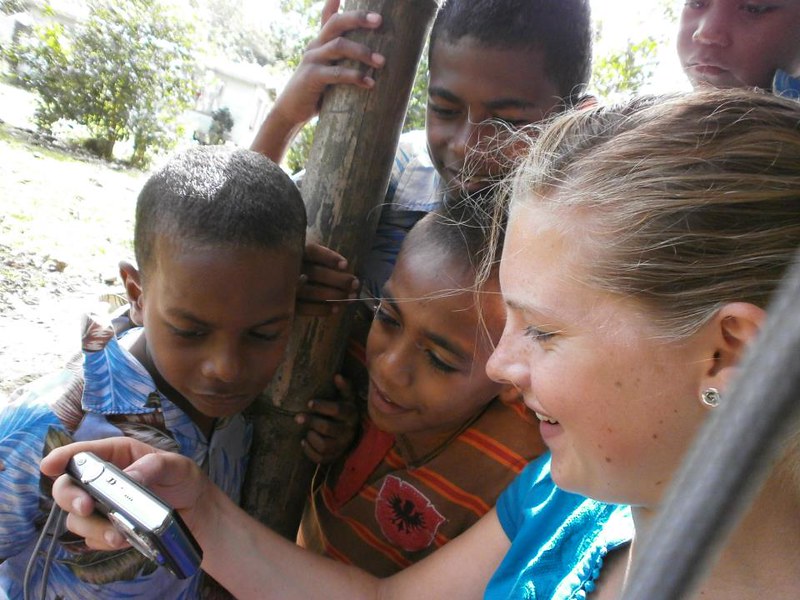 Fiji is an archipelago situated in the South Pacific, with a small population of just under 1 million. The World Health Organization (WHO) has declared all Pacific countries particularly vulnerable to the spread of infectious diseases and natural disasters due to the acute effects of climate change in the region. Neglected Tropical Diseases (NTDs) are an umbrella group of more than 20 infectious conditions most commonly affecting poorer populations in tropical regions.
NTDs have a far-reaching impact on the communities where they circulate, often carrying a poor prognosis and leading to disfigurement or death. Beyond the severe physical implications, NTDs are associated with social exclusion and cycles of poverty stemming from the poor health of the infected individual. However, with effective management and coordination strategies, the impact of NTDs can be significantly reduced. Through sustained effort from both a social and medical perspective, Fiji has seen several landmark successes in its fight against NTDs. Below are three examples of progress in the fight against NTDs in Fiji.
Elimination of Trachoma
Trachoma is the leading infectious cause of blindness in the world and is spread by direct contact with infected individuals. The overall number of people at risk of contracting trachoma due to residence in an endemic region has more than halved between 2010 and 2024, due to improved data collection and the successful implementation of the WHO’s reduction strategy. In 2025, Fiji eliminated trachoma as a public health problem. This made it the first Neglected Tropical Disease in the country to achieve this status, as granted by the WHO.
The WHO attributed the elimination to extensive testing, public health initiatives and awareness efforts. The elimination of the disease marks a turning point in a country where trachoma had at several points been a public health concern, notably during a resurgence in the 2000s.
National Response to Scabies
Scabies is a highly infectious disease that is particularly prevalent in impoverished communities in tropical areas. It can lead to severe illness, including heart disease and kidney disease.
Scabies has historically been prevalent in Fiji. In 2016, the government found that skin and soft tissue infections, of which scabies is a part, were the fifth-highest cause of death in the country. Faced with this challenge, Fiji carried out a national scabies audit and subsequently embarked on a program of mass drug administration (MDA).
Fiji was one of the first two countries in the world to implement MDA for scabies. One study showed that the program significantly reduced community prevalence of scabies within a year, from 32% to 2%. The campaign was successful in reducing the prevalence of the NTD to a controllable level, marking a significant achievement for national disease prevention efforts.
Lymphatic Filariasis
Lymphatic filariasis is a Neglected Tropical Disease spread by infected mosquitoes that causes abnormal swelling. It is commonly found in low-income communities where access to health care and sanitation is limited. Although it has faced several challenges in the effective control of lymphatic filariasis, Fiji has made and continues to make progress in tackling the disease. Between 1997 and 2007, Fiji significantly reduced the presence of the NTD, partly due to successful mass drug administration. The mass drug administration program is still underway, with coverage having reached more than 94% of the population, and transmission of the disease among at-risk populations having dropped by 43%.
Looking Ahead
Neglected Tropical Diseases remain a significant global health priority, especially among impoverished communities in tropical areas. However, Fiji has demonstrated how public health measures, community engagement and awareness efforts can contribute to reducing, and in some cases eliminating, NTDs.
– Phoebe Lang-Clapp
Phoebe is based in Montréal, Canada and focuses on Global Health for The Borgen Project.
Photo: Flickr
