Advancing Women’s Health Care in Lebanon
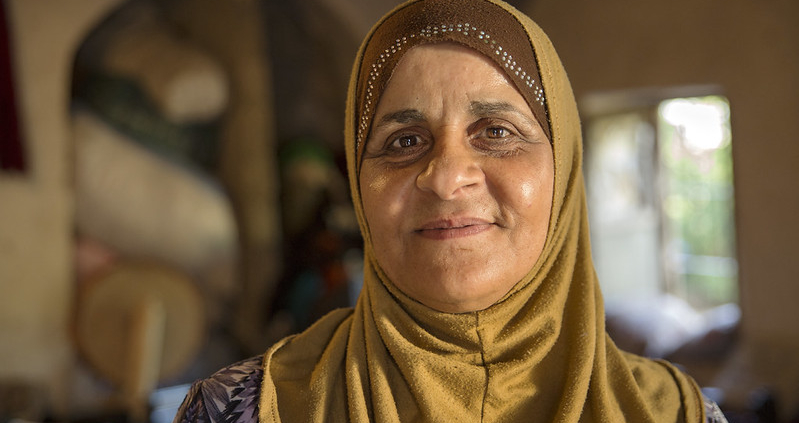 Women’s health care in Lebanon and its associated biases are linked to the country’s collapsing economy. The crisis began in August 2019 and was made worse by COVID-19. In 2024, it was estimated that 44% of Lebanon’s population lived below the poverty line, a number that more than tripled over the last decade.
Positively, the World Bank reported that the country witnessed a “fragile rebound” in its economy at the end of 2025. The Group foresees steady GDP growth in 2026. However, it warns that multiple threats could put this trajectory at risk of another collapse.
With government systems failing, families have had to rely on nonprofits for essential aid. Anera, a nonprofit organization that previously focused on aiding refugees, estimates that about 50% of the people it is helping now are Lebanese. Moreover, due to hostilities from Israel–Hezbollah conflicts, the European Commission estimated a total of 2.2 million Lebanese people in need of humanitarian aid in 2025.
Health Care, Women and Gender Biases
While the economy is faltering, the number of women entering the health care sector in Lebanon is spiking. Now, in 2026, they represent nearly half of the medical students. This progress stands in contrast to the country’s broader gender disparities, as Lebanon ranks 136th out of 146 countries in the World Economic Forum’s 2025 Global Gender Gap Index.
Despite the trend of increased feminization of the workforce, women remain underrepresented in management and academic positions. They nevertheless have limited access to esteemed fellowships and specialty positions and are not paid the same wage as their male counterparts. Looking past the statistical disparities of women in the workforce, women in Lebanon face numerous barriers in health care accessibility and quality.
The economic crisis mentioned earlier exacerbated the cost of seeking health care, affecting women and girls, especially those in underprivileged areas. Prices for menstrual products, for example, rose by up to 234% for local brands and 409% for imported ones. As a result, 66% of girls could no longer afford them and instead turned to unsanitary and often dangerous alternatives.
UNFPA
The United Nations Population Fund (UNFPA) is a human rights agency working in more than 150 countries globally to ensure that the sexual and reproductive rights of women and girls are met fairly. In partnership with organizations such as UNICEF, it has raised funds, written training manuals for health care professionals and provided health care services to advance social equality and tackle gender-based violence. Its ultimate goal is to break the cycle of poverty by investing in the education of girls on the subjects of sexual and reproductive health.
Women Now for Development
Based in Syria and founded in Paris in 2012, Women Now for Development is a grassroots organization operating in Syria, Lebanon and Turkey. Its goal is to support, protect and empower women in their day-to-day lives. At its centers, it offers psychological and family counseling, educational support, recreational activities, vocational training and child care services.
It targets the most vulnerable female populations: refugees and disabled women and children. Over the years, it has helped many families regain dignity and autonomy.
Looking Forward
Nonprofit organizations such as UNFPA and Women Now for Development are significant steps forward in creating a sustainable, accessible future for women’s health care in Lebanon. Evident in the country’s ever-growing poverty statistics, however, is that there is still much to be done. Part of this effort includes securing Lebanon’s economic momentum; positive reforms and efforts to uphold political stability are essential to ensuring a Lebanese health care system that is accessible, fair and inclusive.
– Brittany Buscio
Brittany is based in Montreal, Quebec, Canada and focuses on Good News, Global Health for The Borgen Project.
Photo: Flickr
