Saving Lives: Malaria Prevention in Sub-Saharan Africa
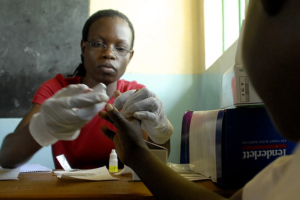 Malaria prevention in sub-Saharan Africa remains a critical global health priority. Despite significant progress over the past two decades, malaria continues to affect countries across the region disproportionately. Expanding prevention efforts is essential to saving lives, strengthening economies and reducing poverty.
The Scale of the Problem
According to the World Health Organization (WHO), there were approximately 282 million malaria cases globally in 2024, with sub-Saharan Africa accounting for about 95% of cases and deaths. The region recorded more than 600,000 malaria-related deaths, with children under 5 representing about 76% of those fatalities. Countries such as Nigeria, the Democratic Republic of the Congo, Uganda and Mozambique carry some of the heaviest burdens.
Rural communities are especially vulnerable due to limited access to health care facilities and preventive tools.
Impact on Education and Economic Stability
Malaria prevention in sub-Saharan Africa is not only a health issue but also an economic one. Frequent illness leads to missed school days for children and lost wages for adults. In high-transmission areas, students may miss several weeks of school each year due to illness or caring for sick family members. Repeated absences can reduce academic performance and long-term educational outcomes.
For adults, malaria decreases workforce productivity. Farmers may be unable to tend crops during peak agricultural seasons and small business owners may lose income due to illness. Health care costs, transportation to clinics and lost workdays push many households deeper into poverty.
In some communities, families must borrow money or sell assets to pay for treatment, creating long-term financial strain. Fortunately, significant progress has been made through coordinated prevention strategies. Insecticide-treated nets (ITNs), indoor residual spraying and rapid diagnostic testing have helped reduce transmission rates in many countries.
Recently, malaria vaccines have also been introduced in select African nations, offering additional protection for young children.
Organizations Combating Malaria in Sub-Saharan Africa
- The Global Fund: It provides funding to countries to strengthen prevention, treatment and health systems. Since its founding, the Global Fund has supported the distribution of hundreds of millions of ITNs and funded malaria treatment programs across dozens of African countries. In 2024 alone, the organization distributed more than 160 million mosquito nets worldwide.
- UNICEF: This nonprofit works closely with governments to protect children from malaria. The organization supports seasonal malaria prevention programs, distributes bed nets and improves access to testing and treatment in remote areas. UNICEF has helped deliver millions of doses of preventive medicine to children in high-risk countries such as Nigeria and Chad.
- The President’s Malaria Initiative: This Initiative operates in more than 20 African countries. It supports indoor spraying campaigns, distributes millions of bed nets annually and strengthens local health systems. The Initiative has contributed to significant reductions in malaria mortality rates in several partner countries since its launch.
Final Remarks
Malaria prevention in sub-Saharan Africa is directly linked to poverty reduction, educational advancement and economic stability. By protecting vulnerable populations, especially young children, these efforts help communities build healthier and more productive futures. Continued global commitment and coordinated action are necessary to reduce malaria cases further and move closer to elimination.
– Nishanth Pothapragada
Nishanth is based in London, Ontario, Canada and focuses on Global Health for The Borgen Project.
Photo: Flickr
