Community Health Services Sustain Health Care Access in Cuba
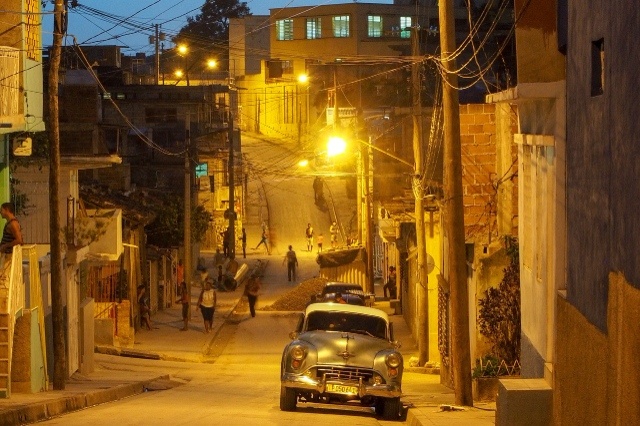 When blackouts and fuel shortages threaten hospitals across Cuba, it is the doctors, nurses and medical students long embedded in neighborhoods who keep the system running. The de facto blockade of Cuba’s oil supply in recent months has had serious and widespread effects across all of Cuba, notably within the National Health Service (NHS). Representing the nation at the U.N. in September of 2025, Foreign Minister Bruno Parilla described daily challenges facing Cubans: “A grave scenario of prolonged and daily blackouts, difficulties in affording food, insufficient availability of medicines, reduced public transport, limited community services and pronounced inflation, which is eroding real incomes.”
Authorities and community clinics have reorganized services to protect health care access in Cuba. This ensures the continuous availability of life-saving treatments, including oncology care, dialysis and maternal health, across rural provinces. It also maintains regular access to primary family care physicians.
Cuba’s widespread, free-at-the-point-of-use medical system plays a critical role in maintaining access to health care, particularly during periods of economic or energy disruption. The health system’s ability to function under these conditions reflects Cuba’s family doctor and primary health care model. This model is built on principles that protect universal care and strengthen community resilience for all people in Cuba. These key principles form the foundation of Cuba’s strategy for maintaining health care access during humanitarian crises.
Accessibility and Regionalization
These first two principles establish that health care access in Cuba is universal and should remain available regardless of geography, income or social status. Before Cuba’s post-revolution health care reforms, rural Cubans had little to no access to hospital care. Today, “polyclinics,” general medical care centers are found in communities across the country, giving people outside major cities access to health care on a scale not seen since before the Spanish colonization of Cuba.
During the current fuel shortages and electricity disruptions, maintaining accessibility has required reorganizing how doctors and staff deliver care across Cuba. As a result, five million patients, including those undergoing dialysis or chemotherapy, who require constant electricity and regular specialist care, may see changes to their treatment plans.
Hospitals have prioritized electrical power for critical treatments to ensure staff can continue treating the most vulnerable patients. Thousands of cancer patients require ongoing chemotherapy or radiotherapy, procedures that rely on stable electricity. Local health authorities have responded by concentrating patients in facilities with reliable power generators and hospital beds so that treatments can continue uninterrupted.
The newspaper Girón spoke with Yamira López García, the provincial director of Public Health in Matanzas, about the situation. She reaffirmed the government’s commitment to maintaining the operational capacity of all facilities within the public health system and expanding outpatient services so that “no patient will be left without the possibility of treatment.”
The paper also reported that radiotherapy, chemotherapy and dialysis remain available to patients and that authorities have established infrastructure for new admissions. These efforts demonstrate how the system seeks to preserve health care access in Cuba even as logistical conditions deteriorate.
Prevention
Preventive medicine is the central pillar of Cuba’s health care model. Rather than focusing solely on hospital treatment, the system relies on neighborhood doctors and nurses to monitor family health and identify risks early. The NHS has called for doctors to be reassigned to facilities near their residences to strengthen neighborhood clinics and reduce transportation pressures.
Specialists from secondary care institutions have also been temporarily deployed to community polyclinics to ensure local services remain operational. Because this regionalized network already exists, the system can redistribute medical personnel across local facilities without dismantling care. Clinics remain embedded within the communities they serve, helping maintain health care access in Cuba even when transportation and electricity shortages disrupt larger hospitals.
These visits allow health workers to identify patients who may require urgent care before conditions worsen, reducing pressure on hospitals and helping preserve health care access at the community level in Cuba.
Community Participation
Rather than imposing health care structures on communities, Castro’s system sought to integrate local populations and emphasize organized public participation. Health care delivery, for example, is not limited to professional staff but also involves collaboration among medical institutions, local communities and educational programs. To maintain universal health care access in Cuba, medical students have joined primary care teams in clinics and doctors’ offices.
As part of their training, students assist with household visits, patient monitoring and public health education. Their work expands the capacity of the neighborhood health system while allowing services to continue despite staffing and transportation challenges. This collective approach strengthens the resilience of local clinics. It ensures that community-based care remains a cornerstone of health care access in Cuba.
International Collaboration
Cuba’s health care strategy also includes international collaboration, with thousands of medical professionals participating in missions across Africa, Asia and Latin America. At the beginning of the COVID-19 pandemic, tens of thousands of Cuban doctors were working in more than 50 countries. Rather than recalling them, the Cuban government asked them to cooperate with host nations in combating the pandemic.
In recent months, many of those host countries have donated thousands of tons of critical aid, reflecting how international cooperation and reciprocal support can lead to better outcomes. The Nuestra América Convoy to Cuba is one such coalition aimed at delivering humanitarian aid based on “cooperation, respect for international law and U.N. values.” Arriving in Havana on March 21, 2026, the convoy is made up of volunteers from around the world and carries food, medicines and energy supplies.
Final Remarks
The energy crisis has tested every link in Cuba’s health care system. The resilience of community clinics and primary care networks demonstrates how strong public health infrastructure can protect health care access in Cuba, even under severe resource pressures. The polyclinic model supports universal accessibility and regionalized services, while prevention and community participation make clinics more adaptable under pressure. This approach offers a potential model for other low-resource settings facing similar shocks.
– Zoey Cruz
Zoey is based in Bedfordshire, UK and focuses on Technology and Global Health for The Borgen Project.
Photo: Pixabay
