• Link to X
  • Link to Facebook
  • Link to Instagram
  • Link to TikTok
  • Link to Youtube
  • About
    • About Us
      • President
      • Board of Directors
      • Board of Advisors
      • Financials
      • Our Methodology
      • Success Tracker
      • Contact
  • Act Now
    • 30 Ways to Help
      • Email Congress
      • Call Congress
      • Volunteer
      • Courses & Certificates
      • Be a Donor
    • Internships
      • In-Office Internships
      • Remote Internships
    • Legislation
      • Politics 101
  • The Blog
  • The Podcast
  • Magazine
  • Donate
  • Click to open the search input field Click to open the search input field Search
  • Menu Menu

Archive for category: Health

Information and stories on health topics.

Disease, Global Poverty, Health

Melioidosis in Bangladesh Threatens Rural Communities

Melioidosis in BangladeshHidden beneath flooded rice fields and carried by monsoon rains, a little-known disease is shaping a quiet public health crisis. Melioidosis in Bangladesh exists at the intersection of climate, poverty and limited health care access. Yet it remains largely invisible in national disease statistics.

For many patients, the illness never earns its real name, instead slipping through the health care system disguised as more familiar conditions. Rural communities suffer the most severe consequences, as their livelihoods depend on daily contact with soil and water. Understanding why melioidosis continues to evade recognition is essential not only to saving lives but also to protecting the people who sustain Bangladesh’s economy and food security.

Misdiagnosed, Misrepresented and Misunderstood

Melioidosis manifests differently from person to person and can range in severity from flu-like symptoms to skin abscesses and sepsis. Burkholderia pseudomallei enters the body through ingestion, inhalation or skin cuts, allowing it to infect the bloodstream, lungs and skin, sometimes simultaneously. Because the bacteria can affect multiple organ systems, melioidosis is often misdiagnosed as tuberculosis, fungal infections or even cancer.

These misdiagnoses can delay treatment, even though antibiotics must be started promptly and completed fully to improve recovery outcomes. Since the ’60s, hospitals in Bangladesh have reported only around 100 cases of melioidosis. This figure is widely believed to underestimate the true burden of the disease.

One study estimates that melioidosis in Bangladesh could account for up to 17,000 cases and 9,500 deaths each year. This gap is mainly due to limited clinical awareness and insufficient laboratory capacity for proper diagnosis. Patients with other underlying conditions, known as comorbidities, are at a higher risk of melioidosis, including those with diabetes, alcohol use disorder and chronic lung disease, which may complicate diagnosis further.

Rural Communities in Bangladesh at High Risk

Burkholderia pseudomallei is well-adapted to Bangladesh’s warm, humid climate. The bacterium thrives in environments with year-round high temperatures, waterlogged soil and frequent monsoon rainfall. As a result, rural communities, particularly those dependent on agriculture, face the greatest risk of infection.

Agriculture accounts for nearly 90% of rural employment and many farmers work barefoot or without protective equipment, increasing their exposure through direct contact with contaminated soil and water. Social factors further compound the risk. Poverty rates in rural Bangladesh stand at around 20%, compared with 16.5% in urban areas.

Illness caused by melioidosis can prevent individuals from working, deepening economic hardship for affected families and communities. Looking more broadly, the agricultural sector is one of the most productive in Bangladesh’s economy, contributing around 11% of the national GDP. Rural farming communities sit at the heart of this system.

Yet, they often have the least access to health care due to geographic and financial constraints. Protecting farmers and their families from melioidosis, therefore, supports not only their health and livelihoods but also the country’s food security and export capacity. This underscores the need for adequate protective equipment and timely access to effective antibiotic treatment.

Fighting for Futures: The South Asian Melioidosis Congress

In 2023, the third South Asian Melioidosis Congress (SAMC) met in Dhaka, Bangladesh, to discuss emerging research concerning the tropical disease and to share methods of its detection and management. These educational meetings aimed to raise awareness of melioidosis and provide physicians with the tools for accurate diagnosis. This proved successful, with nine reported cases of melioidosis in Bangladesh soon after the SAMC’s conclusion, each patient with different symptoms.

This reflects the vigilance of health care professionals regarding the early diagnosis of melioidosis as empowered by the collective effort of the SAMC to fight this disease. Following the conclusion of the fourth SAMC at the end of 2025, organizers are hopeful that renewed awareness will lead to more diagnosed cases being reported in Bangladesh. The theme of the fourth SAMC, “Melioidosis: The Great Mimicker,” highlighted the disease’s ability to mimic a wide range of illnesses.

The most recent congress brought together experts from across the world in Northeast India to discuss key issues surrounding melioidosis, including diagnostic approaches, public health implications and treatment guidelines. These discussions aimed to raise awareness of the disease and strengthen future efforts to protect vulnerable rural communities.

– Charlotte Bunn

Charlotte is based in Bristol, UK and focuses on Global Health for The Borgen Project.

Photo: Flickr
February 5, 2026
https://borgenproject.org/wp-content/uploads/borgen-project-logo.svg 0 0 Lynsey 2 https://borgenproject.org/wp-content/uploads/borgen-project-logo.svg Lynsey 22026-02-05 03:00:272026-02-05 01:15:49Melioidosis in Bangladesh Threatens Rural Communities
Development, Global Poverty, Health

How Organizations Advance Equitable Health Care in Eritrea

Health Care in EritreaAlthough health care in Eritrea has improved in important areas, such as declining mortality rates, over the past decade, vulnerable populations and rural communities continue to face the adverse effects of health care disparities. Several international organizations and community-based programs work to bridge the gap and increase accessibility to quality health services.

Health Care Disparities in Eritrea

Numerous disparities in health care access and services exist between urban and rural populations in Eritrea. The percentage of women receiving antenatal care from a health care professional in Eritrea increased significantly from 49% in 1995 to 70% in 2002. However, access remained uneven, with 91% of women in urban areas receiving antenatal care compared to just 59% in rural areas

A similar disparity appears in facility-based childbirth. In urban areas, the proportion of women giving birth in a health facility rose from 58% in 1995 to 62% in 2002. In contrast, the figure for rural women increased only slightly, from 7% to 9% over the same period.

Disparities in access to obstetric services were also evident across education levels. In 2002, approximately 88% of women with some secondary education were assisted by a trained health worker during childbirth, compared with 36% of women with only primary education and just 12% of those with no formal education.

Multiple disparities also exist in child health outcomes:

  • In 2002, the infant mortality rate was 48 per 1,000 live births in urban areas, compared to 62 per 1,000 in rural areas.
  • The under-5 mortality rate stood at 86 per 1,000 in urban areas, rising to an average of 117 per 1,000 in rural communities.
  • Stunting affected 20% of children whose mothers had higher education, compared with 35% of children whose mothers had primary education and 44% of those whose mothers had no formal education.

Disparities in Mental Health Treatment

Due to the increasing prevalence of mental health disorders in Eritrea, mental illnesses are among the leading causes of disability, comorbidity and mortality in the country. In 2014, the prevalence rate for common mental disorders was 14.5% and the estimated number of children with intellectual disabilities was between 30,000 and 40,000. However, because adequate mental health workers and services are limited, many mental illnesses and disorders are likely undetected or misdiagnosed.

Nonetheless, several organizations provide essential support to Eritrean refugees. Around 5,000 people flee the country each month to escape hardship and mandatory military service, increasing the need for mental health services in refugee camps. Doctors Without Borders (MSF) launched a mental health program in 2015 in Ethiopia’s Hitsats and Shimelba camps, offering counselling and inpatient and outpatient psychiatric care.

The Jesuit Refugee Service (JRS) also provides Mental Health and Psychosocial Support through counselling, psychological first aid, referrals and community-based activities that strengthen social connection and resilience.

Expanded Program on Immunization

The World Health Organization (WHO) identified physical barriers as a major challenge to immunization coverage in rural communities. In response, WHO implemented the Expanded Program on Immunization (EPI) in Eritrea to improve vaccine access, reaching more than 42,000 children and 150,000 mothers. By 2024, the program achieved national immunization coverage rates exceeding 95% for several vaccines.

UN Sustainable Development Cooperation Framework for Eritrea

The country program for Eritrea, outlined in the U.N. Sustainable Development Cooperation Framework 2022-2026, aims to enable more Eritreans to benefit from equitable and inclusive health and social services by 2026. The program outlines some goals for improved health and social services, including:

  • Increase the percentage of births attended by trained personnel from 71% to 85% to reduce preventable maternal deaths. 
  • Reduce the adolescent birth rate for girls aged 15-19 years from 27 per 1,000 to 14 per 1,000.

To achieve these goals, the program implemented several interventions, including:

  • Strengthening the capacity of health workers: Training doctors, nurses, midwives and anesthetists across Eritrea to provide quality emergency obstetric care, post-partum care, family planning, HIV prevention and gender-based violence support.
  • Building health system resilience: Deploying internationally trained obstetricians and gynecologists to remote and underserved areas, supported by technology to improve communication and service delivery nationwide.
  • Increasing access to maternal waiting homes (MWHs): Expanding and improving MWHs, which provide accommodation for pregnant women from remote areas during the final weeks of pregnancy, to enhance safe deliveries and postnatal care.
  • Advocacy: Promoting awareness of preventable maternal deaths and unmet family planning needs to inform government policies, planning and budgeting.
  • Supporting the National Fistula Diagnosis and Treatment Center (NFDTC): Strengthening services for fistula prevention, treatment and rehabilitation to ensure adequate national coverage.
  • Expanding adolescent and youth services: Strengthening and utilizing the existing network of youth-friendly centers to improve access to care.
  • Strengthening HIV prevention services: Enhancing delivery of HIV prevention interventions, particularly for high-risk populations such as female sex workers.
  • Empowering women and young people to use health services: Using community outreach and mobilization to increase uptake of HIV and gender-based violence services.
  • Reinforcing health information systems: Reestablishing and improving health management information systems, including maternal and perinatal death surveillance and response mechanisms.

Additionally, the country program works in collaboration with UNICEF and the WHO to strengthen the distribution and supply chain systems for medicines and medical supplies across Eritrea. This joint initiative aims to address unmet needs in family planning, reduce preventable maternal deaths and combat gender-based violence and harmful practices.

Community-Based Programs

  • Malnutrition Screening and Detection: UNICEF and the Ministry of Health (MoH) work together to train community health volunteers to use mid-upper arm circumference (MUAC) tapes to screen for and detect malnutrition in children under 5 and to provide referrals for treatment. These volunteers deliver life-saving interventions to approximately 50,000 acutely malnourished children each year.
  • Bare Foot Doctors Initiative (BFDs): BFDs trained through UNICEF help strengthen community-based service delivery in areas facing geographic barriers to health care. Their deployment has enabled 68,000 women and children to access essential public health services. By 2022, UNICEF had trained a total of 121 community members as BFDs.
  • Community Health Workers (CHWs): CHWs are a key component of community-based child health interventions in the Maekel Region aimed at reducing child mortality. Indeed, CHWs provide case management for pneumonia, malaria and diarrhea, the leading causes of death among children under 5 and lead community education sessions on child health. The MoH provides training and oversees the distribution of medical supplies and medications used by CHWs. The program has improved access to health care services and strengthened relationships between the MoH and local communities across the Maekel Region.

Conclusion

Notable work is being done to improve health care in Eritrea. Trained CHWs and volunteers extend services to areas previously out of reach. Organizations implementing health interventions benefit vulnerable populations and areas, including Eritrean refugees.

Organizations implementing health interventions are reaching vulnerable populations, including Eritrean refugees and helping to close existing care gaps. Together, these initiatives continue to drive progress toward a more equitable health care system in Eritrea.

– Sarah Merrill

Sarah is based in Matthews, NC, USA and focuses on Good News and Global Health for The Borgen Project.

Photo: Pixabay

February 4, 2026
https://borgenproject.org/wp-content/uploads/borgen-project-logo.svg 0 0 Lynsey 2 https://borgenproject.org/wp-content/uploads/borgen-project-logo.svg Lynsey 22026-02-04 03:00:582026-02-04 02:17:43How Organizations Advance Equitable Health Care in Eritrea
Global Poverty, Health, Indigenous Peoples

Reclaiming Health Care for Indigenous Communities in Canada

Indigenous Communities in CanadaIn Canada, health care is socially determined. More precisely, health care for Indigenous communities faces several barriers that generate disproportionate health statistics compared to non-Indigenous Canadians. Indigenous people have a lower life expectancy and are at a greater risk of developing chronic and infectious diseases.

They also experience higher rates of mental health issues, as well as substance abuse and are more likely to be discriminated against by health care professionals.

The Barriers

One of the greatest barriers for Indigenous communities seeking health care is geography, especially for those living off-reserve and in remote areas. In a survey conducted by Statistics Canada, more than half of Inuit respondents reported having to travel more than 1,500 kilometers to access health care. In that same survey, one in five Indigenous people reported experiencing discrimination and racism by health care professionals.

In some cases, this prejudice would lead to inadequate care, misdiagnoses and negatively impact mental health. Health care for Indigenous communities also falls short when it comes to diseases. Indigenous peoples have a higher risk of developing chronic diseases such as diabetes. cardiovascular diseases and respiratory illnesses compared to non-Indigenous Canadians.

This is partially due to the aforementioned health care barriers and can also be attributed to intergenerational trauma and forced erasure of traditional medicinal practices.

The Case of Joyce Echaquan

Joyce Echaquan’s death on September 28, 2020, at the Joliette Hospital Center in Quebec is one fatal instance of racial discrimination against Indigenous peoples by health care professionals. Echaquan, a 37-year-old Atikamekw woman and mother of seven, went to the hospital for severe stomach pain. She recorded hospital staff verbally berating her on her phone and passed away shortly after posting the video to social media.

Her case received widespread media attention and prompted protests, marches and vigils in Montreal and surrounding Quebec cities to bring hospital staff to justice. A call to action in her name, the Joyce’s Principle, “aims to guarantee to all Indigenous people the right of equitable action, without any discrimination, to all social and health services.” The Joyce Principle has since been adopted by the federal government and by universities such as McGill.

The Canadian Medical Association (CMA) covered her story in its historical and ethical review report and apology to Indigenous peoples released in 2023.

Indigenous-Led Initiatives

Indigenous representatives across Canada are calling for more initiatives led by their own communities to ensure that health care is delivered in a culturally safe way. The First Nations Health Authority (FNHA) in British Columbia is one such initiative. It is the only health authority in Canada to operate on a provincial scale and its mission is to establish culturally safe care by managing and funding health programs.

It has been successful in operating clinics and health centers across the province and in encouraging respectful collaboration with Indigenous people since 2013. Similar initiatives, such as the Keewatinohk Inniniw Minoayawin (KIM) in Manitoba and the Sioux Lookout First Nations Health Authority (SLFNHA) in Ontario, aim to provide culturally safe health care at the provincial level, on par with the FNHA.

– Brittany Buscio

Brittany is based in Montreal, Canada and focuses on Good News and Global Health for The Borgen Project.

Photo: Flickr
February 3, 2026
https://borgenproject.org/wp-content/uploads/borgen-project-logo.svg 0 0 Lynsey 2 https://borgenproject.org/wp-content/uploads/borgen-project-logo.svg Lynsey 22026-02-03 19:30:112026-03-06 03:25:56Reclaiming Health Care for Indigenous Communities in Canada
Global Poverty, Health

Pakistan’s Lady Health Worker Program & Poverty Reduction

Lady Health Worker ProgramFor a low-income family living on the edge of poverty in rural Pakistan, even a minor illness can become a life-altering crisis. One medical emergency can push them deeper into systemic poverty, force children out of school and trap the family in debt they may never escape. A large majority of the Pakistani rural population falls under this socioeconomic category, where they remain “clustered just above the poverty line.”

Lacking access to quality health care, education and secure land or housing, they struggle to establish themselves within the middle class and remain constantly at risk of slipping back into poverty. At the same time, rising public debt and fiscal constraints have limited government investment in infrastructure, resulting in uneven service delivery and reduced access to essential health and education services. According to the World Bank, these domestic challenges disproportionately affect women and girls.

For example, if the journey to a school is more than five kilometres, the likelihood of girls being out of school is 76% higher than for boys.

Gendered Impacts of Poverty and Weak Health Systems in Pakistan

Furthermore, in low- and middle-income countries (LMICs) like Pakistan, particularly in rural areas, the provision of appropriate antenatal care is constrained by limited health infrastructure and a shortage of skilled medical professionals. To provide vital services to children who are most difficult to reach, community health systems are crucial. Failing social structures expose the “gendered face of poverty,” where deprivation is not only economic but also social and deeply politicized.

Women are the most excluded from public services, yet they bear the greatest burden of inadequate care. Gender-disaggregated data show that although about 45% of Pakistan’s population lives below the poverty line, more than 75% of those in poverty are women and girls. This inequality is further reflected in the World Economic Forum’s Gender Gap Index, where Pakistan ranks last out of 148 countries, underscoring persistent disparities in economic opportunity, political representation, health and education.

As a result, the country forfeits significant productive potential, as women’s labor force participation remains among the lowest in South Asia at just 21% in 2019. In Pakistan, women remain disproportionately poor due to deeply entrenched patriarchal practices, discriminatory laws and restrictive social norms.

Pakistan’s Lady Health Worker Program

As part of its national public health strategy, Pakistan’s Lady Health Worker (LHWs) program was launched in the mid-1990s to support families with limited access to formal health care. The initiative trains local women to deliver basic health services within their communities, particularly in low-income and rural areas where clinics and hospitals are scarce. LHWs provide prenatal and postnatal care, childhood immunizations, family planning guidance and basic health education.

Because they live and work in the communities they serve, they are often the first point of contact for families with health concerns. This accessibility allows health issues to be identified and addressed early, reducing the risk of complications that would otherwise require costly emergency care. Pakistan’s maternal mortality ratio has improved significantly, falling from 432 deaths per 100,000 live births in 1985 to 155 in 2023, highlighting the importance of expanded maternal health services.

Earlier high mortality rates were largely driven by high fertility levels and limited access to health care, with only 15% of women reporting at least one antenatal care visit during their most recent pregnancy. Social and cultural constraints, such as women’s restricted mobility outside the home without an escort, further limit access to health treatment in Pakistan.

Pathways Out of Poverty

For the LHWs themselves, the position represents a significant opportunity and a pathway out of poverty. The paid role advances their education through training and practical work experience, enhancing social mobility and helping to break down class and gender barriers. After three months of classroom training, LHWs undergo a year of on-the-job training.

Although training patterns vary across provinces, this typically includes 15 days of refresher training annually, plus one week of training each month over 12 months. Because they are required to build relationships across caste and class boundaries, some LHWs have gone on to become leaders within their communities. The project also aligns with Pakistan’s broader socioeconomic transformation, including rapid urbanization, increased media exposure, growing acceptance of female education and a rising desire among women to work, particularly after gaining access to schooling.

The program is state-backed, giving participants the status of holding a “government job.” As provincial funding has increased to offset earlier federal shortfalls, the programs in Khyber Pakhtunkhwa, Punjab and Sindh are now adequately resourced, following a period of severe financial constraints across regions.

Contribution to Poverty Reduction

The LHW program contributes to poverty reduction by addressing one of the most common causes of financial instability in low-income households: preventable illness. In rural areas, many families depend on daily wages, meaning even a short illness can result in lost income. When health care is delayed or unavailable, minor health issues can quickly escalate into crises that require costly treatment or long trips to distant hospitals.

LHWs help families avoid these financial shocks by delivering preventive care at the household level. Early treatment of common illnesses, childhood immunizations and prenatal checkups all reduce the likelihood of expensive medical interventions. The program’s core objective is to provide basic preventive, promotive and curative health services within communities, particularly for women and children living in marginalized rural areas and urban slums.

Through this model, approximately 90,000 LHWs deliver primary health care to an estimated 115 million people who would otherwise have limited or no access to health services. National Vision Action Planning documents highlight the critical role of LHWs in improving the quality and accessibility of Reproductive, Maternal, Newborn, Child and Adolescent Health and Nutrition (RMNCH) services. Their work strengthens community-based care, ensures continuity of treatment in rural districts and urban slums and helps remove financial barriers that prevent families from seeking timely care.

Final Remarks

Pakistan’s Lady Health Worker program demonstrates how poverty reduction in Pakistan is closely linked to access to basic, preventive health care. By delivering essential services directly to underserved communities, the initiative helps families avoid medical expenses and income losses that often deepen poverty. Its emphasis on early intervention shows that health care can function not only as a social service but also as an economic safety net for low-income households.

Community-based health care offers a practical, affordable and sustainable response to Pakistan’s widespread poverty. Long-term funding for initiatives like these may improve public health, promote home and help end intergenerational cycles of poverty, demonstrating that significant development often starts at the community level.

– Prubleen Bhogal

Prubleen is based in London, UK and focuses on Good News and Politics for The Borgen Project.

Photo: Pixnio

February 3, 2026
https://borgenproject.org/wp-content/uploads/borgen-project-logo.svg 0 0 Lynsey 2 https://borgenproject.org/wp-content/uploads/borgen-project-logo.svg Lynsey 22026-02-03 07:30:412026-02-03 01:45:21Pakistan’s Lady Health Worker Program & Poverty Reduction
elderly poverty, Global Poverty, Health

Humanitarian Efforts To Address Elderly Poverty in Tonga

Elderly Poverty in TongaElderly poverty in Tonga has long been a concern due to limited formal employment opportunities, reliance on subsistence livelihoods and traditional family-based care systems. As of 2021, the overall elderly poverty rate was 22.1% in Tonga, with rural and outer islander communities being affected more than urban communities. In recent years, Tonga has taken meaningful steps to improve the economic security and well-being of its older population through social protection initiatives, policy development and partnerships with regional and international organizations.

Improving Health Care Access for Older Adults

One of the most significant developments in addressing elderly poverty in Tonga has been the expansion of social welfare and health care programs for older adults. According to the Asian Development Bank (ADB), Tonga has strengthened its social protection framework to support vulnerable populations, including seniors. In December 2023, the government and ADB signed a $16.18 million USD grant to improve safe and high-quality health care services for older individuals and their caregivers.

In November 2024, the World Health Organization (WHO) approved the Health Enhancement and Resiliency in Tonga (HEART) Project, which granted $30 million USD towards non-communicable diseases such as diabetes and heart disease. Improved health care access plays a critical role in reducing elderly poverty, as untreated illness often leads to increased financial strain and dependence.

Regional and Community-Based Support Initiatives

Regional organizations have also contributed to reducing elderly poverty. According to HelpAge International, Tonga has increasingly participated in age-inclusive policy discussions within the Asia-Pacific region. These efforts promote the rights of older people and encourage governments to integrate aging considerations into national development strategies.

At the community level, local organizations and churches continue to play an important role in supporting elderly Tongans. While family-based care remains central to Tongan culture, these community networks provide additional assistance such as food support, social engagement and caregiving for seniors who lack immediate family support. Organizations include Her Majesty Queen Nanasipau’u Charity and Tongan Health Society.

Financial Plans and Social Security

Financial plans are an effective way to reduce elderly poverty in Tonga, given that the majority of jobs are labor-intensive. Tonga established the National Retirement Benefits Fund (NRBF) under the National Retirement Benefits Scheme (NRBS) Act of 2010 to provide financial security for Tongans in old age. The fund offers benefits related to retirement between the ages of 60 and 70, as well as support in cases of permanent total disability, early release or death.

In addition to providing retirement benefits, the NRBF promotes national savings and investment, helping working Tongans build long-term financial stability for old age. Complementing this system, Tonga introduced a Social Welfare Scheme in September 2012, which provides monthly financial assistance of $65 TOP to elderly citizens aged 75 and older. This offers direct income support to some of the country’s most vulnerable seniors.

Overall, elderly poverty in Tonga is improving through expanded social protection, health care investment and age-inclusive policy development supported by regional and international aid. While the elderly population makes up approximately 3% of Tonga’s population, the goal is to ensure they have access to funds whenever they need them. Through local and regional organizations and government grants, the road to ending elderly poverty in Tonga is near. 

– Simran Dev

Simran is based in Caledon, ON, Canada and focuses on Global Health and Celebs for The Borgen Project.

Photo: Flickr
February 3, 2026
https://borgenproject.org/wp-content/uploads/borgen-project-logo.svg 0 0 Jennifer Philipp https://borgenproject.org/wp-content/uploads/borgen-project-logo.svg Jennifer Philipp2026-02-03 03:00:302026-02-03 01:34:42Humanitarian Efforts To Address Elderly Poverty in Tonga
Disease, Global Poverty, Health

5 Diseases Impacting Myanmar

Diseases Impacting MyanmarMyanmar is a nation of more than 100 ethnic groups, yet the Rohingya genocide has brought attention to the country’s corrupt military takeover from 2021. Due to the poor living conditions in the country and the current climate crisis, the diseases impacting Myanmar run rampant, but these are not just medical problems. They are symptoms of a broken health care system that conflict, repression, displacement and underfunding have weakened. However, the combined effort of international aid and volunteering has allowed some solutions to this health crisis. Here is information about five diseases that are impacting Myanmar.

5 Diseases Impacting Myanmar

The communicable diseases impacting Myanmar include:

  • Tuberculosis: The incidence rate of TB was 558 per 100,000 population in 2023 and close to 50,000 deaths are as a result of the disease in Myanmar. Treatment interruptions have increased drug-resistant TB, yet NGOs are still using community-based treatment. More than 3.5 million internally displaced people and worsening poverty have increased TB vulnerability. In 2024, Doctors Without Borders helped 480 people start treatment for TB, with 981 staff in Myanmar providing health care services.
  • Malaria: In 2023, there were 229,000 cases of malaria in Myanmar. Cases are resurging in conflict areas, despite proven interventions such as bed-net distribution, rapid testing and cross-border health programs. However, Myanmar aims to eliminate the transmission of malaria cases by 2030, and 126,562 patients received treatment between January and August 2025, according to Deputy Minister for Health, Professor Dr Aye Tun. 
  • HIV/AIDS: Disrupted access to antiretroviral therapy places lives at risk, even though mobile clinics have proven effective. In 2023, 0.9% of people aged between 15 and 49 suffered from HIV, with 5,800 of them dying. These diseases are not just affecting older people, but children and young adults, as well as people in detention.
  • Dengue Fever: Rising infections linked to poor sanitation highlight the need for investment in water, waste management and disease surveillance. Myanmar is a country with frequent and continuous risk of dengue, especially due to seasonal changes. In 2019, dengue fever mostly infects children aged between 5 and 9 years old with 4,473 cases registered. The Ministry of Health tries to combat dengue by killing mosquito larvae, then fogging houses near patients to eliminate mosquitoes.
  • Cholera/Diarrheal Diseases: Cholera is a waterborne disease that has surged in at least nine states in Myanmar since 2024. Around 300 people reported suffering from a cholera outbreak in late 2025, with seven confirmed dead. These people include vulnerable children without safe water or living conditions. Emergency WASH (Water, Sanitation and Hygiene) interventions that international donors support can address conditions.

Chronic Illnesses

Chronic illnesses such as diabetes, hypertension, heart disease and cancer are fatal for these people, because hospitals are underfunded, medicines are unavailable and travel to care is dangerous. Expanding access to health care, essential medicines lists and decentralized treatment is critical. Myanmar remains one of the world’s most underfunded humanitarian operations, receiving less than $136 million in 2025 of the $1.1 billion it needs.

The Relationship Between Poverty and Disease in Myanmar

In developing countries like Myanmar, preventative medicines and measures can be obtained by the wealthy, but this means that often, families without enough money face higher risks of dying from avoidable disease. Whilst in developed countries, the elderly are more likely to face these diseases, in Myanmar, people younger than the age of 70, and even children are suffering from both communicable and non-communicable diseases, due to the disparity between the country’s rich and the poor. Nearly 32% of the country lives in poverty. Poverty and disease in Myanmar share a symbiotic relationship, especially considering that after the 2025 earthquake, many people are living in tents, allowing outbreaks of cholera and other waterborne diseases to occur.

Solutions

There have been developments however. The Republic of Korea made a generous contribution to UNICEF to help families and the vulnerable in Myanmar, especially considering that one-third of more than 3.5 million displaced are children.

Organizations like Doctors Without Borders are trying their best to support Myanmar’s health care. Following the 2025 earthquake, it has restored more than 200 bore holes, supplied hospital beds and been trying to aid victims of serious diseases. Following the 2021 military coup, Doctors Without Borders donated medical supplies to Yangon and other locations. The success of help like this is demonstrated in the case of Ko Tin Maung Shwe, a patient suffering from HIV and hepatitis C. With hospitals being destroyed and the fear of travelling, Doctors Without Borders are helping patients like him with blood tests, consultations and medication. As well as this, it is expanding access to psychosocial support.

All of this help is essential because the ongoing conflict in Myanmar by the military regime has damaged civilian infrastructure and in 2023 alone, more than 418 attacks on health care had occurred. Alongside the violence, the climate crisis that has caused major earthquakes in Myanmar has led to an increase in the number of vulnerable people suffering from disease.

How Is the World Aiding Myanmar?

In 2025, the U.K. announced additional humanitarian funding to provide health care to 1 million people across Myanmar. The then Minister for Development, Anneliese Dodds, underscored this commitment by stressing that the U.K. would not abandon the people enduring a brutal conflict – one that has fueled a humanitarian emergency in a country already exposed to the impacts of changing weather patterns. This assistance has extended beyond the Rohingya community, supporting vulnerable populations nationwide, particularly in the aftermath of the 2025 Myanmar earthquake. Despite this, Donald Trump’s USAID cuts have severely limited the amount of health care support that exists, but countries within the EU, as well as NGOs like UNICEF, are still trying to help the crisis in Myanmar. UN agencies are committed to helping affected populations in Myanmar, proven by the fact that in July 2025, nearly 306,000 people across 59 earthquake-hit townships received health services.

Looking Ahead

People in Myanmar are in desperate need of humanitarian aid. They are not just suffering from war injuries, but they are also dying from illnesses that the international community already knows how to treat. The diseases impacting Myanmar are more than humanitarian crises, they are symbols of injustice, repression and perhaps even hope – hope that once the world understands how much the vulnerable people need help, they will act.

– Anisa Begum

Anisa is based in Birmingham, UK and focuses on Global Health for The Borgen Project.

Photo: Unsplash

February 3, 2026
https://borgenproject.org/wp-content/uploads/borgen-project-logo.svg 0 0 Jennifer Philipp https://borgenproject.org/wp-content/uploads/borgen-project-logo.svg Jennifer Philipp2026-02-03 01:30:162026-02-02 00:20:015 Diseases Impacting Myanmar
Disease, Global Poverty, Health

Diseases Impacting Libya: Top 3 Factors Affecting Health Care

Diseases Impacting LibyaLocated in the north of Africa between Algeria and Egypt, Libya has a population of about 7.5 million people, most of them concentrated in urban, coastal cities like Tripoli and Benghazi. The World Health Organization (WHO) identified cholera and polio as very high risk diseases to impact Libyans in 2025. Other non-communicable diseases such as cancer are also threatening many individuals because of how expensive and difficult it is to get treatment. Here are the top three factors affecting health and safety, including access to health care and diseases impacting Libya.

1. Climate and Changing Weather Patterns

Libya is one of the world’s most arid countries. It witnesses periods of extreme heat, droughts and violent rain and dust storms. These acute weather conditions compromise health and safety, as access to potable water becomes more scarce and food insecurity spikes.

In September 2023, cyclone Daniel made a bad situation worse in terms of diseases impacting Libya, with flooding and damages to already deteriorating infrastructure including health and care facilities in Derna. Water contamination and lack of sanitation were top reasons for health concerns as storms also destroyed two dams upstream of the city. In the immediate aftermath of the storm, medical professionals were most concerned about potential cholera and acute watery diarrhea (AWD) outbreaks. As of October 3, 2023, the National Center for Disease Control (NCDC) reported 1,905 cases of AWD.

2. Sudanese Migration 

A war-torn Sudan has led many to flee and seek refuge in its neighboring countries. Since April 2023, cities like Al Kufra in Eastern Libya saw an influx of somewhere close to 500 Sudanese migrants passing through each day. Such a high number of refugees has led to issues like overcrowding, especially in settlements, which in turn could lead to an increase in diseases impacting Libya. 

Those arriving from conflict zones are often in ill-health. Be it communicable diseases or in poor mental-health, many have not had access to vaccinations or other preventative treatments that could avoid medical emergencies like outbreaks. Officials like WHO are most concerned about a cholera epidemic, though tracking its spread will prove difficult for lack of testing facilities and resources.

3. The Government

Since the 2011 Revolution, Libyans have witnessed waves of political fragmentation, tension and violence. The persistent conflict caused years of neglect in the health care system, ultimately resulting in inconsistent health care services for Libyans.

Opposing governments and factions fighting for power have divided the country, making it difficult, if not impossible, to coordinate with health care professionals and NGOs on the ground to establish clinical practice guidelines that would prevent outbreaks and efficiently combat diseases impacting Libya. 

Then, in April 2025 the Internal Security Agency (ISA) based in Tripoli announced the shutdown of headquarters of 10 major NGOs, including MSF, for compromising Libya’s social demographic and for promoting values that go against Libyan identity. MSF reported at least six known casualties in the weeks since it had to pull its aid, and expect the order to have more consequences on their patients that they will not be able to track due to loss of contact.  

Who’s Helping?

After Cyclone Daniel, organizations such as UNICEF, the Red Cross, the World Food Programme (WFP) and the International Medical Corps (IMC) sent immediate relief. This included, for example, renovating 25 health facilities, training more than 1,100 health care providers and distributing food to more than 15,000 people. 

Though the 10 humanitarian organizations ordered to leave Libya in April 2025 have not been allowed to return to date, there are still other groups present in the country. The International Medical Corps (IMC), for example, provided more than 27,000 medical consultations and helped countless refugees back on their feet as of July 2025. The European Union (EU) continues to fund aid in correspondence with WHO, Première Urgence Internationale and the IMC. In 2025, the EU funded €3 million in response to mass Sudanese migration. 

Given the inconsistency in health care provisions, NGOs on the ground are doing significant work for Libyans and refugees. There is still much work to do. Providing medical aid and investing in care facilities is just scratching the surface. Without addressing the climate crisis, the lack of accommodation for refugees and government fragmentation, health and safety will remain compromised and diseases impacting Libyans will continue to risk lives. 

– Brittany Buscio

Brittany is based in Montreal, Canada and focuses on Good News and Global Health for The Borgen Project.

Photo: Flickr
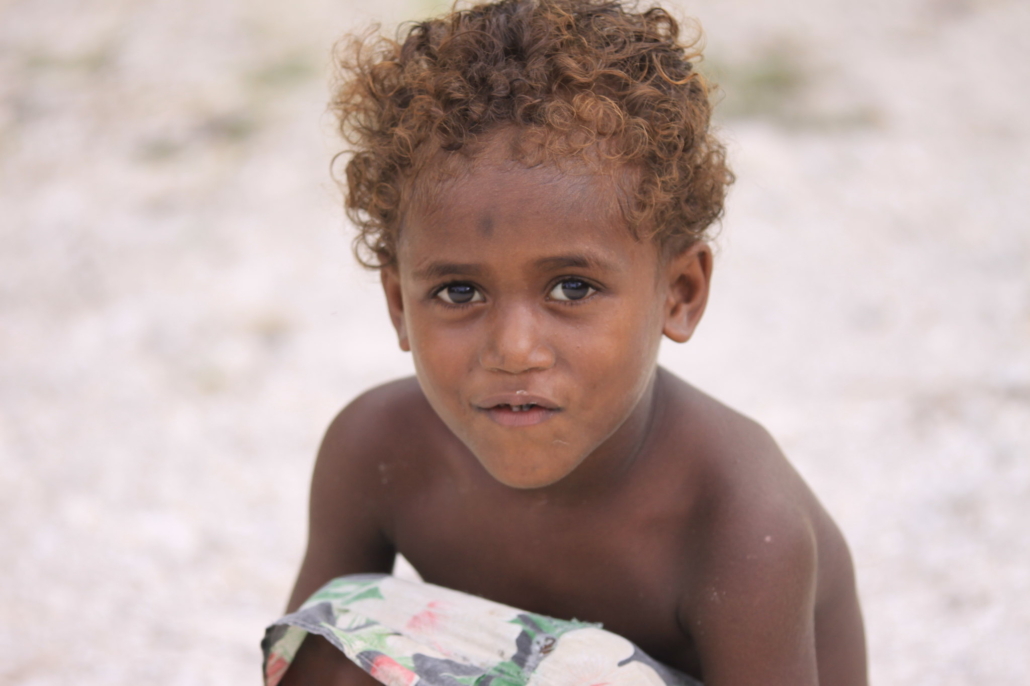
February 2, 2026
https://borgenproject.org/wp-content/uploads/borgen-project-logo.svg 0 0 Jennifer Philipp https://borgenproject.org/wp-content/uploads/borgen-project-logo.svg Jennifer Philipp2026-02-02 07:30:382026-02-02 00:09:19Diseases Impacting Libya: Top 3 Factors Affecting Health Care
Economy, elderly poverty, Global Poverty, Health

Why Elderly Poverty in Mozambique Is Rising

Elderly Poverty in MozambiqueWidespread poverty continues to erode living conditions across Mozambique, leaving older adults among the country’s most vulnerable populations as economic crises and weak social protection systems drive financial insecurity. Here is some information about elderly poverty in Mozambique and information about what is occurring to address it.

Economic Crisis Deepens Elderly Hardship

Economic shocks deepen elderly poverty in Mozambique, as rising food and fuel prices undermine economic stability, strain household budgets and push vulnerable older adults further into financial insecurity. COVID-19, natural disasters, inflation and social instability have compounded elderly poverty in Mozambique. Many older Mozambicans rely on small-scale agriculture, livestock and informal income sources for survival, yet still fall below the poverty line. The loss of job opportunities and the increase in essential goods and social services reduce older adults’ purchasing power, forcing them to cut back on nutritious foods, health care and other basic needs.

In 2015, nearly half of Mozambique’s population– approximately 46.1%–lived below the poverty line. By 2022, this figure had surged to 65%, and recent estimates suggest that by 2025 nearly 75% of Mozambicans live in poverty, with approximately 1.35 million adults aged 60 and older facing severe economic hardship, highlighting the growing scale of elderly poverty in Mozambique.

Weak Social Protection Aggravates Elderly Poverty

Limited economic capacity, along with weaknesses and inefficiencies in Mozambique’s domestic social protection and administrative systems, drives vulnerability among the elderly population.

Although the Basic Social Subsidy Programme for older adults (PSSB-Elderly) in Mozambique improves food security following economic shock, structural and systemic weaknesses in program implementation cause these gains to diminish over time. Uneven distribution of PSSB payments has led to significant regional disparities among older adults across Mozambique. In Gaza, approximately 73% of poor older adults benefit from the program, while coverage remains far lower in poorer provinces such as Nampula and Zambezia, where the program reaches only 39% of elderly individuals.

Despite existing health inequities, inconsistencies in PSSB payments also reduce the program’s effectiveness, leaving many older Mozambicans vulnerable to food insecurity and health problems.

Irregular PSSB payments and program design that incentivizes households to declare additional members can increase instability and uncertainty, potentially worsening living conditions for beneficiaries.

Addressing Poverty and the Health Crisis in Mozambique

In 2021, GiveDirectly began delivering unconditional monthly cash transfers to rural households in Sofala Province to reduce extreme poverty and strengthen household resilience. The program provides direct cash assistance to individuals and families, allowing recipients to decide how best to meet their own needs.

GiveDirectly also aims to improve food security, expand financial inclusion and support long-term recovery. Since 2021, GiveDirectly has expanded its program across multiple districts, including Mogovolas, Nhamatanda and Memba, and launched initiatives focused on climate-smart agriculture and conflict-resilient livelihood in 2024 and 2025.

By 2025, GiveDirectly had implemented five cash transfer programs, delivering more than $20 million in cash transfers and reaching more than 32,000 people across Mozambique. Individuals and households used the cash to secure food, access health care and economic investment.

At the same time, the World Institute for Development Economic Research of the United Nations University recommends strengthening administrative systems, ensuring more equitable PSSB payment coverage among older adults and improving payment consistency to support elderly well-being in Mozambique.

Looking Ahead

Reducing elderly poverty in Mozambique requires sustained investment and financial support to address long-standing economic hardship due to recurrent natural disasters and domestic conflict, along with strengthening the country’s social protection systems to ensure reliable financial security for older adults.

– Yuhan Rong

Yuhan is based in San Diego, CA, USA and focuses on Global Health and Politics for The Borgen Project.

Photo: Flickr
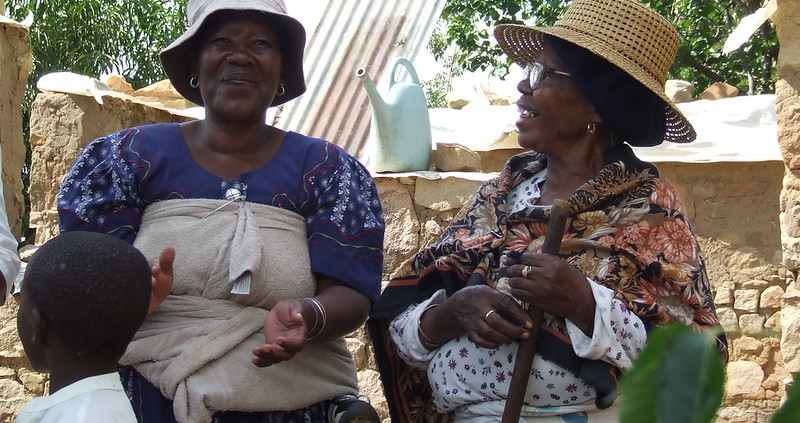
February 2, 2026
https://borgenproject.org/wp-content/uploads/borgen-project-logo.svg 0 0 Jennifer Philipp https://borgenproject.org/wp-content/uploads/borgen-project-logo.svg Jennifer Philipp2026-02-02 03:00:122026-02-01 23:54:58Why Elderly Poverty in Mozambique Is Rising
Global Poverty, Health, WHO

Surpassing WHO’s Goal To Eliminate Cervical Cancer in Rwanda

Cervical Cancer in RwandaOn February 1, 2025, Rwanda launched a mission entitled Mission 2027, where they are trying to sustain a goal of reducing the number of cases of cervical cancer in women in Rwanda. This goal aims to reach fruition three years ahead of the World Health Organization’s (WHO) mission of 2030.

Rwanda is a country in East Africa with a population of around 14.26 million people. Famous for its scenery, exceptional tea and coffee, rich culture, and wildlife. Despite these positive reinforcements, Rwanda struggled for a long time with its health system and keeping women in Rwanda safe against certain diseases, particularly cervical cancer.

In the late 2000s, cervical cancer became a major health concern for people living in Rwanda because life expectancy for people grew, and non-communicable diseases (NCDs) were more prominent. With this in mind, cervical cancer became a high priority to stop in Rwanda, and it became the first country in Africa to launch free HPV (Human Papillomavirus) vaccination in 2011. The steps that government and health care workers are taking, and have taken, have given Rwanda the ability and steps to stay on track with Mission 2027.

Mission 2027, also known as the Accelerated Plan for Cervical Cancer Elimination 2024-2027, is just how it sounds. It is a national strategy to eliminate cervical cancer three years before the World Health Organization’s goal for the world by 2030. This program includes expanding vaccination, having advanced screening and improving access to treatment.

History of Cervical Cancer in Rwanda

Cervical cancer is the most common cancer that exists in women in Rwanda, followed by breast and stomach cancer. According to the WHO, cervical cancer ranked fourth for the most common cancer in women in 2022. In 2023, the Global Cancer Observatory estimated 866 new cases of cervical cancer, with 609 deaths.

Some of the most difficult steps in eliminating this disease are getting women to screen for the disease, not just getting the vaccination. One of the biggest blockades of this was the 1994 genocide that left the health system of Rwanda in shambles.

The genocide had an estimated 800,000 people murdered, in the span of 100 days, including the majority of health care workers, like doctors and nurses, who either died or fled the country. This incident hurt an already struggling country with its health care, especially during a time where their rates of cervical cancer were growing and are continuing. The use of wartime rape as a method against women did not help the growing numbers of cervical cancer and HIV.

Ever since this incident, the Rwanda government has been working towards rebuilding the health care system and prioritizing health for people. Cancer care for people in Rwanda is continuing to grow with the opening of the Butaro Cancer Center of Excellence that was on July 1, 2012, from the collaboration with Partners in Health (PIH).

This service originated because there were not a lot of available cancer treatments in Rwanda for women to go to, along with a lack of treatment for women who received diagnoses. Taking the steps toward Mission 2027 has the ability to keep Rwandans grounded and help younger women stay healthier and get the treatment and care that they need.

Poverty and Cervical Cancer

Before the Rwandan genocide happened, the health care system of Rwanda was extremely weak. The hospitals that already existed were too expensive for the average citizen and were not located where the majority of people lived, which is the rural regions.

After the Rwandan genocide, the Rwanda health care system became more strained and almost too far gone. The genocide destroyed more than 80% of the health infrastructure along with most doctors fleeing the country or dying in attacks. The genocide interrupted vaccinations and prenatal care, along with many other programs, and had little to no coverage.

Despite the hardships that Rwanda faced after the genocide, health care became pushed to the front for the public and the government. According to an article from Harvard, the use of genocidal rape increased the spread of HIV/AIDS and cervical cancer, which brought to light the lack of clinicians who could address the health issues on the ground.

Rebuilding the Health Care System in Rwanda

The RPF-led government rebuilt the shattered health care system of Rwanda. RPF, which stands for the Rwandan Patriotic Front, prioritized the training and provision of local health care workers in each of Rwanda’s villages. Ever since the RPF pushed their focus for creating a more stable health care system, vaccinations for cervical cancer have increased to more than 90% coverage for girls.

Rwanda has continued to maintain this high number of vaccinations since 2011, along with implementing a system where four health care workers are elected in each of the 15,000 villages in Rwanda. The RPF even prioritized the building of rural health centers, where the majority of people in Rwanda live.

All of these changes and developments occurred with the establishment of Mutuelle. Mutuelle offers insurance at an average U.S. cost of $2 with a guaranteed out of pocket cost of up to 10%. This number changes for the wealthier in the country, but Mutuelle covers 91% of Rwandans, compared to less than 7% of the population in 2003.

Steps To Eliminate Cervical Cancer

According to the International Agency for Research on Cancer (IARC), the World Health Organization launched a plan entitled 90-70-90 as part of Mission 2027 to eliminate cervical cancer by 2030:

  • 90% of girls are fully vaccinated with the HPV vaccine by age 15.
  • 70% of women are screened with a high-performance test by 35, and again by 45 years. 
  • 90% of women identified with cervical precancer or cervical cancer receive adequate treatment and care.

Once a country reaches a certain threshold of cervical cancer cases being below four per 100,000 women to years, that is when a country is considered to have eliminated cervical cancer.

Mission 2027 has already passed many milestones; 93% of girls in Rwanda are vaccinated, 31% of women screened and 81% of women with precancerous lesions and cervical cancer are receiving treatment.

Despite the setbacks that Rwanda has faced over many years, these setbacks are what is keeping Rwanda on the right track to accomplishing Mission 2027. Rwanda continues to showcase its resilience and passion for helping its people and keeping its health system up to date. With the perseverance of the government in Rwanda, and working closely with the WHO and many hospitals, women are at a point where they can get the help that they need and keep their health taken care of.

– Elizabeth Fryer

Elizabeth is based in Philadelphia, PA, USA and focuses on Technology and Global Health for The Borgen Project.

Photo: Unsplash

February 2, 2026
https://borgenproject.org/wp-content/uploads/borgen-project-logo.svg 0 0 Jennifer Philipp https://borgenproject.org/wp-content/uploads/borgen-project-logo.svg Jennifer Philipp2026-02-02 01:30:562026-03-17 02:16:12Surpassing WHO’s Goal To Eliminate Cervical Cancer in Rwanda
Development, Global Poverty, Health

Trained Local Health Professionals in Developing Nations

Trained Local Health ProfessionalsTrained local health professionals are crucial to the lives and well-being of those in developing countries. Yet, many developing countries lack them and are still limited to those trained in Western nations or even merely medical supplies. This contributes to higher rates of disease, poor health, improper care and more within these nations.

However, these issues have shown to decrease in developing nations that have had access to trained local health professionals, marking their importance. Western countries, such as the U.K. and the U.S., must make contributions to the increase in trained local health professionals in developing nations. One way to do so is through health organizations that provide training, such as Health Volunteers Overseas (HVO).

Danielle Stonehirsch, Manager of Communications and Donor Relations at HVO, recently spoke with The Borgen Project to demonstrate the importance of trained local health professionals and answer questions about the concept.

The Importance

The uneven global distribution of health care workers has left many developing nations without enough trained local professionals. This shortage places a heavy burden on public health, resulting in reduced access to treatment and higher rates of illness. While developed nations, such as the U.S. and the U.K., attempt to provide aid to developing countries, much of this support consists solely of medical supplies rather than trained health care professionals.

According to Stonehirsch, this approach is problematic because the absence of skilled professionals can lead to the misuse or complete underuse of donated equipment, ultimately depriving patients of proper care. She cites an internal medical project run by HVO in Nepal, where a physician facilitated the donation of multiple bedside ultrasound machines.

Without proper training, local staff may have been unable to use the equipment effectively. However, the physician, along with other volunteers, established regular in-person visits and ongoing online mentorship to train multiple hospital departments. As a result, local health care workers can now use the machines to save lives and educate students and colleagues on their operation.

Local health professionals hold importance as they understand the patients’ language and culture, which allows for greater trust from patients and enhances the effectiveness of treatment. Hiring local professionals in developing nations may also be economically beneficial, as it creates more job opportunities for those in impoverished areas. Additionally, according to Stonehirsch, trained health care providers who are sent from developed nations (rather than being locally trained) must eventually return to their own country. Once they do so, the areas they were serving no longer receive the much-needed assistance.

How Local Health Professionals Have Benefited Countries in the Past

Trained local health professionals have greatly benefited developing nations in the past. In Honduras, Liberia and Kenya, they were responsible for multiple tasks, including ensuring access to care, improving equity, alleviating disease and more. Twenty-four countries in sub-Saharan Africa, representing 80% of the region, relied on these professionals for risk communication, surveillance and testing.

HVO has worked extensively in regions including Africa, Asia, Latin America, Haiti, St. Lucia and Georgia, building long-term partnerships with hospitals, clinics and universities. Stonehirsch shared with The Borgen Project an example from an HVO hand surgery initiative. In this project, a volunteer met a young surgeon with an interest in hand surgery.

Although the volunteer’s expertise was in pediatrics, she encouraged him to specialize in pediatric hand surgery and trained him alongside several colleagues who formed a dedicated team. He went on to become the first pediatric hand surgeon in his country. HVO volunteers also trained the only hand therapist in Ghana, who is now teaching others across the country.

This illustrates how developing nations can benefit from trained local health professionals. The organization also offers virtual options, including Zoom lectures, mentorship, online resources and more, as well as scholarships to support partners’ travel to other countries. Its volunteers are always available to partners through texting, emailing and calling.

What Can Be Done

Multiple steps are required to ensure an adequate distribution of trained local health professionals in developing nations. This includes collaboration between the United Nations and the World Health Organization to develop policies that support the training of health care workers in these countries, as well as strategies to retain them. As one report notes, this involves “solutions to retain more health care workers, as many seek to migrate to other countries where social and economic conditions are more favorable for work and living.”

It is also important for health programs to recognize this issue and actively contribute to increasing the number of trained local health professionals in developing nations. “More organizations need to invest in long-term, sustainable solutions,” Stonehirsch says. While several organizations, such as HVO, have acknowledged the problem, they often require support from additional partners to expand their impact.

For HVO, increasing training opportunities requires both time and financial resources, making volunteers and donors essential to program growth. The organization currently trains about 3,100 health care providers each year. “I would love to see that number double,” Stonehirsch adds. “Each of those individuals then becomes capable of teaching others.” As more people donate and volunteer, opportunities to strengthen local health care capacity continue to grow.

When asked why some countries require support from organizations like HVO, Stonehirsch explained, “In many low-resource areas, hospitals and clinics are understaffed and providers are working hard to care for many, many patients. That often leaves little to no time to teach and mentor interns, residents and younger colleagues.”

As a result, early-career professionals often leave to practice in other countries rather than returning to their home countries. Expanding local opportunities increases the likelihood that these professionals will stay and contribute to their communities.

– Renata Hirmiz

Renata is based in San Diego, CA, USA and focuses on Global Health for The Borgen Project.

Photo: Unsplash

February 1, 2026
https://borgenproject.org/wp-content/uploads/borgen-project-logo.svg 0 0 Lynsey 2 https://borgenproject.org/wp-content/uploads/borgen-project-logo.svg Lynsey 22026-02-01 03:00:082026-01-31 20:08:40Trained Local Health Professionals in Developing Nations
Page 9 of 212«‹7891011›»

Get Smarter

  • Global Poverty 101
  • Global Poverty… The Good News
  • Global Poverty & U.S. Jobs
  • Global Poverty and National Security
  • Innovative Solutions to Poverty
  • Global Poverty & Aid FAQ’s
Search Search

Take Action

  • Call Congress
  • Email Congress
  • Donate
  • 30 Ways to Help
  • Volunteer Ops
  • Internships
  • Courses & Certificates
  • The Podcast
Borgen Project

“The Borgen Project is an incredible nonprofit organization that is addressing poverty and hunger and working towards ending them.”

-The Huffington Post

Inside The Borgen Project

  • Contact
  • About
  • Financials
  • President
  • Board of Directors
  • Board of Advisors

International Links

  • UK Email Parliament
  • UK Donate
  • Canada Email Parliament

Get Smarter

  • Global Poverty 101
  • Global Poverty… The Good News
  • Global Poverty & U.S. Jobs
  • Global Poverty and National Security
  • Innovative Solutions to Poverty
  • Global Poverty & Aid FAQ’s

Ways to Help

  • Call Congress
  • Email Congress
  • Donate
  • 30 Ways to Help
  • Volunteer Ops
  • Internships
  • Courses & Certificates
  • The Podcast
Scroll to top Scroll to top Scroll to top