Prevention Strategies: Malaria in Africa
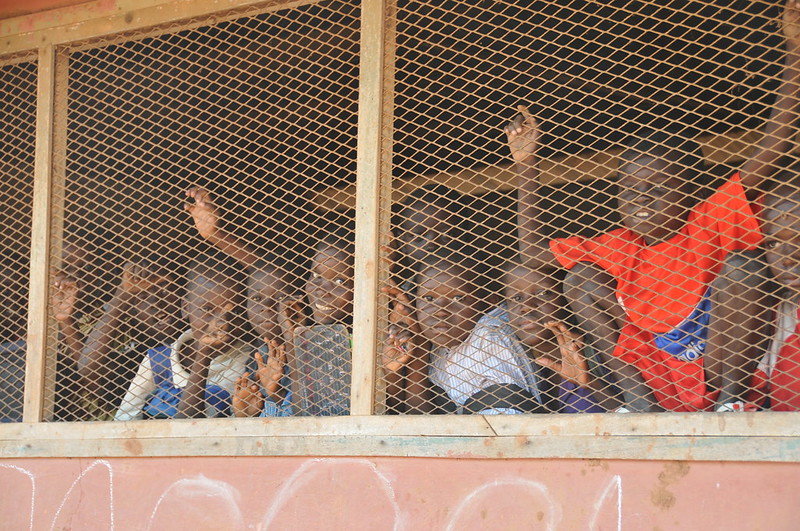 Malaria remains a major global health concern, especially in sub-Saharan Africa. In 2023, the World Health Organization (WHO) recorded 263 million cases and 597,000 deaths from the disease. More than 95% of all infections occurred in Africa, underscoring the urgent need for scalable, long-term prevention strategies. Despite challenges, innovative approaches are helping reduce malaria rates and protect vulnerable communities from both illness and poverty.
Geographic Burden and Progress
Countries near the equator, such as Nigeria, the Democratic Republic of the Congo, Uganda and Mozambique, face the highest malaria burden. Nigeria alone recorded about 68 million infections. However, prevention efforts across the continent have prevented an estimated 2.2 billion cases and 12.7 million deaths globally, with most of those malaria cases projected to occur in Africa. Some countries have made significant progress. In Rwanda, for example, malaria cases dropped from 4.9 million in 2019 to 749,000 in 2023. Rwanda’s success stems from its focus on high-risk areas, expanded access to free treatment for adults and vaccination programs for children.
Poverty and Risk Factors
Beyond humid weather conditions, poverty plays a major role in malaria transmission. In Nigeria, many families lack access to mosquito nets, insect repellents or screened housing. Poor working conditions also increase exposure. More than 60% of Nigerians work in agriculture and another 9% in trade, professions that require early morning and evening hours outdoors when mosquitoes are most active. Educational barriers further exacerbate the problem. People without formal schooling are less likely to understand malaria transmission or prevention, making them more vulnerable. If left unchecked, malaria disrupts livelihoods, increases health care costs and perpetuates the poverty cycle.
Vaccination and Treatment Strategies
In 2021, the RTS, S/AS01 malaria vaccine became the first to receive a World Health Organization (WHO) recommendation for widespread use. The Centers for Disease Control and Prevention (CDC) supported this rollout, citing the vaccine’s effectiveness in reducing malaria incidence and child mortality. In pilot programs, the vaccine decreased malaria in children by 30% and reduced overall mortality by 13%, even in areas with high usage of long-lasting insecticidal nets (LLINs).
Alongside vaccination, the CDC also promotes LLINs as an effective physical and chemical barrier against mosquitoes. These nets remain a cornerstone of malaria prevention, especially in rural and high-risk regions. For those already infected, Artemisinin-based combination therapies (ACTs) offer a fast-acting solution. Derived from the sweet wormwood plant, Artemisinin targets the malaria parasite in its blood phase, often clearing the infection within hours when administered intravenously. While not preventative, it remains critical for reducing symptoms and preventing severe illness.
Controlling the Source
Anopheles stephensi, a mosquito species resistant to insecticides and active during daylight, has spread to countries like Djibouti. After nearly eradicating malaria in 2012, Djibouti saw a resurgence of 73,000 cases by 2020 due to the insect’s rapid spread. To counter this, the United States (U.S.)-based company Oxitec released tens of thousands genetically modified (GM) male mosquitoes in Djibouti in 2025. These mosquitoes cannot bite or transmit disease. When they mate with wild females, the female dies shortly after, reducing the mosquito population. Although still in early stages, this approach could offer long-term benefits for vector control across East Africa.
A Path Forward
Malaria prevention has evolved through vaccines, targeted treatment, insecticide-treated nets and now genetic engineering. However, continued investment in education, infrastructure and health care access remains crucial. By tackling malaria transmission and its root causes, public health strategies not only save lives but also create pathways out of poverty for millions across Africa.
– Abegail Buchan
Abegail is based in Johnstown, PA, USA and focuses on Global Health for The Borgen Project.
Photo: Flickr
