Efforts To Address Maternal Health Care in Zimbabwe
 The poverty rate in Zimbabwe sits at 49.22%, with almost half the population living on $3.00 or less a day. This high poverty rate translates to 358 women dying during live birth out of every 100,000 women that give birth, as of 2023. Even though the maternal mortality rate has been decreasing over the years, it remains important to address adequate maternal health care in Zimbabwe.
Challenges To Maternal Health Care in Zimbabwe
There is a high rate of adolescent pregnancies in Zimbabwe, with more than 10% of births coming from women aged 15–19 years. For adolescent mothers in particular, the biggest barrier to receiving maternal health care is the stigma that comes with being a young mother. Other barriers for expectant mothers include cost, distance, cultural preferences, religious beliefs, a lack of information and distrust in the formal health care system.
Many women in Zimbabwe are hesitant to seek care from the public health system because of the lack of privacy and genuine care from these health professionals. With almost half of the population living in poverty, it becomes very difficult to afford private health services or travel out of rural areas to receive them. That being said, according to Amnesty International, more than 20% of women give birth without any skilled assistance.
Traditional Birth Attendants
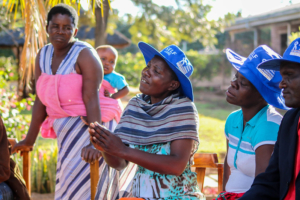
In response to cultural preferences and religious beliefs, many women in rural Zimbabwe seek maternal health care from traditional birth attendants. These are often other women with extensive experience with live births, whether from their own births or those of family or friends. They assist expectant mothers who are unable to access the public health system.
Traditional birth attendants mainly operate in rural areas without sufficient maternal health care support. These women do not have any professional training or the tools necessary to conduct safe births. They function solely on their independent knowledge and desire to help pregnant women who have no support from family.
However, their presence is still incredibly helpful in ensuring safer births that would otherwise not occur. In particular, the group Women in Action, which is based in Epworth, a populated community near Harare, has become an essential resource for young women expecting children. Women in Action was founded in 2003 and has since assisted with more than 50,000 live births.
Its work is not confined to the immediate birth. The organization also helps with prenatal and postnatal care, something many women in rural Zimbabwe do not receive. “Soon after delivery, [the women] accompany mothers and newborns to nearby facilities for postnatal attention and even help arrange housing for new mothers if needed, bridging a critical gap in Zimbabwe’s overstretched maternal health system.”
Traditional birth attendants are essential to achieving adequate maternal health care in Zimbabwe. They should be provided with more support to help pregnant women best.
AI Midwife
Another innovation helping maternal health care in Zimbabwe is the creation of the AI midwife, Nyamukuta. This AI chatbot was created by a group of Zimbabwean women who noticed the lack of maternal health care in their communities. They designed the app to generate no profit, but rather to help pregnant women access more accessible care.
Given concerns that many people lack internet access, Nyamukuta was designed as a WhatsApp chatbot to make the midwife accessible in areas with slow internet access. Alongside the AI informational chatbot, the creators of Nyamukuta distributed blood pressure machines to pregnant women to help them monitor their health more effectively.
Conclusion
Combining Nyamukuta’s efforts with those of traditional birth attendants could have a significant impact. Traditional birth attendants lack the proper tools to serve their communities adequately.
With portable blood pressure machines and access to the information Nyamukuta provides, they would have a significant advantage in the care they can offer. Meaningful strides are already being made to address maternal health care in Zimbabwe and the trend is upward.
– Kaitlyn Crane
Kaitlyn is based in Rohnert Park, CA, USA and focuses on Technology and Solutions for The Borgen Project.
Photo: Flickr
