• Link to X
  • Link to Facebook
  • Link to Instagram
  • Link to TikTok
  • Link to Youtube
  • About
    • About Us
      • President
      • Board of Directors
      • Board of Advisors
      • Financials
      • Our Methodology
      • Success Tracker
      • Contact
  • Act Now
    • 30 Ways to Help
      • Email Congress
      • Call Congress
      • Volunteer
      • Courses & Certificates
      • Be a Donor
    • Internships
      • In-Office Internships
      • Remote Internships
    • Legislation
      • Politics 101
  • The Blog
  • The Podcast
  • Magazine
  • Donate
  • Click to open the search input field Click to open the search input field Search
  • Menu Menu

Archive for category: Health

Information and stories on health topics.

Global Poverty, Health, Nonprofit Organizations and NGOs

Organizations Aiding Ear and Hearing Care in Zambia

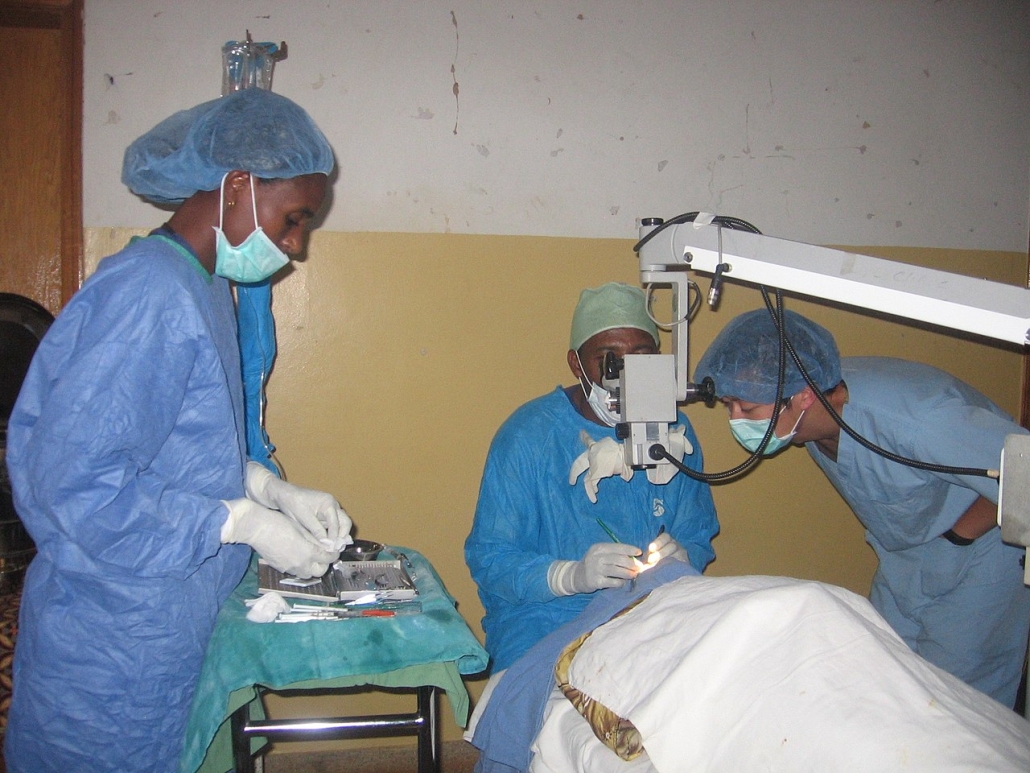
Organizations Aiding Ear and Hearing Care in Zambia Hearing health is often overlooked in global development conversations, yet in Zambia, it plays a critical role in education and economic participation. With a population of almost 17 million, 5% of Zambians experience hearing problems or diseases. It is hard to help everyone in the community, given that there are only five Otorhinolaryngologists (ENTs) and one audiologist available.

The commute for most individuals can exceed 10 miles on foot to reach a specialist, making access to hearing care in Zambia unrealistic for many Zambian citizens. In 2022, 60% of the population was in severe poverty, so not everyone can afford to walk long distances to get care for themselves or their families, as they are struggling to feed their families on $2 a day.

Organizations like Seeds of Hope Children Ministry and GBCZambia place strong emphasis on donations to support medical research and education to improve hearing care in Zambia. However, providing tools within an educational setting can help individuals succeed. Further studies conducted within these communities could help organizations better understand the needs of individuals who require hearing care in Zambia. Two organizations, DeafKidz International (DKI) and Zambart, address these needs and provide tools to help Zambian citizens succeed regardless of their disabilities.

DeafKidz International: Adapting Zambia’s Education

DeafKidz International (DKI) has been working in Zambia since 2013 to help children build resilience and improve education and safety for those who are hard of hearing. It aims to complete its mission in two parts: educating the children through workshops and training teachers to identify signs of abuse or confusion among individuals who are hard of hearing.

The six-hour workshop for children focuses on safety, boundaries and basic communication. The education of an average student in Zambia is not identical to that of a hard-of-hearing individual. Thus, this workshop uses role-plays, demonstrations, worksheets and interactive games to help children understand these topics. DKI also financially supported the purchase of laptops in 2024 for classrooms to help bridge educational gaps.

To ensure that educators are up to date, the DKI team communicates regularly with trained teachers. It does this by running brief sessions to verify that information translation is accurate and to gather feedback on the results of DKI’s programming. In early 2025, DKI staff observed that students ages five to eight were comprehending sign language at varying levels, indicating the program’s gradual progress.

DKI’s team values the feedback it receives from children, parents and educators alike. For instance, noting and adjusting the program to differentiate between “early warning signs” of abuse and symptoms of illness is important. DKI has taken a unique approach to hearing care in Zambia through adaptability and confidence-building.

Zambart: Building a Foundation for Research Advancements

Zambart, a research group that advances health care for all, has also begun piloting programs to study Chronic Suppurative Otitis Media (CSOM) and general hearing problems. The goal of the research study is to evaluate the effects and quality of life of individuals who are hard of hearing due to CSOM and other related hearing diseases. This would provide other organizations and the government with a clearer idea of the types of resources that would be helpful to these individuals.

As part of its initiative, Zambart begins by interviewing families in different communities in Zambia to understand their experiences with CSOM. Next, it will perform randomized trials of topical iodine treatment for ear discharge and analyze short- and long-term care. It will also pilot the introduction of a low-cost bone-conducting headset for 150 adults and children who experience hearing loss.

As a way to go hand in hand with DKI’s efforts, it will also conduct further studies and qualitative analyses to understand the lived experiences of people with hearing loss. The goal is to understand what enables or prevents them from feeling self-determined, empowered and resilient in their education and daily lives. The results of this study would be the implementation of tech-based learning for sign language.

Zambart accepts monetary donations to advance its research; however, the funds received go directly into its mission and action efforts. Though it does require significant money, training and time to achieve the necessary advancements in hearing care in Zambia, the Zambart team is actively working to address the root problems.

Focusing on Empowerment and Resilience

Overall, children and adults with hearing and ear illnesses have not received as much focus in Zambia as other diseases. However, when working with groups that focus on adaptability, resilience, community building and empowerment, these communities are given the chance to grow and learn. Though monetary donations go a long way toward advancing accessible clinics and medical professionals, providing the right tools and methods can further strengthen hearing care in Zambia.

– Simran Dev

Simran is based in Caledon, Ontario, Canada and focuses on Global Health and Celebs for The Borgen Project.

Photo: Flickr
February 19, 2026
https://borgenproject.org/wp-content/uploads/borgen-project-logo.svg 0 0 Precious Sheidu https://borgenproject.org/wp-content/uploads/borgen-project-logo.svg Precious Sheidu2026-02-19 07:30:102026-02-19 01:42:11Organizations Aiding Ear and Hearing Care in Zambia
Global Poverty, Health, Technology

Medical Innovations in Ghana: Transforming Health Care

Medical Innovations in Ghana That Are Transforming The Health Care SystemIn Ghana, where 24.2% of people live below the poverty line, health issues and the adverse effects of poverty remain heavy burdens on the population. Disproportionate access to health care negatively impacts rural and low-income populations and exacerbates the health burden for these groups. Thus, investments in the development of various medical innovations in Ghana aim to alleviate the health burden and increase access to cost-effective services for rural communities.

The BioInnovation Center

Academic City University College in Ghana partnered with Northeastern University to establish the new BioInnovation Center. The center aims to improve the availability of medical equipment for more than 5,000 rural health clinics nationwide by developing low-cost biomedical devices. This on-campus center supports student-led research, prototype development and medical innovations in Ghana. Engineering medical devices within the country contributes to a more sustainable health care delivery system, given that the country imports more than 95% of its medical devices and supplies.

The BioInnovation Center manages several current projects being tested in Ghanaian clinics, including:

  • Neonatal care devices for rural birthing centers
  • Diagnostic tools requiring no electricity or consumables
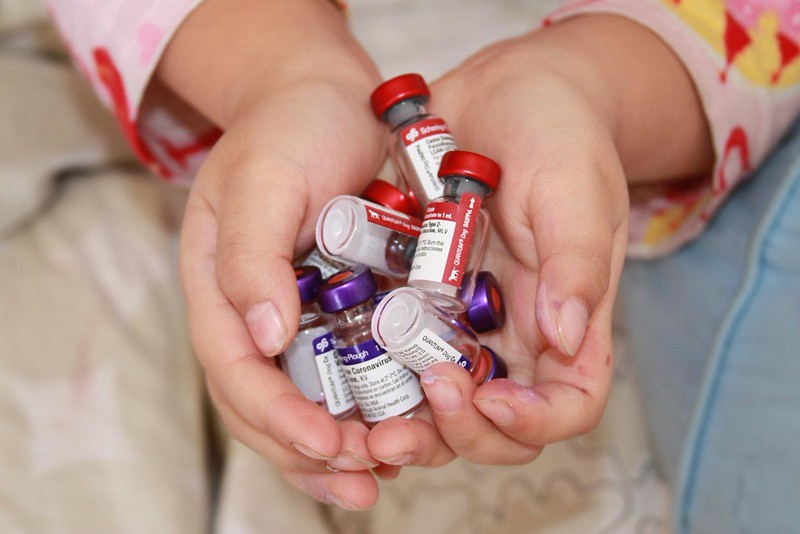
  • Medical refrigeration using solar power for vaccine cold chains
  • Point-of-care testing platforms for infectious disease diagnosis
  • Surgical instruments optimized for resource-limited operating facilities

The Drug Innovation Group

Ghana is leading the formation of a research network in medicinal chemistry to develop treatments for malaria, tuberculosis (TB) and cancer. It is the second country in Africa, after South Africa, to carry out early-stage design of drug candidates. Ghana has a high burden of TB and ranks among the 15 countries with the highest malaria burden. These diseases disproportionately affect low-income countries, where drugs are often unaffordable to a significant portion of the population. As a result, commercial incentives to develop treatments can remain limited.

The Drug Innovation Group (DIG) works in a laboratory officially opened in May 2024 at the University of Ghana. The lab includes more than U.S. $100,000 worth of advanced technology funded by the Bill & Melinda Gates Foundation. DIG aims to train the next generation of scientists in Ghana, starting with undergraduate students, to combat malaria and TB in Africa.

Mental Health

Ghana faces challenges in its mental health care system due to inadequate clinical resources, infrastructure, stigma and personnel shortages. The country has only one psychiatrist for every 1.5 million people, far below the World Health Organization’s recommended ratio of one psychiatrist per 100,000 people. Shortages of clinical psychologists and psychiatric nurses and disparities in access to care, particularly between urban and rural areas, contribute to limited treatment access. While an estimated 3.8 to 6.6 million Ghanaians live with moderate to severe mental health disorders, approximately only 2% receive formal treatment.

The West African Digital Mental Health Alliance (WADMA) builds collaboration between technologists and clinical researchers to advance mental health services through digital innovations. Digital mental health services help bridge access gaps for rural populations and offer a more discreet option for individuals reluctant to seek treatment due to stigma.

Another digital innovation in mental health care is the M-Healer smartphone toolkit. This mobile app targets traditional healers and provides educational materials and tutorials on mental health management techniques, such as de-escalation, deep breathing and reframing anxious thoughts. The integration of evidence-based treatment techniques promotes practices that prioritize human dignity and safety. M-Healer includes a dark mode interface to reduce battery consumption and offline functionality to serve those with limited internet connectivity and high data costs. Studies report reductions in harmful practices such as chaining and improvements in psychiatric symptoms, psychological distress and stigma among patients.

Mosquito Net Mesh for Hernia Repair

Inguinal hernia repair is one of the most commonly performed procedures in Africa. The standard procedure uses synthetic mesh, but many patients in low-income countries cannot afford this material. A cost-effective alternative has emerged in sub-Saharan Africa in the form of sterilized mosquito net mesh. Trials conducted in multiple hospitals in Ghana found sterilized mosquito net mesh to be an effective alternative to synthetic mesh for hernia repair in resource-limited settings.

Tricycle Ambulances

Due to long distances from clinics and limited affordable transport, people living in rural communities often face barriers to accessing emergency health care services. In response, the Moving Health Foundation deploys tricycle ambulances equipped with GPS tracking technology and designed to remain stable on rough roads. These ambulances are manufactured locally and cost 1% to 2% of the price of a traditional ambulance.

Another initiative repurposes existing motor tricycles into ambulances. These vehicles include a mobile application with tracking features and a communication system between the driver and the health facility. The initiative is projected to assist 1,800 people within the first year, including 300 mothers and caregivers.

Rapid Diagnostic Tool

Point-of-care ultrasonography (POCUS) is a rapid diagnostic tool used to detect blood clots, internal bleeding, gallstones and heart or lung problems in emergency settings. Health care workers trained to use POCUS can make immediate obstetric treatment decisions, improving maternal and neonatal health outcomes for more than 450 people in the Western and Savannah regions of Ghana.

Digital App for Tracking Pregnancy Care

The University of Health and Allied Sciences developed a digital platform and smartphone app to improve early pregnancy detection, optimize the timing and use of prenatal care and reduce referral costs. The system uses artificial intelligence and health system intermediaries to track women’s referral experiences, log postpartum care and assess treatment outcomes. This project is expected to enhance maternal health care for 3,000 people in the Upper West and North East regions of Ghana.

Live Monitoring for Medicine Stocks

A newly designed national digital system facilitates livestock reporting of medicines through SMS and automated ordering based on historical demand data. The system monitors medicine availability, tracks stock-outs and measures replenishment efficiency. Additionally, a national monitoring system can improve emergency response efficiency, prevent essential medicines from running out of stock and support equitable distribution across Ghana.

Looking Ahead

Interventions utilizing medical innovations in Ghana aim to expand health services to rural areas and provide more affordable alternatives for the significant number of Ghanaians living in poverty. The establishment of technology centers and laboratories focused on medical device and drug innovation in local universities is training the next generation of scientists and innovators to develop solutions suited to resource-limited settings. While Ghana has seen general improvement in health outcomes since 2018, locally based solutions remain essential to creating more equitable access to health services, transportation, medical devices and medicines.

– Sarah Merrill

Sarah is based in Matthews, NC, USA and focuses on Good News and Global Health for The Borgen Project.

Photo: Flickr
February 19, 2026
https://borgenproject.org/wp-content/uploads/borgen-project-logo.svg 0 0 Precious Sheidu https://borgenproject.org/wp-content/uploads/borgen-project-logo.svg Precious Sheidu2026-02-19 01:30:492026-02-19 01:26:10Medical Innovations in Ghana: Transforming Health Care
Global Poverty, Health, HIV/AIDS

Politics and Healthcare Colliding: HIV/AIDS in Serbia

HIV/AIDs in SerbiaPrejudiced attitudes toward homosexuality in Serbia are preventing early diagnosis and treatment of HIV/AIDS, which has resulted in suffering and even death, as reported in 2013. Progressive groups and residents have spoken out over the years, claiming that hostile attitudes toward homosexuality in socially conservative Serbia have fostered this culture of fear. In extreme cases, individuals endanger themselves. The World Bank states that HIV/AIDS in Serbia affects 0.1% of the population, but despite this, the number of untreated cases or late-stage diagnoses remains a concern.

HIV Demographics

The main demographic of HIV sufferers is men who have sex with men (MSM), making up 80% of cases. As already vulnerable members of Serbian society, according to the foreign press and citizens alike, additional barriers to health care have a significant impact. These barriers include social stigma and a lack of self-testing, outreach or information about discreet HIV diagnosis. Additionally, since the early 2000s, the number of HIV/AIDS diagnoses in Serbia per year has increased (diagnoses, not necessarily incidence). HIV/AIDS in Serbia is becoming more of a pressing issue despite modern interventions available to address it. The preventability of mortality and late-stage diagnosis remains a major concern.

In 2013, the painful and preventable death of an HIV sufferer, “Marko,” was reported. This story presents the extremes individuals may face when confronting negative social pressures. With 49.2% of new diagnoses detected late in 2021, it suggests that people may delay seeking care due to social stigma and potential repercussions.

Serbian Politics

Serbia’s prime minister (PM), Ana Brnabic, is the only openly gay leader in the Balkans and the leader of the Serbian Progressive Party. Progressive critics have reprimanded the prime minister’s leadership style, arguing that she has not adequately addressed hostility within society toward LGBTQ+ individuals.

This is not new to Brnabic, who has previously faced criticism during her leadership regarding homophobia in Serbia. Numerous LGBTQ+ spokespeople have suggested that denying the prevalence of homophobia minimizes the experiences of an already marginalized sector of Serbian society. In 2018, she was reportedly “uninvited” from Belgrade’s Pride parade.

Shift Toward Equality

As time progresses, Serbia has seen improvements toward equality. Despite decriminalizing homosexuality in 1994, the country has welcomed an openly gay leader and has numerous groups campaigning for the LGBTQ+ community. De Se Zna! (a queer activist group in Serbia) has been providing psychological and legal support as an association since 2016, advocating for queer individuals to feel safer in Serbia and increasing the sense of support and community among marginalized groups.

Out groups have long applied pressure on the government to take a more active stance. The Friedrich Naumann Foundation (FNF) has been a notable group pushing for progressive legislative proposals and the establishment of a centralized database compiling homophobic hate crime offenses. These efforts highlight the lack of comprehensive information on crimes committed against queer people in Serbia. The Serbian government continues to face pressure to promote a more equitable society and improve accountability.

Looking Ahead

While stigma and late diagnoses remain challenges, continued advocacy, expanded outreach and improved access to discreet testing services can help reduce preventable HIV-related deaths in Serbia. Furthermore, ongoing efforts by community organizations and policy reform initiatives offer pathways toward improved health outcomes and greater social inclusion.

– Maya Hollick

Maya is based in the United Kingdom and focuses on Global Health and Politics for The Borgen Project.

Photo: Flickr
February 16, 2026
https://borgenproject.org/wp-content/uploads/borgen-project-logo.svg 0 0 Precious Sheidu https://borgenproject.org/wp-content/uploads/borgen-project-logo.svg Precious Sheidu2026-02-16 03:00:552026-02-16 00:52:58Politics and Healthcare Colliding: HIV/AIDS in Serbia
Global Poverty, Health, HIV/AIDS

Fighting HIV/AIDS in Nigeria: Healthy Economic Future for Women

HIV in NigeriaNigeria has the second-largest HIV epidemic globally, with approximately 2 million people living with HIV (PLHIV) as of 2023. Studies show women and adolescent girls in sub-Saharan Africa are more than twice as likely to contract HIV as men and are more likely to face social stigma for taking HIV medication. Factors contributing to the disparity include poverty, limited access to education and gender-based violence, which increase vulnerability among women and girls.

Organizations, including the U.S. President’s Emergency Plan for AIDS Relief (PEPFAR), the Achieving Health Nigeria Initiative and the Institute of Human Virology, Nigeria, work with trusted local leaders to combat stigma and expand access to HIV testing and treatment. By promoting updated perspectives within communities, these efforts educate adolescents and broader populations about gender equality and sexual health. Advocates say the programs provide women with critical mental and physical support, thereby improving employment opportunities and long-term stability.

NGO’s Improving HIV/AIDS Cases and Female Economy

The disease has had a devastating effect on the nation as a whole, particularly on women. The United Nations (U.N.) in Nigeria reports that gender inequalities and the low socioeconomic status of women and girls continue to increase their vulnerability to HIV infection and other forms of abuse. President George W. Bush launched PEPFAR in 2003 to address this crisis.

The program has provided billions of dollars in funding for HIV treatment and prevention in more than 50 countries. PEPFAR is a bipartisan initiative involving multiple U.S. agencies that works to strengthen global health security and control the epidemic through direct support and partnerships. Since its inception, the U.S. government has invested more than $100 billion in the global HIV/AIDS response, saving more than 25 million lives.

NGO’s Involved

Achieving Health Nigeria Initiative (AHNi) is one of several NGOs involved in PEPFAR’s work. Founded in 2009, the organization implements public health interventions focused on education and youth development. It also works on disease prevention and epidemic control.

In addition, it runs humanitarian programs addressing health, protection and the prevention of sexual and gender-based violence. AHNi also led the National Aligned HIV/AIDS Initiative (NAHI) in collaboration with the Nigerian government and PEPFAR. The initiative aims to help Nigeria achieve epidemic control and meet the UNAIDS 95-95-95 targets by 2030, the organization reports.

Another NGO supported by PEPFAR is the Institute of Human Virology, Nigeria. Its ASPIRE project focuses on HIV testing services, laboratory diagnosis and patient tracking. It also includes prevention of mother-to-child transmission, antiretroviral treatment, including for pregnant women and support services for orphans and survivors of gender-based violence. The project also operates a well-being hub for PLHIV and AIDS and members of the surrounding community.

The Positive Economic Effect on Nigerian Women

Training from projects such as these has expanded employment opportunities for women. Stella Obianuju, a member of the Association of Women Living with HIV/AIDS in Nigeria, participated in a leadership training program and described a significant change in her life. She said she moved from a state of stigma and abuse to being “well informed and empowered,” with the knowledge to report violence and discrimination and seek justice.

By raising awareness and expanding access to prevention measures, such programs aim to reduce new HIV infections as well as HIV-related illness and death. Reduced morbidity, stigma and mortality can also create conditions for economic growth and poverty reduction, including expanded access to family planning services. The expansion of HIV treatment centers has also created jobs in logistics, health care and data management as systems shift from paper records to digital platforms.

This transformation has improved quality and accountability by allowing real-time assessment of clinical outcomes. In Nigeria alone, PEPFAR has invested more than $6 billion in the national HIV/AIDS response, according to the U.S. Embassy in Nigeria. Overall, PEPFAR funding supports the hiring of thousands of health workers, including doctors, nurses, pharmacists, laboratory technicians and counsellors, particularly in rural and underserved areas.

The program also provides grants to Nigerian NGOs, community-based organizations and faith-based groups, creating administrative, management and field-level jobs.

Final Remarks on HIV/AIDS in Nigeria

Recent U.S. funding freezes in 2025 have threatened the continuity of HIV services and increased the risk of treatment interruptions. This prompted the Nigerian government to seek domestic alternatives. In response, it approved about $3.6 billion in 2025 to fund 150,000 HIV treatment packs.

According to the Gates Foundation, “These advances have been driven by sharp science and collaboration between the private sector, governments, research institutes, advocates and PLHIV everywhere. But what makes long-acting PrEP so exciting isn’t just the science. It’s what these prevention methods could offer: Options.”

These options offer greater choice for women, families and adolescents, increasing autonomy and long-term health security.

– Gemma Nailer

Gemma is based in Manchester, UK and focuses on Good News and Global Health for The Borgen Project.

Photo: Flickr
February 16, 2026
https://borgenproject.org/wp-content/uploads/borgen-project-logo.svg 0 0 Hemant Gupta https://borgenproject.org/wp-content/uploads/borgen-project-logo.svg Hemant Gupta2026-02-16 01:30:572026-02-16 00:44:15Fighting HIV/AIDS in Nigeria: Healthy Economic Future for Women
Education, Global Poverty, Health

Deworming Programs & School Attendance in Cambodia

Deworming ProgramsParasitic worm infections remain a common but preventable health challenge for children in Cambodia. While these infections are rarely life-threatening, they can cause chronic fatigue, anemia and recurring illness that make it difficult for children to attend school consistently or concentrate in class. For low-income households, these repeated health disruptions can quietly undermine education and limit long-term economic opportunity.

In recent years, national deworming programs implemented through schools have become a core part of Cambodia’s public health and education strategy. By reducing preventable illness among school-aged children, these initiatives help protect learning and remove health-related barriers that can trap families in cycles of poverty.

A Persistent Health Burden

Soil-transmitted helminth infections, including roundworm, whipworm and hookworm, continue to affect more than one billion people worldwide, with children among the most vulnerable groups. According to a 2023 fact sheet from the World Health Organization (WHO), chronic worm infections contribute to malnutrition, impaired growth and reduced physical stamina, particularly in areas with limited sanitation and access to clean water.

In Cambodia, exposure remains common in many rural and peri-urban communities. Rather than causing acute illness, these infections often create a steady health burden that lowers children’s energy levels and increases short-term absenteeism. Over time, the persistent drag on health weakens children’s ability to benefit fully from schooling.

Why Attendance Is Fragile for Poor Households

For children from low-income families, school attendance is often highly sensitive to health. Even a relatively minor illness can result in missed days when households lack access to timely health care or cannot absorb repeated disruptions. These short absences accumulate, creating learning gaps that are difficult to recover from.

Education is widely recognized as one of the most reliable pathways out of poverty. However, its benefits depend on consistent participation. When preventable health conditions interfere with attendance, the effectiveness of education spending is reduced, particularly for children already facing economic disadvantage. 

Schools as a Platform for Health Delivery

Deworming involves periodic administration of safe, low-cost medication to eliminate intestinal worms. The WHO’s most recent guidance, updated in the early 2020s, recommends preventive treatment for children living in endemic areas where infection prevalence exceeds established thresholds.

When delivered through schools, deworming programs can reach large numbers of children efficiently and at a minimal cost. According to recent estimates summarized by the Abdul Latif Jameel Poverty Action Lab (J-PAL), school-based deworming programs typically cost around $0.50 per child per year. This makes them one of the most cost-effective public health interventions currently in use.

In Cambodia, deworming efforts are coordinated by the Ministry of Health in collaboration with the Ministry of Education, Youth and Sport. This allows treatment to be integrated into routine school activities rather than relying on clinic-based delivery.

Evidence From Implementation in Cambodia

Cambodia’s school-based deworming programs have historically achieved high levels of coverage among enrolled children. A treatment coverage survey conducted in Kamport Province in the early 2010s found that 84%–89% of targeted school-age children received treatment. This result demonstrates the effectiveness of school-based delivery in reaching the intended population.

While this study reflects an earlier implementation phase, more recent WHO country profiles indicate that Cambodia has continued regular school-based deworming in the 2020s as part of its neglected tropical disease control strategy. The country has maintained national program coverage in endemic areas. High treatment coverage plays an important role in reducing the overall burden of infection within schools and surrounding communities.

It supports sustained improvements in child health when programs are delivered consistently and at scale.

Protected Learning and Household Stability

Deworming programs do not create educational opportunities on their own. Instead, they help prevent preventable illness from eroding children’s ability to attend school regularly and participate in learning. Healthier children are better able to maintain attendance and avoid repeated short-term absences that disproportionately affect students from low-income households.

For families living near or below the poverty line, recurring illness can also lead to avoidable medical expenses and lost income when caregivers must miss work. By lowering infection prevalence, deworming programs help reduce these health-related economic shocks and support household stability.

A Low-Cost Way To Safeguard Opportunity

Deworming programs are widely recognized for their reliability rather than their novelty. Their strength lies in consistent delivery, high coverage and low cost. Implemented through schools, they help ensure that basic health conditions do not quietly undermine the effectiveness of education for children most at risk of poverty.

In Cambodia, continued investment in school-based deworming reflected a broader understanding that poverty reduction depends not only on expanding access to education, but also on protecting children’s health so that education can work as intended.

– Tom Basu

Tom is based in Buckinghamshire, UK and focuses on Good News and Global Health for The Borgen Project.

Photo: Flickr

February 16, 2026
https://borgenproject.org/wp-content/uploads/borgen-project-logo.svg 0 0 Hemant Gupta https://borgenproject.org/wp-content/uploads/borgen-project-logo.svg Hemant Gupta2026-02-16 01:30:282026-02-16 00:37:06Deworming Programs & School Attendance in Cambodia
Global Poverty, Health, Inequality

Floating Micro-Clinics for Riverine Communities in Guyana

Floating Micro-Clinics

Across the dense river networks of Guyana’s interior, many Indigenous and hinterland communities face challenges accessing basic health care due to geographic isolation, limited transportation and poor road infrastructure. Residents often travel days by boat or on foot to reach the nearest clinic for vaccinations, prenatal care, emergency treatment or chronic disease management. Floating micro-clinics for riverine communities in Guyana offer a culturally sensitive, practical solution by delivering essential health services directly along rivers, which serve as the main transportation routes for these communities.

The Government of Guyana has expanded river transportation for health access by providing purpose-built boats and engines to remote villages. This has enabled patients and medical staff to reach health facilities more efficiently.

What Are Floating Micro-Clinics?

Floating micro-clinics are rapid-response medical units, often boats outfitted with consultation space and solar-powered equipment, that travel on regular circuits between riverine villages. By ferrying nurses, health educators and medical supplies directly to residents, these services reduce travel time, lower costs and improve preventative health care.

The Guyanese Ministry of Health has invested in river transport infrastructure to improve access to health care for residents of Regions One, Three and Five. It has delivered boats equipped to support patient care and outreach. In addition to government investment, UNICEF-supported programs have helped expand maternal health outreach.

They do this by providing boats equipped with solar-powered vaccine refrigerators and cots to serve communities in Regions One and Eight. These vessels enhance access to immunization and maternal care in villages such as Kamwatta, Sandhill and Orinduik.

Bringing Health Services Closer to Communities

Floating micro-clinics for riverine communities in Guyana enable nurses, community health workers and other providers to offer vaccinations, prenatal checkups and treatment for common illnesses on the spot. By reducing the distance families must travel for routine care, these mobile units help prevent illness and support early detection of health issues. Telemedicine has also expanded across remote regions, complementing floating clinic outreach by allowing health workers to consult specialists and manage patient care more effectively.

Many of the communities served through these initiatives are Indigenous and deeply rooted along river systems. Floating micro-clinics serving riverine communities in Guyana align medical outreach with traditional travel routes and cultural practices, ensuring services are delivered in ways that respect community life. Families no longer need to undertake long and costly journeys through difficult terrain to reach basic health services.

River transport investments and floating clinic models demonstrate how integrated health and transportation strategies can reduce geographic disparities. These programs coordinate regular river routes and supply essential health equipment directly to remote villages. This strengthens health surveillance, expands vaccination coverage and supports maternal and child health across Guyana’s hinterland.

Conclusion

Floating micro-clinics serving riverine communities in Guyana bring essential health care to populations that traditional infrastructure has historically underserved. By leveraging river transport and mobile medical units, these programs improve access to vaccinations, maternal and child care, diagnostics and routine treatment. With continued investment and community involvement, floating micro-clinics can significantly strengthen rural health outcomes and reduce inequality across Guyana’s vast river systems.

– Shahzeb Khan

Shahzeb is based in San Ramon, CA, USA and focuses on Business and Good News for The Borgen Project.

Photo: Flickr

February 15, 2026
https://borgenproject.org/wp-content/uploads/borgen-project-logo.svg 0 0 Hemant Gupta https://borgenproject.org/wp-content/uploads/borgen-project-logo.svg Hemant Gupta2026-02-15 01:30:352026-02-14 22:45:05Floating Micro-Clinics for Riverine Communities in Guyana
Global Poverty, Health, World Bank

Health Care Access in Tajikistan

Healthcare Access in TajikistanTajikistan, a country in Central Asia surrounded by Afghanistan, Uzbekistan, China and Kyrgyzstan, faces a health care crisis. With 25% of its population living below the poverty line and a health infrastructure that has barely been updated since the Soviet collapse, access to medical care remains out of reach for millions, particularly in rural areas. Health care access in Tajikistan has become a critical development challenge, encouraging a wave of private sector initiatives attempting to fill the gap left by decades of government underinvestment. Private clinics are expanding slowly, the government is working with civil society organizations to achieve universal health care, and there is a strong foundation that could be built upon in this country.

The Situation in Tajikistan

Tajikistan is the poorest country in the WHO European Region. The World Bank’s 2024 report shows that over 25% of the population lives on less than $3.65 per day, with 80% of the poor living in rural areas. This poverty directly impacts health care access in Tajikistan, where vital treatment remains unaffordable.

In 2025, Tajikistan launched a groundbreaking Universal Health Coverage (UHC) pilot program in the Sughd region, with presidential approval. The pilot tests new health financing and governance reforms designed to improve access and affordability of health care. The early results of this include districts that are investing in services that meet specific community needs, and health facilities are better able to attract primary health care nurses and doctors.

Health Care Access Challenges

Improving health care access in Tajikistan requires addressing severe gaps in basic services. Currently, 44% of Tajik men have never had their blood pressure measured. In 2022, 18% of households experienced catastrophic health spending. In Tajikistan, hospital services require 80% cost-sharing and when compared to a country like India, where controlling blood pressure for hypertension costs just $2-4 per patient annually, this treatment remains unaffordable for many Tajiks. However, a potential foundation is present in this country. Since 2008, there have been free family doctor consultations for all citizens, and an extensive primary care clinic network already exists.

Government and Private Partnerships

In 2023, when Tajikistan declared the ‘Year of Human Capital,’ the $57.25 million World Bank “Millati Solim” (Healthy Nation) project was approved, which aimed to achieve universal health coverage. The World Bank currently finances 26 projects in Tajikistan totalling $1.6 billion and this collaboration is a major government-private partnership. The focus on primary care is targeting the most vulnerable and direct beneficiaries include young children, pregnant women, the elderly and victims of gender-based violence.

Aga Khan Development Network (AKDN) is a private organization that partners with the Tajik government, and in the last 6 years, it has allowed 650,000 people to gain access to primary health care, using teleconsultations to increase access. It has provided over 53,550 people with access to safe drinking water and sanitation, as well as microfinance clients who live in remote, rural areas. AKDN is an example of how private organisations can serve, not exploit, the poor.

The Role and Limits of Private Clinics

Following the 1991 Soviet collapse and the 1990s civil war, many experienced doctors left Tajikistan, so the government had to terminate the free health care program due to a shortage of doctors and supplies. Over the last decade, the private sector in health care has developed. Prospekt Medical Clinic, founded in 2004, is the first western-style clinic in Dushanbe, using western equipment, pharmaceuticals and vaccines, however, hospitals typically require upfront payment in cash. Additionally, rural populations have virtually no access to private care and evidence shows that these clinics cater almost exclusively to wealthy Tajiks and those with international health insurance.

Tajikistan citizens often seek medical management abroad due to the undeveloped medical infrastructure, with India emerging as a leading hub. This means even private clinics in Tajikistan cannot meet the needs of those who may be able to pay, but regardless, private clinics rarely serve the 75% of Tajiks who are in poverty in rural areas.

Looking Ahead

While private clinics offer advanced equipment and western standards, they serve only wealthy urbanites and expatriates in Dushanbe, leaving the 75% of Tajiks in rural poverty completely behind. However, a different model offers hope. The success of partnerships like AKDN and ambitious government initiatives like the $57.25 million Millati Solim project and the Sughd UHC pilot demonstrate that carefully structured public-private collaborations can serve the poor without abandoning them.

Unregulated private clinics serving only those who can pay upfront create inequality, but government-led partnerships with civil society organizations, guided by principles of universal coverage and explicit protection for the vulnerable, can transform health care from a luxury commodity into a fundamental right. For Tajikistan’s millions living on less than $3.65 a day, health care access in Tajikistan depends on this distinction: the difference between care and commerce.

– Anisa Begum

Anisa is based in Birmingham, UK and focuses on Business and Global Health for The Borgen Project.

Photo: Wikimedia Commons

February 10, 2026
https://borgenproject.org/wp-content/uploads/borgen-project-logo.svg 0 0 Precious Sheidu https://borgenproject.org/wp-content/uploads/borgen-project-logo.svg Precious Sheidu2026-02-10 07:30:472026-02-09 23:18:17Health Care Access in Tajikistan
Global Poverty, Health, Women

Community Health Workers in Sierra Leone Save Mothers’ Lives

Community Health Workers in Sierra LeoneCommunity Health Workers (CHWs) in rural Sierra Leone are bringing maternal health support directly into villages. They connect families to clinics and hospitals better equipped to handle pregnancy and childbirth. They operate in a country that has faced some of the highest maternal health risks in the world.

UNICEF reported that Sierra Leone’s maternal mortality ratio reached 1,360 maternal deaths per 100,000 live births in 2015. Approximately one in 17 women faced a lifetime risk of dying from pregnancy-related causes at that time. However, national and partner-led investments have contributed to measurable improvement.

The World Bank modeled estimates show that Sierra Leone’s maternal mortality ratio declined to about 354 deaths per 100,000 live births in 2023, reflecting substantial progress over the past decade.

How CHWs Work

Community Health Workers in rural Sierra Leone reduce maternal risk by reaching women earlier, identifying warning signs during pregnancy and helping families reach health facilities quickly during emergencies. They usually conduct home visits throughout pregnancy and for up to a year after delivery, providing referrals and accompanying women to care when complications occur. They also serve as a first point of contact at the community level.

Key ways local health workers support safer pregnancy and childbirth include:

  • Home visits that encourage antenatal care and help spot complications early
  • Referrals and accompaniment that help women reach skilled care faster during emergencies
  • Follow-up after delivery that supports recovery and newborn health in the first year
  • Trust-building that increases the use of facility-based services over time

Partners In Health’s Work in Sierra Leone

Partners In Health began working in Sierra Leone during the 2014 Ebola outbreak, after the government requested support and committed to strengthening the health system beyond the emergency response. In partnership with Sierra Leone’s government, the organization supports 11 health facilities across eight districts and combines community outreach with strengthened maternity wards and emergency referral systems.

As Kono District’s only hospital, Koidu Government Hospital now provides safer maternal care after Partners In Health introduced essential services, including running water and 24-hour electricity. The organization also expanded clinical capacity through oxygen production and a functioning blood bank. These upgrades allow clinicians to respond to obstetric emergencies that once proved fatal, including hemorrhage and obstructed labor.

Partners In Health also employs the district’s only specialized obstetrician-gynecologist and pediatrician. It has expanded services to include an emergency room, a special care baby unit and 24-hour access to C-sections and other surgeries, ensuring women receive timely, skilled care during complications.

Beyond the hospital, Partners In Health operates Wellbody Clinic, a model primary health facility providing maternal care alongside services for infectious and chronic diseases. It also partners with smaller public primary health clinics across the district to extend access to care before and after childbirth.

Measured Gains in Maternal and Newborn Care

From 2020 to 2025, Koidu Government Hospital saw a 69% increase in the number of women delivering there. In 2025 alone, more than 2,700 deliveries occurred at Koidu Government Hospital and 44% were C-sections. The program attributes this to the hospital’s role as a key referral facility for pregnancy complications.

Partners In Health also reported an 8% decrease in maternal deaths at Koidu Government Hospital from 2020 to 2022. The organization also reported broader gains across its supported system, including a 73% increase in mothers served at its supported facilities and a 49% increase in patients supported by CHWs. These figures indicate both stronger facility capacity and more consistent outreach in communities with historically limited access to skilled care.

Traditional Birth Attendants and Emergency Referrals

CHWs in rural Sierra Leone strengthen maternal care by working alongside trusted community figures who already support women during pregnancy and childbirth. Partners In Health Sierra Leone trained 191 traditional birth attendants and integrated them into the formal health system. They provide health education, accompany women to clinics and help families navigate care.

In 2025, these traditional birth attendants made more than 110,000 visits, connecting pregnant women to health services. They also helped reduce obstetric complications, stillbirths and maternal deaths across Kono District. When complications escalate, Partners In Health Sierra Leone supports Sierra Leone’s National Emergency Medical Services with fuel for ambulances, enabling rapid referrals.

In 2025 alone, 562 pregnant women reached Koidu Government Hospital through this emergency pathway, turning community-level care into timely, lifesaving treatment.

Expanding Capacity in 2026

Partners In Health and the Ministry of Health plan to expand maternal and newborn services through the Paul E. Farmer Maternal Center of Excellence. The center is scheduled to open in February 2026 on the Koidu Government Hospital campus in rural Kono District. The new center will add 120 beds across four modern buildings and include three operating theaters, significantly increasing capacity for complex deliveries and emergency obstetric care.

As the first facility outside Freetown with a piped medical gas system, the center will allow clinicians to deliver oxygen and anesthesia directly at the bedside, reducing delays during critical interventions. Alongside expanded clinical care, the center will function as a rural training hub. It will equip the next generation of health care workers with the skills needed to sustain maternal and newborn services in underserved settings.

Why the Approach Matters

Community Health Workers in rural Sierra Leone improve maternal survival by shortening the time between the first signs of complications and skilled medical care. UNICEF has found that many women never reach a health facility to give birth and that expanding training, equipment and medical supplies plays a critical role in increasing access to skilled care. By pairing community outreach with better-equipped hospitals and clinics, Partners In Health and government partners now reach women earlier in pregnancy and respond more quickly when complications arise.

This system depends on CWHs, who bring care closer to mothers while linking families to facilities that can deliver lifesaving treatment during emergencies.

– Kira Dosanjh Rai

Kira is based in London, UK and focuses on Global Health for The Borgen Project.

Photo: Flickr

February 10, 2026
https://borgenproject.org/wp-content/uploads/borgen-project-logo.svg 0 0 Hemant Gupta https://borgenproject.org/wp-content/uploads/borgen-project-logo.svg Hemant Gupta2026-02-10 01:30:522026-02-09 23:01:21Community Health Workers in Sierra Leone Save Mothers’ Lives
Global Poverty, Health

The Hear, Listen and Speak Program: Hearing Care in Bhutan

Hearing Care in BhutanHearing loss and ear disorders often go undetected and untreated, especially in infants and children. Disparities in health services and socioeconomic positions in Bhutan contribute to inequities in pediatric hearing care. The Hear, Listen and Speak (HLS) Program addresses the need for a better system by providing innovative and comprehensive solutions to gaps in pediatric hearing care in Bhutan.

Poverty and Health Care Disparities in Bhutan

In 2022, 10.1% of Bhutanese people lived below the national poverty line, with 87% of this population residing in rural areas. About 62% of Bhutan’s total population lives in rural areas, where access to services is more limited and socioeconomic conditions are generally poorer than in urban areas. Significant disparities in health care access exist between rural and urban populations, with rural residents having 3.4 times higher odds of using primary health centers rather than outpatient hospital services.

Socioeconomic Position and Hearing Loss

People with hearing loss are more likely to be unemployed, attain lower levels of education and earn lower wages. Meanwhile, people in lower socioeconomic positions are less likely to use hearing aids or access hearing care. Children in lower socioeconomic positions are less likely to receive early diagnosis and intervention.

They also have lower levels of device use and generally attend schools with fewer resources or rehabilitation programs. If hearing loss in childhood goes untreated, it can permanently impair speech and language acquisition, reducing a child’s likelihood of completing their primary education.

The Hear, Listen and Speak Program

The Ministry of Health of Bhutan launched the HLS Program in 2021 to address gaps in pediatric ear and hearing care for children ages 0-14 years with hearing loss and ear disorders. The national program provides early screening, diagnosis and intervention services. The HLS Program increases accessibility for rural populations by delivering the necessary technology, including hearing aid fittings, surgical capabilities and aftercare rehabilitation, at all levels of the health care continuum.

By equipping primary health centers with the technology to treat ear and hearing disorders, these services become decentralized and more accessible to rural communities. 

HLS Program Goals:

  • Early detection and intervention: Establish hearing screening in schools across all 20 districts to secure early identification and referrals for children with ear and hearing disorders. 
  • Integrated treatment and rehabilitation: Strengthen referral systems and service delivery to provide a wide variety of treatments, including hearing aid fittings, cochlear implants, surgeries and auditory-verbal therapy. 
  • Capacity building and workforce development: Train local health workers to deliver quality hearing care in Bhutan, including audiologists, ENT technicians and school health coordinators.
  • Infrastructure and technology strengthening: Establish earmold labs and digital referral systems and integrate hearing screening into health and education programs. 
  • Community engagement and policy integration: Promote information on pediatric hearing loss and health care to communities and encourage people to advocate for more representation in national public health and education systems. 

Program Results

By June 2025, the program had screened more than 104,746 children and identified ear and hearing conditions in 14,003 children (13% of those screened). By strengthening referral pathways and continuum-of-care camps, 32% of the children identified with ear and hearing conditions were registered for treatment. About 87% of those registered received care, including 81 hearing aid fittings and 73 surgeries.

Furthermore, the HLS Program established the first earmold lab in the country at the Jigme Dorji Wangchuck National Referral Hospital (JDWNRH), revolutionizing hearing care in Bhutan. Earmold impression and hearing aid services for children are now available at the JDWNRH through the earmold lab.

Conclusion

Bhutan is making significant strides to upgrade its pediatric hearing care system across all levels of care through the HLS Program. The program ensures the sustainability of ongoing prevention and treatment for hearing loss and ear disorders in children by establishing the country’s first earmold lab. It also builds capacity through training and by empowering health workers, schools and communities across Bhutan.

With a strong focus on early detection and intervention, the program improves treatment for the estimated 60% of pediatric hearing loss that is preventable with timely intervention.

– Sarah Merrill

Sarah is based in Matthews, NC, USA and focuses on Good News and Global Health for The Borgen Project.

Photo: Flickr

February 9, 2026
https://borgenproject.org/wp-content/uploads/borgen-project-logo.svg 0 0 Hemant Gupta https://borgenproject.org/wp-content/uploads/borgen-project-logo.svg Hemant Gupta2026-02-09 03:00:182026-02-09 01:43:39The Hear, Listen and Speak Program: Hearing Care in Bhutan
Food Insecurity, Global Poverty, Health

How Nutrition Policy Shapes Health Equity in South Africa

Health Equity in South AfricaIn South Africa, gaps in nutrition and food environment policies drive the double burden of malnutrition, including hunger, micronutrient deficiencies and rising obesity, despite sufficient food production. These policy gaps highlight the central role nutrition systems play in shaping health equity in South Africa.

How Economic Pressure Fuels Food Insecurity in South Africa

Economic pressures, rather than food availability, drive food insecurity in South Africa, pushing many families to struggle to access nutritious diets. Low-income individuals and households often choose cheaper, energy-dense alternatives that provide calories but few essential nutrients. High unemployment, structural poverty and rising living costs have made food increasingly inaccessible across South Africa.

The national energy crisis, particularly in Johannesburg and Cape Town, has further driven widespread hunger. In 2021, roughly 80% of South African households had adequate access to food, 15% had inadequate access and 6% had severe food insecurity. Food insecurity was more prevalent in urban areas, with the highest concentrations in Cape Town (241,000 households) and Johannesburg (239,000 households).

Households with young children are disproportionately affected. An estimated 683,221 households with children under age 5 experienced hunger and malnutrition. This has contributed to higher rates of stunting and impaired physical and cognitive development.

The highest prevalence is found in KwaZulu-Natal (20.1%), Johannesburg (13.6%) and Cape Town (12.4%). Since April 2021, 323 child deaths linked to malnutrition and hunger have been reported in the Eastern Cape.

Unequal Cities, Unequal Health: The Cost of Urban Planning Failures

As South Africa rapidly urbanizes, with more than 72% of the population projected to live in cities by 2030, food security policies remain inadequate. Low-income households in informal settlements and townships often lack access to affordable supermarkets. This forces them to rely on higher-priced spaza shops with limited access to fresh produce, directly deepening nutrition-related health inequities.

These failures in the urban food environment directly undermine health equity in South Africa. Energy and infrastructure instability disrupt cooking, refrigeration and food storage. This reduces households’ ability to consume fresh foods, increasing reliance on processed and street foods.

Despite social grants such as the Child Support Grant and the Social Relief of Distress (SRD), many households earn too much to qualify for assistance yet too little to afford adequate food. Even among households that do qualify, grant amounts are insufficient to cover the cost of a nutritious diet, particularly amid rising food inflation in South Africa. The criminalization of street vendors and restrictions on trading spaces undermine the informal food system.

In turn, this reduces access to affordable food for low-income households and pushes many into more severe food insecurity.

National and International Initiative To Improve Health Equity in South Africa

To address persistent nutrition-related health inequalities, the South African government uses initiatives such as the National Food and Nutrition Security Plan (NFNSP). It also implements the National School Nutrition Program (NSNP) to improve food security and child nutrition among disadvantaged populations. In 2018, South Africa introduced the NFNSP (2018–2023) to address nutrition-related health inequities by strengthening food security for low-income and vulnerable populations.

The plan aims to reduce childhood obesity and cut adult obesity by 15% by 2023. Similarly, in October 2023, the Department of Basic Education reaffirmed its commitment to the NSNP. The program feeds more than nine million learners annually and reduces child hunger.

Beyond national initiatives, the United Nations (U.N.) Sustainable Development Goal 1 (No Poverty) underscores the urgency of addressing child poverty, as many children continue to experience deprivation despite broader social assistance programs. The United Nations Children’s Fund (UNICEF) also supports South Africa by strengthening child poverty measurement. It also helps guide policies that direct government spending toward services benefiting the most impoverished children.

Additionally, in 2025, World Health Organization Member States extended the Global Nutrition Targets to 2030 and aligned them with the Sustainable Development Goals. The updated framework maintains targets to reduce stunting, anemia, low birth weight and wasting, while strengthening goals to reduce childhood overweight and increase exclusive breastfeeding. This extension reinforces global commitment to accelerating action on maternal and child nutrition and reducing nutrition-related health inequities.

Final Thoughts

Addressing health equity in South Africa requires coordinated action on the social and structural drivers of health, including poverty, inequality, limited access to primary health care and food insecurity. Strengthening primary health care, expanding universal health coverage and sustaining programs such as NSNP and NFNSP are essential to protecting vulnerable populations and reducing nutrition-related health disparities.

– Yuhan Rong

Yuhan is based in San Diego, CA, USA and focuses on Global Health and Politics for The Borgen Project.

Photo: Unsplash

February 9, 2026
https://borgenproject.org/wp-content/uploads/borgen-project-logo.svg 0 0 Hemant Gupta https://borgenproject.org/wp-content/uploads/borgen-project-logo.svg Hemant Gupta2026-02-09 01:30:232026-02-09 01:35:28How Nutrition Policy Shapes Health Equity in South Africa
Page 7 of 211«‹56789›»

Get Smarter

  • Global Poverty 101
  • Global Poverty… The Good News
  • Global Poverty & U.S. Jobs
  • Global Poverty and National Security
  • Innovative Solutions to Poverty
  • Global Poverty & Aid FAQ’s
Search Search

Take Action

  • Call Congress
  • Email Congress
  • Donate
  • 30 Ways to Help
  • Volunteer Ops
  • Internships
  • Courses & Certificates
  • The Podcast
Borgen Project

“The Borgen Project is an incredible nonprofit organization that is addressing poverty and hunger and working towards ending them.”

-The Huffington Post

Inside The Borgen Project

  • Contact
  • About
  • Financials
  • President
  • Board of Directors
  • Board of Advisors

International Links

  • UK Email Parliament
  • UK Donate
  • Canada Email Parliament

Get Smarter

  • Global Poverty 101
  • Global Poverty… The Good News
  • Global Poverty & U.S. Jobs
  • Global Poverty and National Security
  • Innovative Solutions to Poverty
  • Global Poverty & Aid FAQ’s

Ways to Help

  • Call Congress
  • Email Congress
  • Donate
  • 30 Ways to Help
  • Volunteer Ops
  • Internships
  • Courses & Certificates
  • The Podcast
Scroll to top Scroll to top Scroll to top