• Link to X
  • Link to Facebook
  • Link to Instagram
  • Link to TikTok
  • Link to Youtube
  • About
    • About Us
      • President
      • Board of Directors
      • Board of Advisors
      • Financials
      • Our Methodology
      • Success Tracker
      • Contact
  • Act Now
    • 30 Ways to Help
      • Email Congress
      • Call Congress
      • Volunteer
      • Courses & Certificates
      • Be a Donor
    • Internships
      • In-Office Internships
      • Remote Internships
    • Legislation
      • Politics 101
  • The Blog
  • The Podcast
  • Magazine
  • Donate
  • Click to open the search input field Click to open the search input field Search
  • Menu Menu

Archive for category: Food & Hunger

Information and stories on food.

Food Security

Revamp or Remove India Free School Lunch Program?

Revamp or Remove India Free School Lunch Program?
In Bihar, India 22 school children dies and dozens more became ill of contaminated school lunches. The food was made with cooking oil that had been stored in a used pesticide container. Now, parents and officials are questioning the reliability of the food and some children are even refusing to eat the lunches after the incident. The “Mid Day Meal Scheme” has been an integral part of India’s attempt to help impoverished children, and could now be facing its own end. Should the program that now feeds 120 million children a day and that has provided many of those children with their only meal of the day for so long face the chopping block? Or should the Indian government work to improve it?

While eating their daily meal of lentils, beans, rice, and potatoes the children complained that the food did not taste right. Shortly after, large numbers of them started to suffer from vomiting and diarrhea. Students were sent home to deal with the illness, but they did not find help there. The local private clinics were overrun with patients and could not deal with the sudden influx.

Akilinand Mishra, father of one of the students, told the New York Times that he tried to take his son to the clinic once he became ill. He was finally able to hitch a ride to the hospital, but his son died in his arms on the way there. Mr. Mishra stated in the interview, “It was poison that the children ate, not food. Food contamination doesn’t happen that fast. It was poison.” Bacterial contamination is relatively common throughout India and poisoning, although much more rare, has been known to happen in schools that take part in the program.

The Mid Day Meal scheme originated in 1925 in the Madras Municipal Corporation as a way to help disadvantaged children. The idea spread slowly through the country and in 2001 the government mandated that all states provide lunch to their students. According to the UN’s State of School Feeding 2013, India’s school lunch program has resulted in higher levels of student enrollment and lower levels of absenteeism. Due to low-income, many children are required to stay home from school in order to work, but with the promise of a free meal, many parents have started sending their children to school so they do not have to worry about feeding on their own pocket.

The Evaluation Study on Cooked Mid Day Meal did by PEO Planning Commission shows that only 13% of children receiving the free lunch consume fruit during meals at home on a daily basis and 33% get milk at home every day. Some surveys suggest that as much as 50% of children in India suffer from some form of malnutrition, thus these meals can play a very important role in helping these children grow into adults. But, according to parents, this may not be enough of an incentive to continue relying on the program. With contaminated food occurring regularly and corruption in all levels of the CMDM scheme, it is risky for parents to allow their child to eat at school.

That does not necessarily mean that there should be an end to the program altogether. While there are numerous issues that need to be addressed, the CMDM is the largest free lunch program in the world. Therefore it could easily be one of the most helpful if it were run properly. The problems with the overall implementation of the program are certainly outweighed by the positive effects it has already had and the even better results that could come if the program was improved.

– Chelsea Evans

Sources: New York Times State of School Feeding 2013 Performance Evaluation of Cooked Mid Day Meal
Photo: The Nation

July 23, 2013
https://borgenproject.org/wp-content/uploads/borgen-project-logo.svg 0 0 Borgen Project https://borgenproject.org/wp-content/uploads/borgen-project-logo.svg Borgen Project2013-07-23 10:08:112024-06-05 01:53:35Revamp or Remove India Free School Lunch Program?
Food & Hunger, Food Aid

USAID Sends Food Aid to Djibouti

us_food_aid
The decision made by the United States Agency for International Development (USAID) to send financial support to the United Nations World Food Program for the Republic of Djibouti is coming at an imperative time for the country. Djibouti has been experiencing a drought for the past several years and its population, particularly those living in rural areas, is in desperate need of food assistance. USAID has already sent the first installment of the $4 million dollar commitment to Djibouti.

Almost immediately, USAID and its partner, Food for Peace, jumped in to restock Djibouti’s stores of yellow spit peas and vegetable oil. Djibouti is where USAID stores these items for its food assistance programs so it was vital to keep the warehouses fully stocked. As the drought continues, the food situation is expected to become even worse.

This current partnership between USAID and Food for Peace is not the beginning of a relationship between the U.S. government and Djibouti. For the past decade, USAID has been working with the country to reduce hunger and malnutrition. Since 2006, the number of child deaths as a result of malnourishment has reduced from 20% to 0.2% in 2012. This is in part due to USAID’s support of the Famine Early Warning System, a program that observes the country’s food security and raises alerts when the food situation turns for the worse.

This program, and many others that USAID supports, are helping the government of Djibouti to not only recognize famine and hunger, but also learn how to combat and prevent it. While short-term solutions are critical for aiding in ending immediate hunger, USAID is also concerned with long-term solutions, including services that guarantee food for children, pregnant and nursing women, building community gardens, and the overarching issue of reducing poverty.

As for now, USAID’s most recent contribution will be critical for those living through this devastating drought. More food aid will be delivered in the next few months.

– Mary Penn

Sources: Sabahi Online, All Africa
Photo: Council on Foreign Relations

July 23, 2013
https://borgenproject.org/wp-content/uploads/borgen-project-logo.svg 0 0 Borgen Project https://borgenproject.org/wp-content/uploads/borgen-project-logo.svg Borgen Project2013-07-23 04:23:102019-08-13 16:16:01USAID Sends Food Aid to Djibouti
Food & Hunger

What Does Hunger Cost Swaziland?

What Does Hunger Cost Swaziland?Swaziland was the fourth African country to release “The Cost of Hunger in Africa” report, which stated that 3.1% of Swaziland’s GDP goes towards long-term hunger impacts. The government of Swaziland working with the World Food Program (WFP) estimated that the US $92 million per year was lost in worker productivity. Prince Hlangusemphi, the country’s minister of economic planning and development, said that eradicating hunger was a “tangible goal” that Swaziland was committed to achieving.

The study draws on data from 2009 that measures several different long-term effects of hunger. The first economic impact is stunting. Stunting results when children are denied nutrition and vitamins necessary for developing their bodies. Around 40% of Swaziland workers suffer from stunting. People who suffer from stunting are more likely to get sick, fair poorly in school, are less productive at work, and have shorter lives.

Treating hunger-related problems such as diarrhea, anemia, and respiratory infections have cost Swaziland around $6 million a year. The report estimated that 37 million working hours were lost in 2009 to hunger-related deaths, which cost the economy 1.4% of GDP.

The study reported that by reducing the rate of stunting from 40 percent to 10 percent by 2025, Swaziland could reduce its losses to the economy by $60 million per year.

“The Cost of Hunger in Africa” report is conducting research in a total of 12 African countries. Currently, four studies have been released including Ethiopia, Uganda, Egypt and Swaziland. Ethiopia reported a loss of 16.5% of its GDP to hunger, which is around the US $4.7 billion per year. Later this year the study will release reports on Botswana, Burkina Faso, Cameroon, Ghana, Kenya, Malawi, Mauritania, and Rwanda.

– Catherine Ulrich

Sources: World Food Programme, African Union Commission
Photo: Flickr

July 22, 2013
https://borgenproject.org/wp-content/uploads/borgen-project-logo.svg 0 0 Borgen Project https://borgenproject.org/wp-content/uploads/borgen-project-logo.svg Borgen Project2013-07-22 10:10:302024-05-24 23:42:44What Does Hunger Cost Swaziland?
Food & Hunger, Nonprofit Organizations and NGOs

Australian Foodbank Increases Efforts

Australian Foodbank Increases Efforts
Food charities around the world, particularly those in Australia, are struggling to meet the increasing demands of their recipient base.

In supplying 90% of Australia’s food welfare, the organization Foodbank provides welfare recipients with over 25 million kg of food each year. Foodbank general manager Greg Warren claims that his fleet of 20 trucks that supply the equivalent of 32 million meals a year is less than half of what Australia needs to fully address its food security problems.

Food charity organizations formerly relied on collecting leftovers from restaurants and just-expired foods from grocery stores as their main source of supplies. However, these organizations are now finding that the yields from these resources are inadequate for meeting the ever-increasing demand of the world’s poor and homeless.

Nearly 25% of people that collect from welfare agencies around the world are neither homeless nor living in developing countries. Rather, they are newly unemployed people trying to make ends meet, or those accepting pay cuts at work as the cost of living climbs. These people begin struggling to support a family and turn to food charities like Foodbank for help acquiring certain staples like milk and bread on a consistent basis.

Warren insists, however, that Foodbank’s foremost concern is with not sacrificing quality as the group seeks to increase quantity and welfare access points. Warren claims that the utmost goal is for food to be “safe and delivered in a safe manner.”

Foodbank currently accepts supplies from the Australian Red Cross’s Good Start Breakfast Club, Kellogg’s, Arnotts-Campbells, and Kraft, among others. Foodbank has also begun to expand to working directly with farmers and wholesalers for increased access to fresh fruits and vegetables. This initiative corresponds with Warren’s stipulation about maintaining high quality.

According to Warren, it’s all a matter of logistics, in transporting food from areas of surplus to areas of scarcity. Food charities around the world should seek to mimic the Australian Foodbank in their efforts to end chronic hunger across socioeconomic lines through careful planning and practical connections.

– Alexandra Bruschi

Sources: The Daily Telegraph, Foodbank
Photo: American Aid Foundation

July 22, 2013
https://borgenproject.org/wp-content/uploads/borgen-project-logo.svg 0 0 Borgen Project https://borgenproject.org/wp-content/uploads/borgen-project-logo.svg Borgen Project2013-07-22 10:07:122024-12-13 17:49:30Australian Foodbank Increases Efforts
Food & Hunger, Food Security, Foreign Aid

Food Crisis in the Central African Republic

Food Crisis in the Central African Republic
The Central African Republic is now facing a food crisis nearly four months after a coup overthrew the government and proclaimed the leader of the Seleka rebel coalition, Michel Djotodia, as president. More than 60,000 people are suffering from severe food shortages, and 200,000 have been forced to flee their homes due to instability in the region.

Food shortages are nothing new for the country, as last year the United Nations claimed that upwards of 800,000 people, nearly 20% of the country’s population, experienced some level of food crisis. However, the current shortages have the potential to be much more severe as the fighting has severely impacted the country’s agriculture, with many families losing food stocks, seeds, and livestock.

Due to the new government administration, and ongoing political turmoil following the coup, access for humanitarian agencies throughout the country has been restricted, especially in some of the hardest-hit rural areas. Yet before this can change, security throughout the country must improve. This lack of security has further led to the closing of health centers and schools due to safety concerns. Nearly a million children are out of school as a result of these closures, and a significant percentage of those have missed nearly a full school year due to the ongoing conflict.

Funding for humanitarian work is an ongoing issue. Current donations account for only about 43% of the $125 million in aid that the UN estimates are needed in the Central African Republic. The Archbishop of Bangui, Dieudonné Nzapalainga, said, “The current humanitarian crisis is the worst in the country’s history. It is urgent that the international community provides funds quickly to help and to save lives. The world can’t turn a blind eye on the crisis here. The country is bordered by six of the most fragile African nations—there is a high risk of destabilization throughout Central Africa.”

– David Wilson

Sources: WFP, The Examiner, Action Against America

July 22, 2013
https://borgenproject.org/wp-content/uploads/borgen-project-logo.svg 0 0 Borgen Project https://borgenproject.org/wp-content/uploads/borgen-project-logo.svg Borgen Project2013-07-22 08:15:242024-05-25 00:02:57Food Crisis in the Central African Republic
Children, Food & Hunger

Marketplace for Nutritious Foods in Kenya and Mozambique

Marketplace for Nutritious Foods in Kenya and Mozambique
Over 925 million people are currently undernourished worldwide, and 3.5 million children under the age of five die from malnourishment every year. The problem is especially prevalent in Eastern Africa, where 23 million children will grow up stunted and likely permanently impaired. Most diets in these areas consist of simple grains and very few fruits and vegetables which contain key nutrients that are needed for proper mental and physical growth.

In the past, poverty alleviation efforts have been focused on increasing the quantity of food produced by farmers, rather than quality. But recently, more attention has been paid to what kinds of foods are reaching those in poverty, and how the crops can help them not just survive, but actually improve their quality of life. The Global Alliance for Improved Nutrition (GAIN) has created a unique plan for making nutritious foods a possibility for farmers to grow, and for consumers to buy.

The Marketplace for Nutritious Foods, which was started up with a $2.1 million grant from USAID, is up and running in both Kenya and Mozambique, with plans to go to Tanzania as well. The Marketplace works by searching for businesses that can provide affordable nutritious foods upon receipt of help from the organization in the form of funding for seeds, technical assistance, business support and networking opportunities. After receiving numerous applications, GAIN selectively chooses organizations that fit the program and gives them everything they need to get nutritious foods to the consumers. The final product, which is anything from dairy products to sweet potatoes, is fully nutritious and reaches the local markets at an affordable price for the public to consume.

As a result, the public is not only given more access to nutritious foods, but the farmers also gain an opportunity for income. The Marketplace provides the incentive farmers need to produce the healthy foods necessary for the population to thrive.

– Emma McKay

Sources: USAID

July 22, 2013
https://borgenproject.org/wp-content/uploads/borgen-project-logo.svg 0 0 Borgen Project https://borgenproject.org/wp-content/uploads/borgen-project-logo.svg Borgen Project2013-07-22 08:00:242020-07-16 18:44:58Marketplace for Nutritious Foods in Kenya and Mozambique
Food & Hunger

Famine for Political Ends

Famine for Political EndsColm Tóibín and Diarmaid Ferriter are Irish writers and historians. The first part of their 2004 book The Irish Famine written by Tóibín, is an essay outlining the historiography of the Great Famine, which plagued Ireland for seven years between 1845 and 1852. According to Tóibín, the famine is a historical event that has been manipulated by Irish and American historians for political ends from the late 19th century to the present. Tóibín speaks for both himself and Ferriter when he states: “Our own prejudices, mine and Diarmaid Ferriter’s, should be very clear: we both recognize that no narrative now seems capable of combining the sheer scale of the tragedy in all its emotion and catastrophe, the complex society which surrounded it and the high politics which governed it.”
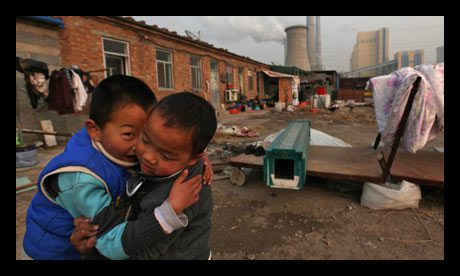

Tóibín begins his history of historical writing on the famine by stating “two things happened in its (the famine’s) aftermath. One, people blamed the English and the Ascendancy. Two, there began a great silence about the class division in Catholic Ireland.” What Tóibín describes is a hurting Ireland that could not afford to face the reality of the massive pain she had suffered. In the wake of famine, Ireland required a “nationalist fervor” to rise from the ashes. In 1854, the historian John Mitchel called the famine a “genocide”, insinuating that the British deliberately exterminated those who died in the tragedy. This extreme sentiment became milder in the 20th century but still survived in a veiled form. In the 1990s, Governor George Pataki of New York expressed the view that Great Britain purposely refrained from assisting the Irish during the famine. Views such as this serve politicians well because they incite feelings of nationalism in prospective voters.

The authors’ understanding of famine and its capacity as a political tool is outstanding. Over the last half-century or so, one can see a similar phenomenon taking place in Ethiopia, where political oppositions capitalize on government inefficiency in the face of famine. In 1973, the communist junta under rebel leader Mengistu Haile Mariam accused the reigning monarch of failing to deal with the problem, resulting in the overthrow of the government. After a war with Eritrea in the later 1990s, Ethiopia is once again reeling from economic impoverishment augmented by famine.

When there is famine, a political platform is raised that is conducive to a dangerous breed of nationalism. As the Irish famine illustrates, extreme situations of hunger cause people to question their government. This can be seen in the historiography of the Irish famine, which indicates a hatred toward the British monarchy that was so potent it survived into the late 20th century. These are only a few examples of how the tragedy of famine can be used as a political tool.

– Josh Forgét

Sources: The Irish Famine, BBC
Photo: Flickr

July 22, 2013
https://borgenproject.org/wp-content/uploads/borgen-project-logo.svg 0 0 Borgen Project https://borgenproject.org/wp-content/uploads/borgen-project-logo.svg Borgen Project2013-07-22 06:00:452020-07-16 19:08:21Famine for Political Ends
Children, Developing Countries, Food & Hunger, Global Poverty

6 Ways to Bring an End to World Hunger

6 Ways to Bring an End to World Hunger
The United Nations Food and Agriculture Organization estimates nearly 870 million people are suffering from chronic malnourishment despite the world producing more than enough food to feed everyone. Nearly all of these people, 852 million, live in developing countries. What can be done to solve world hunger?

1. Prevent Land Grabbing: The ugly truth of the future food supply scarcity issue is that wealthy, land-poor countries, including those in the Gulf and South Korea, are obtaining tracts of land in developing countries to use as allotments. Many African countries, including Ethiopia, Sudan, and Madagascar, have already been targeted. A reported estimate totaling an area the size of Spain has been taken from these countries leaving many families unable to feed their children. The push to end land grabbing is the main campaigning focus of the Enough Food For Everyone IF campaign.

2. Reform and Regulate: Large amounts of investment funds have flooded into the commodities markets since the 2008 financial crisis. The automated trading systems, which exploit the tiniest of flaws in the market, encourage volatility. This makes it extremely difficult for traditional traders to keep prices stable and capable of hedging against spikes in the market. Though this was a topic much discussed in the G20 and G8, an international agreement to reform and regulate the commodities markets has not yet been reached.

3. Produce Less Biofuel: With the pressure to reduce carbon emission from fossil fuels, wealthy countries have been turning sugar, corn, and other crops into ethanol and biodiesel. Burning large amounts of food in our cars reduces the amount available to eat and results in much higher food prices. If that does not sound catastrophic enough, evidence shows that many biofuels actually release more greenhouse gasses than fossil fuels. More greenhouse gasses means hotter, drier seasons, dying crops, and even more hungry people.

4. Support Small Farms: Many African farmers are less productive today than US farmers were 100 years ago. There is an agreement between NGOs and governments that supporting small farmers is the smartest solution for future food security. With a combination of aid, education in better farming methods, and the introduction of better seeds and fertilizer, a green revolution could soon be within Africa’s reach.

5. Target Infant Nutrition: Many companies and wealthy nations are backing an African government-led plan to eliminate malnutrition, and large improvements have already been made. The solution is education on good feeding techniques and getting the proper nutrients to the mother and child at the beginning of pregnancy. This aid is key because malnutrition is responsible for an 11% decrease in GDP in affected areas.

6. Reduce Poverty: No surprise here; economic growth is the key to reducing hunger. More trade, financial liberalization, and open markets will aid in the flow of food. Successful poverty-reducing methods in China have led many economists to believe that hunger in the country will be eradicated by 2020. As for the rest of the world, the UN’s Millennium Development Goals aim to end extreme poverty and hunger by 2015. If each UN-member state does its part, these goals can be achieved.

– Scarlet Shelton

Sources: The Guardian, World Hunger

July 22, 2013
https://borgenproject.org/wp-content/uploads/borgen-project-logo.svg 0 0 Borgen Project https://borgenproject.org/wp-content/uploads/borgen-project-logo.svg Borgen Project2013-07-22 04:30:292020-07-06 23:08:336 Ways to Bring an End to World Hunger
Food & Hunger

Where Kids Are Lacking Nutrition

Where Kids Are Lacking NutritionGlobal hunger has been a major world issue for all ages, affecting billions of people each day. Most of the focus is making sure that children and adults have enough food to prevent malnutrition and death. However, research developed by several agencies, governments, and scientists now shows that giving any kind of food may not be enough—the type of nutrients is just as important.

A deficiency in micronutrients, also called hidden hunger, accounts for approximately 7% of the disease burden and affects two billion people around the world. The lack of proper vitamins and minerals leaves a severe negative impact because it permanently affects people’s mental and physical capacity. Oftentimes people have food and are not affected by starvation, but they still do not get enough nutrients from the food they are eating.

The Hidden Hunger Index is a valuable tool because it shows where people, specifically young children who are still developing at a rapid pace, are lacking the nutrients needed to develop their bodies and minds properly as well as to develop a strong immune system to fight infectious and fatal diseases as they grow up.

According to the Hidden Hunger Index, 18 of the 20 countries with the highest rates of micronutrient deficiencies are in Africa, and Niger is number one with 47% of its children stunted, 42% anemic, and 67% with Vitamin A deficiency. However, because of the Hidden Hunger Index, experts not only know which areas are suffering the most, but also what they are suffering from, which is a big step in the right direction.

– Katie Brockman

Sources: SOS Children’s Villages, Scoop Independent News
Photo: Flickr

July 21, 2013
https://borgenproject.org/wp-content/uploads/borgen-project-logo.svg 0 0 Borgen Project https://borgenproject.org/wp-content/uploads/borgen-project-logo.svg Borgen Project2013-07-21 06:01:092024-05-25 00:02:21Where Kids Are Lacking Nutrition
Food Security

What is the Global Food Security Index?

What is the Global Food Security Index?
The Global Food Security Index ranks 105 countries according to their access to affordable, available and quality food.  The index was launched in 2012 by The Economist – Intelligence Unit (EIU) with sponsorship from the DuPont Corporation. The index is a dynamic quantitative and qualitative scoring model, constructed from 25 unique indicators which measure drivers of food security across both developing and developed countries.

Food security is defined as the state in which people at all times have physical, social, and economic access to sufficient and nutritious food that meets their dietary needs for a healthy and active life based on the definition established at the 1996 World Food Summit. The overall goal of the study is to assess which countries are most and least vulnerable to food insecurity through the categories of Affordability, Availability, and Quality and Safety.

Beginning in October 2012, the EIU began updating the index on a quarterly basis to adjust for the impact of fluctuating food prices. This food price adjustment factor is applied to each country’s Affordability score and is based on changes in income growth and global and domestic food prices. Over time, countries’ scores improve if food prices fall, and deteriorate if prices rise. The country-specific adjustments and their goal of translating fluctuations in global food prices to the national level result in different levels of score changes for each country, with vulnerable countries hurt the most by rising prices.

All scores are normalized on a scale of 0-100 where 100=most favorable. There are scores based on three categories: 1. Affordability, 2. Availability, and 3. Quality and Safety.

As of the first quarter of 2013, the top three scores and the bottom three scores in each category are as follows:

Affordability

Top three countries: USA (95.2), Australia (92.4), Switzerland (91.5)

Bottom three countries: Madagascar (20.4), DR Congo (17.4), Chad (14.4)

Availability

Top three countries: Denmark (92.4), Norway (91.8), France (88.3)

Bottom three countries: Niger (25.0), Haiti (22.4), Chad (21.7)

Quality & Safety

Top three countries: France (90.2), Israel (90.2), USA (89.3)

Bottom three countries: Togo (22.7), Ethiopia (20.0), DR Congo (16.1)

In a report titled ‘The Global Food Security Index 2012: An assessment of food affordability, availability and quality’, the EIU found that there is a positive correlation between countries with good food security and their related policies. Example policies include improving access to financing for local farmers, developing food safety net programs like school feeding programs, investing in agricultural technology, research & development, and promoting nutrition awareness.

Other key findings from the report :

  • The U.S., Denmark, Norway and France are the most food-secure countries in the world.
  • The food supply in advanced countries averages 1,200 calories more per person per day than in low-income economies.
  • Most food secure nations score less well for micronutrient availability.
  • Several of the sub-Saharan African countries that finished in the bottom third of the index, including Mozambique, Ethiopia, Rwanda, and Nigeria, will be among the world’s faster-growing economies during the next two years.
  • China experienced the least volatility of agricultural production during the last 20 years, and three North African countries—Morocco, Tunisia and Algeria—among the most.
  • Landlocked countries fared nearly as well as those with a coastline.

– Maria Caluag

Source: Global Food Security Index
Photo: UN Earth News

July 21, 2013
https://borgenproject.org/wp-content/uploads/borgen-project-logo.svg 0 0 Borgen Project https://borgenproject.org/wp-content/uploads/borgen-project-logo.svg Borgen Project2013-07-21 04:42:472020-07-06 23:34:40What is the Global Food Security Index?
Page 70 of 78«‹6869707172›»

Get Smarter

  • Global Poverty 101
  • Global Poverty… The Good News
  • Global Poverty & U.S. Jobs
  • Global Poverty and National Security
  • Innovative Solutions to Poverty
  • Global Poverty & Aid FAQ’s
Search Search

Take Action

  • Call Congress
  • Email Congress
  • Donate
  • 30 Ways to Help
  • Volunteer Ops
  • Internships
  • Courses & Certificates
  • The Podcast
Borgen Project

“The Borgen Project is an incredible nonprofit organization that is addressing poverty and hunger and working towards ending them.”

-The Huffington Post

Inside The Borgen Project

  • Contact
  • About
  • Financials
  • President
  • Board of Directors
  • Board of Advisors

International Links

  • UK Email Parliament
  • UK Donate
  • Canada Email Parliament

Get Smarter

  • Global Poverty 101
  • Global Poverty… The Good News
  • Global Poverty & U.S. Jobs
  • Global Poverty and National Security
  • Innovative Solutions to Poverty
  • Global Poverty & Aid FAQ’s

Ways to Help

  • Call Congress
  • Email Congress
  • Donate
  • 30 Ways to Help
  • Volunteer Ops
  • Internships
  • Courses & Certificates
  • The Podcast
Scroll to top Scroll to top Scroll to top