• Link to X
  • Link to Facebook
  • Link to Instagram
  • Link to TikTok
  • Link to Youtube
  • About
    • About Us
      • President
      • Board of Directors
      • Board of Advisors
      • Financials
      • Our Methodology
      • Success Tracker
      • Contact
  • Act Now
    • 30 Ways to Help
      • Email Congress
      • Call Congress
      • Volunteer
      • Courses & Certificates
      • Be a Donor
    • Internships
      • In-Office Internships
      • Remote Internships
    • Legislation
      • Politics 101
  • The Blog
  • The Podcast
  • Magazine
  • Donate
  • Click to open the search input field Click to open the search input field Search
  • Menu Menu

Archive for category: Disease

Information and news about disease category

Disease, Global Poverty, Health, Nonprofit Organizations and NGOs

The 5 Top Nonprofit Foundations

Top 5 Nonprofit Foundations
Throughout the world, millions of people face the development of disease. Many of these diseases are not yet curable, which has forced many to be fearful for their lives. Several organizations have come up with ways to fund research and provide information to those suffering from these diseases so that they can live longer and happier lives. These top 5 nonprofit foundations are among the many nonprofit organizations that have dedicated their lives to curing disease.

The March of Dimes Foundation

The March of Dimes Foundation is a U.S. nonprofit organization that works to improve the health of mothers and babies. Formed the day before World War II, the March of Dimes Foundation, formerly the National Foundation for Infantile Paralysis (NFIP), became very popular like its founder, Franklin D. Roosevelt. With the war in full effect, the Foundation was able to gain its rise through “radio, Hollywood and the personal appeal of the president.” The organization established the Office of Global Programs, that allowed worldwide partnerships with communities in Latin America, Europe and Asia bringing in prenatal education and care. The March of Dimes Global Network for Maternal and Infant Health has supported programs in China, Brazil, Lebanon, the Philippines, Malawi and Uganda.

United Way

United Way’s mission is to improve lives by mobilizing the caring power of communities around the world and advancing the common good. The organization collaborated with the Shanghai Charity Foundation to provide teacher training, a place for children to learn, educational toys and other learning materials for 20 kindergarteners. In 2010, the United Way worked with the Airbus Corporate Foundation to create the Flying Challenge, which encourages at-risk middle and high school students to stay in school. So far, the challenge has allowed more than 600 students from Wichita, Kansas to Getafe and Cadiz, Spain the opportunity to receive mentorship through the Flying Challenge initiative.

The Global Fund

Among the top 5 nonprofit foundations listed, the Global Fund is the newest organization to raise, manage and invest the world’s money towards infectious diseases. Since 2002, the Global Fund has focused on three infectious diseases; AIDS, TB and malaria. The organization has invested more than $4 billion a year to support programs in more than 100 countries. Many of these programs are occurring in countries within Eastern Europe, Central Asia, North Africa, the Middle East, Latin America, the Caribbean, the Pacific, and mainly, Sub-Saharan Africa.

The WHO

The World Health Organization formed in 1948 and is a specialized agency of the United Nations that is concerned with international public health. WHO has six regional offices, including its headquarters in Geneva, Switzerland. The WHO regional office in Africa and the Africa Centres for Disease Control and Prevention work together to end disease outbreaks and build stronger health systems. WHO has provided technical leadership in surveillance, vaccination and case management, and has deployed 700 international experts that respond to disease outbreaks. On July 2019, the Ministry of Health reported 2,620 Ebola cases with 1,762 deaths and 737 survivors.

UNAIDS

UNAIDS is the main advocate for accelerated, comprehensive and coordinated global action on the HIV/AIDS pandemic. Young women between the ages of 15 and 24 are more likely to obtain the virus. Four in five new infections in Sub-Saharan Africa among adolescents aged 15 to 19 years are girls. More than 35 percent of women around the world have experienced physical and/or sexual violence at some time in their lives. This makes it 1.5 times more likely for them to obtain HIV than women who have not experienced this form of violence. Towards the end of 2018, UNAIDS used $19 billion towards the AIDS response in low-and middle-income countries, which was $1 billion less than the previous year. UNAIDS believes that the AIDS response in 2020 will require $26.2 billion.

These top 5 nonprofit foundations have continued to raise money to fund research for cures that impact millions of people in the world. They have made it their responsibility to ensure that patients and their families gain the necessary care to gain power over their lives.

– Emilia Rivera
Photo: Flickr

September 11, 2019
https://borgenproject.org/wp-content/uploads/borgen-project-logo.svg 0 0 Kim Thelwell https://borgenproject.org/wp-content/uploads/borgen-project-logo.svg Kim Thelwell2019-09-11 09:00:312024-05-27 23:59:48The 5 Top Nonprofit Foundations
Disease, Global Poverty

Combating African Sleeping Sickness

African Sleeping Sickness, also known as African Trypanosomiasis, is common in rural Africa. It is spread by the tsetse fly, which is only found in 36 sub-Saharan countries, with about 70 percent of cases occurring within the Democratic Republic of the Congo. When the tsetse fly bites, a sore develops and within weeks hosts suffer from fever, severe headaches, irritability, extreme fatigue, joint pain and skin rashes. As the disease progresses and invades the nervous system, people face confusion, personality changes and ultimately sleeplessness. African Sleeping Sickness can prove to be fatal within months, if not treated.
Due to regional differences, there is both an East African Sleeping Sickness and West African Sleeping Sickness. The Eastern disease is caused by the parasite Trypanosoma brucei rhodesiense, with a couple hundred cases reported each year by the World Health Organization (WHO). The West African Sleeping Sickness on the other hand is caused by a parasite called Trypanosoma brucei gambiense, with nearly 10,000 cases reported annually by the WHO.

The Span of the Disease

Unfortunately, due to the lack of medicine and awareness in these rural African regions, there is minimal caution taken to avoid the disease. The African Sleeping Sickness is often neglected by other countries due to its limited region. A majority of those in affected regions have minimal access to health care or knowledge of disease prevention and treatment. Due to overcrowding and poverty, transmission increases among both animals and people. In fact, 40,000 cases were reported in 1998 from the WHO, but researchers estimate that at least 300,000 cases were left undiagnosed that year. The fear with this is that the disease will be allowed to escalate. There have been cases in which the patients have attacked their own family members, experienced frightening hallucinations or have screamed in gut-wrenching pain.

Treatments

The limited research and knowledge of this disease puts the victims at a heavy disadvantage. While there are a few drugs available for both East and West African Sleeping Sickness, at the moment there is no cure or vaccine. The most commonly used drug, pentamidine, is often used for first stage West African Sleeping Sickness, with other CDC approved drugs being uramin, melarsoprol, eflornithine and nifurtimox. However, these approved drugs can also have negative side effects, with melarsoprol found to have reactions that can prove to be fatal, and pentamidine causing stomach issues. The disease, if left untreated, can lead to meningoencephalitis, coma or death.

Organizational Support

Despite the grim standings of the disease, organizations are making efforts to change the status quo. The WHO is working to supply technical aid to national programs in Africa and are having volunteers deliver anti-Trypanosoma medicines for free. In 2009, the WHO established a biological specimens bank for researchers to conduct studies regarding new drugs and treatments. When attention towards the disease began to fade, the WHO developed a coordination network for victims of the disease to secure and maintain efforts against it. Starting in 2002, Bayer, supplied 10,000 vials of suramin treatment annually for an entire decade. Bayer took steps to expedite the fight against the disease in 2013 by funding and supporting mobile intervention teams in the Democratic Republic of the Congo. Through combined efforts, non-profit organizations as well as private companies are taking great strides against the deadly African Sleeping Sickness.

– Haarika Gurivireddygari
Photo: Flickr

September 11, 2019
https://borgenproject.org/wp-content/uploads/borgen-project-logo.svg 0 0 Kim Thelwell https://borgenproject.org/wp-content/uploads/borgen-project-logo.svg Kim Thelwell2019-09-11 08:52:392024-06-06 00:26:25Combating African Sleeping Sickness
Disease, Global Poverty, Water

What is Davos? Alleviating Poverty

What is Davos
For the last 50 years, world leaders have been flying across the world to take part in the World Economic Forum’s (WEF) facilitated conversations that might leave people wondering what is Davos, exactly? The small Swiss town, Davos, is home to the annual meeting held by WEF where invited elite address global issues and how to solve them.

In 2019, there were 3,000 people that joined together in the Swiss Alps to propose new initiatives for various issues, including how to help those in developing countries. The organization has been present in the creation of successful initiatives to provide vaccines and water to those in poverty as well as in the development of a project to prevent sickle cell disease in Ghana.

Gavi the Vaccine Alliance

Nearly two decades ago, Gavi the Vaccine Alliance launched at Davos, an organization that aims to provide vaccines and immunizations to children living in poverty. The Bill and Melinda Gates Foundation provided $750 million to get the organization running.

The World Health Organization (WHO) also founded Gavi and began partnering with the United Nations Children’s Fund (UNICEF) in 2008. UNICEF distributes vaccines and immunizations on behalf of Gavi, having spent $1 billion in 2014. In 2018, UNICEF distributed products to nearly 70 countries for Gavi, and plans on doing the same in 2019, according to its shipment plans.

Gavi’s goal is to immunize 300 million children between 2016 and 2020, already having provided 700 million children with immunizations. When people living in poverty receive vaccines to common diseases, it removes a financial burden and could eventually allow them to alleviate their poverty, according to a Harvard Health Policy Review article.

Water.org’s Clean Water Initiative

At the 2017 Davos meeting, Matt Damon and Gary White, founders of Water.org, announced the organization’s partnership with Stella Artois in providing water to 3.5 million people. According to WHO, 2.1 billion people lack access to clean, safe water in their home which can lead to the spread of diseases and death. To combat this phenomenon, Water.org is selling Stella Artois chalices and using a portion of the profits for WaterCredit, a system that allows local communities to take out loans to improve their water situation. This can mean different solutions for different communities allowing them a choice that best serves their needs, according to NPR. This partnership is just one of the initiatives in place by Water.org; Water.org and Stella Artois have been working together since 2015 and have helped over 1.7 million people gain access to clean water.

Sickle Cell Screening in Ghana

At the 2019 Davos meeting, the government of Ghana signed a five-year Memorandum of Understanding (MOU) with Novartis, a Swiss pharmaceutical company, to treat sickle cell disease within the country. Two percent of Ghanian newborns are born with sickle cell disease, according to a 2005 study of over 200,000 newborns. Director of Ghana Health Service, Dr. Anthony Nsiah-Asare, stated at Davos that he hopes that the MOU will allow for the placement of treatment centers in all regional hospitals and the screening of every newborn while also collecting and analyzing data on the disease.

As of March 2019, 5,600 doses of Hydroxyurea, a daily drug treatment for the disease, went to Ghana for sale at a reduced price, according to Ghana Business News. By September 2019, 40,000 more doses should enter the country.

In answering the question, “what is Davos?”, it is a small city where big leaders have been working towards making changes for more than 20 years, like the alleviation of poverty through acts such as providing vaccines, clean water services and disease screenings to countries in need. At varying levels of success, these initiatives have reached millions of people suffering from poverty and seem to be maintaining momentum.

– Makenna Hall
Photo: Flickr

September 5, 2019
https://borgenproject.org/wp-content/uploads/borgen-project-logo.svg 0 0 Kim Thelwell https://borgenproject.org/wp-content/uploads/borgen-project-logo.svg Kim Thelwell2019-09-05 11:34:232024-05-29 23:10:46What is Davos? Alleviating Poverty
Disease, Global Poverty, Life Expectancy, Water

10 Facts About Life Expectancy in Fiji

10 Facts About Life Expectancy in Fiji
Fiji is an island that attracts tourists with its beautiful beaches and humble hosts but is one of the top 100 countries when it comes to short life expectancy. Here are 10 facts about life expectancy in Fiji.

10 Facts About Life Expectancy in Fiji

  1. In 2017, 25 out of every 1,000 babies died before their fifth birthday. Malnutrition is one of the primary causes of such a high under-five mortality rate. UNICEF reported that in 2004, over 40 percent of children in Fiji were malnourished and parents did not have the funds to buy their children the food they needed to survive.
  2. In 2013, 28 percent of the population lived below the poverty line. Currently, over 250,000 of the 900,000 people in Fiji are in poverty. Due to a lack of income, many people that live in rural areas moved to urban areas in order to increase livelihood and potentially live longer.
  3. Neonatal mortality was at 11 per 1,000 births in 2017. Neonatal mortality was another reason the death rate was high in Fiji. Premature births, birth defects and low birthweight were the leading causes. According to UNICEF, lack of access to food due to economical shortages contributed to early childhood deaths.
  4. Fiji had 49 tuberculosis incidents per 100,000 of its people in 2017. People who lived in urban areas were susceptible to tuberculosis due to pollution and overcrowding.
  5. In 2016, there was a 31 percent mortality rate due to heart disease, cancer, diabetes or chronic respiratory disease. Obesity is one of the leading causes of heart disease, diabetes and chronic respiratory disease. In 2016, there were 81 percent of women and 55 percent of men who were overweight.
  6. Fiji has both private and public health care facilities, but both suffer from limited access to medication. According to a survey by the National Center for Biotechnology Information, this is due to affordability, as unemployed patients can not always afford their required medication. Based on the survey, 16 out of 48 people were unable to receive medication due to lack of funds. Fiji is trying to improve this through better water infrastructure, more centralized resources and community aid.
  7. Dengue fever is a common illness in Fiji. Dengue fever is a mosquito illness that causes flu-like symptoms. The symptoms can be fatal if it goes untreated. The death rate spiked due to how common the illness is and doctors’ inability to treat patients in rural areas. Estimates determine that 100 million cases occur each year, especially during the summer. Fiji destroyed mosquito habitats and recommended avoiding mosquito bites to combat this.
  8. Statistics estimate that Fijians should live until age 73. As of 2018, rankings placed Fiji at 141 out of 223 countries, which made life expectancy in Fiji the 82nd worst country. Diseases, lack of medicine and poverty are the main reasons why Fijians do not live longer.
  9. Sixty-eight percent of Fiji’s population drink unsafe tap water in urban areas. In some cases, the people who lived in the urban areas of Fiji became sick because they had to rely on rivers for fresh water. Organizations like UNICEF and the World Health Organization worked on the development of Fiji’s water quality by training environmental health officers to test water supplies and make sure it was safe to drink.
  10. In 2016, the death rate was seven per 1,000 people. Noncommunicable diseases accounted for 84 percent of these deaths. Others included physical violence toward women, infant deaths and malnutrition.

These 10 facts about life expectancy in Fiji should not be a cause for concern, because, despite Fiji’s low life expectancy, it has improved over the years. Poverty was at 35 percent in 2009 and it is now at 28 percent. As long as the government continues to find ways to increase the stability of people in rural areas, Fiji’s life expectancy should continue to increase.

– Reese Furlow
Photo: Flickr
September 5, 2019
https://borgenproject.org/wp-content/uploads/borgen-project-logo.svg 0 0 Jennifer Philipp https://borgenproject.org/wp-content/uploads/borgen-project-logo.svg Jennifer Philipp2019-09-05 01:30:112024-05-27 23:59:5210 Facts About Life Expectancy in Fiji
Disease, Education, Global Poverty, Life Expectancy

10 Facts About Life Expectancy in Germany

10 Facts About Life Expectancy in Germany
Germany is a developed country that offers decent living conditions for its citizens. The average life expectancy is 81 years, which aligns with Europe’s average life expectancy. While there are numerous factors that play a role in determining life expectancy, Germany makes a tremendous effort to manipulate these factors and extend the average. Here are 10 facts about life expectancy in Germany.

10 Facts About Life Expectancy in Germany

  1. Education and Skills: When examining the 10 facts about life expectancy in Germany, it is important to consider schooling. To benefit its citizens, Germany features a highly respected dual-apprenticeship system in its high schools. Students receive both general and occupation-specific education, indirectly improving job quality and earning potential. Eighty-seven percent of German adults between the ages of 25 and 64 have completed upper-secondary education, which is well above the Organization for Economic Cooperation and Development’s (OECD) determined 78 percent average.
  2. Jobs and Earnings: Job security and salaries often determine the living conditions of families, making it an important factor in determining life expectancy. Seventy-five percent of Germans between the ages of 15 and 64 have a paid job. Only 1.6 percent of Germany’s labor force do not have employment, which is less than the OECD’s average of 1.8 percent. The government recognizes the importance of income and takes a stand by protecting its labor force. In 2015, Germany established a statutory minimum wage. Collective bargaining has diminished, allowing financial-security for low-income workers.
  3. Environment: The German government has made a public effort to make public transportation more efficient by investing in cleaner trains and hybrid buses in order to reduce emissions. The government has also acted to modify heating units such as wood-burning stoves. In 2010, Germany mandated the refitting of these units with particulate filters by 2024 if emissions do not reduce by then.
  4. Social Connection: While it seems odd to include social connections in a list of 10 facts about life expectancy in Germany, people’s social network plays a large role in guiding their life. In Germany, the FAMILIENwerkSTADT project aids migrant families by easing them through the process of assimilation. In this program, childcare facilities focus on providing children with better access to education. Immigrant families are less isolated through such programs. Ninety percent of Germans are confident that they know someone outside of immediate family that they can count on in bad times, similar to the OECD average of 89 percent.
  5. Health Status: Germany has a life expectancy of 81 percent, slightly above the OECD average of 80 percent. The government is able to provide equal health care for all of its citizens by recognizing those with disabilities. Any workers with health issues have the right to receive aid from their employers such as a modified workplace, special help and part-time opportunities. Germany has spent a GDP of nearly 0.3 percent on disabled people, which is much higher than in other OECD countries.
  6. Work-Life Balance: The government encourages flexible schedules because of the importance of family commitments. In 2015, Germany instituted the Erfolgsfaktor Familie (Family as a Success Factor) to achieve work-life balance. This program advocated for flexi-time for all employees as well as more affordable childcare. Later that same year, Germany established a parental reform in which parents receive money for taking more time off. Currently, full-time Germans are able to spend 65 percent of their day (15.6 hours) for personal care, compared to the OECD average of 15 percent.
  7. Civic Engagement: When people are more satisfied, their life expectancy increases. The German government has a “strong youth policy infrastructure,” in which it gives younger generations higher importance. This means to allow people to feel involved in their community and be much happier. In recent German elections, estimates determined voter turnout as 76 percent, which was much higher than the OECD average of 68 percent.
  8. Housing: Clean and safe living conditions determine whether people can have healthy lives. German households have an average of 1.8 people per room, which is in line with the OECD standard. The government launched a program to expand housing in 1993 and it modified 1.1 million units. In fact, 99.8 percent of every household unit in Germany has access to a private indoor flushing toilet.
  9. Personal Security: Another factor that determines life expectancy is personal security. While organized crime was a major hazard in the streets of Germany, the police have conducted a major crackdown on Middle Eastern crime families. Before the police crackdown occurred, “The streets are [were] actually regarded as a separate territory. Outsiders are [were] physically assaulted, robbed and harassed.” The homicide rate in Germany is at 0.5, whereas the average of the OECD 3.7.
  10. Cardiovascular Disease: As the leading cause of death in Germany, cardiovascular disease takes a large toll on the population. In fact, cardiovascular disease caused 92 percent of deaths in 2018 for people 65 and older. In order to draw attention to current research, the government gave the German Heart Center of the State of Bavaria membership in the German Center for Cardiovascular Research. The German Heart Center of the State of Bavaria is the leading center in Germany for therapeutic interventions and treatments. By giving the Center membership in the German Center for Cardiovascular Research, it will receive more funding and opportunities to continue its research.

These 10 facts about life expectancy in Germany go well beyond a person’s living conditions, health, happiness or education. In fact, the German government has demonstrated its role in ensuring that people are living their lives to the fullest.

– Haarika Gurivireddygari
Photo: Flickr

September 2, 2019
https://borgenproject.org/wp-content/uploads/borgen-project-logo.svg 0 0 Jennifer Philipp https://borgenproject.org/wp-content/uploads/borgen-project-logo.svg Jennifer Philipp2019-09-02 01:30:162024-05-29 23:12:1910 Facts About Life Expectancy in Germany
Disease, Global Poverty, Life Expectancy

10 Facts About Life Expectancy in Argentina

10 Facts About Life Expectancy in Argentina
Between 2010 and 2014, mortality from HIV/AIDS rose from 3.2 deaths per 100,000 people to 3.4 deaths per 100,000. Some people in Argentina also face water scarcity, a lack of basic services and supplies, low wages and limited access to food markets. These 10 facts about life expectancy in Argentina display the quality of life and health of Argentinians.

10 Facts About Life Expectancy in Argentina

  1. Over the years, life expectancy has increased for Argentina‘s citizens, reaching 76.7 years in 2017 while it was just over 65 in 1960.
  2. Due to Argentina’s increased focus on allocating resources frugally, creating a relatively high inpatient service availability and undergoing rapid socioeconomic development, Argentina’s improving health care system has worked to optimize available medical resources. These resources help sustain and slowly increase the average life expectancy in Argentina to 77 years, four more than the global average.
  3. Access to affordable clean drinking water in Argentina has dramatically improved over the last two decades while millions still encounter drinking water contaminants dangerous to public health. According to a book by Eileen Stillwaggon, Argentina has “Twenty thousand child deaths a year from avoidable causes, such as summer diarrhea…” The spread of disease with relative ease creates grim conditions for Argentina’s working and lower class, who have comparatively inadequate health care. Currently, 84 percent of residents have access to water from a public grid, while 58 percent have access to sanitation services. According to the World Health Organization, approximately half the population has no proper waste disposal service. The socio-economic conditions of the indigenous population in Argentina suggests a fundamental flaw in their health and safety infrastructure, that ultimately allows for the easy spread of disease.
  4. Despite the appearance of affluence and impressive medical infrastructure, the economic disparity between the rich and poor creates disproportionate aid distribution. This disparity explains the unusually high life expectancy, where the rich often live longer and healthier lives near the developed parts of the country. The 40 percent of those impoverished in Argentina have “no unemployment compensation, health coverage or pensions” living in slum conditions due to Argentina’s splintered health care system. As a result, certain areas are more prepared to fight disease outbreaks.
  5. With arduous living and drinking conditions, and most of the poor being children, infant and maternal mortality rates are surprisingly lower than in other countries with a smaller GDP. According to the World Health Organization, maternal mortality declined from 331 deaths to 298, a decline from 4.4 to 3.9 maternal deaths per 10,000 births in certain regions. The maternal mortality rate increased above the global average in other areas.
  6. Chagas disease has infected more than five percent of people in Argentina. With a crippling medical infrastructure, these health hazards fester and allow the spread of disease, where the impoverished live off garbage from dumps with mixtures of industrial and medical waste due to improper disposal.
  7. The percentage of people below the poverty line has decreased by five percent since 2016. COFESA, the federal health council, is working with the national authorities in Argentina to create and implement an effective universal health care system to reintegrate impoverished people back into the workforce. Its primary focusses are specific health problems and the lack of access to medical care in various regions.
  8. Argentina has eliminated many preventable diseases such as measles and rubella. Most universal vaccinations have been very successful with outbreaks of hepatitis A and B on the decline. A study in 2012 confirmed that the rate of measles outbreak has remained steady for almost a decade. Argentina spends seven percent of its GDP on health care initiatives, one of the highest in South America.
  9. Despite 37 percent of Argentina’s population being classified as overweight and 20 percent obese, food protection agencies have developed better public health initiatives to educate people about the dangers of overconsumption. The overall decreased consumption of salt demonstrates the success of these government programs aimed at fixing the conditions of marginalized rural and urban communities and increasing public health along with improved life expectancy.
  10. Infection by Trypanosoma cruzi (Chagas disease) affected 2.5 percent of pregnant women and 5.7 percent of children during pregnancy and leading up to delivery. Infections in pregnant women are of paramount importance due to the relative ease of passing diseases onto offspring.

Argentina, Bolivia, Brazil and Paraguay created a joint initiative to study the socio-economic conditions of the more rural regions to discover why diseases plague certain parts of their countries and not others. With an increasing life expectancy, Argentina’s has one of the largest labor forces in the world. Universal access to health care is Argentina’s end goal and some of the information in these 10 facts about life expectancy in Argentina demonstrate that things are looking positive for the future.

– Adam Townsend
Photo: Flickr

September 1, 2019
https://borgenproject.org/wp-content/uploads/borgen-project-logo.svg 0 0 Jennifer Philipp https://borgenproject.org/wp-content/uploads/borgen-project-logo.svg Jennifer Philipp2019-09-01 01:30:522024-06-11 23:17:1610 Facts About Life Expectancy in Argentina
Disease, Food Security, Global Poverty, Life Expectancy

10 Facts About Life Expectancy in Namibia

Life Expectancy in Namibia
Namibia has continued to make large strides in many aspects of life, including life expectancy. Having suffered a history of colonization and oppression, Namibia struggled for years with political, social and cultural issues. However, as the country has begun to strengthen and mingle on a global level, it has and is continuing to make exceptional progress. These 10 facts about life expectancy in Namibia will bring attention to the country’s progress and highlight the necessary changes.

10 Facts About Life Expectancy in Namibia

  1. Life Expectancy in Namibia is Improving: The CIA World Fact Book rates the average life expectancy for Namibians at 64.4 years, ranking the country 189th worldwide. This is a giant increase from the previous life expectancy rate of 53.5 years in 2005.
  2. Infant Mortality in Namibia is Improving: Coinciding with the steadily increasing life expectancy is the steadily decreasing infant mortality rate. According to the World Bank with data going back to 1967, the infant mortality rate has halved, going from a staggering 62.6 deaths per 1,000 births down to 31.8 deaths per 1,000 births. This is in line with countries that share a similar history to Namibia, like South Africa, which has an infant mortality rate of 28.8 deaths per 1,000 births. Both of these countries still trail behind other nations within the continent, like Egypt, which has an infant mortality rate of 18.8 deaths per 1,000 births.
  3. The Namibian Economy is Improving: There is a strong correlation between Namibia’s continually improving social and medical situation and its continued economic prosperity. According to the World Bank, the country’s GDP has more than quadrupled from the 1980s to today jumping from $2.4 billion in 1980 to an impressive $14.5 billion in 2018. Namibia continues to improve economically and was the top emerging market economy in Africa in 2013. It is also important to note that there have been continued efforts to distribute the wealth that the country is coming into. In 1990, after Namibia had gained its independence, it had the highest levels of income inequality in Africa. After policy changes, however, income inequality has significantly decreased.
  4. Social Justice Has Helped Namibia Prosper: Similar to South Africa, Namibia has a long and unfortunate history of apartheid. Apartheid prevented black Namibians from having any political rights and restricted social and economic freedom. It was not until the 1990s that Namibia gained its independence. Namibia’s large population’s roadblocks resulted in the before mentioned wealth inequality. However, once everyone received an equal footing and the Namibian Government looked at the entire population rather than a small few, the poverty rate decreased from 53 percent to 23 percent.
  5. Health Care in Namibia is Not Consistent: As Namibia has continued to improve, so has its health care. There are currently both public and private health care options with 85 percent of the population having the former. There is, however, a severe discrepancy in the service provided between private and public health care. Public hospitals are understaffed and offer limited services. The government has expressed its awareness of these issues and commitment to solving them. Its commitment is outlined in the National Health Policy Framework 2010–2020 and it is implementing efforts to grow the government budget line for health.
  6. Namibians Suffer From Preventable Diseases: Similar to many African countries, the impoverished sectors of Namibia are suffering from preventable diseases, but that is not to say that there have not been major improvements. The country has eliminated neonatal tetanus and the African Regional Certification Commission recognizes it as polio-free. This is due to the Government’s intense focus on fixing these issues. The Namibian Government has even decreased the number of malaria cases by 97 percent in just a decade.
  7. HIV is on the Decline in Namibia: One of many countries suffering from an HIV epidemic, Namibia is thankfully showing improvement. A report published by the Namibia Statistics Agency showed that the new infection rate had decreased from 14 per 1,000 adults to four per 1,000 adults. The same report stated that “as with the fight against extreme poverty, it is possible that a continuation in this effort can lead to zero new infections in the country by 2030.”
  8. Climate Has an Impact on Namibia: According to the World Health Organization, climate change and environmental safety are two major issues facing Namibia. Droughts, floods and disease outbreaks highlight the need for better planning and coordination as well as the importance of attending to environmental health as a preventative method when considering social, economic and cultural progress. Groups all over Namibia dedicate themselves to different issues within the larger context. Two of those groups are Namibia Nature Foundation, which is committed to conservation, and the Africa Drought Conference, which is part of the Government’s efforts to address the drought issue.
  9. Namibia is Rapidly Urbanizing: Urbanization has long been a sign of prosperity, but mass urbanization presents challenges. In Namibia, there are constantly high unemployment rates stemming in part from rapid urbanization. A staggering 34 percent of the total labor force, which mostly affects youth and women, do not have employment. This has been contributing to a growing number of poor who lack access to food and other social services.
  10. Namibia Has a Food Problem: Although Namibia is an upper-middle-income country, it still faces many problems including poverty and malnutrition. Namibia only produces about 40 percent of food consumed and is very reliant on imports. The limiting of access to food leads to price fluctuations harming up to 28 percent of Namibian families. The Food and Nutrition Technical Assistance III Project (FANTA) is just one of the many groups trying to improve the quality and access to nutrition. It also has an increased focus on sustainability.

Some have labeled Namibia one of the most promising countries in Africa because of its increasing social, cultural and economic status. One, however, cannot ignore that there is still a lot of room for progress, especially when looking at the less privileged groups in the country. These 10 facts about life expectancy in Namibia highlight all the good that has taken place and should pose some insight into the future.

– Samira Darwich
Photo: Flickr


August 26, 2019
https://borgenproject.org/wp-content/uploads/borgen-project-logo.svg 0 0 Kim Thelwell https://borgenproject.org/wp-content/uploads/borgen-project-logo.svg Kim Thelwell2019-08-26 06:34:572024-05-29 23:10:5110 Facts About Life Expectancy in Namibia
Disease, Global Poverty, Water Sanitation, Women's Empowerment

The BARKA Foundation is Bringing Clean Water to Burkina Faso

BARKA Foundation

Burkina Faso is a small, land-locked country located in western Africa. Due to recurring droughts and the lack of efficient infrastructure, access to clean water remains an issue in Burkina Faso, especially during the dry winter months when two of the country’s three rivers dry up. In addition to water scarcity, many areas still do not have the sanitation facilities necessary to ensure drinking water is clean and safe. An organization called the BARKA Foundation is working to change that.

Barka is an African word meaning gratitude, blessing and reciprocity. These three words embody the mission of the BARKA Foundation, an American non-profit that strives to bring clean water to all parts of Burkina Faso. In 2015, 93.3 percent of the rural population and 80.3 percent of the total population did not have improved sanitation facility access. Nearly half the country still lives without clean water. Dirty water can spread diarrheal diseases and other infections to the public. Below are descriptions of the BARKA Foundation’s current clean water projects, and the positive effects these projects have had on communities in Burkina Faso.

WASH

Water, Sanitation and Hygiene Education (WASH) is a long-term initiative that not only supplies rural villages with clean water but also educates the villagers on important sanitation and water purification practices. The goal here is sustainability. By giving village members lifelong sanitation skills, BARKA can be confident that their positive impact will continue after they have left. WASH objectives include digging wells, building latrines and educating members of the community.

Part of what makes the BARKA Foundation special is its culturally sensitive and community-based approach to clean water. Before any project starts, BARKA makes sure it is in accordance with the Declaration of Rights of Indigenous Peoples’ Principle of Free, Prior and Informed Consent (FPIC). This principle ensures that all beneficiary communities agree to the non-profit’s presence and initiatives, have the right to negotiate the terms of the agreement and can withdraw consent at any time.

BARKA also makes a point of developing sustained personal relationships with each village, so the two groups can develop trust and collaborate effectively. The foundation establishes water and sanitation committees in each town, which are run by the villagers and must be made up of equal parts men and women. These principles are central to WASH’s desire to create a sustainable system of clean water and sanitation. So far, more than 25,000 rural villages have been improved by WASH. The organization has drilled 6 wells and built 14 bathrooms in 5 primary schools in rural areas.

Social Art

BARKA recognizes the cultural importance of song, dance and performance in Burkina Faso. Therefore, to engage village members, the BARKA Foundation uses theater to relay information to the public. These performances involve a portable stage along with light and sound equipment. The plays often contain themes such as female empowerment and sustainable agriculture. After a performance, the audience and the actors on stage have a lively debate where questions may be asked or points challenged. The goal is to create an immersive and interactive learning experience in which everyone can participate.

The adult literacy rate in Burkina Faso is only 34.6 percent. For this reason, engaging and participatory education is extremely important in rural areas. BARKA wants to get the necessary information out there in an effective way that does not exclude illiterate members of society. BARKA has involved 10,023 people in villages and public performances to date, benefiting more than 16,000 people. The average audience size per performance is 432 people.

Walk for Water

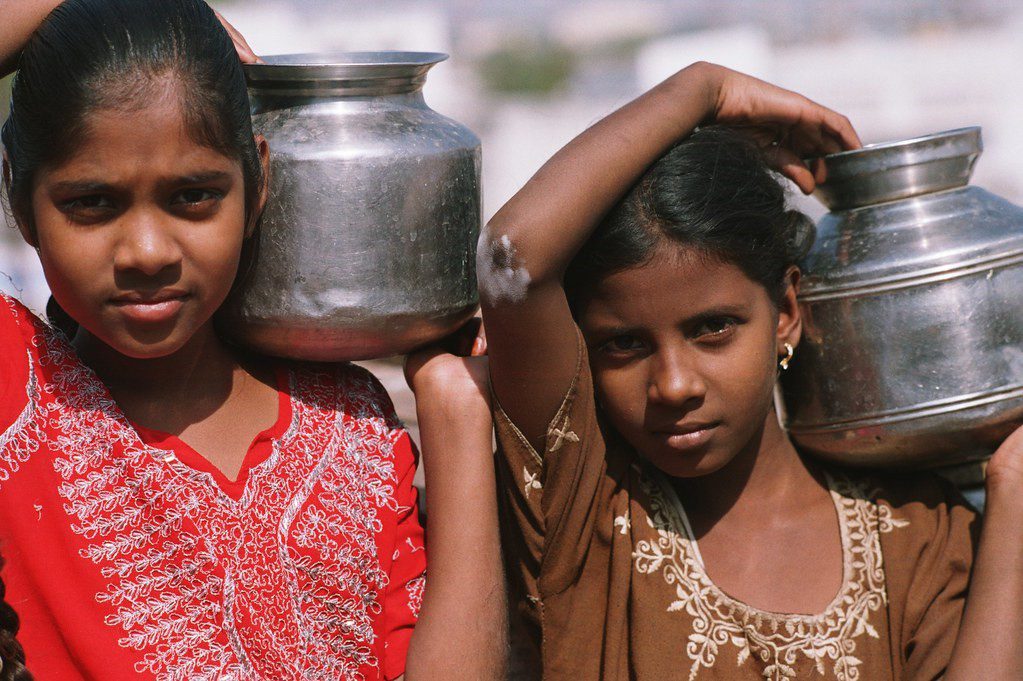
A great way for people in their home countries to get involved with the BARKA Foundation is to do a Walk for Water. When there are no wells close by, villagers must travel to a water source to fill up heavy jugs of water and lug them home. The chore typically falls on the shoulders of women and girls in the village, so they usually have to attend to small children while making the journey. Often, those going to get water are barefoot or equipped with poor footwear. This practice is physically tiring and time-consuming and takes time away from girls’ education.

Walks for Water are an imitation of this daily burden. Classrooms, schools and clubs raise money and awareness by carrying water jugs and walking for a set distance (usually 6 kilometers). The fundraiser engages the entire community and is a great way to get everyone involved in an important cause.

Ceramic Filters

Ceramic water filters are a cheap, environmentally sustainable and generally effective way to purify household water. The CDC found that people who used ceramic filters were 60 to 70 percent less likely to contract diarrheal diseases from their drinking water. While these filters are useful for removing most protozoa and bacterial pathogens, they are typically not as effective at removing viruses. For this reason, filters should not be considered a long-term solution but rather an important step.

The BARKA Foundation uses a “cross-subsidization” model to distribute filters to impoverished areas. Essentially, BARKA sells the filters to NGOs and the Burkinabe middle class that can afford them. They then use those profits to distribute ceramic filters to poor areas, often visiting rural villages with little to no sanitation facility access. These filters represent a simple and effective way to ensure every household has at least some method of water purification.

The Future of Clean Water in Burkina Faso

Although the federal government recognized the importance of clean water distribution with the Water Act in 2001, Burkina Faso’s local governments largely do not have the money or resources to maintain filtered water and sanitation practices. The BARKA Foundation seeks to fill these gaps, and its efforts have no doubt resulted in success on the ground.

While it can be difficult to quantify exactly how much improvement BARKA has brought about, they are headed in the right direction. In 2005, a year before BARKA was founded, the life expectancy in Burkina Faso was 53.3 years. Today, the country’s life expectancy is about 61 years. BARKA’s various projects will continue to fight poverty by bringing clean, safe and sustainable water to Burkina Faso.

– Morgan Johnson
Photo: Flickr

August 19, 2019
https://borgenproject.org/wp-content/uploads/borgen-project-logo.svg 0 0 Kim Thelwell https://borgenproject.org/wp-content/uploads/borgen-project-logo.svg Kim Thelwell2019-08-19 01:30:402024-05-29 23:10:50The BARKA Foundation is Bringing Clean Water to Burkina Faso
Disease, Global Poverty

Landslides in Bangladesh – Recurring Social Issues

Tropical Cyclones in Bangladesh Monsoon season in the Bay of Bengal usually lasts from June to September and can be characterized by sudden, violent downpours of torrential rain. These heavy rains are integral to the climate and culture of this part of the world, but can also pose a threat to lives and infrastructure when storms become severe. In the Chittagong Hill Tracts region of Bangladesh, monsoon rains and cyclones can trigger landslides on the steep, uneven ground. These landslides have become increasingly deadly in recent years. Substantial landslides in the second half of the 20th century typically recorded few to no deaths. This changed by the turn of the century: in the 2007 and 2017 landslides, 136 and 170 people died, respectively. Landslides in Bangladesh are becoming deadlier and the government must take measures to prevent further loss of life.

Rapid and Unplanned Urbanization

With an urbanization rate of 3.17 percent, Bangladesh has experienced a large amount of internal migration. People who seek better job and educational opportunities are moving to urban areas. Urbanization itself is not a bad thing, but problems can arise when local governments do not utilize appropriate city planning measures. For example, 21.3 percent of Bangladesh’s urban population lived below the poverty line in 2010, and 62 percent of the urban population lived in slums in 2009. These statistics reflect an inability to accommodate a quick, large influx of people.

In the Chittagong Hill Tracts region, unplanned urbanization can be deadly. People seeking land in the area often end up settling on the hills just outside of urban centers. Building is supposed to be prohibited on these landslide-prone areas, but zoning is typically not enforced and people ignore the warnings. The Department of Energy found that there are about 2,000 families in the area currently at high risk.

Indigenous Displacement and Land Conflict

Land in the Chittagong Hill Tracts has a contentious history. Groups of indigenous people in Bangladesh have long fought for rights and protections that the federal government is reluctant to give. In the 1970s, an indigenous guerilla group launched an insurgency on settlers who were encroaching on their territory. The 1980s saw no more protection for indigenous lands, but a large influx of Bengali settlers moved to the area as part of a government-supported migration effort. Violence has since persisted between landless Bengali settlers building in the hills and indigenous communities who once called the area home.

Indigenous communities in Bangladesh suffer disproportionately from land conflicts and lack of governmental support. It is estimated that about 90,000 indigenous people were displaced as a result of the conflict, with many families setting up temporary structures on the steep and unstable slopes. Amnesty International has called on the Bangladeshi government to be more proactive in recognizing indigenous rights, but concrete progress on the issue remains evasive.

Increased Cost of Building Materials

Because many indigenous communities have lived in the Chittagong Hill Tracks for generations, they have the knowledge necessary to allow them to build homes that are less vulnerable to landslides in Bangladesh. Ideally, homes on these slopes would be stilted so that mud and water can pass underneath without causing damage. The increased cost of lightweight building material like bamboo, however, has recently made this practice much more expensive. When families cannot afford materials to stilt their homes, they are forced to build on the ground and in the path of landslides. These ground-level homes can also make the hills more unstable, as digging increases the amount of loose earth on the slopes.

Increased Storm and Monsoon Intensity

Monsoons have been changing in recent years. Increasingly, rain comes in powerful torrential downpours that may only last a few days but can dump as much water as would previously be recorded over the span of a month. This pattern is likely to increase the frequency of dangerous landslides as water has less time to seep into groundwater deposits.

Cyclones, known in North America as hurricanes, are single storm systems that form over the ocean and carry rain and wind to land along the coast. Only about 5 percent of the world’s tropical cyclones form over the Bay of Bengal. However, out of 10 cyclones that recorded very high loss of life, five were in Bangladesh. This statistic reflects the vulnerability of people living on the exposed hill tracts.

Measures Being Taken

Local governments have recently been more proactive about implementing storm warning and evacuation systems in vulnerable areas. Only 11 people died from landslides last year, which is significantly less than the 170 landslide fatalities in 2017. However, in the Chittagong Hill Tracts district, there are no official storm shelters. This means that during periods of evacuation, government-run buildings such as radio and TV stations must accommodate people fleeing their homes. These buildings sheltered about 4,000 people last year. Official storm shelters would be better equipped to handle the increasing number of people fleeing storm damage.

The Asian Disaster Preparedness Center (ADPC) is recommending that until more concrete preventative measures can be taken, schools and faith-based organizations should work to prepare and educate communities about the dangers of landslides in Bangladesh. If people living on the slopes of the Chittagong Hill Tracts cannot avoid landslides, they may have to learn how to adapt to them.

– Morgan Johnson
Photo: Flickr

August 13, 2019
https://borgenproject.org/wp-content/uploads/borgen-project-logo.svg 0 0 Kim Thelwell https://borgenproject.org/wp-content/uploads/borgen-project-logo.svg Kim Thelwell2019-08-13 14:08:102024-05-24 23:59:40Landslides in Bangladesh – Recurring Social Issues
Disease, Global Poverty, Malaria

The RTS,S Vaccine Protects Against Malaria

RTS,S VaccineA new vaccine known as the RTS,S vaccine is currently being piloted in the African nations of Ghana, Malawi and Kenya.  The RTS,S vaccine has been in development for over 32 years. It is the first malaria vaccine that has been shown to provide young children with partial protection from malaria.

What is Malaria?

Every single year, the malaria virus kills one million people around the world. It is estimated that 300-600 million people suffer from malaria every year. Additionally, 90 percent of malaria cases occur in Sub-Saharan Africa. The majority of malaria’s victims are children under the age of five.

According to UNICEF, Malaria kills one child every thirty seconds, which is about 3,000 children every single day. Malaria hinders children’s social development and schooling. Furthermore, malaria is a major cause of poverty. For example, the cost of malaria control and treatment actually slows economic development in Africa by 1.3 percent.

RTS,S Malaria Vaccine Pilots

In clinical trials, the RTS,S vaccine was found to prevent about 4 out of 10 malaria cases. Additionally, it proved to prevent 3 in 10 cases of severe, life-threatening malaria. The malaria vaccine has also been shown to reduce severe malaria anemia by 60 percent. Severe malaria anemia is the most prevalent reason that children die from malaria.

The organizations of Unitaid, Gavi, the Vaccine Alliance and the Global Fund to Fight Aids, Tuberculosis and Malaria funded and supported these pilots.

Impact

Currently, an estimated 360,000 children are expected to receive the RTS,S vaccine through immunization programs in certain areas of Malawi, Ghana and Kenya. However, the main weakness of the immunization programs is in how they store and transport the vaccines. The effectiveness of a vaccine is dependent on whether it is in a properly-functioning cold chain. This refers to a system of transporting and storing vaccines at the proper temperatures from when they are manufactured to when they are used.

To ensure that vaccines properly fulfill their duty of vaccinating children from malaria, there needs to be an increased focus on the protection and storage of these vaccines in their proper cold chains. It is vital to invest in proper storage equipment and maintenance of that storage equipment. This equipment will retain the vaccine’s efficacy. It is also crucial to invest in roads and infrastructure so the vaccines can be properly transported to those in need.

Innovation

A technological innovation that has changed and improved the transportation of malaria vaccines is the use of drones. The Rwandan tech firm Zipline has already launched drones that are used to transport medication, vaccines, blood and other essential health care items.

Starting out in Rwanda, the firm has also expanded its lifesaving services into Ghana. The drones fly at 100 kilometers and are able to make deliveries in 30 minutes that otherwise could take five hours by car. The drones also are able to fly through any type of terrain. Therefore, they can easily reach remote villages without requiring any sort of local infrastructure at the scene. ZipLine is able to make up to 500 delivers a day. Thanks to its services, ZipLine has provided 13 million people instant access to urgent, life-saving treatments.

The RTS,S vaccine is an effective vaccine that is vital in protecting young children from malaria. By drastically reducing cases of severe malaria anemia, the RTS,S vaccine is saving lives. To continue saving lives and to further build the efficacy of the vaccine, it is crucial to focus on investing in the proper infrastructure for storage and transportation of the vaccine.

– Nicholas Bykov
Photo: Flickr

August 10, 2019
https://borgenproject.org/wp-content/uploads/borgen-project-logo.svg 0 0 Kim Thelwell https://borgenproject.org/wp-content/uploads/borgen-project-logo.svg Kim Thelwell2019-08-10 14:25:212024-06-04 01:08:32The RTS,S Vaccine Protects Against Malaria
Page 28 of 75«‹2627282930›»

Get Smarter

  • Global Poverty 101
  • Global Poverty… The Good News
  • Global Poverty & U.S. Jobs
  • Global Poverty and National Security
  • Innovative Solutions to Poverty
  • Global Poverty & Aid FAQ’s
Search Search

Take Action

  • Call Congress
  • Email Congress
  • Donate
  • 30 Ways to Help
  • Volunteer Ops
  • Internships
  • Courses & Certificates
  • The Podcast
Borgen Project

“The Borgen Project is an incredible nonprofit organization that is addressing poverty and hunger and working towards ending them.”

-The Huffington Post

Inside The Borgen Project

  • Contact
  • About
  • Financials
  • President
  • Board of Directors
  • Board of Advisors

International Links

  • UK Email Parliament
  • UK Donate
  • Canada Email Parliament

Get Smarter

  • Global Poverty 101
  • Global Poverty… The Good News
  • Global Poverty & U.S. Jobs
  • Global Poverty and National Security
  • Innovative Solutions to Poverty
  • Global Poverty & Aid FAQ’s

Ways to Help

  • Call Congress
  • Email Congress
  • Donate
  • 30 Ways to Help
  • Volunteer Ops
  • Internships
  • Courses & Certificates
  • The Podcast
Scroll to top Scroll to top Scroll to top