• Link to X
  • Link to Facebook
  • Link to Instagram
  • Link to TikTok
  • Link to Youtube
  • About
    • About Us
      • President
      • Board of Directors
      • Board of Advisors
      • Financials
      • Our Methodology
      • Success Tracker
      • Contact
  • Act Now
    • 30 Ways to Help
      • Email Congress
      • Call Congress
      • Volunteer
      • Courses & Certificates
      • Be a Donor
    • Internships
      • In-Office Internships
      • Remote Internships
    • Legislation
      • Politics 101
  • The Blog
  • The Podcast
  • Magazine
  • Donate
  • Click to open the search input field Click to open the search input field Search
  • Menu Menu

Archive for category: Development

Information and stories on development news.

Children, Development, Education, Global Poverty, Health

Social Justice Helps to Fight Social Challenges

Social Justice Helps to Fight Social ChallengesAccording to the Pachamama Alliance, social justice is defined as “equal access to wealth, opportunities and privileges within a society.” Social challenges are defined as “an issue that relates to society’s perception of people’s personal lives. Different societies have different perceptions and what may be “normal” behavior in one society may be a significant social issue in another society.”

After defining terms, now the question raised must be addressed: how can social justice helps to fight social challenges? Social justice can help to fight social challenges by providing society with equal opportunities to overcome its problems.

Social justice and education

For instance, poverty is considered a social challenge because it relates to how society views people’s lives. One way to help reduce poverty is to provide greater and more equal education opportunities since many find themselves living in poverty due to a lack of education. From the years of 2002 to 2007, about 40 million more children around the world were able to attend school, due largely in part to the lowering of costs and the increase in investment. Programs like these are examples of social justice and the impact it can have on addressing social problems like global poverty.

Social justice and access to clean water

Another factor that influences poverty rates is a lack of access to clean potable water and nutritious foods. Although having access to these resources is a basic human right, many people around the world do not have access to clean water and food. To be more specific, according to The Water Project one in nine people worldwide do not have access to clean and safe drinking water, as a result, people find themselves without the ability to “grow food, build housing, stay healthy, stay in school, and keep a job.” By implementing programs such as building wells in rural communities and bringing access to potable water within a half-mile of villages across the globe, social justice in the form of providing people with equal access to privileges within a society, the social challenge of global poverty is being addressed.

Social justice and job development

Another important aspect is the economy and how job development can help to eradicate poverty. In China, 700 million people have been raised out of poverty due to several different programs being put in place by the government, one of which is its focus on the creation of jobs and the economic development of rural areas. Additionally, by providing underdeveloped areas with officers to regulate the poverty-alleviation programs, Chinese citizens were able to rise up out of the inhumane living conditions they were surviving in.  Through the government’s efforts in the job and economic development, China’s poor population has been given the same opportunities to achieve wealth and change their situation, which just goes to show that social justice can make a difference in how social challenges are addressed.

In conclusion, in terms of how social justice can help to fight social challenges, one could say that through the implementation of programs that offer the same opportunities to the underprivileged, social justice helps to fight social issues like global poverty.

– Laura Rogers
Photo: Flickr

October 20, 2019
https://borgenproject.org/wp-content/uploads/borgen-project-logo.svg 0 0 Kim Thelwell https://borgenproject.org/wp-content/uploads/borgen-project-logo.svg Kim Thelwell2019-10-20 02:35:212019-11-11 06:21:30Social Justice Helps to Fight Social Challenges
Development, Education, Global Poverty, Health

8 Facts About Poverty Among Aboriginal Australians

poverty among Aboriginal AustraliansAboriginal Australians have faced discrimination, genocide and marginalization within their own lands since the British began their initial colonization of the continent in 1788. Aboriginals did not receive any credence in the eye of the Australian government until 1967. Because of this, poverty among Aboriginal Australians skyrocketed.
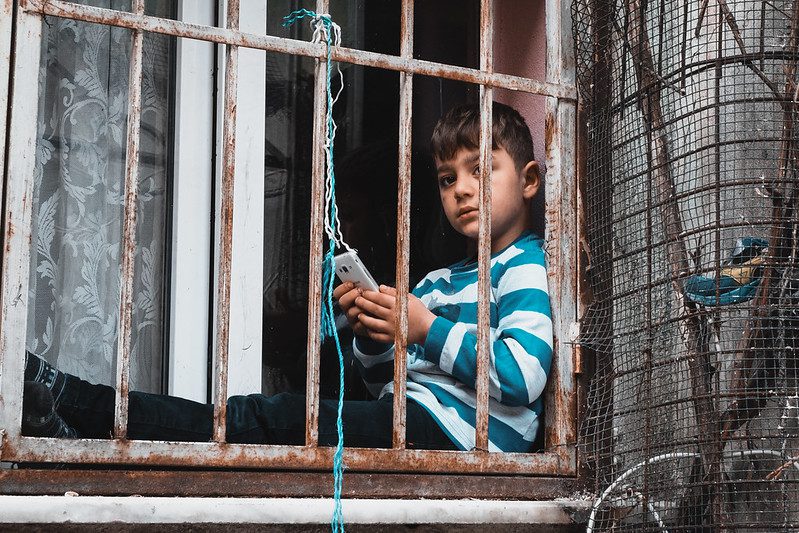
By simply removing the words “…other than the Aboriginal people in any State…” in section 51(xxvi) and the whole of section 127 of the constitution, the country finally saw Aboriginals as their own individualized people. They are now part of the census and the government can make laws specifically concerning Aboriginal issues. However, even with the government’s recognition of these peoples did not eliminate the discrimination and inequality they often face from the government and society. Here are eight facts about aboriginal Australians’ quality of life.

8 Facts About Aboriginal Australians’ Quality of Life

  1. Today in Australia, a mere 3.1 percent of the Australian population is indigenous. Even though they make up so little of the population, however, 19.3 percent of Aboriginal Australians live in poverty compared to 12.4 percent of other Australians.
  2. Only 4.8 percent of Aboriginal peoples have employment within the upper salary levels in Australia. This low percentage may link to pervasive racism within the country. Nineteen percent of Australians believe they are casual racists but refuse to change. Twenty-six percent of Australians have anti-Aboriginal concerns. Meanwhile, eleven percent of Australians do not think all races are equal. There does seem to be a changing tide, however, as 86 percent of Australians believe that Australia needs to do something to fight the pervasive racism in the country.
  3. There have been significant improvements and money allocations towards the betterment of the indigenous communities in Australia in recent years. In 2017, $33.4 billion went toward government expenditure on indigenous Australians, a 23.7 percent increase since 2009 (taking into account inflation). That is $44,886 per indigenous person or two times the amount of direct government expenditure on non-indigenous peoples. However, Aboriginal peoples are still more than twice as likely to be in the bottom 20 percent for equivalized gross weekly household income. High unemployment and lasting impacts from colonialism have caused low income in Aboriginal homes.
  4. Today, people often find that Aboriginal communities in non-rural areas live off welfare in crowded housing. About 20 percent of Aboriginal Australians living in non-rural areas were living in overcrowded accommodations in 2014 and 2015. In remote or very remote areas of Australia, the overcrowding was almost 40 percent. Overcrowding can often lead to a faster spread of illness in these communities. The proliferation of disease in overcrowded spaces creates a significant financial burden on families who must then seek treatment for their ailing loved ones. However, Australia has put multiple initiatives into place to address and resolve these issues. In 2008, the Federal government started and funded the National Partnership Agreement on Remote Indigenous Housing.
  5. From 2014 to 2015, three in 10 Aboriginals (29 percent) 15 and over experienced homelessness for a portion of time. Homelessness prevents individuals not only from human, tribal and societal interaction but can also often prevent them from being active members in the workforce, and therefore, the economy. Aboriginal peoples 15 and over in remote or very remote areas experienced homelessness in their lifetime at a 3 percent increase from non-remote Aboriginals (32 percent).
  6. Aboriginal Australian children between the ages of 5 to 17 are committing suicide at a five times higher rate than non-indigenous peoples in Australia. There is a direct link between the suicide rate and the crushing poverty in these communities and failing government-funded aid services. People have called upon the Australian government to either increase spending on indigenous peoples’ aid or to even wholly reconsider its tactics. As of 2019, the Australian government has implemented restrictions on takeaway alcohol, broadening education initiatives and developing further cultural healing projects.
  7. More than 28 percent of Australia’s prison population was Aboriginal in 2016, which is a shocking fact as less than 3 percent of Australia’s population identifies as indigenous. This widespread incarceration significantly impacts rates of poverty in the Aboriginal community. When one removes a person from a home–that statistically is likely to suffer overcrowding and have underprivileged individuals–they remove supporting income from an already disadvantaged family.
  8. People widely acknowledged that limited completion of education, and more specifically, secondary education, have close ties to poverty for Aboriginal Australians. In previous years, Aboriginal peoples were less likely to obtain a Year 12 or equivalent level of education; 45 percent of Aboriginals achieved this level of education in 2008. However, the gap is closing fast, and as of 2014-2015, records indicate that that percentage has risen to 62 percent of Aboriginal peoples obtaining their Year 12 level of education.
Though the gap between non-indigenous and Aboriginal people ages 20 to 24 with post-school qualifications has not changed, the number of indigenous peoples in this age range who have received a secondary education has doubled since 2002.

NASCA

NASCA, or the National Aboriginal Supporting Chance Academy, is a nonprofit that works directly within indigenous communities doing mentoring, education and development programs. Its initiatives seek to create empowerment and movement from within these communities and alleviate poverty among Aboriginal Australians. Each year, over 1,200 indigenous youths directly benefit from the organization’s work.
In 2018 alone, the program delivered a total of 6,006 educational and health program hours, and attendance in its northern territory program schools saw a 33 percent increase in school attendance. Its work is seeking to create pride in communities and put into motion change that will bleed into the higher political and social sphere of Australia.

Australia has so long ignored its Aboriginal community on both a social and governmental level, so it is a welcome and pleasant change to see so much work on behalf of an underprivileged group of people. Though there is still far to go, some are taking steps both within and outside of the community to build up the visibility and civil rights of the Aboriginal peoples and their needs. Poverty among Aboriginal Australians has set them back long enough. Though they are undeniably Australian, they are fiercely and independently Aboriginal peoples with a right to civil liberties, native land and socioeconomic equality.

– Emma Hodge
Photo: Flickr

October 20, 2019
https://borgenproject.org/wp-content/uploads/borgen-project-logo.svg 0 0 Kim Thelwell https://borgenproject.org/wp-content/uploads/borgen-project-logo.svg Kim Thelwell2019-10-20 02:30:032024-05-29 23:13:418 Facts About Poverty Among Aboriginal Australians
Development, Global Poverty, Health

8 Facts About Living Conditions in Lesotho

Living Conditions in Lesotho

Lesotho is a small, mountainous African kingdom surrounded by South Africa. Lesotho’s population is 72 percent rural and 80 percent are engaged in the agricultural sector, which has suffered greatly due to recent droughts, climate change and failed harvests. Lesotho is classified as a lower-middle-income country; however, 57 percent of its two million residents live below the poverty line. Here are eight facts about living conditions in Lesotho to know.

8 Facts About Living Conditions in Lesotho

  1. HIV/AIDS – In 2017, 23.8 percent of adults aged 15 to 49 in Lesotho had HIV, 320,000 people were living with HIV and there were 4,900 AIDs-related deaths. NGOs such as UNAIDS, UNICEF and the WHO have been working with Lesotho’s government to fast-track HIV prevention, testing and treatment. In 2017, 80 percent of people living with HIV in Lesotho were aware of their status, 74 percent of people with HIV were on treatment and 68 percent of people on treatment were virally suppressed.
  2. Tuberculosis – Around 405 out of 100,000 people suffer from tuberculosis (TB). This is one of the highest tuberculosis rates in southern Africa. This airborne bacterial disease is a huge public health crisis in Lesotho and is seen as a co-epidemic with HIV/AIDS. The crisis has narrowed substantially from the TB rate of 695 out of 100,000 people in 2007. Progress is being made, but there is still much to improve upon in terms of public health and living conditions in Lesotho.
  3. Access to Clean Water – The Highlands Water Project raises millions of dollars annually for Lesotho by selling water to its neighboring countries, primarily South Africa. Still, around 18.2 percent of people in Lesotho do not have access to clean drinking water. Many must walk for hours just to reach water access points that may or may not be in working order. The Metolong Dam Project is a promising project to help increase clean water accessibility. When completed in 2020, it is predicted that water supply will reach 90 percent of the district Maseru and sanitation coverage will increase from 15 to 20 percent.
  4. Food Insecurity – Drought in Lesotho combined with two successive crop failures, low incomes and high costs for food left more than 709,000 people in “urgent need of food assistance” from 2016 to 2017. The food insecurity crisis worsened with a steep reduction in harvest for Lesotho’s main crops of maize, sorghum and wheat between 2017 and 2018. The World Food Programme (WFP) is helping to reduce hunger in Lesotho by supporting more than 260,000 people affected by drought with monthly food distributions and cash-based transfers during the low-yield season.
  5. Stunting – One in three children under 5 years old are stunted as a result of chronic malnutrition. Acute malnutrition is a major problem in Lesotho’s population that affects children the most. Many NGOs focus on alleviating child hunger caused by poor living conditions in Lesotho. UNICEF provided support to 1,750 children suffering from severe acute malnutrition in 2017 and the Food and Agriculture Organization (FAO) helped 2,560 families start home-based gardens with vegetables to create a stable, healthy food source. In addition, the WFP currently provides free healthy school meals to more than 250,000 children in 1,173 of Lesotho’s primary schools.
  6. Housing – Around 70 percent of Lesotho residents live in substandard housing conditions with issues ranging from overcrowding to lack of toilets. Nonprofits such as Habitat for Humanity operate in Lesotho to build homes for vulnerable populations, but individuals also can have a large impact on housing and development. A winning proposal by Javed Sultan for Climate CoLab laid out the success in building affordable and climate responsive homes for the elderly in Lesotho. Innovative and cost-effective building in Lesotho has the potential to help many people in housing poverty.
  7. Sanitation – Access to proper sanitation facilities has increased every year since 1994. In 2015, 30.3 percent of the population had access to improved sanitation facilities that included flushing systems, ventilation latrine pits and composting toilets ensuring hygienic separation from human waste. In 1994 only 22.6 percent had this level of sanitation. This shows that progress is being continually made to improve this area of living conditions in Lesotho, but there still is much to accomplish.
  8. Education – In 2010, Lesotho established Free and Compulsory Primary Education by law. The net lower basic enrollment ratio increased from 82 percent in 2000 to 95 percent in 2010. Lesotho also has one of the highest literacy rates in Africa, with 85 percent of people over the age of 14 being literate. The Government of Lesotho allocates 23.3 percent of its annual budget, or 9.2 percent of Lesotho’s GDP, on the education sector showing its commitment to improving its education system.

These eight facts about living conditions in Lesotho show that there are still major issues including epidemics, water, hunger and sanitation crises that need to be further addressed. However, progress is being made to improve living conditions on many fronts due to the collaboration of charitable organizations and the Government of Lesotho.

– Camryn Lemke
Photo: Flickr

October 19, 2019
https://borgenproject.org/wp-content/uploads/borgen-project-logo.svg 0 0 Jennifer Philipp https://borgenproject.org/wp-content/uploads/borgen-project-logo.svg Jennifer Philipp2019-10-19 10:01:282024-05-29 23:12:398 Facts About Living Conditions in Lesotho
Development, Global Poverty

Chinese Farmer Uses Streaming To Make An Income

Using Streaming to Make an Income
For many rural citizens of China, earning a living is an unproductive grind. More than one-third of the country’s working population consists of rural migrant workers. Despite the long and difficult hours of labor, the average income of these jobs is only approximately 45,000 yuan (less than $6,400 USD). That amount is enough to cover the laborers’ expenses and send some money home to their families but is not enough to ensure long-term financial stability.

Not only are the wages low, but the work conditions are poor. Laborers often resort to living in overcrowded dormitories or apartments that cost a large portion of their monthly salaries. There are hardly any welfare benefits in any migrant-based jobs and social insurance is rare. Workers also struggle to acquaint themselves with their new locales. Hardly any have enough free time to truly settle into their new cities and report feeling isolated and out of place.

Such occupations can no doubt feel limiting. That is why some people in bleak working environments make their own careers. With some ingenuity and with technology as simple as a smartphone, impoverished laborers are continually improving their quality of life. Here is the story of a person who used streaming to make an income.

From Working Construction to Streaming Chickens

Liu Jinyin, a Chinese chicken farmer in Luzhou, Sichuan province,  used to struggle with his meager migrant worker’s salary. Making just 48,000 yuan (around $6,750 USD) annually, Liu worked in construction, followed by a facility that manufactured zippers. After that, he worked as a goat breeder. In his former jobs, he was unhappy with both his wages and his quality of life.

In early 2017, he decided to try something new. With his smartphone and a live streaming app, he began sharing everyday life on his family’s rural farm. He wanted to tap into the ever-growing streaming market in China. Liu features his morning chores, various maintenance projects on the farm and descriptions of the flora and fauna that he encounters every day, among other activities. Gradually, he began to amass a following while streaming to make an income. Urban Chinese often commented that they used to live in rural areas and enjoyed the videos because they reminded them of home. People from other areas of the world were simply fascinated with the way of life and liked the casual look into someone else’s routine.

Tapping into his entrepreneurial side, Liu began to develop a regular schedule for his casual streams. His fanbase responded, and he now has nearly 200,000 followers and makes $1,500 USD per month. Best of all, he is able to stay home and work on his family’s farm full-time. While some of the inhabitants of his hometown were apprehensive about his new line of work, Liu paid his critics no mind. “I’m… now able to stay at home to take care of my parents. Everyone’s happy. This has changed me,” he once remarked.

Other Ways Technology Can Share Prosperity

Liu developed a following with nothing more than a good idea and a smartphone. He now makes nearly three times his prior income in a much more comfortable environment. There is no reason why anyone else in his situation could not find the same success if they had the right tools to do so.

Streaming to make an income is not necessarily the only option either. Some people use basic technologies to make and share videos, advertise their handmade goods or seek microloans to own and operate local businesses. With the proper tools, people living in or near poverty can better support themselves, their families and their communities. Remote entrepreneurs do not have to worry about commuting and have the freedom to tend to their homes and young children while working. Often, the global market is better for the sale of specialty items, like jewelry or art pieces. Access to a bigger market generates more profits.

Ways Anyone Can Help

When business people begin their ventures, they primarily need customers to interact with. A person can visit websites that sell fairly-produced handmade goods to offer support. One can also engage with men and women on microloan services, many of whom share interesting and inspirational stories.

From a political perspective, it is also important to support the Digital GAP Act, currently in the U.S. Senate. This bill would allocate funds to give 1.5 billion people first-time internet access by 2020. Not only would this legislation improve educational, political and societal operations, but a huge number of people would have better economic opportunities thanks to its implementation.

Liu Jinyin’s story is a great example of how no career should be off-limits for anyone, no matter their background. It also shows a small glimpse of how the newest generation of impoverished young adults is using modern technologies to improve their lives. Whether it is buying art or watching chickens, one can give these hardworking people support. The story of a Chinese chicken farmer streaming to make an income is truly amazing.

– Molly Power
Photo: Flickr

October 18, 2019
https://borgenproject.org/wp-content/uploads/borgen-project-logo.svg 0 0 Kim Thelwell https://borgenproject.org/wp-content/uploads/borgen-project-logo.svg Kim Thelwell2019-10-18 15:20:092019-10-31 11:43:13Chinese Farmer Uses Streaming To Make An Income
Children, Developing Countries, Development, Global Poverty

Nigerian Curling Helps to Keep Nigeria One

Nigerian Curling
In Lagos, Nigeria in the mid-1800s, British colonial cartography resulted in the drawing of many inappropriate boundaries across the African region. Nigeria serves as a token example as more than 200 self-identified tribes currently exist in the populous Sub-Saharan country. The three tribes with the most influence, the Yorubas, Hausas and Igbos have demonstrated significant friction since the country’s freedom from British rule in 1960. This perpetual conflict is so serious that it even helped spark an attempt of eastern secession in 1967 known as the Biafran War or the Nigerian Civil War. Luckily, Nigerian curling may serve a purpose in unifying the country.

Sport: The Great Unifier

Beacons of hope still shine over the quest for national unity through organizations that promote cooperation and Nigerian pride. Nigerians universally accept one unifier which is sports. Nigeria’s humid climate might seem to render its winter-sports participation impossible. Yet despite these climate restrictions, Nigeria presented both a women’s bobsled team and a skeleton racer at the 2018 Winter Olympics in Pyeongchang, South Korea. For the 2022 Winter Olympics in Beijing, China, Nigeria hopes to yield a curling team in addition to its aforementioned fleet. The Nigerian Curling Federation, approved by the World Curling Federation in 2018, is actively making these dreams a reality.

Curling and other sports, in general, have the potential to increase national pride while decreasing tribal pride, the latter of which is a significant roadblock in Nigerian attempts towards national unity. There is a normalization of stereotypes about the respective tribes, which feeds large cultural prejudices on each side. This adds to an overarching sense of hostility between the different ethnic groups in the country, which has historically manifested itself in violence as serious as the killing of more 40 people in street-fighting riots between the Yorubas and the Hausas in 1999. As Rachel Odusanya writes, “tribes can misunderstand each other because of their different worldviews, and this is one of the biggest social problems in Nigeria nowadays.”

Christopher Neimeth, Social Injustice and Poverty

This dream involves more than just curling through, as it contains the potential to advance a much-needed togetherness for the Nigerian people. To dig deeper, The Borgen Project spoke to Christopher Neimeth, a member of the curling team who lives in America but has Nigerian citizenship. Not so long ago, he traveled to Lagos, Nigeria’s queen city, with his father to help the rising club gain traction by delivering curling clinics. Neimeth, whose father has Nigerian origins, is sharing his affinity for the sport bearing the positive social implications behind it in mind.

When asked how he thought sports, particularly curling, could remedy some of the social injustice so tightly wound in Nigeria’s current social climate, Neimeth responded optimistically. He conceded that his upbringing in America naturally makes it impossible to grasp the true extent of its cultural issues, but he still believes curling offers a lot to the country. Through the amalgamating nature of sports, Neimeth argues that curling presents a unique opportunity to promote a sense of national pride, while simultaneously creating opportunities for the athletes through travel, professional opportunities and sponsorships, etc.

Additionally, the presence of sports can help reduce the high stress that is an inherent byproduct of extreme poverty. In a country like Nigeria, where more than 86 million people currently live in conditions of extreme poverty, programs like this are important to sustain hope and positive environments. The Nigerian Curling Federation’s clinics provide a safe space for youth that may otherwise turn to crime or drug use.

The underdog premise behind a Nigerian curling team appearing in the 2022 Olympics could amplify the country’s excitement, dismantling previously fortressed barriers between the country’s different peoples.

– Liam Manion
Photo: Flickr

October 18, 2019
https://borgenproject.org/wp-content/uploads/borgen-project-logo.svg 0 0 Jennifer Philipp https://borgenproject.org/wp-content/uploads/borgen-project-logo.svg Jennifer Philipp2019-10-18 11:29:272019-12-18 12:04:17Nigerian Curling Helps to Keep Nigeria One
Developing Countries, Development, Global Poverty, Health

Iran’s Allocated Budget: Health Care in the Country

Iran’s allocated budget
The year 2019 has proven challenging for Iran as relationships between leaders have caused agreements to cease, straining Iran‘s allocated budget. The nation has felt a weakening economy that is raising the price of the products that the government and foreign aid had previously offset. With the strain of medical costs, many people have had to forfeit medical assistance. There has also been an onset of flash flooding that caused damages to property and the loss of dozens of lives. Looking through these instances, it will be clear how relevant legislation, such as The International Affairs budget, will be.

Disease In Iran

Historically, one reason why disease had spread so quickly was due to the distance between medical facilities, weak public health structure, lack of adequate health treatments and cross-contamination. In recent decades, however, Iran’s allocated budget has made significant efforts to ensure that health crises, like those of the 20th century, do not repeat themselves. The program covers immunization against universal diseases such as Hepatitis B, Tuberculosis and measles.

Iran’s allocated budget began in 1982 by creating a National Immunization Technical Advisory Group (NITAG). Of the illness that Iranian patients experience, over half of them are related to rotaviruses. A vaccine could prevent many rotavirus diseases such as influenza and varicella. The World Health Organization states that it especially emphasizes that countries with high infant mortality rates take the most advantage of pneumococcal vaccines.

During 2015, Iran’s President, Hassan Rouhani, saw through promises he had made Iranians regarding their quality of life, medical access and food shortage. Reconciliation became a possibility as Iran agreed to cease its nuclear programs in exchange for international relief. In 2018, however, that changed when President Trump introduced several harsh sanctions on Iran, causing medical supplies to decrease at a rate the country has not been able to match.

Economic Factors

The value of the Rial (Iranian currency) drastically reduced in value which is an economic factor for why Iran has been having a difficult time. Community leaders in Iran have written hundreds of letters to the government due to the inflation rate of medicine reaching into the hundreds. Although businesses are properly stocking their shelves with over-the-counter medications, workers in hospitals have a different reality. Workers have received instruction to prescribe over 100 medications at a scarce rate or not at all to preserve resources. A portion of those medications is for threatening conditions like diabetes. The scarcity not only results from tough U.S. sanctions but also a misallocation of funds by the Iranian government.

Iran’s limited allocated budget is affecting more than just its health care system. Between March and April 2019, Iran experienced severe flash flooding resulting from record-breaking heavy rainfall for the region. In previous natural disasters, others highly publicized the region’s circumstances and relief came voluntarily when a 6.6 earthquake took place in 2003. The flash floods of 2019 have affected nearly half of Iran’s provinces, causing damage to infrastructure, livestock and agriculture. As these floods displaced thousands of Iranians, there has been a need for food rations as well. The displacement of Iranians adds strain to the nation’s resources, as portions of those supplies are coming from within the country itself.

Conclusion

By enacting policy changes like the International Affairs Budget act, Iran would be able to guarantee its assistance. The budget alone accounts for a small portion of the Federal budget, but the effects of those dollars go farther to make a more significant change in nations that have the most need. For regions that experience poverty, natural disasters or weak health care system, initiatives like the International Affairs budget can make a difference even down to local levels.

– Kimberly Debnam
Photo: Unsplash


October 15, 2019
https://borgenproject.org/wp-content/uploads/borgen-project-logo.svg 0 0 Jennifer Philipp https://borgenproject.org/wp-content/uploads/borgen-project-logo.svg Jennifer Philipp2019-10-15 07:30:002019-12-16 10:26:26Iran’s Allocated Budget: Health Care in the Country
Developing Countries, Development, Global Poverty

The Gambia’s Solar Park for Sustainable Energy

Gambia’s Solar Park
In 2019, the Gambian government announced that it would construct a solar park, the first 150 MWH utility-scale park in the nation. Apart from the government’s greater initiative to improve the Gambia’s energy reliability and affordability, the government plans to launch the solar park in two phases: an 80 MWH unit set for 2021 and a 70 MWH unit set for 2025.

The Background

Prior to national elections in 2016, the Gambian government struggled with a decreasing GDP, poor macroeconomic performance and high liabilities from the National Water and Electricity Company (NAWEC) and other state-owned enterprises. As cited in a 2018 World Bank report, the governing bodies of SOE’s such as NAWEC were highly inefficient and caused internal dysfunction under President Yahya Jammeh’s leadership. The government’s inconsistent budget support to NAWEC resulted in a “fiscal drain on public resources” and inadequate energy supply.

Therefore, as apart of the region’s master plan to increase energy availability to the public, the current Gambian administration will conduct a study measuring the feasibility of implementing a 150 MWH solar park. The park will connect to a substation in Soma, The Gambia, which is a grid infrastructure that should increase electricity access in the nation by 60 percent. The feasibility study will have three primary objectives:

  1. To select the land for the solar park.
  2. To finalize solar power station details.
  3. To evaluate the feasibility of creating a National Dispatch Center.

The Process

In selecting land for The Gambia’s solar park, consultants will choose a land size of around 250 Hectares within a 20 km perimeter from the Soma substation. They will conduct studies that measure the potential constraint to connect the substation to the park. Once consultants choose an ideal site, they will proceed to finalize aspects of the power station. The power station will produce shifts in solar energy for two to three hours toward the peak of each evening. Through a detailed study, consultants will need to confirm the phases required for the installation of the park and proceed to undertake a diagnosis for the creation of a dispatch center. Through a diagnosis, consultants will be able to construct an “evaluation of required investments in capacity building (research, training), and modernization of the network (hardware equipment, software, smart grid technology, etc.).”

The government plans to construct the park not only to provide further electricity to The Gambia’s citizens but to also reduce the electricity costs for SOEs and the government. The government plans to remove the system of auction organized with public-private partnerships (private banks, etc.) as a means to reduce the cost of electricity for SOEs and citizens.

As the first of its kind, The Gambia’s solar park will increase Gambians’ access to electricity by 25 percent. The park will serve as one of the administration’s first steps in transforming the nation into a hub for sustainable energy.

– Niyat Ogbazghi
Photo: Flickr

October 15, 2019
https://borgenproject.org/wp-content/uploads/borgen-project-logo.svg 0 0 Kim Thelwell https://borgenproject.org/wp-content/uploads/borgen-project-logo.svg Kim Thelwell2019-10-15 01:30:582019-12-16 14:43:34The Gambia’s Solar Park for Sustainable Energy
Charity, Development, Global Poverty

5 Israeli Charities that Break the Poverty Cycle

Five Israeli Charities
Despite its successful economy, Israel’s poverty rate is higher than average at 21 percent of the population below the poverty line. Many families in this percentage struggle for food and basic necessities, even with Israel’s government programs meant to assist the underprivileged. Fortunately, several nonprofit organizations within Israel devote themselves to helping the poor. Here are five Israeli charities that break the poverty cycle.

Yad Eliezer

One of Israel’s top poverty-relief charities, Yad Eliezer has provided for Israel’s poor for almost 30 years. At its founding, it intended only to deliver monthly baskets of food to families in need. Since then, the organization has grown to encompass 19 social service and economic programs devoted to aiding over 18,000 Israeli families per year. These programs include the distribution of food, clothing and household items, as well as job training and child education. Its efforts for economic recovery and social welfare have broken the poverty cycle for over 20,000 families living in Israel permanently.

Yad Ezra V’Shulamit

Another well-known charity among Israelis is Yad Ezra V’Shulamit and it also began as a hunger-relief charity in 1998. Today, it provides food to thousands of Israel’s poor. While food delivery remains a focus of the organization, it has since expanded its efforts towards humanitarian services, focusing on individual empowerment through tailored rehabilitation as well. These services include academic tutoring, after school educational programs, professional guidance and activities for at-risk teenagers. The extracurricular programs offer assistance in building self-confidence and ultimately future success, subsequently bringing these individuals out of poverty for good.

Leket Israel

Leket Israel is the country’s leading food rescue organization. Emerging in 2003 under the precursor name Table to Table, Leket Israel saves and collects the surplus of agricultural harvests and cooked meals, then distributes them to families in need. In doing so, it ensures that excess food does not go to waste and removes the problem of food insecurity. Members of its staff make sure that hungry families in Israel receive healthy, nutritious produce and meals and that the food is up to par with safety regulations. Today, Leket Israel is the largest food distribution network in the State of Israel.

Lev Lalev

Based in Netanya, Israel, Lev Lalev focuses on feeding and sheltering disadvantaged Israeli children. Primarily a Girls Orphanage and Children’s Home, the Lev Lalev Charity Fund provides the girls with not only food and shelter, but also individualized therapy, mentoring, tutoring, clothing and summer camp activities. The organization also supports the girls through adolescence and adulthood, arranging religious and cultural events for them, such as Bat Mitzvahs, graduations, weddings and meals for religious holidays.

Meir Panim

Meir Panim is a relief organization that runs multiple projects to ensure that no Israeli suffers from hunger and existential distress. Meir Panim runs soup kitchens, restaurant chains, children’s programs that offer academic assistance as well as food, activities to promote distressed youths and food packaging programs. In addition, it provides food cards and redistributes furniture and second-hand equipment to people in need.

In short, these Israeli charities have helped and saved thousands of people from poverty. Donation funds from Israeli citizens, as well as some of the organizations’ international branches, allow these charities to continue their good work and break the poverty cycle for yet more individuals and families in need.

– Yael Litenatsky
Photo: Flickr

October 14, 2019
https://borgenproject.org/wp-content/uploads/borgen-project-logo.svg 0 0 Kim Thelwell https://borgenproject.org/wp-content/uploads/borgen-project-logo.svg Kim Thelwell2019-10-14 01:30:032019-11-21 12:00:375 Israeli Charities that Break the Poverty Cycle
Developing Countries, Development, Global Poverty, Health

Addressing Homelessness in Argentina

Homelessness in Argentina

With political uncertainty and inflation rising, homelessness in Argentina is growing. In Buenos Aires alone, 6.5 percent of the population is homeless. This translates to approximately 198,000 people. This problem is not specific to the nation’s capital either. In fact, a report from the National Statistics and Census of the Republic of Argentina estimates that up to 5 million people are homeless (approximately 10 percent of the overall population).

According to the Social Debt Observatory of Pontificia Universidad Católica, while the national poverty rate was 29 percent in 2015, the current poverty rate is 35 percent. Rising homelessness is only the most visible manifestation of Argentina’s current economic crisis.

Economic Downturn

Recently, inflation reached 54 percent, while the peso fell by 30 percent. This depreciation follows Argentina’s recent primary election, which showed support for opposition to the current president, Mauricio Macri. Fearing these results indicate future political upheaval, international investors retreated from the market and caused the peso’s sudden drop in value.

On top of the decreased spending power of Argentines, the government recently discontinued subsidies for utilities and public transportation. Rising prices hurt average Argentine households.

Within the past year, the price of natural gas rose by 77.6 percent. Electricity and water suffered similar price jumps, rising by 46 percent and 26 percent respectively.

As Matias Barroetaveña, the director of the Center of Metropolitan Studies reports, seven out of 10 families consider basic utilities to be a strain on their finances. With the cost of living inflating, it is not surprising that homelessness in Argentina continues to rise as well.

The Reality

Homeless families and individuals end up living primarily in makeshift shelters around urban areas: in plazas and parks, as well as outside shopping malls and bus stations. There aren’t enough shelters around Buenos Aires to handle the homeless population; all of the current shelters are at capacity. Additionally, shelters divide everyone by gender, so families often forego them in favor of staying together.

Free meals from soup kitchens and similar organizations are staples for many as well. The National Institute of Statistics and Census (INDEC) projects that food prices will increase by 80 percent by December. INDEC also expects the situation will worsen, so that one out of every 10 Argentines will experience extreme poverty or homelessness by the end of the year.

Helping the Homeless

Project 7 (Proyecto 7 in Spanish) helps homeless individuals in Buenos Aires and works to raise awareness about homelessness. In addition to distributing donated clothing and supplies, Project 7 works on various initiatives to give voice to homeless people. Through initiatives, such as “La Voz de la Calle” (The Voice of the Street), Project 7 offers alternate ways to think about and discuss homelessness in Argentina.

According to Horacio Ávila, co-founder of Project 7, one of the most difficult aspects of homelessness is the psychological toll. As he puts it, “when people live on the streets, they feel like they’re a waste of space like they deserve to be there. Your opinion of yourself is so low.” Project 7 not only improves the living conditions of the homeless but also supports legislation addressing the homelessness problem on a national level.

– Morgan Harden
Photo: Wikimedia

October 12, 2019
https://borgenproject.org/wp-content/uploads/borgen-project-logo.svg 0 0 Jennifer Philipp https://borgenproject.org/wp-content/uploads/borgen-project-logo.svg Jennifer Philipp2019-10-12 07:36:112024-05-29 23:13:12Addressing Homelessness in Argentina
Developing Countries, Development, Global Poverty, Health, Life Expectancy

7 Facts About Life Expectancy in Sri Lanka

Life Expectancy in Sri LankaSri Lanka is a country that used to be torn by civil war. Now, thanks to peace and foreign investment, the country is making major strides towards improving the lives of its citizens. Below are seven facts about how life expectancy in Sri Lanka is improving.

7 Facts about Life Expectancy in Sri Lanka

  1. Life expectancy in Sri Lanka is currently 77.1 years. The life expectancy for males is 73.7 and is 80.8 for females. This is an increase of more than seven years from 20 years ago.
  2. The country’s three-decade civil war resulted in thousands of deaths including more than 7,000 in the final months. However, since the war ended in 2009, the country has been able to stabilize and improve economic conditions.
  3. Since 2006 the percent of people living in poverty has decreased from 15.3 percent to 4 percent. This decrease in poverty has been in large part due to the improving economy in Sri Lanka which registered an average economic growth rate of 5.8 percent from 2010 to 2017. The correlation between poverty and life expectancy is clear. When one is out of poverty and has more resources, they are able to live longer lives.
  4. Children are being immunized against disease at a 99 percent rate. Children have access to immunizations leading to a lower rate of children dying of preventable diseases. They can live longer and happier lives without worrying about diseases such as measles, hepatitis and DPT.
  5. Sri Lanka is focused on educating its youth, by seeking foreign investment. For instance, in 2017, the country secured a $100 million loan from the World Bank in order to enhance the quality of degree programs and boost STEM enrollment and research opportunities at the university level. The country’s investments are paying off as Sri Lanka has the highest reported youth literacy rate in South Asia at 98.77 percent versus India (89.66) and Bangladesh (83.2 percent).
  6. The under-5 mortality rate is less than 10 percent. The under-5 mortality rate broke below 10 percent in 2014 and has been declining since 2005. In fact, the under-5 mortality rate stood at more than 20 percent less than two decades ago. CARE and the Red Cross are two organizations that have been especially focused on improved health care services since the 1950s.
  7. The U.N. projects that the life expectancy rate will exceed 80 years within the next 20 years. However, as the Minister of External Affairs noted at a U.N. conference in 2014, “with…increased life expectancy, we are facing new challenges, namely the incidence of NCDs, a growing aging population by 2030, addressing issues facing young people and containing the spread of HIV/AIDS.”

Sri Lanka is a great example of a country that shows what can happen with peace and investment. Their economy is growing and with it, the people’s lives are improving not only in quality but also in length.

– Josh Fritzjunker and Kim Thelwell
Photo: Flickr

October 12, 2019
https://borgenproject.org/wp-content/uploads/borgen-project-logo.svg 0 0 Jennifer Philipp https://borgenproject.org/wp-content/uploads/borgen-project-logo.svg Jennifer Philipp2019-10-12 07:21:492024-05-29 22:29:577 Facts About Life Expectancy in Sri Lanka
Page 73 of 163«‹7172737475›»

Get Smarter

  • Global Poverty 101
  • Global Poverty… The Good News
  • Global Poverty & U.S. Jobs
  • Global Poverty and National Security
  • Innovative Solutions to Poverty
  • Global Poverty & Aid FAQ’s
Search Search

Take Action

  • Call Congress
  • Email Congress
  • Donate
  • 30 Ways to Help
  • Volunteer Ops
  • Internships
  • Courses & Certificates
  • The Podcast
Borgen Project

“The Borgen Project is an incredible nonprofit organization that is addressing poverty and hunger and working towards ending them.”

-The Huffington Post

Inside The Borgen Project

  • Contact
  • About
  • Financials
  • President
  • Board of Directors
  • Board of Advisors

International Links

  • UK Email Parliament
  • UK Donate
  • Canada Email Parliament

Get Smarter

  • Global Poverty 101
  • Global Poverty… The Good News
  • Global Poverty & U.S. Jobs
  • Global Poverty and National Security
  • Innovative Solutions to Poverty
  • Global Poverty & Aid FAQ’s

Ways to Help

  • Call Congress
  • Email Congress
  • Donate
  • 30 Ways to Help
  • Volunteer Ops
  • Internships
  • Courses & Certificates
  • The Podcast
Scroll to top Scroll to top Scroll to top