• Link to X
  • Link to Facebook
  • Link to Instagram
  • Link to TikTok
  • Link to Youtube
  • About
    • About Us
      • President
      • Board of Directors
      • Board of Advisors
      • Financials
      • Our Methodology
      • Success Tracker
      • Contact
  • Act Now
    • 30 Ways to Help
      • Email Congress
      • Call Congress
      • Volunteer
      • Courses & Certificates
      • Be a Donor
    • Internships
      • In-Office Internships
      • Remote Internships
    • Legislation
      • Politics 101
  • The Blog
  • The Podcast
  • Magazine
  • Donate
  • Click to open the search input field Click to open the search input field Search
  • Menu Menu

Archive for category: Development

Information and stories on development news.

Development, Global Poverty

Improving Living Conditions in Malawi

Living Conditions in Malawi

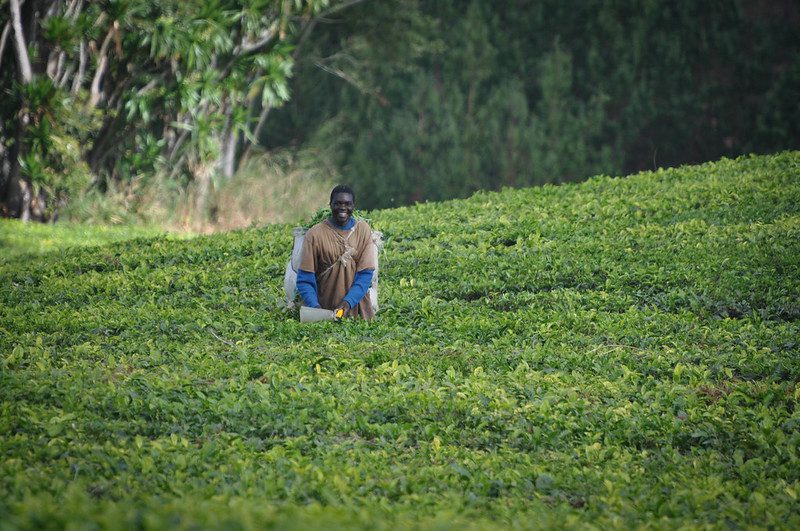
Landlocked in southeastern Africa, Malawi is the fourth poorest country in the world. In 2017, over 70 percent of its 17 million residents lived on less than $1.90 a day.  The largest formal sector employing Malawians is the tea industry.

In 2015, a union of Malawian tea producers, the largest international tea buyers, NGOs and other relevant organizations and donors joined the Malawi Tea 2020 partnership. This program’s main purpose is to develop a booming, environmentally sustainable tea industry that can transform increased profitability into improved living conditions in Malawi by 2020. A living wage for workers, a motivated workforce with better opportunities for women and a profitable smallholder sector are cornerstones of this platform.

Already half-way through the program, here are five ways that Malawi Tea 2020 has made progress on improving living conditions in Malawi.

5 Ways Malawi Tea 2020 is Improving Living Conditions in Malawi

  1. Wage Growth: Tea producers have increased workers’ wages several times since Malawi Tea 2020’s inception. While accounting for the high rate of inflation, it stands that the gap between real wages and living wages is narrowing.
  2. Increased Protections and Opportunities for Women: The Tea Association of Malawi (TAML) formed the first-ever Gender Equality, Sexual Harassment and Discrimination Policy in 2017. They established Gender and Women’s Welfare Centers in each estate, creating systems to address sexual assault and prevent harassment through education. They also began female leadership training. 268 out of 300 targeted women attended weekly leadership training in 2018 creating more opportunities for Malawian women to advance professionally.
  3. More Profitable Smallholder Sector: In the 2018 growing season, 1,734 farmers (78 percent female) attended Farmer Field Schools (FFS) to learn more about good agricultural practices. From last season’s FFS graduates, 99 percent say they saw an increase in crop yield versus prior seasons. A total of 6,189 farmers, or 34 percent of all tea farmers in Malawi, have benefitted from FFS. Similarly, 2,655 farmers participated in Malawi Tea 2020’s Farmer Business School training (FBS) in 2018 to learn better business skills.  Since 2015, 3,300 smallholder farmers have increased their incomes by increasing their yield with better farming and business techniques.
  4. Improved Worker Benefits: Managers have removed barriers to unionization resulting in more unions representing worker wishes. The first collective bargaining agreement in Malawi’s tea industry was signed creating a degree of wage negotiation and an 11 percent increase in wages. Also, the Housing and Sanitation Policy was developed to address problematic living conditions in Malawi. From 2016-2017, TAML demolished almost all poor-condition Category D houses, constructed 51 new houses, and renovated 16 houses.
  5. Improved Nutrition for Workers and Families: Through a meal fortification program, over 40,000 tea workers received fortified mid-day meals daily as well as fresh vegetables once a week leading to higher quality nutrition.

There is still a lot of work left to complete to secure quality working and living conditions in Malawi, but programs like Malawi Tea 2020 are consistently making progress and laying the groundwork towards accomplishing these goals.

– Camryn Lemke
Photo: Flickr

October 6, 2019
https://borgenproject.org/wp-content/uploads/borgen-project-logo.svg 0 0 Kim Thelwell https://borgenproject.org/wp-content/uploads/borgen-project-logo.svg Kim Thelwell2019-10-06 13:34:082024-05-29 23:12:42Improving Living Conditions in Malawi
Children, Developing Countries, Development, Education, Global Poverty

Education in the Philippines

Education in the Philippines

The Philippines is a growing nation with a population of over 108 million people. The island nation is struggling to teach its young students. There are shortages and dropout rates that are the norm throughout the country and are harming the countries wellbeing. Here are some statistics about education in the Philippines.

By the numbers

The Philippines has 45,973 public schools throughout the country, of which, 38,503 are elementary schools, and 7,470 are high schools. There are a total of 27.7 million students in the Philippines with 22.9 million going to public schools and 4.8 million going to private schools. Funding for education in the Philippines as of 2018 is 672.41 billion Philippine pesos or 12.8 billion USD. This funding is among the lowest budgeted among the Association of Southeast Asian Nation (ASEAN) countries.

Dropouts

The Philippines currently has the highest dropout rates among all of the ASEAN countries, with a dropout rate of 6.38 percent in elementary students and 7.82 percent of secondary school students. There are a number of reasons for the high dropout rate, but the top three reasons seem to be:

  1. Hunger, students will skip class to find something to eat when there is no food at home or at school.
  2. Work, to help provide for their families students will stay at home and work on family farms or businesses.
  3. Conflict, this problem is primarily in the southern regions of the country in Mindanao where there have been insurgents disrupting life for the past 50 years.

Today, there are currently 1.4 million students who are out-of-school in the Philippines.

Shortages

There is a significant lack of supplies and teachers throughout the country. The number of students in the classrooms is a ratio of one teacher for every 31 students at the elementary level with one teacher for every 36 students at the secondary level. These numbers are down from a year ago where the ratio was one teacher for every 45 students. This has a negative impact on the students in the classroom who do not receive the attention needed to learn. There is also a shortage of supplies in the classroom. Along with the increased number of students comes the lack of chairs, textbooks and even drinking water for the students, particularly in the cities. Classrooms will sometimes have two or even three students sharing a single textbook. According to the Philippines Department of Education, the country needs 60 million textbooks, 2.5 million chairs and over 80,000 sanitation facilities for the schools throughout the country.

The Good News

The future of education in the Philippines does have a positive outlook. The Philippines currently enjoys a literacy rate of 97.5 percent, an increase from 92.3 percent in 2000. There is a program called the 1,000 Teachers Program aimed at giving scholarships to high performing, but underprivileged high school students. The program is aimed at relieving some of the pressure that the school system is facing to gain more teachers for the classrooms.

With many problems with education in the Philippines, there are significant hurdles to meet if the country wants to improve its system. More teachers, supplies and money are needed to help the students who desperately want to learn and improve their lives.

– Sam Bostwick
Photo: Wikimedia

October 6, 2019
https://borgenproject.org/wp-content/uploads/borgen-project-logo.svg 0 0 Kim Thelwell https://borgenproject.org/wp-content/uploads/borgen-project-logo.svg Kim Thelwell2019-10-06 10:52:192019-12-18 09:26:08Education in the Philippines
Developing Countries, Development, Economy, Global Poverty

Big Plans for Rwandan Infrastructure

Rwandan Economy

Rwanda is located in the heart of Africa. Although the Rwandan economy is dependent on agriculture, Rwanda‘s infrastructure has made progress through its Urban Development Project. Kigali Innovation City is an effort to further develop the economy and invite businesses to invest in key areas such as commercial and retail real estate, biotechnology and education. Africa50 partnered with the Rwanda Development Board to improve basic infrastructure such as roads, drainage, solid waste management and sanitation. Thanks to these and other major projects, Rwanda has one of the fastest-growing economies in Africa. President Paul Kagame hopes to transition the economy from a subsistence farming economy to a service-oriented, middle-income economy by 2020.

Rwanda Urban Development Project

The Urban Development Project for Rwanda, approved in 2016, completed Phase 1 in October 2018. The project began in September 2017 and focused on infrastructure improvement and urban management in secondary cities such as Nyagatare, Rubavu, Rusizi, Muhanga, Musanze and Huye. Infrastructure is lacking in the country, yet the Urban Development Project is a solution to the following component: roads, solid waste management, sanitation and stand-alone drainages. The end date for the $100 million project is June 2021. About $80 million are directed towards component one – provision of basic infrastructure in secondary cities. The rest of the funds go towards three other components, such as technical assistance for sustainable urban management.

According to Minister of Infrastructure, Honorable Claver Gatete, “Phase 1 implemented under the World Bank funding in all six secondary cities is meeting the main objective to provide access to basic infrastructure and enhance urban management.” About 28.3 kilometers (17.6 miles) of urban roads and 13.8 kilometers (8.6 miles) stand-alone drainages were completed during phase 1. Another major component of the project is upgrading unplanned settlements in the capital city called Kigali. The last two components involve technical assistance for sustainable urban management and support for project management, as the scope of the project and funds involve substantial risks. The project’s progress was successful. Phase 2 began in July 2019.

Kigali Innovation City

Kigali Innovation City is a giant project garnering investors from across the globe. The main goal is to create an innovative business hub in the heart of Africa that’ll include four first-rate universities, innovative agriculture, healthcare, technology, financial services, biotech firms and both commercial and residential space. The targets include creating 50,000 jobs, generating $150 million in ICT (information and communications technology) exports annually and attracting more than $300 million in foreign direct investment. Africa50, the pan-African infrastructure investment program, partnered with the Rwanda Development Board to invest $400 million in the tech hub. The Africa50 investment shows interest in diversifying the Rwandan economy and promise in private investors developing the country through infrastructure and innovation.

Clare Akamanzi, CEO of Rwanda Development Board, stated the deal between the board and Africa50 is a key milestone in transforming Rwanda from an agriculture-dependent economy into a knowledge-based economy. About 75 percent of the labor force is agriculture-related, yet the service sector is gaining higher importance due to the fast-growing economy. The GDP growth rate rose from 4.6 percent in 2013 to 8.6 percent in 2018. It has steadily averaged about eight percent growth since 1999, which was after the country rebounded from the 1994 genocide that produced a devastating recession. The plans for university development in Kigali Innovation City shows promise in not only infrastructure development but also progress in improving education, a long-term solution to reduce poverty in Rwanda.

Future Outlook

The Rwandan economy is strong, and the progress made in the Rwanda Urban Development Project shows promise that the country can transition into a middle-income, service-oriented economy by 2020. A South American technology firm, Positivo BGH, saw growth in Rhanda’s emerging market and decided to open up a business in Kigali. Positivo BGH creates laptops made in Rwanda and employs more than 100 locals. With Africa50 investing a massive $400 million into Kigali Innovation City and firms such as Positivo BGH expanding to Kigali, external investors are seeing potential in the fast-growing Rwandan infrastructure sector.

– Lucas Schmidt
Photo: Flickr

October 6, 2019
https://borgenproject.org/wp-content/uploads/borgen-project-logo.svg 0 0 Kim Thelwell https://borgenproject.org/wp-content/uploads/borgen-project-logo.svg Kim Thelwell2019-10-06 05:49:322024-05-26 23:06:46Big Plans for Rwandan Infrastructure
Child Marriage, Children, Developing Countries, Development, Global Poverty

7 facts About Poverty in Kabul

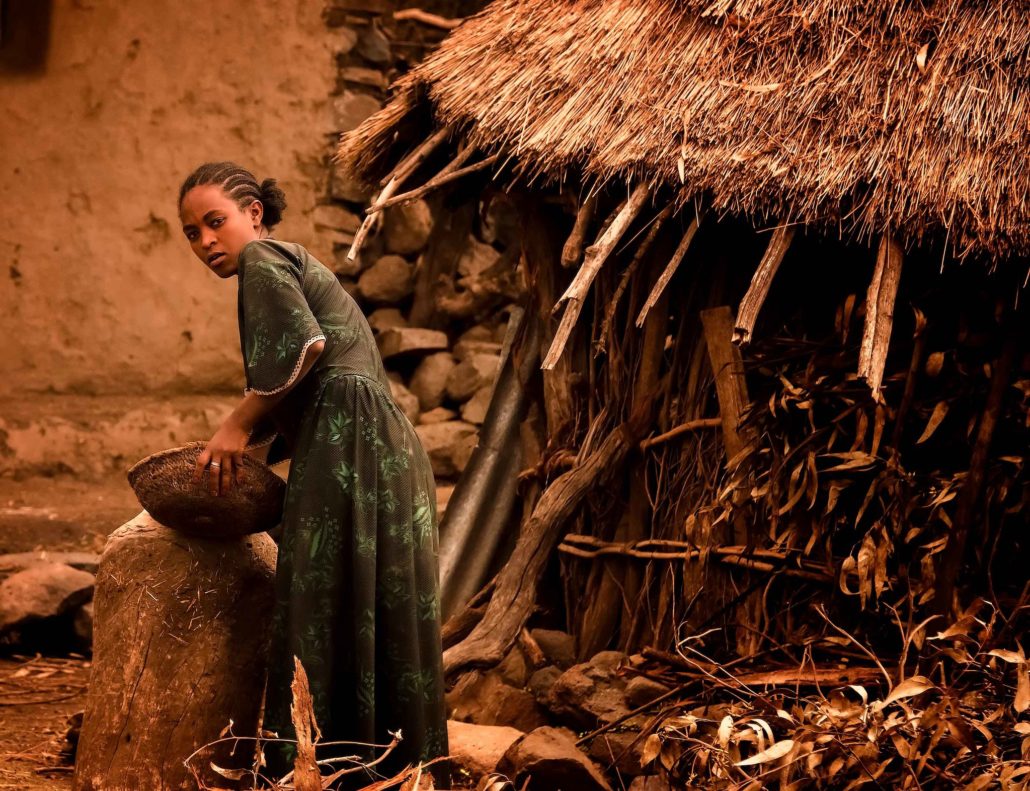
7 facts about poverty in KabulKabul is the capital of Afghanistan with a population of 37 million people. Although there are efforts for improvements, Afghanistan still suffers from high rates of poverty. Here are seven facts about poverty in Kabul.
7 Facts About Poverty in Kabul

  1. Education: According to UNICEF, 3.7 million children in Afghanistan are out of school, 60 percent of which are girls. A few reasons for the low enrollment rates include poor sanitation systems in schools. Another reason is the lack of female teachers, particularly in rural areas. Female teachers are required for some because it is not allowed for male teachers to teach young girls. In addition, inadequate transportation in certain areas of the country makes it difficult for children to attend school.
  2. Child Labor: About a quarter of children in Afghanistan between the ages of five and 14 work or help their families. Many children are employed in jobs that can lead to an illness, injury or death due to dangerous working conditions and improper enforcement of safety and health standards. Children hold jobs in metal industries, agriculture, shoe shiners, and in the streets as vendors. Unfortunately, some children are forced to take on the pressures of going to school and work while others must quit school completely. In addition, children work long hours with little pay to no pay. However, UNICEF is supporting the National Strategy for Children at Risk, a strategy designed by the Ministry of Martyrs, Disabled and Social Affairs and partnered with UNICEF and other organizations that will help vulnerable families protect and care for their children. The main goal of this plan is for children to be protected from abuse, exploitation or violence in Afghanistan. In addition, the strategy will offer support to communities and vulnerable families. Another policy is the National Strategy for Street Working Children, which provides interventions such as family and community-based support systems for street children and their families to protect, prevent and decrease the number of children that work in the streets.
  3. Sex Trafficking: According to the USAID, Afghanistan happens to be a source, transit and destination country for forced labor and sex trafficking among men, women and children. However, efforts are being made to tackle this issue through the Combating Human Trafficking in Afghanistan project. This project is a collaboration of USAID and the International Organization for Migration that prepares the Afghanistan government institutions to contribute in the prevention of trafficking, prosecution of traffickers, victim protection and to enhance regional coordination in the fight against cross border trafficking.
  4. Literacy Rates: According to UNESCO, in Kabul, the highest female literacy rate is 34.7 percent and males at 68 percent. The difference in rates is due to a few factors such as women not being allowed to attend school, unsafe to travel to school and cultural norms. In addition, rates in urban and rural areas differ to due lack of schools in remote areas and extensive distances to travel for school. However, UNESCO has implemented a project called the which is a national program of the Ministry of Education that helps improve literacy and numeracy skills of the adult population in 34 provinces. The ELA Programme began in 2008 and since its launching, it has increased the literacy for over 600,000 adults and over 60 percent of them are women.
  5. Water: In Afghanistan, 79 percent of the population live in rural areas and only 27 percent have access to upgraded water sources. In Kabul, about 80 percent of people do not have access to safe drinking water. In addition, 95 percent do not have access to proper sanitation facilities. Due to lack of access to sanitation, about 20 percent of the population excretes in public.
  6. Health: According to the World Health Organization, Afghanistan has the second-highest maternal mortality rate in the world. Approximately half of children under the age of five are stunted due to chronic malnutrition and 10 percent have chronic malnutrition. Over 60 percent of all childhood deaths and disabilities in Afghanistan are due to respiratory infections, diarrhea and deaths that could’ve been prevented though vaccines such as measles.
    Despite these statistics, USAID has partnered with the Ministry of Public Health of Afghanistan to make healthcare services more accessible to all. During October 2017 and September 2018, USAID delivered more than 900,000 institutionalized deliveries at public health facilities. In addition, over 1.4 million children were given PENTA3 vaccinations. Furthermore, with the financial help of USAID and other international donors, the World Bank supported more than 2400 public health facilities and 94 percent of the facilities have at least 1 female health care provider.
  7. Child marriages: In Afghanistan, 35 percent of girls are married before they turn 18 and 9 percent are married before their 15th birthday. Child marriages occur due to various factors such as family practices, traditional customs and level of education. However, there are several organizations dedicated to ending child marriages such as Girls Not Brides. This organization is a global partnership of over 1000 civil organizations from more than 95 countries. It was founded in 2011 by a group of independent global leaders called The Elders that aims to raise awareness on child marriages, facilitate open conversations and provide support for victims. In addition, the organization works closely with girls to help build skills, empower them and developing support networks.

These seven facts about poverty in Kabul demonstrate major issues that could use improvement. Nonetheless, with the help and support of organizations little by little change will happen.

– Merna Ibrahim
Photo: Flickr

October 5, 2019
https://borgenproject.org/wp-content/uploads/borgen-project-logo.svg 0 0 Kim Thelwell https://borgenproject.org/wp-content/uploads/borgen-project-logo.svg Kim Thelwell2019-10-05 09:25:292024-06-06 00:26:277 facts About Poverty in Kabul
Children, Developing Countries, Development, Education, Global Poverty

Keeping Girls in School

Keeping Girls In School
Right now, 130 million girls ages 6 through 17 are not in school. Fifteen million girls will never receive any kind of education. The international community has recognized the importance of rectifying this problem, including the elimination of gender inequality in education as a target of the Sustainable Development Goals. Despite the significant hurdles which remain, the number of girls in school has increased dramatically in recent decades indicating progress.

Between 1970 and 2017, the global average number of years a girl spends in school increased from 6.7 to 12.5. South Asia experienced the most amount of progress, tripling the average length from 3.8 to 12.

South Asia

Several countries in South Asia have implemented programs that target keeping girls in school. Efforts in India largely drove the increase in rates, where average years of schooling jumped from 4.1 to 13, exceeding the 12-year target. Many nonprofits have worked to improve the educational attainment of Indian girls. For instance, ConnectEd brings education to girls at home when their parents do not allow them to attend school. Additionally, the nonprofit organization CARE has worked with the Indian government to provide educational programs for girls who have dropped out of school and to strengthen early childhood education. CARE also advocates for the bolstering of legislation and policies which ensure safe and secure access to education.

Bangladesh has also made significant strides in keeping girls in school. Secondary school enrollment for girls went up from 39 percent in 1998 to 67 percent in 2017. In 2008, the government of Bangladesh initiated the Secondary Education Quality and Access Enhancement Project (SEQAEP) with the help of the World Bank. This program provides stipends and tuition payments to impoverished children, especially girls. Teachers have received additional training and incentives to ensure that at least 70 percent of their class passes. Additionally, Bangladesh has taken steps to improve sanitation and water facilities at schools. Before the implementation of SEQAEP, 50 percent of children completed primary school and only one-fifth of these went on to complete 10th grade. Now, 46 percent of students graduate from secondary school, including 39 percent of children from impoverished backgrounds. Girls have experienced a rise in enrollment rates in particular due to a number of specially targeted stipend programs. Between 2007 and 2017, the gender parity ratio for grades six to 10 improved from .82 to .90.

Sub-Saharan Africa

Sub-Saharan Africa also made significant gains in the number of years girls spend in school, more than doubling the average from 3.3 years to 8.8. However, this region remains the worst in terms of keeping girls in school. In many countries in the region, girls never even get a chance to attend primary school. In the Central African Republic, Chad, Mali and Niger, two-thirds of primary school-aged girls do not enroll in school. In Liberia, this number is 64 percent, while in South Sudan it reaches a staggering 72 percent.

Nigeria has driven the current progress. Since 2007, the Nigerian government partnered with the World Bank to distribute grants and resources to school systems in particularly struggling areas. Programs that provide free meals and uniforms have incentivized families to allow their girls to obtain an education. Additionally, resources such as textbooks and expanded class space have made class time more effective for students and assisted in graduation rates. In one state, primary school completion rates for girls rose from 17 percent to 41 percent.

These statistics show that change is possible. Advancements in these countries show that even small investments in girls’ education can drastically improve their prospects.

Clarissa Cooney
Photo: MaxPixel

October 5, 2019
https://borgenproject.org/wp-content/uploads/borgen-project-logo.svg 0 0 Kim Thelwell https://borgenproject.org/wp-content/uploads/borgen-project-logo.svg Kim Thelwell2019-10-05 06:50:412024-12-13 18:01:53Keeping Girls in School
Developing Countries, Development, Education, Global Poverty, Technology

How Technology is Improving Africa

How Technology is Improving Africa
Africa is the poorest continent in the world with every second person living below the poverty line. From extreme hunger to illnesses and to insufficient agricultural infrastructure, Africa’s population is suffering. Fortunately, groups of researchers and people are continuously creating solutions to change these conditions. Here are four inventions that show how technology is improving Africa.

NEWgenerator Sanitation Systems

Since 2002, a group of researchers at the University of South Florida have been working on a new type of wastewater treatment system that will address sanitation issues in poor countries. They invented the NEWgenerator, which is a solar-powered generator that turns wastewater into recyclable clean water, nutrients and energy. Waste from the toilet enters the tank and it treats the water in a manner that is similar to a coffee filter. As a result, chlorinated water releases that people can use to flush the toilet and irrigate for agricultural purposes. The breakdown of organic material in the waste produces biogas, a form of energy. Lastly, this method releases nutrients such as nitrogen and phosphorus from the waste that people can use as fertilizer for agricultural purposes.

The NEWgenerator stays inside a container that batteries power, allowing the unit to be completely self-sustainable. Solar power and biogas from the waste power these batteries, making this device completely independent. The NEWgenerator received initial testing at a school in South India, where the invention succeeded in recycling thousands of gallons of water for 100 people per day. In 2016, the NEWgenerator’s lead professor, Daniel Yeh, earned a $1.14 million grant from the Bill and Melinda Gates Foundation to install an improved version in Durban, South Africa. The generators will connect to Community Ablution Blocks (CABs), facilities comprised of toilets and showers. This will multiply the NEWgenerator’s ability to produce water by 10 times and serve up to 1,000 people per day. The research group is currently working on this installation and its dedication illuminates how technology is improving Africa.

SafariSeat Wheelchairs

One in 200 people in East Africa has a disability that affects their mobility, forcing them to remain in wheelchairs for the rest of their lives. Janna created SafariSeat and a small group of designers who wanted to help people regain their independence and livelihoods. It is a new wheelchair design that can navigate rough terrain found in South Africa and other developing countries. It works through a lever system, where the person can pump hand levers to control the wheelchair’s speed and power. SafariSeat’s goal is to implement an open-source toolkit in developing countries where the blueprints are free and the resources necessary to build these wheelchairs come from bicycle components at a low cost for local workshops. An open-source toolkit has three components that contribute to its success: the use of diagrams for building purposes, a communication network and a design portal where people can submit ideas for improvement.

In the past two years, SafariSeat set up two workshops, one in Kenya and one in Tanzania. It initially produced the first 50 wheelchairs in Kenya and the first 150 wheelchairs in Tanzania. After these successes, it implemented the SafariSeat Outreach program, which is a team that identifies people with disabilities in Kenya who live in isolation and need SafariSeats. Currently, the founders are working on building a third workshop in Uganda in hopes of expanding their reach and number of wheelchairs. Their ultimate goal is to broaden their impact on the rest of the world, specifically to countries undergoing wars.

Mazzi Cans

Africa has five times as many dairy cows compared to the United States with a total of about 49 million cows. Millions of farmers rely on cow’s milk as their income and source of nutrition for their families. However, if milk does not receive proper handling or storage during the time people transport it to markets, it can develop harmful bacteria that cause illnesses. Since milk contains important nutrients, vitamins, calories and minerals that can fulfill healthy dietary needs, it is necessary for farmers to be able to safely transport their milk. Mazzi is the answer to this problem. It is a 10-liter container system that makes it more efficient for the collection and transportation process. It provides a milking funnel over a durable container stronger than normal Jerry cans and its shape makes it easy to clean, preventing bacteria or soil from accumulating in the container.

Mazzi emerged by partnering with the Global Good, an organization that works with the Bill and Melinda Gates Foundation and Intellectual Ventures. Currently, Mazzi is available in Kenya and Ethiopia, with the goal of expanding to Uganda, Tanzania, Somalia, South Sudan and Sudan. It will continue working on making this product more cost-affordable for small farmers.

Lucky Iron Fish

Another technology that is improving Africa is the Lucky Iron Fish which a group of researchers in a Canadian university created in response to the 2 billion people suffering iron deficiency. Iron is a crucial nutrient that helps blood transport oxygen from the lungs to the body. Without a sufficient amount of iron, people experience fatigue, weakness, lack of concentration, shortness of breath and headaches. People can put the Lucky Iron Fish in the pot or pan in which the food is cooking, releasing 6 to 8 milligrams of iron that the food absorbs. This is about 40 percent of a person’s daily iron intake levels. With the return of iron to a child’s diet, they can focus better in school, leading to higher performance results. For working persons, their improved concentration gives them a chance to earn higher incomes.

Once someone buys an Iron Lucky Fish, the organization contributes an equal amount into its Impact Fund. The company uses its Impact Fund to donate Lucky Iron Fish to developing countries and improve educational resources in communities. Women and men receive training to deliver Lucky Iron Fish within these countries and raise awareness about how to solve iron deficiency. In 2018, 54,000 people around the world received a Lucky Iron Fish. Many people (5,175) in Benin, a country in West Africa, were among these individuals. Currently, the organization is looking for more partnerships with NGOs to expand its impact from 88 countries to the rest of the world.

New technology is proving to be one of the crucial answers helping Africa out of extreme poverty with the dedication of numerous research groups and motivated people. These four inventions show how technology is improving Africa each year.

– Jane Burgan
Photo: Flickr

October 4, 2019
https://borgenproject.org/wp-content/uploads/borgen-project-logo.svg 0 0 Kim Thelwell https://borgenproject.org/wp-content/uploads/borgen-project-logo.svg Kim Thelwell2019-10-04 20:16:042024-06-07 05:07:59How Technology is Improving Africa
Advocacy, Developing Countries, Development, Global Poverty, Poverty, Poverty Reduction

Natural Disasters Shape Global Poverty

Natural Disasters Shaping Global Poverty
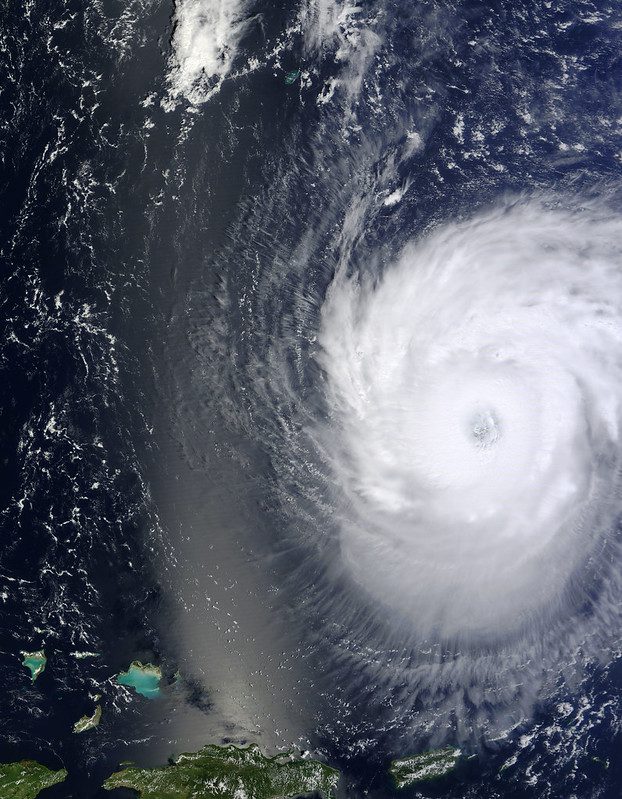
When people discuss the causes of global poverty, natural disasters do not often come up, but there is a correlation between natural disasters and global poverty. This may be due to the fact that natural disasters tend to be completely out of human control, while human choice and behavior can either cause or greatly reduce other factors that contribute to poverty. However, natural disasters shape global poverty through post-disaster destruction and economic and societal instability. Geographical location and weather patterns, as well as vulnerability to natural disasters, are immensely pertinent to a society’s poverty rate.

The Danger of Natural Disasters

According to the World Bank, natural disasters force over 26 million people across the globe into poverty annually and cost the global economy around $520 billion every year. These disasters also reinforce the cyclical nature of poverty; they ruin progress that countries have made to reduce poverty and leave impoverished people completely vulnerable due to their inability to cope and recover after the calamity. The five countries with the highest Climate Risk Index ratings from 1998 to 2017 all have national poverty rates above 20 percent. Honduras and Haiti rank two and four on this index, respectively and are great examples of how natural disasters shape global poverty.

Hurricane Mitch

According to a Penn State University report, Honduras lost $3.8 billion after Hurricane Mitch in 1998. The agricultural economic sector dropped by 7 percent as both domestic and cash crops disappeared. According to Honduras Compassion Partners, the agriculture sector has dropped by almost 33 percent over the last 20 years. Adequate sanitation and clean water were rarities and are still not too ideal levels. The health and education system took a $33 million hit. Penn State University also reported that societal instability increased after the storm. The country saw a surge in gender inequality and sexual and domestic violence after the hurricane. Extreme weather is so influential to poverty rates because its devastation is multifaceted. Like in Honduras, natural disasters simultaneously strip individual necessities like food, shelter, security and sanitation and weaken socioeconomic resilience, that is, the ability for society as a whole to recover after a catastrophe.

Haiti

Another example is Haiti. The 2010 earthquake that ravaged the island nation cost the economy around $7.8 billion. The natural disaster affected all facets of life. A Global Foundation for Disaster Reduction and Recovery report revealed just how vast the consequences of a disaster like this can be:

  • Social sectors like water, food, sanitation, health and education suffered $553.3 million in economic loss.
  • Infrastructure sectors like housing, food, energy and transportation suffered close to $1.3 billion in economic loss.
  • Production sectors like agriculture, industry, retail and finance suffered $933.3 million in economic loss.

These figures do not even include the cost of damages, which more than double the total expense. Almost a decade later, partially due to more natural disasters, Haiti is still recovering from the earthquake. These calamities bombard all of the indicators of poverty and all of the variables that have the potential to lift an individual and a society out of poverty (i.e. food security, capital, sanitation, education, health care) in one fell swoop. The post-disaster consequences underpin the cyclical complexion of poverty. This is how natural disasters shape global poverty.

Direct Relief

Direct Relief is a non-governmental organization that provides relief from natural disasters in over 80 countries in Asia, Africa, South America, Central America, North America and Europe. To date, Direct Relief has provided $747,210,716 in international aid, given 160,038,758 doses of medicine and provided 3,531,448 pounds of medical supplies to victims of natural disasters. The organization distributes products such as emergency medical packs, cholera treatment kits, oral rehydration salts and hurricane prep packs. It also employs a hurricane prep map to supply aid to the affected countries. Direct Relief has been the largest provider of aid to Haiti since the 2010 earthquake.

Natural disasters and global poverty have a close relationship. The ability for one extreme weather event to negatively influence all of the factors that decide poverty makes it much more difficult for countries prone to these storms to end the cycle of poverty. More research and development on disaster preparedness and recovery are necessary to allow countries the opportunity to break the feedback loop. These disasters are stymying poverty reduction efforts in countries like Honduras, Haiti and even now in Zimbabwe which is suffering from severe drought. Response and preparation to natural disasters and climate tendencies need to be a higher priority in the strategy of mitigating global poverty.

– Zach Brown
Photo: Flickr


October 4, 2019
https://borgenproject.org/wp-content/uploads/borgen-project-logo.svg 0 0 Kim Thelwell https://borgenproject.org/wp-content/uploads/borgen-project-logo.svg Kim Thelwell2019-10-04 09:13:172024-06-05 01:28:28Natural Disasters Shape Global Poverty
Developing Countries, Development, Food & Hunger, Global Poverty, Health

Combating Rice Farmer Poverty

rice farmer povertyRice is a universal food staple, featured in dishes from across the globe, feeding the rich and poor alike. It has the second-largest cereal market in the world, only second to corn. Over 470 million tons of rice were harvested in 2017, and that number continues to grow, with a harvest of 495.9 million tons predicted for the 2019 season.

Despite the massive rice market, many rice farmers live in poverty. Nine hundred million of the world’s poor depend on rice either as a consumer or producer, with 400 million directly engaged with growing rice. The majority of these farmers are based in Asia, the heart of the global rice market.

Technological Improvements Reduce Rice Farmer Poverty

The rice crop is notoriously demanding on the environment, requiring an immense volume of water, especially when grown at high intensity. Rice farming consumes over half the freshwater in Asia. Much of the focus on improving rice production lies in reducing the amount of water used. Organizations, such as the CGIAR Research Program, have advocated the use of alternate planting systems, such as the Alternate Wetting and Drying system (AWD), which can reduce water consumption by up to 30 percent.

Greater water efficiency means greater productivity for farmers. Production costs are lower, so farmers profit more from their harvest and can afford to sell their crop for less, allowing those in deep poverty to afford rice. AWD has been shown to increase farmer income by 38 percent in Bangladesh, 32 percent in the Philippines, and 17 percent in Vietnam.

Not Just Rice

Even in areas with a booming rice market, rice farmer poverty continues. The Greater Mekong Subregion (GMS) spans six Asian countries, including China and Vietnam, and accounts for 44 percent of global rice exports. The six countries, save China, of these nations are net producers—they produce and export more rice than the nation can consume. Despite this, poverty stands at 19 percent across the GMS, and 15 percent of the population is malnourished.

There has been much improvement. GMS-member Cambodia, for example, has undergone a 35 percent decrease in poverty since 2004. However, much of it is unstable. Past expansions in the GMS rice-production have relied on favorable weather conditions, massive increases in farmland, and far-reaching use of fertilizer. These conditions are not favorable for agricultural or economic growth, with increases in land production outpacing that of productivity, 8.7 percent to 3.4 percent between 2004 and 2012.

The GMS and other rice-producing regions are now changing policy to focus on diversifying crops. The International Rice Research Institute (IRRI) encourages farmers to convert rice-rice and rice-wheat plants to rice-maize plants, which will allow farmers to optimize their resources, widen their range of income inputs, and reduce the risk of crop disease. Studies have shown that planting disease-vulnerable rice crop and disease-resistant crop together results in 89 percent greater yield.

This measure may also be needed in the more distant future. Though rice will always be a world staple, Asian consumers may begin to purchase more vegetables and meat as they grow wealthier, decreasing the world demand for rice.

Genetic Modifications

With rice featuring so heavily in the global diet, rice developers have prioritized the quality of rice grown, both in resilience, and health benefits. The Research Program on Rice and IRRI both work to improve the quality of rice seeds provided to rice farmers. In Africa, AfricaRice has lifted 8 million out of poverty with their improved seed quality.

By using a greater variety of improved seeds, farmers of 16 sub-Saharan countries were able to vastly improve their yields. Forty-five percent of farmers saw themselves lifted out of food insecurity following the 2008 food crisis.

Improvements in agriculture and the betterment of rice farmer poverty go hand in hand, and as one improves, the other will, as well. There’s been significant progress already, with the rice market acting as an escape from food insecurity for millions. There is still much work to be done, but organizations like the IRRI make steady progress to a healthier, wealthier world.

– Katie Hwang
Photo: Flickr

October 3, 2019
https://borgenproject.org/wp-content/uploads/borgen-project-logo.svg 0 0 Jennifer Philipp https://borgenproject.org/wp-content/uploads/borgen-project-logo.svg Jennifer Philipp2019-10-03 17:46:252024-05-29 23:12:39Combating Rice Farmer Poverty
Developing Countries, Development, Global Poverty, Health, Life Expectancy, United Nations

10 Facts about Life Expectancy in Niger

Life Expectancy in Niger

Life expectancy rates measure the overall mortality of a country in a given year, a statistic affected by countries’ poverty rates. There is a correlation between poor health and poverty that implies those in better socioeconomic classes will live longer, healthier lives than those in lower classes. With a poverty rate of approximately 44.1 percent in 2017, Niger, a landlocked country in Africa also has one of the lowest life expectancy rates in the world. Below are 10 facts about life expectancy in Niger, which explain the challenges the government faces to improve quality of life and the efforts being taken to prevent premature deaths.

10 Facts about Life Expectancy in Niger

  1. In 2016, the global life expectancy rate was 72.0 years old and on average, women were expected to live to 74.2 years old while the rate for men was slightly lower at 69.8 years old. A 2018 estimate by the CIA estimates the average life expectancy rate in Niger was 56.3 years old. The rate for women was 57.7 years while men on average lived until 55.0 years old.
  2. One of the biggest factors affecting Niger’s stagnant poverty rates is their increasingly growing population rate. With a 3.16 percent growth rate, Niger has the seventh fastest-growing population in the world. The people of Niger lack adequate resources to feed and shelter the constantly increasing population only exacerbating the mortality rate.
  3. In 2017, the UN ranked Niger as the second least developed country in the world due to their reliance on agriculture. The majority of the population, 87 percent, depends on agriculture including subsidized farming and domestic livestock as their primary means of income. Nearly half of the population of Niger falls below the poverty line a consequence of the limited job opportunities and lack of industry.
  4. In 2017, Niger ranked 189th out of 189 countries on the United Nations Human Development Index (HDI), a scale that ranks countries based on three factors: health, knowledge and quality of life. The health factor is determined by the life expectancy at birth while knowledge is determined by the average rate of schooling for citizens and quality of life is measured by the gross national income. Although this index does not account for poverty levels, socioeconomic inequality or human security, Niger’s low ranking depicts a country struggling with healthcare, education and economic prosperity.
  5. The top three leading causes of death in Niger in 2017 were malaria, diarrheal diseases and lower respiratory infections. Comparatively, in the United States, the leading causes of death are heart disease, cancer and accidents. The leading causes of death in the United States are noncontagious and in the case of accidentals, unavoidable. However, both malaria and diarrheal diseases are treatable and communicable conditions that could be prevented with proper healthcare.
  6. Located between three deserts, Niger is one of the hottest countries in the world with a very dry climate. This extreme climate creates inconsistent rainfall patterns, which leads to long periods of drought and widespread famine. Groundwater, the only option for clean water, is often contaminated in wells or kilometers away. As a result, only 56 percent of the population has access to drinking water while 13 percent of the population uses proper sanitation practices.
  7. The people of Niger lack education about proper health practices with 71 percent of people practicing open defecation while 17 million people do not have a proper toilet. The lack of proper disposal for fecal matter affects access to clean drinking water by contaminating hand-dug wells meant to provide clean water to entire villages. This improper sanitation, contaminated water and insufficient hygiene contribute to diarrhea-associated deaths in Niger.
  8. In partnership with European Civil Protection and Humanitarian Aid Operations (ECHO), UNICEF Niger successfully advocated for the expansion of the national seasonal malaria chemoprevention campaign and the inclusion of malnutrition screening in the country. In 2016, the malaria chemoprevention campaign helped 2.23 million children between three and 59 months suffering from malaria. Also, the incorporation of malnutrition screening contributed to an 11 percent decrease in the number of children with severe acute malnutrition in 2016.
  9. Doctors Without Borders has recognized the need for malaria and malnutrition care in Niger, especially during peak drought seasons. In 2018, Doctors Without Borders treated 173,200 patients for malaria, placed 42,300 people into feeding treatment centers and admitted 86,300 people to hospitals for malaria and malnutrition treatment.
  10. A UNICEF funded branch of the water, sanitation and hygiene (WASH) program is active in Niger and fighting to increase access to clean water and sanitation facilities to combat open defecation and poor hygiene. Currently, UNICEF is modeling a WASH-approach in 14 municipalities within three regions of Niger with the intent of opening new facilities, strengthening water pipe systems and managing water supply networks.

These 10 facts about life expectancy in Niger depict a country attempting to improve the quality of life for its people despite social and environmental challenges. Slowly, with help from humanitarian organizations and nonprofits, the life expectancy in Niger will continue to improve.

– Hayley Jellison
Photo: Flickr


October 3, 2019
https://borgenproject.org/wp-content/uploads/borgen-project-logo.svg 0 0 Kim Thelwell https://borgenproject.org/wp-content/uploads/borgen-project-logo.svg Kim Thelwell2019-10-03 12:54:592024-05-25 00:38:4010 Facts about Life Expectancy in Niger
Development, Education, Global Poverty, Government, Poverty, Technology

Eradicating Poverty Through ICTs

Eradicating Poverty Through ICTs
Internet and Communication Technologies (ICT) are social networking websites, instant messaging programs, cell phones and other technologies that allow people to communicate quickly and globally. Information emanates through these technologies allowing developing countries to step into the digital world. Eradicating poverty through ICTs now seems plausible as citizens include themselves in new economic and coordinated opportunities.

ICTs’ Range of Impact

In the Asia-Pacific, governments utilize ICTs to expand markets and introduce services. They have adapted to using e-commerce, supporting businesses that allow more people to become engaged with the government and programs. New strategies constantly emerge as Asian-Pacific authorities and organizations address poverty.

Bangladesh

The United Nations Development Programme (UNDP) provides solutions globally for poverty and these differ depending on the country. In Bangladesh, the UNDP pushed an initiative called the Access to Information Act or the a2i. The main focus of this act is to offer citizens the right to public information, allowing multiple interpretations for data such as records. By implementing this act, Bangladesh has reduced the costs of access to health and education information services. The amount of time it took for residents to receive information on their phones or computers dropped by 85 percent and the cost dropped by 63 percent. Digitization of rural areas has saved the local residents half a billion dollars.

Vietnam

The UNDP focuses on e-government policies. According to the United Nations, e-government encompasses the delivery and exchange of information between government and citizens. Vietnam now supports online businesses and allows people to pay taxes over the computer. Services, as an effect, run more efficiently and people have more ready access to transfers or deposits. The number of internet broadband subscribers reached 11.5 million and many expect it to grow 9 percent annually along with 47.2 million on cellular data due to the rapid growth of applications. ICTs affect the way the country runs as well; towns have adopted ICTs, using them in creative ways to provide water and electricity.

Taiwan

Recently, Taiwan has grown into a major manufacturer of ICTs, leading to the export of its products. The Cloud Computing Association of Taiwan (CCAT) devotes itself to making the country an exporter of cloud software. At home, these developed cloud systems save service providers 50 percent, avoiding the need to purchase from overseas. The country’s National Communications Commission proposes to provide all of its citizens with ICTs. It appoints companies to offer universal broadband access to mountain villages, projected to make Taiwan the first country with complete internet coverage. Rural peoples have access to data, and the government offers programs to teach rural residents how to properly use technologies, adapting more to the digital age, helping the goal of eradicating poverty through ICTs.

How ICTs Affect Poverty in the Long Run

The UNDP believes that ICTs should create a direct change in the economy and welfare of various nations. However, failure to address the issue to all people in a country, globally too, creates a gap between those accustomed to technology and those who are not. To continue on the path of eradicating poverty through ICTs, governments must continue to pledge support and work with organizations. The countries above benefit by having their governments providing opportunities to learn new technology as well as adapting technology for other everyday services.

– Daniel Bertetti
Photo: Flickr

October 2, 2019
https://borgenproject.org/wp-content/uploads/borgen-project-logo.svg 0 0 Kim Thelwell https://borgenproject.org/wp-content/uploads/borgen-project-logo.svg Kim Thelwell2019-10-02 11:21:402024-05-29 23:13:05Eradicating Poverty Through ICTs
Page 75 of 163«‹7374757677›»

Get Smarter

  • Global Poverty 101
  • Global Poverty… The Good News
  • Global Poverty & U.S. Jobs
  • Global Poverty and National Security
  • Innovative Solutions to Poverty
  • Global Poverty & Aid FAQ’s
Search Search

Take Action

  • Call Congress
  • Email Congress
  • Donate
  • 30 Ways to Help
  • Volunteer Ops
  • Internships
  • Courses & Certificates
  • The Podcast
Borgen Project

“The Borgen Project is an incredible nonprofit organization that is addressing poverty and hunger and working towards ending them.”

-The Huffington Post

Inside The Borgen Project

  • Contact
  • About
  • Financials
  • President
  • Board of Directors
  • Board of Advisors

International Links

  • UK Email Parliament
  • UK Donate
  • Canada Email Parliament

Get Smarter

  • Global Poverty 101
  • Global Poverty… The Good News
  • Global Poverty & U.S. Jobs
  • Global Poverty and National Security
  • Innovative Solutions to Poverty
  • Global Poverty & Aid FAQ’s

Ways to Help

  • Call Congress
  • Email Congress
  • Donate
  • 30 Ways to Help
  • Volunteer Ops
  • Internships
  • Courses & Certificates
  • The Podcast
Scroll to top Scroll to top Scroll to top