• Link to X
  • Link to Facebook
  • Link to Instagram
  • Link to TikTok
  • Link to Youtube
  • About
    • About Us
      • President
      • Board of Directors
      • Board of Advisors
      • Financials
      • Our Methodology
      • Success Tracker
      • Contact
  • Act Now
    • 30 Ways to Help
      • Email Congress
      • Call Congress
      • Volunteer
      • Courses & Certificates
      • Be a Donor
    • Internships
      • In-Office Internships
      • Remote Internships
    • Legislation
      • Politics 101
  • The Blog
  • The Podcast
  • Magazine
  • Donate
  • Click to open the search input field Click to open the search input field Search
  • Menu Menu

Archive for category: Children

Information and stories addressing children.

Children, Education, Global Poverty, USAID

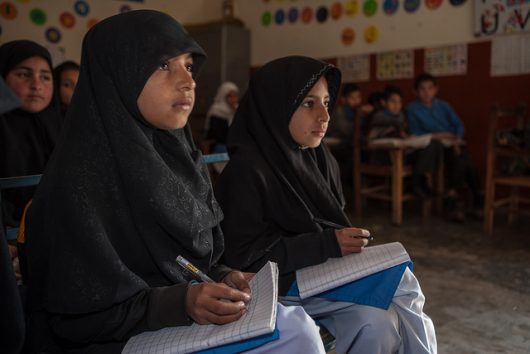
How USAID is Improving Girls’ Education in Pakistan

Girls' Education in PakistanWith an estimated 22.6 million children (aged 5 to 16) out of school, Pakistan is facing an education crisis. This education concern is disproportionately affecting girls, who make up two-thirds of out-of-school children. With so many girls not able to achieve more than an elementary education in Pakistan, USAID has made it a priority to improve girls’ education in Pakistan.
The challenge of child education in Pakistan stems from a variety of human rights issues, from the Taliban preventing girls from going to school to the practice of child marriage. Although these threats continue to diminish, they are still affecting girls’ education in Pakistan.

Only 54 percent of girls are enrolled in primary school, and this number drops to just 30 percent for secondary school. From there, it is estimated that only one in 10 will complete their secondary schooling, being pulled out of school for financial reasons or to be forced into marriage. These practices are typically concentrated in rural areas, but affect girls throughout Pakistan.

With secondary education difficult to access for many girls because they are subject to arranged marriages or financial pressures, USAID has started a program to focus on girls’ access to secondary education. So far, USAID has created 33 schools covering sixth through eighth grade for girls between 11 and 19. These schools will be set up in rural villages where there are often no existing secondary schools for girls.

USAID is also working to improve other dimensions of Pakistan’s education crisis. USAID has done so by building and repairing more than 1,135 schools since 2011, and by educating more than 660,000 primary-level students through its reading program. USAID has also committed over $70 million to implement its Empower Adolescent Girls strategy in order to help educate more than 200,000 young girls in Pakistan.

In addition to improving students’ access to education, USAID is investing in teachers by repairing and building the 17 Faculty of Education centers in Pakistan as well as by providing more than 3,100 scholarships for aspiring teachers to earn their education. USAID has also trained more than 25,000 teachers and school administrators since 2014.

When a child is educated, their livelihoods improve and they are given the tools necessary to be lifted from poverty. While there are still far too many children out-of-school in Pakistan, USAID is working tirelessly in order to give every child access to a complete education.

– Kelly Hayes

Photo: Flickr


Learn about the Protecting Girls’ Access to Education in Vulnerable Settings Act


September 6, 2017
https://borgenproject.org/wp-content/uploads/borgen-project-logo.svg 0 0 Kim Thelwell https://borgenproject.org/wp-content/uploads/borgen-project-logo.svg Kim Thelwell2017-09-06 07:30:092024-05-24 23:40:59How USAID is Improving Girls’ Education in Pakistan
Children

Efforts to Improve Maternal and Child Health in Haiti

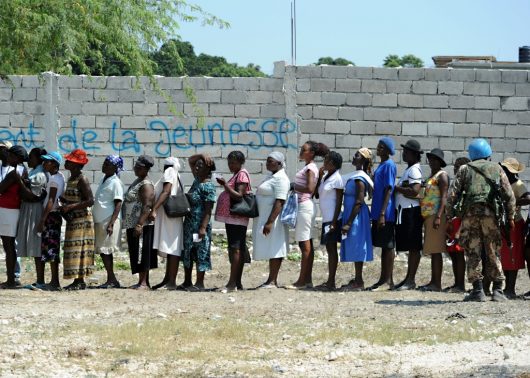
Maternal and Child Health in HaitiSince the earthquake that shook the small country of Haiti in 2010, minimal research has been done that concerns maternal and child health in Haiti. Haiti has the highest infant and maternal mortality rate in the western hemisphere, with the infant mortality rate at 48.2 per 1,000 lives births and the maternal mortality rate at 359 per 10,000 live births. Only 34.5 percent of women in Haiti use any form of contraceptive.
Crushing poverty, poor health infrastructure and frequent natural disasters are some of the causes of the poor situation for maternal and child health in Haiti. Many people are still displaced from the 2010 earthquake. Women have a one in 80 chance of dying due to pregnancy and childbirth, and about 50 percent of the population has no access to basic health services at all.

The first study conducted by the NIH after the earthquake that looked at maternal and child health in Haiti and includes opinions of Haitian women and healthcare workers (HCWs) was conducted in 2015. This study found that Haiti was staffed with only 2.8 HCWs per 1,000 inhabitants, and only 1.8 nurses and one physician per 10,000 inhabitants.

The study outlined six major strategies for improving maternal and child health in Haiti:

  1. Create a nurse-midwife program offering post-graduate certification for nurses.
  2. Develop and implement maternal and child health training that focuses on morbidity and mortality prevention and is specifically designed for lay birth attendants.
  3. Implement training for HCWs in obstetric and pediatric complications.
  4. Develop relationships between lay birth attendants and nurse-midwives to work collaboratively.
  5. Implement breastfeeding training programs for HCWs and mothers to increase exclusive breastfeeding to decrease infant diarrhea and malnutrition.
  6. Develop women’s health programs to prevent intimate partner violence and increase condom use to prevent HIV.

The U.N. Population Fund (UNFPA) has been working with the health ministry and other partners on improving these issues on the ground by supporting “smile clinics.” Smile clinics are maternity hospitals and clinics that provide basic but life-saving emergency obstetric and neonatal care. They are among the most active clinics in the country and also offer family planning services, programs to combat gender-based violence and HIV treatment services.

Haiti has seen a 43 percent decrease in maternal mortality since 1990, and infant mortality is falling by three percent annually, but there is still more to be done. Because only 10 percent of midwifery needs are currently being met, UNFPA supported the construction of a new earthquake-resistant National Midwifery School after the previous one was flattened.

UNICEF is another organization working to improve conditions for maternal and child health in Haiti. UNICEF opened a clinic in 2012 in Marigot, a rural area with little access to health services. In addition to Basic Emergency Obstetric Care (BEmOC), the clinic provides training for matrons, traditional Haitian birth attendants who usually do not have any training. Most matrons use traditional childbirth practices that are passed down through generations. Transportation to clinics can be very difficult, and Haitians often trust and prefer local matrons to professionally trained midwives. For this reason, the clinic in Marigot emphasizes training matrons in basic obstetric care.

USAID’s Maternal and Child Survival Program (MCSP) is another agency working to improve maternal and child health in Haiti. Beginning in April 2014, MCSP has been working in Haiti with Ending Preventable Child and Maternal Deaths (EPCMD) and Services de Sante de Qualite pour Haïti-Nord (SSQH-Nord) to provide technical assistance directly to the Ministry of Health in policies, guidelines and protocols in line with global standards.

In the project’s first year, it opened three National Training Centers with 19 staff trained as trainers in Maternal and Newborn Health skills standardization and high-impact interventions. MCSP also mapped and profiled 36 civil society organizations engaged in community health. The project will continue through September 2017.

With efforts such as these, maternal and child health in Haiti is sure to continue improving in the future.

– Phoebe Cohen

Photo: Google

September 2, 2017
https://borgenproject.org/wp-content/uploads/borgen-project-logo.svg 0 0 Borgen Project https://borgenproject.org/wp-content/uploads/borgen-project-logo.svg Borgen Project2017-09-02 07:30:532024-06-07 05:07:44Efforts to Improve Maternal and Child Health in Haiti
Children, Global Poverty

Call for Congress to Reduce Child Poverty

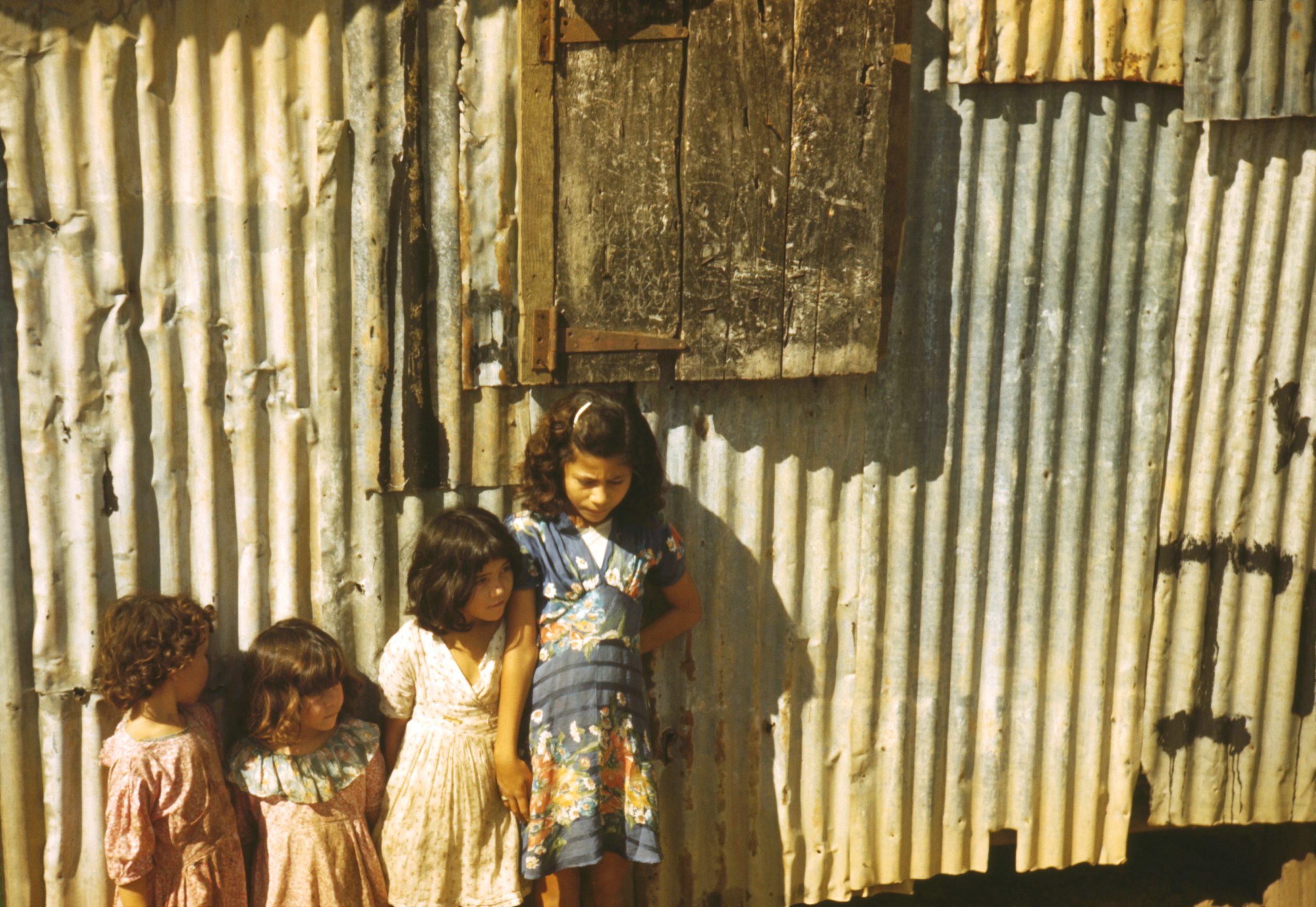
New approaches to reducing child poverty are being tried all over the world as the fight against global poverty has become a call for Congress to reduce child poverty. In Puerto Rico, San Juan’s Archbishop Roberto González and Reverend Heriberto Martínez make a push for Congress to address this issue by granting equal access to U.S. Health Care and child tax benefits.
Strides were made last week as Congress moved forward in making this happen by acting on restructuring the debt. Now, there is a call to act on proposals made by the Congressional Task Force on Economic Growth in Puerto Rico to support sustainable development.

Reducing child poverty is about providing stability for the future. It is about action now for growth later. Recent congressional assessment of foreign aid continues to mobilize efforts to achieve the Sustainable Development Agenda by 2030.

This agenda aims to break the vicious cycle of poverty that has stagnated development for decades. The key is solidarity across all generations. The new approach and energy of the youth must combine with the wisdom and experience of the aged to support the sustainability of the world’s growing population.

These new methods continue to point our world in the right direction of sustainability. On August 7, Wang Qishan, China’s top graft-buster, supported President Xi Jinping’s poverty alleviation program that highlights corruption prevention and inspection as part of the campaign.

Efforts similar to this that focus on specific contributors to global poverty rather than tackle this major issue as a whole are the driving force for the Sustainable Development Agenda.

The call to address this problem has become a call to Congress to reduce child poverty by promoting development across all aspects of culture and life. Providing aid supports this movement when pointed in the right direction and Congress has the power to do so.

– Tucker Hallowell

Photo: Google

September 1, 2017
https://borgenproject.org/wp-content/uploads/borgen-project-logo.svg 0 0 Borgen Project https://borgenproject.org/wp-content/uploads/borgen-project-logo.svg Borgen Project2017-09-01 07:30:382020-06-25 10:51:56Call for Congress to Reduce Child Poverty
Children, Global Poverty

On the Poverty Rate in Austria

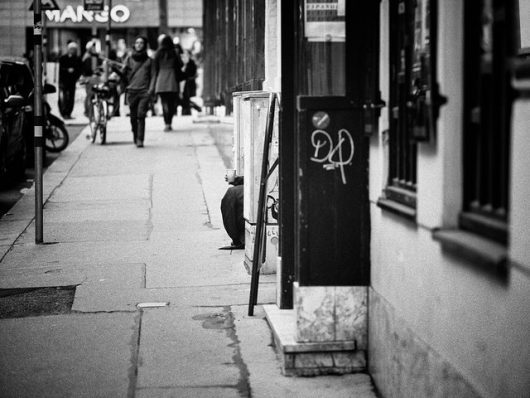
Poverty Rate in AustriaAustria is a nation with nearly 8.7 million citizens that lies in the center of Europe. In 2015, Austria was deemed one of the wealthiest countries in the world. Because of this large statistic, only four percent of the population fall beneath the poverty line. Consequently, the poverty rate in Austria very small.

According to the Organisation for Economic Cooperation and Development (OECD), the poverty rate is the ratio of the number of people whose earnings fall below the poverty line. The poverty line is half the median household revenue of the total population. The World Factbook shows poverty is on the minor end of the spectrum in Austria but, despite low percentages, continues to exist.

Children 17 years old and younger are most affected. A 2016 OECD report shows that 9.1 percent of Austrian children live in a household with a disposable income of less than half of the Austrian median income. This number was seven percent in 2007. It is also interesting to note that among children living in Austria, 17.5 percent say that they have been bullied in the last two months. This is the second highest share in the OECD area.

In an evaluation of Austria’s well-being for 2016, the country performed close to the OECD average. Austrian households have higher net adjusted disposable income and experience lower work insecurity.

However, The Economic Survey of Austria of 2017 shows Austria is struggling to adjust towards digitalization. Digital transformation is altering the relationship between the wealthy and the poor. Well-educated people are adjusting quickly to global trends in technology, while older generations, the less educated and immigrants are falling behind. This creates unequal opportunity within the country and raises questions about those on the lower end entering the future workforce.

While Austria continues to struggle with growing child poverty rates and the digital era, 94.4 percent of Austrians are satisfied with the quality of water and air in the region. In regard to support, 92.5 percent of Austrians report having friends or relatives that they can rely on in times of trouble.

Based on economic status and results of well-being, the poverty rate in Austria can be drastically reduced. A possible solution to Austria’s largest problems could be an increase in the state budget for welfare assistance. The State could also create support structures for children being bullied or coming into school systems from low-income families. Equal opportunity and digital training must also be available for anyone entering the workforce so that older generations, the less educated and immigrants don’t get left behind.

– Emilee Wessel

Photo: Flickr

August 22, 2017
https://borgenproject.org/wp-content/uploads/borgen-project-logo.svg 0 0 Borgen Project https://borgenproject.org/wp-content/uploads/borgen-project-logo.svg Borgen Project2017-08-22 01:30:112024-12-13 18:05:34On the Poverty Rate in Austria
Children, Education, Refugees

Jordanian Education System Struggles to Educate Refugees

Over the past several years, thousands of Syrian refugees have been fleeing their homeland to escape war and heading to Jordan, where the refugee-friendly Za’atari camp resides.
Za’atari opened in 2012 and currently houses 80,000 Syrian refugees, including families in need of a proper education system for their children. Although Jordan implemented a provision in 2016 which provided 75,000 new schools specifically for Syrian refugee children, thousands of these children are missing out on the Jordanian education system.

Among these 75,000 new schools are 50,000 new public schools and 25,000 locations in non-formal school settings, all of which were meant to be designated learning spaces for Syrian refugee children living in Jordan.

Despite the significant number of schools available to Syrian refugees, there is a severe lack of teachers who are adequately trained and qualified to instruct these students. Additionally, Syrian refugee children who enroll in Jordanian schools face social restrictions due to bullying problems.

With nearly 27,000 students in need of education, Za’atari resources, including education, have become very limited, which has led many young people to child labor or early marriage to help their families’ financial situations. With so few of these kids in school, Save the Children has found that almost 50 percent of Jordan’s Syrian population rely on income provided by a child in the family.

However, Syrian refugee children who do not attend school are not the only ones who are facing problems. Those who do go to school are only attending for about three or four hours, as the morning hours get used for other children in Jordan.

Because Syrian refugee children have been missing out on education throughout their time living in Syria, they have much learning to be successful in the Jordanian education system. With such a limited number of school hours available to these children, catching up with the other kids of Jordan is nearly impossible.

As Syrian refugee students struggle to keep up with other kids in Jordan, some are dropping out of the Jordanian education system due to bullying and harassment issues. Girls specifically have been targeted and subjected to this abuse, which leads to these young girls dropping out and being forced into marriage at an early age.

Za’atari has recognized these issues and is working to solve them to make every Syrian refugee feel safe and included in the Jordanian education system. Parents and organizations throughout Za’atari have been seeking resources to better train teachers and obtain higher security in schools.

The efforts being made in Za’atari and other parts of Jordan have been met by an outpouring of support for Syrian refugees through Their World’s #YouPromised campaign.

Their World, a nonprofit working to provide education and necessary resources to children across the globe, started #YouPromised to ensure that the Syrian refugees in Jordan, Turkey and Lebanon receive the quality education that they were promised.

You can get involved with the #YouPromised project to amplify the voices of the Syrian refugee children struggling in the Jordanian education system by sending a message to world leaders.

With the work being done in Za’atari and the rest of Jordan as well as Their World’s #YouPromised campaign, Syrian refugee children are closer than ever to receive the quality education that they deserve.

– Kassidy Tarala

Photo: Flickr

August 16, 2017
https://borgenproject.org/wp-content/uploads/borgen-project-logo.svg 0 0 Kim Thelwell https://borgenproject.org/wp-content/uploads/borgen-project-logo.svg Kim Thelwell2017-08-16 07:30:102024-05-28 00:15:38Jordanian Education System Struggles to Educate Refugees
Children

Fertility Rates in Developing Countries

Fertility Rates in Developing CountriesReducing fertility rates in developing countries is critical for ending global poverty. Common methods of doing so include education, contraception and women’s empowerment. However, another important factor affecting fertility rates is child survival.
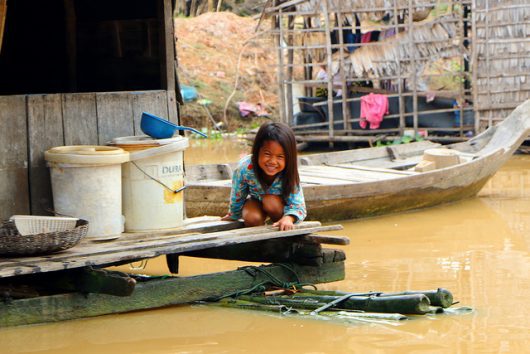
There are many biological and behavioral factors that affect women and families when children die early. Physiologically, the early death of an infant triggers the resumption in ovulation, leaving the mother at early risk of conceiving again. Additionally, parents who lose children early are more likely to attempt to replace lost children or have extra children as insurance or compensation.

To fight high fertility rates in developing countries and around the world, it is important to understand the rates, causes and prevention efforts of stillbirths and under-five mortality.

The World Health Organization (WHO) defines a stillbirth as “a baby born with no signs of life at or after 28 weeks’ gestation.” There are an estimated 2.6 million stillbirths per year across the globe, which equates to more than 7,178 occurring daily.

The majority of stillbirths happen in developing countries with little or no access to skilled health professionals during pregnancy and labor. The WHO estimates that of the 2.6 million yearly stillbirths, 90 percent occur in low and middle-income countries, 75 percent occur in South Asia and sub-Saharan Africa, and 60 percent occur in rural areas of those Asian and African regions.

Stillbirths are caused by child birth complications, post-term pregnancy, maternal infections during pregnancy (such as malaria, syphilis and HIV), maternal disorders (such as hypertension, obesity and diabetes), fetal growth restrictions and congenital abnormalities.

Most stillbirths can be prevented with improved access to maternal healthcare. The Every Newborn Action Plan (ENAP) aims to prevent these avoidable deaths and has a target of 12 stillbirths per 1,000 live births by 2030. To compare, today, the stillbirth rate in sub-Saharan Africa is 29 per 1,000 live births and, in developed countries, is three stillbirths per 1,000 live births on average.

An estimated 5.9 million children under five die every year around the world. However, instances in developing countries are higher. In low-income countries, the under-five mortality rate is about 76 deaths per 1,000 live births. To compare, in high-income countries, the under-five mortality rate is about seven deaths per 1,000 live births. Seventy percent of these deaths in developing countries are preventable and caused by acute lower respiratory infections (such as pneumonia), diarrhea, malaria, measles, HIV/AIDS, malnutrition and neonatal conditions.

About 2.7 million children die annually during the first month of life. Seventy-five percent of these newborn deaths happen during the first week and up to 50 percent during the first 24 hours. Causes of neonatal and infant mortality include prematurity, low birth weight, infections, birth asphyxia, HIV-infected mothers and birth trauma.

The majority of these infant deaths are preventable with health measures and care during and after birth, particularly during the first week of life. Additionally, most deaths under the age of five can be prevented with access to basic goods and services such as nutrition, water, sanitation, shelter, education, healthcare and information. Millennium Development Goals (MDGs) and Sustainable Development Goals (SDGs) aim to decrease instances of under-five mortality as well as stillbirths. Part of SDG goal three is to end preventable infant and child mortality by 2030.

Improving fertility rates has positive effects on economics, health, environment and education. And, contrary to a popular foreign aid myth, improving child survival rates can actually decrease population growth rates around the world. Ironically, fertility rates in developing countries and around the world can, in turn, affect stillbirth and under-five mortality rates. Addressing this perceivably unending cycle is critical to ending global poverty.

– Francesca Montalto

Photo: Flickr

August 15, 2017
https://borgenproject.org/wp-content/uploads/borgen-project-logo.svg 0 0 Borgen Project https://borgenproject.org/wp-content/uploads/borgen-project-logo.svg Borgen Project2017-08-15 01:30:282024-05-28 00:15:27Fertility Rates in Developing Countries
Children, Education

Improving Access to Education in Cambodia

 Education in CambodiaIn the 1970s, the Khmer Rouge’s regime resulted in the destruction of most of Cambodia’s educational structures. At the end of this brutal period of communist rule, Cambodia was forced to rebuild its education system from nothing. The country has seen great success in this area, and education in Cambodia continues to improve and be accessible to more young students.
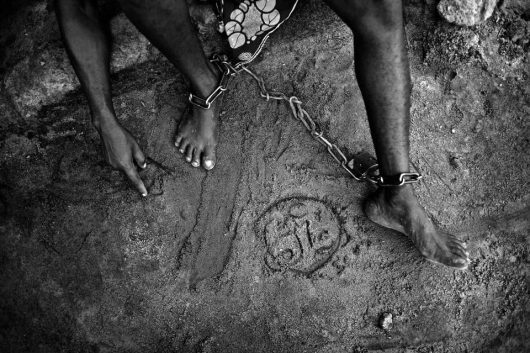
Reforms in 1996 solidified the general educational pattern of six-three-three, meaning six years of primary education, three years of lower secondary education and three years of upper secondary education. The government runs the public education system, but there are several opportunities for private education in Cambodia.

In 2014, the government formulated an Education Strategic Plan to improve the education system and subsequently stimulate the economy. The plan focuses on equal access to education, increasing the quality of the school curriculum, and encouraging teachers and school faculty towards excellence in their roles as educators.

Eighteen percent of the national budget has been dedicated to education. These efforts from the Cambodian government have been met with great success. As of 2015, 98 percent of school-age age were enrolled in some form of school. Female students comprised 48 percent of this statistic. In the last decade, almost 1,000 schools have been built and school resources have been significantly expanded.

While education in Cambodia has enjoyed great success, the country still has many areas they need to improve. The student-to-teacher ratio is very high compared to other nearby countries, and teachers are not paid enough to support themselves. Forty-seven percent of third-grade students are unable to read at a third-grade level, and the overall illiteracy rate is incredibly high.

With the government’s resurgence in attention towards the education system, education in Cambodia has flourished in the past decade. While there are many aspects that still need work, the country is on the right track and will be rewarded with improvements in the economy and reduced poverty levels as a result of a strengthened education program.

– Julia McCartney

Photo: Flickr

August 14, 2017
https://borgenproject.org/wp-content/uploads/borgen-project-logo.svg 0 0 Borgen Project https://borgenproject.org/wp-content/uploads/borgen-project-logo.svg Borgen Project2017-08-14 01:30:242024-05-28 00:15:26Improving Access to Education in Cambodia
Children, Global Poverty

Child and Adolescent Mental Health in Sub-Saharan Africa

Mental HealthIn sub-Saharan Africa, a poverty-dense region, there is a relative lack of mental health services. This is partly because most healthcare resources in sub-Saharan African countries are allocated to infectious diseases such as HIV/AIDS, malaria and tuberculosis.

Ninety percent of malaria deaths, 70 percent of people with HIV/AIDS and 26 percent of tuberculosis cases are concentrated in sub-Saharan Africa. Against this background, mental health problems do not always raise concern. Mental illness accounts for 10 percent of the disease burden in sub-Saharan Africa.

The most common mental disorders in the region are depression and anxiety. The prevalence rates of depression and major depressive disorder in sub-Saharan African countries range from 40 to 55 percent. Among the child and adolescent populations of Sub-Saharan Africa, mental health issues are common. Fourteen percent have mental health problems and nearly 10 percent have diagnosable psychiatric disorders.

Poverty, warfare and disease have all been identified as vulnerabilities and risk factors to child and adolescent mental health in sub-Saharan Africa. In one study conducted in southern Sudan, researchers found that 75 percent of children there suffer from post-traumatic stress disorder. There is a lack of evidence-based research on child and adolescent mental health in sub-Saharan Africa. However, a review of the literature indicates that psychological distress and mood, conduct and anxiety disorders are common among children who have experienced armed conflict.

In 2011 it was estimated that 90 percent of children infected with or directly affected by AIDS reside in sub-Saharan Africa. Rates of anxiety and depression are significantly higher in children who have been orphaned by AIDS than in other children. One study found that 12 percent of children orphaned by AIDS in rural Uganda had suicidal thoughts.

There are several challenges to providing quality mental health services in low- and middle-income countries. Two of these include cost and lack of research and needs-based assessments. Of all medical conditions, mental disorders are some of the most expensive to treat. In most sub-Saharan African countries, treatment facilities are limited in number and often inaccessible to much of the population. But without needs assessments and research demonstrating the value of providing effective treatments and services in the region, improving mental health care and its availability to those who need it remains a relatively low priority.

In recent years, mental health has been getting increased attention in sub-Saharan Africa and new efforts have been developed to improve mental health research and care in the region. In 2011, an association of research institutions and health ministries in Uganda, Ethiopia, India, Nepal and South Africa partnered with Britain and the World Health Organization to research the effect of community-based mental health treatment in low- and middle-income nations and to develop facilities and services in these areas.

Another effort is the Africa Focus on Intervention Research for Mental Health, which is working with several sub-Saharan nations on infrastructure development and has conducted a number of randomized controlled experiments to test affordable, accessible intervention methods for severe mental disorders.

This is only a small sample of the development efforts addressing mental health treatment and services in sub-Saharan Africa. Recognition of mental disorders’ significance in national health and more research on intervention will go a long way toward bettering child and adolescent mental health in sub-Saharan Africa.

– Gabrielle Doran

Photo: Google

August 13, 2017
https://borgenproject.org/wp-content/uploads/borgen-project-logo.svg 0 0 Borgen Project https://borgenproject.org/wp-content/uploads/borgen-project-logo.svg Borgen Project2017-08-13 01:30:142024-05-28 00:15:24Child and Adolescent Mental Health in Sub-Saharan Africa
Children, Education, Health

Hungry to Learn: Education and Child Hunger

Education and Child HungerSchool is an opportunity, and it isn’t just an opportunity to learn. To combat children’s hunger in developing countries, school and its accompanying meals can be an opportunity for hungry children and their families to access nutritious, regular meals. For students who are hungry to learn and also have hungry bellies, connecting education and child hunger through policy and humanitarian work can encourage children’s education and decrease child hunger.

There are 66 million primary school-age children who attend school hungry each day, and this undernourishment can result in up to 160 days of illness, seriously affecting children’s health and absenteeism rates. It is difficult for hungry children to focus and stay motivated, lowering school performance and impairing cognitive abilities. Hunger can deeply impact a child’s education and alter how they learn and develop, decreasing student retention.

The issue of child hunger has complex roots that spread across systems and communities, and addressing child hunger through schools requires efforts just as diverse. Hungry children live in food-scarce homes and impoverished communities, and school-based nutritional interventions have the opportunity to improve the health of their entire community. The home-grown School Feeding Program by the U.N. World Food Programme is one innovative way communities are linking education and child hunger. By partnering schools with local farmers to provide nutritious school meals, child hunger is reduced and the local economy grows.

Brazil has had great success with this model, with a 2009 law apportioning 30 percent of the federal budget to purchase local produce from smallholder farms. Municipalities are encouraged to improve their school feeding practices through an annual government award, and local smallholder farmers now have a source of income that helps to alleviate rural poverty. By providing nutritious, locally sourced school meals for children, entire communities are benefitting from improving education and child hunger.

School feeding programs can also improve girls’ access to education by motivating families to send their daughters to school alongside their sons. The McGovern-Dole International Food for Education and Child Nutrition Program is encouraging girls’ education through the structure of its school feeding programs, providing meals during the school day and also giving children take-home meals. Attendance for girls doubled in schools with these feeding programs since the take-home meals are incentive enough for resource-scarce families to start sending their daughters to school.

In Somalia and Bangladesh, the education of women is also helping to end child hunger. Alongside its provision of nutritional supplements in Somalia, the World Food Programme offers classes to mothers about the causes of malnutrition and how to prevent it, and in Bangladesh, a partnership between the United Nations Children’s Fund and the European Union is educating mothers about the importance of a varied diet. Offering group classes and one-on-one nutrition sessions in their homes, community health workers teach mothers how to cook nutritious meals. Drawing the connection between women’s education and child hunger helps children access nutritious meals not just at school, but in the home as well.

Connecting education and child hunger through innovative programs like locally sourced produce for school feeding programs, take-home meals to increase girls’ education and educating mothers about malnutrition allows schools to be an opportunity for children to receive both an education and nutritious meals. Focusing on school feeding models that bring income to local smallholder farmers and empower women and girls ensures not only the prevention of school children going hungry but the root causes of child hunger like rural poverty and lack of nutrition education are being addressed. By examining the intersections of education and child hunger, governmental and nongovernmental programs are filling hungry minds and bellies while strengthening communities.

– Irena Huang

Photo: Flickr

August 11, 2017
https://borgenproject.org/wp-content/uploads/borgen-project-logo.svg 0 0 Borgen Project https://borgenproject.org/wp-content/uploads/borgen-project-logo.svg Borgen Project2017-08-11 01:30:572020-06-05 08:57:38Hungry to Learn: Education and Child Hunger
Children, Education

Embracing Disability in Bolivia

Disability in Bolivia
People with disabilities are the most discriminated against, marginalized and disadvantaged social group in Bolivia. The enrollment rates for children with disabilities in Bolivia are relatively low, with only 38% of disabled children attending school.

In Bolivia, a nation in central South America, nearly half of the population is under the age of 18. Access to primary education is almost universal, as 95% of Bolivians aged 6 to 11 are enrolled in school.

The opportunities for Bolivian children with disabilities are limited. Teachers and families lack the specialized training to care for and teach disabled children, so they seldom receive the education and medical attention they deserve.

Embracing Disability in Bolivia is an organization that addresses the need for an educational system that accommodates children with disabilities. The annual Embracing Disability in Bolivia conference works with Bolivian churches, schools, social service agencies and families to create schools that provide accommodations and services for children with special needs.

At the first annual conference in 2013, the sessions’ subject areas included: general information about the term ‘disability’; attitudes toward people with disabilities, behavioral disorders and health conditions related to disabilities, the best practices for educating children with disabilities, accessibility and transportation for disabled students and professional training for disabled graduates.

In 2014, the Embracing Disability in Bolivia conference expanded upon its initial set of subject areas to include topics such as funding and advocacy.

Training sessions for teachers and families and interactive sessions for attendees to share personal stories are also featured. In a 2015 session, mothers talked about their experiences and the difficulties they encountered while caring and advocating for their children with disabilities.

Each year, Embracing Disability in Bolivia finds new ways to expand and improve its annual conference. At the 2017 conference, Embracing Disability in Bolivia plans to provide new insights, information and opportunities to help integrate more Bolivian children with disabilities into mainstream education.

– Gabrielle Doran

Photo: Flickr

August 9, 2017
https://borgenproject.org/wp-content/uploads/borgen-project-logo.svg 0 0 Borgen Project https://borgenproject.org/wp-content/uploads/borgen-project-logo.svg Borgen Project2017-08-09 07:30:532024-05-28 00:15:16Embracing Disability in Bolivia
Page 95 of 137«‹9394959697›»

Get Smarter

  • Global Poverty 101
  • Global Poverty… The Good News
  • Global Poverty & U.S. Jobs
  • Global Poverty and National Security
  • Innovative Solutions to Poverty
  • Global Poverty & Aid FAQ’s
Search Search

Take Action

  • Call Congress
  • Email Congress
  • Donate
  • 30 Ways to Help
  • Volunteer Ops
  • Internships
  • Courses & Certificates
  • The Podcast
Borgen Project

“The Borgen Project is an incredible nonprofit organization that is addressing poverty and hunger and working towards ending them.”

-The Huffington Post

Inside The Borgen Project

  • Contact
  • About
  • Financials
  • President
  • Board of Directors
  • Board of Advisors

International Links

  • UK Email Parliament
  • UK Donate
  • Canada Email Parliament

Get Smarter

  • Global Poverty 101
  • Global Poverty… The Good News
  • Global Poverty & U.S. Jobs
  • Global Poverty and National Security
  • Innovative Solutions to Poverty
  • Global Poverty & Aid FAQ’s

Ways to Help

  • Call Congress
  • Email Congress
  • Donate
  • 30 Ways to Help
  • Volunteer Ops
  • Internships
  • Courses & Certificates
  • The Podcast
Scroll to top Scroll to top Scroll to top