Child and Adolescent Mental Health in Sub-Saharan Africa
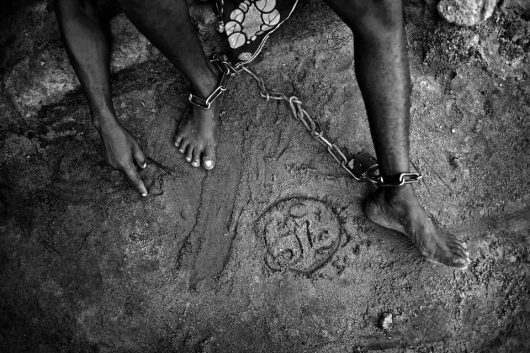 In sub-Saharan Africa, a poverty-dense region, there is a relative lack of mental health services. This is partly because most healthcare resources in sub-Saharan African countries are allocated to infectious diseases such as HIV/AIDS, malaria and tuberculosis.
Ninety percent of malaria deaths, 70 percent of people with HIV/AIDS and 26 percent of tuberculosis cases are concentrated in sub-Saharan Africa. Against this background, mental health problems do not always raise concern. Mental illness accounts for 10 percent of the disease burden in sub-Saharan Africa.
The most common mental disorders in the region are depression and anxiety. The prevalence rates of depression and major depressive disorder in sub-Saharan African countries range from 40 to 55 percent. Among the child and adolescent populations of Sub-Saharan Africa, mental health issues are common. Fourteen percent have mental health problems and nearly 10 percent have diagnosable psychiatric disorders.
Poverty, warfare and disease have all been identified as vulnerabilities and risk factors to child and adolescent mental health in sub-Saharan Africa. In one study conducted in southern Sudan, researchers found that 75 percent of children there suffer from post-traumatic stress disorder. There is a lack of evidence-based research on child and adolescent mental health in sub-Saharan Africa. However, a review of the literature indicates that psychological distress and mood, conduct and anxiety disorders are common among children who have experienced armed conflict.
In 2011 it was estimated that 90 percent of children infected with or directly affected by AIDS reside in sub-Saharan Africa. Rates of anxiety and depression are significantly higher in children who have been orphaned by AIDS than in other children. One study found that 12 percent of children orphaned by AIDS in rural Uganda had suicidal thoughts.
There are several challenges to providing quality mental health services in low- and middle-income countries. Two of these include cost and lack of research and needs-based assessments. Of all medical conditions, mental disorders are some of the most expensive to treat. In most sub-Saharan African countries, treatment facilities are limited in number and often inaccessible to much of the population. But without needs assessments and research demonstrating the value of providing effective treatments and services in the region, improving mental health care and its availability to those who need it remains a relatively low priority.
In recent years, mental health has been getting increased attention in sub-Saharan Africa and new efforts have been developed to improve mental health research and care in the region. In 2011, an association of research institutions and health ministries in Uganda, Ethiopia, India, Nepal and South Africa partnered with Britain and the World Health Organization to research the effect of community-based mental health treatment in low- and middle-income nations and to develop facilities and services in these areas.
Another effort is the Africa Focus on Intervention Research for Mental Health, which is working with several sub-Saharan nations on infrastructure development and has conducted a number of randomized controlled experiments to test affordable, accessible intervention methods for severe mental disorders.
This is only a small sample of the development efforts addressing mental health treatment and services in sub-Saharan Africa. Recognition of mental disorders’ significance in national health and more research on intervention will go a long way toward bettering child and adolescent mental health in sub-Saharan Africa.
– Gabrielle Doran
Photo: Google
