On the Poverty Rate in Austria
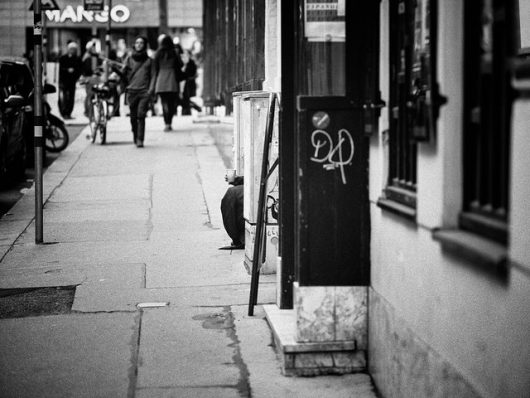 Austria is a nation with nearly 8.7 million citizens that lies in the center of Europe. In 2015, Austria was deemed one of the wealthiest countries in the world. Because of this large statistic, only four percent of the population fall beneath the poverty line. Consequently, the poverty rate in Austria very small.
According to the Organisation for Economic Cooperation and Development (OECD), the poverty rate is the ratio of the number of people whose earnings fall below the poverty line. The poverty line is half the median household revenue of the total population. The World Factbook shows poverty is on the minor end of the spectrum in Austria but, despite low percentages, continues to exist.
Children 17 years old and younger are most affected. A 2016 OECD report shows that 9.1 percent of Austrian children live in a household with a disposable income of less than half of the Austrian median income. This number was seven percent in 2007. It is also interesting to note that among children living in Austria, 17.5 percent say that they have been bullied in the last two months. This is the second highest share in the OECD area.
In an evaluation of Austria’s well-being for 2016, the country performed close to the OECD average. Austrian households have higher net adjusted disposable income and experience lower work insecurity.
However, The Economic Survey of Austria of 2017 shows Austria is struggling to adjust towards digitalization. Digital transformation is altering the relationship between the wealthy and the poor. Well-educated people are adjusting quickly to global trends in technology, while older generations, the less educated and immigrants are falling behind. This creates unequal opportunity within the country and raises questions about those on the lower end entering the future workforce.
While Austria continues to struggle with growing child poverty rates and the digital era, 94.4 percent of Austrians are satisfied with the quality of water and air in the region. In regard to support, 92.5 percent of Austrians report having friends or relatives that they can rely on in times of trouble.
Based on economic status and results of well-being, the poverty rate in Austria can be drastically reduced. A possible solution to Austria’s largest problems could be an increase in the state budget for welfare assistance. The State could also create support structures for children being bullied or coming into school systems from low-income families. Equal opportunity and digital training must also be available for anyone entering the workforce so that older generations, the less educated and immigrants don’t get left behind.
– Emilee Wessel
Photo: Flickr
