• Link to X
  • Link to Facebook
  • Link to Instagram
  • Link to TikTok
  • Link to Youtube
  • About
    • About Us
      • President
      • Board of Directors
      • Board of Advisors
      • Financials
      • Our Methodology
      • Success Tracker
      • Contact
  • Act Now
    • 30 Ways to Help
      • Email Congress
      • Call Congress
      • Volunteer
      • Courses & Certificates
      • Be a Donor
    • Internships
      • In-Office Internships
      • Remote Internships
    • Legislation
      • Politics 101
  • The Blog
  • The Podcast
  • Magazine
  • Donate
  • Click to open the search input field Click to open the search input field Search
  • Menu Menu

Archive for category: Children

Information and stories addressing children.

Children, Food & Hunger, Food Security

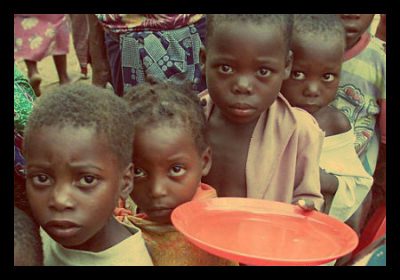
Hunger in South Africa

Hunger in South Africa Starvation
South Africa is one of the few countries able to provide its entire population with food. Each individual is able to receive approximately 600 grams of starch, 300 grams of fruit and vegetables, and 150 grams of meat or fish, according to the Food and Agriculture Organization of the United Nations. However, hunger in South Africa continues to be a prevalent issue.


Causes of Hunger in South Africa


Thus, 11 million South Africans are unsure where their next meal will come from, a concept known as “food insecure.” A quarter of the South African population is currently struggling from malnourishment and hunger. The rural areas are where hunger hits the hardest, and the majority of South Africa’s poor are living in the rural parts of the country.

The reasoning for this is because natural resources are being wasted and are not being put to appropriate use. The cost of food is rising, and many South Africans are finding it increasingly difficult to afford or access nutrient dense foods at an affordable price.

Dr. Gerhard Backebery, Executive Manager of the South African Water Research Commission states, “Although not conclusive, it seems that most poor people are buying and not growing the food that they are eating. At the same time it is of major concern that available natural resources (such as water, soil and plants) are under-utilized.”


Devastating Health Outcomes of Hunger in South Africa


People are not merely dying of hunger in South Africa, but more specifically, they are dying from the side effects of lacking proper nutrients.  What people are able to eat is directly stemmed from what they are able to afford. Children, in particular, are suffering from undernourishment and malnourishment; a study in the Eastern Cape shows that some children are only ingesting meat one time per month, therefore they are severely lacking in minerals such as zinc and iron.

One in five children are reportedly stunted from lack of necessary nutrients and minerals.  Their nutrient deficiencies can have a lasting effect on their growth process, causing significant impairment to their physical health and mental development.

For example, iron deficiencies can cause poor attention spans and fatigue, making brain activity slower and learning more difficult.

Food fortification is one of the main methods to help reduce malnutrition and deprivation of nutrients.

Wheat flour, sugar, and maize flour now include essential vitamins and minerals. The addition of fortification in food has led to a reduction in birth defects. Children who are not breastfed, or who have been improperly breastfed, present elevated levels of malnourishment, growth defects, diarrhea, and are at greater risk of HIV and AIDS.

Other factors such as access to clean water, sanitization and health care can have a large impact on resolving hunger in South Africa. They influence health and can lead to maintaining essential nutrients that may otherwise be lost due to diarrhea and dehydration.

– Rebecca Felcon

Sources: UNICEF, Food Bank, Mail and Guardian
Photo: Telegraph

February 26, 2014
https://borgenproject.org/wp-content/uploads/borgen-project-logo.svg 0 0 Borgen Project https://borgenproject.org/wp-content/uploads/borgen-project-logo.svg Borgen Project2014-02-26 04:00:032024-05-26 23:13:27Hunger in South Africa
Advocacy, Children, Developing Countries, Extreme Poverty, Global Poverty

Best Solution for Poverty: Investing in Children

L_children_playing_africa
Across the world, almost one billion children live in poverty. They live without access to proper nutrition, healthcare and especially, adequate education. Children are the future of the world and need to be nurtured to become successful. When children grow up with skills to join the labor force, they can help pull their countries out of poverty by making changes in the political system and economy. As educated citizens, they will be less likely to engage in unethical behavior and more likely to have fewer children. As a result, both mortality and overpopulation rates decline.

By ignoring children’s education, developing countries are also unaware of talented children.

Talented children are more likely to achieve higher degrees and may go into professions such as being educators, business leaders and scientific researchers. These children have the capacity to make huge contributions to society in various fields that will support economic growth in developing countries.

Therefore, nurturing talent, both physically and psychologically is a crucial to reducing global poverty in the long run.

From a physical perspective, children need to have a good nutritional diet so that they can be healthy both physically and mentally. Lacking necessary nutrition can cause children to develop slower and not be able to absorb education properly.

From a psychological point of view, education systems and societal support are the keys to unlock the full potential for young talents. Good education gives children the chance to prove themselves as well as the basic knowledge to pursue their dreams. At the same time, support from society gives them the motivation to overcome challenges in their daily life and strive to become a better citizen of the world.

– Phong Pham

Sources: Spring: Gifted Children, Spring, UNICEF
Photo: Borgen Project

February 24, 2014
https://borgenproject.org/wp-content/uploads/borgen-project-logo.svg 0 0 Borgen Project https://borgenproject.org/wp-content/uploads/borgen-project-logo.svg Borgen Project2014-02-24 12:11:012024-12-13 17:53:49Best Solution for Poverty: Investing in Children
Children, Global Poverty

Major Child Labor Risk Factors

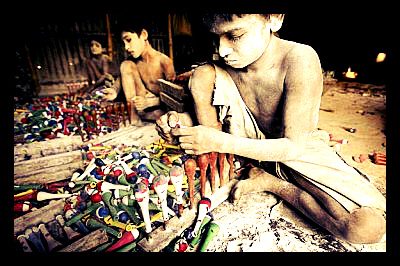
Child_labor_sweatshop_Bangladeshi_india
Child labor is defined as labor that children are unqualified to perform primarily because they are either young or too vulnerable for the nature of the work. As such, not all labor that children engage in can or should be regarded as child labor. For instance, labor that does not negatively impact the child’s physical or mental health generally does not qualify as child labor.

Worldwide, there are multiple forms of child labor ranging from agricultural work to mining, manufacturing and domestic service. Other children are trapped in even more malicious forms of labor such as debt bondage, prostitution, drug trafficking, and armed conflicts. Oftentimes, children who are subjected to child labor do not receive monetary compensation but rather informal payment in the form of food and a home.

Today, approximately 168 million children are victims of child labor, with the rates of underage labor highest in Asia and Sub-Saharan Africa. Half of these minors work in hazardous conditions. Furthermore, the United Nations has provided a set of risk factors that impact whether children are vulnerable to forced or underpaid labor. Oftentimes, poverty is the primary reason that children are subjected to labor. These children live in states of such extreme poverty that they are generally willing to endure abuse in order to secure even the paltriest sum of money.

Poverty, however, is not the only risk factor for child labor. Additional major risk factors include barriers to education, culture and tradition, market demand and poor legislation. For example, not all areas of the world have access to adequate education. Oftentimes, the quality of schooling in less developed countries is inadequate. In these situations, children generally opt to work rather than attend a school that they either cannot afford or do not view as useful. To these children, the idea of an immediate monetary reward outweighs schooling, especially when the welfare of their family is at stake.

Furthermore, in less developed countries, parents often reinforce the notion that children should enter the labor force, creating a cycle in which children of each generation successively enter the labor force early.

Due to market demand children are preferred workers because they are less costly to hire than adults. Employers perceive children as easier to abuse and more willing to endure maltreatment.

Lastly, child labor thrives in areas of the world that either do not have sufficient child labor laws or do not effectively enforce these laws.

Since children are developmentally vulnerable in more than just physical ways, exploitations of labor affect them cognitively, emotionally and behaviorally. These disturbances in development may help perpetuate the cycle of poverty – a malicious cycle that can only be broken once the risk factors of child labor are amended and principles of human rights are internalized, thus giving children the opportunity to just be children.

– Phoebe Pradhan

 Sources: International Labor Organization, United Nations
Photo: Curly Girl Chronicles

February 24, 2014
https://borgenproject.org/wp-content/uploads/borgen-project-logo.svg 0 0 Borgen Project https://borgenproject.org/wp-content/uploads/borgen-project-logo.svg Borgen Project2014-02-24 04:00:052024-12-13 17:50:03Major Child Labor Risk Factors
Children, Global Poverty

Child Labor in America

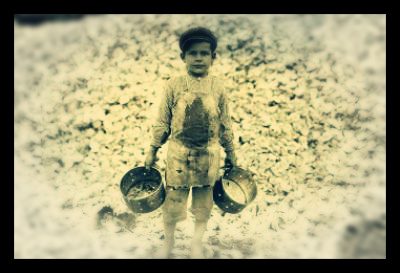
child_labor
The Fair Labor Standards Act of 1938 had outlawed child labor in America; however, individuals have managed to find their way around the law, effectively enslaving children, the vast majority of whom are migrant workers, within these laborious jobs. While the 1938 Act outlawed child labor in settings such as an office or a restaurant, the law left the prospect of employing child laborers on farms completely legal. In the United States, many child laborers still toil away on farms, being left vulnerable to heat exhaustion, heavy machinery and dehydration.

According to NBC, thousands of children, some as young as 8 years old, are being exploited, forced to endure grueling hours and equally grueling conditions on farms. These children work for little to no cost in order for the produce industry to put food on America’s table.

Oftentimes, these children are told by their employers to lie about their age in order to circumvent any probing questions. NBC chronicles the exploitation of Ralph, a 15-year-old laborer who works on a Central Valley migrant labor camp with dozens of other children as young as or even younger than he. When asked what farm labor is like, Ralph states, “We get tired and like we get kind of tired and our arms hurt… It is too hard to be in the fields.” Indeed, these children are forced to work the fields even when temperatures skyrocket to 106 degrees.

Furthermore, the National Institute of Occupational Safety and Health (NIOSH) stated that up to 670 children had been killed while working during 1980 to 1989. Seventy percent of these deaths were initiated by violations of child safety laws. Additionally, a follow-up study by the NIOSH in 1992 reported that over 64,100 children were admitted to the emergency room due to injuries on the job.

As startling as these estimates may be, they under-report child labor-related death and injuries by 25 percent to 30 percent. It is difficult to pinpoint the precise rate of child labor in America since many exploitative employers do not report their mistreatment of children and many child laborers often fail to speak out due to fear.

Child labor remains an issue in America, a country that supposedly phased out the exploitation of children in the late 1930’s, largely as a result of a lack of effective legislation. According to Project Censored, the individuals who benefit the most from lack of legislation and awareness are the exploitative industries while young laborers remain perpetual victims.

– Phoebe Pradhan

Sources: The Nation, NBC, Project Censored
Photo: Bored Panda

February 21, 2014
https://borgenproject.org/wp-content/uploads/borgen-project-logo.svg 0 0 Borgen Project https://borgenproject.org/wp-content/uploads/borgen-project-logo.svg Borgen Project2014-02-21 14:26:172016-02-18 17:37:52Child Labor in America
Advocacy, Children, Global Poverty

Bolivia: Advocacy Against Child Labor

Bolivia_Child_Labor
Human Rights Watch (HRW) has recently emphasized that the Bolivian government should reject proposals to lower its minimum age of employment below 14 years old. President Evo Morales has expressed support for proposals to abolish a minimum age for “independent work” and to lower the minimum age to 12 years old for all other jobs.

Jo Becker, children’s rights advocacy director at Human Rights Watch (HRW,) stated that, “Child labor perpetuates the cycle of poverty. Lowering minimum age of employment is counterproductive and out of step with the rest of the world.”

Reductions in child labor are attributed to increasing access to education, strengthening national legislation and monitoring and bolstering social protection plans such as Bolivia’s Juancito Pinto cash transfer program.

The International Labor Convention stipulates a minimum employment age of 15 years old. Bolivia, along with 166 other countries, is a part of this. The only stipulation is countries whose economy and educational facilities are insufficiently developed may under certain conditions have a minimum age of 14 years old. Bolivia has a reported 850,000 child laborers.

“Poor families often send their children to work out of desperation, but these children miss out on schooling and are more likely to end up in a lifetime of low-wage work,” Becker said. “The Bolivian government should invest in policies and programs to end child labor, not support it.”

Human rights across Latin America are struggling with a seemingly intractable dilemma, according to The Guardian. Countries such as Bolivia, Colombia, Argentina, Ecuador and Brazil hope to benefit from the commodity boom in global markets that are fueled by demand in China and other areas of the world.

Social movements across Latin America are helping to remold politics and political discourse. These countries democratization depend on the support of increasingly active social movements in both rural and urban areas.

Along with the protesting and movements transpiring in Latin America, HRW joined the Global March against Child Labor and Anti-Slavery International on January 24. The group sent a letter to Morales completely opposing any sort of movement to lower the minimum age of employment. HRW explained that it would be extremely counterproductive to the Bolivian economy.

– Lindsey Lerner

Sources: Human Rights Watch, The Guardian
Photo: Bicultural Mom

February 19, 2014
https://borgenproject.org/wp-content/uploads/borgen-project-logo.svg 0 0 Borgen Project https://borgenproject.org/wp-content/uploads/borgen-project-logo.svg Borgen Project2014-02-19 10:20:002019-08-08 12:48:03Bolivia: Advocacy Against Child Labor
Child Soldiers, Children

3 Extraordinary Former Child Soldiers

Ishmael_Beah_child_soldiers
These three African men have used their horrific childhoods as fuel for activism to heal and prevent the abuse of future children.

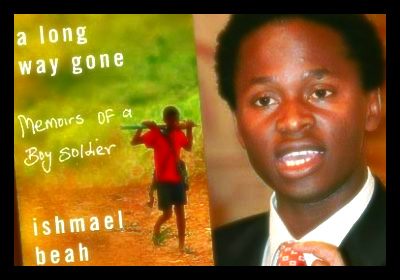
Ishmael Beah – Author and UN Ambassador

During Sierra Leone’s civil war, which lasted from 1991 to 2002, 12-year-old Beah became separated from his family and wandered the country with a group of other children. The group stumbled across a battalion of anti-rebel soldiers and the children were taken in and taught to kill.

Beah was rescued by UNICEF after living as a soldier for two years, and was taken to a rehab center where he struggled for eight months to remember who he was before the war. When he was 17, Beah was adopted by a member of UNICEF as a means to get out of Sierra Leone and attend school.

It was during his time at Oberlin College in Ohio that he wrote “A Long Way Gone: Memoirs of a Boy Soldier,” which Beah claims he never meant to publish, but wrote to “find a way to give the human context that was missing in the way the issue of child soldiers were discussed.” His book has become a best-seller, and Beah has recently released his second book, “Radiance of Tomorrow.”

Beah is now a UN ambassador for children affected by war, and he travels with UNICEF to work with former-child soldiers. He remembers what it was like to suddenly find himself expected to be a kid again, and he wants former child-soldiers to know that they have options – that they can choose to live a life devoid of war.

Ricky Anywar Richard – Founder of Friends of Orphans (FRO)

At 14, Ricky was forced to watch as his entire family was corralled into their house, locked in, and burned alive. He was then bound into a service of slavery for the Lord’s Resistance Army (LRA) of northern Uganda where he regularly witnessed torture, rape, and murder.

He was one of the few who managed to escape and, after obtaining his degree, he set up Friends of Orphans (FRO), an organization that works to reintegrate former child-soldiers back into village life and provide them with the therapy and education necessary to become peaceful members of society. So far, the organization has helped 25,000 children attend school and learn a trade.

The organization also educates those with HIV/AIDs on how to deal with their disease and prevent further transmission. They have distributed over 100,000 condoms since beginning the program.

FRO has been awarded the John Templeton Foundation ‘Freedom Award’ and Ricky was awarded the ‘World of Children Humanitarian Award’ for his tireless work to provide a life for those who’ve had theirs stolen by war.

Emmanuel Jal – Musician, Activist & Founder of Gua Africa

Growing up in south Sudan, Jal was 7 when his father left to join the Sudan People’s Liberation Army (SPLA), his mother was killed by soldiers and he saw his aunt raped. He was promised an education in Ethiopia as part of a group of kids, but upon arrival they were forced to become soldiers of the SPLA.

After nearly five years living as a soldier, Jal was rescued by British aid worker Emma McCune, who smuggled him into Kenya. When McCune was killed, Jal completed his education and now makes it his life’s work to share his story and is an advocate for the Make Poverty History campaign, the Coalition to Stop the Use of Child Soldiers and the Control Arms campaign.

Jal has made a name for himself as a recording artist, releasing the album ‘War Child’ as well as a film and autobiographical book both under the same name. He travels the world speaking on the global issues that have played a hand in his life, and he’s most recently appeared at the TED Global Conference in Oxford.

Jal stresses that education is the only way to move forward and prevent further genocides, and has founded Gua Africa, a foundation to educate children. After being disappointed with the level of donations he recently embarked to eat only one meal a day, something he says is regular for the people in his country, and he donates the unspent money to his own organization.

-Lydia Caswell

Sources: CNN, Gariwo , Friends of Orphans , Huffington Post , Emmanuel Jal, Gua Africa
Photo: Tallawah Magazine

February 15, 2014
https://borgenproject.org/wp-content/uploads/borgen-project-logo.svg 0 0 Borgen Project https://borgenproject.org/wp-content/uploads/borgen-project-logo.svg Borgen Project2014-02-15 05:05:402024-06-05 02:51:433 Extraordinary Former Child Soldiers
Children, Developing Countries, Development, Economy, Education, Global Poverty, Government, Human Rights, Inequality

Education in India Suffers from Income Inequality

education_india
India is known for having one of the fastest growing economies in the world. Currently, the growth for GDP within India rests at 4.9 percent, but this is far below its potential.

Similarly to the United States, India is another one of the world’s largest democracies. However, they both also have some of the worst cases of income inequality. In the past 15 years, the net worth of India’s top billionaires have increased 12 times, enough to eliminate poverty in India twice.

The public infrastructure of India is developing at a decent pace, but there are problems that are often left unaccounted for by the Indian government. For example, education in India is a system in dire need of improvement.

According to UNESCO’s Education For All global monitoring report, “At 287 million, India has 37 percent of the total population of illiterate adults across the world.” The report also asserts that the poorest of India will not expect to receive universal education until around the year 2080.

In regards to the specific problems that India faces with education, access and quality are two of the greatest concerns. Much of it is tied to the proper functioning and funding of Indian government, which may not be reliable in certain instances.

90% of people do not continue to college in India, 58% do not finish primary school and 4% never even have the opportunity to start.

The extensive lack of universal education in India also goes on to provide problems for India’s human capital in general. Out of 122 total countries released by the World Economic Forum’s Human Capital Index, India is ranked a measly 78.th The problems India faces may require the nation to make steps toward realizing more inclusive growth and development.

Income inequality ought to be addressed in India for their human capital to rise.

This means core public services including basic healthcare, education and power or water supply must be established by Indian government at multiple levels. Investment in people has proven a successful method to national development. In other words, India still has a ways to go in realizing its full potential.

– Jugal Patel

Sources: World Bank, India Times, Teach For India, Live Mint, Outlook India
Photo: The New York Times

February 13, 2014
https://borgenproject.org/wp-content/uploads/borgen-project-logo.svg 0 0 Borgen Project https://borgenproject.org/wp-content/uploads/borgen-project-logo.svg Borgen Project2014-02-13 16:33:072019-08-13 13:15:12Education in India Suffers from Income Inequality
Children, Global Poverty, Inequality

Rising Need for Social Justice in Guatemala

Guatemala_poverty_community_market_people
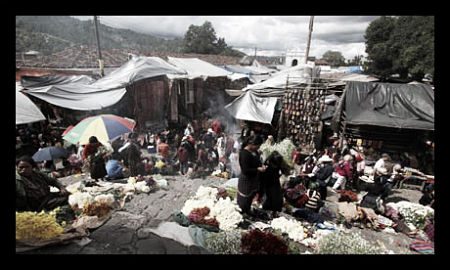
The population of Guatemala is 14.7 million and is ranked at 131 out of 187 in the United Nations Human Development Index. Also, the Gross National Income per capita in Guatemala is $2,740 and the Gini Index of Guatemala is 53.7, making this country one of the most unequal in the entire world.

There are 36 countries in the world that account for 90 percent of growth stunting and Guatemala is one of them.  This is because the chronic undernourishment rate for Guatemalan children is 49.8 percent (about 2.5 million children,) the fourth highest in the world and the highest in the region.

Chronic undernourishment in the indigenous areas is at 69.5 percent; 53 percent of the population lives in poverty with 13 percent being in extreme poverty.  Indigenous boys, girls, and women that live in the highlands are the most vulnerable groups to impoverished living conditions.  The illiteracy rate in Guatemala is 31.1 percent in women that are 15 years of age and older, but that reaches as high as 59 percent among older indigenous women.

In the last few decades of the 20th century, Guatemala had multiple civilian and military governments which led to guerilla war.  In 1998, its government signed a peace agreement that ended the conflict with nearly one million refugees and 200,000 deceased.  Guatemala was able to get a non-permanent seat on the U.N. Security Council in January 2012.  The country’s being in an extended drought is now met with the food insecurity and economic crisis.

The government’s unemployment and budget deficit has been increasing because of the global economic crisis reducing exports, revenue from tourism and foreign investment.  Impoverished and food-insecure families are already struggling, but the combination of all these issues together restricts these families even more.

Unfortunately, the regularly occurring natural disasters in Guatemala do not make matters better for those living in poverty.  They are prone to earthquakes, landslides, droughts, hurricanes and floods, which can severely damage the indigenous population, since they are almost completely unprotected.

Guatemala is full of social conflict right now, with NGOs and indigenous groups protesting to get equality.  They are currently trying to block off the very mines that the government sees as essential to the country’s development because the indigenous see them as a threat to their safety since there have been massacres of hundreds of natives just to get certain resources from their land.

Also, people are trying to nationalize the electricity system, since poor households are unable to pay to keep their electricity due to the rising prices employed by private companies.  Children are even being forced to assemble fireworks without any safety equipment because they cannot find any other way of making money.  The Guatemalan people are pleading with the government to raise minimum wage by 47 percent simply so they can get enough money to cover the quickly rising prices of basic goods.

All of this injustice the Guatemalan government and private corporations are committing against their own people is leading to a lot of civil unrest.  If someone wants to be safe in Guatemala, they must pay to be safe, and the only ones that can pay are the rich.  It is clearly observable in most of the tourist destinations of Guatemala that there are uniformed guards in stores, hotels, and plazas to protect the outsiders/rich insiders; that is never a good sign.

There are actually seven private security officers for every public police officer.  The non-rich Guatemalan people are unhappy and cannot protect themselves from those that are hurting them, so action needs to be taken to achieve social justice.

– Kenneth W. Kliesner

Sources: World Food Programme, CIA, The Guardian, IOL News
Photo: The Guardian

February 12, 2014
https://borgenproject.org/wp-content/uploads/borgen-project-logo.svg 0 0 Borgen Project https://borgenproject.org/wp-content/uploads/borgen-project-logo.svg Borgen Project2014-02-12 02:25:312024-05-26 23:11:45Rising Need for Social Justice in Guatemala
Children, Family Planning and Contraception, Global Poverty, Health, Human Rights, Violence Against Women, Women & Children

China Eases One-Child Policy

China_One_Child_Policy_Baby
In late December 2013, China’s Standing Committee of the National People’s Congress formally introduced measures to ease its notorious one-child policy.

The major tweak of the one-child policy now allows parents to conceive a second child if just one of the parents is an only child.

Previously, parents were allowed a second child only if each parent was an only child. Rural couples on the other hand, were allowed a second child only if the first born was female.

The new measures will be implemented in a phased process at the local level. Furthermore, provincial leaders now have the authority to introduce the changes in accordance with local demographic needs.

While modest, the change will hopefully reduce the number of human rights abuses perpetrated against Chinese women since the policy’s inception in 1979. In the New York Times, OP-ED contributor Ma Jian details some of the horrific experiences Chinese women endure when authorities become aware of a second conception.

She describes the staggering amount of personal invasion local officials engage in to enforce the one-child policy. Family planning officers vigorously chart data regarding menstrual cycles and pelvic exams of every female of child bearing age within every village.

Many of these women are subjected to forced abortions and sterilizations if they are found within violation of the policy.

Probably one of the most egregious injustices of the policy is its disproportionate enforcement. The policy frequently targets poor citizens while bypassing wealthy individuals.

In fact, all violators can avoid the consequences of having a second child if they pay a fine that falls within the range of three times to 10 times the annual household income. It goes without saying that poor citizens, unable to pay the steep fine, either flee their home to avoid the authorities or become victims of forced abortions.

Many see the easing of the policy as a response to the looming demographic crisis that China now faces after 30 years of steadily implementing the one-child policy.  Some say the change is too little, too late.

Nicholas Eberstadt reports in the Wall Street Journal, that even with the policy change, the Chinese government only expects one million extra births per year, resulting in only a six percent increase in the fertility rate.

He also discusses the lasting effect the one-child policy will have long after its easing. For instance, individuals born under the previous policy will be entering the workforce in 2030 and deciding to get married in 2035.

Demographers predict that at the end of the decade there will be over 24 million men incapable of finding a woman to marry. One can expect this number to increase by 2035.

The inability for many to reproduce will leave China with an aging population that will increasingly reduce the number of individuals who are able to work as well as government resources. By 2050, over one quarter of the Chinese population will be over the age of 65.

– Zachary Lindberg

Sources: BBC, The Wall Street Journal, The New Yorker
Photo:  Dailystormers


February 9, 2014
https://borgenproject.org/wp-content/uploads/borgen-project-logo.svg 0 0 Borgen Project https://borgenproject.org/wp-content/uploads/borgen-project-logo.svg Borgen Project2014-02-09 04:00:392016-12-15 08:15:57China Eases One-Child Policy
Advocacy, Charity, Children, Global Poverty, Human Rights

Lumos Foundation: J.K. Rowling’s Magical Venture

J.K. Rowling may be most famous for her adventurous and classic tales of witchcraft and wizardry, but the author of the Harry Potter franchise has much more up her sleeve. The Lumos Foundation, Rowling’s charitable organization, has bettered the lives of millions.

A well-known advocate for international human rights, Rowling spent time volunteering for Amnesty International prior to her breakout success.  Rowling cites her time with the organization for teaching her about the kind of impact she wishes to have for humanity.  In the wake of her celebrity status, Rowling became the 12th richest woman in the world.  With her wealth, Rowling decided to donate half of it to charitable causes, taking a pledge alongside other billionaires and initiated by Bill Gates.


The Lumos Foundation


Rowling’s shining charitable achievement, however, is the Lumos Foundation. The Lumos Foundation is an organization committed to providing basic human rights services for over eight million children living in institutions.  The organization seeks to provide community-based services such as primary education and healthcare as replacements for institutions that often neglect these basic needs.

While the Lumos Foundation is globally minded, it focuses most specifically on Eastern European nations.  Moldova, for example, has one of the highest institutionalization rates among children of any nation.  “Most of these vulnerable young people are not orphans and poverty has separated them from their parents,” says Lumos, concerning orphanages in Moldova.  Furthermore, many of these children are placed in institutions due to gaps in the education system.  Children with disabilities are especially at a disadvantage and have a high chance of being institutionalized.

“Lumos works on every level, with every actor, to transform an outdated and harmful system into one which supports and protects children and enables them to have a positive future.”  Founding the Lumos Foundation and supporting the development of the world’s most vulnerable citizens, children, shows how dedicated Rowling is to advocacy (even without Hogwart’s training.)

– Taylor Diamond

Sources: Lumos, The Borgen Project
Photo: Mirror

February 6, 2014
https://borgenproject.org/wp-content/uploads/borgen-project-logo.svg 0 0 Borgen Project https://borgenproject.org/wp-content/uploads/borgen-project-logo.svg Borgen Project2014-02-06 04:00:352024-05-26 23:09:23Lumos Foundation: J.K. Rowling’s Magical Venture
Page 128 of 137«‹126127128129130›»

Get Smarter

  • Global Poverty 101
  • Global Poverty… The Good News
  • Global Poverty & U.S. Jobs
  • Global Poverty and National Security
  • Innovative Solutions to Poverty
  • Global Poverty & Aid FAQ’s
Search Search

Take Action

  • Call Congress
  • Email Congress
  • Donate
  • 30 Ways to Help
  • Volunteer Ops
  • Internships
  • Courses & Certificates
  • The Podcast
Borgen Project

“The Borgen Project is an incredible nonprofit organization that is addressing poverty and hunger and working towards ending them.”

-The Huffington Post

Inside The Borgen Project

  • Contact
  • About
  • Financials
  • President
  • Board of Directors
  • Board of Advisors

International Links

  • UK Email Parliament
  • UK Donate
  • Canada Email Parliament

Get Smarter

  • Global Poverty 101
  • Global Poverty… The Good News
  • Global Poverty & U.S. Jobs
  • Global Poverty and National Security
  • Innovative Solutions to Poverty
  • Global Poverty & Aid FAQ’s

Ways to Help

  • Call Congress
  • Email Congress
  • Donate
  • 30 Ways to Help
  • Volunteer Ops
  • Internships
  • Courses & Certificates
  • The Podcast
Scroll to top Scroll to top Scroll to top