• Link to X
  • Link to Facebook
  • Link to Instagram
  • Link to TikTok
  • Link to Youtube
  • About
    • About Us
      • President
      • Board of Directors
      • Board of Advisors
      • Financials
      • Our Methodology
      • Success Tracker
      • Contact
  • Act Now
    • 30 Ways to Help
      • Email Congress
      • Call Congress
      • Volunteer
      • Courses & Certificates
      • Be a Donor
    • Internships
      • In-Office Internships
      • Remote Internships
    • Legislation
      • Politics 101
  • The Blog
  • The Podcast
  • Magazine
  • Donate
  • Click to open the search input field Click to open the search input field Search
  • Menu Menu

Archive for category: Children

Information and stories addressing children.

Children, Disease, Global Poverty, Hunger

Progress For Child Malnutrition Treatment

Child Malnutrition
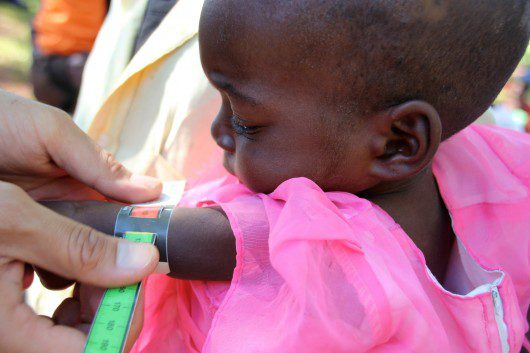
Child malnutrition is the leading cause of death in children under five years old. Some 2.7 million children die annually due to undernourishment. However, promising research coming from the Washington University School of Medicine in St. Louis is raising hopes to change that.

Two studies led by Jeffrey I. Gordon, MD and Dr. Robert J. Glaser demonstrate potentially life-saving progress in the treatment of child malnutrition.

Gordon and Glaser have been studying the connection between gut microbes and the development of children. Child malnutrition is often diagnosed in children with stunted growth and they have found that the gut microbes in these malnourished children resemble microbes of a much younger child.

These findings suggest that the microbes themselves have become stunted. Healthy gut microbes are extremely important to the development of a child’s health. Such microbes contribute to the child’s ability to properly extract the necessary nourishment from their food. Without them, this inability means that even children who have received treatment for malnutrition can continue to have problems in the future.

The first study published in Science and carried out by Laura V. Blanton found that “that malnourished children have defects in this developmental scenario, leaving them with gut microbial communities that look younger than what would be expected based on their chronological ages.”

Blanton took samples from healthy and malnourished children from Malawi and implanted them in germ free mice. Knowing that mice eat each others feces, Blanton hoped that when caged together the healthy microbes would transfer to the mice implanted with the microbes from the malnourished children. She found just that, meaning that a process for implanting healthy microbes into malnourished children could be in the works.

The second study, done by graduate student Mark R. Charbonneau and published in Cell, targeted the effects of the mother’s breast milk on child malnutrition. Research shows that these mothers breast milk often contain low levels sialic acid, which is linked to healthy brain development.

Charbonneau, again using germ free mice, implanted healthy and malnourished microbes with differing levels of sialic acid. He found that the mice that received sialic acid at comparable levels to healthy mothers breast milk, grew much larger then the mice without it, even though each group of mice received the same diet.

Mice in both studies experienced “improvements in skeletal development and a better metabolic profile in the blood, brain and liver.” The researchers were also able to reproduce these results in germ free piglets, which more accurately reflect the metabolism of a human.

While the conditions of the two studies may not exactly represent natural conditions, microbial interventions in combination with more research could lead to improved treatments and perhaps even a cure. With millions of children and families relieved from the stress of finding their next meal, the globe moves one step closer to eliminating poverty.

– Michael Clark

Sources: The New York Times, The Source, The Washington Post

March 31, 2016
https://borgenproject.org/wp-content/uploads/borgen-project-logo.svg 0 0 Borgen Project https://borgenproject.org/wp-content/uploads/borgen-project-logo.svg Borgen Project2016-03-31 01:30:452024-12-13 18:05:52Progress For Child Malnutrition Treatment
Children, Development, Education

The Cost of Education in South Africa

The-Cost-of-Education-in-South-Africa
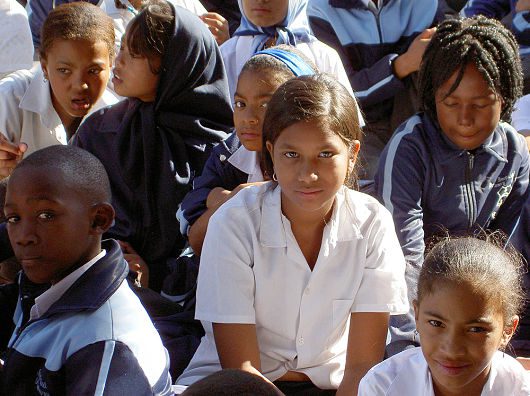
South Africa’s education system is badly managed and poorly equipped, with students performing far behind their African peers, according to World Policy Blog.

With the government failing to provide children with a decent education, private and fee-paying schools are becoming more popular. But not everyone can afford to access these superior schools. The City Press decided to calculate the cost of sending your child to one of these schools up to grade 12 in South Africa and here is what they found:

  • Private school costs approximately $225,700.
  • An upper-income school was estimated to cost around $41,000.
  • An average fee-paying school costs more than $15,000.

These figures were calculated based on a child who starts school in 2016 and finishes in 2028 — and include every necessity such as stationary, supplies, uniforms and boarding costs.

South Africa has struggled to provide affordable quality public education, but low-cost private schools are now on the rise and are providing alternatives to the high cost of education in South Africa.

Instead of private schools only available to the elite, low-cost private schools are providing education to middle and lower-income families who feel the state education system is failing their children. According to the Economist, there are some low-cost private schools that cost as little as $1 per week.

Due to inadequate public schools, these low-cost private schools have a much bigger share of primary school pupils in developing countries than in developed ones. Elsewhere in Africa, Nigeria, Kenya and Ghana, in particular, have also seen a large increase in the number of low-cost private schools opening, according to World Policy Blog.

Although the South African government has been criticized for not doing enough to address the issues with their education system, the expansion of these low-cost private schools provides the possibility of quality education to students who cannot afford to attend elite private schools or even the average fee-paying government schools.

– Jordan Connell

Sources: Business Tech, The Economist, World Policy Blog
Photo: Google Images

March 8, 2016
https://borgenproject.org/wp-content/uploads/borgen-project-logo.svg 0 0 Borgen Project https://borgenproject.org/wp-content/uploads/borgen-project-logo.svg Borgen Project2016-03-08 01:30:222024-12-13 18:05:38The Cost of Education in South Africa
Children, Development, Global Poverty

UNICEF’s Adaptable Approach to Child Welfare

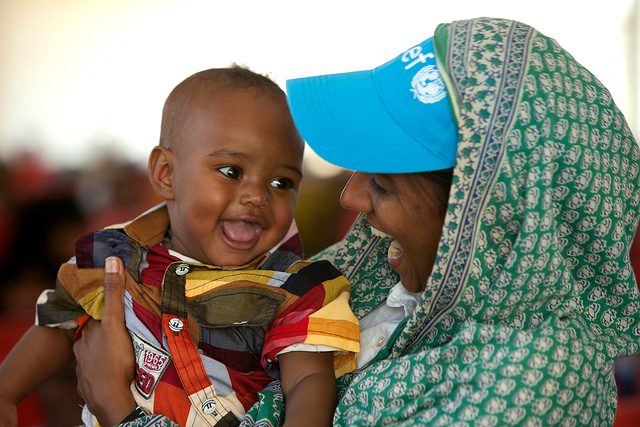
UNICEF’s Adaptable Approach to Child WelfareAfter almost 70 years of protecting and supporting child welfare, UNICEF has become a household name throughout the world. But where did the name itself come from in the first place?

Like other common acronyms such as SCUBA or LASER, UNICEF has become so ingrained in everyday language that few may realize the letters themselves hold meaning:

United
Nations
International
Children’s
Emergency
Fund

When the organization was first founded by the United Nations in December of 1946, the program was entitled United Nations International Children’s Emergency Fund (UNICEF). Because the program was created in the wake of World War II, its initial mission was to find speedy solutions for children left without resources and caretakers.

The post-war efforts were extremely successful: UNICEF spent $120,000,000 clothing, feeding and housing children, primarily in Europe. The results were striking and quickly lauded.

Actress Audrey Hepburn later spoke of her experiences with the organization during this time, attributing what she called her “long-lasting gratitude and trust for what UNICEF does” to the fact that she was among those who received food and medical relief right after World War II.

By the early 1950s, the immediate emergency needs of post-war children were mostly met. At that point, UNICEF was able to begin developing long-term plans and finding solutions for global childhood poverty, sickness and mistreatment.

At this point, in 1953, UNICEF was officially indoctrinated as a permanent program of the United Nations and shortened its name to the “United Nations Children’s Fund.” Despite the new title, the organization has kept the acronym of its previous name to this very day.

While its original purpose and title may have changed slightly since its founding, UNICEF remains committed to its overall mission of advocating for the wellbeing of all children. It is an example of an organization demonstrating adaptability in an ever-changing world.

As technology develops and advances, UNICEF takes full advantage of useful upgrades and discoveries. In 2007, the organization launched an “innovation branch,” meant to mobilize thinkers and guide funding towards technological advances helping children across the globe.

Using open source technology, all of the innovation branch’s projects harness the power of high technology for the betterment of the organization’s mission. This initiative is just one of many that reflects UNICEF’s ability to reimagine the way it approaches child welfare in a dynamic world.

While its name and focus may have changed over the years, the organization’s unyielding passion for helping the world’s children has not.

– Jen Diamond

Sources: Nobel Prize, UNICEF 1, UNICEF Stories, UNICEF 2, Venture Burn
Photo: Flickr

February 24, 2016
https://borgenproject.org/wp-content/uploads/borgen-project-logo.svg 0 0 Borgen Project https://borgenproject.org/wp-content/uploads/borgen-project-logo.svg Borgen Project2016-02-24 01:30:062024-12-13 18:05:43UNICEF’s Adaptable Approach to Child Welfare
Children, Development, Education, Global Poverty, Technology

Remote Learning as Key to Expanding Global Education

Remote-Learning
Remote learning, or the process of acquiring knowledge and skills through a program accessible through mobile or computer technologies, has the ability to expand access to education throughout the developing world.

Provided in the form of online lectures, quizzes and projects, online course material may allow large numbers of students worldwide to gain access to a world-class education that would otherwise be unavailable to them.

The number of students not enrolled in school has been rising in recent years, often due to poverty, conflict or financial issues. According to the United Nations Educational, Scientific and Cultural Organization (UNESCO), 124 million children between the ages of six and 15 were not enrolled in school as of 2013, up from 122 million in 2011. One out of every 11 primary-school-age children continues to be denied the right to education across the globe.

According to the Gates Foundation’s 2015 annual letter, remote learning will revolutionize education for people around the world by 2030 by giving citizens in impoverished areas educational opportunities that were previously inaccessible.

“Before a child even starts primary school, she will be able to use her mom’s smartphone to learn her numbers and letters, giving her a big head start,” Bill Gates said in the letter. “She will collaborate with teachers and other students in a much richer way. If she is learning a new language, she’ll be able to speak out loud and the software will give her feedback on her pronunciation.”

Educational access has always been a significant issue in developing and poverty-stricken areas. Students are limited when it comes to the classes and materials offered at the schools in their own communities. Digital education gives students within these developing or conflict-marred regions the ability to access educational materials.

In areas without significant funding for building heavy infrastructure, children would still be able to access education without traveling hours to schools in nearby communities. A shift to digital materials for use in learning courses also saves a significant amount of money for communities that may be struggling to provide educational materials such as textbooks.

Due to the lowering cost of mobile phones and tablets with online connectivity, technology is connecting students with teachers like never before. While many areas still lack service, Internet access and communications technologies have rapidly been emerging and expanding in developing nations over the last several years. Google Inc. is currently planning to spend more than $1 billion to bring service to these communities and expand Internet access to unwired regions of the globe via small, high-capacity satellites orbiting the earth, according to the Wall Street Journal.

The challenge of keeping children in school after primary school is tremendous, as the costs associated with secondary schooling are much higher, which is often difficult for families with lower income levels to afford. Also, secondary schooling facilities are often located farther away from rural communities, making transportation a challenge. Though online classes will never be able to replace a teacher, the technology may give children the ability to continue their education after primary school, while also pursuing other commitments.

Online education also has the ability to impart literacy skills and market-worthy training to adults who missed out on formal schooling opportunities when they were younger. It allows these individuals to pursue their education in their spare time by fitting in learning after they work a day job, provide for their families or while they are in between jobs or unemployed.

One organization, Lynda.com, an online education site providing e-learning platforms to more than two million subscribers worldwide, currently provides access to over 80,000 instructional videos relating to job skills in areas such as retail, construction and graphic design.

Many concerns remain about the challenges mobile education may pose. The cost of electricity in developing areas, the cost of network use, and the constant risk of theft or damage to the devices the children use are all threats to the sustainability of remote learning. Though these challenges in the current implementation of online education in these communities persist, technological advancement in the field continues to progress.

– Lauren Lewis

Sources: Business Insider, CNBC, CNN, Gates Notes, The Verge, The Wall Street Journal, UNESCO 1, UNESCO 2
Photo: Google Images

February 22, 2016
https://borgenproject.org/wp-content/uploads/borgen-project-logo.svg 0 0 Borgen Project https://borgenproject.org/wp-content/uploads/borgen-project-logo.svg Borgen Project2016-02-22 01:30:082020-06-23 08:29:03Remote Learning as Key to Expanding Global Education
Children, Development, Education, Global Poverty

How Literacy Reduces Poverty

UNESCO
Literacy is a crucial socioeconomic factor in poverty. In developing countries, approximately one in every two adults can’t read or write, with the situation only worse in the rural areas, especially for women and minors. UNESCO is working to prove that literacy reduces poverty and to support initiatives in the area.

According to UNICEF, “Children and youth living in rural areas have little access to education or skills training programs, and overall the quality of education in rural areas is generally low due to poverty and limited investment resources.”

Additionally, the drop-out rate for children leaving an educational institution after primary school is high, leaving minors without adequate literacy and skills to survive.

“Literacy is a fundamental human right and the foundation for lifelong learning,” according to UNESCO. “It is fully essential to social and human development in its ability to transform lives… A literate community is a dynamic community, one that exchanges ideas and engages in debate. Illiteracy, however, is an obstacle to a better quality of life, and can even breed exclusion and violence.”

Better assessment of literacy challenges is critical to reducing global illiteracy. UNESCO’s main focus will be to encourage the governments of developing countries to consider education as a crucial instrument in driving development and transformation as well as in reducing poverty and empowering citizens.

“The administrative institutions of these countries have to prioritize the development and provision of access to primary education to children under 15 years,” said a spokesperson for UNESCO. Governments should provide literacy courses and basic skills training to people who left school or received no education at all.

Furthermore, this year UNESCO plans to introduce “livelihood-oriented adult non-formal education initiatives,” offered in partnership with other community-based organizations, in order to promote education, reduce illiteracy and alleviate poverty.

For more than 60 years, UNESCO has worked to ensure that literacy remains a priority; however, this year, the introduction of a program with a vision toward livelihood-oriented initiatives will bring a new type of dynamism to the effort.

“Literacy is at the core of sustainable solutions to the world’s greatest problems,” said former First Lady, Laura Bush. “Literacy builds the foundation for freedom from poverty, and freedom from oppression.”

– Isabella Rölz

Sources: DDV International, UNESCO, The White House Education, Mrs. Bush
Photo: UN

February 21, 2016
https://borgenproject.org/wp-content/uploads/borgen-project-logo.svg 0 0 Borgen Project https://borgenproject.org/wp-content/uploads/borgen-project-logo.svg Borgen Project2016-02-21 01:30:342020-06-23 08:31:35How Literacy Reduces Poverty
Children, Development, Education, Global Poverty

SOS Children’s Villages

SOS Children’s Villages
SOS Children’s Villages is a nonprofit group whose mission is to provide every child with the opportunity to grow up in a loving home to secure their futures as successful adults.

This international organization was founded in 1949 by Hermann Gmeiner to help orphaned children in Europe rebuild their lives after World War II. Now, SOS Children’s Villages sponsors vulnerable children and fragmented families in 125 countries, across 12 different continents, with headquarters in Cambridge, United Kingdom.

SOS Children’s Villages aims to help families stay together by offering community outreach programs that provide each family with a development plan designed specifically for their needs.

The nonprofit offers aid to children who have lost their parents, those living in an orphaned household and those whose parents suffer from a life-threatening disease. Funding for these villages comes from donations, volunteer workers, corporate partnerships, fundraising and sponsorships that offer donors the chance to support an orphaned child.

Each child that lives in an SOS village receives guaranteed education and health care. Nearly 100,000 children are enrolled in 187 SOS primary and secondary schools. Tens of thousands of people attend the 51 SOS vocational training centers created to enhance employment opportunities.

“If SOS Children was not here, our children would have become street children, with all the risks this may cause. Today, we are proud of ourselves, and many of us have found dignity. We can now stand on our own feet,” said a mother in Dakar, Senegal, now able to find financial independence thanks to an SOS outreach program.

With 150 SOS villages in 45 African countries, more educational projects are run in Africa than in any other continent. According to UNICEF, educating young people can support economic resilience and stability, as children learn to address family vulnerabilities and gain skills for future employment.

A total of 79 SOS medical centers have been built by the organization, primarily in Africa and the Middle East. In more remote areas that lack clinic access, SOS children train local people in the medical field, passing on first-aid skills and health advice garnered from SOS family health awareness campaigns.

Because vulnerable children often live in non-democratic societies, SOS prides itself on strong communication with central and local governments that hold legal responsibility for the welfare of these children. According to SOS, this has allowed them to bring aid to children in Zimbabwe, where other organizations have been asked to leave.

“As a result of the various economic opportunities that were created for many vulnerable families since the inception of the project [SOS Children’s Villages Ghana], more than 78 percent of caregivers have become more self-reliant and are capable of accessing social services like health, education, water and sanitation without external support,” said Alexander Mar Kekula, National Director of SOS Children’s Villages Ghana.

– Kelsey Lay

Sources: Ghana Web, SOS Children’s Villages 1, SOS Children’s Villages 2, SOS Children’s Villages 3, SOS Children’s Villages 4, SOS Children’s Villages 5, UNICEF, 
Photo: Flickr

February 18, 2016
https://borgenproject.org/wp-content/uploads/borgen-project-logo.svg 0 0 Borgen Project https://borgenproject.org/wp-content/uploads/borgen-project-logo.svg Borgen Project2016-02-18 01:30:262024-12-13 18:05:40SOS Children’s Villages
Children, Global Poverty

Helping Save Street Children in Guatemala

Guatemala Street ChildrenIt is estimated that there are between 1,500 and 5,000 street children in Guatemala City, Guatemala. Approximately 65 percent of these children are between the ages of 10 and 17 — and around 30 percent are girls.
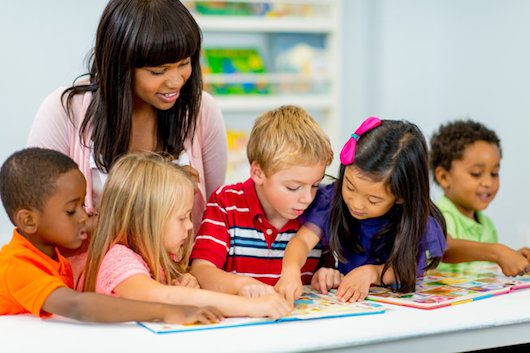
Street children are those for whom the street has become their real home — a situation in which there is no protection, supervision or direction from responsible adults. Consequently, most of these children live and sleep on the street, with some taking refuge in parks or under stairs.

Children living on the streets migrate from rural areas of Guatemala or from Honduras or El Salvador. This migration is caused by the extreme poverty in Guatemala, which is both widespread and severe. According to the World Bank, “approximately 75 percent of the population is estimated to live below the poverty line, which is defined as an income that is insufficient to purchase a basic basket of goods and services.”

The main sources of income for these children are usually activities such as robbery, begging and prostitution. Specialist Irving Epstein indicated that “many children inhale the fumes of shoe glue or paint thinner, often their only avenue to escape hunger, pain and hopelessness.”

Due to the lack of access to any educational institution, these children are more likely to choose violent pathways and tend to join street gangs. In 2005, approximately 10,000 Guatemalan children were members of street gangs.

Unfortunately, joining these street gangs comes at a price. According to Epstein, “violence between street gangs is common and is often used as an excuse by the national police and private security guards to harass and beat street children.”

Additionally, condom use is irregular and the pregnancy rate among the girls is high. This is unfortunate for many reasons, but largely because these girls hardly have what they need to take care of themselves and do not have the capacity to raise a child.

The social panorama in which street children find themselves living reflects the widespread poverty and severe inequality existing in Guatemala. Yet the plight of street children is hardly uncommon amongst developing countries.

However, several governmental and nongovernmental organizations have become active in Guatemala City since 2003. With his wife, former president Alvaro Arzu opened a center that provides both traditional humanitarian aid, such as food, shelter and clothing, and long-term sustainable aid, such as health services and education, to the homeless.

Casa Alianza is another agency working in Guatemala City that has provided several services for street children. It promotes residential and outreach programs, legal aid, drug rehabilitation and other vital services.

Children living in the streets of Guatemala are the most vulnerable to major social issues. Nonetheless, these initiatives are fighting to ensure a better life for these children, and hopefully in the coming years, Guatemala may see fewer children living alone and in destitution.

– Isabella Rölz

Sources: World Bank, Google Books
Photo: Hansen Photo

February 14, 2016
https://borgenproject.org/wp-content/uploads/borgen-project-logo.svg 0 0 Borgen Project https://borgenproject.org/wp-content/uploads/borgen-project-logo.svg Borgen Project2016-02-14 01:30:222020-06-23 07:45:48Helping Save Street Children in Guatemala
Children, Education, Global Poverty, Government

Expanding Preschool Access for Poor Children

Preschool Access
Attending preschool can drastically improve the intellectual capacity of children. Research has demonstrated positive effects on learning and development in both the short and the long run.

A recent study from Northwestern University suggested that children from lower income families tend to perform significantly worse in the first years of elementary school. This is due to the fact that they usually did not have the opportunity to attend preschool.

Policy expert Whitmore Schanzenbach suggested that “by the time they reach kindergarten, disadvantaged children already show an achievement gap relative to their higher-income peers.”

Schanzenbach emphasized that “the poverty gap in school readiness appears to be growing as income inequality widens.”

Teachers at elementary schools have reported that children from less privileged families have more difficulty paying attention and exhibit more behavioral problems given no kind of education prior to elementary school.

This is because the state and the government usually do not focus their attention on expanding preschool access to children from marginalized sectors. They have concentrated mainly on improving education for children over five years of age.

According to Schanzenbach, a common proposal to bridge this gap is to make formal preschool accessible to poor children under the age of five. Given many ways to expand these educational programs, specialists at Northwestern designed a program that is cost-effective.

In their proposal, a well-developed framework would introduce the highest quality curriculum and nurturing assistance that would ultimately help these young children prepare themselves for further education.

It is important to emphasize that this is a project designed to be introduced in developing countries and rural sectors, where preschool access needs to be attainable.

Schanzenbach concluded that “the expansion of early education programs along these lines will lead to improved educational outcomes for disadvantaged children.” She added a list of other benefits which included lower crime rates, reduced teenage pregnancy and a decreased reliance on the social safety net.

Read Schanzenbach’s full study here.

– Isabella Rölz

Sources: Brookings, U.S. Department of Education, NYTimes
Photo: U.S. News

February 13, 2016
https://borgenproject.org/wp-content/uploads/borgen-project-logo.svg 0 0 Borgen Project https://borgenproject.org/wp-content/uploads/borgen-project-logo.svg Borgen Project2016-02-13 01:30:542024-12-13 18:05:41Expanding Preschool Access for Poor Children
Children, Food & Hunger, Global Poverty

$20 Million Awarded to Fight Food Insecurity in Sri Lanka

Food Insecurity in Sri LankaThe World Food Programme (WFP) recently announced it will award a $20 million grant over the next two years to fight food insecurity in Sri Lanka.

Health officials say the grant will primarily be used to improve childhood nutrition in rural communities, where an estimated 21 percent of children under the age of five are moderately or severely underweight. More than 17 percent of children in Sri Lanka are also victims of stunting

“Poor nutrition in the first 1,000 days of children’s lives can have irreversible consequences…so, we must do what we can, as fast as we can, to give the most disadvantaged mothers and children dependable, quality nutrition,” UNICEF Executive Director Anthony Lake said.

Vulnerability to malnutrition affects many Sri Lankans who have been displaced by 30 years of internal conflict. The problem occasionally escalates when seasonal tsunamis and droughts pass over the island nation.

In partnership with Sri Lanka’s Ministries of Health and Education, WFP currently reaches children in school and at home.

WFP’s Schools Meals Program provides rice, dhal and vegetables to 160,000 students in 958 schools across the Northern Province. For many of the students served by the program, these school lunches are their only nutritional daily meal – a safety net, which has increased school enrollment and attendance.

Through regional health clinics, WFP distributes a nutritional supplement called Super Cereal Plus to 4,300 new and expectant mothers and over 10,000 children under the age of five. The supplement is a blend of corn, soy, vitamins and minerals and provides a guard against acute malnutrition.

The $20 million grant from WFP will help maintain funding levels for these programs as well as expand them to more provinces and more rural communities. The WFP said it hopes every child in Sri Lanka will receive reliable nutrition.

WFP also partners with the Ministry of Environment to strengthen agricultural resilience to climate shocks like drought and flooding. Their programs have reached 14,000 farmers. The organization hopes by empowering farming communities to be efficient and sustainable, they may be able to mitigate the effects of future climate shock, and thereby food insecurity in Sri Lanka.

– Ron Minard

Sources: News.lk, Scaling Up Nutrition, UNICEF, WFP, WHO
Photo: IPS

January 24, 2016
https://borgenproject.org/wp-content/uploads/borgen-project-logo.svg 0 0 Borgen Project https://borgenproject.org/wp-content/uploads/borgen-project-logo.svg Borgen Project2016-01-24 01:30:152024-12-13 18:05:37$20 Million Awarded to Fight Food Insecurity in Sri Lanka
Children, Developing Countries, Global Poverty, Health

American Academy of Pediatrics: Remember the Children

American Academy of Pediatrics Asks UN to Remember The Children
The American Academy of Pediatrics (AAP) wrote an open letter to the U.N. last month to ensure that all children be counted in the post-2015 global development agenda.

The letter, entitled “All Children Count But Not All Children Are Counted,” was addressed to the U.N. Statistical Commission and Inter-Agency Expert Group on Sustainable Development Goals (SDG) Indicators. It included two recommendations in response to the “leave no one behind” item of the post-2015 agenda:

  1. Ensure that children living outside of households and/or without parental care are represented in disaggregated data.
  2. Improve and expand data collection methodologies to ensure all children are represented.

The AAP argues that there is limited data on the number of children living in developing countries and that they should be represented in all data and estimates.

Today, many children in developing countries are born into conditions that pose many risks to their health and well-being, giving them a small chance for survival. About 29,000 children under the age of five die every day (that’s 21 each minute), mainly from preventable causes, according to UNICEF.

Lack of representation in data and estimates of hard-to-reach areas could further complicate the situations of vulnerable children as it would prevent them from getting the solutions they need.

According to the AAP, the children that are most at risk are those without parental care because of trafficking, conflict, disaster or armed group recruitment. Given the current state of international conflict and disaster, the risk of children not being counted has increased especially with the Syrian refugees.

UNICEF has also taken notice of the elevated risk and has requested $624 million to give water and school supplies for almost 500,000 children (2.6 million people total) that have been affected by the Syrian refugee crisis.

With its letter, the AAP addresses a critical issue that we are being faced with now: protecting children around the world. Children in suffering countries, who are incapable of protecting themselves, deserve our attention.

“Indeed, all children count, but not all children are counted,” AAP said.

– Ashley Tressel

Sources: AAP Publications, Lumos, UNICEF 1, UNICEF 2
Photo: Flickr

December 21, 2015
https://borgenproject.org/wp-content/uploads/borgen-project-logo.svg 0 0 Borgen Project https://borgenproject.org/wp-content/uploads/borgen-project-logo.svg Borgen Project2015-12-21 05:22:082024-12-13 18:05:29American Academy of Pediatrics: Remember the Children
Page 105 of 137«‹103104105106107›»

Get Smarter

  • Global Poverty 101
  • Global Poverty… The Good News
  • Global Poverty & U.S. Jobs
  • Global Poverty and National Security
  • Innovative Solutions to Poverty
  • Global Poverty & Aid FAQ’s
Search Search

Take Action

  • Call Congress
  • Email Congress
  • Donate
  • 30 Ways to Help
  • Volunteer Ops
  • Internships
  • Courses & Certificates
  • The Podcast
Borgen Project

“The Borgen Project is an incredible nonprofit organization that is addressing poverty and hunger and working towards ending them.”

-The Huffington Post

Inside The Borgen Project

  • Contact
  • About
  • Financials
  • President
  • Board of Directors
  • Board of Advisors

International Links

  • UK Email Parliament
  • UK Donate
  • Canada Email Parliament

Get Smarter

  • Global Poverty 101
  • Global Poverty… The Good News
  • Global Poverty & U.S. Jobs
  • Global Poverty and National Security
  • Innovative Solutions to Poverty
  • Global Poverty & Aid FAQ’s

Ways to Help

  • Call Congress
  • Email Congress
  • Donate
  • 30 Ways to Help
  • Volunteer Ops
  • Internships
  • Courses & Certificates
  • The Podcast
Scroll to top Scroll to top Scroll to top