• Link to X
  • Link to Facebook
  • Link to Instagram
  • Link to TikTok
  • Link to Youtube
  • About
    • About Us
      • President
      • Board of Directors
      • Board of Advisors
      • Financials
      • Our Methodology
      • Success Tracker
      • Contact
  • Act Now
    • 30 Ways to Help
      • Email Congress
      • Call Congress
      • Volunteer
      • Courses & Certificates
      • Be a Donor
    • Internships
      • In-Office Internships
      • Remote Internships
    • Legislation
      • Politics 101
  • The Blog
  • The Podcast
  • Magazine
  • Donate
  • Click to open the search input field Click to open the search input field Search
  • Menu Menu

Archive for category: Children

Information and stories addressing children.

Children, Development, Food & Hunger, Global Poverty

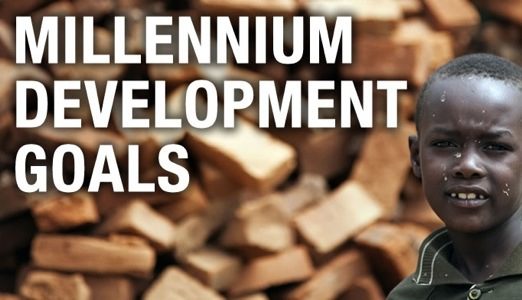
MDGs: What They Achieved After 15 Years

MDGsAt the Millennium Summit in 2000, history was made when a record number of world leaders gathered to adopt the U.N. Millennium Declaration, committing nations to cutting extreme poverty in half through the Millennium Development Goals (MDGs) by 2015 and eradicate poverty through the Sustainable Development Goals (SDGs) by 2030.
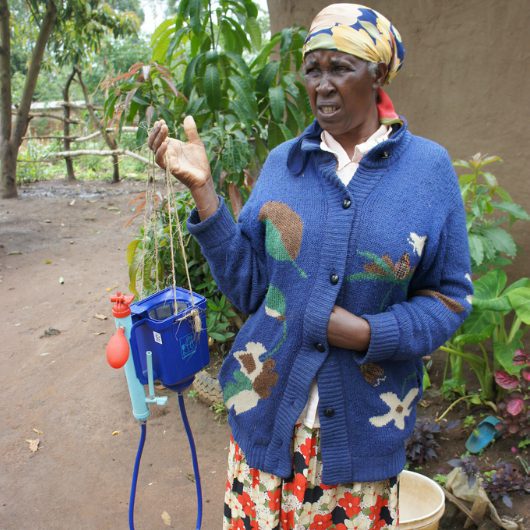
Through the agreement, the MDGs target different dimensions of poverty including hunger, disease, insufficient shelter, gender inequality, global education and environmental sustainability.

With an expiration date of December 2015, the achievements made through the MDGs provide evidence that poverty can be eliminated worldwide by 2030.

MDG 1: Cut Extreme Hunger and Poverty in Half

Since 1990, the amount of people living on less than $1.25 per day decreased from 1.9 billion to 836 million in 2015. While extreme poverty was cut in half, extreme hunger narrowly missed the mark, dropping from 23.3 percent to 12.9 percent.

MDG 2: Achieve Universal Primary Education

Primary School Enrollment has seen a slight rise, increasing from 83 percent in 2000 to 91 percent in 2015.

MDG 3: Eliminate Gender Disparity in Education and Empower Women

Since 1990, approximately two-thirds of developing countries have achieved gender unity. In Southern Asia, the primary school enrollment ratio favors girls over boys in 2015.

MDG 4: Reduce Child Mortality by Two-Thirds

The child mortality rate decreased from 12.7 million in 1990 to 6 million in 2015. In addition, the measles vaccine compared to 2000 covered almost 10 percent more children worldwide.

MDG 5: Reduce the Maternal Morality Rate by 75 Percent

Compared to 1990, the maternal mortality rate has been cut in half, narrowly missing the 75 percent benchmark.

MDG 6: Combat HIV/AIDS, Malaria and Other Diseases

Since 2000, the number of new HIV infections decreased by 40 percent, dropping from 3.5 million to 2.1 million in 2013.

MDG 7: Increase Environmental Sustainability

In 2010, the goal to increase access to clean water was achieved five years early. Since 1990, 2.6 billion people have gained access to improved drinking water.

MDG 8: Develop an Open Partnership for Development

Overseas development assistance from developed nations to developing countries increased 66 percent. With the expansion of technology, Internet infiltration increased significantly from 6 percent in 2000 to 43 percent in 2015.

– Alexandra Korman

Sources: The Guardian
Photo: NaijaLog

November 15, 2015
https://borgenproject.org/wp-content/uploads/borgen-project-logo.svg 0 0 Borgen Project https://borgenproject.org/wp-content/uploads/borgen-project-logo.svg Borgen Project2015-11-15 09:33:272024-12-13 18:05:23MDGs: What They Achieved After 15 Years
Children, Global Poverty, Health, Water

LifeStraw Purifiers: Kenyan Schoolchildren with Drinking Water

LifeStraw Purifiers Provide Schoolchildren with Clean Drinking WaterIn Eastern Africa, 70 percent of hospital visits are related to contaminated water. This is due to a lack of clean water sources. The majority of people in developing countries depend on water sources like rivers to drink and bathe, but serious illnesses like typhoid fever, dysentery and guinea worm disease are common diagnoses for those who consume dirty water. In fact, diarrhea is the third leading cause of death in Kenya.
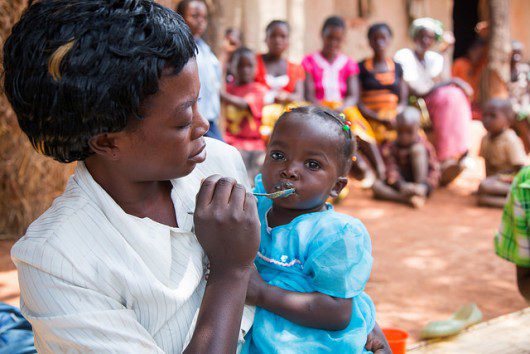
Vestergaard, a Swiss global health company, created a water filtration system called LifeStraw to put an end to these water-related infections. LifeStraw is a lightweight, portable filter that uses hollow fiber technology to filter up to 1,000 liters of water. The filter is also chemical-free and does not require any electrical power — instead, it depends on the suction generated by its user.

Water enters the plastic container and flows through narrow fibers under high pressure. These fibers then trap bacteria and other toxins that are flushed out of the water via backwashing. The clean water travels through pores in the walls of these fibers.

With LifeStraw, households in these regions will no longer have to boil contaminated water to make it drinkable. As a result, there will likely be a reduction in indoor pollution and house fires. People will also burn less firewood, which helps lessen deforestation. According to Vestergaard, the use of LifeStraw reduces carbon emissions by nearly three tons per year, per filter.

Of note, luxury car manufacturer Jaguar Land Rover (JLR) invested in LifeStraw in 2013 in support of sustainability. In partnership with the carbon-offset company ClimateCare, the LifeStraw Carbon for Water project was born. This partnership has provided 1,900,000 people in western Kenya with LifeStraw filters.

Within the next few years, this investment will also provide 300,000 Kenyan schoolchildren access to safe water and filtration training programs. Once LifeStraw filters are installed at a school in Kenya, a JLR team will monitor its use once every term for five years. Teachers and students will also complete training to learn about the significance of clean water.

In 2014, the Follow the Liters campaign was created by 80 LifeStraw volunteers to provide schoolchildren with safe water. If a person purchases one LifeStraw water filter, the company will provide a child from the developing world with clean drinking water for an entire year.
Last year, 158,000 African students were provided with a LifeStraw filter and 300 more schools in western Kenya also received filters.

– Kelsey Lay

Sources: Business Fights Poverty, Jaguar Land Rover, LifeStraw, The Examiner
Photo: Flickr

November 15, 2015
https://borgenproject.org/wp-content/uploads/borgen-project-logo.svg 0 0 Borgen Project https://borgenproject.org/wp-content/uploads/borgen-project-logo.svg Borgen Project2015-11-15 09:12:192020-06-24 19:51:02LifeStraw Purifiers: Kenyan Schoolchildren with Drinking Water
Children, Development, Global Health, Global Poverty, Health

Reach Every Mother and Child Act: Ending Preventable Deaths

Reach Every Mother and Child Act
The Reach Every Mother and Child Act of 2015 would work to end the preventable deaths of mothers, newborns and young children in developing countries.

U.S. Senators Chris Coons, D-Del., and Susan Collins, R-Maine, introduced the Reach Act this summer as a solution for deaths related to pregnancy and childbirth.

“Over the past several years, we have made great strides in saving moms, babies, and kids in some of the poorest parts of the world, but it’s clear that more help – and more resources – are needed,” Sen. Coons said in a press release.

The Reach Act seeks to build on the progress made over the past few years in maternal-child health. According to Countdown to 2015’s report for this year, the global maternal mortality ratio has decreased by 45 percent over the past two decades, and the number of maternal deaths has dropped from about 523,000 a year to 289,000.

Maternal education and income growth have had a significant impact on the improvement of conditions for mothers and children in developing countries, the Institute for Health Metrics and Evaluation said, as well as technological innovations in medicine and other areas.

However, problems such as HIV, poor hospital conditions, and malnutrition still plague mothers and children in those countries. The Reach Act would help provide the means to solve these problems.

If enacted, the Act would:

  • Require a ten-year strategy to achieve the goal of ending preventable maternal, newborn, and child deaths by 2035;
  • Establish a permanent Maternal and Child Survival Coordinator at USAID who would be focused on implementing the ten-year strategy and verifying that the most effective interventions are scaled up in target countries.s
  • Require the Administration to develop a financing framework that would allow the use of U.S. government dollars to leverage additional commitments from the private sector, nonprofit organizations, partner countries, and multinational organizations.

The Reach Every Mother and Child Act of 2015 is currently being referred to the House Committee on Foreign Affairs.

Email your congressional leaders in support of the Reach Every Mother and Child Act and help save the lives of 600,000 women and 15 million children by 2020.

– Ashley Tressel

Sources: Senate, Health Data, Countdown to 2015: Maternal, Newborn & Child Health Data
Photo: Flickr

November 10, 2015
https://borgenproject.org/wp-content/uploads/borgen-project-logo.svg 0 0 Borgen Project https://borgenproject.org/wp-content/uploads/borgen-project-logo.svg Borgen Project2015-11-10 01:30:532024-12-13 18:05:22Reach Every Mother and Child Act: Ending Preventable Deaths
Activism, Advocacy, Aid, Children, Education, Global Poverty, Hunger

Read to Feed: Global Education Lesson Plans

Global_Education_Lesson_Plans
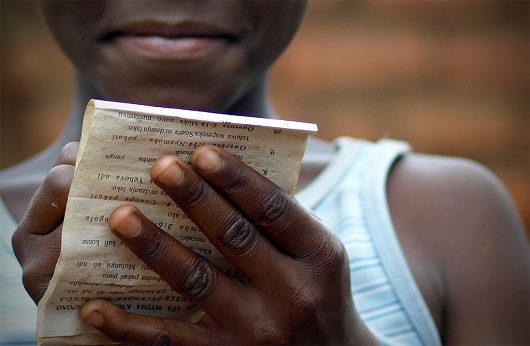
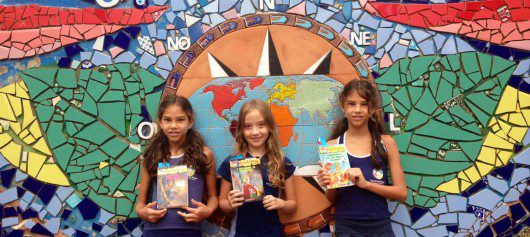
Anyone and everyone can change the world, even in the slightest way. An organization known as Read to Feed gives children the opportunity to make a difference in the lives of families living in poverty.

The program encourages childhood reading while raising awareness of extreme global poverty in young minds. Read to Feed teaches and informs students of the realities of malnutrition and poverty, inspiring them to help those in need and providing an educational incentive to do so.

Here’s how it works: A child chooses a sponsor for each book he or she reads during a period of time set by his or her Read to Feed leader. The sponsor agrees to provide a certain amount of money for each book read or hour spent reading. Then, after the books have been read and the funds collected, the child chooses an animal through Heifer International to give to a family experiencing poverty.

Heifer International is an organization dedicated to ending global poverty and world hunger. Heifer provides families in impoverished communities with livestock and training to combat malnutrition as well as build a sustainable lifestyle.

Furthermore, Heifer encourages the families they have helped to share the training they receive with other families in their communities and pass on the first female offspring of their livestock to another family in need, thus creating a cycle of sustainability that has the power to lift entire communities out of poverty.

The wide variety of livestock provides families with meat, milk, wool and manure to grow their own agriculture. Kids can participate in Read to Feed individually or in groups; however, the program most often takes place in a classroom setting.

Furthermore, Heifer provides Global Education Lesson Plans so that teachers can inform students of the realities of global poverty and the impact that they can make in changing its course.

Read to Feed ultimately provides children with a way to make a difference in many lives. Reading a book is a fun incentive to end extreme poverty, both stimulating a child’s mind by increasing the number of books they read, and their knowledge of the world. Anyone can make a difference and everyone– no matter what age– deserves the chance to try.

– Sarah Sheppard

Sources: Heifer 1, Heifer 2, Learning to Give
Photo: Hiefer International

November 9, 2015
https://borgenproject.org/wp-content/uploads/borgen-project-logo.svg 0 0 Borgen Project https://borgenproject.org/wp-content/uploads/borgen-project-logo.svg Borgen Project2015-11-09 06:26:312024-12-13 18:04:59Read to Feed: Global Education Lesson Plans
Children, Development, Global Poverty

Ubuntu in the Heart of Poverty

Ubuntu

Ubuntu is a Zulu word that translates to “human kindness.” The Ubuntu Education Fund aims to create long lasting change in the impoverished townships of Port Elizabeth in South Africa.

The effectiveness of the program can be credited to its three over-arching programs: household sustainability, health and education. This strategy has “received international acclaim from Bill Clinton to the World Economic Forum.”

“Why can’t our poor children in Africa have an education? Why does it have to be a privilege? Why can’t it be a child’s right?” stated CEO and Co-Founder of The Ubuntu Education Fund Jacob Lief at the grand opening of the Ubuntu Center on Sept. 16, 2010.

The Ubuntu Center is located in the heart of Port Elizabeth’s townships, one of the largest slums in the world. The center offers a pediatric HIV center, pharmacy, classrooms, computer labs and a theater.

“Ubuntu graduates attain successes that few in their community ever realize and, in doing so, they are redefining what the world believes to be possible in disadvantaged communities,” stated Lief.

Since its establishment in 2010, the Ubuntu Center has supported the 2,000 children and indirectly supported the community. A study conducted by McKinsey & Company found that “Ubuntu graduates will contribute $195,000 to society, while their peers will cost society $9,000.”

In addition to providing child health care, the pediatric clinic offers prenatal and postnatal care, HIV and TB testing and treatment.

“Ubuntu’s impact is transformative – from HIV-positive mothers giving birth to healthy, HIV-negative babies, to vocational-tracked youth in our Ubuntu Pathways (UP) program securing employment,” said Lief.

The program also provides child protection services and psychosocial counseling to ensure stable homes in order for children to thrive in their education. The dynamic school program included university scholarships and “job readiness training.”

The program emphasizes “depth rather than breadth of impact” which is why within four years of joining Ubuntu, 82 percent of people are “on-track towards stable health and employment,” said Lief.

Former President Bill Clinton visited the Ubuntu Center in August 2013 and had this to say: “Ubuntu has come so far. We’re very proud of your work. This is an amazing organization that actually ensures its people are taken care of.”

Chelsea Clinton, his daughter, added, “The Ubuntu model is incredible; you start early and work with children their entire lives.”

– Marie Helene Ngom

Sources: Forbes, Ubuntu Blog, YouTube
Photo: Flickr

October 30, 2015
https://borgenproject.org/wp-content/uploads/borgen-project-logo.svg 0 0 Borgen Project https://borgenproject.org/wp-content/uploads/borgen-project-logo.svg Borgen Project2015-10-30 01:30:412024-12-13 17:54:09Ubuntu in the Heart of Poverty
Children, Development, Education, Global Poverty

The Rising Potential For “The Educational Journey of a Girl”

“Over 31 million primary school-age girls are out of school despite progress in achieving universal primary education,” a report published by the Global Business Coalition for Education found.

This study was released on the International Day of the Girl Child, a time “to recognize girls’ rights and the unique challenges girls face around the world,” says the UN.

The study produced an infographic and report which followed a female’s educational journey from birth to adulthood, offering insight into the obstacles faced by many seeking an education.

The infographic illustrated many of the disadvantages girls must overcome but, due to their circumstances, may be unable to. For example, a child born to a literate mother is five times more likely to survive beyond the age of 5.

However, girls who start engaging in child labor tend to be between 5-7 years old and few of them are given the opportunity of enrolling in school, which means millions never make it.

While the study recognizes that many businesses already do a great deal to empower girls in secondary education, the report encouraged companies to begin making investments at an earlier age.

“Examining the wider life cycle of a girl and investing sooner would have economic and societal benefits and help companies to support girls to become the leaders, consumers, employees, employers and innovators of the future,” says A World at School, a global campaign working to place all children in school.

After surveying 32 companies that invest in girls, the report discovered that early support in a child’s education is more helpful and transformative because it aids in building foundations in subjects, such as numeracy and literacy, which could advance them later in life.

The study suggests that the key to enabling more girls to receive an education lies in early investment; starting early will help prepare them with the necessary skills they will need to advance at work and in life.

In fact, the infographic also revealed that girls who complete both primary and secondary education “are likely to earn income, have fewer unwanted pregnancies, and break the poverty cycle.”

To build a more involved and sustainable role in girls’ educational development, the report has issued the following recommendations:

  1. Build broad-based partnerships
  2. Invest now, invest early
  3. Expand the business case for girl’s education
  4. Grow the evidence base
  5. Strengthen the corporate voice for girl’s education
  6. Play an active role in addressing the global crisis
  7. Make the health and education link for girls
  8. Train the next generation of employees and business leaders
  9. Work with the international donor community to scale what works in girl’s education

For many children’s education, their only hope rests in receiving support during their early years. As Executive Chair of GBC-Education Sarah Brown said, “We know all too well that the economic empowerment of a woman does not start when she is an adult. It starts when she is a girl.”

– Nikki Schaffer

Sources: A World at School, UN
Photo: A World at School

October 28, 2015
https://borgenproject.org/wp-content/uploads/borgen-project-logo.svg 0 0 Borgen Project https://borgenproject.org/wp-content/uploads/borgen-project-logo.svg Borgen Project2015-10-28 01:30:552024-12-13 18:05:17The Rising Potential For “The Educational Journey of a Girl”
Children, Food & Hunger, Global Poverty

Fighting Malnutrition in Honduras

Malnutrition_in_Honduras
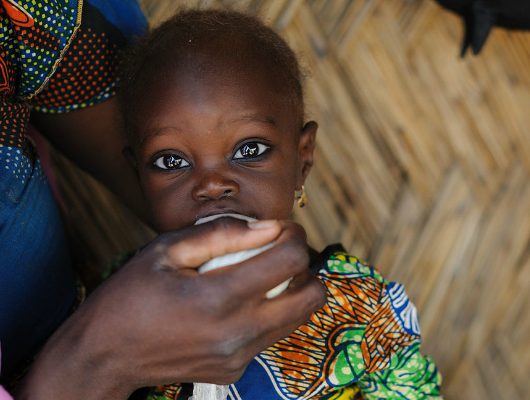
Honduras is the third poorest nation in the Americas. One-third of the population lives below the poverty line and 1.5 million Hondurans or 20% of the population, face hunger on a daily basis.

However, malnutrition is especially problematic for children.

  • In rural Honduras, the problem is especially acute with 48% of the population suffering from malnutrition.
  • 10% of infants born in Honduras are underweight as a result of malnutrition in the country.
  • One out of two children in the poorest communities suffers from stunted growth.
  • 50% of children between the ages of 2 and 6 suffer from anemia.
  • 29% of Honduran children younger than 5 years old suffer from slow growth rates.

Fortunately, several organizations are providing funding to the country to alleviate malnutrition.

World Bank and the United Nations

The growing rates of malnutrition in Honduras have prompted the World Bank and the United Nations to act. Currently, the organization is supporting a program called the AIN-C with the United States and investing $20 million into Honduras.

The money will be divided among nearly 1,000 Honduran communities and benefit 16,000 children.

World Food Programme

In addition, the World Food Programme (WFP) implemented the School Meals Programme in Honduras, which has provided 1.2 million children in primary school with food aid.

The program targets the very poorest communities in the country and provides the children with daily meals in order to encourage school enrollment. In addition to the program, the WFP has implemented the Purchase for Progress (P4P) program.

The P4P is a program that buys products from small farmers in order to help support the community. In partnership with other buyers, they have purchased $60 million in food from local Honduran communities.

Hopefully, as the international community continues to support poverty reducing programs in Honduras, the rate of malnutrition will decrease throughout the country.

– Robert Cross

Sources: Hope International, World Bank, World Food Programme
Photo: Wikimedia

October 24, 2015
https://borgenproject.org/wp-content/uploads/borgen-project-logo.svg 0 0 Borgen Project https://borgenproject.org/wp-content/uploads/borgen-project-logo.svg Borgen Project2015-10-24 01:30:062024-05-27 09:28:13Fighting Malnutrition in Honduras
Children, Education, Global Poverty, Sustainable Development Goals

Early Childhood Development and Economic Stability

early_childhood_development
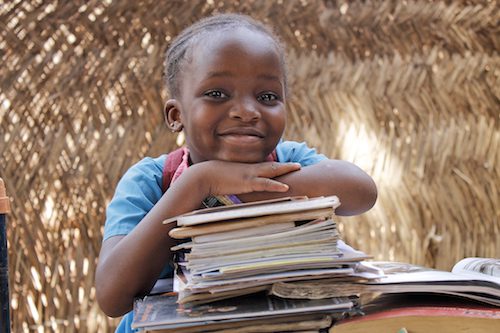
Early childhood development (ECD), or the time from a child’s birth to turning 8 years old, is considered the most critical window of childhood development.

During this eight-year window, children undergo intensive physical and social growth, shaping their bodies and perceptions of society.

But many children in developing nations lack the nutrition, healthcare and social engagement necessary during ECD to have a strong foundation for future growth and development.

ECD initiatives, ranging from parental training to preschool, have been shown to dramatically improve children’s earning potential and help them to escape the poverty cycle.

In the post-2015 Sustainable Development Goals, the United Nations specifically addressed the value of ECD in Goal 4, stating that by 2030 all children will “have access to quality early childhood development, care and pre-primary education so that they are ready for primary education.”

The British Prime Minister, David Cameron, echoed the importance of providing aid to ECD for the termination of global poverty, saying, “Children have been educated who otherwise would have missed out.”

Through aid efforts, programs are sprouting throughout some of the world’s poorest regions, showing promising results.

The World Bank reports that children in developing nations who have participated in ECD programs have higher levels of cognitive and academic performance than their peers.

Children who have benefitted from ECD initiatives are also more prepared to enter primary school and learn more efficiently while in class. This early success in schools has led to lower levels of dropouts and grade repetitions.

As educational levels rise, so does earning potential. Especially for girls. For every year of primary education a girl receives, her earning potential rises 10 percent to 20 percent, and for every additional year of secondary education, her earning potential rises another 15 percent to 25 percent, empowering her in the workforce.

As the workforces in developing nations expand with more educated and skilled laborers, the population at large benefits from an expanded consumer base.

With increased earning and buying power comes a more complex and stable economy that is less susceptible to shock and a higher gross domestic income.

According to UNICEF, this increase in school attendance shrinks the gap between the wealthiest and poorest families, hoisting children and their families out of the poverty cycle.

– Claire Colby

Sources: The Guardian 1, The Guardian 2 UNICEF, UN, USAID, World Bank
Photo: Sharp School

October 22, 2015
https://borgenproject.org/wp-content/uploads/borgen-project-logo.svg 0 0 Borgen Project https://borgenproject.org/wp-content/uploads/borgen-project-logo.svg Borgen Project2015-10-22 01:30:312024-12-13 18:05:16Early Childhood Development and Economic Stability
Aid, Children, Global Poverty

Commissioner Mimica Announced Support Package for Peru

support package for PeruCommissioner Mimica of EU Aid began a voyage to Peru earlier this month on Oct. 9 to announce a support package for the development and health of young adults and children.

The support package for Peru is intended to accelerate the plans of the National Development and Social Inclusion Strategy, which aims to help five regions most affected by poverty in the Peruvian Amazon.

The finalized package suggests 40 million euros ($45.5 million), with a total 66 million euros ($75.1 million) being allocated to Peru between 2014 and 2017. This money will advance the already growing economy of Peru and assist the permanent reduction of poverty that has been reflected since this growth.

However, the solidarity of development has not been established, as about 54 percent still live in poverty and 19 percent live in absolute poverty (less than a dollar a day).

Social Inclusion Strategy will address this unequal growth, favoring those who have not benefited, despite the country’s economic boom. The stratagem prioritizes people into groups based off five core topics:

  1. Childhood Nutrition – focusing on fighting those who lack access to food and water
  2. Early Childhood Development – focusing on the development of infants and young children who do not live in stable conditions
  3. Development of Children and Teenagers – focusing on older children and teens who do not live with a stable family
  4. Economic Inclusion – focusing on incorporating those who have not benefitted from the economy into a better society
  5. Protection of Elders – focusing on poverty-stricken elders who are no longer able to provide for themselves

Furthermore, the developmental gap in the region is ensured to decrease by a three-part approach that focuses on three-time horizons – short, medium and long term.

Temporary relief will bring short term relief to those in extreme poverty while medium term relief promises capacity building such as providing services, and the long-term approach will aid with the creation of opportunities.

In this way, Peru will see a reduction of extreme poverty that substantiates and perpetuates the developmental growth of all priority groups.

MIDIS, the organization overseeing the National Development and Social Inclusion Strategy, defines people who are already in the process of social inclusion as PEPI; PEPI households must meet three of four focal points in order to be given PEPI status:

  1. Rural household
  2. Female-headed Household with less than primary education
  3. Head of house speaks indigenous language
  4. Located in the first quintile of national per capita income distribution

Of these dwellings, 60 percent live between walls of adobe, 84 percent have dirt floors in their homes, 60 percent use wood to cook and 57 percent go without access to sanitation services.

The total number of people living in PEPI households (4.8 million) calculates to about 16 percent of the population. It is estimated by 2030 for the developmental gap to be significantly reduced by the support package for Peru with financial investment to be concluded for Peru in 2017.

– Emilio Rivera

Sources: European Commission, GOB, Nations Encyclopedia
Photo: Flickr

October 21, 2015
https://borgenproject.org/wp-content/uploads/borgen-project-logo.svg 0 0 Borgen Project https://borgenproject.org/wp-content/uploads/borgen-project-logo.svg Borgen Project2015-10-21 12:03:082020-06-25 21:35:07Commissioner Mimica Announced Support Package for Peru
Aid, Children, Education, Global Poverty

Focusing on Education for Syrian Refugees

Education_for_Syrian_Refugees
The Syrian Refugee conflict has been a hot topic globally for months now. Many countries have been accepting Syrian refugees since the climax of the crisis, but once a temporary home has been found, what next?

On average, a refugee will stay in a camp for 17 years. In these crowded and busy communities, individuals and families try to create a semi-normal life.

For smaller children though, living in these refugee camps means growing up without a fair chance to attend school. Therefore, greater focus needs to be placed on education for Syrian refugees.

According to The UN Refugee Agency, UNHCR, the Syrian refugee crisis could be a large contributor to another global crisis. Poverty rates, already at a high, could be negatively impacted if proper action is not taken.

In a study done by the UNHCR entitled “Living in the Shadows,” the organization stated, “Two in every three Syrian refugee households are below the absolute poverty line in Jordan, and one out of six is below the Jordanian abject poverty line…households’ economic vulnerability appears to increase over time.”

While humanitarian aid is a huge part of alleviating this problem, more needs to be done. Refugee education and training in vocational skills are a necessity to combat the struggle of poverty within and outside of these refugee camps.

According to The Guardian, “Globally, over 50% of refugees are children. Yet only one in every two refugee children attend primary school. Only one in four refugee adolescents receive secondary school education.”

It has been proven several times over that educational opportunities are one of the key solutions to eradicating poverty. With education comes new skills, a more secure future, and a more stable country.

Recently, more countries have started to pick up on this trend and are working to make necessary changes.

In Turkey, the refugee educational opportunities for children has risen from 199,000 in 2014 to 299,000 this school year.

Lebanon, the country with the highest amount of hosted Syrian refugees, is providing education opportunities for 200,000 of those children.

According to the University World News, “The University of Copenhagen has asked the Danish government for permission to create extra student spaces for refugees and migrants arriving in the country.”

For refugees, education is everything. It is the key to getting out of poverty and a source of hope amidst hardship. Continuance of improved and increased educational opportunities is one of the top essentials of getting Syrian refugees out of poverty and helping them contribute to society wherever they currently reside.

– Katherine Martin

Sources: UNHCR, The Guardian, Today’s Zaman, Huffington Post, University World News
Photo: Todays Zaman

October 13, 2015
https://borgenproject.org/wp-content/uploads/borgen-project-logo.svg 0 0 Borgen Project https://borgenproject.org/wp-content/uploads/borgen-project-logo.svg Borgen Project2015-10-13 01:30:412024-12-13 18:05:12Focusing on Education for Syrian Refugees
Page 107 of 137«‹105106107108109›»

Get Smarter

  • Global Poverty 101
  • Global Poverty… The Good News
  • Global Poverty & U.S. Jobs
  • Global Poverty and National Security
  • Innovative Solutions to Poverty
  • Global Poverty & Aid FAQ’s
Search Search

Take Action

  • Call Congress
  • Email Congress
  • Donate
  • 30 Ways to Help
  • Volunteer Ops
  • Internships
  • Courses & Certificates
  • The Podcast
Borgen Project

“The Borgen Project is an incredible nonprofit organization that is addressing poverty and hunger and working towards ending them.”

-The Huffington Post

Inside The Borgen Project

  • Contact
  • About
  • Financials
  • President
  • Board of Directors
  • Board of Advisors

International Links

  • UK Email Parliament
  • UK Donate
  • Canada Email Parliament

Get Smarter

  • Global Poverty 101
  • Global Poverty… The Good News
  • Global Poverty & U.S. Jobs
  • Global Poverty and National Security
  • Innovative Solutions to Poverty
  • Global Poverty & Aid FAQ’s

Ways to Help

  • Call Congress
  • Email Congress
  • Donate
  • 30 Ways to Help
  • Volunteer Ops
  • Internships
  • Courses & Certificates
  • The Podcast
Scroll to top Scroll to top Scroll to top