• Link to X
  • Link to Facebook
  • Link to Instagram
  • Link to TikTok
  • Link to Youtube
  • About
    • About Us
      • President
      • Board of Directors
      • Board of Advisors
      • Financials
      • Our Methodology
      • Success Tracker
      • Contact
  • Act Now
    • 30 Ways to Help
      • Email Congress
      • Call Congress
      • Volunteer
      • Courses & Certificates
      • Be a Donor
    • Internships
      • In-Office Internships
      • Remote Internships
    • Legislation
      • Politics 101
  • The Blog
  • The Podcast
  • Magazine
  • Donate
  • Click to open the search input field Click to open the search input field Search
  • Menu Menu

Archive for category: Aid

Aid, Global Poverty, Humanitarian Aid

Humanitarian Aid to Sao Tome and Principe

Sao Tome

Located off Africa’s western shore, Sao Tome and Principe is home to about 200,000 people. According to the World Bank, almost 62 percent are living in poverty. With a moderate-to-weak economy, humanitarian aid to Sao Tome and Principe is essential to improve social and health-related issues.

The Economy of Sao Tome and Principe

The economy of Sao Tome and Principe consists mostly of cocoa exports and tourism to showcase its diverse wildlife and tropical forests.

The Portuguese-speaking islands currently struggle to provide educational, as well as economic, opportunities to its children. Approximately 44 percent of the population is made up by children under 14. While about 97 percent of children attend primary school, the rate of secondary school attendance falls drastically to 38 percent.

Programs Providing Humanitarian Aid to Sao Tome and Principe

The International Development Association (IDA) aimed to improve education attendance rates by providing more than $4 million in educational assistance. The program, Quality Education for All, strengthens the educational system by improving teachers’ training and enriching student’s curriculum. By improving primary education, the IDA is building a foundation for secondary education down the road.

Another program contributing to humanitarian aid to Sao Tome and Principe is the Entrepreneurship Curriculum Programme for the Youth of Sao Tome and Principe. Funded by the Trust Fund for Youth Employment, $34,333 was devoted to teaching entrepreneurial skills in secondary education in hopes of better preparing students for the workforce. The program’s goal is to impact at least 1,500 students with entrepreneurial training.

Combatting Diseases in Sao Tome and Principe

Other issues that plague Sao Tome and Principe are personal health and protection from diseases such as malaria and HIV. In 2009, malaria was reported in a total of 33.8 percent out of 1,000 people. However, thanks to relief efforts, this number had drastically declined to 9.7 percent per 1,000 people by 2014.

Along with the decline of reported malaria cases, Sao Tome and Principe reported a total of zero malaria-related deaths in 2014. To further prevent the threat of malaria, the UNDP has worked with the Global Fund. Together, these organizations have provided a $6 million grant that finances the purchase of mosquito repellants along with bed nets. The grant’s goal is to eliminate all threats of malaria and other illnesses by 2030.

Sao Tome and Principe continues improving with help from organizations like the Global Fund and the UNDP, as well as others. By addressing core issues like citizen’s health and education, humanitarian aid to Sao Tome and Principe is providing opportunities for continued growth.

– Austin Stoltzfus

Photo: Flickr

January 26, 2018
https://borgenproject.org/wp-content/uploads/borgen-project-logo.svg 0 0 Borgen Project https://borgenproject.org/wp-content/uploads/borgen-project-logo.svg Borgen Project2018-01-26 19:00:402024-05-29 22:38:57Humanitarian Aid to Sao Tome and Principe
Aid, Humanitarian Aid

The Success of Humanitarian Aid to Armenia

humanitarian aid to armenia

Humanitarian aid to Armenia has been continuously growing in large part due to the United States Agency for Intentional Development (USAID). Since 1992, USAID has been a crucial humanitarian aid donor to Armenia and its overall development as a country. Last year marked 25 years of diplomatic relations between USAID and Armenia.

USAID’s Commitment to Provide Humanitarian Aid to Armenia

USAID plays a significant role in helping Armenia overcome the challenges it faces as a developing country. USAID has provided “over $1 billion to improve the lives of the Armenian people, supporting their efforts to strengthen democratic, economic, and social governance.”

A few ways USAID has been vital with humanitarian aid to Armenia is by:

  1. Improving access to quality healthcare for Armenian citizens by extending free primary healthcare and maternity services.
  2. Establishing the “114” hotline that provides social service resources assistance to Armenians.
  3. Equipping and renovating two-thirds of Armenia’s neediest rural health facilities.
  4. Creating the American University of Armenia that trains Armenia’s future leaders, encourages civic engagement and promotes democratic values.
  5. Modernizing the Armenian American Wellness Center to become a state-of-the-art diagnostic facility now providing a host of health services to men and women.

USAID has implemented several humanitarian aid programs that help economic growth in Armenia. The Advanced Science and Partnerships for Integrated Resource Development program supports sustainable water resource management. Furthermore, the Partnership for Rural Prosperity promotes rural economic development in Armenia. Lastly, the Advanced Rural Development Initiative develops competitive rural value chains to increase incomes and improve livelihoods. It has been implemented in 48 rural communities in Syunik, Shirak and Lori marzes of Armenia.

USAID also provides humanitarian aid to Armenia in the form of developmental programs that assist in helping Armenian people acquire healthcare and skillsets for work. One such program provides Armenian tech students with training and research opportunities to prepare them for engineering projects.

Another program is the USAID-supported Center of Excellence for the Prevention of Childhood Blindness in Armenia. This initiative helps prevent lifelong blindness in premature babies and Armenian children.

The World Food Programme in Armenia

Another worthy mention is the World Food Programme (WFP), which is the biggest humanitarian organization in the world. It provides hot meals to 60,000 Armenian children in 587 schools in six of Armenia’s ten provinces for 180 days out of the school year.

New heating systems have also been implemented in Armenia’s rural communities to utilize solar energy and meet present-day demands of energy efficiency and environmental protection.

With the continuous help of organizations such as USAID and WFP, Armenia can continue on its path to becoming a developed country.

– Kennisha L. Crawford

Photo: Flickr

January 26, 2018
https://borgenproject.org/wp-content/uploads/borgen-project-logo.svg 0 0 Borgen Project https://borgenproject.org/wp-content/uploads/borgen-project-logo.svg Borgen Project2018-01-26 01:30:562024-05-29 22:38:53The Success of Humanitarian Aid to Armenia
Aid, Aid Effectiveness & Reform, Foreign Aid, Global Poverty

The Ways the US Benefits from Foreign Aid to Brazil

U.S. Benefits from Foreign Aid to Brazil
For the projected Fiscal Year 2018 budget, the United States is allotting $815,000 to Brazil. This budgetary decision is planned to further a partnership with the government of Brazil in improving regional stability through security and law-enforcement, progress in medical care and increasing environmental coordinating and military training. In addition to these improved Brazilian conditions, there will be U.S. benefits that come from foreign aid to Brazil.

A Fruitful Partnership

This budget will assist the Ministry of Health in creating an AIDs-free future population. Funding from this budget will also address military protection to combat transnational crime through advancements in the rule of law and counterterrorism programs.

The two countries also opened dialogues addressing other concerns regarding climate change. Previous signing in 2015 of the U.S.-Brazil Joint Initiative on Climate Change, and the USAID-GOB Development Objective Agreement on Biodiversity Conservation signed in 2014, focuses on biodiversity conservation and climate change mitigation.

This partnership that enables the countries to address current issues is one way the U.S. benefits from foreign aid to Brazil.

Since The United States was the first country to recognize Brazil’s independence in 1822, the two countries have a long history of working together to expand economic growth, support human rights and improve defense and security.

Shared Interests

The countries have shared development in education, energy, health, science and technology. Due to previous foreign aid, Brazil has bolstered itself into a position of economic growth that has enabled it to import U.S. goods and export to the U.S. while also supplying foreign aid to other developing countries.

Combatting the Zika Virus

There are also large efforts being taken between the U.S. government and the government of Brazil to address and fight the Zika virus. USAID and Brazil are also looking to further development in other countries, particularly African and Latin America, as well as provide food security through agriculture development and productivity in Haiti, Honduras and Mozambique.

Trade and Tourism

Some other ways the U.S. benefits from foreign aid to Brazil are through trade, business investments and tourism. Since 2003, Brazilian firms made large investments in the U.S., amounting to billions of dollars. These projects amounted to $2.5 billion in 2010 and, once they’re completed, will create 4,806 new jobs in a variety of different sectors.

Commerce with Brazil creates both small and large business ventures, with one being the WindStream company based out of New Albany, Illinois.

This partnership between the U.S. and Brazil promotes the growth of both economies through trade and provides economic durability. It furthers the advancements of both countries enabling the countries to supply aid to developing countries. The partnership between the U.S. and Brazil shows the benefits of foreign aid and the progression that continuous aid can provide to other countries.

– Bronti DeRoche

Photo: Flickr

January 26, 2018
https://borgenproject.org/wp-content/uploads/borgen-project-logo.svg 0 0 Borgen Project https://borgenproject.org/wp-content/uploads/borgen-project-logo.svg Borgen Project2018-01-26 01:30:352024-05-29 22:30:19The Ways the US Benefits from Foreign Aid to Brazil
Aid, Humanitarian Aid

The Success of Humanitarian Aid to Argentina

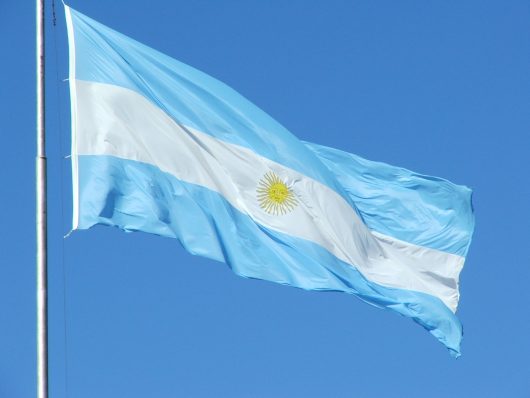
humanitarian aid to argentinaThree key issues were addressed following the implementation of newly-approved efforts for humanitarian aid to Argentina. These issues include the AIDS/HIV epidemic, poor water sanitation and limited housing options.
As of 2016, the World Bank recorded that Argentina, a country located in South America, had a total population of 43.85 million and a national poverty headcount ratio of 30.3 percent. This indicated that 30.3 percent of the population lived in poverty at that time.

Humanitarian Aid to Argentina for HIV/AIDS

In 2014, the nonprofit organization UNAIDS approximated that 110,000 living people suffer from HIV/AIDS in Argentina. Of that number, about 5,400 new infections occurred. There were an estimated 2,300 deaths due to HIV/AIDS in that same year.

Increasing Disease Prevention

Humanitarian aid to Argentina has increased efforts for disease prevention. The AIDS Healthcare Foundation program partners with local hospitals and universities to educate and train health professionals in HIV treatment and services.

According to the World Bank, about 30 percent of those infected with HIV/AIDS are unaware of their condition. Fortunately, Argentina’s National AIDS Law required improved access to healthcare as HIV/AIDS treatment became accessible for free.

In 2016, UNAIDS recorded that the cases of HIV/AIDS-related illness increased to about 120,000 living people, 2,400 HIV/AIDS-related deaths and 5,500 new infections. Despite growth in cases, relief programs like the Aids Healthcare Foundation furthered efforts by operating in five clinics in Argentina.

Improving Water Sanitation

From 1991 to 2015, between 16 to 19 million diarrhea-related illnesses were linked to inadequate access to clean water and water services. This limited access mainly impacts Argentina’s northern regions which include Catamarca, Formo and Tucuman, among others.

In March 2017, the World Bank indicated approval of the Belgrano Water Supply and Sanitation Development Project. The project aims to provide humanitarian aid to Argentina by making clean water available to all. It also aims to create “75 percent access to wastewater services for those living in urban areas by the end of 2019.” This will make sanitary water available to 8.2 million people.

Recently Approved Housing Project

A 2017 report by the World Bank indicates a rise in the lack of affordable housing provided by the public. Approximately 18 percent of the population lives in informal housing with limited, or lack of, access to clean water and wastewater services. In this informal housing, residents also do not have adequate access to healthcare and schools.

The Integrated Habitat and Housing Project was approved and includes a $200 million commitment until 2022. The project aims to increase formal housing while also improving living conditions for households in selected precarious urban settlements.

Developing projects by both the World Bank and nonprofit organizations deliver humanitarian aid to Argentina, especially in regard to HIV/AIDS prevention, water sanitation and housing conditions. These concerns indicate that poverty takes many forms and still exists today. However, the continued efforts in Argentina are promising in the global mission to alleviate poverty.

– Christine Leung

Photo: Flickr

January 26, 2018
https://borgenproject.org/wp-content/uploads/borgen-project-logo.svg 0 0 Borgen Project https://borgenproject.org/wp-content/uploads/borgen-project-logo.svg Borgen Project2018-01-26 01:30:272019-11-11 05:54:36The Success of Humanitarian Aid to Argentina
Aid, Global Poverty, Humanitarian Aid

Refugee Aid in Thailand

refugee aid in ThailandThe history of humanitarian aid in Thailand is considered a success story. In recent times, there has been a specific increase in refugee aid in Thailand.

The History of Humanitarian Aid in Thailand

Over the past four decades, economic growth has been significant, with the formerly low-income country becoming an upper-income state. Poverty declined to 7.2 percent in 2015 from a high of 67 percent in 1986. This was in part because of the high growth rate and increased agricultural prices.

Seeking Asylum in Thailand

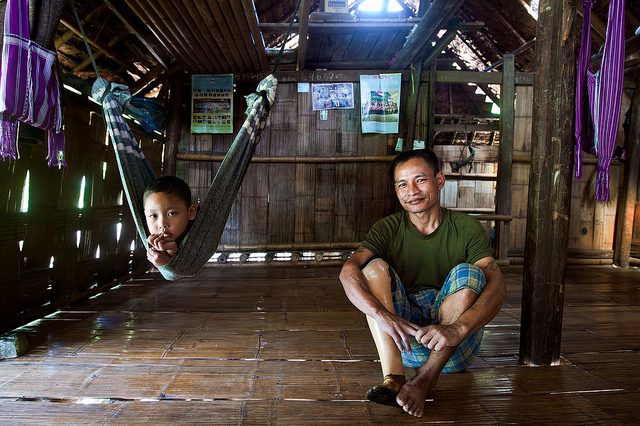
As of July 2017, 102,000 refugees from Myanmar have found asylum in Thailand. Many families have sought, or continue to seek, refuge in Thailand.

Nine camps situated along the border house refugees and provide basic needs such as healthcare, food, shelter, water, sanitation, education and protection. These camps function as small communities, limiting the livelihoods of the refugees to these areas but supplying protection from the state they fled.

In many circumstances, individuals get married, bear children and spend extensive time in these larger camps. Mae La is the largest refugee camp in Thailand.

Increasing Refugee Aid in Thailand

The International Rescue Committee (IRC) Support Center provides refugee aid in Thailand. Its programs help families and individuals locate documents to allow them to further their citizenship paperwork.

This foundation also supplies food, water and healthcare to people that live in the camps. Economic wellbeing is also one of the goals on the organization’s agenda to help displaced people.

Economic wellbeing, according to the International Rescue Committee, is meeting individuals’ basic needs and allowing individuals to find employment. Allowing refugees to work and earn an income encourages prosperity within the family unit and society.

Through the work that the IRC accomplishes, refugee aid in Thailand will benefit not only the refugees but allow for a country to gain further economic strength.

– Bronti DeRoche

Photo: Flickr

January 26, 2018
https://borgenproject.org/wp-content/uploads/borgen-project-logo.svg 0 0 Borgen Project https://borgenproject.org/wp-content/uploads/borgen-project-logo.svg Borgen Project2018-01-26 01:30:012019-11-11 05:55:23Refugee Aid in Thailand
Aid, Humanitarian Aid

Success of Humanitarian Aid to Malawi Visible in 2018

humanitarian aid to Malawi
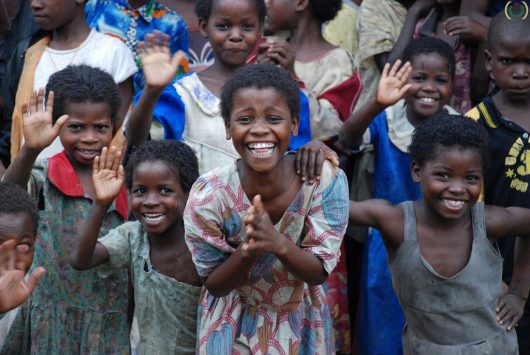
Malawi, a country in eastern Africa, has long battled with issues of governmental corruption, famine and widespread disease. However, in recent years, Malawi has seen vast improvement in important areas of societal life, with most of that improvement being a result of focused effort of international aid programs that increase the successful return of humanitarian aid to Malawi.

With 2017 having drawn to a close, the success of humanitarian aid efforts and investments to the country of Malawi are most noticeable in two distinct categories: technological advancements and food security.

Technology

In regard to technology, the most recent “hot-button” word in Malawi is drones. As of this month, UNICEF has reported the completion of a corridor for testing drones, the first of its kind in both the country, region and in the continent of Africa as a whole.

The corridor was built in the Kasungu district of Malawi, in the Kasungu Aerodrome, and according to UNICEF officials, the drones piloted in and out are planned to be used to further humanitarian causes and programs.

In a press release, UNICEF said that the drones would focus on aerial imaging, Wi-Fi and cell phone signals and transportation of goods, food and medical supplies — much like the drones that were built and piloted in the 2016 testing of the program. The early machines were put through various trials such as transporting dried blood samples from infants for HIV testing in remote clinics.

Malawi’s Minister of Transport and Public Works Jappie Mhango said that the Malawi government was already looking into using the drones to respond to natural disasters like floods and fires.

Food Security

With food sustainability, numbers have improved dramatically from September and October’s low statistics. In late 2016 and early 2017, the majority of Malawian households reported a minimal to crisis level of food security, meaning that families didn’t know where their next meal was coming from, or if it was even coming at all. Malawian crops in recent years have been affected by both an unstable economy and a surge of armyworm infestations, as well as a long-lasting and regional-spanning drought.

Humanitarian Aid to Malawi

According to the USAID-funded Famine Early Warning Systems Network, humanitarian aid to Malawi has caused an 87 percent decrease in low food security for households in the Malawi districts of Balaka and Machinga.

Project Concern International (PCI), Feed the Future and Concern Worldwide distributed more than 22,800 crop storage bags, trained 225 households across 45 communities on the use of the bags and collectively raised over $500,000 to improve food security and agricultural sustainability in Malawi in 2017.

In addition, USAID/OFDA provided a total of more than $3.5 million in 2017 to partner organizations to aid in the recovery of water sanitation and hygiene interventions.

Heading into 2018, Malawi’s food sustainability and security is on the rise, the country has embraced new technological solutions to humanitarian crises and the future looks brighter than it has in years past.

– Arianna Smith

Photo: Flickr

January 25, 2018
https://borgenproject.org/wp-content/uploads/borgen-project-logo.svg 0 0 Borgen Project https://borgenproject.org/wp-content/uploads/borgen-project-logo.svg Borgen Project2018-01-25 01:30:262024-05-29 22:38:56Success of Humanitarian Aid to Malawi Visible in 2018
Aid, Global Poverty, Humanitarian Aid

The Success of Humanitarian Aid to Vanuatu

humanitarian aid to vanuatu

Vanuatu is an island nation located in the South Pacific, west of Fiji. One of the major problems Vanuatu faces is cyclone storms, which are tropical storms that create a heavy circulation of strong winds, thunderstorms and severe rain. Following such disasters, humanitarian aid to Vanuatu is critical.

Recently, in 2015, Vanuatu suffered one of the worst cyclones yet. Cyclone Pam was the second most intense cyclone in the South Pacific Ocean and one of the worst natural disasters in Vanuatu to date. During Cyclone Pam, winds exceeded 185 miles per hour, destroying 90 percent of the country’s infrastructure. As a result of this disaster, the success of humanitarian aid to Vanuatu was essential during this time and thereafter.

The Airbus Helicopters Foundation

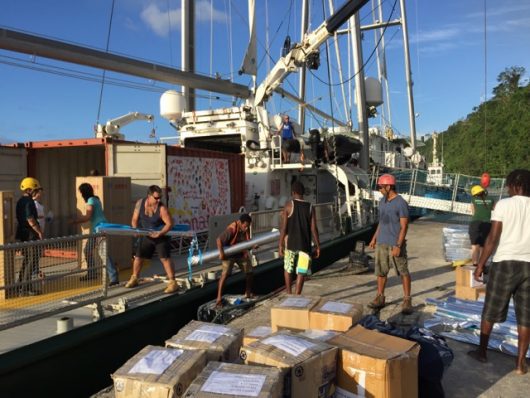
Following the natural disaster, helicopters carrying aid was one success of humanitarian aid to Vanuatu. Having most of the infrastructure completely destroyed, helicopters were the best way to reach the communities in need. The Airbus Helicopters Foundation worked with the French Foreign Affairs Ministry Crisis Center. Together, they distributed humanitarian aid to people affected by the cyclone, including medical supplies and food.

The Airbus Helicopters Foundation also worked with numerous stakeholders to send helicopters to humanitarian workers. These workers would then get the supplies to the communities in the most desperate areas. They partnered with Garden City Helicopters from New Zealand in order to provide even more helicopter assistance to Vanuatu people in need.

Australian Government Assistance

One of the main humanitarian aid contributors during this disaster was Vanuatu’s neighbor, Australia. The Australian government committed $35 million after Cyclone Pam, between 2015 and 2018. The aid focuses on long-term recovery support and is delivered through the assistance of the Reserve Bank of Vanuatu. The recovery plans include:

  • Supporting economic recovery, livelihoods and the private sector
  • Rebuilding affected infrastructure for public administration
  • Reestablishing health and education facilities
  • Assisting disability inclusion

These improvements will be focused on Shefa and Tafea, the provinces where nearly 90 percent of damage and destruction occurred after Cyclone Pam.

Israeli Assistance

Israel also helped the success of humanitarian aid to Vanuatu by sending food to feed 2,000 of the Island’s residents for the length of one month after Cyclone Pam hit. Food scarcity became a problem after the disaster as approximately 70 percent of Vanuatu’s crops were destroyed.

The food was a porridge in powder which was high in nutrients and helped people retain a healthy diet during the crisis. Israel’s Agency for International Development Cooperation in the Foreign Ministry sent food aid, which was then delivered locally by the Israel Forum for International Humanitarian Aid.

In addition to the food aid, volunteers from Israel stayed behind to help the local population. They renovated water systems and reestablished medical and mental health systems for the community.

The success of humanitarian aid to Vanuatu is just one of many examples where aid has helped thousands of people recover after a crisis occurs.

– McCall Robison

Photo: Flickr

January 24, 2018
https://borgenproject.org/wp-content/uploads/borgen-project-logo.svg 0 0 Borgen Project https://borgenproject.org/wp-content/uploads/borgen-project-logo.svg Borgen Project2018-01-24 01:30:502024-05-29 22:38:48The Success of Humanitarian Aid to Vanuatu
Aid, Global Poverty, Humanitarian Aid

The Varying Success of Humanitarian Aid to Micronesia

humanitarian aid to micronesia
Micronesia — also known as the Federated States of Micronesia — is a country in the Pacific Ocean made up of more than 600 islands. The country contains four island states named Pohnpei, Kosrae, Chuuk and Yap, and its capital, Palikir, is located on Pohnpei.

Micronesia is at risk of typhoons and super typhoons, which can cause widespread disaster through the islands. In 2008, the United States Agency for International Development (USAID) took over humanitarian aid to Micronesia. Previously, the U.S. Department of Homeland Security Federal Emergency Management Agency (FEMA) provided humanitarian assistance to Micronesia.

Foreign Assistance

USAID, along with the International Organization for Mitigation (IOM), has introduced many programs to help bring humanitarian aid to Micronesia. In an effort to help the most people, the agency is focusing on disaster mitigation. Specifically, in regards to typhoons.

Shortly after taking over funding for humanitarian aid to Micronesia, the United States Agency for International Development funded the Hybrid Mitigation, Relief, and Reconstruction Program which ran through 2013. The International Organization for Mitigation (IOM) also managed and implemented various planning and pre-positioning efforts in Micronesia in areas that are most likely to be hit by natural disasters.

In 2012, the United States Agency for International Development and the Australian Agency for International Development (AusAID) funded the Climate Adaptation, Disaster Risk Management, and Education (CADRE) Program. The program was implemented by the International Organization for Mitigation and works with local government and communities to increase emergency response capacity; this program is still in effect today.

Efforts After Typhoon Maysak

Since Typhoon Maysak, which passed through Micronesia in the spring of 2015, more than $6 million has been spent on humanitarian aid to Micronesia. Most of this funding went towards the United Nations Food and Agriculture Organization, which helps households affected by typhoons. Their efforts include shelter coordination, sanitation, clean water and hygiene interventions.

Also in 2015, in the wake of multiple typhoons and super typhoons from 2013-2015, the United States Agency for International Development, introduced the Disaster Preparedness for Effective Response (PREPARE) Program. Again, this program was implemented by the International Organization of Mitigation. This program pre-positions humanitarian relief supplies, reconstruction and housing infrastructure. The goal of the program is to quickly bring relief to those affected by typhoons in Micronesia and increase the resilience of the nation by mitigating the effects of natural disasters. Thankfully, this program is still in effect, as of 2017.

Through the past several years, the United States Agency for International Development partnered with the International Organization for Mitigation has had many successes in humanitarian aid to Micronesia. In addition to funding mitigation efforts, the United States Agency for International Development has also provided over $4 million to the International Organization for Mitigation, specifically for reconstruction efforts such as housing and utilities.

Most of these efforts are spread through the entirety of Micronesia, but Chuuk and Yap, the most western island states, receive more aid since they are more likely to suffer from a natural disaster. As these programs continue, Micronesia has a great chance of recovering faster and suffering far less damage from any future natural disasters.

– Courtney Wallace
Photo: Flickr

January 23, 2018
https://borgenproject.org/wp-content/uploads/borgen-project-logo.svg 0 0 Borgen Project https://borgenproject.org/wp-content/uploads/borgen-project-logo.svg Borgen Project2018-01-23 01:30:432024-05-29 22:38:46The Varying Success of Humanitarian Aid to Micronesia
Aid, Global Poverty, Humanitarian Aid

Humanitarian Aid to Mauritius Brings Stability


Mauritius is one of the developing countries in sub-Saharan Africa that over the decades has become a middle-income country providing good health care and education systems, a stable governance, good communications and a functioning infrastructure.

Although poverty in Mauritius is not as severe as in other parts of African, minor poverty does exist in rural parts of the country. In 2006, about 8 percent of the country was under the poverty line and humanitarian aid to Mauritius isn’t much compared to other countries; despite this, there are consistent allies that have helped the country get to its current status.

From 1966 to 2015, the nation received a total of $76.6 million in humanitarian aid that has since been distributed to development projects and various improvements.

Mauritius became a member state of the International Fund of Agricultural Development (IFAD) in 1979. Since their admission into IFAD, $23.1 million has been put into projects and programs to improve the quality of life within Mauritius. IFAD currently works to address rural poverty with a collaborative approach with the government to reduce the frequency of poverty. This approach involves knowledge management and sharing, partnership-building and policy dialogue. Rodrigues Island, an island on Mauritius, receives special attention from IFAD on improving incomes and livelihoods for poor rural areas.

In 2014, Britain gave more than $24 million in humanitarian aid to Mauritius that helped towards the nation’s building of gated communities, shopping centers and an elite boarding school by Wellington College, based in the Berkshire.

Mauritius also received $500 million from India in 2017, an amount provided after the two countries decided to reinforce maritime security in the Indian Ocean region. Mauritius Prime Minister Pavind Kumar Jugnauth and India’s Narendra Modi both agreed that the successful management of any and all threats in the Indian Ocean was imperative to secure people of both countries and pursue economic opportunities.

With vigilant eyes focused on the success of Mauritius, humanitarian aid will help in keeping the island safe, modern and prosperous.

– Tara Jackson

Photo: Flickr

January 23, 2018
https://borgenproject.org/wp-content/uploads/borgen-project-logo.svg 0 0 Borgen Project https://borgenproject.org/wp-content/uploads/borgen-project-logo.svg Borgen Project2018-01-23 01:30:052024-05-26 23:03:11Humanitarian Aid to Mauritius Brings Stability
Advocacy, Aid, Global Poverty, United Nations

What Has the UN Done?

What Has the U.N. Done?The United Nations has been working towards world peace, security and good relations in an attempt to solve economic, social, cultural and humanitarian problems globally since 1945. Since then, it has aided the world countless times and accomplished immense goals. Specifically, what has the U.N. done? These programs illustrate what the United Nations has achieved and its top accomplishments.

UNICEF

UNICEF is an agency that was created by the United Nations that stands for the United Nations International Children’s Fund. UNICEF protects the rights of children throughout the world and works towards increasing their standard of living. UNICEF works in 190 countries.

UNAIDS

The United Nations has been highly successful in the global battle against HIV/AIDS. They raise awareness, funds and create programs for prevention and treatment. The most recent UNAIDS update states that it plans to end the AIDS epidemic by 2030.

World Food Programme

The United Nations’ World Food Programme is one of the most successful agencies created by the U.N. thus far. The U.N. World Food Programme feeds 104 million people across 80 countries every year, focusing on war zones, natural disaster areas, health emergencies and poor countries.

UNHCR

Another success of the United Nations is the United Nations High Commissioner for Refugees, founded in 1949. The leaders of the UNHCR work with refugees and ensure that governments take responsibility in regards to refugees. UNHCR has received two Nobel Peace Prizes for work done in Europe and worldwide assistance to refugees.

Peacekeeping Missions

The United Nations has 16 peacekeeping missions underway across the world. The purpose is to encourage peaceful relations between countries. The peacekeeping missions have saved many lives and are one of the most successful projects the U.N. has undertaken throughout history.

Among the accomplishments of the United Nations, it is clear how important they are and what a large impact they have made throughout the world. In addition to these five accomplishments are countless others that are just as crucial to the groundbreaking aid they have provided. The question “What has the U.N. done?” starts with these five important things and continues with many other forms of aid.

– Chloe Turner

Photo: Flickr

January 22, 2018
https://borgenproject.org/wp-content/uploads/borgen-project-logo.svg 0 0 Borgen Project https://borgenproject.org/wp-content/uploads/borgen-project-logo.svg Borgen Project2018-01-22 01:30:382024-05-29 22:38:45What Has the UN Done?
Page 40 of 65«‹3839404142›»

Get Smarter

  • Global Poverty 101
  • Global Poverty… The Good News
  • Global Poverty & U.S. Jobs
  • Global Poverty and National Security
  • Innovative Solutions to Poverty
  • Global Poverty & Aid FAQ’s
Search Search

Take Action

  • Call Congress
  • Email Congress
  • Donate
  • 30 Ways to Help
  • Volunteer Ops
  • Internships
  • Courses & Certificates
  • The Podcast
Borgen Project

“The Borgen Project is an incredible nonprofit organization that is addressing poverty and hunger and working towards ending them.”

-The Huffington Post

Inside The Borgen Project

  • Contact
  • About
  • Financials
  • President
  • Board of Directors
  • Board of Advisors

International Links

  • UK Email Parliament
  • UK Donate
  • Canada Email Parliament

Get Smarter

  • Global Poverty 101
  • Global Poverty… The Good News
  • Global Poverty & U.S. Jobs
  • Global Poverty and National Security
  • Innovative Solutions to Poverty
  • Global Poverty & Aid FAQ’s

Ways to Help

  • Call Congress
  • Email Congress
  • Donate
  • 30 Ways to Help
  • Volunteer Ops
  • Internships
  • Courses & Certificates
  • The Podcast
Scroll to top Scroll to top Scroll to top