• Link to X
  • Link to Facebook
  • Link to Instagram
  • Link to TikTok
  • Link to Youtube
  • About
    • About Us
      • President
      • Board of Directors
      • Board of Advisors
      • Financials
      • Our Methodology
      • Success Tracker
      • Contact
  • Act Now
    • 30 Ways to Help
      • Email Congress
      • Call Congress
      • Volunteer
      • Courses & Certificates
      • Be a Donor
    • Internships
      • In-Office Internships
      • Remote Internships
    • Legislation
      • Politics 101
  • The Blog
  • The Podcast
  • Magazine
  • Donate
  • Click to open the search input field Click to open the search input field Search
  • Menu Menu

Archive for category: Aid

Aid, Food & Hunger, Food Security, Global Poverty

The Importance of the U.S. Office of Global Food Security

The United States Office of Global Food Security provides crucial, life-saving humanitarian aid to the world’s poorest countries. The Office of Global Food Security (OGFS) seeks to advance global food security by addressing the underlying causes of hunger and malnutrition, investing in country-led programs, leveraging multilateral institutions and making accountable, sustained commitments.
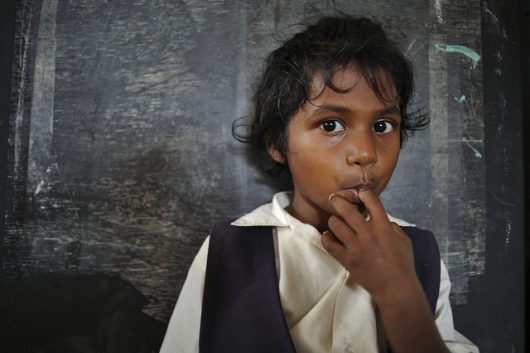
One of the initiatives of the OGFS is an organization called 1,000 Days, and it shows the importance of providing and achieving global food security. The purpose of 1,000 Days is to ensure the best nutrition during a woman’s pregnancy up until the second birthday of that child, as this “sets the foundation for all the days that follow,” as the organization’s official website states.

According to the organization, nutrition during pregnancy up until the second birthday provides the essentials for brain development, healthy growth and a strong immune system. A person’s predisposition to chronic diseases and obesity are also linked to this thousand-day window. Malnourished daughters who become malnourished mothers can also give birth to malnourished children, continuing the cycle.

Feed the Future serves as an OGFS initiative as well, with its focus being combating hunger and poverty around the world. The areas the initiative seeks to improve upon are inclusive agriculture sector growth, gender integration, improved nutrition, research and capacity building, private sector engagement and resilience.

Some of the key accomplishments of Feed the Future from 2017 include 1.7 million families no longer suffering from hunger and $2.6 billion in crop sales generated by farmers. Furthermore, more than nine million more people now live above the poverty line due to the initiative.

Despite the effectiveness of the Office of Global Food Security’s efforts to reduce hunger, President Trump’s administration said it would withdraw funding to the Global Agriculture and Food Security Program, or GAFSP. Created during the Obama administration, GAFSP was designed as an integral part of the Feed the Future initiative. GAFSP’s main goals are to raise farmer incomes, increase food security and prevent unrest that results from food shortages.

The United States is the program’s biggest donor, with $653 million to date. In an interview with Foreign Policy, Marie Clarke, a member of the GAFSP steering committee and executive director of the nonprofit ActionAid USA, explained that withdrawing the United States’ funding could be extremely harmful to economic development, security and humanitarian conditions in the world’s most susceptible regions.

Hopefully, withdrawing funding for GAFSP will not set the tone for how much the U.S. Office of Global Food Security will be able to spend on reducing global hunger. The continued vigilance of such organizations, supported by nations like the U.S., is supremely important in the fight against poverty.

– Blake Chambers

Photo: Flickr

January 10, 2018
https://borgenproject.org/wp-content/uploads/borgen-project-logo.svg 0 0 Borgen Project https://borgenproject.org/wp-content/uploads/borgen-project-logo.svg Borgen Project2018-01-10 07:30:252024-05-29 22:30:06The Importance of the U.S. Office of Global Food Security
Aid, Global Poverty, Humanitarian Aid

Humanitarian Aid to Turkey is Slow but Successful

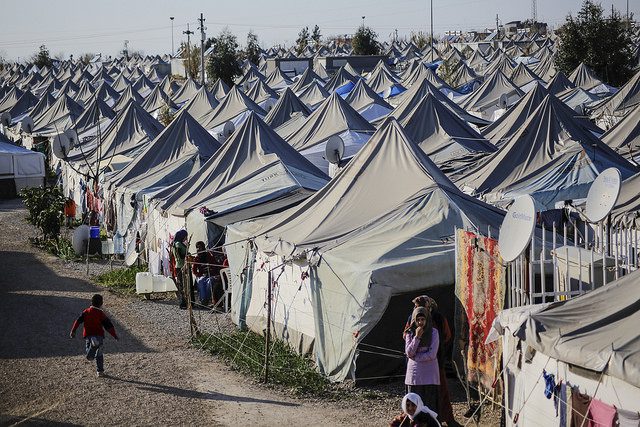
refugees_living_in_TurkeyTurkey is a nation situated right in the heart of a three-way street: it’s the crossroads between the Mediterranean, the Balkan states and the Middle East. While Turkey has always had a rich history rife with conflict, golden ages and political changes, its economic success since 2000 has been steadily increasing. However, the success of humanitarian aid to Turkey has not come easy, and now the country faces a new dilemma: the Middle Eastern refugee crisis.

According to the European Commission’s Civil Protection and Humanitarian Aid Operations report, there are over 3.7 million refugees living in Turkey, as of 2017. With this great number of people and a shortage of space, the European Commission has been one of the leading assistants in relieving Turkey’s overflow issue. According to the Commission, three billion euros are being pumped into Turkey’s civil protection program, and a new flagship program called the Emergency Social Safety Net will allow nearly 1.3 million refugees to meet needs such as food shortages and housing issues.

Besides the European Commission, nearly 45 independent humanitarian programs are working with the Turkish government. However, the Turkish government has recently been cracking down on different private aid organizations. According to The Century Foundation, the government’s harsh views on the apolitical NGOs in the region have forced many humanitarian groups out of the area. Because of this, the success of humanitarian aid to Turkey is much lower than in recent years.

Along with its own financial success, according to Developmental Initiatives, Turkey is also receiving over $59 billion in aid from the United States and other developed countries, as of 2015. With a high level of international trading and a fairly advanced internal economic system, Turkey is far above the margin of success for underdeveloped countries. With its own economic success, and with the help of humanitarian aid from other countries and nonprofit organizations, Turkey has a strong chance of righting itself after its current population influx is addressed.

– Molly Atchison

Photo: Flickr

January 8, 2018
https://borgenproject.org/wp-content/uploads/borgen-project-logo.svg 0 0 Borgen Project https://borgenproject.org/wp-content/uploads/borgen-project-logo.svg Borgen Project2018-01-08 01:30:432019-11-12 21:57:51Humanitarian Aid to Turkey is Slow but Successful
Aid, Global Poverty, Humanitarian Aid

The Strong Impact and Success of Humanitarian Aid to Guyana


Drug trafficking is a serious issue for Guyana, a nation that serves as a transit country for cocaine that’s delivered to other countries such as the U.S., Canada, the Caribbean, Europe and West Africa. Drug trafficking influences the country’s political and judicial systems, and traffickers take advantage of Guyana’s “poorly monitored ports, remote airstrips, intricate river networks, porous land borders, and weak security sector capacity.” As a result, most of the humanitarian aid to Guyana goes toward combatting drug trafficking.

The Fight To End Drug Trafficking 

Although the country has its own laws that aim to combat drug trafficking, the humanitarian aid to Guyana significantly helps in the fight. For instance, the Guyanese government has the Anti-Money Laundering and Countering the Financing of Terrorism (AML/CFT) Act of 2009 in place in order to improve the investigative procedures of law enforcement authorities and prosecutors who are trying to obtain convictions for drug traffickers.

However, “the government has sought no prosecutions under these laws,” and a U.S. State Department report previously disclosed that the government was not doing enough to combat drug trafficking in the country. The U.S. cooperates with Guyana and other Caribbean nations through the Caribbean Basin Security Initiative (CBSI) in order to fight illicit trafficking and other transnational crimes that threaten regional security.

Humanitarian aid to Guyana through CBSI includes efforts to improve law enforcement capabilities, border and port protection, workforce development and anti-money laundering effectiveness. CBSI-funded programs “support Guyana’s maritime operations by providing interdiction assets, including riverine patrol boats delivered in December 2013 and relevant command and control systems.” The programs also offer logistical support and training, but Guyana still believes that it needs more assistance to combat this serious issue and has asked for additional assistance from the U.S.

Combatting HIV 

While the human trafficking battle rages on, Guyana has been quite effective in its response to HIV. Humanitarian aid to Guyana to fight HIV has proven successful so far; for instance, the U.S. President’s Emergency Plan for Aids Relief (PEPFAR) was first launched in 2003 in Guyana when the country “appeared to be on the precipice of an HIV/AIDS crisis with a growing infection rate.”

The HIV/AIDS rates in Guyana have stabilized over the years as the people have an adequate supply of blood, and HIV-infected mothers receive necessary preventative care in order to prevent infecting their unborn children.

The success of humanitarian aid to Guyana in fighting the HIV virus illustrates that increasing foreign aid to combat drug trafficking can cause a plethora of positive results as a result.

– Mehruba Chowdhury

Photo: Flickr

January 8, 2018
https://borgenproject.org/wp-content/uploads/borgen-project-logo.svg 0 0 Borgen Project https://borgenproject.org/wp-content/uploads/borgen-project-logo.svg Borgen Project2018-01-08 01:30:272024-05-29 22:30:03The Strong Impact and Success of Humanitarian Aid to Guyana
Aid, Aid Effectiveness & Reform, Global Poverty

Job Programs Versus Payouts for the Poor

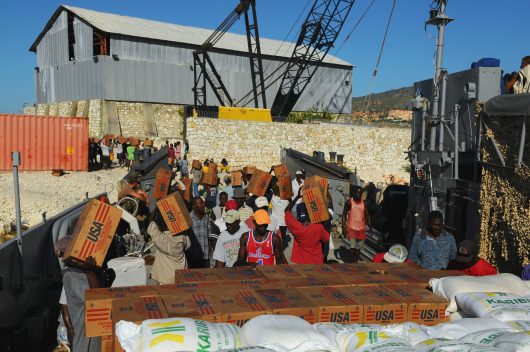
All the foreign aid in the world could be useless if not implemented well. The Borgen Project seeks to help third-world countries join a global market and become self-sufficient. Among the many ways for developing governments to reach this goal, there is a common debate over whether it is better to have foreign aid creating jobs for the unemployed, or to simply give would-be entrepreneurs cash directly. In the debate of job programs versus payouts, each tactic has its own valuable strengths.
Technology reduces access to good entry-level jobs

Supporting a work program would equip workers with what they need for a good job in a competitive world. The World Economic Forum predicts that five million jobs will be lost around the world by 2020. For first-world nations, this loss can be offset by an increase in productivity and wealth. For third-world nations, artificial intelligence means low-wage workers will lose their competitive cost advantage in a global market.

The Financial Times predicts that 85 percent of all Ethiopian jobs are at risk due to automation. Corporations do not wish to pay human employees more in exchange for less efficient work. A job program, for nations striving to reach industrialization, can teach citizens skills that machines cannot learn. And that system will help developing countries keep pace with their richer neighbors.

Each country’s difficulties are best solved through their own workforce

The World Bank examined how small and medium enterprises (SMEs) contributed to the growth of almost 100 developing countries. Its research concluded that SMEs do more than provide the most employment for states. SMEs help developing nations even more than the biggest firms, in contrast to the U.S. economic system. SMEs bring in more than 80 percent of job creation even in countries with net job loss.

Some of a starting business’s greatest obstacles include lack of finances and burdensome taxes. Helping people help themselves would be an efficient use of money. As The New York Times notes about job programs versus payouts, human capital “could catalyze more business investment and activity in low-income neighborhoods, which would further promote economic growth.”

Emerging nations need money invested in its entrepreneurs, not its corporations.

The World Bank admitted that to claim “SMEs provide productivity growth” is dubious. If job programs only train developing nations to be cogs in a global machine, then ultimately only large corporations will benefit.

The USAID website, similar to the World Bank, agrees that entrepreneurs in developing nations need help to get started. But USAID notes that investors don’t contribute to high-risk yet promising early enterprises. If cash only flows to what’s proven to work in an economy, then no startup will escape a global corporation’s shadow. Through several nonprofits and systems, USAID “efforts focus on directly strengthening individual, high potential entrepreneurs.”

The debate of job programs versus payouts may never be solved. Artifical Intelligence will not be the last technology to threaten jobs, and corporations will ultimately never be the only factor taking a nation to greatness. USAID, the World Bank and the Financial Times can all agree on one thing: investment in the poorest among us is the key to our brighter future.

– Nick Edinger

Photo: Flickr

January 5, 2018
https://borgenproject.org/wp-content/uploads/borgen-project-logo.svg 0 0 Borgen Project https://borgenproject.org/wp-content/uploads/borgen-project-logo.svg Borgen Project2018-01-05 01:30:062024-05-29 22:29:59Job Programs Versus Payouts for the Poor
Aid, Global Poverty, Humanitarian Aid

The Success of Humanitarian Aid to Nicaragua

Humanitarian aid to NicaraguaRotavirus is the leading cause of diarrhoeal disease in the world. Killing more than 500,000 people annually, rotavirus is particularly deadly in the poorest countries in the world. The disease is easily transmitted, so immediate treatment is vital to prevent complications and death. The Centers for Disease Control and Prevention (CDC) suggests that the most effective way to prevent it is the rotavirus vaccine.

In Central America, the rotavirus vaccine has been tremendously successful. The 2006 introduction of the vaccine to Nicaragua has resulted in the decrease of severe rotavirus illness and deaths, and the country has been instrumental in setting vaccination standards throughout the world. This example of humanitarian aid to Nicaragua has resulted in a domino effect that can benefit all developing countries in the fight against preventable diseases.

In addition to the rotavirus vaccine, Nicaragua has stood apart as a country intent upon eliminating deaths due to diarrhoeal disease. In the past decade, the Central American country has implemented new treatments to supplement the vaccine, including improved water treatments and an oral rehydration solution. Today, 98 percent of Nicaraguan children are vaccinated against the virus and studies show that diarrhoeal disease due to rotavirus has been all but eliminated.

Humanitarian aid to Nicaragua has been very successful in the years since the country’s vaccination expansion. Long understood as a hotbed for crime and violence, Nicaragua is living an era of peace and crime rates are down. It has become a country of innovation; in addition to a stabilized economy, Nicaragua is becoming a world power in terms of renewable energy. In 2016, the bulk of its energy came from alternative sources such as hydroelectric dams and wind farms.

Social and gender equality is also booming in the country. The mindset change has clearly had wide-reaching impacts. While its approach to the rotavirus vaccine is but a small example of Nicaragua’s dedication to innovation and improvement, its place as a world standard can influence every stage of the country’s development.

A focus on vaccination has clear and expedient effects. In the case of Nicaragua, ensuring that every child is vaccinated all but eliminated diarrhoeal disease due to rotavirus. The fact that the country was not satisfied with its own status but strove to innovate and serve as an example to countries around the world should be commended.

Humanitarian aid to Nicaragua has been widespread and the country is reaping the benefits. Coupled with U.S. resources, Nicaragua has the potential and the experience needed to bring lasting relief to countries struggling with rotavirus and other barriers to healthy and prosperous living.

– Eric Paulsen

Photo: Flickr

January 4, 2018
https://borgenproject.org/wp-content/uploads/borgen-project-logo.svg 0 0 Borgen Project https://borgenproject.org/wp-content/uploads/borgen-project-logo.svg Borgen Project2018-01-04 01:30:222024-05-29 22:30:01The Success of Humanitarian Aid to Nicaragua
Aid, Global Poverty, Humanitarian Aid

Humanitarian Aid to Jamaica Improving Safety and Security

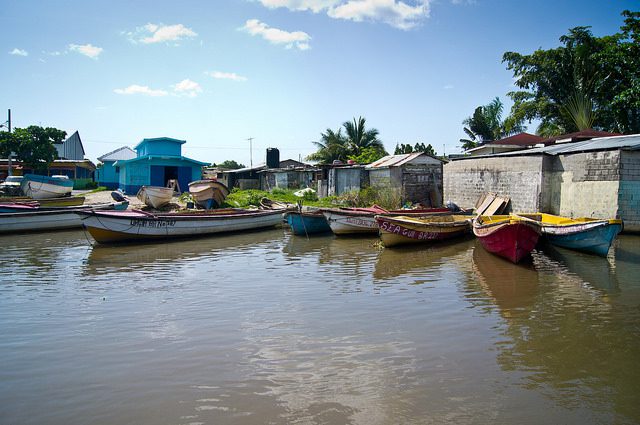
Humanitarian Aid to JamaicaDespite its upper middle-income status, Jamaica is one of the slowest growing developing countries in the world. With high public debt and many external shocks, limited energy access and the country’s vulnerability to natural disasters like hurricanes and floods, Jamaica has a lot to improve in order to eliminate poverty and fast-track its economic growth. Successful humanitarian aid to Jamaica has addressed many of the concerning issues that will help the island move in the right direction.

A serious economic restriction for Caribbean island nations such as Jamaica is a lack of energy security. Jamaica relies on imported oil and even though prices have gone down in recent years, electricity prices are still among the highest in the Western hemisphere. Outdated power grid infrastructure, underutilized renewable energy resources and unmet potential of energy efficiency are just a few of the problems created by this energy deficient.

The USAID Caribbean Clean Energy Program is a five-year development project aimed at promoting investment in renewable energy and energy efficiency for the future. Through regional partnerships, this humanitarian aid to Jamaica works to optimize variable renewable energy integration, work with private sectors to drive investments in clean energy development and improve the environment for clean energy advancement.

Upgrading infrastructure, especially in urban areas, can mean a world of difference in enhancing community safety. The Jamaica Integrated Community Development Project helps economically and socially vulnerable communities by improving basic services like waste management, street lighting, paved roads and drainage, as well as introducing violence interrupters and school-based violence prevention. Created by a partnership with the government of Jamaica and the World Bank, this humanitarian aid to Jamaica strives to end the violence and danger that has grown as youth unemployment levels have risen.

USAID is also involved with the U.S. President’s Emergency Plan for AIDS Relief. This U.S. government initiative works with civil society organizations to help those infected and affected by HIV/AIDS. In Jamaica, there are currently an estimated 29,000 people living with HIV. The goal of the program is to ensure HIV prevention care and treatment are being addressed across the island. Humanitarian aid to Jamaica focusing on health is vital to the country’s goal of becoming a developed nation, as HIV/AIDS is most prevalent among the poor and poverty-stricken.

There is still a lot of improvement that needs to be made in Jamaica in order for it to gain developed country status. However, these humanitarian initiatives show that there is hope and potential for this island nation.

– Kailey Brennan

Photo: Flickr

December 27, 2017
https://borgenproject.org/wp-content/uploads/borgen-project-logo.svg 0 0 Borgen Project https://borgenproject.org/wp-content/uploads/borgen-project-logo.svg Borgen Project2017-12-27 07:30:412024-05-29 22:29:58Humanitarian Aid to Jamaica Improving Safety and Security
Aid, Global Poverty, Humanitarian Aid

The Numerous Successes of Humanitarian Aid to El Salvador

humanitarian aid to el salvador
Located in Central America, El Salvador is considered one of the smallest and most densely populated countries in the region. Despite its small size, violence runs rampant throughout the country. El Salvador has one of the world’s highest homicide rates and is known for its criminal gangs.

The country also has high rates of extreme poverty, with some living on less than $1 per day in homes without running water or electricity. The high poverty rates coupled with food insecurity have left thousands of Salvadorans in need. Through humanitarian aid to El Salvador, many individuals have had their unique needs met.

Save the Children 

Since 1980, Save the Children has worked throughout El Salvador to help children and their families with health, education, proper emergency response and violence prevention initiatives. Since 2000, child mortality has been reduced by nearly 50 percent as a result of the work of Save the Children coupled with the efforts of government agencies.

In 2016, Save the Children protected more than 26,000 children from harm, supported 133,000 children in serious times of crisis and provided 185,000 children with a healthy start. Save the children seeks to empower individuals by providing food security and a stable income. It provides lower income families that farm with the necessary seeds, livestock, tools and other temporary jobs. By doing so, children and families are more likely to grow and flourish.

Americares

Americares provides humanitarian aid to El Salvador through medical support. Its work began in the country in 1984. Since then, the organization provided emergency aid following a devastating earthquake in 1986, and has continued to meet the medical needs of the Salvadorans.

In 2003, Americares opened a family clinic. The clinic offers a low-cost alternative to other more expensive private practices. At this clinic, families have access to general medicine, pediatrics, gynecology and dentistry. Each year, the clinic serves more than 44,000 patients and acts as a model healthcare institution throughout the region.

Bikes for the World

A unique organization that operates in El Salvador is Bikes for the World. The organization has partnered with the local Salvadoran Center for Appropriate Technology (CESTA) to provide individuals with one of the most reliable and affordable methods of transportation: a bicycle. Since 2012, Bikes for the World has donated nearly 1,000 bicycles to be used by Salvadorans.

With the majority of the population living in San Salvador or nearby suburbs, the organization recognized the need for affordable transportation for individuals living in poverty. The organization not only donates bikes, but also provides job skill training.

Located in San Marcos, a suburb of the capital of El Salvador, CESTA has a bike workshop. Local Salvadoran employees recondition donated bikes, complete repairs, sell bikes and teach bike maintenance and mechanics to at-risk urban youth. The purpose of these actions is that if individuals learn the proper mechanics of a bicycle, they then can gain employment or establish bike shops in their communities. The goal is to not only provide individuals with a method of transportation, but to also encourage economic growth and development.

These organizations have provided effective humanitarian aid to El Salvador. By meeting the direct needs of people living in poverty, the livelihood of many has been improved. While the work of these organizations has been successful, El Salvador is still in deep need of additional humanitarian assistance, as many are still living in deep poverty.

– Sarah Jane Fraser

Photo: Flickr

December 27, 2017
https://borgenproject.org/wp-content/uploads/borgen-project-logo.svg 0 0 Borgen Project https://borgenproject.org/wp-content/uploads/borgen-project-logo.svg Borgen Project2017-12-27 01:30:482024-05-29 22:29:58The Numerous Successes of Humanitarian Aid to El Salvador
Aid, Global Poverty, Humanitarian Aid

The Success of Humanitarian Aid to Cameroon

humanitarian aid to cameroonCameroon faces many issues that include poverty, disease and violent extremism. Governments and organizations from around the globe have stepped up to provide humanitarian aid to Cameroon and help the country face these challenges.
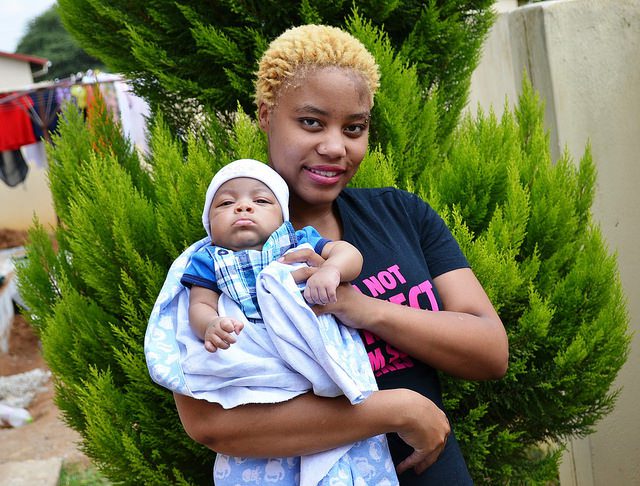
Despite needing further humanitarian aid, Cameroon has seen progress in many areas. The poverty rate has dropped from 53 percent in 1996 to 37.5 percent in 2014. With the extensive network of organizations providing humanitarian aid to Cameroon, there is hope that the lives of the country’s citizens will continue to improve.

The U.S. government first established a diplomatic relationship with Cameroon in 1960. Current diplomatic efforts are focused on strengthening democratic institutions and thwarting destabilizing threats, such as the threat posed by the extremist group Boko Haram.

The United States Agency for International Development (USAID) runs several programs in Cameroon. The Cameroon Peace Promotion Project utilizes radio broadcasts to promote moderate voices in the region and prevent the spread of violent extremism.

A second project, called the Central African Regional Program on the Environment, works to conserve the tropical forests in Cameroon and neighboring countries. The Office of Foreign Disaster Assistance and Food for Peace program assists refugees and those affected by conflict. Lastly, USAID also promotes economic development in Cameroon through the West Africa Trade and Investment Hub.

The United Nations Refugee Agency (UNHCR) works in Cameroon to provide refugees with the care and resources they need. The UNHCR found that there are over 320,000 refugees currently residing in Cameroon. UNHCR partners with the World Bank and the African Development Bank to empower and support these refugees.

The European Union has allocated €80.7 million in humanitarian aid to Cameroon since 2013. These funds go toward providing food, water and shelter for Cameroon’s refugee population and other vulnerable communities.

Other groups are providing humanitarian aid to Cameroon to combat HIV/AIDS in the country. In 2016, the Joint United Nations Program on HIV/AIDS (UNAIDS) reported that there were 560,000 people in Cameroon living with HIV. UNAIDS is partnering with other organizations like the World Health Organization to accelerate the HIV treatment response in the area. The Centers for Disease Control is also working to eradicate the disease in Cameroon.

Despite the many crises Cameroon faces, there has been progress in addressing these challenges with the contribution of aid from the global community. The success of humanitarian aid to Cameroon shows what can be accomplished with the unified response of organizations across the world.

– Aaron Childree

Photo: Flickr

December 19, 2017
https://borgenproject.org/wp-content/uploads/borgen-project-logo.svg 0 0 Borgen Project https://borgenproject.org/wp-content/uploads/borgen-project-logo.svg Borgen Project2017-12-19 01:30:402024-05-29 22:29:54The Success of Humanitarian Aid to Cameroon
Aid, Humanitarian Aid

The Varying Levels of Success of Humanitarian Aid to Botswana

humanitarian aid to botswana
Botswana is celebrated as a stable democracy in the African region and has experienced steady economic growth for a middle-income country. However, its population also struggles with damaging droughts and one of the highest rates of HIV in the world. Since Botswana is considered a middle-income country, the amount of humanitarian aid to Botswana has decreased considerably, especially when compared to other African countries such as Tanzania.

Botswana has made notable success in its mission to reduce the high HIV rates, and such an accomplishment wouldn’t have been possible without the humanitarian aid to Botswana from other countries. For instance, it was the “first African country to promise free antiretroviral to its citizens in partnership with the Merck Company Foundation and the Bill & Melinda Gates Foundation.”

Botswana’s antiretroviral program (MASA) launched in 2002, and as of 2016, it;s estimated that about 300,000 HIV-infected adults received treatment; this number corresponded to an increase from 78 percent in 2015 to 84 percent in 2016.

In addition to MASA, since 2004 Botswana has also received over $750 million through the U.S. President’s Emergency Plan for AIDS Relief (PEPFAR), which promotes “sustainable, high-quality, cost-effective HIV/AIDS prevention, treatment, and care interventions.” USAID has helped implement PEPFAR in the country, and that has perhaps contributed to Botswana’s remarkable response to this epidemic. As of 2015, around 92 percent pregnant women with HIV received antiretroviral medication.

Some of the other achievements resulting from humanitarian aid to Botswana include testing and counseling for 272,634 people, and providing care and support for 1008 orphans with HIV.

While these figures demonstrate success in Botswana’s response to this epidemic, it is not clear as to how sustainable these programs are since humanitarian aid to Botswana has decreased significantly over the years. For instance, PEPFAR has made drastic cuts in its funding to Botswana, going from $84 million in 2011 to $39 million in 2015, and $28 million in 2016. So only time will tell if Botswana has reached a point where it can maintain its notable response to HIV with such considerably low funds.

– Mehruba Chowdhury
Photo: Flickr

December 17, 2017
https://borgenproject.org/wp-content/uploads/borgen-project-logo.svg 0 0 Borgen Project https://borgenproject.org/wp-content/uploads/borgen-project-logo.svg Borgen Project2017-12-17 07:14:002019-12-13 19:19:19The Varying Levels of Success of Humanitarian Aid to Botswana
Aid, Global Poverty, Humanitarian Aid

The Success of Humanitarian Aid to Yemen

YemenThe State of Yemen has been embroiled in a civil conflict since the early days of its U.S. and Saudi-backed establishment in 1990. Throughout the following two decades, various political and religious groups vied for power against the rule of Ali Abdullah Saleh. This power was mainly secured through a state of military patronage – meaning that his rule was “legitimized” by military prowess and a persistent framing of political and economic issues as the domain of military families.

As a result of local and international criticism of the ruler’s human rights violations, Arab Spring protests brought about a transition of power to his Vice-President, Abed Rabbo Mansour al-Hadi. It was during this time of instability that the modern crises began to unfold.

The main actors in the modern conflict, as of 2014, are Hadi’s government (backed by Saudi and the U.S.), Houthi Shi’a rebels (backed by Iran), and Al-Qaida (supported by some disillusioned supporters of Saleh). The ensuing conflict has been marked by Saudi and Iranian proxy-interference and a seemingly hopeless humanitarian situation.

Prior to the establishment of the Yemeni Arab Republic in 1990, the country was already the regions most impoverished. Water was scarce, reliance on foreign imports high and the governance constantly challenged. Now, after four years of conflict, the hope of a speedy reconstruction process has been lost and the civilian casualties are catastrophic. The U.N. humanitarian aid official in Yemen has confirmed that the number of civilian casualties has risen to over 10,000.

Currently, four out of five Yemenis – a population of 25 million – are in need of humanitarian assistance. These people face starvation, water pollution and rapid spread of disease, to say nothing of the daily toll of war on their psyche and community affiliations. Yet, the most horrific reality of this situation is the lack of humanitarian aid to Yemen that has been provided, mainly due to the unyielding air raids and mortar attacks which specifically target civilians.

Humanitarian Aid to Yemen

In a more forgiving context, the goal would be to provide food, medicine and various structural support upon the brokerage of a ceasefire. Unfortunately, to date, the success of such a deal in Yemen has been unattainable.

In 2017, the United Nations Office for the Coordination of Humanitarian Affairs (OCHA) estimated Yemen’s needed aid at $2.3 billion. In the same year, the largest financial contributor to the crisis, the U.S. government, provided around 23 percent of the needed aid. The U.S. contribution was followed by aid from Saudi Arabi and the United Arab Emirates. In total, the amount of aid pledged by the international community covers 56 percent of the need.

Of the aid provided, 33.7 percent has been allocated to cover food security programs and 15.3 percent has been put towards health assistance. The main recipients of this funding are the World Food Programme, the United Nations Children’s Fund, the World Health Organization, and the Red Crescent Society of the United Arab Emirates.

The Discrepancy in Humanitarian aid to Yemen

With nearly half of all humanitarian aid to Yemen going to food and health programs, the amount remaining for other necessities – which affect the long-term viability of the country’s survival – are severely underfunded.

Currently, only one percent of aid is being given to Save the Children, an international humanitarian organization that works to ensure the protection of Children’s Human Rights. Furthermore, only .2 percent has been allotted to the United Nations Population Fund (UNFPA), which typically works on issues of reproductive rights and safety and ending female genital mutilation.

At the moment, the provision of food and health aid is most urgent, however, it is vital to ensure further funding for programs that will help Yemen rebuild after the crisis.

 – Katarina Schrag

Photo: Flickr

December 13, 2017
https://borgenproject.org/wp-content/uploads/borgen-project-logo.svg 0 0 Borgen Project https://borgenproject.org/wp-content/uploads/borgen-project-logo.svg Borgen Project2017-12-13 01:30:492024-05-29 22:29:40The Success of Humanitarian Aid to Yemen
Page 42 of 65«‹4041424344›»

Get Smarter

  • Global Poverty 101
  • Global Poverty… The Good News
  • Global Poverty & U.S. Jobs
  • Global Poverty and National Security
  • Innovative Solutions to Poverty
  • Global Poverty & Aid FAQ’s
Search Search

Take Action

  • Call Congress
  • Email Congress
  • Donate
  • 30 Ways to Help
  • Volunteer Ops
  • Internships
  • Courses & Certificates
  • The Podcast
Borgen Project

“The Borgen Project is an incredible nonprofit organization that is addressing poverty and hunger and working towards ending them.”

-The Huffington Post

Inside The Borgen Project

  • Contact
  • About
  • Financials
  • President
  • Board of Directors
  • Board of Advisors

International Links

  • UK Email Parliament
  • UK Donate
  • Canada Email Parliament

Get Smarter

  • Global Poverty 101
  • Global Poverty… The Good News
  • Global Poverty & U.S. Jobs
  • Global Poverty and National Security
  • Innovative Solutions to Poverty
  • Global Poverty & Aid FAQ’s

Ways to Help

  • Call Congress
  • Email Congress
  • Donate
  • 30 Ways to Help
  • Volunteer Ops
  • Internships
  • Courses & Certificates
  • The Podcast
Scroll to top Scroll to top Scroll to top