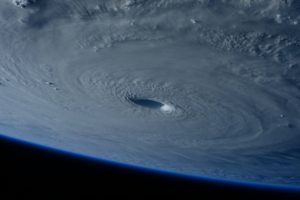
 In the wake of a monstrous category 5 storm making its way to the shores of Jamaica, a growing 11,000 hashtags of support, #PrayForJamaica, have flooded Instagram, turning awareness into action around the world. As the people from the land of wood and water begin the long road to recovery from one of the strongest hurricanes to strike the island in the 21st century, a more vulnerable population on the island falls prey to the storm’s devastating aftermath. Being poor in Jamaica during the recovery of Hurricane Melissa extends beyond poverty measured by income, revealing deep-seated inequalities in health care, education and basic living conditions that the hurricane has exposed in its wake.
The Extensive Damage of Hurricane Melissa
When a category five hurricane washes up on a country’s shore, it does not just arrive with its share of catastrophic rains and howling winds. Instead, the insatiable storm consumes everything in its path, including the lives of families, homes and communities forced to rebuild from the wreckage. After one of the worst natural disasters to hit Jamaica, the Caribbean island looks a lot different from before the devastating storm took its toll on the coastal region. What once was a tropical paradise celebrated for its divine beauty and vibrant culture now sits underwater, stagnant in the remains of one of the strongest hurricanes to strike the island in the 21st century.
With at least 32 reported lives lost on the island, and estimated catastrophic loss between $2.2 billion and $4.2 billion USD in damages, entire communities have been demolished, leaving many families without a place to call home.
Jamaican influencer One Love Jamaica took to his YouTube channel to document Hurricane Melissa’s catastrophic damage across the island. Departing from his usual content of giving viewers a taste of Jamaican culture, food and music, the man behind One Love Jamaica spoke to his more than 19,000 followers with a new message. In a Skyview camera-mounted video peering over one of the most affected regions on Jamaica’s southern coast, St. Elizabeth’s parish, the native-born creator narrates, “Many residents here are trapped inside their own communities, watching the world behind a wall of water they cannot cross,” solemnly adding that, “People are waking up every day to uncertainty, unsure of what the future holds for a place they call home.” This storm has left an unimaginable loss throughout the community, however, even in the midst of the chaos, hope persists for brighter days ahead.
Being Poor in Jamaica
Even before the storm struck, Jamaica faced economic instability with a global poverty report revealing that “nearly 79,000 Jamaicans, which is about 2.8% of the population, were already living in multidimensional poverty, surviving on less than $3 USD a day.” Hurdles to necessities have only intensified with Hurricane Melissa, making poverty and natural disasters an entangled issue for those struggling to stay afloat under its weight.
Speaking with a resident of St. Elizabeth, One Love Jamaica provided insight into the personal struggles facing impoverished islanders. Against the background of the storm’s devastation, resident Ann-Marie McDonald-Samon shares her story with the audience: “During this storm, my house has been damaged, the roof is gone, and the clothing. I am asking Jamaica, or those who have not been affected by the storm, if they can send some assistance to us.” As the camera pans across the community, it is evident that Ann-Marie’s struggle is not one she bears alone. With friends, family and the neighbors standing together in the wreckage of the havoc that has knocked at each door.
The Global Empowerment Mission (GEM)
Answering to a community’s prayer, Jamaica has leaned on communities beyond its borders in its recovery efforts. Relief Missions for the region began almost immediately in the aftermath of the storm, making sure to cover all those impacted by the rage of Melissa. This includes support across the impacted Caribbean islands from organizations such as Global Empowerment Mission (GEM), which has committed more than $20 million in aid for Jamaica. This has translated to a staggering 500 metric tons of aid per week, including 18 cargo planes and containers of food, and two cruise ships carrying emergency aid to the island’s shores.
International Aid
Coordinated efforts from international partners have also stepped in including the United States, which has donated $37 million since November 12th, Canada, which has provided $11 million with an additional $6 million for disaster preparedness and recovery, and the United Kingdom, which has contributed $9.8 million in total relief. These combined efforts from some of the world’s most influential governments and nonprofits have ensured all hands are on deck to contribute to the community’s cry’s for need are not unmet.
The Results of #PrayforJamaica
While helping hands have stretched across the island, ripples of compassion have extended to likes and shares online. In recent weeks, social media users have taken to their platforms to show their support for recovery efforts following the island’s devastating loss. Through the power of #PrayforJamaica, users have mobilized their collective relief efforts, sharing prayers, donation links and additional information to help those who the storm’s devastation most affected.
Digital solidarity has contributed to people making donations towards nonprofit agencies such as Mercy Corps, Food For The Poor Jamaica and American Friends of Jamaica ( AFJ). These organizations have used the flood of monetary donations to contribute to the community’s dire needs to repair infrastructure, rebuild homes, restore power and clean water and provide sanctuary for displaced individuals as they navigate loss.
Being poor in Jamaica requires more than temporary means of aid but long-term investments that ensure they remain on their feet. These initiatives are true recovery efforts that ensure stability and last beyond a hurricane.
A Lasting Message of Unity
In his video, “St.Elizabeth is Drowning After Hurricanes,” One Love Jamaica centers on the lives that the passage of Hurricane Melissa touched. A video that has garnered more than 210,000 views has introduced an online platform on the natural disasters that impact real people. It captures roads that have halted the traveling of cars, communities unable to travel by foot over the land surrounded by water, and many other personal stories like Ann-Marie, where every dollar and share makes a difference in their daily lives.
With sky view footage, One Love Jamaica reminds viewers of the persistent resilience of the Jamaican people. Ending the video with a lasting message of unity that no storm could drown, he said that “People are offering strength to each other in the darkest of moments – this is the Jamaican spirit.”
One Love Jamaica’s inspirational message embodies the resilient spirit in his home country and across digital borders. In the wake of a ravenous storm that has torn through hospitals, churches, schools and homes, poor Jamaicans are able to keep hope of a prosperous future as they continue to rebuild with strength with the little they have.
– Megan Omolo
Megan is based in Willingboro, NJ, USA and focuses on Celebs and Politics for The Borgen Project.
Photo: Unsplash

Higher Education in Georgia: Learning Toward a Brighter Future
A Decade of Educational Growth
Since Georgia’s independence in 1991, education reform has been a central component of its development strategy. Currently, higher education in Georgia encompasses more than 60 accredited universities, with increasing access for students from rural and low-income families through financial aid and merit programs.
According to the National Statistics Office, the number of students enrolled in higher education institutions increased to more than 138,000 in 2023, a continued climb from the early 2010s. Women make up nearly 56% of enrolled students, highlighting the growing gender equality in education access. This expansion mirrors Georgia’s broader effort to modernize its knowledge-based economy, attract international students and strengthen ties to the European Higher Education Area.
The Link Between Education and Poverty
Higher education is often the turning point between poverty and opportunity. In Georgia, that link is clear. Students from low-income households who complete tertiary education are twice as likely to find formal employment as those without post-secondary training, according to a 2023 World Bank skills report.
Education remains one of the strongest equalizers in a country where regional inequality persists. Rural students, however, continue to face barriers such as limited internet access, travel costs and a lack of preparatory schools. To address this, the government and universities are expanding scholarship programs and digital learning opportunities.
Scholarships and Student Support
Several initiatives now help bridge the gap between poverty and education access.
The Bank of Georgia supports education in rural regions through initiatives such as the Ideateka project, which establishes modern educational spaces in regional schools, and the Komarov STEM camp, which provides STEM education to high school students nationwide. The bank also offers online resources and platforms for scholarships and other educational opportunities. These programs show that targeted efforts can make higher education in Georgia more inclusive and effective as a poverty-fighting tool.
Universities as Engines of Growth
Beyond classrooms, universities are becoming innovation hubs that shape Georgia’s economic and civic future. Institutions such as the Georgian Technical University and Ilia State University partner with local industries to create applied research centers, startup incubators and international exchange programs. These partnerships equip students with employable skills and strengthen Georgia’s competitiveness. The European Union’s Erasmus+ program has funded more than 300 Georgian students and faculty annually since 2019, promoting collaboration with European universities and modernizing curricula.
Digital Learning and the Pandemic Effect
The COVID-19 pandemic accelerated online learning in Georgia, exposing challenges but also sparking innovation. Universities developed new e-learning platforms, and the government, with World Bank support, launched projects to expand internet access in rural regions. This digital transition made education more flexible and accessible. For students who once faced financial or geographical barriers, online courses opened new pathways to higher education. This shift has played an important role in promoting inclusion and supporting efforts to reduce poverty.
A Hopeful Future
The story of higher education in Georgia is one of perseverance and progress. Each new graduate represents not just personal achievement but also a step toward national development and a future where education supports economic growth, gender equality and social stability. As Georgia continues to align with European standards and expand access to learning, its investment in higher education remains an investment in its people. By ensuring that opportunities reach every student, Georgia moves closer to reducing poverty through aid and empowerment.
– Salome Jincharadze
Photo: Flickr
Being Poor in Jamaica: The Hashtag Aiding Jamaica’s Recovery
The Extensive Damage of Hurricane Melissa
When a category five hurricane washes up on a country’s shore, it does not just arrive with its share of catastrophic rains and howling winds. Instead, the insatiable storm consumes everything in its path, including the lives of families, homes and communities forced to rebuild from the wreckage. After one of the worst natural disasters to hit Jamaica, the Caribbean island looks a lot different from before the devastating storm took its toll on the coastal region. What once was a tropical paradise celebrated for its divine beauty and vibrant culture now sits underwater, stagnant in the remains of one of the strongest hurricanes to strike the island in the 21st century.
With at least 32 reported lives lost on the island, and estimated catastrophic loss between $2.2 billion and $4.2 billion USD in damages, entire communities have been demolished, leaving many families without a place to call home.
Jamaican influencer One Love Jamaica took to his YouTube channel to document Hurricane Melissa’s catastrophic damage across the island. Departing from his usual content of giving viewers a taste of Jamaican culture, food and music, the man behind One Love Jamaica spoke to his more than 19,000 followers with a new message. In a Skyview camera-mounted video peering over one of the most affected regions on Jamaica’s southern coast, St. Elizabeth’s parish, the native-born creator narrates, “Many residents here are trapped inside their own communities, watching the world behind a wall of water they cannot cross,” solemnly adding that, “People are waking up every day to uncertainty, unsure of what the future holds for a place they call home.” This storm has left an unimaginable loss throughout the community, however, even in the midst of the chaos, hope persists for brighter days ahead.
Being Poor in Jamaica
Even before the storm struck, Jamaica faced economic instability with a global poverty report revealing that “nearly 79,000 Jamaicans, which is about 2.8% of the population, were already living in multidimensional poverty, surviving on less than $3 USD a day.” Hurdles to necessities have only intensified with Hurricane Melissa, making poverty and natural disasters an entangled issue for those struggling to stay afloat under its weight.
Speaking with a resident of St. Elizabeth, One Love Jamaica provided insight into the personal struggles facing impoverished islanders. Against the background of the storm’s devastation, resident Ann-Marie McDonald-Samon shares her story with the audience: “During this storm, my house has been damaged, the roof is gone, and the clothing. I am asking Jamaica, or those who have not been affected by the storm, if they can send some assistance to us.” As the camera pans across the community, it is evident that Ann-Marie’s struggle is not one she bears alone. With friends, family and the neighbors standing together in the wreckage of the havoc that has knocked at each door.
The Global Empowerment Mission (GEM)
Answering to a community’s prayer, Jamaica has leaned on communities beyond its borders in its recovery efforts. Relief Missions for the region began almost immediately in the aftermath of the storm, making sure to cover all those impacted by the rage of Melissa. This includes support across the impacted Caribbean islands from organizations such as Global Empowerment Mission (GEM), which has committed more than $20 million in aid for Jamaica. This has translated to a staggering 500 metric tons of aid per week, including 18 cargo planes and containers of food, and two cruise ships carrying emergency aid to the island’s shores.
International Aid
Coordinated efforts from international partners have also stepped in including the United States, which has donated $37 million since November 12th, Canada, which has provided $11 million with an additional $6 million for disaster preparedness and recovery, and the United Kingdom, which has contributed $9.8 million in total relief. These combined efforts from some of the world’s most influential governments and nonprofits have ensured all hands are on deck to contribute to the community’s cry’s for need are not unmet.
The Results of #PrayforJamaica
While helping hands have stretched across the island, ripples of compassion have extended to likes and shares online. In recent weeks, social media users have taken to their platforms to show their support for recovery efforts following the island’s devastating loss. Through the power of #PrayforJamaica, users have mobilized their collective relief efforts, sharing prayers, donation links and additional information to help those who the storm’s devastation most affected.
Digital solidarity has contributed to people making donations towards nonprofit agencies such as Mercy Corps, Food For The Poor Jamaica and American Friends of Jamaica ( AFJ). These organizations have used the flood of monetary donations to contribute to the community’s dire needs to repair infrastructure, rebuild homes, restore power and clean water and provide sanctuary for displaced individuals as they navigate loss.
Being poor in Jamaica requires more than temporary means of aid but long-term investments that ensure they remain on their feet. These initiatives are true recovery efforts that ensure stability and last beyond a hurricane.
A Lasting Message of Unity
In his video, “St.Elizabeth is Drowning After Hurricanes,” One Love Jamaica centers on the lives that the passage of Hurricane Melissa touched. A video that has garnered more than 210,000 views has introduced an online platform on the natural disasters that impact real people. It captures roads that have halted the traveling of cars, communities unable to travel by foot over the land surrounded by water, and many other personal stories like Ann-Marie, where every dollar and share makes a difference in their daily lives.
With sky view footage, One Love Jamaica reminds viewers of the persistent resilience of the Jamaican people. Ending the video with a lasting message of unity that no storm could drown, he said that “People are offering strength to each other in the darkest of moments – this is the Jamaican spirit.”
One Love Jamaica’s inspirational message embodies the resilient spirit in his home country and across digital borders. In the wake of a ravenous storm that has torn through hospitals, churches, schools and homes, poor Jamaicans are able to keep hope of a prosperous future as they continue to rebuild with strength with the little they have.
– Megan Omolo
Photo: Unsplash
Child Marriage in Haiti: How Poverty Drives Child Marriage
The Prevalence of Child Marriage in Haiti
In Haiti, 15% of girls marry or enter a union before the age of 18 and 2% before 15. For boys, 2% marry before 18. Three main factors drive child marriage: gender inequality, poverty and insecurity. Ongoing security issues such as gang violence, natural disasters and poor economic conditions push families to marry off their children, mainly daughters, as a form of survival and protection. Poverty, political unrest and natural disasters limit access to education and economic opportunities, leaving approximately one million children out of school in 2023 and families with few options for stability. Despite Haiti’s international commitments through Sustainable Development Goals (SDGs) to end child marriage by 2030, the country lacks a national strategy or a minimum legal marriage age without exceptions. Children 15 and younger marry with parental or presidential consent.
Driving Factors: Poverty and Gender Inequality
The age of consent in Haiti is 15 for both genders. Girls may legally marry at 15, and boys at 18. The president may approve marriages under these ages for ‘serious reasons.’ Additionally, if a girl under 14 conceives or either party reaches 18 within 6 months of marriage, the union cannot be annulled.
Widespread poverty and harmful norms contribute to high rates of violence and early marriage. Deeply rooted beliefs about family roles contribute to in-home violence with 73.8% of young women and 69.4% of young men justifying domestic violence. Nearly half of married adolescents aged 15–19 experienced physical, sexual or emotional abuse. A 2012 UNICEF report on Haitian poverty levels found that 58% of adolescents lived in poverty, and currently, more than half the population remains below the poverty line. High rates of violence in child marriages make divorce difficult, trapping many in abusive relationships.
Driving Factors: Gang Violence and Food Insecurity
Gang violence, hunger and poverty create urgent risks for children, including early marriage, sexual exploitation and school dropout. A needs assessment found that nearly half the population facing crisis levels of hunger. Food insecurity and economic hardship are driving parents to resort to child marriages. Low school attendance leaves children exposed to recruitment by armed gangs; estimates suggest that 30–50% of gang members are underage.
Plan International is an organization that is working to protect children from these risks. It provides psychosocial support, child-friendly spaces, nutrition programs, cash transfers and health services. Since July 2022, the organization has scaled up humanitarian assistance in Artibonite and the Northeast Department to identify and support children in need of psychosocial support, particularly unaccompanied or separated children, forcibly displaced children and survivors of sexual and gender-based violence. Plan International has set up child-friendly spaces, provided sociocultural activities such as theatre programs, and increased access to health services.
Plan International has supported more than 25,000 people with cash transfers, enabling them to buy food, pay school fees and meet other urgent needs. These practices aim to protect children from violence and exploitation. Addressing both hunger and insecurity is critical to preventing child marriage and safeguarding the futures of Haiti’s children. Compounded initiatives like this are helpful in reducing child marriage rates in Haiti.
UNICEF’s Initiatives Targeting Root Causes of Child Marriage in Haiti
UNICEF addresses poverty, violence and instability to prevent child marriage in Haiti. The organization expands nutrition services, including treatment for acute malnutrition, micronutrient supplementation, deworming and immunizations, reducing the hunger and malnutrition that push families to marry off their children. UNICEF delivers vaccines and therapeutic food, and ensures access to safe water, sanitation and hygiene. It also strengthens communities and helps lower the risk of disease outbreaks that disrupt education and livelihoods.
The agency promotes safe learning environments by distributing school kits, rebuilding damaged schools and advocating against attacks on education. A nationwide cash transfer initiative helps families enroll children in school and ensures teachers are prepared for the school year. UNICEF also provides psychosocial support and protection services to children experiencing violence, including victims of gender-based violence, unaccompanied and separated children and children associated with armed groups. The organization supports disaster recovery and preparedness, rebuilding water systems and schools and providing cash transfers to vulnerable families. These interventions reduce the economic and social pressures that drive child marriage and help protect every child’s right to a safe and healthy future.
Safeguarding Rights and Futures
Child marriage in Haiti is closely linked to poverty, insecurity and entrenched gender inequality, leaving children particularly vulnerable to marriage, violence and exploitation. Addressing these challenges through education, health care, nutrition and protection programs alongside broader efforts to reduce poverty and instability is essential to safeguarding children’s rights and preventing child marriage in the long term.
– Mollie Skogen
Photo: Unsplash
Everything To Know About Seasonal Poverty in Greece
Amanda Williams, a tourist who visited Santorini in 2023, told The Borgen Project about a conversation she had with a waitress working at a local beach resort. The waitress described 16-hour shifts, six days a week, while her partner worked nights as a security guard at the same hotel. They barely saw each other or their two young children, yet she explained that they had no choice saying “I need to help my children.” The couple had to maintain this demanding routine so the money earned over summer could sustain them through the winter, when Santorini’s economy slows dramatically as resorts and restaurants temporarily close down. This is when seasonal poverty in Greece becomes most visible.
A Seasonal Economy
Tourism is Greece’s economic backbone, contributing between 28.5% and 34.3% of national GDP in 2023. On islands like Santorini and Mykonos, that dependence is even more extreme as the South Aegean region relies on tourism for an estimated 97.1% of its GDP.
According to official data, from October to November 2024, the number of international visitors arriving in Greece dropped by 62%. Most hotels, restaurants and tour operators shut their doors from November to March, forcing thousands of seasonal workers into unemployment.
Industry reports confirm that Greece’s tourist season runs from April through October, with the majority of arrivals concentrated between June and August. During those peak months, popular destinations like Santorini can see crowd densities estimated at 33 people per square meter. Yet, by winter, these same streets are empty, and the workers who once kept them alive face months without receiving any income or benefits, a defining feature of seasonal poverty in Greece.
The sharp divide between summer prosperity and winter hardship is visible in Greece’s poverty statistics. In 2024, 26.9% of Greece’s population was at risk of poverty or social exclusion, one of the highest rates in the European Union. Amongst children, the rate rises to 27.9%, meaning roughly one in four Greek children grow up in poverty.
This poverty is particularly severe on the islands, where import and transport costs inflate the cost of living. A survey found that 6.2% of Greek households reported skipping meals in the past year due to lack of money. When tourism stops, many families are left jobless and forced to rely entirely on their summer savings, stuck with rationing themselves and often running out long before spring returns.
Lower Wages Against Higher Costs
Seasonal employees in Greece typically earn the national minimum wage of €880 per month, compared with roughly €2,000 per month in the United Kingdom before tax. Although the cost of living in Greece is around 20% lower than in Britain, the wage gap means Greek workers face a significantly higher financial strain.
Greece’s tax system also deepens the disparity. Income is taxed 9% starting from the first euro earned, while in the U.K., workers pay no income tax until earning around £12,570 per year. With limited government support and no consistent child benefit programs, many Greek families depend entirely on what they earn during the tourist season.
Tourism’s rapid growth has also reshaped the housing market. Rising demand for short-term rentals has pushed up prices, making it harder for locals to find affordable homes. In Santorini, housing costs are increasing by 15%-25% in the past year alone.
Nikos Gouliomis, Secretary of ELME Corfu, has highlighted the growing financial strain on teachers as increasing rent prices on islands like Corfu now consume nearly “two thirds of a teacher’s salary.” Many are left with no choice but to sleep in their cars or on the beach while tourists occupy most available apartments and homes. This mirrors a broader national issue where housing prioritizes tourists over residents, displacing low-income workers and pushing essential community members such as our teachers, nurses and police, off the islands altogether.
A Seasonal Paradise
Greece is now ranked at third for the top holiday destinations in the world for Europeans, yet much of this prosperity bypasses the people who make tourism possible. For many, the end of the tourist season means the start of financial insecurity, reinforcing this cycle of seasonal poverty in Greece that affects families each year. Without steady income, social support or affordable housing, thousands of workers face winter in poverty while the resorts they serve remain desolate.
The Greek government has begun addressing some of these issues, introducing new regulations on short-term rental properties to prevent extreme housing inflation and launching initiatives like Social Consideration and Social Leasing to create 10,000 affordable housing units for low-income families. However, these efforts will need to go hand in hand with policies that expand unemployment support, introduce child benefits, and promote year-round employment, especially in regions dependent on tourism. Expanding winter tourism, investing in local industries, and improving worker protections could help stabilize income and reduce poverty among seasonal workers.
Emfasis is a nonprofit organization working to assist people experiencing extreme poverty and social exclusion across Greece. Starting in 2013, the organization maps unmet needs and delivers targeted assistance ranging from material support and counseling services to emergency humanitarian aid and capacity-building programs for long-term impact. Emfasis has documented rising economic precarity, including the fact that 83.9% of the population cannot cover an unexpected but essential expense of 410 euros. Through both immediate and preventive action, Emfasis aims to help individuals regain access to basic rights like housing, health and employment.
Looking Ahead
Greece’s islands continue to attract millions of tourists each year, but for many residents, financial stability remains out of reach once the tourist season ends. Organizations such as the Emfasis Foundation can help strengthen social protection systems and build a more sustainable future for Greece’s island communities, reducing seasonal poverty in Greece.
– Daisy Winstone
Photo: Wikimedia Commons
Mindfulness Practices to Support Refugees in Conflict and Poverty
Refugee Mental Health Challenges
Several factors undermine refugees’ mental health:
According to the World Health Organization (WHO), one in five individuals affected by conflict will experience depression, anxiety, post-traumatic stress disorder (PTSD), bipolar disorder or schizophrenia. Refugee aid bases are often congested, which can increase stress for individuals who do not receive clear information on where to access essential resources. Services are further strained by staff shortages, insufficient medication and inadequate training for emergency responders.
Mindfulness Practices to Support Refugees
Mindfulness practices—including meditation, breathing exercises, art therapy, yoga and mindful walking—support refugees by regulating emotions, reducing stress and building resilience. Trauma-sensitive mindfulness (TSM) allows refugees to observe difficult emotions without becoming overwhelmed.
Together, these low-cost, culturally adapted practices offer accessible healing for displaced communities.
Evidence of Impact
Mindfulness practices foster self-compassion and build long-term resilience, which are vital for refugees who often live with chronic insecurity and displacement. Programs run by NGOs and community organizations show measurable benefits:
These initiatives demonstrate that mindfulness reduces post-traumatic stress disorder (PTSD), depression and anxiety while improving overall well-being. Aid workers trained in mindfulness also report less burnout and greater capacity to support traumatized populations.
Looking Ahead
Refugees face immense mental health burdens, but mindfulness practices and interventions offer scalable, evidence-based tools to reduce trauma and improve well-being. Stronger funding and policy support can expand these programs, helping build resilience and stability for millions of displaced people around the world.
– Miranda Yacynych
Photo: Flickr
Child Marriage in El Salvador
Current Prevalence and Driving Factors
On August 16, 2017, El Salvador’s Family Code underwent a reformation. The updated Family Code set the legal age of marriage to 18 for women and men, opposed to its previous ruling, which stated that girls could marry regardless of age if they were pregnant or had a child. Following the reformation, according to the Child Marriage Data portal, the prevalence of child marriage dropped from 25% in 2006 to 19.7% in 2021.
However, as of 2025, 199.7 thousand girls now aged 20-24 were married by 15 and 720.3 thousand within the same age range were married by 18. The prevalence is higher in rural areas (26.6%) than in urban areas (16.6%) and it might be due to factors such as poverty and educational opportunity. According to Girls Not Brides, 12% of women living in El Salvador’s most impoverished households and 52% of women with little to no education were married or in a union as children.
In contrast, the numbers are far lower for those in urban, more affluent and educated groups: only 2% of women from wealthy households and 3% of women who completed university were married or in a union as children. Yet, both before and after the Family Code’s reformation, young girls also married young as a form of escape from gender-based violence, hard home lives or teen pregnancy. Following cases of sexual violence, young women would marry their rapist to avoid repercussions involving money or the police. Other young women would marry following a teen pregnancy to avoid straying from societal norms.
Government Action
On August 16, 2017, Salvadoran lawmakers voted to make child marriage illegal, as the previous Family Code acted as a loophole for sexual perpetrators. According to UNICEF and other sources, the 1993 code allowed sexual perpetrators to evade the penal system by marrying their victims. As a result, the cycle of impunity continued. The 2017 reform marked a significant shift in both Salvadoran law and society, advancing protections for children and young adults and signaling a stronger commitment to their rights.
Another Step Forward
Young Salvadoran girls now have the freedom of choice due to the ban on child marriage. However, legal change does not immediately get rid of societal issues. Providing education and economic relief to underprivileged citizens will be another step toward a better country for all and will reduce child marriage in El Salvador.
– Keyly Rios
Photo: Flickr
SDG 5 in Cuba: Updates on Gender Equality
Women in Government
The Federation of Cuban Women (FMC) formed in 1960 to implement reforms following the revolution. The FMC continues to work towards achieving gender equality within the political and public spheres. According to the U.N. Resident Coordinator in Cuba, Francisco Pichon, Cuba has made remarkable strides in gender equality; its parliament is one of only six governments worldwide to have achieved gender parity in its membership. As of 2024, women hold 55.74% of seats in Cuba’s parliament. This represents a nearly doubling of women’s parliamentary representation. A gendered power gap continues to exist for key government positions. For example, women hold only 18.5% of cabinet minister positions.
Education for Women
SDG 5 in Cuba has achieved significant successes in the realm of equitable education. Cuban women have achieved high levels of academic success with women reaching educational parity with their male peers in 2013. Today, Cuban women, on average, are more educated than men. Efforts to reform the National Education System during reviews in 2023 and 2024 worked to integrate education on gender-based discrimination and lack of equity in unpaid labor.
Maternal Health Care
The realm of women’s health care Cuba has made remarkable progress. Today, Cuba has among the lowest maternal mortality rates in the world. Cuba’s efforts to reduce maternal mortality have seen them collaborate with the World Health Organization (WHO) and the Pan American Health Organization (PAHO). Efforts to bolster health and better allocate resources have built more robust health screenings and statistics on maternal health. The integration of genetic counseling at all levels of care has helped health care providers and women gain insight into individual health needs. Current efforts have been aimed at rebuilding lost gains that have occurred since the COVID-19 pandemic where mortality rates increased.
President Raúl Castro’s speech at the 2015 global leaders meeting emphasized the need for continued work to achieve true equality, stating that “Political will is much needed to avoid turning the results obtained so far into our goals instead of making them a starting point and a pledge to achieve true equality for women.” Cuba demonstrates both the rapidity at which effective change can occur but also the resilience of the entrenched patriarchal culture, even with presence of women in the halls of power and ideological commitment towards at the highest echelons.
Gender Disparities in the Labor Force
According to U.N. Women, significant gendered disparities existed in terms of labor and security. According to the 2025 Sustainable Development report, despite ever-increasing academic achievement, gaps in labor force equity exist. Cuba falls short of the SDG target indicator 5.4, which aims for a more equitable gender balance in unpaid domestic and care work. Women and girls 15 and up spent 21% of their time on unpaid domestic and care work, nearly double the 12.5% of time spent by men. SDG 5 in Cuba faces challenges in addressing a significant labor gap. Women comprise 39.5% of Cuba’s labor force, while men comprise 60.5%.
Cuba’s economy has stagnated over the last half decade, a trend with negative impacts on women in the labor force. When economies struggle, women bear the brunt of the effects. During times of recession, women are forced out of the workforce. About 17.5% of women in Cuba are in vulnerable employment, lacking the safety nets that help absorb economic shocks. Cuban women are less likely than their male peers to be in vulnerable employment, but major reversals for job security have occurred for both men and women since 1991. To drive the achievement of SDG 5 and strengthen its social safety net, the Cuban government has extended maternity benefits to 15 months. Cuba has made efforts to reduce the strain of care on women by increasing in-home care support for severely disabled children.
Violence Against Women and Girls
SDG 5.2 aims to combat violence against women and girls in public and private spheres. Statistics from U.N. Women point to the continued resilience of patriarchal violence in Cuba with data indicating 4.6% of Cuban women aged 15-49 had experienced physical and or sexual violence from a partner in the last 12 months.
In Cuba, legal frameworks protecting women are often stronger than enforcement. In September 2022, the country ratified a new Family and Penal code. These new codes have stronger protections for custody of children, and in cases of divorce, materially punish perpetrators. The penal code establishes harsher punishment for crimes based on gender. Still, common police inaction in events of abuse mean there is a substantial gap in the enforcement of robust legal codes.
Takeaways
Cuba has seen great success in the achievement of SDG 5 in the realms of parliamentary representation, education, and health. Economic hardship means that critical gains in women’s compensation for labor are at risk. An enduring patriarchal culture means much progress remains in eliminating domestic violence. Work towards achieving SDG 5 in Cuba has been heterogeneous, demonstrating that progress on the Sustainable Development Goals requires continuous effort.
– Atticus Flanagan
Photo: Unsplash
Mutuelle De Santé: Improving Access to Health Care in Rwanda
Supported by the Rwanda Social Security Board (RSSB), the system combines community contributions, government funding and donors to create a sustainable system of universal health care. This article will explore how Mutuelle de Santé has improved access to affordable health care in Rwanda, the economic impacts of the program and the challenges that still need to be addressed to ensure lasting success.
Mutuelle de Santé
Rwanda, also known as “the land of a thousand hills,” is a developing country located in East Africa, with a population of about 13.8 million people. This nation is often recognized for its progress in technology, unique landscape, environmental sustainability and gender equality in politics.
However, due to the devastating effects following the genocide that occurred in 1994, the health care system was severely affected, leading to the spread of multiple waterborne diseases such as cholera and malaria due to the high rate of interaction between civilians. Several infrastructures, including hospitals, were also destroyed and many doctors fled the country prior to that time.
As a result, many Rwandans, especially those in the rural areas, were deprived of access to affordable health care. That crisis created an urgency for a new and inclusive system that could make health care accessible and rebuild trust for all the citizens in Rwanda.
To address these challenges, the Ministry of Health launched a universal health insurance system known as “Mutuelle de Santé.” This system was designed to make health care affordable and accessible for all citizens through contributions from the government, local communities and health care providers. Mutuelle de Santé is primarily funded through donor support, member premiums and national taxes. Initially introduced in 1999 as an optional community-based insurance system, it gave citizens the option not to contribute. However, after its early successes in 2004, the government officially implemented the program nationwide and increased public funding to reduce hospital costs for patients.
Mutuelle de Santé has experienced remarkable growth and an increase since 1999; currently, around 91% of the population in Rwanda is now insured, making it one of the highest in Africa.
Positive Impacts
The implementation of Mutuelle de Santé has played a vital role in reducing poverty and protecting families from financial hardship caused by medical expenses. Due to the coverage by insurance, out-of-pocket spending on health care has drastically declined and because of this, citizens have a chance to think about other expenses such as food, water and rent.
This has improved economic stability at both the family and community levels, allowing families to save and invest more effectively. Moreover, healthier citizens are more productive and able to participate actively in the workforce, which in turn contributes to national economic growth and development. This program not only protects individuals from medical debt but also strengthens Rwanda’s overall economy by creating a healthier, more resilient population.
Another benefit involved with the introduction of Mutuelle de Santé is the three-tiered scaling program called “Ubudehe.” This is a system which groups households into six categories based on income and assets. The government fully covers insurance premiums for the lowest-income groups, while middle-income households pay an annual premium of approximately RWF 3,000 ($2.68), and higher-income groups pay RWF 7,000 ($6.24). Around 83% of Rwandans fall into the middle categories and pay their own premiums, while those living in extreme poverty, old age or with disabilities have their costs fully subsidized. This structure ensures that even the most vulnerable citizens have access to essential health care services.
Challenges and Limitations
Despite its many successes, Mutuelle de Santé continues to face significant challenges. Since 2011, Rwanda has suffered due to financial problems, which have raised concerns about the insurance system’s sustainability. In 2001 and 2012, the deficit was recorded at 3,896 million Rwandan francs (RWF), and by 2014/2015, it had exponentially increased to RWF16,149 million. Although it declined slightly to RWF 12,837 million in 2015/2016, the deficit increased again to RWF 17,670 million in 2017/2018. This ongoing fluctuation has forced the Government of Rwanda to intervene each year to cover community-based health insurance (CBHI) debts owed to health facilities.
Other challenges associated with Mutuelle de Santé include broader governance and structural issues that affect its sustainability. The program’s heavy reliance on government support can create financial strain and raise concerns about long-term stability. Additionally, Rwanda’s strong sense of community solidarity has been essential to the success of the insurance system. Whereas in countries where trust in public institutions is weaker, a lack of community engagement and confidence among recipients can hinder the implementation of a similar model.
Looking Ahead
Despite these challenges, Mutuelle de Santé has continued to thrive in a nation once devastated by conflict. Its success demonstrates Rwanda’s resilience and commitment to affordable health care for all citizens. With continued reflection, adaptation and innovation, this community-based health insurance model has the potential to inspire and guide other African nations to universal health coverage.
– Emmanuel Fagbmide
Photo: Unsplash
The Impact of Technology on World Hunger
Food scarcity remains a critical global issue and a barrier to eradicating world hunger, affecting millions of people. As the world population grows, traditional methods of food production and distribution face immense pressure. Fortunately, technological advancements offer powerful, innovative solutions to combat hunger. By improving agricultural practices, optimizing supply chains and empowering local communities, technology provides hope for a future free from hunger. This article explores the significant ways technology is making a difference in the global fight for food security.
Technology Improves Crop Yields and Resilience
Modern agricultural technology, known as AgTech, is a critical weapon in the fight against world hunger. By directly addressing food production challenges, these innovations are empowering farmers to produce more food sustainably for a growing population. Farmers can leverage digital agriculture tools, such as GPS-guided tractors, drones and soil sensors, to manage fields with remarkable accuracy, applying water, fertilizers and pesticides only where needed. For example, according to OnFarm, an AgTech resource such as IoT helps to generate 4 million crop-related data points each day to prevent future crop loss. This precise application conserves vital resources, minimizes environmental impact and maximizes output from every acre, directly contributing to feeding more people and securing food supplies.
Drones offer aerial views of crop health, allowing farmers to proactively identify and mitigate problems such as pests or nutrient deficiencies before they devastate harvests. Furthermore, breakthroughs in biotechnology have led to the development of crops specifically engineered for resilience against drought, pests and disease. These robust crops ensure more stable and abundant harvests, even in the face of unpredictable climates, providing a vital safeguard against famine and food shortages in vulnerable communities.
Technology Reduces Food Waste in Supply Chains
A significant portion of the world’s food is lost or wasted between the farm and the consumer. Technology offers effective solutions to make supply chains more efficient and reduce this loss. Innovations in food preservation, such as advanced packaging and processing techniques, play a crucial role. For example, lyophilization, or freeze drying, reduces food scarcity by keeping food fresh for longer periods. Additionally, blockchain technology provides transparent and traceable supply chains, allowing businesses to monitor food from its origin to the store shelf. This transparency helps identify weak points where food loss occurs and ensures accountability. Smart logistics platforms use data analytics to optimize transportation routes and storage conditions, further minimizing spoilage and ensuring that more food reaches those in need.
Technology Empowers Small-Scale Farmers
Small-scale farmers produce one third of the world’s food, yet many lack access to vital information and resources. Mobile phone technology is bridging this gap. Through simple text messages or dedicated smartphone apps, farmers can receive real-time weather forecasts, current market prices, and expert agricultural advice. This information empowers them to make informed decisions, such as when to plant, harvest or sell their crops. Mobile phone banking platforms also provide access to financial services, enabling farmers to secure loans for better seeds and equipment. By connecting smallholders to larger markets and critical data, technology helps increase their productivity and income, strengthening local food systems and building economic resilience.
Build a Hunger-Free Future
Technology is not a single solution, but a powerful collection of tools that can fundamentally change how we produce, distribute, and access food. From the fields where crops grow to the supply chains that deliver them, innovation is driving efficiency, reducing waste and empowering communities. By supporting and scaling these technological solutions, the world can create a more sustainable and equitable food system for everyone. Every person’s support for organizations that implement these technologies can help accelerate this progress. Together, people can harness the power of innovation to end world hunger.
– Kelly Schoessling
Photo: Unsplash
Migration to Taiwan: Improving Rights for Migrant Workers
In 1992, the Taiwanese government enacted the Employment Service Act (ESA) to regulate the recruitment and employment of migrant workers, known in Chinese as wàijí láogōng. As of September 2025, Taiwan hosted 858,939 migrant workers, most of whom came from Indonesia, Vietnam, the Philippines and Thailand.
Types of Migrant Workers in Taiwan
Taiwan generally classifies migrant workers into two main categories: social welfare workers and industrial workers. Social welfare workers include domestic helpers and caregivers. Domestic helpers are primarily responsible for household chores, while Taiwan further divided caregivers into institutional and domestic caregivers. The Labor Standards Act (LSA), which sets a national minimum wage, protects institutional caregivers, but it does not protect domestic caregivers.
Industrial migrant workers, on the other hand, make up the majority of Taiwan’s migrant labor force. They mainly work in manufacturing, construction and fishing. The LSA protects both construction and manufacturing workers. Domestic or offshore fishermen also fall under this protection. However, the LSA excludes those working in distant-water fishing, leaving them vulnerable.
There are three major challenges migrant workers face in Taiwan: limited freedom to transfer between employers, lack of protections for minimum wage and the risk of deportation.
Freedom To Transfer
Taiwan tightly restricts migrant workers’ ability to change employers. Under current regulations, employers still control most decisions about transferring, though policymakers have introduced gradual reforms over time.
The Taiwanese government first introduced a transfer system in 2002, but workers could only change employers under exceptional circumstances such as factory closures, harassment or violence in the workplace. By 2008, factory workers gained the right to switch employers during their contracts under limited conditions or with employer consent. Similarly, starting in 2013, authorities granted domestic caregivers the ability to transfer with employer approval.
However, the COVID-19 pandemic reversed some of this progress. In 2021, Taiwan’s Ministry of Labor temporarily banned cross-industry transfers for migrant workers. The decision came after the Association of the Employers of Caretakers accused caregivers of fabricating complaints to move into factory jobs, which typically offer higher pay and better conditions.
Minimum Wage and Long-Term Care
Migrant workers in domestic caregiving and distant-water fishing are among the most vulnerable groups in Taiwan’s labor market. Because the LSA does not cover them, they do not receive a guaranteed minimum wage or access to social protections. This gap has left many workers underpaid and without the same legal rights afforded to other sectors.
To address these disparities, the Taiwanese government introduced the “Long-Term Retention of Skilled Foreign Workers Program” in 2022. The initiative aims to reclassify experienced migrant workers as “intermediate-skilled foreign workers,” granting them eligibility for higher wages and potential permanent residency. However, the proportion of reclassified migrant workers remains low, with only 4.15% in manufacturing and construction and 14.88% among caregivers.
Risk of Deportation
As of September 2025, around 94,000 undocumented migrant workers, mainly Vietnamese and Indonesians, face risk of deportation and lack access to social services. While some reforms have aimed to improve the situation, progress remains uneven. In 2016, the government abolished the “one-day exit rule,” which previously required migrant workers to leave Taiwan immediately after their contracts ended. However, many workers continued to face illegal referral fees charged by brokers when renewing their contracts. Since 2024, authorities have also increased fines for migrants who overstay their visas. Director of the public migrant shelter Serve the People Association, Lennon Ying-Da Wang, argues that this may further discourage undocumented workers from seeking help or reporting abuse.
Local Initiatives Supporting Migrant Workers
Since Taiwan began welcoming migrant workers, numerous civil society initiatives have emerged to promote their rights and improve their working and living conditions. In 1999, the country’s first local NGO dedicated to advocating for migrant labor rights, the Taiwan International Workers’ Association (TIWA), was established. Since 2003, TIWA has campaigned for greater freedom for workers to transfer between employers. The organization also produced two documentary films, “Lesbian Factory” (2010) and “Rainbow Popcorn” (2012), highlighting the experiences of migrant workers at the Taiwanese electronics company Fast Fame after its closure. In the same year, TIWA, along with several church groups, launched the Promoting Alliance for Household Service Act (PAHSA). PAHSA called for legislation ensuring minimum wages and regulated working hours for domestic caregivers. In 2007, PAHSA renamed itself the Migrants Empowerment Network in Taiwan (MENT) and continued its advocacy efforts.
Beyond TIWA and MENT, Harmony Home, another Taiwan-based NGO, has played a vital role in supporting undocumented migrant workers, particularly young mothers and their children. The organization has already sheltered more than 1,600 children, providing safety and care to those most at risk.
Looking Ahead
Through reforms and advocacy, Taiwan actively strengthens protections for migrant workers. Groups such as TIWA, MENT and Harmony Home have shaped positive change in migration to Taiwan. By working together, the government, employers and civil society can make migration to Taiwan more just and create better opportunities for all migrant workers.
– Sammi Li
Photo: Flickr