Mindfulness Practices to Support Refugees in Conflict and Poverty
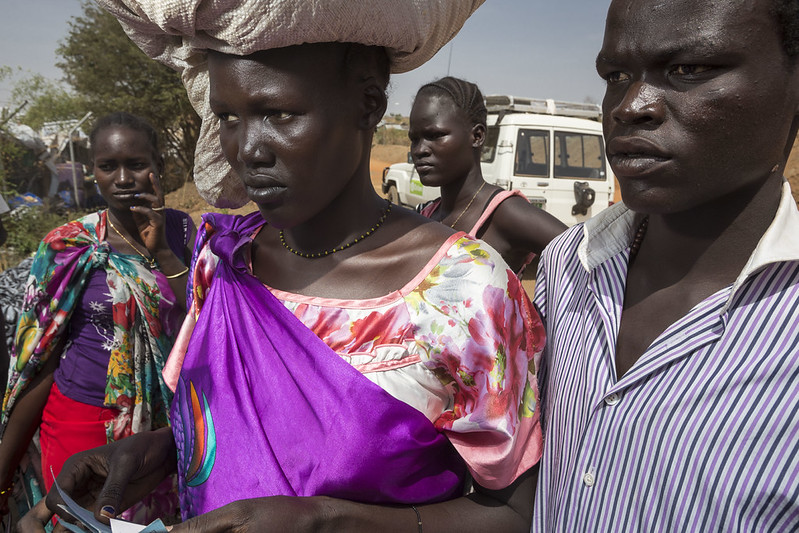 As of late 2024, there are more than 40 million refugees worldwide. Many live in high-poverty, conflict-affected environments where well-being is undermined by high rates of trauma, depression, anxiety and stress. These challenges are worsened by limited access to food, housing and economic resources. Structured mindfulness-based interventions (MBIs) and mindfulness practices—such as meditation, yoga, art therapy, walking and sitting—are cost-effective ways to improve well-being and reduce trauma’s long-term effects. Global nongovernmental organizations (NGOs) and mental health organizations are implementing these approaches to support the health of displaced populations.
Refugee Mental Health Challenges
Several factors undermine refugees’ mental health:
- Poverty
- Discrimination
- Family separation
- Unsafe environments
- Loss of social networks
- Limited resources
According to the World Health Organization (WHO), one in five individuals affected by conflict will experience depression, anxiety, post-traumatic stress disorder (PTSD), bipolar disorder or schizophrenia. Refugee aid bases are often congested, which can increase stress for individuals who do not receive clear information on where to access essential resources. Services are further strained by staff shortages, insufficient medication and inadequate training for emergency responders.
Mindfulness Practices to Support Refugees
Mindfulness practices—including meditation, breathing exercises, art therapy, yoga and mindful walking—support refugees by regulating emotions, reducing stress and building resilience. Trauma-sensitive mindfulness (TSM) allows refugees to observe difficult emotions without becoming overwhelmed.
- Breathing practices provide immediate tools for grounding during anxiety.
- Art therapy offers a nonverbal outlet for refugees facing language barriers.
- Yoga and mindful walking reconnect body and mind to restore safety and presence.
- Meditation, which focuses attention on a single object such as the breath, helps complete the stress cycle and release stored trauma.
Together, these low-cost, culturally adapted practices offer accessible healing for displaced communities.
Evidence of Impact
Mindfulness practices foster self-compassion and build long-term resilience, which are vital for refugees who often live with chronic insecurity and displacement. Programs run by NGOs and community organizations show measurable benefits:
- Mindfulness Across Borders supports Syrian and Afghan women and children in the Idomeni camp in northern Greece.
- Meditation Without Borders runs meditation programs in Rwanda in partnership with local women’s organizations.
- Reaching Across Borders delivers community-based services in the Bekaa Valley, Lebanon.
- The Observing Minds Lab adapts trauma recovery programs for refugees in Europe, the Middle East, Africa and North America.
These initiatives demonstrate that mindfulness reduces post-traumatic stress disorder (PTSD), depression and anxiety while improving overall well-being. Aid workers trained in mindfulness also report less burnout and greater capacity to support traumatized populations.
Looking Ahead
Refugees face immense mental health burdens, but mindfulness practices and interventions offer scalable, evidence-based tools to reduce trauma and improve well-being. Stronger funding and policy support can expand these programs, helping build resilience and stability for millions of displaced people around the world.
– Miranda Yacynych
Miranda is based in Pittsburgh, PA, USA and focuses on Good News and Global Health for The Borgen Project.
Photo: Flickr
