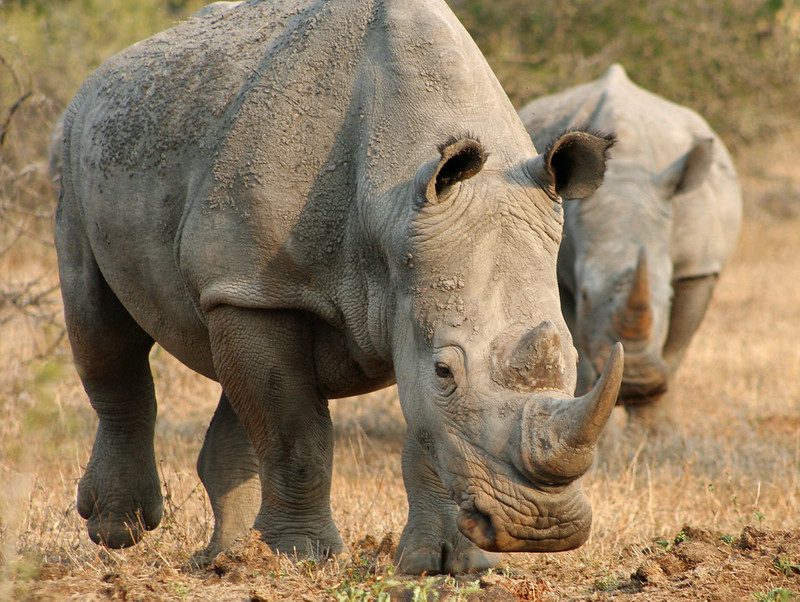
 Too often, safari tourism across Africa comes at the expense of local communities and environmental sustainability. In 1999, Imvelo Safari Lodges set out to offer a counter-model. Operating on community-owned land on the edges of Hwange National Park in Zimbabwe, Imvelo has spent more than two decades showing that ecotourism can be both protective and empowering, supporting a symbiotic relationship between conservation, responsible tourism and rural livelihoods.
Communities and Conservation: A Necessary Connection
Conservation efforts have historically overlooked a critical reality: communities living beside national parks must be aligned with wildlife protection. When they are not, wildlife can become a liability rather than an asset.
In an interview with Hannah Tranter from the Community Rhino Conservation Initiative (CRCI), a partner organization of Imvelo, she explained that “local support is fundamental—local people need to have the means to be able to live with wildlife, rather than against it. They need access to water, food, safety from wildlife, employment, education, health care… so if you want to conserve wildlife and habitats, you need to make sure the local people’s needs are also covered and satisfied.”
For families facing poverty, food insecurity and limited economic opportunity, the negatives of living alongside wildlife often outweigh the benefits. Animals may destroy crops that people rely on, and predators such as hyenas and cheetahs may kill livestock. This imbalance often fuels subsistence poaching, which is driven not by malice but by necessity when no alternative livelihoods exist.
This disconnect weakens conservation outcomes and erodes trust between local people and park authorities. Imvelo’s model is designed to counter this cycle. By ensuring that wildlife contributes directly to community well-being through employment, services and long-term development, Imvelo helps reduce the economic pressures that drive poaching and replaces them with shared incentives to protect wildlife.
Reintroducing White Rhinos to Community Land
Historically, Hwange National Park was home to a robust white rhino population. By the 1980s, there were more than 100 rhinos, but poaching in the 1990s led to their disappearance. In 2007, the last white rhino in the area was killed.
CRCI has now successfully brought white rhinos back to Hwange, placing them on communal lands rather than solely protected government parks—this time with local communities as custodians.
Local communities have designated grazing land specifically for rhino conservation, giving up usable land for long-term goals. Importantly, revenue from rhino-viewing tourism through Imvelo’s lodges flows directly back into communities—100% of the income generated from rhino-related tourism is returned.
In 2022, Thuza and Kusasa became the first white rhinos ever to roam community-owned land in Zimbabwe. Since then, a second sanctuary has been built for two more male white rhinos, Mlevu and Asenze.
While the second sanctuary marks major progress, challenges persist. “A larger area is harder to protect. We need to recruit and train more local community members as scouts, need to buy another vehicle, more uniforms, pay more salaries, more food, more equipment,” Tranter explained. “It’s a larger cost and a bigger poaching threat, but growing the area and rhino population is essential… we need to get a bigger population of rhinos—not just four male rhinos!”
Employment and the Cobras Wildlife Protection Unit
The initiative also employs a local wildlife protection unit known as the Cobras, a team of community-based scouts. Recruited from nearby villages, Cobras receive training in first aid, weapons handling, conservation law, radio communications, rhino monitoring and human-wildlife conflict resolution.
A stable salary is transformative—improving food security, supporting school fees and reducing economic pressures that might drive poaching. Beyond income, placing community members at the heart of wildlife protection fosters ownership and pride. As one Cobra scout said, guarding rhinos is about “protecting what we can best describe as our own future.”
Since the arrival of Mlevu and Asenze, CRCI is training 24 more scouts, including three women who will become cheetah scouts.
Supporting Education in Wildlife-Adjacent Communities
While employment is vital for poverty reduction, education is the foundation for long-term change. Young people living on the frontline of Hwange’s wildlife areas face barriers such as long travel distances, understaffed classrooms and limited resources. Imvelo’s education program responds directly to these challenges, supporting 14 local schools through infrastructure development, learning materials and staffing assistance.
Support has included constructing classroom blocks, building teachers’ cottages, drilling boreholes for safe water and supplying desks, textbooks and uniforms. In 2010, Imvelo built its first high school classroom block with donor help. By the next year, the school had expanded to include two double classroom blocks, an ablution block and three teachers’ cottages, serving 110 students. In 2023, Imvelo provided two new dormitories and an ablution block, allowing boarding students from remote villages to attend school consistently.
Tranter emphasized the importance of education: “Investing in education is a priority. But so is actual experience. It’s important to simultaneously educate students about conservation and wildlife protection as well as allow community members to feel and appreciate the benefits of wildlife and the potential for improved livelihoods that wildlife can bring.”
Improving Health Care Access
Access to reliable health care is essential for communities, especially those in remote wildlife areas. In 2017, Imvelo began constructing Ngamo Clinic with donor support, and by September 2022, it treated its first patient—an important milestone for surrounding villages.
Imvelo also runs the Smile and See Safari, launched in 2011, which brings volunteer dentists and eye specialists from Smile Is a Foundation to provide free care to rural villagers. Over the past decade, the initiative has treated more than 36,000 patients. Support from Imvelo guests and partners in Australia has further strengthened health care and education facilities in Sidinda, providing essential infrastructure and economic uplift.
A Community-Centered Conservation Model
By placing communities at the center of wildlife protection—through education, health care, employment and the Community Rhino Conservation Initiative—Imvelo has built a model that benefits both people and nature. In a region where exclusion once weakened conservation, Imvelo offers an example of a more equitable approach, one in which communities and ecosystems can thrive together for generations to come.
– Elysha Din
Elysha is based in Guildford, UK and focuses on Good News and Politics for The Borgen Project.
Photo: Flickr

Addressing Syphilis, Hepatitis B and HIV/AIDS in the Maldives
The Meaning of Triple Elimination
Essentially, in global health terms, “triple elimination” marks one of the highest standards a country can achieve: a victory against three life-threatening diseases. It represents an implication that mothers are no longer infecting their offspring with hepatitis B, syphilis or HIV, three diseases that took the lives of countless newborns. Although the diseases have not completely perished, their transmission has dropped to the point that they are no longer a concern to public health. Although these infections still exist, transmission rates fall below strict WHO thresholds. To receive recognition, a country must:
Triple elimination fundamentally demonstrates what can be achieved when governmental, medical and scientific efforts come together to provide every baby with an optimal start in life.
Mother-To-Child Transmission on the World Stage
Globally, an estimated 1.3 million women and girls living with HIV become pregnant each year. Congenital syphilis is the second leading cause of preventable stillbirth globally, preceded only by malaria. Hepatitis B, on the other hand, is a liver-attacking virus that can infect a newborn and cause chronic illness in later life. However, early detection, treatment and prompt vaccination—especially the hepatitis B birth dose within 24 hours of delivery—can prevent these diseases.
According to UNICEF, new HIV infections among children under five dropped by 62% between 2010 and 2024. However, to meet the 2030 goals that UNAIDS and its partners established as part of the UNAIDS Global Strategy to End AIDS, progress needs to be made at a much faster rate. To eradicate new infections in children and cut the number of HIV-related deaths among expectant mothers in half, treatment for all pregnant and nursing women living with HIV must be accelerated.
Where Poverty Fits In
Poverty increases vulnerability to mother-to-child transmission because families with low income often face:
The Elimination of Mother-To-Child Transmission (EMTCT) Initiative
To assist nations in achieving these objectives, the World Health Organization (WHO) developed the Elimination of Mother-to-Child Transmission (EMTCT) initiative. Numerous countries have made strides with some succeeding in ‘dual elimination’ status for syphilis and HIV. However, no nation had ever successfully eliminated all three at the same time until the HIV/AIDS in the Maldives confirmation this year.
This makes EMTCT efforts essential for reducing inequality across countries, especially in regions with limited health care infrastructure. The Maldives became an active participant in the WHO South-East Asia Regional EMTCT Initiative in 2016. In 2018, due to the regulation provided by the EMTCT initiative, they implemented the ‘Agenda for Integrated Service Delivery’ and started a systematic data collection for HIV, syphilis and hepatitis B. The progress seen with HIV/AIDS in the Maldives highlights how strong public health systems can help overcome poverty-related barriers.
In the Maldives, poverty and geographic isolation have historically increased the risk of mother-to-child transmission of infections like HIV, syphilis and hepatitis B. Dr Catharina Boehme, Officer-in-Charge at the WHO South-East Asia Regional Office, affirmed the significance of “equitable care across its dispersed islands.” The nation’s numerous outer islands have historically had lower income levels, fewer job prospects, and less access to social services than the capital region. Families in these islands were more likely to miss early screening or timely newborn vaccination due to reduced household income and inadequate health infrastructure, underscoring the connection between health risk and economic disadvantage. Acknowledging these disparities, the government structured its maternal health system on universal access: all islands now offer free testing, treatment and birth-dose vaccination, and the WHO’s EMTCT framework supports this model.
Maldive’s Methods
Looking Ahead
Proving itself a leading agent in maternal and antenatal care, “The Maldives’ triple elimination stands as a powerful example of how sustained investment in health systems, innovation and community-based care can change the trajectory of public health,” said Ms. Payden, WHO Representative to the Maldives. The HIV/AIDS in the Maldives’ progress began more than a decade ago, long before triple elimination was in sight. Because its population is dispersed across more than 1,000 islands, the government prioritized a decentralized, community-based health care system to ensure equal access regardless of income or geography. As stated in the WHO’s South-East Asia update, the Maldives’ feat is credited to long-term, systemic investments that have sustained high antenatal care coverage and integrated first-trimester screening for all three infections across scattered island communities. For the children of the Maldives, the future now begins infection-free.
– Prubleen Bhogal
Photo: Pexels
How Higher Education in Algeria Is Pivoting Toward Jobs
A System That Scaled Up Fast
In two generations, higher education in Algeria has pivoted from being only for the elite to now being accessible to the masses. In 1963, the country had less than 10 higher education institutions and 3,000 students: fast forward to 2025 and that figure has grown to 115 with just shy of 2 million full-time students. Out of these students, 500,000 were working towards masters degrees while 65,000 were doctoral candidates. Women make up more than 60% of students in Algeria, putting them in the top 15 countries in the world for female enrolment.
Since 2004, Algeria has implemented the License–Master–Doctorate (LMD) aligning with the French/European model in order to boost international compatibility. The reform followed earlier restructurings in 1971 and 1999 and remains the framework for teaching and assessment today.
Incubators
A clear policy pivot is linking university study to entrepreneurship and regional development. Under the Ministry of Higher Education and Scientific Research (MESRS), campus incubators are now helping students and researchers turn their ideas into businesses and ventures. The incubator push is part of a wider strategy with the Algerian government setting a national target of 20,000 startups by 2029. Universities view incubators as a key mechanism to diversify the economy and tackle youth unemployment.
International Projects
International cooperation is reinforcing these shifts. Through Erasmus’ Capacity Building in Higher Education (CBHE), Algerian universities have been able to design an employment ready curriculum, strengthen their governance and emphasize quality assurance. Projects such as COFFEE created new professional bachelor degrees in partnership with Algerian companies and the ministry of higher education. This project has already led to the accreditation of 17 professional bachelor’s programs in areas such as industrial maintenance, building rehabilitation and e-commerce. These degrees focus on management and technical profiles that are in demand, helping young graduates move quicker into decent jobs and out of poverty.
A Linguistic Turn With Classroom Impacts
Algeria has made visible reforms to its language policy. While French remains widely used socially and academically, the government has focused its attention in making English the country’s secondary language. In 2025, schools, universities and medical programs will begin to utilize the English language with plans to train 30,000 English teachers. This shift aims to widen Algeria’s global research base as well as help them build industry networks that can create more skilled jobs for graduates of higher education in Algeria.
However, due to the government’s focus on rapid expansion, the quality of the staffing and facilities are unevenly distributed across the country. Studies have found that there are persistently high unemployment rates among graduates in certain fields.
A Brighter Future
Algeria’s higher education system has improved significantly in such a short amount of time with diversification and constant innovation playing a pivotal part in its success. The components for a better future are in place with modular degrees, incubators and international cooperation in place. If they continue with their consistent quality assurance, improved infrastructure spending and significant contributions to academic research Algeria will be able to quash their high youth unemployment rate and boost its economy further.
– Jibreel Meddah
Photo: Wikimedia Commons
Post-Conflict Reforestation in Colombia
Furthermore, when displaced communities returned after the peace agreement, many found land scarred by conflict and depleted by unsustainable cultivation. As a response, many have been driven to clear more forest in order to sustain their families through cattle ranching. Cattle ranching remains the single biggest cause of deforestation.
However, former guerrillas currently work alongside conflict victims to plant trees and rebuild their communities. Post-conflict reforestation and agroforestry schemes can simultaneously restore the environment, foster reconciliation and tackle rural poverty, particularly for those returning from displacement. The advancement of this tripartite process is vital for ensuring lasting peace.
From Combatants to Conservationists
At the Communitarian Multiactive Cooperative of the Common (Comuccom), near Puerto Guzmán, 24 former FARC combatants are working toward an ambitious goal: planting 1 million trees across the Colombian Amazon. Duberney López Martínez, who joined FARC at just 13, now leads the effort at 33. He tends to the 250,000 trees ready for planting in their nursery, each one a small act of reparation after decades of conflict.
Beyond post-conflict reforestation, Comuccom leads the Network of Amazonic Communitarian Nurseries, connecting 12 organizations across Colombia’s “Arc of Deforestation.” They regenerate soils exhausted by cattle grazing and coca cultivation, cleanse water sources contaminated by mercury from illegal gold mining and reconstruct ecological corridors for jaguars and endangered bird species. This contributes to food security and socio-economic stability through the creation of new jobs.
Women Leading the Eco-Peace Movement
In Caquetá, women ex-combatants are pioneering their own approach through ASMUPROPAZ (Association of Women Producers of Peace Essences). Founded in 2017, the organization embodies what they call the “Eco-Peace Nexus,” the recognition that healing the land and healing communities are interconnected endeavors that must happen together.
ASMUPROPAZ offers literacy programs, vocational training and technical agricultural skills while implementing sustainable farming, post-conflict reforestation efforts and the production of natural plant-based products. These initiatives create economic independence while addressing deforestation and environmental degradation that threaten the region’s future.
Carolina Aldana, one of ASMUPROPAZ’s youngest members, captures their vision: “Our work shows how caring for the environment can bring people together and create lasting peace. By protecting the land we all depend on, we’re also building a future where former combatants and the community can thrive side by side.”
Addressing the Root Cause
Having acknowledged that unequal land distribution and rural poverty have fueled five decades of war, the Colombian government under new President Gustavo Petro is now prioritizing rural reform. From 2017 to 2024, nearly 3 million hectares were formalized for rural inhabitants who had farmed without legal recognition, while nearly 130,000 hectares were distributed to new beneficiaries. The effects of this turnaround came swiftly. By 2023, Colombia achieved a 36% reduction in deforestation, the lowest level in 23 years.
“Rural reform is clearly moving to the center of efforts to build a more peaceful and prosperous Colombia,” declared Carlos Ruiz Massieu, United Nations (U.N.) special representative overseeing peace verification. The government’s commitment represents recognition that lasting peace requires addressing the structural economic causes of the country’s conflict.
Research confirms the multiplied benefits. Surveys of 429 farmer households practicing cacao agroforestry in Caquetá and 500 in César found that silvopastoral systems and the reintroduction of native species increased spaces for dialogue and decreased conflicts over natural resources. Furthermore, they have delivered socio-economic stability through job creation and strengthened social cohesion through collaborative land management.
Progress So Far
On a wider scale, reintegration statistics tell an encouraging story. Of the nearly 14,000 former combatants who entered the reintegration process, 85% remain engaged. More remarkably, 10,900 now participate in productive projects that provide income and purpose, while 39% of those laying down their weapons have now received university degrees.
Perhaps the most profound transformation occurs through “Restorative Mingas,” communal task forces pioneered by the Special Jurisdiction for Peace and the United Nations Development Programme (UNDP). These gatherings bring together conflict victims and former FARC combatants to address specific needs within the community and rebuild community infrastructure together. This demonstrates that reconciliation can be supported by development initiatives that empower communities and unite people around shared goals.
Kristina Lyons, an anthropologist at the University of Pennsylvania who has spent two decades in the region, summarizes: “The ecological restoration of the Amazon has deep significance for healing relations between humans ruptured by the conflict.”
Replicable Lessons for Other Nations
For other post-conflict countries, Colombia offers hard-won lessons. Through grassroots participation and innovative approaches that prioritize dignity, champion women’s leadership and weave together environmental restoration with poverty alleviation, the country demonstrates how former adversaries can forge a shared, sustainable future.
Challenges remain, however. Illicit economies are still in operation and violence continues in some regions, particularly by groups such as the EMC that rejected peace talks and have filled the vacuum of violence left by departing FARC combatants. Continuing dialogue between local communities and the Bogotá government calls for an improved land registration system and government follow-through in its regulation of illegal activities. Yet Colombia shows that trees planted with intention can become instruments of peace and pathways out of poverty.
– Caroline Sheehan
Photo: Flickr
Digital Pharmacy Platforms Make Medicine in Nigeria Affordable
The rise in digital pharmacies introduces a clearer path to affordable and quality health care. Through the intervention of companies such as DrugStoc, Drug-IT Solutions and Pharmagateway, technology now authenticates supply chains, reduces the presence of counterfeit drugs and lowers costs for patients. These platforms not only improve health care access but also stimulate the economy by creating digital jobs and supporting local pharmaceutical businesses.
Background and Challenges
Nigeria, often referred to as the “Giant of Africa,” is a country located in West Africa with a population of more than 230 million people, the largest in Africa. Known for its ethnic diversity, large entertainment industry and major oil and gas production, Nigeria holds an important position in Africa. However, the country continues to face several challenges, including poverty, insecurity, corruption and lack of access to affordable health care.
Among these issues, the state of the health care system remains one of the most urgent ones. Health care in Nigeria suffers from inadequate funding, with leaders allocating only about 4.27% of the nation’s GDP to this sector. Other factors that affect Nigeria’s health system include poor infrastructure, a high disease burden and limited access to vaccines and other essential medications, which further weaken the system.
A particularly concerning issue involves the widespread prescription of counterfeit and substandard drugs, often sold through poorly trained “street chemists.” Many innocent civilians fall sick or require hospitalization because these “chemists” sell fake drugs. According to the National Primary Health Care Development Agency, around 70% of the drugs circulating in Nigeria are fake.
Poverty fuels this crisis. Many people in rural Nigeria cannot afford basic health care, so they turn to these street pharmacies as a source of cheaper medicine. This urgent need for change creates an opportunity for online technologies, particularly digital pharmacy platforms, to alleviate the financial and health burdens associated with poverty.
The Rise of Digital Pharmacies
Digital pharmacy platforms in Nigeria have emerged as a transformative solution to this challenge by combining traditional pharmacy systems with modern digital tools to improve the ordering, verification and delivery of quality medications. In Nigeria, several notable health-tech platforms, including DrugStoc, Pharmagateway and Drug-IT Solutions, have made significant progress in addressing the issue of counterfeit medication distribution.
By utilizing the specialized Matrix-36 software, Drug-IT Solutions connects manufacturers, wholesalers, retailers and consumers, thereby creating a fully integrated pharmaceutical supply chain.
The rise of digital pharmacies in Nigeria improves access to safe and affordable medicine by using technology to strengthen the drug supply chain.
Looking Ahead
Digital pharmacy platforms in Nigeria provide access to safe and affordable medicine, offering a promising path toward stronger health care and reduced poverty. Companies like DrugStoc and Drug-IT improve medication quality and accessibility. However, these platforms still face challenges, including limited internet access in rural areas, inconsistent regulatory enforcement and low digital literacy among certain communities.
With continued innovation, stronger government support and sustained investment in technology and public education, Nigeria can overcome these obstacles. Moving forward, digital pharmacies have the potential to support a more reliable, affordable and accessible health care system for all Nigerians.
– Emmanuel Fagbemide
Photo: Unsplash
The Philippines is Addressing Poverty: A Multi-Pronged Approach
A Stronger Social Safety Net
At the core of the country’s effort is the flagship conditional cash-transfer program known as the Pantawid Pamilyang Pilipino Program (4Ps). The program provides regular cash payments to low-income households that meet specific criteria, including regular school attendance for children and regular preventive health care visits. The idea is to provide an immediate buffer from extreme hardship while encouraging families to adopt behaviors that build human capital.
Government planners identify poverty reduction, universal health care and quality education as the three key “socioeconomic goals” driving this agenda.
Expanding Access to Education
On the education front, the Philippine government passed the Universal Access to Quality Tertiary Education Act (RA 10931) in 2017. It provides free tuition and certain school-fee subsidies at state universities and colleges and offers a “tertiary education subsidy” (TES) for students in private institutions under particular conditions. The policy has benefited more than two million students.
Officials say that free higher education is a vital means of equipping low-income households for stable employment, thereby helping to break the cycle of poverty. For example, 4Ps households are being encouraged to tap the student-aid schemes. Yet analysts note that participation among the most impoverished deciles remains lower than among wealthier peers; in 2019, only about 6.1% of students came from the neediest households versus higher shares in better-off ones.
Health Care Investment and Risk Protection
The Philippines is also addressing poverty by working to fortify health care access through its Universal Health Care (UHC) law. It aims to reduce financial risk from illness and to expand service delivery, especially for people experiencing poverty. According to the World Health Organization (WHO), high out-of-pocket spending and health-service gaps have been drivers of poverty in the country.
A study by the Philippine Institute for Development Studies (PIDS) identified major geographic coverage gaps: while most major regions have national health insurance enrollment rates above 90%, conflict-affected provinces in Mindanao reported coverage levels as low as 52%.
Early Progress
According to the Philippine Statistics Authority, the national poverty rate dropped from 18.1% in 2021 to 15.5% in 2023. This translates to a decline of roughly 2.4 million individuals living under the official poverty line. It suggests the multi-pronged strategy is yielding results. However, officials caution that inflation (especially food price inflation) and regional disparities remain serious headwinds.
Despite the framework, key challenges remain. In health care, enrollment is still concentrated among formal-sector workers, making it difficult to extend equitable coverage to informal and rural populations. In higher education, low-income households continue to be underrepresented, raising concerns about whether subsidies are reaching those who need them most.
Finally, in cash-transfer programs, persistent inequalities, service-delivery bottlenecks and local government capacity gaps mean full reach has not yet been achieved.
Looking Ahead
For the Philippines’ approach to translate into enduring poverty reduction, policymakers will need to deepen the linkages among welfare, education and health interventions. That means ensuring vulnerable households are not only stabilized by cash grants, but that their children benefit from quality schools and are shielded from catastrophic health-care costs. If effectively implemented, the integrated model offers a pathway from relief to resilience.
– Arielle Telfort
Photo: Flickr
Marburg Virus in Ethiopia
The virus is most commonly found in sub-Saharan Africa. Multiple countries in this region have been affected in the past, with the most recent outbreak reported in Ethiopia. Ethiopia is a country located in the Horn of Africa, with the second-largest population on the continent.
The country has already battled multiple viruses, such as yellow fever, hepatitis, HIV and more. On November 12, 2025, a new outbreak of Marburg virus was detected in Ethiopia. This strain is reportedly the same strain that had broken out in other African countries. There are at least nine cases of Marburg virus in Ethiopia, with six confirmed deaths.
The Cause
The virus spreads to humans from infected Egyptian rousette bats. According to scientists, there is an increased risk of outbreaks as “climate [instability], as well as deforestation and urbanization, is steadily destroying the habitats of the fruit bats that harbor diseases like Marburg and Ebola…” Once the virus has infected humans, it can be transmitted to others through contact with infected bodily fluids.
To prevent transmission, experts recommended that those working in or visiting areas inhabited by bat colonies take protective measures, such as wearing gloves and masks. They also advised avoiding contact with individuals who are already infected.
Treatment
Treatments and vaccines for the virus currently do not exist. However, some vaccines are under investigation and early supportive care has also been shown to improve the survival rate of those infected. Nonetheless, multiple other countries, such as Rwanda, Tanzania and the Democratic Republic of the Congo, have experienced Marburg outbreaks but managed to control the virus in a short period through several effective methods.
This was achieved through community engagement and intervention practices, such as case management, reducing the risk of human-to-human and bat-to-human transmission (through isolation, masks and other measures), surveillance, contact tracing and more. These methods may be implemented to combat the virus in Ethiopia.
Responses
Multiple responses have been implemented to aid those who were infected, prevent transmission and eliminate the virus from the country. Various health organizations have carried out these measures:
– Renata Hirmiz
Photo: Flickr
5 Ways Kenya is Reducing Poverty
Social Protection Programs
As part of Kenya Vision 2030, social protection programs have been pushed to be implemented as a solution to rising poverty and inequalities (SDG 1 and 10). For instance, the Inua Jamii Programme transfers cash to vulnerable people, like orphans, the elderly and people with disabilities. Since 2018, the initiative has spent more than $230,000 per year helping the people of Kenya stay out of poverty. In Kenya, around 80% of its land is classed as arid and semi-arid (ASAL), meaning the amount of rainfall the regions receive annually is little to none.
The Hunger Safety Net Program (HSNP) helps provide regular cash transfers to these dry regions, which struggle to grow crops. Approximately, this program has helped stop almost 800,000 people from going hungry despite their agricultural limitations. These programs are all part of the National Safety Net Program (NSNP), which funds and promotes these various frameworks in hopes of improving the efficiency and reach of these initiatives. The NSNP is vital in helping Kenya reduce poverty across its lands.
Agricultural Transformation
Agriculture largely remains the backbone of Kenya’s economy, employing around 70% of the rural population. Under the Big Four Agenda, a presidential initiative first launched in 2017, food security is a large area of focus. The government began to promote the leasing and sales of agricultural equipment to enable farmers to have access to otherwise expensive equipment.
Similarly, the implementation of more support for those in agriculture allows for a more stable income. These acts are crucial to achieving zero hunger and decent work and economic growth (SDG 2 and 8) in aid of Kenya reducing poverty while also advancing Vision 2030’s goal of a stable and growing economy.
Universal Health Coverage
Kenya’s recent push toward Universal Health Coverage (UHC) is transforming access to health care across the country. The expansion of the National Health Insurance Fund (NHIF), which now includes access for informal sector workers and vulnerable groups, is part of this shift. Community health volunteers (CHVs) are beginning to play a key role in delivering primary care at the lower grassroots levels of society.
Pilot programs in counties like Kisumu and Nyeri have proven the potential of UHC to reduce unnecessary expenses and improve health outcomes. These initiatives help support good health and well-being (SDG 3) and promote equitable health care as part of Kenya Vision 2030.
Education Access Equity
Education reforms are expanding across Kenya, improving access and quality of teaching. Free primary and subsidised secondary education have increased enrolment rates, while school feeding programs in marginalised areas have been shown to enhance attendance and nutrition amongst the children. Technical and Vocational Education and Training (TVET) institutions are equipping youth with market-relevant skills for the wider world. Digital literacy programs like Ajira Digital and the Presidential DigiTalent Program are aiming to prepare young Kenyans for the future of work, like learning key skills of data entry or transcription. These efforts are instrumental for quality education (SDG 4) to be achieved, as well as promoting Kenya Vision 2030’s focus on human capital development; these factors reflect Kenya’s reduction in poverty as well as a sense of changing hope for the new generations to come.
Youth Employment and Skills Development
Youth employment is a huge priority for the Kenyan government, with over 75% of its population being under 35. Programs like the Kenya Youth Employment Opportunities Project (KYEOP) offer training opportunities, internships and business grants. The project has helped more than 145,000 Kenyans participate in its programs, with around 125,000 direct jobs being created. It has promoted a 50% increase in wages for its beneficiaries and allowed the employment rate to rise to around 85% among its participants.
Looking Ahead
Overall, Kenya has made significant progress toward its SDGs, helping improve Kenyan livelihoods every day. Its poverty reduction strategy is bold and inclusive; however, challenges like the changing climate and urban poverty remain. Nonetheless, Kenya is reducing poverty levels and showing ongoing reform and innovation, offering hope for the future. As the country moves toward 2030, its vision remains clear for the future of its citizens.
– Megan Burrows
Photo: Flickr
Community-Led Conservation in Hwange With Imvelo
Communities and Conservation: A Necessary Connection
Conservation efforts have historically overlooked a critical reality: communities living beside national parks must be aligned with wildlife protection. When they are not, wildlife can become a liability rather than an asset.
In an interview with Hannah Tranter from the Community Rhino Conservation Initiative (CRCI), a partner organization of Imvelo, she explained that “local support is fundamental—local people need to have the means to be able to live with wildlife, rather than against it. They need access to water, food, safety from wildlife, employment, education, health care… so if you want to conserve wildlife and habitats, you need to make sure the local people’s needs are also covered and satisfied.”
For families facing poverty, food insecurity and limited economic opportunity, the negatives of living alongside wildlife often outweigh the benefits. Animals may destroy crops that people rely on, and predators such as hyenas and cheetahs may kill livestock. This imbalance often fuels subsistence poaching, which is driven not by malice but by necessity when no alternative livelihoods exist.
This disconnect weakens conservation outcomes and erodes trust between local people and park authorities. Imvelo’s model is designed to counter this cycle. By ensuring that wildlife contributes directly to community well-being through employment, services and long-term development, Imvelo helps reduce the economic pressures that drive poaching and replaces them with shared incentives to protect wildlife.
Reintroducing White Rhinos to Community Land
Historically, Hwange National Park was home to a robust white rhino population. By the 1980s, there were more than 100 rhinos, but poaching in the 1990s led to their disappearance. In 2007, the last white rhino in the area was killed.
CRCI has now successfully brought white rhinos back to Hwange, placing them on communal lands rather than solely protected government parks—this time with local communities as custodians.
Local communities have designated grazing land specifically for rhino conservation, giving up usable land for long-term goals. Importantly, revenue from rhino-viewing tourism through Imvelo’s lodges flows directly back into communities—100% of the income generated from rhino-related tourism is returned.
In 2022, Thuza and Kusasa became the first white rhinos ever to roam community-owned land in Zimbabwe. Since then, a second sanctuary has been built for two more male white rhinos, Mlevu and Asenze.
While the second sanctuary marks major progress, challenges persist. “A larger area is harder to protect. We need to recruit and train more local community members as scouts, need to buy another vehicle, more uniforms, pay more salaries, more food, more equipment,” Tranter explained. “It’s a larger cost and a bigger poaching threat, but growing the area and rhino population is essential… we need to get a bigger population of rhinos—not just four male rhinos!”
Employment and the Cobras Wildlife Protection Unit
The initiative also employs a local wildlife protection unit known as the Cobras, a team of community-based scouts. Recruited from nearby villages, Cobras receive training in first aid, weapons handling, conservation law, radio communications, rhino monitoring and human-wildlife conflict resolution.
A stable salary is transformative—improving food security, supporting school fees and reducing economic pressures that might drive poaching. Beyond income, placing community members at the heart of wildlife protection fosters ownership and pride. As one Cobra scout said, guarding rhinos is about “protecting what we can best describe as our own future.”
Since the arrival of Mlevu and Asenze, CRCI is training 24 more scouts, including three women who will become cheetah scouts.
Supporting Education in Wildlife-Adjacent Communities
While employment is vital for poverty reduction, education is the foundation for long-term change. Young people living on the frontline of Hwange’s wildlife areas face barriers such as long travel distances, understaffed classrooms and limited resources. Imvelo’s education program responds directly to these challenges, supporting 14 local schools through infrastructure development, learning materials and staffing assistance.
Support has included constructing classroom blocks, building teachers’ cottages, drilling boreholes for safe water and supplying desks, textbooks and uniforms. In 2010, Imvelo built its first high school classroom block with donor help. By the next year, the school had expanded to include two double classroom blocks, an ablution block and three teachers’ cottages, serving 110 students. In 2023, Imvelo provided two new dormitories and an ablution block, allowing boarding students from remote villages to attend school consistently.
Tranter emphasized the importance of education: “Investing in education is a priority. But so is actual experience. It’s important to simultaneously educate students about conservation and wildlife protection as well as allow community members to feel and appreciate the benefits of wildlife and the potential for improved livelihoods that wildlife can bring.”
Improving Health Care Access
Access to reliable health care is essential for communities, especially those in remote wildlife areas. In 2017, Imvelo began constructing Ngamo Clinic with donor support, and by September 2022, it treated its first patient—an important milestone for surrounding villages.
Imvelo also runs the Smile and See Safari, launched in 2011, which brings volunteer dentists and eye specialists from Smile Is a Foundation to provide free care to rural villagers. Over the past decade, the initiative has treated more than 36,000 patients. Support from Imvelo guests and partners in Australia has further strengthened health care and education facilities in Sidinda, providing essential infrastructure and economic uplift.
A Community-Centered Conservation Model
By placing communities at the center of wildlife protection—through education, health care, employment and the Community Rhino Conservation Initiative—Imvelo has built a model that benefits both people and nature. In a region where exclusion once weakened conservation, Imvelo offers an example of a more equitable approach, one in which communities and ecosystems can thrive together for generations to come.
– Elysha Din
Photo: Flickr
Everything To Know About HIV/AIDS in Bolivia
Background on HIV/AIDS
According to the World Health Organization (WHO), HIV is a virus that targets the immune system by attacking white blood cells. Bodily fluids from an infected person can spread HIV. This can include blood, breast milk, semen and vaginal fluids. Antiretroviral therapy treats HIV. Without treatment, HIV can develop into AIDS.
The Response
The United Nations developed UNAIDS, the Joint Programme on HIV/AIDS, to lead the global effort to eradicate it. UNAIDS’ main focus is to advocate for affected communities, provide technical support, collect data on the illness and assist countries that are most affected. The joint program in Bolivia has carried out various efforts to address HIV through prevention, testing and treatment. Community-based programs, supported by the Joint Programme, have provided access to HIV prevention packages in 2023 to MSM and transgender women. Furthermore, the Triple X (Xpressa, eXplora and eXige) campaign has run a social media initiative aimed at increasing condom usage. It has reached 111,000 young people and resulted in a 12% increase in condom distribution within the public health system in one year. Additionally, the government has developed national guidelines for pre-exposure prophylaxis with support from the World Health Organization (WHO) following its adoption of the preventive drug regimen.
Impacts of People in Poverty With HIV
People who live with HIV/AIDS in Bolivia face conditions conducive to poverty, such as food insecurity and unstable livelihoods face major obstacles in managing their treatment, indicating a connection between economic struggle and HIV-related health outcomes, according to a study performed by Palar and a team. The Pan American Health Organization (PAHO) states that more than a third of Bolivia’s population lived below the national poverty line in 2021, indicating economic strain that reflects the hardships patients described in the study.
Palar’s team determined that time conflicts with their jobs prevented many participants from getting their doses, the stigma of HIV caused the loss of jobs and that many HIV patients struggled to balance their treatments with expectations from informal or unpredictable employment. The study observes that these conditions directly impact antiretroviral adherence, especially for those who lack a stable income or consistent access to food. The team also notes that a food-assistance pilot program has helped ease these pressures through improving patients’ nutritional stability. This has helped patients take their medication correctly.
Addressing Disparities and Prejudices
Fighting HIV/AIDS in Bolivia importantly involves addressing the disparities within the populations it affects and the prejudices surrounding the disease. Capacity-building training and catalytic funding have supported civil society organizations in Bolivia to strengthen the HIV response, address stigma and discrimination and protect human rights. As UNAIDS reported, the Bolivian Network of People Living with HIV and the Ministry of Health have introduced a pulsometer, a pilot stigma and discrimination self-assessment tool, to gather data on stigma and discrimination directed toward people living with HIV and key populations within the healthcare system. This aims to address barriers to accessing services.
In 2022, officials created an essential care standard for vulnerable communities and integrated it across 3,000 health facilities. As UNAIDS outlined, this protocol includes guidelines that prevent stigma, ensure adherence to care and diagnosis standards for HIV and promote condom use. In an effort to decriminalize HIV transmission, REDBOL and the community-centered organization Asociación Un Nuevo Camino have created a project to modify the 2008 HIV law. Advocates organized social dialogues to pressure Congress.
Looking Ahead
Although HIV is not an epidemic among the general population in Bolivia, it is prevalent within concentrated communities. The government and external organizations have made consistent efforts to address and treat this disease. HIV carries significant societal stigma and prejudice; as such, the response has acknowledged discrimination against marginalized groups. The response has addressed the disease itself and has also worked to undo prejudice and discrimination toward marginalized communities.
– Sasha Banaei
Photo: Flickr
How Reusable Diapers Are Fighting Poverty, Waste & Inequality
The Economic Community of West African States (ECOWAS) aims to transform this landscape by launching three regional factories to produce reusable sanitary diapers and pads. This, in turn, will boost employment in local communities and directly address issues of inequality, poverty and environmental degradation.
The Issue at Hand: A Silent Crisis
Across West Africa, 401.9 million people currently face health and education challenges and 60% of them are young people. Obstetric fistula affects a vast number of women as well, where social exclusion risks coming as a result. Furthermore, the lack of sanitary products in schools contributes to school dropouts among girls and the elderly struggle with a lack of products to help manage urinary leaks.
What ECOWAS is bringing to the table is an opportunity to address these gaps by integrating education, health and socioeconomic issues in a way that promotes human development in the region. It also offers a pathway to tackle the current global waste crisis. “This isn’t just about hygiene-it’s about dignity, economic inclusion and breaking cycles of poverty,” as stated by an ECOWAS commissioner during a signing ceremony.
Governments, together with private entities, can ensure civilians receive safe sanitary products by reinforcing product standards and increasing supply. This approach helps restore both dignity and the market for these products.
ECOWAS Reusable Diaper and Pads Initiative
In 2024, the ECOWAS Commission, through its Gender Development Center (CCDG) initiative, launched this project to establish three factories for producing reusable sanitary pads and diapers. The goal is to meet the needs of teenage girls, fistula survivors and older people, advancing both gender equality and human development.
By initiating this project, ECOWAS objectives centered on decreasing the rates of school dropout, enhancing reproductive health for fistula victims by producing affordable sanitary items and providing them with economic independence by creating jobs.
The management of these factories was entrusted to the States. However, it has a multi-stakeholder Board of Directors, including ECOWAS, partners and ministries, which oversee its training, implementation and advocacy.
Countries in the Spotlight
Within West Africa, several countries have positively responded to this initiative, including Sierra Leone, Togo and Liberia.
The Bigger Impact
Using reusable pads and diapers offers a major environmental advantage, especially since disposable versions are among the biggest global contributors to plastic waste. More than 300,000 diapers are thrown away every minute, ending up in landfills and polluting the environment and oceans. This issue is even more serious given how difficult they are to recycle, often taking years to break down. By promoting a circular diaper and pad industry, this initiative could prevent 38 million tonnes of waste each year.
What ECOWAS proposed and initiated was far beyond just hygiene; it is about dignity, breaking cycles of poverty within West Africa and socioeconomic inclusion.
– Liz Mendes
Photo: Wikimedia Commons