The Impact of Technology on World Hunger
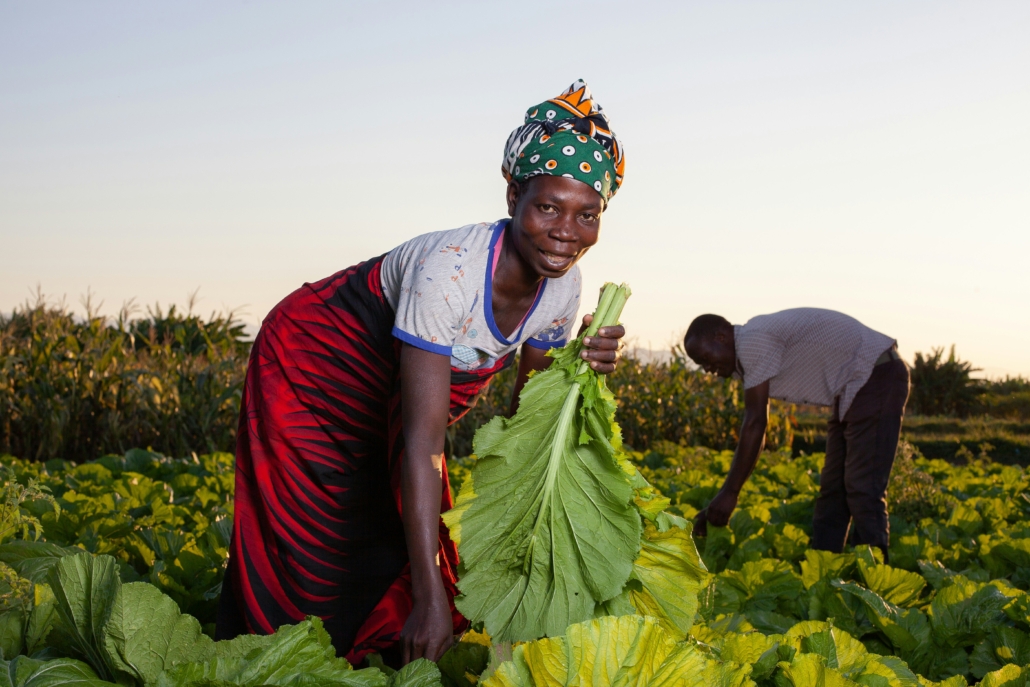
Food scarcity remains a critical global issue and a barrier to eradicating world hunger, affecting millions of people. As the world population grows, traditional methods of food production and distribution face immense pressure. Fortunately, technological advancements offer powerful, innovative solutions to combat hunger. By improving agricultural practices, optimizing supply chains and empowering local communities, technology provides hope for a future free from hunger. This article explores the significant ways technology is making a difference in the global fight for food security.
Technology Improves Crop Yields and Resilience
Modern agricultural technology, known as AgTech, is a critical weapon in the fight against world hunger. By directly addressing food production challenges, these innovations are empowering farmers to produce more food sustainably for a growing population. Farmers can leverage digital agriculture tools, such as GPS-guided tractors, drones and soil sensors, to manage fields with remarkable accuracy, applying water, fertilizers and pesticides only where needed. For example, according to OnFarm, an AgTech resource such as IoT helps to generate 4 million crop-related data points each day to prevent future crop loss. This precise application conserves vital resources, minimizes environmental impact and maximizes output from every acre, directly contributing to feeding more people and securing food supplies.
Drones offer aerial views of crop health, allowing farmers to proactively identify and mitigate problems such as pests or nutrient deficiencies before they devastate harvests. Furthermore, breakthroughs in biotechnology have led to the development of crops specifically engineered for resilience against drought, pests and disease. These robust crops ensure more stable and abundant harvests, even in the face of unpredictable climates, providing a vital safeguard against famine and food shortages in vulnerable communities.
Technology Reduces Food Waste in Supply Chains
A significant portion of the world’s food is lost or wasted between the farm and the consumer. Technology offers effective solutions to make supply chains more efficient and reduce this loss. Innovations in food preservation, such as advanced packaging and processing techniques, play a crucial role. For example, lyophilization, or freeze drying, reduces food scarcity by keeping food fresh for longer periods. Additionally, blockchain technology provides transparent and traceable supply chains, allowing businesses to monitor food from its origin to the store shelf. This transparency helps identify weak points where food loss occurs and ensures accountability. Smart logistics platforms use data analytics to optimize transportation routes and storage conditions, further minimizing spoilage and ensuring that more food reaches those in need.
Technology Empowers Small-Scale Farmers
Small-scale farmers produce one third of the world’s food, yet many lack access to vital information and resources. Mobile phone technology is bridging this gap. Through simple text messages or dedicated smartphone apps, farmers can receive real-time weather forecasts, current market prices, and expert agricultural advice. This information empowers them to make informed decisions, such as when to plant, harvest or sell their crops. Mobile phone banking platforms also provide access to financial services, enabling farmers to secure loans for better seeds and equipment. By connecting smallholders to larger markets and critical data, technology helps increase their productivity and income, strengthening local food systems and building economic resilience.
Build a Hunger-Free Future
Technology is not a single solution, but a powerful collection of tools that can fundamentally change how we produce, distribute, and access food. From the fields where crops grow to the supply chains that deliver them, innovation is driving efficiency, reducing waste and empowering communities. By supporting and scaling these technological solutions, the world can create a more sustainable and equitable food system for everyone. Every person’s support for organizations that implement these technologies can help accelerate this progress. Together, people can harness the power of innovation to end world hunger.
– Kelly Schoessling
Photo: Unsplash
