Child Marriage in El Salvador
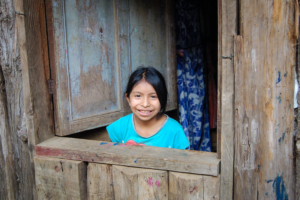 Child marriage continues to plague young girls across El Salvador every year, despite becoming illegal nearly a decade ago. While the rate of child marriage has declined since the ban, factors such as gender inequality, poverty and teen pregnancy play a big role in its concealed continuation.
Current Prevalence and Driving Factors
On August 16, 2017, El Salvador’s Family Code underwent a reformation. The updated Family Code set the legal age of marriage to 18 for women and men, opposed to its previous ruling, which stated that girls could marry regardless of age if they were pregnant or had a child. Following the reformation, according to the Child Marriage Data portal, the prevalence of child marriage dropped from 25% in 2006 to 19.7% in 2021.
However, as of 2025, 199.7 thousand girls now aged 20-24 were married by 15 and 720.3 thousand within the same age range were married by 18. The prevalence is higher in rural areas (26.6%) than in urban areas (16.6%) and it might be due to factors such as poverty and educational opportunity. According to Girls Not Brides, 12% of women living in El Salvador’s most impoverished households and 52% of women with little to no education were married or in a union as children.
In contrast, the numbers are far lower for those in urban, more affluent and educated groups: only 2% of women from wealthy households and 3% of women who completed university were married or in a union as children. Yet, both before and after the Family Code’s reformation, young girls also married young as a form of escape from gender-based violence, hard home lives or teen pregnancy. Following cases of sexual violence, young women would marry their rapist to avoid repercussions involving money or the police. Other young women would marry following a teen pregnancy to avoid straying from societal norms.
Government Action
On August 16, 2017, Salvadoran lawmakers voted to make child marriage illegal, as the previous Family Code acted as a loophole for sexual perpetrators. According to UNICEF and other sources, the 1993 code allowed sexual perpetrators to evade the penal system by marrying their victims. As a result, the cycle of impunity continued. The 2017 reform marked a significant shift in both Salvadoran law and society, advancing protections for children and young adults and signaling a stronger commitment to their rights.
Another Step Forward
Young Salvadoran girls now have the freedom of choice due to the ban on child marriage. However, legal change does not immediately get rid of societal issues. Providing education and economic relief to underprivileged citizens will be another step toward a better country for all and will reduce child marriage in El Salvador.
– Keyly Rios
Keyly is based in Dallas, TX, USA and focuses on Global Health for The Borgen Project.
Photo: Flickr
