Higher Education in Georgia: Learning Toward a Brighter Future
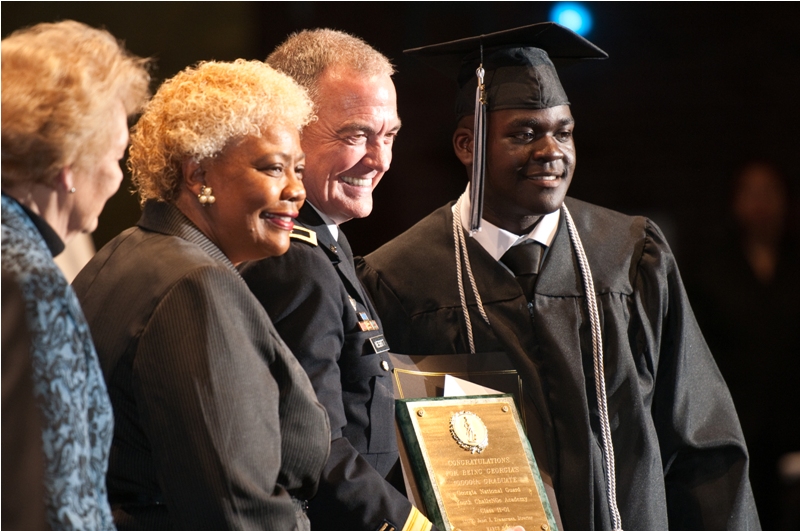 Education is one of the biggest agencies against poverty. Higher education in Georgia has become one of the country’s most powerful means of connecting opportunity, innovation and social mobility. Once limited to the privileged few, university education now opens doors for thousands of young Georgians, and the country’s progress shows that investing in young minds can support national development.
A Decade of Educational Growth
Since Georgia’s independence in 1991, education reform has been a central component of its development strategy. Currently, higher education in Georgia encompasses more than 60 accredited universities, with increasing access for students from rural and low-income families through financial aid and merit programs.
According to the National Statistics Office, the number of students enrolled in higher education institutions increased to more than 138,000 in 2023, a continued climb from the early 2010s. Women make up nearly 56% of enrolled students, highlighting the growing gender equality in education access. This expansion mirrors Georgia’s broader effort to modernize its knowledge-based economy, attract international students and strengthen ties to the European Higher Education Area.
The Link Between Education and Poverty
Higher education is often the turning point between poverty and opportunity. In Georgia, that link is clear. Students from low-income households who complete tertiary education are twice as likely to find formal employment as those without post-secondary training, according to a 2023 World Bank skills report.
Education remains one of the strongest equalizers in a country where regional inequality persists. Rural students, however, continue to face barriers such as limited internet access, travel costs and a lack of preparatory schools. To address this, the government and universities are expanding scholarship programs and digital learning opportunities.
Scholarships and Student Support
Several initiatives now help bridge the gap between poverty and education access.
- Targeted Financial Aid. The Ministry of Education provides need-based grants to students from low-income and internally displaced families. In 2023, more than 6,000 students received tuition support through this program.
- Regional Scholarships. The Millennium Foundation and partner universities fund students from remote areas, encouraging local development through education.
- Private and NGO Programs. Organizations such as the Open Society Georgia Foundation support merit-based scholarships, particularly for women and students with disabilities.
The Bank of Georgia supports education in rural regions through initiatives such as the Ideateka project, which establishes modern educational spaces in regional schools, and the Komarov STEM camp, which provides STEM education to high school students nationwide. The bank also offers online resources and platforms for scholarships and other educational opportunities. These programs show that targeted efforts can make higher education in Georgia more inclusive and effective as a poverty-fighting tool.
Universities as Engines of Growth
Beyond classrooms, universities are becoming innovation hubs that shape Georgia’s economic and civic future. Institutions such as the Georgian Technical University and Ilia State University partner with local industries to create applied research centers, startup incubators and international exchange programs. These partnerships equip students with employable skills and strengthen Georgia’s competitiveness. The European Union’s Erasmus+ program has funded more than 300 Georgian students and faculty annually since 2019, promoting collaboration with European universities and modernizing curricula.
Digital Learning and the Pandemic Effect
The COVID-19 pandemic accelerated online learning in Georgia, exposing challenges but also sparking innovation. Universities developed new e-learning platforms, and the government, with World Bank support, launched projects to expand internet access in rural regions. This digital transition made education more flexible and accessible. For students who once faced financial or geographical barriers, online courses opened new pathways to higher education. This shift has played an important role in promoting inclusion and supporting efforts to reduce poverty.
A Hopeful Future
The story of higher education in Georgia is one of perseverance and progress. Each new graduate represents not just personal achievement but also a step toward national development and a future where education supports economic growth, gender equality and social stability. As Georgia continues to align with European standards and expand access to learning, its investment in higher education remains an investment in its people. By ensuring that opportunities reach every student, Georgia moves closer to reducing poverty through aid and empowerment.
– Salome Jincharadze
Salome is based in Tbilisi, Georgia and focuses on Good News and Politics for The Borgen Project.
Photo: Flickr
