Child Marriage in Haiti: How Poverty Drives Child Marriage
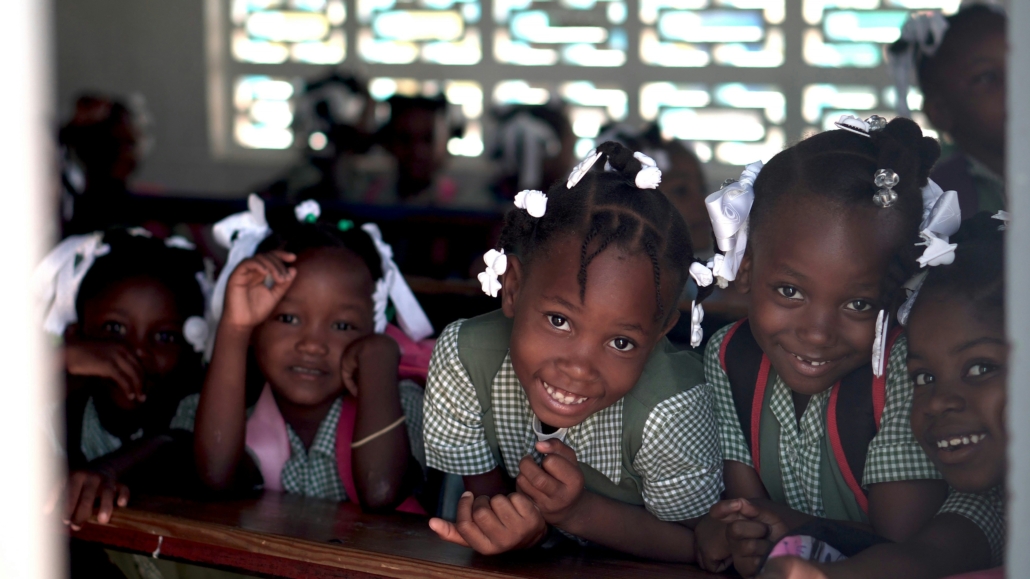 Poverty, gender inequality and insecurity largely drive the ongoing issue of child marriage in Haiti. Haitians face widespread poverty, food insecurity, gang violence and limited access to public services, leaving families with limited options to sustain themselves. This prompts many to marry off their children as a survival strategy. International aid and targeted poverty‑reduction programs work to address the root causes of child marriage in Haiti.
The Prevalence of Child Marriage in Haiti
In Haiti, 15% of girls marry or enter a union before the age of 18 and 2% before 15. For boys, 2% marry before 18. Three main factors drive child marriage: gender inequality, poverty and insecurity. Ongoing security issues such as gang violence, natural disasters and poor economic conditions push families to marry off their children, mainly daughters, as a form of survival and protection. Poverty, political unrest and natural disasters limit access to education and economic opportunities, leaving approximately one million children out of school in 2023 and families with few options for stability. Despite Haiti’s international commitments through Sustainable Development Goals (SDGs) to end child marriage by 2030, the country lacks a national strategy or a minimum legal marriage age without exceptions. Children 15 and younger marry with parental or presidential consent.
Driving Factors: Poverty and Gender Inequality
The age of consent in Haiti is 15 for both genders. Girls may legally marry at 15, and boys at 18. The president may approve marriages under these ages for ‘serious reasons.’ Additionally, if a girl under 14 conceives or either party reaches 18 within 6 months of marriage, the union cannot be annulled.
Widespread poverty and harmful norms contribute to high rates of violence and early marriage. Deeply rooted beliefs about family roles contribute to in-home violence with 73.8% of young women and 69.4% of young men justifying domestic violence. Nearly half of married adolescents aged 15–19 experienced physical, sexual or emotional abuse. A 2012 UNICEF report on Haitian poverty levels found that 58% of adolescents lived in poverty, and currently, more than half the population remains below the poverty line. High rates of violence in child marriages make divorce difficult, trapping many in abusive relationships.
Driving Factors: Gang Violence and Food Insecurity
Gang violence, hunger and poverty create urgent risks for children, including early marriage, sexual exploitation and school dropout. A needs assessment found that nearly half the population facing crisis levels of hunger. Food insecurity and economic hardship are driving parents to resort to child marriages. Low school attendance leaves children exposed to recruitment by armed gangs; estimates suggest that 30–50% of gang members are underage.
Plan International is an organization that is working to protect children from these risks. It provides psychosocial support, child-friendly spaces, nutrition programs, cash transfers and health services. Since July 2022, the organization has scaled up humanitarian assistance in Artibonite and the Northeast Department to identify and support children in need of psychosocial support, particularly unaccompanied or separated children, forcibly displaced children and survivors of sexual and gender-based violence. Plan International has set up child-friendly spaces, provided sociocultural activities such as theatre programs, and increased access to health services.
Plan International has supported more than 25,000 people with cash transfers, enabling them to buy food, pay school fees and meet other urgent needs. These practices aim to protect children from violence and exploitation. Addressing both hunger and insecurity is critical to preventing child marriage and safeguarding the futures of Haiti’s children. Compounded initiatives like this are helpful in reducing child marriage rates in Haiti.
UNICEF’s Initiatives Targeting Root Causes of Child Marriage in Haiti
UNICEF addresses poverty, violence and instability to prevent child marriage in Haiti. The organization expands nutrition services, including treatment for acute malnutrition, micronutrient supplementation, deworming and immunizations, reducing the hunger and malnutrition that push families to marry off their children. UNICEF delivers vaccines and therapeutic food, and ensures access to safe water, sanitation and hygiene. It also strengthens communities and helps lower the risk of disease outbreaks that disrupt education and livelihoods.
The agency promotes safe learning environments by distributing school kits, rebuilding damaged schools and advocating against attacks on education. A nationwide cash transfer initiative helps families enroll children in school and ensures teachers are prepared for the school year. UNICEF also provides psychosocial support and protection services to children experiencing violence, including victims of gender-based violence, unaccompanied and separated children and children associated with armed groups. The organization supports disaster recovery and preparedness, rebuilding water systems and schools and providing cash transfers to vulnerable families. These interventions reduce the economic and social pressures that drive child marriage and help protect every child’s right to a safe and healthy future.
Safeguarding Rights and Futures
Child marriage in Haiti is closely linked to poverty, insecurity and entrenched gender inequality, leaving children particularly vulnerable to marriage, violence and exploitation. Addressing these challenges through education, health care, nutrition and protection programs alongside broader efforts to reduce poverty and instability is essential to safeguarding children’s rights and preventing child marriage in the long term.
– Mollie Skogen
Mollie is based in London, UK and focuses on Politics for The Borgen Project.
Photo: Unsplash
