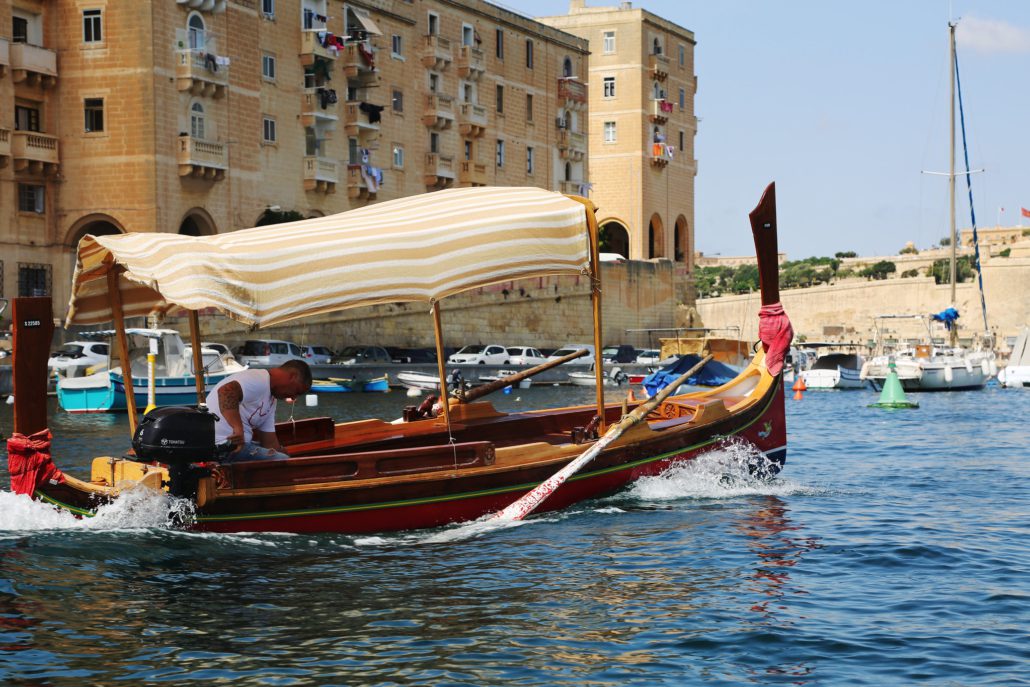
 Malta is a southern European island country located in the Mediterranean Sea. It has a small population of just less than 575,000. However, the country is seeing relatively fast rates of population growth. In 2024, the total net migration into Malta was 6,323, and in total, the population grew by almost 2% that year.
It has relatively low levels of unemployment, malnutrition and food insecurity. However, more work is necessary for the country to meet the Sustainable Development Goals for 2030, which outline the need to work towards achieving zero hunger and poverty.
Luckily, everyone in Malta has access to safe drinking water and sanitation services. However, 3% of the population suffers from malnourishment, and the prevalence of severe food insecurity is 2.1%. As of 2021, 16.7% of the population lived below the national poverty line.
Data from November 2025 shows that the country has a low unemployment rate of just 3.1%, with most of this attributed to youth unemployment, which sits at 11.3%. Malta also has educational participation rates 0.7% lower than the EU27 average, with less than half of those aged 18-69 in any kind of formal or informal training.
These five charities operating in Malta aim to improve living conditions for citizens and help towards reaching the Sustainable Development Goals (SDGs).
1. Foodbank Lifeline Foundation
Reverend Kim Hurst started Foodbank Lifeline Foundation in 2015. It was the first foodbank in Malta, located in its capital, Valletta. Originally, the foodbank operated from the basement of St Andrew’s Scots Church, where the founder was Minister and gave food directly to those in need.
As demand grew, so did Foodbank. In 2018, it became a Foundation, and in 2019, it was registered as a voluntary organization. Now, the Foodbank has multiple distribution points across the island as well as a driver who can collect donations and deliver them to the distribution points. The charity states that in its time in operation, it has provided an average of 16,000 food packs per year, helping feed more than 300 homes.
The Foodbank Lifeline Foundation does great work helping to eradicate the remaining food insecurity and malnourishment in Malta.
2. Fondazzjoni Sebħ
Fondazzjoni Sebħ focuses on the welfare of children and families. It does this by providing residential services to children as well as female survivors of violence and their children. It also provides community services to individuals and families.
The charity has been operating since 1956 (although under different names), but became an officially registered NGO in 2018, becoming Fondazzjoni Sebħ in 2019. Originally, the organization was focused on Children’s Homes, but later started to include survivors of domestic violence in its work. Il-Milja is one of their second-stage shelters for survivors of domestic abuse.
The organization currently houses 12 families, Il-Milja, and 42 children across seven apartments. It is also supporting 75 individuals via their Community Family Service, which focuses on early intervention, support, and preservation of families.
3. The St Jeanne Antide Foundation
The St Jeanne Antide Foundation is a nonprofit organization that focuses on social care. It provides professional support services to vulnerable individuals and families. Since 2007, it has been carrying out street outreach to bring care as close to where families are already located as possible. The services offered by the foundation are:
- A Charity Shop: The volunteer-run shop helps to raise funds for services and acts as a pick-up point for families facing financial hardship.
- SOAR: SOAR is a survivor-led service to help people rebuild their lives after facing violence in an intimate relationship. It prioritizes inclusion, peer support, appreciation for lived experience and social justice.
- LWIEN: This service provides support for family members caring for someone suffering from a mental illness or dementia. It provides individual and family consultations, social work support, self-help literature and access to the St Jeanne Antide Foundation emotional freedom service.
The St Jeanne Antide Foundation has helped as many as 5,253 families and 9,641 individuals since commencing its work in 2007. It now has as many as 79 active volunteers who continue to provide compassionate support to vulnerable people.
4. The Migrant Women Association Malta
The Migrant Women Association is one of the charities operating in Malta that aims to help refugees, migrants and asylum seekers integrate into society in Malta. The charity began work in April 2015. It supports, advises, promotes, collaborates with, listens to and defends the women it works with.
The World Health Organization (WHO) states that “Social cohesion does not happen instantly and is not a one-sided effort. Adapting to a new culture, language, system, climate, and environment is only one aspect of it. Local communities play an important role in integrating refugees and migrants, which is essential for achieving health equity.” Given the high rate of population growth in the country and the WHO’s statement, it is clear that this charity has an important task.
Currently, the organization is working with Women Without Borders and has its own projects that aim to teach women skills and help to provide them with employment opportunities. Its projects include:
- SAĦĦA Community Kitchen Project: This aims to empower migrant women via a catering project in which cuisine from the different cultures of those involved will be served to those in Malta.
- IT Literacy Skills for Job Compliance Project: This project aims to provide participants with digital and technological literacy skills, such as computer literacy and IT security, opening up more job opportunities for these women.
- Emergency Response Support Project: This responded to the needs of migrant women who found themselves particularly vulnerable to health crises caused by COVID-19.
5. FIDEM Foundation
The FIDEM Foundation is another of these five charities operating in Malta that provide services relating to education. But, unlike the Migrant Women Association, it is the main focus of this charity.
The FIDEM Foundation aims to improve the rate of educational participation among adults in Malta. It started providing education, well-being guidance and access to arts and culture in 2018. It aims to provide support and empowerment, and promote wellbeing and fulfilment.
Its Educate to Empower Programme provides vocational assistance to vulnerable women and funds educational courses and materials. If required, it also provides psychological support services alongside emotional support.
Skill Up is another of the Foundation’s projects; this is a year-long course that aims to bridge the gender education gap in Malta. It covers English Literacy, computer literacy, and emotional literacy workshops. The course is free and provides participants with an official certificate once it is completed.
The Bigger Picture
These five charities operating in Malta work to help reduce educational gaps and reduce rates of malnourishment, unemployment and poverty. They have all had a positive impact on vulnerable people in Malta, helping improve their social standing. Their continued work will help Malta reach the Sustainable Development Goals (SDGs).
– Ryan Cowen
Ryan is based in Brighton, UK and focuses on Good News and Politics for The Borgen Project.
Photo: Flickr

Elderly Poverty in Montenegro
The trend of a fast-aging population is concentrated in the country’s rural northern municipalities, which are home to more than half of Montenegro’s poor population. This rise is due to a stagnating birth count, increased life expectancy and a growing trend in young people moving away from the country – resulting in a reduced population base for reproduction.
The increase in an aging population is predicted to continue: by 2050, the UN estimates that 30% of the nation’s population will consist of older persons (people who are above the age of 65).
This article will identify some of the key causes of elderly poverty in Montenegro, what elderly poverty in Montenegro looks like and what solutions the Montenegrin government is rolling out to try and combat elderly poverty in a country whose population is rapidly aging.
Key Issues That the Elderly in Montenegro Face
Older and elderly people are already among the nation’s vulnerable, and a vast majority of them live in the most rural areas of the country – particularly in the nation’s north, where urbanization has been slower to progress.
The Red Cross of Montenegro has reported that many elderly and older persons are increasingly isolated from younger family members and the youthful population. The youth of Montenegro are more inclined to move away from rural areas towards the cities in the south, or are likely to seek opportunity further afield – through travel, work or study abroad. As a result, elderly and older citizens are increasingly cut-off from opportunity and resources: older persons living in poverty in Montenegro’s rural areas have less access to social transport options, are less likely to access medical services and are less able to rely on assistance from younger people.
The elderly living in poverty are thus at risk of a lack of community, as the physical and social gap widens between this age group and younger generations. As the elderly population’s physical mobility becomes reduced, the logistics of travelling from place to place becomes more restricted, particularly in rural areas where transport options are few and far between.
One can see the roots of elderly poverty in Montenegro in the wider context of poverty within the country. In October 2025, Marina Medojević, President of The Food Bank – one of Montenegro’s many NGOs committed to tackling domestic poverty – stated that one-fifth of the country’s population lives in poverty. Medojević emphasized that the nation’s most vulnerable groups – including ‘‘the unemployed, sick, and elderly” – feel the effects of poverty the sharpest.
Government Efforts
Poverty affects a large percentage of Montenegro’s population, but elderly poverty is particularly an issue, as the population of older persons increases and many of them exist on a very low income. More than half of retirees in Montenegro are surviving on minimum benefits – an income that is less than half the average salary. Moreover, many elderly and older persons rely on the material support (MO) benefit, which UNICEF has reported to be “inadequate for households which rely solely on this program as their source of income to meet their basic needs.”
As the government of Montenegro works towards gaining EU membership, some are calling for it to treat elderly poverty in Montenegro as a priority when it comes to modernizing social systems. The government has already taken steps to address elderly poverty in Montenegro:
In 2024, responding to the pressures to increase social benefits for older and elderly citizens, the government raised minimum monthly pension benefits to EUR 450 – more than doubling the previous allowance. The Montenegrin government increased social transfers from 11% of total GDP in 2021 to 13.8% in 2024, demonstrating an effort to reform some of the social systems that protect vulnerable citizens, including the elderly. The government has also invested in constructing residential homes for the elderly, in order to meet the increasing demand due to the rate of growth of the elderly population.
The Red Cross’ Work
Other organizations, such as the Red Cross, help target the issue of elderly poverty and elderly isolation in Montenegro, by facilitating home care and social clubs. As part of its social clubs, the Red Cross connects elderly people with experts across many different fields – including doctors, psychologists and lawyers – to provide them with advice and opportunities to keep learning and to benefit their health and wellbeing.
UNDP and Local Programs
The United Nations Development Programme (UNDP) also supports local programs aimed at supporting the elderly population of Montenegro. This includes the Andrijevica Retirees Association, who were able to start the “Veterans” project with funding from the EU. This project promoted social activities in the local community for older persons, focusing on fostering wellbeing and improving quality of life for the elderly. The “Veterans” project further sought to make information about health care facilities more accessible for elderly citizens living in Andrijevica, a small town in the nation’s north.
Moving Forward
Many organizations are still calling for further action to occur. In its Social Protection Situational Analysis of 2022, UNICEF reported that “the country will need to further improve its poverty-targeted programs,” and that the “financing of social services has been low and a minimum level of services cannot be guaranteed…which will only be exacerbated by an aging population requiring long term care.” This analysis predicts that greater demand will lead to greater strain on Montenegro’s social services, if the government does not implement reforms to prevent this.
– Anna Clare
Photo: Flickr
Surpassing WHO’s Goal To Eliminate Cervical Cancer in Rwanda
Rwanda is a country in East Africa with a population of around 14.26 million people. Famous for its scenery, exceptional tea and coffee, rich culture, and wildlife. Despite these positive reinforcements, Rwanda struggled for a long time with its health system and keeping women in Rwanda safe against certain diseases, particularly cervical cancer.
In the late 2000s, cervical cancer became a major health concern for people living in Rwanda because life expectancy for people grew, and non-communicable diseases (NCDs) were more prominent. With this in mind, cervical cancer became a high priority to stop in Rwanda, and it became the first country in Africa to launch free HPV (Human Papillomavirus) vaccination in 2011. The steps that government and health care workers are taking, and have taken, have given Rwanda the ability and steps to stay on track with Mission 2027.
Mission 2027, also known as the Accelerated Plan for Cervical Cancer Elimination 2024-2027, is just how it sounds. It is a national strategy to eliminate cervical cancer three years before the World Health Organization’s goal for the world by 2030. This program includes expanding vaccination, having advanced screening and improving access to treatment.
History of Cervical Cancer in Rwanda
Cervical cancer is the most common cancer that exists in women in Rwanda, followed by breast and stomach cancer. According to the WHO, cervical cancer ranked fourth for the most common cancer in women in 2022. In 2023, the Global Cancer Observatory estimated 866 new cases of cervical cancer, with 609 deaths.
Some of the most difficult steps in eliminating this disease are getting women to screen for the disease, not just getting the vaccination. One of the biggest blockades of this was the 1994 genocide that left the health system of Rwanda in shambles.
The genocide had an estimated 800,000 people murdered, in the span of 100 days, including the majority of health care workers, like doctors and nurses, who either died or fled the country. This incident hurt an already struggling country with its health care, especially during a time where their rates of cervical cancer were growing and are continuing. The use of wartime rape as a method against women did not help the growing numbers of cervical cancer and HIV.
Ever since this incident, the Rwanda government has been working towards rebuilding the health care system and prioritizing health for people. Cancer care for people in Rwanda is continuing to grow with the opening of the Butaro Cancer Center of Excellence that was on July 1, 2012, from the collaboration with Partners in Health (PIH).
This service originated because there were not a lot of available cancer treatments in Rwanda for women to go to, along with a lack of treatment for women who received diagnoses. Taking the steps toward Mission 2027 has the ability to keep Rwandans grounded and help younger women stay healthier and get the treatment and care that they need.
Poverty and Cervical Cancer
Before the Rwandan genocide happened, the health care system of Rwanda was extremely weak. The hospitals that already existed were too expensive for the average citizen and were not located where the majority of people lived, which is the rural regions.
After the Rwandan genocide, the Rwanda health care system became more strained and almost too far gone. The genocide destroyed more than 80% of the health infrastructure along with most doctors fleeing the country or dying in attacks. The genocide interrupted vaccinations and prenatal care, along with many other programs, and had little to no coverage.
Despite the hardships that Rwanda faced after the genocide, health care became pushed to the front for the public and the government. According to an article from Harvard, the use of genocidal rape increased the spread of HIV/AIDS and cervical cancer, which brought to light the lack of clinicians who could address the health issues on the ground.
Rebuilding the Health Care System in Rwanda
The RPF-led government rebuilt the shattered health care system of Rwanda. RPF, which stands for the Rwandan Patriotic Front, prioritized the training and provision of local health care workers in each of Rwanda’s villages. Ever since the RPF pushed their focus for creating a more stable health care system, vaccinations for cervical cancer have increased to more than 90% coverage for girls.
Rwanda has continued to maintain this high number of vaccinations since 2011, along with implementing a system where four health care workers are elected in each of the 15,000 villages in Rwanda. The RPF even prioritized the building of rural health centers, where the majority of people in Rwanda live.
All of these changes and developments occurred with the establishment of Mutuelle. Mutuelle offers insurance at an average U.S. cost of $2 with a guaranteed out of pocket cost of up to 10%. This number changes for the wealthier in the country, but Mutuelle covers 91% of Rwandans, compared to less than 7% of the population in 2003.
Steps To Eliminate Cervical Cancer
According to the International Agency for Research on Cancer (IARC), the World Health Organization launched a plan entitled 90-70-90 as part of Mission 2027 to eliminate cervical cancer by 2030:
Once a country reaches a certain threshold of cervical cancer cases being below four per 100,000 women to years, that is when a country is considered to have eliminated cervical cancer.
Mission 2027 has already passed many milestones; 93% of girls in Rwanda are vaccinated, 31% of women screened and 81% of women with precancerous lesions and cervical cancer are receiving treatment.
Despite the setbacks that Rwanda has faced over many years, these setbacks are what is keeping Rwanda on the right track to accomplishing Mission 2027. Rwanda continues to showcase its resilience and passion for helping its people and keeping its health system up to date. With the perseverance of the government in Rwanda, and working closely with the WHO and many hospitals, women are at a point where they can get the help that they need and keep their health taken care of.
– Elizabeth Fryer
Photo: Unsplash
Everything To Know About Poverty in the Maldives
Recent Progress
Over the last decade, there has been a significant decline in poverty in the Maldives. From a 65% poverty rate in 2009 to an 11.7% poverty rate in 2016, improving quality of life due to flourishing tourism characterized the pre-pandemic Maldivian economy. Its ‘enclave economy’ means that each island has a specific use, for example, some islands are restricted to resorts, while others are strictly for certain industrial activities.
Alongside this, policies like mandating that at least 51% of a resort’s workforce must be Maldivian have resulted in a growth of the tertiary sector and an increase in wage employment. Not only have these developments significantly grown government revenue, but they have also improved the quality of life of most Maldivians. This is due to a greater number of households experiencing a stable source of income and growing welfare policies from the government. In fact, the government has strived to redistribute this wealth through infrastructure investment, like airports and public housing.
Despite great economic progress in recent years, the COVID-19 pandemic revealed how fragile the Maldivian economy is; travel bans as a result of the pandemic caused a fall in real GDP by 33.6% in 2020, showing how the country’s economy was reliant on international tourism. In fact, resort-based tourism contributes to approximately 23% of GDP, meaning that it is at the mercy of factors beyond its control.
Environmental Threats
Tourism is not the only external factor threatening the economic stability of the Maldives; due to the islands’ low elevation above sea level, the country is extremely vulnerable to changing weather patterns. For example, a tsunami in 2004 caused damages worth 62% of GDP alongside unquantifiable damages like soil erosion and damage to fisheries, which had long-term effects on the recovery of the economy.
The unpredictable and inescapable nature of such events poses a constant threat to the Maldivian population. As a result, the Maldivian government has adapted its policies to strive for long-term security against these issues. An example of this, which the 2005 tsunami reinforced, is the construction of Hulhumalé, an artificial island currently being built 8 km from the capital city. With this, the government hopes to not only reduce overcrowding in Male, but also protect residents from the threat of coastal erosion – a dilemma that many smaller atolls are currently facing. With the Housing Development Corporation capping house prices and the coastline set 2 meters above sea level, its residents are protected from both economic and geological dangers.
On top of government policies, many NGOs have also contributed to assisting those living in poverty in the Maldives. For example, the Maldivian Red Crescent, founded in 2009, is the largest humanitarian organization in the Maldives, striving to protect the population from the socioeconomic challenges that arise from natural disasters. In 2024, it took significant steps in enhancing its emergency response resources, like organizing Anticipator Action workshops and signing a grant contract with the Japanese Embassy for the provision of emergency support vehicles. In fact, one can see the extent of its success in the Maldives through its recognition as an official member of the International Federation of Red Cross and Red Crescent Societies in 2011.
Geographical Inequality
The greatest factor that seems to be limiting the reduction of poverty in the Maldives is the socio-economic disparity between the capital Male’ and the atolls. Although all Maldivians have access to basic health care and education, the more advanced facilities are located in the capital, creating inequalities that translate to poorer job prospects and thus income disparity. In fact, approximately 10% of Maldivians in atolls are living under the international poverty line compared to only 1% in Male’.
Not only is there inequality between Male’ and the atolls, but even between the atolls themselves, some clusters experience much higher levels of poverty than others. For example, some atolls rely on fisheries as their main source of income, yet their profitability is limited by their poor infrastructure, such as a lack of storage and processing facilities. Even when considering non-monetary metrics, there is a clear disparity between the islands; Maldivians living in the atolls experience fewer years of schooling and lack access to basic resources like safe drinking water and sewer systems.
Therefore, despite the responsiveness of the Maldivian government to the challenges faced, it continues to be an economy at the mercy of geographic and environmental factors. Furthermore, inequality between Male’ and the atolls is the main factor limiting the government’s ability to eliminate poverty in the Maldives.
– Vittoria Cortese
Photo: Flickr
How Foreign Aid Cuts Hurt Global Poverty Reduction
The Reversal of Aid Growth and Its Immediate Effects
Between 2018 and 2023, foreign aid from high-income countries grew by approximately 6% annually, signaling a fragile commitment to global poverty reduction. However, this momentum has now reversed. Across the United States and Europe, governments are rescinding foreign aid commitments and scaling back international relief programs in favor of increased defense spending. According to the Council on Foreign Relations, official development assistance has fallen by as much as 22% as countries reallocate resources from social investment to military priorities.
In the United States, this shift has been particularly stark. Cuts to traditional foreign assistance programs, proposals to eliminate long-standing aid mechanisms and the use of pocket vetoes on appropriated funds have weakened development institutions. These reductions have occurred alongside an estimated $1 trillion surge in U.S. defense spending, highlighting a broader policy realignment away from poverty-focused engagement abroad. While defense budgets have expanded, funding for health care, food security and humanitarian relief in low-income countries has contracted, placing vulnerable populations at heightened risk. This reallocation demonstrates how foreign aid cuts hurt global poverty reduction as essential resources for health and food security are withdrawn.
The Debt Crisis and Vulnerabilities in Developing Countries
The timing of these foreign aid cuts has raised concerns. A 2025 briefing paper by the Finnish Institute of International Affairs warned that more than 50 low-income countries faced a high risk of sovereign default due to post-pandemic borrowing, rising global interest rates and declining access to concessional financing. As debt servicing costs rise, governments often divert funds away from education, health care and social protection, investments essential for reducing poverty. This dynamic threatens to reverse decades of progress against extreme poverty and widen global inequality.
The U.S. retreat from foreign assistance has amplified these pressures. The FIIA briefing describes recent aid retrenchment as part of a broader global development crisis, noting that cuts to humanitarian and democracy assistance have destabilized international relief systems on which millions depend. European governments have mirrored this trend by redirecting aid budgets toward domestic priorities and defense, further shrinking the global pool of resources available to fight poverty. When combined with the debt crisis, the evidence shows that foreign aid cuts hurt global poverty reduction by leaving fragile economies without a vital safety net.
Foreign aid has become increasingly politicized. In the United States, development assistance is often portrayed as wasteful and disconnected from taxpayers’ needs. CFR argues that aid advocates have struggled to maintain public support by emphasizing moral obligation rather than strategic value (CFR, 2025). As a result, foreign aid is vulnerable to cuts during periods of political polarization, making sustained investment in poverty reduction more difficult to defend.
A Shift From Aid to Investment
Not all forms of international engagement have declined. Funding for the U.S. International Development Finance Corporation increased by approximately 280%, reflecting a shift toward investment-driven development approaches.
While such tools can stimulate economic growth, experts caution that they cannot replace poverty-focused aid and humanitarian relief programs designed to directly reach the world’s poorest populations. Financial and capital investments should be supported by targeted efforts that have historically been delivered via NGOs, nonprofits and collaborative philanthropic work. This distinction is important because many investment tools are return-driven, while humanitarian and nonprofit programs prioritize poverty reduction outcomes.
The Center for Global Development warns that reductions in U.S. funding threaten multilateral development banks and sector-specific programs that play a critical role in combating poverty. Concessional finance windows and institutions such as the World Food Programme and global health funds provide lifeline services that stabilize fragile economies and protect vulnerable communities. When these programs are disrupted, food insecurity, disease and economic instability rise, conditions that deepen poverty and increase long-term development costs.
Political Pressures and the Path to Recovery
Foreign aid also serves broader strategic goals. The CFR identifies three core objectives for effective assistance: preventing crises abroad that threaten the U.S. homeland, competing with geopolitical rivals through soft power and strengthening supply chains that support economic stability. Cuts to foreign aid weaken U.S. influence, create openings for rival powers and increase the likelihood of economic shocks that can affect American consumers.
Perhaps the most concerning issue is the long-term impact of sustained aid retrenchment. The CFR cautions that the deeper and longer foreign assistance budgets are cut, the harder it becomes for future administrations, regardless of political affiliation, to justify restoring them. As institutions lose capacity and partnerships erode, rebuilding effective poverty reduction programs becomes increasingly difficult and costly. This institutional decay shows how sustained foreign aid cuts hurt global poverty reduction by dismantling the architecture needed to fight it.
Looking Ahead
The debate over foreign aid reflects broader questions about global responsibility and international engagement. Without renewed commitment and clearer accountability, continued reductions risk entrenching deeper global poverty and increasing the long-term costs of inaction.
– Christopher Pellant
Photo: Flickr
The Porridge Mums: Community-Led Hunger Relief in Nigeria
With the support of Action Against Hunger, groups of Porridge Mums work in units across Africa. They operate in areas where nutrition is particularly scarce, with a mission to provide women and children with a single daily meal of porridge.
Food Scarcity in Borno State and Response
Borno State, Nigeria, has been particularly vulnerable since 2009 as a result of the Boko Haram insurgency. Because of the resulting insecurity, Borno has one of the highest numbers of internally displaced persons (IDPs) in the country. In addition to this large displaced population, Borno State also faces severe food insecurity.
According to the World Food Program (WFP), 5.8 million Nigerians living in Borno and two other states face food insecurity in 2026. This is why community-led hunger relief programs for mothers and children in Nigeria, such as the Porridge Mums, are so important. Groups like the Porridge Mums are vital to survival amid the food insecurity that comes with conflict.
Impact of USAID Budget Cuts
While many people recognize the importance of feeding vulnerable populations, grassroots groups like the Porridge Mums sometimes fall through the cracks of the system. Because the Porridge Mums rely on funding from Action Against Hunger, any USAID budget cuts can directly affect the availability of meals for mothers and young children in Nigeria.
Action Against Hunger is a global charity run by a larger organization called Global Impact. Global Impact is a “trusted philanthropy advisor” to several nonprofits.
Funding for Action Against Hunger is vital to the Porridge Mums and other community-led hunger relief programs for mothers and children in Nigeria. While these efforts are grassroots, scaling and implementation require some capital to succeed. Funding enables the mothers who run these operations to purchase ingredients, secure facilities for meal preparation and manage the logistics needed to deliver food to those in need of sustenance and comfort.
The Future
It can sometimes feel unnecessary to explain the need for nutrition relief programs. However, many of these programs benefit from outside funding, even if it is not widely advertised. For instance, for the Porridge Mums to provide hot meals across Borno State, there needs to be sufficient usable kitchen space and transportation.
While the mothers may theoretically have these resources, they may not have enough resources to scale the program in a meaningful way. This means they either would not be able to provide daily meals or the reach wouldn’t be very far. The good news is that the Porridge Mums are still operating, even with USAID cuts. The less encouraging news is that the hunger crisis in Borno, Nigeria, is not reducing.
With resources becoming more limited, this presents a challenge. Fortunately, restoring funding for these women and children is not a futile effort.
– Nicole Miller
Photo: Flickr
Trained Local Health Professionals in Developing Nations
However, these issues have shown to decrease in developing nations that have had access to trained local health professionals, marking their importance. Western countries, such as the U.K. and the U.S., must make contributions to the increase in trained local health professionals in developing nations. One way to do so is through health organizations that provide training, such as Health Volunteers Overseas (HVO).
Danielle Stonehirsch, Manager of Communications and Donor Relations at HVO, recently spoke with The Borgen Project to demonstrate the importance of trained local health professionals and answer questions about the concept.
The Importance
The uneven global distribution of health care workers has left many developing nations without enough trained local professionals. This shortage places a heavy burden on public health, resulting in reduced access to treatment and higher rates of illness. While developed nations, such as the U.S. and the U.K., attempt to provide aid to developing countries, much of this support consists solely of medical supplies rather than trained health care professionals.
According to Stonehirsch, this approach is problematic because the absence of skilled professionals can lead to the misuse or complete underuse of donated equipment, ultimately depriving patients of proper care. She cites an internal medical project run by HVO in Nepal, where a physician facilitated the donation of multiple bedside ultrasound machines.
Without proper training, local staff may have been unable to use the equipment effectively. However, the physician, along with other volunteers, established regular in-person visits and ongoing online mentorship to train multiple hospital departments. As a result, local health care workers can now use the machines to save lives and educate students and colleagues on their operation.
Local health professionals hold importance as they understand the patients’ language and culture, which allows for greater trust from patients and enhances the effectiveness of treatment. Hiring local professionals in developing nations may also be economically beneficial, as it creates more job opportunities for those in impoverished areas. Additionally, according to Stonehirsch, trained health care providers who are sent from developed nations (rather than being locally trained) must eventually return to their own country. Once they do so, the areas they were serving no longer receive the much-needed assistance.
How Local Health Professionals Have Benefited Countries in the Past
Trained local health professionals have greatly benefited developing nations in the past. In Honduras, Liberia and Kenya, they were responsible for multiple tasks, including ensuring access to care, improving equity, alleviating disease and more. Twenty-four countries in sub-Saharan Africa, representing 80% of the region, relied on these professionals for risk communication, surveillance and testing.
HVO has worked extensively in regions including Africa, Asia, Latin America, Haiti, St. Lucia and Georgia, building long-term partnerships with hospitals, clinics and universities. Stonehirsch shared with The Borgen Project an example from an HVO hand surgery initiative. In this project, a volunteer met a young surgeon with an interest in hand surgery.
Although the volunteer’s expertise was in pediatrics, she encouraged him to specialize in pediatric hand surgery and trained him alongside several colleagues who formed a dedicated team. He went on to become the first pediatric hand surgeon in his country. HVO volunteers also trained the only hand therapist in Ghana, who is now teaching others across the country.
This illustrates how developing nations can benefit from trained local health professionals. The organization also offers virtual options, including Zoom lectures, mentorship, online resources and more, as well as scholarships to support partners’ travel to other countries. Its volunteers are always available to partners through texting, emailing and calling.
What Can Be Done
Multiple steps are required to ensure an adequate distribution of trained local health professionals in developing nations. This includes collaboration between the United Nations and the World Health Organization to develop policies that support the training of health care workers in these countries, as well as strategies to retain them. As one report notes, this involves “solutions to retain more health care workers, as many seek to migrate to other countries where social and economic conditions are more favorable for work and living.”
It is also important for health programs to recognize this issue and actively contribute to increasing the number of trained local health professionals in developing nations. “More organizations need to invest in long-term, sustainable solutions,” Stonehirsch says. While several organizations, such as HVO, have acknowledged the problem, they often require support from additional partners to expand their impact.
For HVO, increasing training opportunities requires both time and financial resources, making volunteers and donors essential to program growth. The organization currently trains about 3,100 health care providers each year. “I would love to see that number double,” Stonehirsch adds. “Each of those individuals then becomes capable of teaching others.” As more people donate and volunteer, opportunities to strengthen local health care capacity continue to grow.
When asked why some countries require support from organizations like HVO, Stonehirsch explained, “In many low-resource areas, hospitals and clinics are understaffed and providers are working hard to care for many, many patients. That often leaves little to no time to teach and mentor interns, residents and younger colleagues.”
As a result, early-career professionals often leave to practice in other countries rather than returning to their home countries. Expanding local opportunities increases the likelihood that these professionals will stay and contribute to their communities.
– Renata Hirmiz
Photo: Unsplash
Dangerous Diseases Impacting Djibouti
Diseases Impacting Djibouti
Diseases impact the majority of communities in Djibouti. These are examples of some of the most severe illnesses harming vulnerable members in society. Both communicable and non-communicable diseases are threatening.
How Effective Is Medical Care in Djibouti?
Health centers are limited. This is attributed to a lack of staff and resources, which impacts Djibouti’s health care system. Medical systems are strained from pressure and the heavy disease rate.
There is a substantial divide in medical care between rural and urban areas. Urban areas are more likely to have a stronger infrastructure and more funding. Djibouti has 66 medical centers and most of them are located in the capital, Djibouti City. Peltier Hospital is the biggest hospital there, which is not only a place to treat disease, but also home to medical discoveries as research takes place there.
Poverty in Djibouti
A main cause of Djibouti’s hardships is because of poverty, which one can see through its medical care. Even though public health care costs less and is easier for people to access in Djibouti compared to private health care, there are lengthy wait times and staff shortages. Meanwhile, private health care has shorter wait times and more advanced staff.
About 79% of people in Djibouti live in poverty but 42% live in the most extreme conditions. Health care is a constant battle due to people lacking income and having a constant threat of disease. As private health care is more costly, most of the population cannot afford it.
Malaria and Genetically Engineered Mosquitos
Malaria is an ongoing issue in Djibouti. In the year of 2012, 27 cases took place but over the following years to 2020, it has dramatically grown to above 73,000.
These statistics show how malaria is an increasing issue. Malaria is spread when a mosquito is infected and bites a living organism. This is not communicable, but the infection spreads in the blood stream. The cycle continues as a mosquito will bite the infected person and it resumes. In rare cases, people can catch it through blood transfusions.
In 2024, tens of thousands of genetically engineered mosquitos were created to mitigate the spread of infection thanks to Oxitecs Friendly™. The male mosquitos carry a gene that kills the female mosquitos, reducing malaria. Only female mosquitos carry the disease, so reducing them mitigates the spread of malaria.
HIV and Mobile Brigades
More than 1% of local people are diagnosed with HIV. This is classed as a high rate, underlining the conditions people of Djibouti experience daily. This chronic condition is a virus, that harms the immune system.
HIV passes from person to person through close contact with bodily fluids. Unfortunately, there is no current cure, but treatment can help. If it is not quickly treated, it can develop and become more serious.
Djibouti faces the harshest realities of poverty and this heightens HIV rates. Due to a lack of funding and awareness into health care, more people will unfortunately suffer. Women are more vulnerable to this because they are fearful to reach out for help to help end HIV. This is because of the negative stigma attached to HIV/AIDS.
However, new developments are emerging to reduce the negative stigma. One example is mobile brigades. These are vehicles with medical professionals that go to communities, test for HIV and bring awareness. In 2019, they raised awareness of HIV/AIDS to about 26,000 people who were at risk. Additionally, the mobile brigades provided 6,000 tests and treatment to 2,900 people.
Addressing Cholera
Another of the diseases impacting Djibouti is cholera. Cholera is a disease that is bacterial and passes through contaminated food sources. Cholera can cause stomach pain, sickness, dehydration and death in some severe cases.
The latest cholera outbreak that Djibouti considered a threat was in 1893. However, the country continued to view cholera as high risk in 2007, and it is significantly dangerous for children. This is because children with cholera often do not show symptoms and fatalities can come about quietly.
UNICEF is implementing WASH interventions in several countries across the globe to eliminate cholera and Djibouti is one of its target countries. Some strategies include implementing reliable and safe water sources and medical treatments, and improving hygiene practices.
The Impact of Tuberculosis
There are around 40 to 499 cases every 100,000 people of the Djibouti population. Tuberculosis is a bacterial infection that is passed from one infected person to the other. This occurs through direct encounters as people can get it through contact with a contaminated person.
The statistics show that this disease is a persistent problem. This is reflected through safety information, as travelers are advised to do screening for their safety and others. This highlights the importance of medical care. Fortunately, it is a curable disease, although if not treated, it can be fatal.
The Prevalence of Hepatitis B
Hepatitis B is a virus that can cause liver issues and is another of the diseases impacting Djibouti. Depending on its severity, it can either be short term or long term. Hepatitis B is spread through bodily fluids or infection spread through blood.
Many see Hepatitis B as a prevalent issue because there is no cure. However, vaccines and treatments can reduce the possibility of Hepatitis B. According to recent data, out of every 100,000 people of the population of Djibouti, 1,044.47 people are diagnosed with Hepatitis B. The statistic is considered high. Sometimes people can be a carrier of it without their knowledge, making it more dangerous.
Looking Ahead
Overall, disease impacts all parts of life in Djibouti. With the hardships of natural disasters and lack of funding, poverty still continues to be the main issue. Funding gives access to medical care and education, and a better life for people of Djibouti. However, with more awareness, this can happen. The new medical achievements show a more positive future for the Djibouti nation.
– Daisy Maidment
Photo: Wikimedia Commons
5 Charities Operating in Malta
It has relatively low levels of unemployment, malnutrition and food insecurity. However, more work is necessary for the country to meet the Sustainable Development Goals for 2030, which outline the need to work towards achieving zero hunger and poverty.
Luckily, everyone in Malta has access to safe drinking water and sanitation services. However, 3% of the population suffers from malnourishment, and the prevalence of severe food insecurity is 2.1%. As of 2021, 16.7% of the population lived below the national poverty line.
Data from November 2025 shows that the country has a low unemployment rate of just 3.1%, with most of this attributed to youth unemployment, which sits at 11.3%. Malta also has educational participation rates 0.7% lower than the EU27 average, with less than half of those aged 18-69 in any kind of formal or informal training.
These five charities operating in Malta aim to improve living conditions for citizens and help towards reaching the Sustainable Development Goals (SDGs).
1. Foodbank Lifeline Foundation
Reverend Kim Hurst started Foodbank Lifeline Foundation in 2015. It was the first foodbank in Malta, located in its capital, Valletta. Originally, the foodbank operated from the basement of St Andrew’s Scots Church, where the founder was Minister and gave food directly to those in need.
As demand grew, so did Foodbank. In 2018, it became a Foundation, and in 2019, it was registered as a voluntary organization. Now, the Foodbank has multiple distribution points across the island as well as a driver who can collect donations and deliver them to the distribution points. The charity states that in its time in operation, it has provided an average of 16,000 food packs per year, helping feed more than 300 homes.
The Foodbank Lifeline Foundation does great work helping to eradicate the remaining food insecurity and malnourishment in Malta.
2. Fondazzjoni Sebħ
Fondazzjoni Sebħ focuses on the welfare of children and families. It does this by providing residential services to children as well as female survivors of violence and their children. It also provides community services to individuals and families.
The charity has been operating since 1956 (although under different names), but became an officially registered NGO in 2018, becoming Fondazzjoni Sebħ in 2019. Originally, the organization was focused on Children’s Homes, but later started to include survivors of domestic violence in its work. Il-Milja is one of their second-stage shelters for survivors of domestic abuse.
The organization currently houses 12 families, Il-Milja, and 42 children across seven apartments. It is also supporting 75 individuals via their Community Family Service, which focuses on early intervention, support, and preservation of families.
3. The St Jeanne Antide Foundation
The St Jeanne Antide Foundation is a nonprofit organization that focuses on social care. It provides professional support services to vulnerable individuals and families. Since 2007, it has been carrying out street outreach to bring care as close to where families are already located as possible. The services offered by the foundation are:
The St Jeanne Antide Foundation has helped as many as 5,253 families and 9,641 individuals since commencing its work in 2007. It now has as many as 79 active volunteers who continue to provide compassionate support to vulnerable people.
4. The Migrant Women Association Malta
The Migrant Women Association is one of the charities operating in Malta that aims to help refugees, migrants and asylum seekers integrate into society in Malta. The charity began work in April 2015. It supports, advises, promotes, collaborates with, listens to and defends the women it works with.
The World Health Organization (WHO) states that “Social cohesion does not happen instantly and is not a one-sided effort. Adapting to a new culture, language, system, climate, and environment is only one aspect of it. Local communities play an important role in integrating refugees and migrants, which is essential for achieving health equity.” Given the high rate of population growth in the country and the WHO’s statement, it is clear that this charity has an important task.
Currently, the organization is working with Women Without Borders and has its own projects that aim to teach women skills and help to provide them with employment opportunities. Its projects include:
5. FIDEM Foundation
The FIDEM Foundation is another of these five charities operating in Malta that provide services relating to education. But, unlike the Migrant Women Association, it is the main focus of this charity.
The FIDEM Foundation aims to improve the rate of educational participation among adults in Malta. It started providing education, well-being guidance and access to arts and culture in 2018. It aims to provide support and empowerment, and promote wellbeing and fulfilment.
Its Educate to Empower Programme provides vocational assistance to vulnerable women and funds educational courses and materials. If required, it also provides psychological support services alongside emotional support.
Skill Up is another of the Foundation’s projects; this is a year-long course that aims to bridge the gender education gap in Malta. It covers English Literacy, computer literacy, and emotional literacy workshops. The course is free and provides participants with an official certificate once it is completed.
The Bigger Picture
These five charities operating in Malta work to help reduce educational gaps and reduce rates of malnourishment, unemployment and poverty. They have all had a positive impact on vulnerable people in Malta, helping improve their social standing. Their continued work will help Malta reach the Sustainable Development Goals (SDGs).
– Ryan Cowen
Photo: Flickr
Vocational Education and Training in Samoa
In the case of Samoa, high levels of general education coupled with a limited amount of formal employment opportunity can be a conundrum. While Samoans are well educated, for many years the country lacked a structured system of job training that aligned education with local labor market needs. As a result, young people often moved overseas where larger economies rewarded their existing skillsets.
Although migration has declined slightly in recent years, Samoa continues to expatriate more people than it gains. Because of this, the country maintains one of the largest overseas diaspora populations in the Pacific. This reality speaks to the urgency of creating new pathways to encourage working-age Samoans to remain in-country. Retaining talent is not simply a demographic concern—it is essential to sustaining economic growth, strengthening local industries and reducing long-term dependence on remittances.
Recognizing this challenge, deliberately building vocational education and training in Samoa or TVET has become a priority in the last 15 years. These reforms are beginning to show results, but their long-term successes depend on sustained investment and continued policy support.
How the System Was Built
A major turning point came in 2010 with the passage of the Samoa Qualifications Authority Act. This legislation established a national framework to define training standards and qualifications across all levels of education, from certificate programs to doctoral degrees. For the first time, clear and nationally recognized standards governed vocational education and training in Samoa. After years of progress, the country was able to graduate from the LDC list in 2014 only four years after the re-structuring of vocational education and training in Samoa.
This framework provided the foundation for expanding TVET programs across the country. By formalizing qualifications and aligning training with industry needs, Samoa began to address long-standing gaps between education and employment. The goal was not only to improve skills, but to ensure those skills were relevant to local economic priorities such as construction, agriculture, tourism and skilled trades.
Building on this foundation, the Ministry of Education, Sports and Culture introduced the National School TVET Policy in 2018, covering the period through 2023. This policy focused specifically on integrating vocational training into the national education system and promoting TVET as a viable and respected pathway for young people. It emphasized employability, workforce readiness, and economic growth, while also aiming to shift public perceptions that had long viewed vocational training as inferior to academic education.
What Progress Looks Like
Samoa is now seeing encouraging signs that these reforms are working. Participation in formal TVET programs has increased, and the stigma surrounding vocational education is gradually fading. Young people are increasingly viewing trade and technical training as practical, respected routes to stable employment.
These changes are beginning to translate into broader economic gains. Employment in the formal sector is growing, and tertiary education enrollment has increased. While it takes time to measure the full impact of workforce reforms, early indicators are promising. Samoa’s adult unemployment rate stands at approximately 2.8%, and the country has experienced steady GDP growth in recent years.
Although TVET reforms are not solely responsible for these outcomes, they suggest that aligning education with labor market needs is contributing to improved economic resilience.
The Path Forward
Despite this progress, vocational education and training in Samoa is a system that remains under-resourced. Expanding access, maintaining quality standards and keeping programs aligned with evolving industry needs will require continued investment. Without it, the gains made over the past decade risk stagnation.
Strengthening TVET is ultimately about more than skills training. It is about giving Samoans meaningful opportunities to build livelihoods at home, reducing the pressure to migrate, and ensuring that economic growth benefits local communities. With sustained commitment, vocational education can help Samoa retain its young workforce and position itself as a stronger, more self-sufficient participant in the global economy.
– Nicole Miller
Photo: Wikimedia Commons
Renewable Energy in Kiribati
Kiribati’s Energy Challenges
As a developing nation in the remote continent of Oceania, Kiribati has distinct economic challenges. Among these is its ability to provide reliable, affordable energy to all of its citizens. Not only is Kiribati dependent upon imported fossil fuel (currently about 80% of its power comes from foreign oil) but energy distribution to its outlying islands is difficult due to their long ocean distances from the inner islands. Kiribati’s outer islands currently derive their energy from limited-capacity solar power systems and biomass (mainly wood).
Burning of biomass can release particulates and chemicals that can cause respiratory issues, heart problems and cancer. A lack of reliable, affordable energy can affect the health and well-being of island inhabitants. The use of renewable energy in Kiribati can provide a sustainable, economic solution to the country’s energy challenges and could push Kiribati’s current long-term growth rate from slightly over 2% to 4% and significantly reduce poverty.
Kiribati’s Energy Roadmap
In 2017, Kiribati developed an “Integrated Energy Roadmap” to address its energy dilemma. The roadmap defines a plan for making Kiribati’s energy supply not only more cost effective, but also greener, targeting a 22% reduction in fossil fuels. Reducing fossil fuel use will not only help to lessen the global carbon footprint but can also manifest social inclusion by providing affordable energy to all of Kiribati’s citizens. The country’s proposed strategy can help Kiribati to achieve energy independence and enhanced economic development by harnessing natural resources and utilizing indigenous workers. The energy roadmap includes strategic choices tailored to various islands’ characteristics. Plans for renewable energy in Kiribati include more efficient solar programs, wind power, biofuels and ocean energy.
The Green Hope Foundation
Kiribati has made progress towards its goal. The Green Hope Foundation has installed solar water distillation systems that purify seawater for drinking and agricultural use on several islands. Purification systems are essential as Kiribati’s groundwater is being depleted due to rising sea levels. Indigenous women help manage the facilities and educate their communities on water conservation. The distillation systems currently serve 1,900 people on three islands. Green Hope has plans to serve five additional communities of 6,500 individuals. Also in the works is a grid-connected solar photovoltaic project in Tarawa, the nation’s capital city that holds almost half of its 116,000 residents.
Other Types of Energy
Wind power holds promise for some of Kiribati’s islands. Kiritimati (also known as Christmas Island) has sufficient wind speeds to provide energy generation for its population of about 7,000 people. However, certain issues, such as noise, safety and the need to cut down coconut trees that provide much of the country’s income must be resolved prior to implementation.
Biofuel from coconut oil holds potential as nearly 80% of Kiribati’s land is covered in coconut trees. A coconut oil mill owned by Kiribati Copra Mill Limited in Tarawa has done trials mixing coconut oil with diesel fuel and with kerosene. The trials were reasonably successful, and commercialization is feasible in the near future. This biofuel could potentially be used across the country.
Kiribati’s location and environmental conditions are optimal for ocean energy development. Indeed, the country’s energy roadmap includes plans for a 1-megawatt ocean thermal energy conversion plant. Testing and development have already occurred in South Tarawa. Though results demonstrated that such a plant would be feasible, it would require high startup costs and has logistical challenges such as the need for specialized vessels, ongoing maintenance, subsea cabling and material corrosion issues.
Outlook for Implementation of Renewable Energy in Kiribati
The use of natural resources for energy is an economical and environmentally friendly choice; however, implementation does not come without complications and challenges, including high installation costs. Kiribati and other developing countries do not always have the funds to build the required energy infrastructures. However, large-scale renewable power projects can attract investors who expect to receive a substantial return on their investment. The World Bank has contributed a considerable amount of funding, helping to enable renewable energy in Kiribati to become a reality.
Not only does Kiribati’s energy plan benefit the environment and help to accelerate its rise from poverty, but it also addresses social issues such as inclusion and women’s resilience. Indeed, Kiribati’s approach is a reminder that a well-thought out, inclusive policy to address energy challenges can have benefits far beyond the dollar.
– Debbie Barto
Photo: Flickr