Rising Inequality: Montenegro’s Poverty Crisis
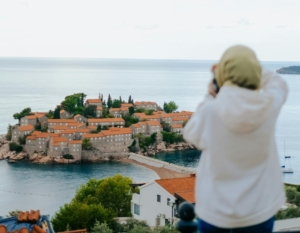 Montenegro’s Adriatic Coast is riddled with luxury resorts and an increasing number of tourists, enabling a booming holiday industry to emerge. However, poverty largely persists in rural and inland communities due to the strain that tourism places on these areas. The tourism industry contributes 25–30% to Montenegro’s GDP and total employment.
Although concerns over Montenegro becoming too dependent on tourism persist, the European Union (EU) accession ambitions have prompted Montenegro to align its growth with social development. Similarly, International donors and NGOs are beginning to push for support of inclusive tourism and the promotion of rural development projects.
Montenegro’s Growing Wealth Gap Crisis
A major issue in Montenegro remains the growing wealth gap, with most wealth concentrated among the elites and foreign investors. In early 2025, the Ministry of Tourism began promoting small-scale entrepreneurship and rural tourism to distribute economic benefits more evenly across the country. Additionally, the seasonal nature of tourism in Montenegro makes tourism-related jobs insecure and low-paid, exacerbating the wealth divide, as a secure income is a rarity.
However, EU-funded initiatives are helping workers gain skills for year-round employment and supporting the economy through infrastructure development. Similarly, the government aims to introduce a new law, the “Permanent Seasonal Worker,” which will provide more stable employment for seasonal workers. This will enable a more secure economy and alleviate Montenegro’s poverty crisis.
Another prevailing issue in Montenegro is the regional inequality between the coast and the inland, largely driven by differing lifestyles and economic opportunities. Despite these challenges, infrastructure projects, such as roads and digital connectivity, are being expanded to rural areas to attract investment. For example, the EU is providing Montenegro with more than $88 million to reconstruct a 167 km railway, which will modernize the country’s transport network and promote a more sustainable transportation system.
These changes aim to create easy access across Montenegro and help reduce the nation’s poverty levels.
Balancing Tourism and Equality
Tourism in Montenegro affects more than just poverty; it also has significant environmental and social impacts. While women make up a large percentage of the tourism workforce, they are often excluded from higher-paying roles due to industry instability and prejudice. To address this, NGOs and EU programs fund and organize women’s job training and mentoring initiatives designed to promote independence and entrepreneurship in a difficult job market.
Tourism growth in Montenegro largely strains natural resources and risks exacerbating environmental degradation. However, the government is committed to promoting sustainable tourism standards and eco-certifications. By encouraging practices such as energy and water conservation in accommodations, Montenegro is reducing the environmental impact of tourism.
The country is also advancing a sustainable tourism strategy through participation in programs such as the international EU Ecolabel. Pushing for these limitations and using official certifications provides a surefire way to not only protect the environment but also continue the fight against Montenegro’s poverty crisis.
Final Remarks
Overall, Montenegro is working toward a more sustainable future in an effort to reduce its poverty rate. Its promotion of eco-tourism and cultural heritage projects aims to diversify tourism beyond just the coast, while also strengthening policy links between tourism revenue and social welfare to reprioritize Montenegrins. Nonetheless, poverty remains rife alongside booming tourism across the Adriatic Coast, with Montenegro beginning to promote initiatives aimed at inclusive tourism.
Montenegro also serves as a strong case study of how a small state can balance economic growth with poverty reduction through increased investment and policy alignment, promoting the well-being of its people and its tourism sector.
– Megan Burrows
Megan is based in Birmingham, UK and focuses on Good News and Politics for The Borgen Project.
Photo: Pexels
