A City on the Sea: Floating Cities and Infrastructure to the Maldives
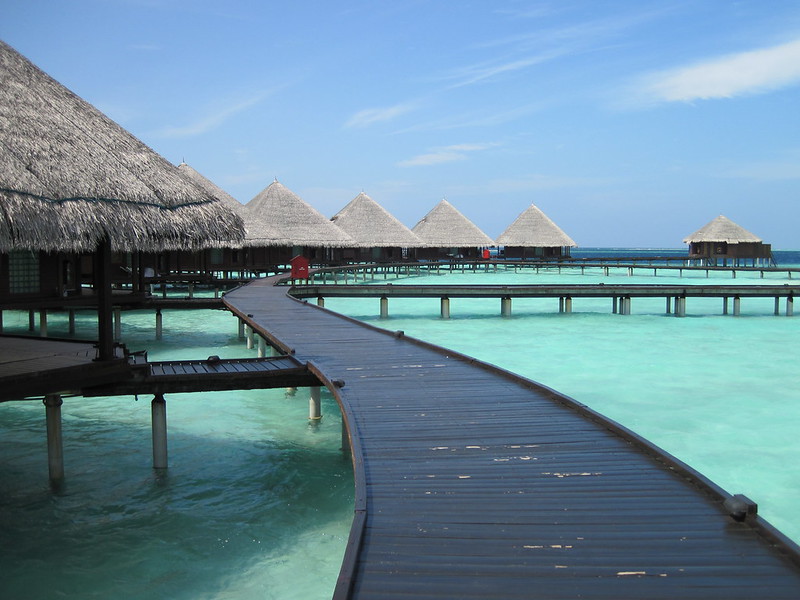 For decades, the Maldives has been an oasis of beauty and tranquility. Located at the tip of the Indian Peninsula, it serves as a touch of paradise for wealthy tourists seeking an escape from the busy modern world. Yet, the island nation faces a growing challenge: a shortage of space for both its rising tourist population and the 500,000 inhabitants who power its economy. With tourism growing by 16% annually, the Maldives now confronts the pressing issues of overpopulation and land scarcity.
The Maldives relies heavily on tourism, which directly contributes 40% to its economy and a projected indirect contribution of 79% in 2022. Its limited natural resources—primarily fish and timber—leave the country dependent on external investment for infrastructure development. While allies like the UAE, India and China have historically provided aid, private European investment has emerged as the most viable path forward.
A Floating Solution: Jobs and Opportunities
In response to this challenge, Dutch Docklands, in collaboration with architectural firm Waterstudio, has proposed an ambitious solution: a floating city designed to house up to 20,000 residents. This innovative project not only promises to expand living space but also offers a significant economic boost by creating thousands of jobs, particularly for Maldivian locals. Beyond job creation, the floating city could transform local communities by promoting skills development and increasing access to essential services. As the project evolves, prioritizing local hiring, vocational training and knowledge transfer will be key to ensuring that Maldivians, not just foreign investors, benefit from this development.
Social and Environmental Impact
The project extends beyond economic benefits. Floating infrastructure can mitigate the long-standing threat of coastal erosion, a problem that has plagued Maldivian communities for generations. By creating more resilient housing and infrastructure, the floating city offers protection against rising sea levels, safeguarding both homes and livelihoods.
Dutch Docklands has emphasized the project’s sustainability, claiming it will be powered by renewable energy and designed to minimize environmental impact. However, the success of these initiatives will depend on how well they integrate with existing Maldivian efforts to promote sustainable tourism and protect marine ecosystems. Moreover, the project could improve access to education and health care, especially if planners include community centers, clinics and schools within the floating city. For low-income families in the Maldives, these services could be life-changing, breaking cycles of poverty while strengthening community resilience and improving the infrastructure in the Maldives.
Balancing Opportunity with Local Autonomy
While the floating city offers promising opportunities, concerns remain regarding local autonomy. The Maldives currently maintains control over key infrastructure through its central bank and firms like Dhiraagu, the country’s primary telecommunications provider. Handing over control to a Dutch firm raises questions about long-term ownership and decision-making power. To align with the Maldives’ national interests, project agreements should ensure that the Maldivian government retains oversight and that local communities remain key stakeholders. Promoting community-led development and ensuring profits are reinvested locally could be essential for maximizing the project’s benefits while preserving national sovereignty.
A Model for Vulnerable Communities Worldwide
If successful, the Maldives’ floating city could serve as a blueprint for other vulnerable coastal regions, from Thailand to Panama. Floating infrastructure could provide sustainable housing and job opportunities for millions living in flood-prone areas, reducing poverty while enhancing climate resilience. Prioritizing local employment, education and health care access can potentially ensure that this initiative does more than just expand the infrastructure in the Maldives—it could build resilience and opportunity for the communities that need it most.
– Caspian Davies
Caspian is based in the UK and focuses on Technology and Solutions for The Borgen Project.
Photo: Flickr
