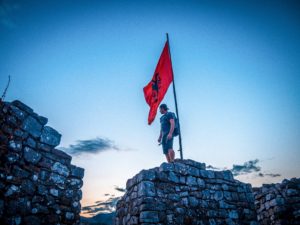
 Tourism in Albania has grown rapidly in recent years and is becoming a powerful tool for reducing poverty and creating economic opportunity. Once seen as a hidden destination, the country is now attracting millions of visitors each year, bringing new income to communities that previously had limited employment options. Through investment in infrastructure, support for small businesses and community-based tourism projects, the industry is helping households earn a stable income and build more secure futures.
Rapid Growth in Visitor Numbers
Albania has shifted from being a hidden destination to becoming one of the Mediterranean’s fastest-growing tourism markets. In 2019, the country welcomed 6.4 million foreign visitors, which was considered a record year at the time. Since then, tourism in Albania has continued to grow rapidly.
By 2024, Albania attracted nearly 12 million international visitors, an 82% increase from 2019. Tourism in Albania also showed strong resilience after the COVID-19 pandemic. By 2022, tourist arrivals were already 5% higher than pre-pandemic levels, allowing the sector to recover faster than many competing destinations in the region.
This quick recovery helped protect jobs and restore income in tourism-dependent communities. The country has also expanded its tourism markets beyond a single source. Albania has established direct air connections and attracted visitors from the U.K., Germany, Italy, France, the U.S. and the Middle East. To meet growing demand, the number of hotels, rooms and beds increased more than tenfold between 2000 and 2019, while international seat capacity continued to rise after 2019.
While national statistics show a massive surge in arrivals, local hosts see this growth through their seasonal calendars. In an interview with The Borgen Project, Akeron, who runs a local Airbnb, explained that the season typically “starts in April and ends in the end of October.” During the peak months of July and August, his accommodations are usually “fully booked,” while June and September maintain high occupancy rates of “70-80%”.
Tourism Revenue and Economic Impact
Tourism has become a major financial pillar of Albania’s economy. In 2023, the sector’s contribution to GDP reached 565 billion Lek ($6.78) billion, a 37% increase from the previous peak in 2019. Estimates show that travel and tourism now contribute roughly one in every four Lek to the national economy.
Tourism has also strengthened Albania’s export earnings. Over the past two decades, tourism generated 38% of the country’s total exports. International visitor spending reached 464 billion Lek ($5.57 billion) in 2023, more than 45% higher than in 2019, bringing money directly into local communities.
This economic shift is felt directly at the household level. For Akeron’s family, the ability to host international visitors has provided a new level of financial security. “For my family, it has made a difference in the amount of money we can save and has helped us think about things we want to do for the future,” Akeron stated.
Job Creation and Social Inclusion
Tourism is one of Albania’s largest sources of employment. In 2023, the sector supported almost 269,000 jobs, representing around one in five jobs nationwide. These jobs range from hospitality and transport to food services and cultural tourism, offering work in areas where few alternatives exist.
Tourism growth has also supported inclusive employment. In southern Albania, more than half of the jobs created through heritage tourism projects are held by women and young people. Some initiatives have also created opportunities for people with disabilities, including maintenance roles at Gjirokastra Castle, helping improve household income, social inclusion and reduce poverty in Albania.
Additionally, tourism has encouraged return migration. Former residents are returning to historic cities such as Gjirokastra and Saranda to invest savings in guesthouses and hospitality businesses. In project-supported areas, the number of tourism-related businesses has more than doubled since 2019, showing how public investment can stimulate local entrepreneurship.
These roles often rely on a collaborative family structure to be successful. Akeron and his parents all maintain other full-time jobs, but they “work together” to manage the guesthouse. He explained the division of labor: “me with the online part and my mom with the cleaning and welcoming guests to make it work.” He also noted that for families where members lack regular employment, this business provides “a very good income.”
Tourism in Rural and Coastal Communities
Tourism has turned family homes into sources of income in many rural and historic areas. In cities such as Gjirokastra, Berat and Përmet, public investment in restoring castle sites and cobblestone streets has encouraged families to convert historic homes into bed-and-breakfasts, restaurants and guesthouses. In these areas, the number of tourism-associated businesses has more than doubled since 2019.
Rural tourism also supports artisanal and cultural income. Around 78% of people employed in the artisan sector are women and nearly half of handicraft businesses are women-owned. Small family-run homestays rely heavily on women’s labor and provide independent income, strengthening household stability.
Infrastructure improvements have helped extend the tourism season beyond the summer months. Projects such as the Saranda promenade have enabled year-round economic activity, stabilizing income for local workers and businesses.
Local hosts often act as a bridge to the wider community by encouraging guests to spend money at nearby businesses. Akeron noted that he frequently recommends “restaurants in the city and by the beach” to his guests. He specifically highlights a restaurant in his village “which serves only Albanian food,” illustrating how tourism income supports traditional culinary businesses.
Community-Based Tourism and Infrastructure Investment
Community-based tourism initiatives have helped ensure that tourism benefits stay within local communities. The Integrated Urban and Tourism Development Project, supported by the World Bank and the Albanian government, focuses on cities including Berat, Gjirokastra, Përmet and Saranda. The project aims to regenerate local economies by restoring heritage sites and upgrading public infrastructure.
This model encourages residents to become active tourism entrepreneurs by converting private properties into guesthouses, cafés and tourism services. Additional EU-funded programs have adopted bottom-up approaches that enable communities to shape tourism growth in line with local needs. Investment in transport and accessibility has supported this growth.
Albania has expanded air connections through low-cost carriers and the construction of new airports. Road networks, walking routes and heritage trails have also improved access to inland regions.
Remaining Challenges
Despite strong progress, challenges remain. Informal employment continues to leave many tourism workers without contracts or social protection, increasing vulnerability during economic shocks. Regional inequality is also visible, as northern areas such as Kukës continue to face high poverty and limited tourism development.
Beyond employment concerns, a significant hurdle is the “infrastructure missing from the government.” Akeron identified the “lack of water” as a primary issue, explaining that families often have only “1-2 hours a day” to fill storage tanks for basic needs like showering and washing dishes. He recalled a specific instance where the water supply failed while a guest “had just put on the shower gel.” While a neighbor was able to provide water to help, Akeron noted that these daily shortages create constant uncertainty for local hosts.
Tourism in Albania is proving that well-planned growth can do more than attract visitors; it can reduce poverty, create jobs and strengthen communities. By supporting family-run businesses, expanding infrastructure and promoting community-based tourism, Albania has allowed its residents to benefit directly from rising visitor numbers. While challenges remain, continued investment and inclusive planning offer a hopeful path forward, showing how tourism can be a powerful force for shared prosperity and poverty reduction in Albania.
– Aila Alsakka
Aila is based in Nottingham, UK and focuses on Good News and Technology for The Borgen Project.
Photo: Unsplash

Fragility and Rule of Law in Serbia
From Recovery To Institutional Fragility
Serbia’s post-Yugolsav trajectory has moved through three distinct phases. War and international isolation defined the 1990s under the authoritarian rule of President Milošević. However, the 2000s brought political openings and rapid recovery through stronger international ties such as the EU Stabilization and Association Agreement, which helped anchor domestic reforms.
This momentum stalled after the 2008 financial crisis, as public confidence in EU accession waned. This shift aligned with the rise of the Serbian Progressive Party (SPS). In 2014, the SPS’s ascent to power under Aleksandar Vučić triggered a measurable decline in democratic performance and institutional independence. International bodies, including the OSCE have repeatedly raised concerns that the centralization of power and political pressure on institutions is producing corruption. This corruption has undercut the state’s legal accountability and exacerbated poverty for marginalized groups.
How Fragility and Rule of Law in Serbia Impacts Poverty
Serbia’s at-risk-of-poverty rate stands at around 20%, with nearly one-fifth of the population receiving an income below the poverty line. The government continues to highlight GDP growth, which grew 3.9% in 2024, as markers of success. Nevertheless, these gains have not alleviated Serbia’s poverty, partly because weakening rule of law has distorted how authorities wield state power and distribute support.
Since 2014, corruption allegations and institutional deregulation have hollowed-out watchdog bodies, limiting civic oversight and weakening the delivery of public resources. The geographies of poverty remain most concentrated in the south and east, where it affects more than 27% of residents. The region counted around 77,000 unemployed in 2025. A slowed inflow of FDI amid failing investor confidence has accelerated factory closures. Serbia’s Association of Free and Independent Trade Unions warn the shutdowns “have only just begun.”
A major turning point came with the collapse of a newly built train station in 2024. The incident triggered a series of anti-government protests. Protesters blamed the collapse on corruption and the breakdown of rule of law. Student-led demonstrations swiftly grew into a national movement, exposing Serbia’s political fragility and exacerbating concerns from foreign investors. The economy felt the impact immediately, producing a rise in job insecurity and pushing households closer to poverty.
Failing Measures
Serbia spends 19.5% of GDP on social protection. However, most funding goes toward broad social insurance rather than targeted anti-poverty support. In reality, Serbia spends only 5% of GDP on program directly aimed at poverty reduction. Opposition figures argue officials use the inflated number to portray success while masking gaps in direct support.
For many families the support is not enough. An unemployed family of three receives 22,000 dinars per month in cash social assistance, far below the estimated 56,868 dinars that make up Serbia’s minimum consumer basket.
The Future of Fragility and Rule of Law in Serbia
Despite the declining rule of law, there are signs that Serbia’s future trajectory may be shifting. The 2024 protests evolved into a more organized political force in 2025, whose push for an early election has now been announced for 2026.
Civil society has also grown more influential. NGO groups such as the A11 Initiative for Economic and Social Rights argue leaders have governed Serbia through short-term, selective measures rather than sustained, rights-based policy. This has resulted in a system that A11 states keeps marginalized people “just enough above water to survive,” rather than reducing poverty in meaningful terms.
– Rory Wesson
Photo: Flickr
Housing Initiatives and Homelessness in Guinea-Bissau
How Homelessness in Guinea-Bissau Is a Development Issue
Housing insecurity in Guinea-Bissau reflects deeper structural constraints associated with low levels of human development. Data from the United Nations Development Programme place the country in the low human development category, ranking 174 out of 193 countries with a Human Development Index value of 0.514 in 2023.
On the HDI scale, values closer to zero indicate severe constraints across health, education and living standards while higher scores reflect more consistent access to these foundations of well-being. Although Guinea-Bissau has made gradual progress over time, persistent deficits across these dimensions continue to shape housing outcomes. Limited access to safe water, sanitation and durable shelter undermines health; overcrowded living conditions disrupt educational participation; and housing instability constrains households’ ability to sustain livelihoods. Poor housing quality therefore does not simply result from low human development but actively reproduces disadvantage by reinforcing vulnerability across multiple domains.
Informal Settlements
In Bissau, informal settlements frequently occupy areas that lack access to essential services, including safe water, sanitation and energy infrastructure. The absence of a comprehensive urban planning framework contributes directly to this pattern. These infrastructure deficits expose residents to heightened environmental risk, particularly during periods of heavy rainfall and flooding, which damage homes and intensify cycles of displacement. Housing instability therefore operates not as an isolated social issue but as part of wider structural vulnerabilities that undermine health, disrupt education and constrain economic participation.
Public health research shows that inadequate housing conditions, including overcrowded living spaces and poor sanitation, are associated with higher risks of infectious disease and other adverse health outcomes. The World Health Organization’s Housing and health guidelines highlight how crowded and substandard housing contributes to health burdens by increasing people’s exposure to communicable diseases and undermining personal hygiene.
Addressing housing insecurity, therefore, functions as a direct intervention in poverty reduction rather than a peripheral welfare concern.
Active Housing Solutions in Guinea-Bissau
In response to these challenges, development initiatives in Guinea-Bissau increasingly focus on strengthening housing stability by reshaping policy frameworks and addressing gaps in urban planning and infrastructure provision. Within this landscape, the United Nations Human Settlements Programme (UN-Habitat) plays a central role. Since 2015, UN-Habitat has worked alongside national and municipal authorities to strengthen urban governance and expand access to adequate housing through technical assistance in planning and policy development.
Rather than prioritizing short-term relief, UN-Habitat emphasizes long-term structural change by strengthening the systems that shape how cities grow and how housing is planned and delivered. In the context of housing and urban development, this work includes:
Together, these interventions create conditions that allow affordable and secure housing to expand over time, reducing reliance on informal settlements and lowering vulnerability to displacement.
Measured Impact and Policy Outcomes
Through collaboration with the Government of Guinea-Bissau, UN-Habitat supported the development of the Bissau 2030 Sustainable Development Plan, which outlines a long-term strategy for inclusive urban development. The framework prioritizes infrastructure provision and more effective land-use governance in low-income areas where housing insecurity remains most pronounced.
By directing attention toward informal and underserved neighborhoods, the plan targets communities most exposed to housing insecurity. Its emphasis on improved planning and infrastructure provision is intended to reduce environmental risk and support more stable patterns of residential development. This approach aligns with World Bank analysis showing that deficits in basic infrastructure and service access in Guinea-Bissau compound exposure to shocks and restrict access to health and education—conditions that make housing instability harder to escape.
Why Housing-Led Approaches Are Effective
Homelessness in Guinea-Bissau remains a significant development challenge. However, housing-led initiatives demonstrate how coordinated urban planning, policy reform and infrastructure investment can strengthen urban stability. By addressing the structural conditions that produce housing insecurity, these interventions support healthier, more resilient communities and contribute to sustainable poverty reduction in one of the world’s most fragile economies.
– Kira Rai
Photo: Wikimedia Commons
Humanitarian Crisis in Venezuela: Who’s Helping?
Today, that reality is gone. After years of falling oil prices and production, corruption, political repression and poor economic management, Venezuela has been pushed into a humanitarian crisis, one of the most severe emergencies in the world.
Economic Collapse
Venezuela’s economy depends heavily on oil and now oil prices are dropping rapidly and abruptly. Under President Nicolás Maduro, global oil prices fell and the economy entered a deep recession. Inflation rose rapidly and shortages of food and medicine became common.
Every day of life became a struggle for millions of people. Inflation reached extreme levels, with estimates as high as 682%, leaving families unable to afford medicines and other essentials such as food because the prices keep increasing. At the same time, the minimum wage dropped to about $0.53 per day, far below the international extreme poverty line of $3 per day.
Even people with jobs can no longer afford necessities and in 2019, only 19% of adults worked full-time.
Widespread Poverty and Hunger
Poverty and hunger are widespread across the country, with more than 70% of Venezuelans living in poverty. Additionally, more than two-thirds live in extreme poverty. When measured by income alone, almost the entire population falls below the poverty line.
Hunger has become part of daily life and a central feature of the humanitarian crisis in Venezuela. Many families skip meals or go entire days without eating. In 2025, 60% of Venezuelans reported struggling to afford food, with even some of the wealthiest households struggling. Children are among the most affected, facing malnutrition, interrupted education and limited access to health care.
Out of a population of about 30 million people, 8 million require humanitarian aid, including four million children. Government restrictions have made the situation worse by limiting the work of soup kitchens with a new law restricting NGOS. Although free school meals are guaranteed by law, many children have not received them for years.
As conditions worsened, millions of people left their country. Food shortages, violence, political repression and economic collapse have caused one of the largest migration crises in the world. Around 8 million Venezuelans, more than a quarter of the population, have fled in search of safety and stability.
Humanitarian Support
Despite these challenges, humanitarian organizations continue to provide lifesaving support. UNICEF plays a key role through its Humanitarian Action for Children program, delivering clean water, nutrition, health care and education services to children. In 2025 alone, UNICEF reached almost 600,000 vulnerable people across Venezuela, including more than 400,00 children.
The World Food Program (WFP) focuses on food assistance through school meals and monthly food baskets. In total, as of December 2025, it delivered 792.3 megatons of food and, in 2025, reached more than 750,000 people. Similarly, the International Rescue Committee (IRC) supports Venezuelans both inside the country and in neighboring Colombia, which hosts almost three million Venezuelan refugees and migrants.
The IRC helps people affected by the crisis to survive, recover and rebuild their lives, reaching more than 50,000 people in Venezuela in 2025. Following political developments in January, the IRC stated it was prepared to expand its help if needed. Furthermore, World Vision has supported more than two million people through its Hope at Home program, focusing on child protection, education, food security and access to clean water, sanitation and hygiene.
The R4V Inter-Agency Coordination Platform for Refugees and Migrants also coordinates support for Venezuelan refugees and migrants. Its 2026 Regional Refugee and Migrant Response Plan, backed by 152 partner organizations, aims to assist 1.2 million people while promoting long-term integration and giving them access to housing, food, water and education.
Finally, UNHCR, the U.N. Refugee Agency, protects Venezuelan refugees and migrants by providing emergency aid and legal support. It also supports integration in host countries and relocation to places with better employment opportunities.
Hope for Venezuela
The future remains uncertain. Venezuela faces three overlapping crises: a humanitarian emergency, mass migration and political repression. Recent political developments have added a new layer of instability and it is still unclear who will lead the country next or how quickly conditions may change.
Experts outline different possible paths forward, from economic recovery and gradual return of migrants if conditions improve to partial stability or further displacement if political violence and insecurity increase. Yet, even in uncertainty, there is reason for hope. A political transition could open the door to economic reform and the restoration of democratic rights.
Combined with continued humanitarian support and international cooperation, real change is possible. The recent political events have also brought renewed global attention to a country already experiencing one of the world’s largest humanitarian and displacement crises. Increased international attention can be a positive force, helping to channel aid, reinforce humanitarian programs and keep the needs of Venezuelans at the centre of the global agenda.
The humanitarian crisis in Venezuela has defined generations, but it does not have to define the country’s future. With sustained aid and political reform, recovery remains within reach. Venezuela’s story is not over and its next chapter could be one of renewal and hope.
– Jeanne Pellet
Photo: Flickr
Agricultural Initiatives Bringing Poverty Reduction in Peru
From 2013 onward, though, Peru’s rapidly expanding economy, including its agriculture industry, slowed. And recently, after COVID-19 hit Peru especially hard, recent events such as the war in Ukraine have skyrocketed inflation, worsening the food crisis. About half of the population is moderately food insecure as staple foods like potatoes suddenly have become unaffordable. Recently, though, effective initiatives expanding the agricultural industry have offered hope of a major turnaround toward economic growth and poverty reduction in Peru.
Why Agricultural Growth Aids Poverty Reduction in Peru
There is ample evidence suggesting an increase in agricultural growth can help lower rates of poverty. Investment in agriculture is two and a half to three times more successful at raising the income of the poor than non-agricultural investment, and in the 1990s and 2000s, countries experiencing exceptionally high agricultural growth rates, such as Malawi, Mozambique and Brazil also saw large reductions in poverty. In fact, higher agricultural growth marked early development in several places, such as Western Europe and Japan. Therefore, in order to decrease rates of poverty in Peru, targeting the productivity and development of the agricultural sector is essential.
World Bank Group Projects
Over the years, the World Bank Group has spearheaded numerous efforts to reduce poverty in Peru through improvements in agriculture. About 189 member countries operate the organization, who act as shareholders and have an impressive history in combating poverty: they built an international system of agriculture research centers in 1971, aided in the reconstruction of Yugoslavia in 1995, and financed $5 billion for education projects in 2010.
Since the early 2000s, the World Bank has been successful in improving Peru’s irrigation sector, especially in coastal areas. In 2010, the World Bank approved an ambitious project directed at improving irrigation for farmers in Peru’s Sierra, or mountainous regions of the Andes. At the time, the Sierra held a third of all irrigated land in the country, and agriculture represented the largest share of household income. Through the implementation of pipes, filters, small reservoirs and promoting the creation of farmers’ groups, crop yields increased, impacting nearly 18,758 farmers.
In 2025, the World Bank approved a 10-year, $200 million program to expand access to clean water in the cities of Lima and Puno. As a result, the hindrance farmers encounter from untreated wastewater and droughts will fall significantly, thereby boosting the agricultural industry. This will build onto the irrigation improvements realized earlier in a country where agriculture employs a quarter of the workforce. As a result, rural areas of Peru with higher poverty rates will experience increased development and economic growth.
The Hand-in-Hand Initiative
The Food and Agriculture Organization (FAO) created the Hand-in-Hand Initiative in 2019, developing into one of its primary programs. The organization has pushed for agricultural development in 83 countries, including Peru.
In the Sierra, the project is connecting smallholder farmers to larger markets and fair contracts with private companies. As a result, farmers such as Irineo Núnez Vargas have brought their crops to global markets through contracting with companies like Tiyapuy thanks to these initiatives.
The Inter-American Development Bank
After World War II, leaders formed the Inter-American Development Bank (IDB) to lead economic development in Latin America. Though the United States is the largest shareholder, nearly every nation in the Western Hemisphere is a member. The IDB achieves its goals through grants, loans and economic research.
In 2024, the IDB approved an $85 million loan with the purpose of increasing productivity in Peru’s agricultural sector. It is set to benefit about 92,000 farmers, especially focusing on women and ethnic groups. Unlike the other initiatives, the IDB plans to enhance agriculture technology and agriculture research throughout the country, not only limited to a single ecosystem.
Takeaways
History shows that if farmers struggle, an entire nation usually struggles too. While focusing on agricultural improvements in Peru might appear slow and indirect at confronting poverty, it is actually one of the best methods at doing so. As a result, these many initiatives are essentially laying the groundwork for economic growth and poverty reduction in Peru for decades to come.
– Ben Anderson
Photo: Unsplash
Technologies Help To Fight Disability and Poverty in The Gambia
Disability and poverty in The Gambia are perpetual issues. One of the smallest countries in Africa, The Gambia has one of the most vulnerable economies on the continent. Rain-fed agriculture employs around 70% of the population, meaning the livelihood of many lives and dies with the country’s climate. Poverty levels are high. In fact, according to the Gambia Poverty & Gender Assessment 2022, 53.4% of Gambians lived below the national poverty line in 2020. Amputees catch the brunt of this trend due to the labor-intensive nature of farming, which offers few opportunities to those with physical disabilities.
Reasons for High Numbers of Amputations in The Gambia
Experts cite the country’s complex and divergent cultural makeup as one of the reasons for the high incidence of disability and poverty in The Gambia. Colonial and Gambian native histories converge in many ways. According to scientist Ryan Anderson, this coexistence of divergent cultural traditions “is exemplified in The Gambia’s health care system.” Many Gambians prefer to visit traditional healers when seeking treatment for an injury. In fact, many rural communities rely exclusively on the practice of these traditional healers, such is the lean presence of large hospitals in remote regions. These traditional practitioners, while popular, often do not have access to modern facilities or advised levels of sanitation. This results in infections and ultimately the need for amputations in patients.
Dr. Ammar Al Jafari, chief medical director of Edward Francis Small Teaching Hospital, a modern university facility in Banjul, stated that around 70% to 80% of amputation cases at his hospital stem from initial preference for traditional fracture treatments. These patients often seek his hospital’s treatment once infection has set in to an inadequately treated fracture. Speaking to Africa Press in 2024, Dr. Al Jafari said, “If the patient falls today or has an accident today and has a fracture in the bone, if they come on that very day, in one week we can do the operation, but after three months, we cannot do the operation and they will blame the hospital.” Poverty and disability in The Gambia is often perpetuated by the complex national interplay between tradition, regional circumstances and a lack of accessible, modern health care.
Amputations also occur in large numbers in The Gambia thanks to medical conditions such as Type 2 diabetes. According to STAND, an NGO specializing in providing support for Africa’s amputee community, as many as 40% of all amputations in sub-Saharan Africa result from the condition. Thus, disability and poverty in The Gambia stems in many cases, from the prevalence of known and treatable illnesses.
Challenges for People With Disabilities
Fatou Nije, president of LEGS (Ladies Empowered for Growth and Success), says, “Here in Gambia, if you are disabled, you face many challenges.” Indeed, many amputees find themselves cut adrift from typical societal institutions such as school and work due to a lack of accessibility and support on offer.
While it exists, assistive technology is not yet widely available, meaning many Gambian amputees are unable to live, work and most importantly, earn with as much independence as their able-bodied compatriots. Families can face destitution if a parent undergoes amputation and is subsequently unable to resume work. The Gambian Amputee Association is the only organization of its kind in the country. It supports around 100 amputees with rehabilitation and social facilities, although there are doubtless many more amputees in need of care and medical attention.
Fighting Against Disability and Poverty
Thankfully, amidst these issues there are certain groups dedicated to the fight against disability and poverty in The Gambia. Most of these efforts focus on improving treatment and opportunities for Gambian amputees. For example, the work of STAND and Make3D is rooted in the supply of prosthetic limbs to Gambian patients in need.
STAND specializes in the provision of refurbished and surplus prosthetics from Europe. These prosthetic limbs, which otherwise would go to waste, the organization rescues and supplies to the people who need them most. Since 2016, the organization has supplied almost 1,000 rescued prosthetics to The Gambia alone, as part of nearly 6,000 total supplied to African countries across the period.
Make3D, on the other hand, deals in the low-cost construction of new, 3D-printed prosthetics, using sustainable materials and small-scale manufacturing processes that allow their products to service the hearts of small communities nationwide. In 2021, the company held a design competition in conjunction with Nottingham Trent University in which the university invited artists to submit designs for new prosthetics utilizing sustainable and local materials. The winner’s design went to production for a small run of prosthetics designed for a select group of grateful, young Gambian beneficiaries.
Looking Ahead
While disability and poverty are prominent in The Gambia, initiatives like these are leading the way in providing a source of hope for the next generation of Gambian amputees. There may very well be a day when the loss of a limb in The Gambia does not condemn a patient to a life of destitution.
– Louis Sartori
Photo: Wikimedia Commons
Updates on SDG 1 in Mongolia
UNICEF’s Role in Fulfilling SDG 1 in Mongolia
NGOs are playing a crucial role in relieving poverty in Mongolia. UNICEF has been active in Mongolia since the 1960s. Currently, the majority of UNICEF’s funding in Mongolia is directed towards health programs. In 2023, UNICEF helped to launch a program to screen all school children for the bacterial infection that causes strep throat, a disease which when left untreated, can increase the risk of cardiovascular disease in later life. Poor nutrition is another prevalent issue amongst children, with many experiencing vitamin and mineral deficiencies. UNICEF is training school chefs, helping to greatly improve the quality of school meals, as well as promoting healthy diets and eating habits throughout local communities.
The UN
The UN is helping to fulfill SDG 1 in Mongolia by aiding farming communities. The dzud is a disaster unique to Mongolia. Dzuds are extreme winters, characterized by frozen ground, heavy snowfall and freezing temperatures. Many herders suffer great losses to their livestock during these periods; the winter of 2023-2024 saw a loss of 7.4 million Mongolian herd animals. The UN is leading the Humanitarian Country Team in Mongolia, which managed to raise $10.6 million in 2024. The team has worked to mitigate the effects of the dzud, providing hay and fodder for animals, education for farming groups and cash support for the farmers worst affected.
The International Organization for Migration (IOM)
The International Organization for Migration (IOM) has implemented the ‘Addressing Climate Change-Induced Human Mobility in Mongolia’ since 2024. The project aims to increase the resilience of government agencies and local communities to the impacts of changing weather, chiefly migration challenges and natural disasters. The IOM is working to ensure that rural communities have increased access to resources, education and support to negate the impact of climate-related disasters, with a special emphasis placed on the education of women and children. Furthermore, as of October 2025, the IOM has provided livelihood support for climate migrants across 21 provinces and nine districts.
People in Need (PIN)
People in Need (PIN) has been active in Mongolia since 2008, establishing a permanent Mongolian office in 2011. Since 2011, PIN has run around 30 individual aid projects, helping people in both rural and urban settings across 19 different provinces. The aims of these projects have varied greatly, respectively concerning emergency response, gender and social inclusion, change and sustainable livelihoods and civil society empowerment. More recently, PIN has supported both state authorities and civil society organizations in the adoption of digital technology, and has aided with media literacy. PIN also supports local NGOs in accessing international funds and global political expertise.
Looking Forward
Overall, although the Mongolian poverty rate is still relatively high, many NGOs are making great efforts to reduce it through a large variety of aid strategies. The future is positive for Mongolia. The poverty rate decreased by 2.5% between 2016 and 2022. Through the hard work of NGOs and government aid, the poverty rate is set to decrease in the coming years, making SDG1 in Mongolia seem more achievable than ever.
– Arthur Horsey
Photo: Flickr
Westminster Continues Fight Against the Israeli Aid Blockade
The vocal backlash comes in response to a series of statements political representatives made in Commons shortly after the officials announced the ceasefire, which gave updates on the current levels of U.K. support and laid out their ambitions to collaborate with the U.N. and other partners in order to meet the conditions of the peace plan.
Original Aid Pledge & Its Success
On October 14th, Baroness Angela Smith assured her peers that an additional £20 million went toward secure clean water and essential sanitation and hygiene products. Secondly, she reminded them that work continues at the two U.K.-constructed hospitals in Gaza that have between them offered treatment to more than 600,000 patients. On top of this, the NHS has received and begun treating a third group of injured Palestinian children whom authorities flew to the U.K.
However, the Parliamentary Under-Secretary for the Foreign, Commonwealth and Development Office (FDCO), Hamish Falconer, spelt a bleaker picture during his address on January 5th just gone.
Half a million people still lack access to sufficient food, including 100,000 who face allegedly “catastrophic conditions.” The British Red Cross have drawn attention to an urgent lack of water, which in turn exacerbates the spread of infectious diseases such as hepatitis. Furthermore, as the height of winter approaches, flooding and storms have halted reconstruction efforts and prompted a rise in cases of hypothermia. Widespread damage to infrastructure has allowed sewage to flow through the streets and has left emergency services without the essential resources needed to deliver effective medical treatment.
The Extent of the Israeli Aid Blockade
Crucially, the Israeli government has blocked vital aid corridors, notably the Rafah crossing, and disaccredited at least 37 well-established NGOs from offering support, including Medecins Sans Frontiers, Caritas Internationalis, ActionAid and the International Rescue Committee (IRC). Observers estimate that 147 trucks enter Gaza every day, which is 103 short of the 250 that the U.N. agreed to. Moreover, there are also reports that the Israeli authorities prohibit essential items such as tent poles, tents and generators, claiming that they pose potential threats. This has resulted in the cruel irony that it is “easier to get cigarettes and luxury goods into Gaza than the basic medicines and shelter.”
Despite this admittance, Falconer tried to offer some reassurance that over the 2025/26 financial year, the U.K. will provide £116 million for humanitarian and other aid, including health care, food, clean water and sanitation, which includes treatment for 800,000 Palestinians through UK-Med. A research briefing released by the Commons claims that the government plans to commit £101 million of this sum to the Occupied Palestinian Territories (OPT). However, this represents a £28 million reduction from the amount the government provided the preceding year.
The Response From Westminster
Reacting against the lack of funding and the pitiful effort to combat the Israeli aid blockade, the consensus plea around the Commons was to stop offering words of condemnation for the belligerents and words of support for the victims, and demonstrate meaningful action.
Rachel Maskell, Labour MP for York Central, was bemused that the U.K. had not yet utilized the international law apparatus available to hold the Israeli government accountable and urged it to dispel the air of “impunity” emanating from the Knesset and IDF.
Attending to the details, a troop of others have called on the government to enjoin the support of the E.U. and their European neighbors and impose sanctions on Israel. “What leverage are [the U.K.] using to force the Israeli Government to reverse this cruel [aid embargo], and when will they work with E.U. allies to bring in much wider sanctions?” demanded Caroline Voaden. Imran Hussein joined in: “When will [Falconer] finally announce proper meaningful action, including ending all arms sales, putting widespread sanctions on Israel in the same way that we have done to Russia for its war crimes in Ukraine.”
MPs were mostly concerned that trade has continued between the U.K. and the illegally obtained settlements in the OPT, despite a motion that 94 MPs supported in May 2025 which outlined that maintaining such trade links was a direct affront to the International Court of Justice and the U.N. General Assembly.
Looking Ahead
As MPs return to Westminster, the gap between the U.K.’s humanitarian commitments and conditions on the ground in Gaza is drawing sharper scrutiny. While Israeli aid blockades remain in place and funding reduced, MPs from across parties have played a crucial role in exposing these shortcomings and pressing the government to act. Their efforts signal a growing determination in Parliament to move beyond rhetoric and push for meaningful measures that uphold international law and address the ongoing humanitarian crisis.
– Jude Parsons
Photo: Unsplash
How Tourism Is Reducing Poverty in Albania
Rapid Growth in Visitor Numbers
Albania has shifted from being a hidden destination to becoming one of the Mediterranean’s fastest-growing tourism markets. In 2019, the country welcomed 6.4 million foreign visitors, which was considered a record year at the time. Since then, tourism in Albania has continued to grow rapidly.
By 2024, Albania attracted nearly 12 million international visitors, an 82% increase from 2019. Tourism in Albania also showed strong resilience after the COVID-19 pandemic. By 2022, tourist arrivals were already 5% higher than pre-pandemic levels, allowing the sector to recover faster than many competing destinations in the region.
This quick recovery helped protect jobs and restore income in tourism-dependent communities. The country has also expanded its tourism markets beyond a single source. Albania has established direct air connections and attracted visitors from the U.K., Germany, Italy, France, the U.S. and the Middle East. To meet growing demand, the number of hotels, rooms and beds increased more than tenfold between 2000 and 2019, while international seat capacity continued to rise after 2019.
While national statistics show a massive surge in arrivals, local hosts see this growth through their seasonal calendars. In an interview with The Borgen Project, Akeron, who runs a local Airbnb, explained that the season typically “starts in April and ends in the end of October.” During the peak months of July and August, his accommodations are usually “fully booked,” while June and September maintain high occupancy rates of “70-80%”.
Tourism Revenue and Economic Impact
Tourism has become a major financial pillar of Albania’s economy. In 2023, the sector’s contribution to GDP reached 565 billion Lek ($6.78) billion, a 37% increase from the previous peak in 2019. Estimates show that travel and tourism now contribute roughly one in every four Lek to the national economy.
Tourism has also strengthened Albania’s export earnings. Over the past two decades, tourism generated 38% of the country’s total exports. International visitor spending reached 464 billion Lek ($5.57 billion) in 2023, more than 45% higher than in 2019, bringing money directly into local communities.
This economic shift is felt directly at the household level. For Akeron’s family, the ability to host international visitors has provided a new level of financial security. “For my family, it has made a difference in the amount of money we can save and has helped us think about things we want to do for the future,” Akeron stated.
Job Creation and Social Inclusion
Tourism is one of Albania’s largest sources of employment. In 2023, the sector supported almost 269,000 jobs, representing around one in five jobs nationwide. These jobs range from hospitality and transport to food services and cultural tourism, offering work in areas where few alternatives exist.
Tourism growth has also supported inclusive employment. In southern Albania, more than half of the jobs created through heritage tourism projects are held by women and young people. Some initiatives have also created opportunities for people with disabilities, including maintenance roles at Gjirokastra Castle, helping improve household income, social inclusion and reduce poverty in Albania.
Additionally, tourism has encouraged return migration. Former residents are returning to historic cities such as Gjirokastra and Saranda to invest savings in guesthouses and hospitality businesses. In project-supported areas, the number of tourism-related businesses has more than doubled since 2019, showing how public investment can stimulate local entrepreneurship.
These roles often rely on a collaborative family structure to be successful. Akeron and his parents all maintain other full-time jobs, but they “work together” to manage the guesthouse. He explained the division of labor: “me with the online part and my mom with the cleaning and welcoming guests to make it work.” He also noted that for families where members lack regular employment, this business provides “a very good income.”
Tourism in Rural and Coastal Communities
Tourism has turned family homes into sources of income in many rural and historic areas. In cities such as Gjirokastra, Berat and Përmet, public investment in restoring castle sites and cobblestone streets has encouraged families to convert historic homes into bed-and-breakfasts, restaurants and guesthouses. In these areas, the number of tourism-associated businesses has more than doubled since 2019.
Rural tourism also supports artisanal and cultural income. Around 78% of people employed in the artisan sector are women and nearly half of handicraft businesses are women-owned. Small family-run homestays rely heavily on women’s labor and provide independent income, strengthening household stability.
Infrastructure improvements have helped extend the tourism season beyond the summer months. Projects such as the Saranda promenade have enabled year-round economic activity, stabilizing income for local workers and businesses.
Local hosts often act as a bridge to the wider community by encouraging guests to spend money at nearby businesses. Akeron noted that he frequently recommends “restaurants in the city and by the beach” to his guests. He specifically highlights a restaurant in his village “which serves only Albanian food,” illustrating how tourism income supports traditional culinary businesses.
Community-Based Tourism and Infrastructure Investment
Community-based tourism initiatives have helped ensure that tourism benefits stay within local communities. The Integrated Urban and Tourism Development Project, supported by the World Bank and the Albanian government, focuses on cities including Berat, Gjirokastra, Përmet and Saranda. The project aims to regenerate local economies by restoring heritage sites and upgrading public infrastructure.
This model encourages residents to become active tourism entrepreneurs by converting private properties into guesthouses, cafés and tourism services. Additional EU-funded programs have adopted bottom-up approaches that enable communities to shape tourism growth in line with local needs. Investment in transport and accessibility has supported this growth.
Albania has expanded air connections through low-cost carriers and the construction of new airports. Road networks, walking routes and heritage trails have also improved access to inland regions.
Remaining Challenges
Despite strong progress, challenges remain. Informal employment continues to leave many tourism workers without contracts or social protection, increasing vulnerability during economic shocks. Regional inequality is also visible, as northern areas such as Kukës continue to face high poverty and limited tourism development.
Beyond employment concerns, a significant hurdle is the “infrastructure missing from the government.” Akeron identified the “lack of water” as a primary issue, explaining that families often have only “1-2 hours a day” to fill storage tanks for basic needs like showering and washing dishes. He recalled a specific instance where the water supply failed while a guest “had just put on the shower gel.” While a neighbor was able to provide water to help, Akeron noted that these daily shortages create constant uncertainty for local hosts.
Tourism in Albania is proving that well-planned growth can do more than attract visitors; it can reduce poverty, create jobs and strengthen communities. By supporting family-run businesses, expanding infrastructure and promoting community-based tourism, Albania has allowed its residents to benefit directly from rising visitor numbers. While challenges remain, continued investment and inclusive planning offer a hopeful path forward, showing how tourism can be a powerful force for shared prosperity and poverty reduction in Albania.
– Aila Alsakka
Photo: Unsplash
Commitment to SDG10: Reducing Inequality in South Africa
This inequality continues to limit social mobility, reinforcing a cycle of wealth and poverty. Many individuals are effectively assigned a future of either “rags or riches” at birth. While Sustainable Development Goal 10 aims to reduce inequality, high income and opportunity gaps persist due to long-standing structural injustices.
Inequality in South Africa can largely be traced to three key factors: pre-income distribution, unequal access to education and wage disparities.
Pre-Income Distribution
Pre-income distribution refers to factors that influence wealth and opportunity before income is earned. These include land ownership, inheritance and race, all of which are “born into” factors that cannot be changed, giving individuals a natural advantage or disadvantage from birth.
In South Africa, the Gini coefficient remains at 0.63, with the top 20% of the population accounting for nearly 70% of income. In comparison, the bottom 20% is left with less than 5%. Race remains the most dominant determining factor in pre-income distribution. Fifty years after apartheid, its impact is still evident, leaving lasting reminders of the grip it once had on the country.
Some progress has been made toward transparency in income inequality. Recent Companies Act amendments now require firms to disclose CEO-to-worker pay ratios. The Labor Research Service reports that the current average across the JSE Top 40 companies is approximately 1,270:1. This aspect of inequality has been addressed most effectively through social grants.
With one of the largest social grant systems in the world, South Africa has reached millions of vulnerable citizens. These grants have been widely commended. By 2011, the number of grant recipients had increased by 13.6 million since 1998. Although the Gini coefficient still indicates significant inequality, social grants have helped stabilize the incomes of some of the country’s most impoverished households, preventing inequality levels from rising even further.
Wage Inequality
Even after overcoming barriers to employment, many South Africans continue to face inequality. On average, women in South Africa earn 12% less than their male counterparts. Almost half of this gap (45%) is attributed to women’s disproportionate employment in lower-paying firms.
Structural unemployment is another significant contributor to wage inequality. With the economy in a state of stagnation, the job market is suffering. With jobs themselves hard to come by and few in number, this is a significant driver of inequality.
In recent years, youth unemployment has risen to more than 46%, contributing to poverty and reinforcing the country’s slow economic growth. This has created another major barrier to reducing inequality in South Africa.
Access to Education
Schools in South Africa face significant resource constraints, resulting in wide gaps in students’ fundamental skills. This was highlighted in 2021, when it was found that approximately 80% of Grade 4 learners could not read for meaning, unable to comprehend or extract information from text. This outcome stems from a broader lack of resources.
Infrastructure and qualified teachers remain in short supply, particularly in poorer, rural communities. Still grappling with the consequences of its past, spatial inequality continues to limit access to education. “The legacy of colonialism and apartheid, rooted in racial and spatial segregation, continues to reinforce inequality,” United Nations Human Rights Office.
Spatial inequality was influenced greatly by the Group Areas Act of 1950. The initiative removed black families from urban areas, relocating them to underdeveloped, rural towns. As families were forced to settle in these new designated areas, generations later, spatial segregation persisted.
Lacking infrastructure, these areas were burdened with numerous encumbrances, allowing families living there to fall behind their thriving suburban peers. This stark contrast remains, most notably in the suburbs and townships of Johannesburg.
Conclusion
Pervasive structural injustices left over from apartheid still linger, despite staggering progress in reducing inequality in South Africa. The nation has nonetheless made impressive strides toward achieving SDG 10. These include social grants and legislative amendments that demand transparency on wage disparities, thereby perpetuating pressure and accountability.
– Maya Hollick
Photo: Flickr
How Clean Energy in Kenya Is Powering Poverty Reduction
Renewable energy benefits the nation’s well-being and economy more than simply endorsing positive environmental pursuits. It actively supports poverty reduction in Kenya by expanding opportunities at the household level.
Expanding Clean Energy Access in Kenya
Millions of Kenyan families suffered from low productivity and bad health for decades due to energy poverty. Families spent a significant amount of their earnings on charcoal, firewood and kerosene. These fuels depleted cash and harmed people’s health.
Respiratory ailments were caused by indoor air pollution and opportunities for education and employment were limited by sporadic lighting. However, recent findings show how the nation has rewritten its past. Kenya has made great strides in expanding access to clean cooking and power through strong regulations and targeted infrastructure investments, according to a recent IEA assessment.
Kenya is positioned as a regional leader in economic and energy growth, thanks to its ambitious implementation plans. Its push for electrification using clean energy technology has put the country on track to achieve universal access to electricity by 2030. “Kenya is showing how the strategic deployment of clean energy technologies and electrification in end-use sectors can significantly improve the lives of millions of the most vulnerable people in the world,” stated IEA Deputy Executive Director Mary Burce Warlick.
A key contributing factor to this remarkable turnaround is the transition to clean energy. The nation is currently among the world leaders in clean power, producing more than 90% of its electricity from renewable sources. Large-scale initiatives like Lake Turkana Wind Power improved the country’s national grid and showed Kenya’s dedication to sustainable development.
Solar Power’s Impact in Kenya
This shift links clean power directly to long-term poverty reduction in Kenya by supporting inclusive economic development. Rural residents who would have had to wait years for grid connections can now get electricity immediately thanks to off-grid solar installations. Businesses like M-KOPA use pay-as-you-go methods to enable families to purchase solar systems with modest daily payments made with mobile money.
Millions of people now have dependable energy for the first time thanks to M-KOPA’s solar power connections to more than two million homes. Solar electricity facilitates exciting opportunities for people in Kenya. Parents may operate small home-run businesses, charge neighbors’ phones and extend store hours after dark with dependable electricity.
Reduced energy expenses provide free money for food, medical care and school tuition. Clean energy enhances pathways to poverty reduction in Kenya, enabling households to transition from a bare minimum existence to a more sustainable future, with potential for future investments. Additionally, clean energy enhances health outcomes, particularly for women and children.
Solar illumination reduces indoor air pollution and replaces kerosene lamps. Families are less likely to have fire hazards and respiratory issues. Furthermore, solar energy helps hospitals by supplying consistent illumination and refrigeration for vaccinations in isolated locations.
Final Remarks
The United Nations (U.N.) lists its Sustainable Development Goals, a notable aim being to ensure access to clean, affordable energy. Kenya’s journey toward sustainable energy is a story of possibility. The nation demonstrates that climate action and economic advancement can coexist by increasing access to reasonably priced renewable energy.
Clean energy today provides security, dignity and a practical way out of poverty for many Kenyan households.
– Prubleen Bhogal
Photo: Flickr