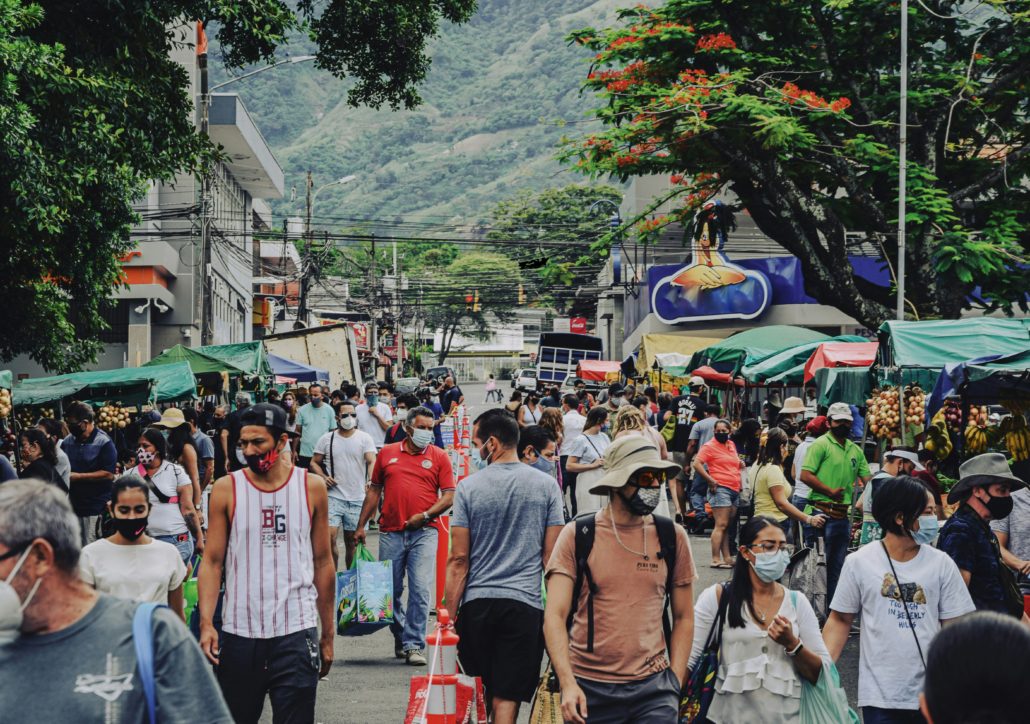
 Costa Rica is a country in Central America, located between the Pacific Ocean and the Caribbean Sea, neighboring Panama and Nicaragua. It has a population of around 5,174,564 people, out of all the other Central American countries, many regard Costa Rica’s government as the most stable and democratic and has a beautiful landscape and scenery. It has also been home to quite deadly and common diseases with terrifying effects and symptoms.
These diseases seriously disrupt people’s everyday lives and are dangerous if left untreated. Each one of these viruses is preventable and has treatments that ensure lives are saved, but because the country struggles with poverty, many of its people are unable to safely access medical care and treatment. Here is information about three diseases impacting Costa Rica and the efforts that are addressing them.
1. Hantavirus
Hantavirus is a group of zoonotic viruses that rodents carry and transmit to humans through direct contact with infected rodents or their bodily fluids. Areas at high risk of disease are barns, storage rooms, rustic cabins and poorly ventilated rural buildings due to high rodent activity.
The illness can be quite severe and deadly to people, but it varies depending on the specific type of hantavirus, which includes hantavirus cardiopulmonary syndrome (HCPS) and haemorrhagic fever with renal syndrome (HFRS). It also depends on the geographical location and climate. Now, Costa Rica has not seen a large hantavirus outbreak, unlike their South American neighbors, but the threat is still there and people must be careful. Hantavirus transmits through contact with infected rodents or their droppings.
In humans, the symptoms may vary depending on the type of hantavirus; for example, HCPS causes rapid coughing, shortness of breath, accumulation of fluid in the lungs and shock. Meanwhile, for HFRS, the symptoms are low blood pressure, bleeding disorders and kidney failure.
Diagnosing the illness can be tricky due to it sharing common symptoms with other illnesses like influenza and COVID-19, meaning that extra attention is necessary when symptoms do arise and people must seek medical care as soon as possible. As of now, there are no current specific vaccines available for the disease, but medical care at its early stages can improve the outcomes. To prevent the disease, reducing contact with rodents is a good start. Some effective measures include keeping homes and workplaces clean, sealing any openings that allow rodents to enter buildings, storing food securely and dampening contaminated areas before cleaning,
2. Dengue
Dengue is a viral infection that transmits through mosquito bites, which transfers the virus to a person’s bloodstream. It is common in tropical and subtropical areas where the buzzing critters inhabit. Costa Rica has a history of dengue cases, with it reporting more than 27,000 cases by October 2024 and a decline in cases in 2025 with only 1,802 reported. This reduction in cases is likely due to the increase in vector-control throughout the country. In 2026, dengue remains a common disease, even if it’s on a lower scale than the previous surge, people must still be cautious and aware of this illness.
Symptoms may include high fever, severe headache, pain behind the eyes, muscle and joint pains, nausea and vomiting, swollen glands and rashes. However, in the case a person gets infected with dengue a second time, the illness becomes more severe with symptoms of severe abdominal pain, persistent vomiting, rapid breathing, bleeding gums or nose, fatigue and restlessness, blood in vomit or stool, extreme thirst, pale and cold skin and feelings of weakness. People experiencing these symptoms should seek medical attention immediately.
There is a single vaccine available, QDenga, which is only recommended for people aged 6–16 years. According to the World Health Organization (WHO), several more vaccines are in the development stage, with a few under evaluation for this disease. It is also highly important to avoid bites from mosquitoes in general with the use of mosquito nets at night, along with mosquito repellent and wearing protective clothing. If a person gets dengue, they must rest, drink plenty of liquids, take paracetamol for the pain, but avoid anti-inflammatory medication like ibuprofen and aspirin and be aware if they have any severe symptoms and see a doctor if that’s the case.
3. Chikungunya
Chikungunya is yet another mosquito-related viral disease, particularly the Aedes mosquito. The disease results from the chikungunya virus and passes through mosquito bites into the blood vessels. The name comes from the Kimakonde language of southern Tanzania, meaning “that which bends up,” which describes the severe joint pain those infected with the disease experience.
Its symptoms are sudden fever, muscle pain, severe joint pain, joint swelling, rashes, headache and fatigue. These symptoms can often be mistaken for other illnesses due to overlapping; for example, Zika and dengue have similar symptoms, and as a result, misdiagnosis becomes a large possibility, especially if the joint pain aspect is missing, as it could leave the infection undetected, thus leading to worse conditions.
Not all is hopeless, as blood samples collected in the first week of the illness can easily help detect chikungunya. Treatment includes the use of antipyretics and optimal analgesics for the fever and joint pains, as well as rest and drinking plenty of liquids. As of now, there are two chikungunya vaccines available in several countries, but not yet worldwide. WHO and external expert advisors are currently reviewing the research and progress of more chikungunya vaccines.
The Effects of Poverty on Healthcare Access & NGO Aid
There still remains the issue of poverty as it effects how much access the people of Costa Rica have to all these healthcare options. According to recent statistics, around 24–25% households are below the poverty line, with a large portion of the population struggling to get access to basic necessities, such as healthcare. As a result, many in rural areas are not able to easily receive these treatments against the diseases impacting Costa Rica, leaving them incredibly vulnerable to potential dangers.
A number of organizations and NGOs are trying to help these households. A specific NGO, called Costa Rican Humanitarian Foundation (CRHF), aims to help Costa Rican citizens in these issues. From its founding in 1997, the organization focuses on developing creative and economical solutions for the country’s major challenges. With volunteers from all over the world and donors, it set out to achieve a positive impact in Costa Rica. A few of its achievements include providing urgent medical care and general well-being checks for more than 500 patients in 2025 and supporting more than 800 children and adolescents in the CRHF’s learning centers the same year.
Looking Ahead
These three diseases impacting Costa Rica correlate with the constraints of poverty and a difficult economic situation, which can prevent people from accessing vital medical treatments. Fortunately, NGOS like CRHF are making a difference, helping even those with lower incomes access medical care.
– Michalitsa Kontogianni
Michalitsa is based in Washington, DC, USA and focuses on Good News and Global Health for The Borgen Project.
Photo: Unsplash

Projected GDP Growth Could Stabilize Poverty in Moldova
The Impact of the Russo-Ukrainian War on Moldova
International relief efforts in Moldova have been increasing due to escalations in the conflict between Russia and Ukraine. Created in 1961, the World Food Programme (WFP) is the branch of the United Nations that deals with food assistance and is also the largest global nonprofit addressing poverty. It projects that the poverty rate in Moldova is now 33.6%, compared to 25% before the start of the Russo-Ukrainian War. This increase has negatively impacted Moldovans’ quality of life, access to food and shelter and the ability to provide for their families. Organizations from around the globe have stepped in to provide relief to those struggling in Moldova as a result of the conflict.
Relief for Moldovan Nationals and Ukrainian Refugees
In partnership with the Moldovan government and the U.N., the WFP has provided significant relief to both Ukrainian refugees at the Moldovan border and Moldovan families welcoming them. The WFP provides financial support to Ukrainian refugees and their host families across Moldova, as well as three hot meals a day in Ukrainian refugee accommodation centers. It describes its financial relief efforts: the WFP is working with the International Organization for Migration (IOM) on a government initiative — the Provision of Emergency Cash Assistance to Crisis-Affected Populations and Integration of Shock Response into the National Social Protection System in Moldova — which provides emergency multipurpose cash to the most vulnerable Moldovans to cover their essential needs and promote social cohesion between refugees and Moldovans.
Project Hope is a nonprofit organization that focuses on improving access to health care in regions affected by disaster and conflict. Founded in 1958 in the United States, it is now an international organization. In partnership with The Moldova Project, Project Hope has helped establish nine child-friendly safe spaces to provide play spaces, education, mental health and integration services for Ukrainian children, parents and caregivers. These playrooms have supported more than 9,000 Ukrainian refugees and host community members. Project Hope has also supplied primary health care facilities in highly impacted areas such as the Ștefan Vodă, Florești and Telenești districts with supplies and equipment. In addition, Project Hope introduced mobile medical units across Moldova, which have treated approximately 4,000 patients who otherwise would have gone without medical attention. These units transport one doctor, nurse and driver to rural and underserved communities across Moldova.
Looking Ahead
As of June 3, 2026, the European Bank for Reconstruction and Development projected that Moldova’s GDP will grow 2.8% in 2026 and another 3.5% in 2027. This growth results from increased performance in sectors such as agriculture and construction, as well as the economic stabilization recent relief efforts have brought. GDP growth is significantly linked to poverty reduction, as economic growth typically bolsters the incomes of every economic class. Although the poverty rate in Moldova is still approximately one-third, these new projections and parallel relief efforts for refugee assistance are beginning to alleviate its position as the most poverty-stricken country in Europe.
– Natalie Naylor
Photo: Unsplash
Higher Education in Kazakhstan and its Transitioning Economy
Since the fall of the Soviet Union, Kazakhstan has been a country in transition. This has not only affected its economy and central government but also its education system. As of 2024, more than half of children in primary education are unable to read and understand age-appropriate text. This created challenges in secondary education, which can reduce students’ motivation to pursue higher education.
Promoting Higher Education
After the fall of the Soviet Union, private schools expanded, but were later deemed to be of poor quality. During this time, the government controlled public schools and universities. Following the country’s independence, public universities introduced fees.
As Kazakhstan’s oil-driven economy grew, its need for higher education increased. This created a slight increase in enrollment in universities as employers demanded more skilled professionals. However, in recent years, employment rates among university graduates have remained low.
Driven by education reforms, the country’s 2050 Strategy pledged to diversify Kazakhstan’s economy. This strategy includes goals to improve the quality of teaching while providing access to higher education for poorer students. The European Bank for Reconstruction and Development (EBRD) has identified the need to “improve inclusion across regions and for vulnerable population groups.”
The Republic of Kazakhstan launched many bold internationalization goals within the implementation of the Academic Mobility Strategy in Kazakhstan 2012-2020. These goals focused on increasing the number of international students in Kazakhstan as well as the number of students studying abroad. To support these programs, Kazakhstan joined the Bologna Process. According to a WENR article, “The government has embraced educational reforms aimed at opening education provision to the free market.”
The European Union’s Help With Higher Education
Kazakhstan became part of the Bologna Process in 2010, which is making higher education in Kazakhstan more inclusive and accessible. The Bologna Process started with the Sorbonne and Bologna Declarations, which addressed the difficulties in the recognition of degrees in Europe.
The Bologna Process consists of a three-cycle education system that includes bachelor’s, master’s and doctoral degrees. Among the 28 counties involved, there is an agreed system that creates a standard for qualifications and principles.
The Republic of Kazakhstan also incorporated the Paris Communiqué to create more inclusive learning approaches to learning to create more participation in higher education. The main focus of this implementation was to make university degrees more accessible to all citizens, especially those with lower representation.
When it comes to accessibility in lower-income households, the government does provide support to help improve access to primary and secondary education, but it does not target financial support for higher education. Only about 50% of students enrolled in universities in Kazakhstan receive financial support. Kazakhstan is currently introducing measures to help increase participation, but it has only adopted two of four proposed measures.
Another major program introduced to Kazakhstan was the European Credit Transfer and Accumulation System (ECTS). This allows a way to transfer loans from one institution to another, specifically if a student studied abroad. According to the Independent Agency for Quality Assurance in Education, “Currently, this system plays an additional role in the accumulation of loans, the development, description and implementation of programs.”
Current Institutions in Kazakhstan
According to the admission quota, “64,300 people study in higher education institutions.” Of those enrolled in higher education, 45.1% are in attendance in public institutions, 54.1% attend private institutions, while the last 0.7% are enrolled in foreign universities. Students are accepted based on general secondary education, technical and vocational education, and on the basis of higher education.
There are different types of organizations offered for higher education in Kazakhstan. These include research universities, academies, conservatories as well as national research universities for postgraduate degrees. Research universities offer five-year programs approved by the government, while institutions considered National Organizations of Higher Education are granted special status.
At the national level, Al-Farabi Kazakh National University holds the highest ratings for its educational programs. The institution has been ranked in the top 3% of the best universities in Asia. On a global level, the institution is ranked 166th due to its academic reputation, graduate employment and large share of foreign students and professors.
Working Towards the Future
Although Kazakhstan is still in a transitional period, changes are still occurring to education in order to align their education system with international standards. Still today the country’s government is working on improvements to inclusion within higher education. Scholarship programs have played a major role in establishing international partnerships providing more opportunities.
Poverty continues to be a problem in the country, as factors such as aftershocks of COVID-19 and the war in Ukraine have affected employment and inflation. There is a correlation between poverty levels and the percentage of those enrolled in higher education. As of 2023, only 25% of the bottom 40% have post-secondary education, whereas 75% of the top 60% have higher education.
Looking Ahead
Improving education systems within the country is not only beneficial to their education rates, but also to their economy. As dependence on petroleum for the economy increased, so did pledges of diversification, leading to the many reforms that have expanded higher education. As the economy continues to grow, so do the rates of education within Kazakhstan.
– Jacquelyn Orr
Photo: Wikimedia Commons
5 Charities Operating in Turkmenistan
1. The Anzal Begum Foundation
When considering all the things needed to provide direct poverty relief, the Anzal Begum Foundation helps provide the citizens of Turkmenistan support for almost all of these basic needs. Not only does it work to make sure every citizen has access to food support and clean water, but it also works to provide disaster relief, orphan care and eco-friendly power sources. The foundation originated in 2013 in memory of Anzal Begum, someone who by herself would work to help whoever she could whenever she could. Located in the United Kingdom, the Anzal Begum Foundation now serves 47 countries across Asia and Africa.
2. The Mitsubishi Corporation Foundation for EMEA
The newest of these five charities operating in Turkmenistan, the Mitsubishi Corporation Foundation for Europe, the Middle East and Africa was founded in 2024. This foundation focuses specifically on education and environmental conservation. Currently, Turkmenistan has a very high education rate with 97% of their population completing upper secondary school. Despite this, a semi-large portion of students are unable to meet their foundational reading and numeracy skills, especially in the Balkan and Lebap velayats, and only 35% of youth have at least one ICT skill (Information and Communication Technology). This charity’s goal is to provide equal education to everyone, especially youth, while also providing education and technology for citizens to support their own eco-friendly environment. Some of its main projects right now involve protecting rainforests around Africa and Asia, creating and utilizing their ‘green schools’ to educate students on eco-friendliness and promoting sustainable water reuse.
3. Hesperian Health Guides
Hesperian Health Guides is one of the most widespread charities in the world right now, with it now having reached more than 220 countries and territories. Founded in 1973, Hesperian Health Guides’ goal is to provide everyone with the medical education needed to help themselves and their community. Digital resources like A Community Guide to Environmental Health are translated into Turkmen, and the charity works directly with AFEW International and its website Saglyk.org to translate and provide additional healthcare information. Saglyk.org now has more than 2,000 accessible resources and is one of the most read Turkmen websites.
4. Support Center of Disabled People of Turkmenistan
Located directly in the country, the Support Center of Disabled People of Turkmenistan focuses on supporting and rehabilitating disabled athletes of all ages. It protects the rights, interests and social support of these athletes while also providing them with opportunities such as powerlifting tournaments. Since its founding in 2004, the charity has provided education and agricultural training, including with the building of a new greenhouse in 2019, along with its creation of training camps, a gym with modern exercise machines and an esports club. Its center now has around 330 members with access to the facilities and training.
5. The Bearr Trust
The Bearr Trust is an advocacy charity supporting health and social welfare in 12 countries across eastern Europe and western Asia. Its main focuses are supporting rights for women, disabled peoples, elderly, mental health, and socially isolated groups. Founded in 1991, it has supported almost 200 projects and disbursed €500,000 in grants to organizations looking to help reform health and social sectors while also lobbying on the behalf of these organizations too. One of these recent supported projects is Turkmenistan’s goal to improve their healthcare system by providing modern equipment to 46 clinical laboratories, continue production of medicines for non-communicable disease and building three new medical centers.
Looking Ahead
Despite laws that have made it difficult for NGOs, especially foreign ones, to help, these five charities operating in Turkmenistan continue to accomplish as much as they can in this country, leading the way for further poverty reduction and improved quality of life for its citizens.
– Ally Jones
Photo: Wikimedia Commons
Fighting the Gender Wage Gap in Belize
The Numbers Behind The Gap
In Belize, inequality is significantly concerning, especially the scale of wage. The Statistical Institute of Belize states that the average monthly income for people in Belize in 2021 was 1,498 Belize dollars, yet women earned an average of only $1,116, less than 24% of what men make.
While women make up 40% of Belize’s labor force, men make up nearly 60%. Women work largely in healthcare, tourism, education and nonprofit work, sectors of work that generally receive lower wages. Men work primarily in more high paying and physically demanding sectors, like agriculture, and construction.
Barriers Keeping Women Behind
Many interlinked barriers maintain the gender wage gap in Belize. A 2007 report from the Women’s Anti-Discrimination Committee that monitored CEDAW compliance found that women in Belize suffered from discriminatory hiring practices, sexual harassment, limited maternal protections and persistent pay inequality.
Household duties and family responsibilities present themselves as another difficult obstacle. Many Belizean women are unable to participate full time in the workforce, especially in lower-income communities and rural areas. This is due to caregiving labor that is largely unrecognized and unpaid, and yet falls disproportionately on them. Women in Belize seldom receive managerial positions, which is huge regarding earning gaps. The U.S. Belize Human Rights report confirms that men earn more per month than women because they hold a larger portion of senior management roles.
Legislative Steps
To address these inequalities, Belize has taken on many meaningful legislative steps over the years. Belize ratified the Convention on the Elimination of All Forms of Discrimination Against Women (CEDAW) in 1990, an international treaty that obligated the country legally to eliminate discrimination for women and promote equal rights in all areas of life.
Belize amended its Labor Act in 2011 following concerns that CEDAW monitors brought up, penalizing unfair dismissals and establishing the Labor Complaints Tribunal. Women’s unemployment rates declined by nearly 5% between 2014 and 2015, and the portion of women obtaining university degrees has increased since those amendments took place.
In April 2024, Belize approved the Revised National Gender Policy from 2024-2030, supported by the United Nations Development Program (UNDP). The policy’s goal is to “achieve gender equity and equality and end discrimination against women and girls in Belize.” Addressing gender responsive education, healthcare, economic empowerment, women’s leadership and the end of gender based violence. It also aligns with the UN’s Sustainable Development Goal 5 on gender equality.
Organizations Leading the Charge
The National Women’s Commission (NWC) of Belize serves as the government’s primary advisory body on gender equality and women’s empowerment. After its establishment, the NWS coordinates the implementation of the National Gender Policy and advocates for CEDAW compliance between private and public sectors. Its goal is to recommend policy and legal changes that end discrimination against women and ensure that they have access to equal rights in practice, and not just on paper. The NWC conducted the first situation analysis of gender issues in Belize, and those findings developed the country’s first National Gender Policy in 2002.
The Government’s BOOST Program; Building Opportunities for our Social Transformation, turrets multidimensional poverty and uplifts female headed households through vocational training and cash transfers. A Decent Work country Programme launched in 2024 focuses specifically on economic empowerment for women, through skills training, labor rights awareness and access to financial resources.
A Path Forward
Belize’s wage gap isn’t isolated, but is the product of many structural inequalities in domestic caregiving, education and political representation. The World Economic Forum’s 2024 Global Gender Gap Index gave Belize a score of 0.07%, with political empowerment at a gap of 91%, showing that women are vastly underrepresented in decision making and leadership roles.
For Belizean women, the gap isn’t just a statistic, but it prevents them from building, achieving and earning. But Belize is finally no longer just acknowledging the issues but is creating systems to solve it.
– Saakshi Bhat
Photo: Wikimedia Commons
3 Things To Know About Fragility and Rule of Law in the Maldives
The Rule of Law and Poverty in the Maldives
Fragility and the rule of law in the Maldives are deeply interconnected: where legal institutions are weak or politically compromised, the state struggles to protect its citizens, enforce rights equally or hold the powerful to account. The Maldives presents a compelling case study in this dynamic. As a small island nation heavily dependent on tourism revenue, it faces unique vulnerabilities — including economic inequality, geographic dispersal across atolls and limited institutional capacity — that can compound fragility in its legal system.
These structural pressures have a direct bearing on poverty and access to justice. According to the World Bank, while the Maldives has achieved relatively low headline poverty rates, significant inequality persists between the capital Malé and the outer islands, where public services — including legal aid and court access — are far less available. For citizens living in poverty, particularly those outside the capital, navigating the justice system is a considerable challenge: legal representation is costly, travel to courts is expensive and awareness of legal rights remains uneven. This means that when fragility and the rule of law in the Maldives are under strain — whether through judicial interference, restricted press freedom, or concentrated executive power — it is those already marginalized by poverty who are most exposed to the consequences. Here are three key things to know about its recent state:
1. Reforms
The People’s Majlis (Maldivian Parliament) has driven recent legal reforms and amendments that promote human rights, more effective governance and environmental protection. For example, the legislature revised the Maldives Penal Code to move away from punitive measures and instead foster a rehabilitative approach by decriminalizing certain offences. A marked swell toward reforms that aim to enhance legal accountability has emerged, directly addressing fragility and the rule of law in the Maldives. These moves from the central government have had a tone-setting effect on the citizens of the Maldives, fostering an active rights-aware society that can continue to effectively pressure the government into reducing fragility and promoting democracy.
2. Threats to Judicial Independence
However, despite promising moves since 2008, this fledgling democracy certainly has some unavoidable cracks in the robustness of the rule of law, which have become particularly visible since President Muizzu took office. The tightening of media control and the restriction on protests and journalists reveals the fragility in the 2008 constitution. Most notably, threats have come from a subversion of judicial independence, where the executive allegedly suspended three Supreme Court justices in an alleged intimidation attempt to secure their support for the government during a constitutional review. This threat also drew attention in a joint submission to the UN Universal Periodic Review in April 2025, which highlighted elements of fragility and the rule of law in the Maldives as areas of serious concern.
3. Response to Fragility
Despite this threat, one cannot ignore that while the Maldivian people have experienced some threats to the rule of law — due to corruption and the concentration of power within the executive branch of government — significant moves exist to redress this overreach of power, ultimately aiming to retain power in the hands of public interest. This includes the drafting of an Asset Declaration Bill, as well as the Anti-Corruption Commission expanding its presence. Equally, the role of other power-limiting institutions like the Bar Council is being clearly exercised through their call for President Muizzu to return the bill — which had stripped the three Supreme Court judges of their positions — back to Parliament for revision.
Looking Ahead
It is clear that while threats have certainly tested fragility and the rule of law in the Maldives, overall the country demonstrates clear momentum in continually reducing fragility and ultimately improving and bolstering the protection of citizens in this evolving democracy.
– Amy Carpenter
Photo: Pexels
Higher Education in Iran: The Cost of Losing a Generation
In an increasingly precarious global position, young Iranians are choosing higher education as a path to economic opportunity, liberty and financial stability. However, for many Iranian students, this entails another shift: Recent reports suggest that up to 80% of Iranian students are considering emigration, while the number studying abroad reached a record 110,000 in 2024. Widespread concerns about the limited professional opportunities and restrictions on university life and academic growth have contributed to a growing separation between students and Iranian institutions. This emerging mass exodus highlights the hidden challenges facing higher education in Iran and the importance of supportive academic programs for young scholars.
A Growing Student Exodus
Over the past several decades, Iran has made significant progress in expanding access to higher education. Today, women make up nearly 60% of all university students, compared to just 3% of higher-education enrollment in 1978, reflecting one of the most dramatic increases in female educational attainment in the Middle East. Iranian universities have also increased their production of highly skilled graduates in STEM-oriented fields, like medicine, engineering and science. Despite these advancements, many scholars still choose to pursue their careers abroad; human rights organizations have documented restrictions on activism, disciplinary actions against scholars involved in political advocacy, and the limiting of academic expression and freedom at schools. Simultaneously, future career opportunities are becoming limited due to economic instability, leaving a hyper-competitive job market for highly-trained, highly-educated students.
According to the Financial Times, about 110,000 Iranian students chose to study abroad in places like Turkey, Canada and Germany in 2024, which is the highest number of students to date. While this represents only about 3.4% of Iran’s university student population, the figure has nearly doubled since 2020, reflecting a rapidly growing student exodus. This mass departure of highly educated scholars stunts not only the long-term development of educational institutions, but also entrepreneurship and innovation; graduates are the ones that drive the research required of economic growth and scientific progress.
The Impact on Education in Iran
This student migration can have effects beyond the labor market; universities have been shown to thrive when their students are given full academic freedom to exchange ideas and research. Ongoing concerns about academic freedom, professional opportunities and political restrictions have contributed to growing frustration among some students and scholars, limiting Iran’s ability to retain highly educated talent and fully capitalize on its educational achievements.
On one hand, though female freedoms and rights have increased within Iran, continued restriction through Iran’s religious persecution still affect women’s education, resulting in barriers in the workforce and limitations on academic or professional advancement.
However, many female graduates continue to face barriers in the workforce and limitations on professional advancement. Although women comprise a majority of university students in Iran, only about 14% of women participate in the labor force, highlighting the gap between educational achievement and economic opportunity. Researchers have found that these challenges contribute to the growing number of Iranian women pursuing educational and career opportunities abroad, adding to the country’s broader loss of highly educated talent. According to Iran’s Civil Code, a husband can legally prevent his wife from pursuing a career or opportunity if he believes it conflicts with “family interests” or his sense of dignity. Human Rights Watch argues that this restriction, when combined with barriers to certain occupations and limited protections against workplace discrimination, can render it difficult for highly educated women to participate fully in the workforce even after a performance of academic excellence.
In this case, many experts argue that educational systems do the best when all students are given the liberty to participate fully in the academic and professional sphere, and opportunities are given out based on merit. This means that the expansion of opportunities for both men and women, and their ability to participate equally, improves the educational system and contributes to national development.
Supporting Scholars and Academic Freedom
As of now, many organizations strive to ensure that students and scholars alike possess the ability to continue their education despite political barriers or restrictions on academic freedom. One such organization, Scholars at Risk, works to support threatened scholars and defend academic freedom around the world. Through resources such as advocacy initiatives, emergency assistance and temporary academic placements, the organization helps scholars continue learning, teaching and researching at host universities globally. Additionally, the organization documents attacks on higher education and provides support for students and teachers whose work has been disrupted by political instability, conflict or persecution.
Scholars at Risk has also reported on restrictions affecting academics in Iran and advocated on behalf of Iranian scholars facing threats to their academic freedom. Through these efforts, scholars are given a space to continue contributing to their fields regardless of political or social barriers. The mission of the organization is especially unique: by providing scholars with opportunities and resources to continue their academic journeys safely, it also helps preserve the valuable expertise and knowledge that higher education brings.
Looking Ahead
As shown, the future of higher education in Iran rests not only on the rates of university enrollment, but also on the functionality of education within a future career that provides economic and financial stability. Organizations like Scholars at Risk demonstrate the global cooperation necessary to expand educational opportunity and protect academic freedom. Ultimately, as more and more educated young Iranians choose to seek opportunities abroad, Iran risks losing not only a generation of researchers, innovators, and professionals, but also the people essential to the nation’s long-term development. With their support, students and scholars can continue their work despite political, economic or social barriers, resulting in the preservation of knowledge and advancement of a society.
– Kiana Raoufiniai
Photo: Wikimedia Commons
3 Diseases Impacting Costa Rica: Ways To Prevent & Treat Them
These diseases seriously disrupt people’s everyday lives and are dangerous if left untreated. Each one of these viruses is preventable and has treatments that ensure lives are saved, but because the country struggles with poverty, many of its people are unable to safely access medical care and treatment. Here is information about three diseases impacting Costa Rica and the efforts that are addressing them.
1. Hantavirus
Hantavirus is a group of zoonotic viruses that rodents carry and transmit to humans through direct contact with infected rodents or their bodily fluids. Areas at high risk of disease are barns, storage rooms, rustic cabins and poorly ventilated rural buildings due to high rodent activity.
The illness can be quite severe and deadly to people, but it varies depending on the specific type of hantavirus, which includes hantavirus cardiopulmonary syndrome (HCPS) and haemorrhagic fever with renal syndrome (HFRS). It also depends on the geographical location and climate. Now, Costa Rica has not seen a large hantavirus outbreak, unlike their South American neighbors, but the threat is still there and people must be careful. Hantavirus transmits through contact with infected rodents or their droppings.
In humans, the symptoms may vary depending on the type of hantavirus; for example, HCPS causes rapid coughing, shortness of breath, accumulation of fluid in the lungs and shock. Meanwhile, for HFRS, the symptoms are low blood pressure, bleeding disorders and kidney failure.
Diagnosing the illness can be tricky due to it sharing common symptoms with other illnesses like influenza and COVID-19, meaning that extra attention is necessary when symptoms do arise and people must seek medical care as soon as possible. As of now, there are no current specific vaccines available for the disease, but medical care at its early stages can improve the outcomes. To prevent the disease, reducing contact with rodents is a good start. Some effective measures include keeping homes and workplaces clean, sealing any openings that allow rodents to enter buildings, storing food securely and dampening contaminated areas before cleaning,
2. Dengue
Dengue is a viral infection that transmits through mosquito bites, which transfers the virus to a person’s bloodstream. It is common in tropical and subtropical areas where the buzzing critters inhabit. Costa Rica has a history of dengue cases, with it reporting more than 27,000 cases by October 2024 and a decline in cases in 2025 with only 1,802 reported. This reduction in cases is likely due to the increase in vector-control throughout the country. In 2026, dengue remains a common disease, even if it’s on a lower scale than the previous surge, people must still be cautious and aware of this illness.
Symptoms may include high fever, severe headache, pain behind the eyes, muscle and joint pains, nausea and vomiting, swollen glands and rashes. However, in the case a person gets infected with dengue a second time, the illness becomes more severe with symptoms of severe abdominal pain, persistent vomiting, rapid breathing, bleeding gums or nose, fatigue and restlessness, blood in vomit or stool, extreme thirst, pale and cold skin and feelings of weakness. People experiencing these symptoms should seek medical attention immediately.
There is a single vaccine available, QDenga, which is only recommended for people aged 6–16 years. According to the World Health Organization (WHO), several more vaccines are in the development stage, with a few under evaluation for this disease. It is also highly important to avoid bites from mosquitoes in general with the use of mosquito nets at night, along with mosquito repellent and wearing protective clothing. If a person gets dengue, they must rest, drink plenty of liquids, take paracetamol for the pain, but avoid anti-inflammatory medication like ibuprofen and aspirin and be aware if they have any severe symptoms and see a doctor if that’s the case.
3. Chikungunya
Chikungunya is yet another mosquito-related viral disease, particularly the Aedes mosquito. The disease results from the chikungunya virus and passes through mosquito bites into the blood vessels. The name comes from the Kimakonde language of southern Tanzania, meaning “that which bends up,” which describes the severe joint pain those infected with the disease experience.
Its symptoms are sudden fever, muscle pain, severe joint pain, joint swelling, rashes, headache and fatigue. These symptoms can often be mistaken for other illnesses due to overlapping; for example, Zika and dengue have similar symptoms, and as a result, misdiagnosis becomes a large possibility, especially if the joint pain aspect is missing, as it could leave the infection undetected, thus leading to worse conditions.
Not all is hopeless, as blood samples collected in the first week of the illness can easily help detect chikungunya. Treatment includes the use of antipyretics and optimal analgesics for the fever and joint pains, as well as rest and drinking plenty of liquids. As of now, there are two chikungunya vaccines available in several countries, but not yet worldwide. WHO and external expert advisors are currently reviewing the research and progress of more chikungunya vaccines.
The Effects of Poverty on Healthcare Access & NGO Aid
There still remains the issue of poverty as it effects how much access the people of Costa Rica have to all these healthcare options. According to recent statistics, around 24–25% households are below the poverty line, with a large portion of the population struggling to get access to basic necessities, such as healthcare. As a result, many in rural areas are not able to easily receive these treatments against the diseases impacting Costa Rica, leaving them incredibly vulnerable to potential dangers.
A number of organizations and NGOs are trying to help these households. A specific NGO, called Costa Rican Humanitarian Foundation (CRHF), aims to help Costa Rican citizens in these issues. From its founding in 1997, the organization focuses on developing creative and economical solutions for the country’s major challenges. With volunteers from all over the world and donors, it set out to achieve a positive impact in Costa Rica. A few of its achievements include providing urgent medical care and general well-being checks for more than 500 patients in 2025 and supporting more than 800 children and adolescents in the CRHF’s learning centers the same year.
Looking Ahead
These three diseases impacting Costa Rica correlate with the constraints of poverty and a difficult economic situation, which can prevent people from accessing vital medical treatments. Fortunately, NGOS like CRHF are making a difference, helping even those with lower incomes access medical care.
– Michalitsa Kontogianni
Photo: Unsplash
Continuing Access To Higher Education in Ecuador
In Ecuador, these barriers are heightened due to persistent systemic and regional disparities leading to gaps in university completion rates. Government policies and scholarship programs established in recent years aim to supply more resources for improving access to higher education nationwide. Here is more information about higher education in Ecuador.
Challenges for Higher Education in Ecuador
Many students face financial and geographic barriers to earning their degrees. Research on public higher education access in Ecuador found that students from ethnic minorities including Indigenous students, students from the Pacific Coast region and students with disabilities were less likely to access the country’s top public universities.
The study also found that students from schools with stronger learning conditions had a greater likelihood of being admitted to certain schools. These findings demonstrate how inequalities can impact educational opportunities well before the student begins the admissions process.
Affordability remains a major contributor to these challenges as well. Many students rely on financial assistance and scholarship support in order to pursue higher education. Oftentimes, financial assistance can determine whether a student attends university at all.
Government Efforts
Contrary to global trends, the Ecuadorian government increased public investment in higher education during the 2010s, becoming the country with the second largest increase in investment in higher education worldwide.
These investments expanded access to public universities, created Ecuador’s Secretariat of Higher Education, Science, Technology and Innovation (SENESCYT) programs, and increased scholarship opportunities. Additionally, there were significant expansions in the number of scholarships available through SENESCYT while reducing interest rates on student loans from 12% to 4.6%.
Between 2012 and 2017, Ecuador invested approximately $8 billion in higher education reforms. It implemented five major higher education reforms, including free undergraduate public education, scholarship programs and the creation of four new public universities.
Policymakers have implemented higher education reforms in hopes to expand educational opportunities and align universities with Ecuador’s social and economic challenges.
The reforms have focused on increasing support for all students going through the admissions process to establish stronger pathways for a future of continuous economic growth and success.
International Organizations Support
International organizations play an important role in expanding higher educational opportunities in Ecuador in several ways.
In 2016, the World Bank approved a $90.5 million loan to support public technical and technological education programs throughout the country. The initiative aimed to increase student participation, while strengthening institutional management in Ecuador’s higher education system. According to the World Bank, the project was expected to benefit more than 38,000 Ecuadorian students in its attempt to improve access to programs designed in collaboration with local employers.
By expanding technical and technological training opportunities, students were more equipped with skills that align with the labor market to enhance longer term economic opportunity.
Continuous Progress in Ecuador
While challenges remain, recent trends suggest that higher education in Ecuador continues to move in a positive direction. Recent reforms and investments have expanded access to higher education and created new opportunities for students throughout Ecuador.
Educators and policymakers are continuing to address disparities affecting marginalized communities in hopes to create more inclusive higher education systems. Affirmative action initiatives along with student loan and scholarship programs run by Ecuador’s Secretariat of Higher Education, Science, Technology and Innovation (SENESCYT) have been crucial.
Higher education can provide students with specialized skills that create opportunity for employment and increase earnings over time. As Ecuador continues to strengthen access to educational equity, higher education remains an important tool for promoting economic mobility and reducing poverty for generations.
– India Hairston
Photo: Wikimedia Commons
Being Poor in China: Persistent Inequality and Progress
Poverty Down but Inequality Still Persists
Between 1981 and 2004, China lifted more than 600 million people out of poverty through rapid economic growth, urbanization and increased participation in global trade and investment.
Despite these achievements, many rural communities did not benefit equally from China’s economic growth. Government resource allocation and development opportunities often favored other areas, and many rural residents relied on farming and self-sufficiency when they faced economic hardship. Being poor in China often meant facing unequal access to education, health care and infrastructure despite China’s broader economic success.
Rural communities received lower educational investment than urban areas, which contributed to higher dropout rates and lower high school enrollment. Girls from rural and migrant backgrounds often faced lower parental expectations and received fewer educational resources, further limiting their chances for advancement. These disparities highlighted the need for targeted government intervention.
China’s Targeted Poverty Alleviation Program
In response to these challenges, China launched its Targeted Poverty Alleviation (TPA) program in 2013 to reduce poverty in some of the country’s poorest communities. The initiative included several programs, such as the Educational Poverty Alleviation Program, the Medical Poverty Alleviation Program and the Poverty Relocation Program. These efforts targeted the specific needs of impoverished households by improving access to education, health care and economic opportunities.
Researchers report that TPA narrowed the rural-urban income gap, improved health outcomes for low-income households and supported infrastructure development in poorer regions. The program funded projects such as road construction, land improvement and the relocation of residents from remote areas with limited economic opportunities to regions with better access to jobs and public services. As these efforts expanded across targeted regions, China eliminated extreme poverty by 2020, meaning no citizens lived on less than $3 per day under the international poverty line.
The Results of the Targeted Poverty Alleviation Program
To direct resources toward the communities most in need, the Chinese government identified 823 national poor counties as key targets under TPA. For many families, being poor in China often meant living in one of these central or western counties, many of which were located in mountainous and remote regions with limited infrastructure and economic opportunities. The government concentrated financial support and poverty-reduction initiatives in these areas.
Researchers report that these efforts produced significant results. By the end of 2020, China had eliminated rural extreme poverty. The government removed 832 counties from the national “poverty county” list and declared that it had eradicated extreme poverty nationwide.
Targeted poverty regions also experienced strong economic growth during the TPA period. GDP in these areas increased by approximately 72%, outpacing the national average. Social development improved gradually before accelerating in the later years of the program. Environmental outcomes proved less consistent. Although vegetation cover increased by 2,959 km² and NDVI indicators showed slight improvement, overall ecosystem quality did not consistently improve during the same period.
China’s Targeted Poverty Alleviation program stands as one of the largest poverty reduction efforts in recent history, playing a role in rapid social and economic development. The program delivered major gains in income, infrastructure and relocation efforts designed to improve living conditions in remote communities.
Looking Ahead
Although China officially eliminated extreme poverty, challenges related to unequal development remain. In many cases, the experience of being poor in China has shifted rather than disappeared, and disparities in education, healthcare, and economic opportunity still affect certain rural communities.
Overall, China’s experience demonstrates how targeted government intervention can improve living conditions and expand economic opportunities. As policymakers continue to address regional disparities, the long-term success of these efforts will depend on ensuring that future growth reaches communities across the country.
– Alexandra Pedroza
Photo: Unsplash
Being Poor in Singapore
As a country, Singapore developed significantly, with older portions of the city being transformed. Older Malay kampong houses are beginning to disappear with buildings from the Housing and Development Board (known as HDBs) replacing them instead.
Singapore’s population is multicultural and diverse. With Hindu temples nestled amongst Chinatown, the nation prides itself on religious toleration and multiculturalism.
While Singapore seems ideal and almost-perfect, poverty does still exist. Around 3% of Singapore’s population live in absolute poverty, meaning that their household income is less than the pre-determined level (“minimum income standard” in Singapore is $1,680). Being poor in Singapore makes it difficult for them to gain basic necessities, like food, water, shelter and more.
Affordability in Singapore
While International Citizens Insurance ranks Singapore as one of the most expensive countries to live in, there are affordable options in Singapore. HDBs, mentioned earlier, are Singapore’s public housing, and around 80% of the population live in these buildings. Hawker centers earn Michelin stars in Singapore for their renowned dishes, but people also know them for being very affordable.
Minorities Affected in Singapore
Minorities that are most affected include low-wage workers (who make up “60% of Singaporeans living in poverty”), unemployed and underemployed people, elderly (especially older women). However, one should note that these numbers do not include migrant workers. Although poverty may not be completely visible, there are certain minorities that struggle more than others, including rough sleepers and migrant workers.
Rough sleepers in Singapore are “individuals who sleep in public spaces” (excluding whether they have housing or not). CNA states that not all who are homeless sleep rough. Despite half of rough sleepers (around 47%) having a home, 20% of rough sleepers have financial struggles while 29% have trouble “securing or maintaining housing.”
Moreover, Singapore’s migrant workers often get low-wages yet have “labor-intensive jobs.” Despite their work to develop the country, they do not receive the same access to healthcare. Workers often have their “healthcare declined” or managed by their employers. According to one study, people in Singapore may believe that migrant workers “threaten the country’s culture and heritage.”
The same study stated that only a small majority of the public support the idea of giving maternity leave to migrant women. And only a small number of people supported providing equal wages to women migrant workers working the same job as women nationals.
Rising Cost of Living in Singapore
Households are becoming less prepared for the future and financial resilience is decreasing due to increasing costs of living in Singapore. The monthly cost of living in Singapore is around $2,560, and the numbers can increase if an individual is married or has kids (because of including other necessary payments like insurance). Since 2000, the cost of HDB resale apartments have also increased by 168.6%.
Solutions in Singapore
The experience of minorities combined with rising living costs proves to be a challenge, but the country has taken measures to alleviate the issue of being poor in Singapore. For instance, the Ministry of Social and Family Development will provide $450,000 to help organizations combat homelessness; applications for this fund (called Partnerships to Tackle Homelessness or PATH) opened on April 1st, 2026 to help organizations find “trial solutions that address the underlying causes of rough sleeping.”
Furthermore, HealthServe, a nonprofit for migrant workers, was finally able to secure the now-mandatory Primary Care Plan (a plan that “aims to provide eligible workers with accessible and affordable healthcare”) after years of advocacy. The Primary Care Plan took effect on April 1st 2022 and more than 490,000 migrant workers are enrolled in this plan. While language, employer support and mental health support are obstacles yet to overcome, Singapore has made progress in these areas.
Looking Ahead
Singapore isn’t a perfect country, and there are still minorities who struggle with being poor in Singapore. However, with the help of local NGOs and government intervention, these problems are slowly being alleviated, and these small steps will ultimately lead to a better environment for everyone.
– Sahana Sundar
Photo: Pixabay