Innovations in Poverty Eradication in Ecuador
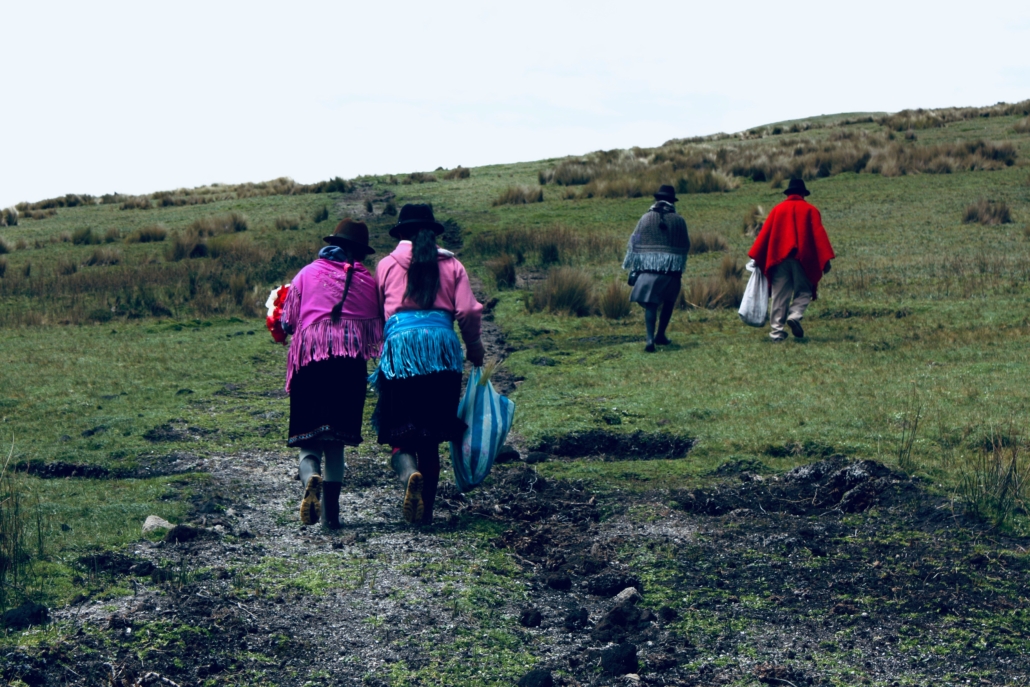 Poverty eradication in Ecuador remains a significant challenge. As of mid‑2023, approximately 27% of the population lived below the poverty line (earning less than $89.29 per month), with 10.8% in extreme poverty (under $50.32/month). In rural provinces, those numbers climb sharply—46% live in poverty and 22.6% in extreme poverty. Furthermore, Ecuador’s poverty disproportionately affects Indigenous and Afro-Ecuadorian communities, with Indigenous children experiencing poverty rates as high as 67% and Afro-Ecuadorians more than 45%.
Life for those in poverty often involves insecure employment, inadequate housing, poor sanitation and higher rates of child malnutrition. Informal employment is widespread, with 58% of workers lacking formal protections, and access to health care and education remains limited in rural areas. Women, Indigenous peoples and youth are especially vulnerable. These systemic inequalities highlight the urgent need for targeted innovations in poverty eradication.
Social Entrepreneurship and Economic Empowerment
One prominent example of impact-driven entrepreneurship is Salinerito, a collective enterprise based in Salinas de Guaranda. Since the 1970s, this network of more than 20 cooperatives has generated sustainable income by producing cheese, chocolate and alpaca wool textiles. What sets Salinerito apart is its commitment to reinvesting profits in community services, such as funding schools, health clinics and microfinance programs, to uplift entire local economies and foster a solidarity-based growth model.
Another success is the Bio Warmi initiative, a women-led cooperative based in the Napo province of Ecuador’s Amazon region. Launched in 2018 by the Ministry of Environment, Water and Ecological Transition, in partnership with the United Nations Development Programme (UNDP) and the Global Environment Facility (GEF), Bio Warmi empowers Indigenous Kichwa women to grow native medicinal plants and transform them into certified organic cosmetic and wellness products. The initiative forms part of Ecuador’s broader transition to a green and inclusive economy. By leveraging Ecuador’s national “green loans” strategy to support environmentally sustainable microenterprises, Bio Warmi has generated consistent income for its members while promoting the conservation of biodiversity and ancestral knowledge. Notably, this initiative contributes to a nationwide policy effort that has mobilized more than $800 million in small-business financing tied to nature-based solutions and community resilience.
Community-Based Economic Resilience
In parallel, Ecuador’s ECOSIMIA stands as a compelling and resilient model of a non-monetary, community-based economy. Originating in 1992 under the name SINTRAL, it was developed within the Fundación Educativa Pestalozzi, an alternative educational project in Tumbaco. This system was inspired by the Local Exchange Trading Systems (LETS) framework and introduced barter-based markets where members exchanged goods and services without money, using a mutual credit system. Each transaction was assigned a numerical value purely for recordkeeping, with no monetary or debt-based implications. By the early 2000s, as Ecuador’s economic conditions deteriorated following dollarization, SINTRAL evolved into a broader, decentralized trading network. Under the guidance of educator and activist Mauricio Wild, the initiative expanded rapidly in rural areas, where communities sought autonomy from unstable monetary systems and limited access to formal markets.
In 2006, during a national gathering of participating groups, the network formally adopted the name ECOSIMIA, an acronym for “El Ecosistema es Responsabilidad Mía” (“The Ecosystem is My Responsibility”), emphasizing its ecological and communal values. Today, ECOSIMIA links more than 140 local groups across 13 provinces, forming a dynamic network of grassroots economies. These groups organize regular barter markets and coordinate exchanges at both the local and regional levels. ECOSIMIA not only facilitates access to essential goods and services without reliance on cash, but it also strengthens social ties, preserves ancestral knowledge and promotes economic resilience in marginalized and remote communities.
Government and International Collaboration
The Ecuadorian government, in collaboration with international partners, is modernizing its social protection systems to better reach vulnerable populations. In 2024, the “Innovating for Equality: Transforming local social protection mechanisms through digitalization” initiative, a joint project by the United Nations Development Programme (UNDP) and the International Labour Organization (ILO), allocated approximately $864,000 to strengthen local social assistance frameworks. The project focuses on digitizing beneficiary registries and creating interoperable digital platforms that link various government services. By improving data accuracy and coordination, the initiative ensures that critical services, such as food aid, cash transfers and employment support, are delivered more efficiently to informal workers, youth and Indigenous communities, who often fall through the cracks of traditional safety nets. This digital transformation reduces bureaucratic delays, expands the reach of social programs and helps lift underserved populations out of poverty by making support more timely, accessible and inclusive.
Furthermore, in early 2025, the World Bank approved an additional $110 million to reinforce Ecuador’s social safety net by integrating climate vulnerability, enhancing child development services and supporting refugee-inclusive cash transfers. Strengthened social protection is crucial for addressing structural poverty and preventing chronic malnutrition among young children.
A Holistic Path Toward Poverty Eradication in Ecuador
From solidarity-based cooperatives and barter networks to digital inclusion programs and eco-entrepreneurship, Ecuador’s efforts show that poverty eradication in Ecuador is most effective when rooted in community strengths, inclusive finance and smart public policy. By empowering women, youth and Indigenous peoples through innovative social enterprises and digitized safety nets, Ecuador is fostering a resilient, equitable path forward, demonstrating that poverty reduction can be achieved when innovation meets community.
– Tu Anh Ha
Tu is based in Hanoi, Vietnam and focuses on Technology and Solutions for The Borgen Project.
Photo: Unsplash
