Higher Education in Iran: The Cost of Losing a Generation
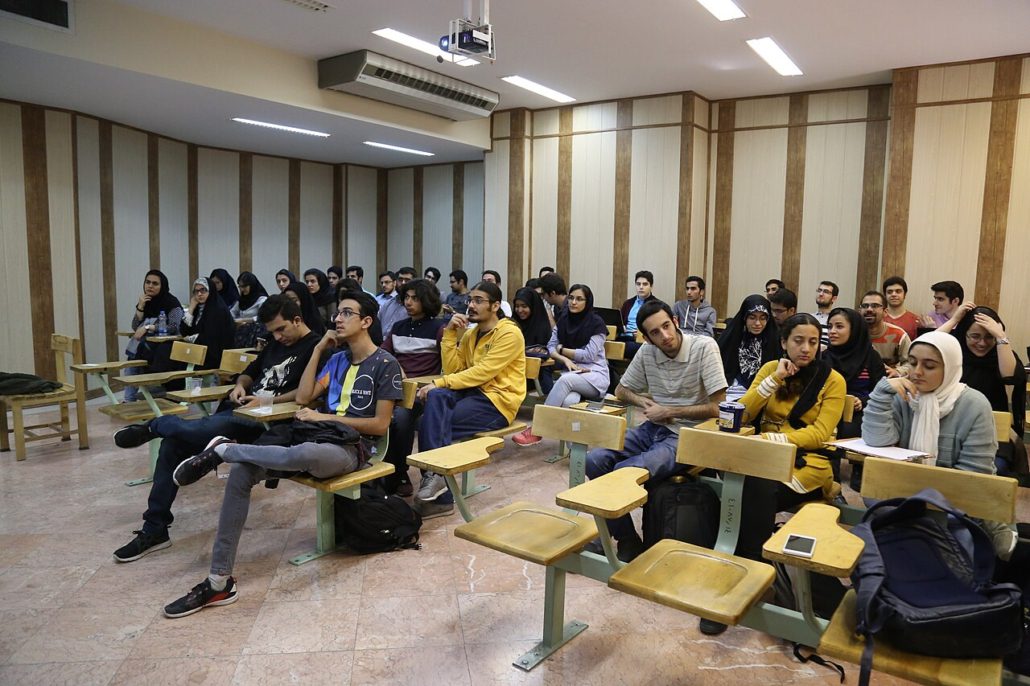
In an increasingly precarious global position, young Iranians are choosing higher education as a path to economic opportunity, liberty and financial stability. However, for many Iranian students, this entails another shift: Recent reports suggest that up to 80% of Iranian students are considering emigration, while the number studying abroad reached a record 110,000 in 2024. Widespread concerns about the limited professional opportunities and restrictions on university life and academic growth have contributed to a growing separation between students and Iranian institutions. This emerging mass exodus highlights the hidden challenges facing higher education in Iran and the importance of supportive academic programs for young scholars.
A Growing Student Exodus
Over the past several decades, Iran has made significant progress in expanding access to higher education. Today, women make up nearly 60% of all university students, compared to just 3% of higher-education enrollment in 1978, reflecting one of the most dramatic increases in female educational attainment in the Middle East. Iranian universities have also increased their production of highly skilled graduates in STEM-oriented fields, like medicine, engineering and science. Despite these advancements, many scholars still choose to pursue their careers abroad; human rights organizations have documented restrictions on activism, disciplinary actions against scholars involved in political advocacy, and the limiting of academic expression and freedom at schools. Simultaneously, future career opportunities are becoming limited due to economic instability, leaving a hyper-competitive job market for highly-trained, highly-educated students.
According to the Financial Times, about 110,000 Iranian students chose to study abroad in places like Turkey, Canada and Germany in 2024, which is the highest number of students to date. While this represents only about 3.4% of Iran’s university student population, the figure has nearly doubled since 2020, reflecting a rapidly growing student exodus. This mass departure of highly educated scholars stunts not only the long-term development of educational institutions, but also entrepreneurship and innovation; graduates are the ones that drive the research required of economic growth and scientific progress.
The Impact on Education in Iran
This student migration can have effects beyond the labor market; universities have been shown to thrive when their students are given full academic freedom to exchange ideas and research. Ongoing concerns about academic freedom, professional opportunities and political restrictions have contributed to growing frustration among some students and scholars, limiting Iran’s ability to retain highly educated talent and fully capitalize on its educational achievements.
On one hand, though female freedoms and rights have increased within Iran, continued restriction through Iran’s religious persecution still affect women’s education, resulting in barriers in the workforce and limitations on academic or professional advancement.
However, many female graduates continue to face barriers in the workforce and limitations on professional advancement. Although women comprise a majority of university students in Iran, only about 14% of women participate in the labor force, highlighting the gap between educational achievement and economic opportunity. Researchers have found that these challenges contribute to the growing number of Iranian women pursuing educational and career opportunities abroad, adding to the country’s broader loss of highly educated talent. According to Iran’s Civil Code, a husband can legally prevent his wife from pursuing a career or opportunity if he believes it conflicts with “family interests” or his sense of dignity. Human Rights Watch argues that this restriction, when combined with barriers to certain occupations and limited protections against workplace discrimination, can render it difficult for highly educated women to participate fully in the workforce even after a performance of academic excellence.
In this case, many experts argue that educational systems do the best when all students are given the liberty to participate fully in the academic and professional sphere, and opportunities are given out based on merit. This means that the expansion of opportunities for both men and women, and their ability to participate equally, improves the educational system and contributes to national development.
Supporting Scholars and Academic Freedom
As of now, many organizations strive to ensure that students and scholars alike possess the ability to continue their education despite political barriers or restrictions on academic freedom. One such organization, Scholars at Risk, works to support threatened scholars and defend academic freedom around the world. Through resources such as advocacy initiatives, emergency assistance and temporary academic placements, the organization helps scholars continue learning, teaching and researching at host universities globally. Additionally, the organization documents attacks on higher education and provides support for students and teachers whose work has been disrupted by political instability, conflict or persecution.
Scholars at Risk has also reported on restrictions affecting academics in Iran and advocated on behalf of Iranian scholars facing threats to their academic freedom. Through these efforts, scholars are given a space to continue contributing to their fields regardless of political or social barriers. The mission of the organization is especially unique: by providing scholars with opportunities and resources to continue their academic journeys safely, it also helps preserve the valuable expertise and knowledge that higher education brings.
Looking Ahead
As shown, the future of higher education in Iran rests not only on the rates of university enrollment, but also on the functionality of education within a future career that provides economic and financial stability. Organizations like Scholars at Risk demonstrate the global cooperation necessary to expand educational opportunity and protect academic freedom. Ultimately, as more and more educated young Iranians choose to seek opportunities abroad, Iran risks losing not only a generation of researchers, innovators, and professionals, but also the people essential to the nation’s long-term development. With their support, students and scholars can continue their work despite political, economic or social barriers, resulting in the preservation of knowledge and advancement of a society.
– Kiana Raoufiniai
Kiana is based in Franklin, TN, USA and focuses on Business and New Markets, and Politics for The Borgen Project.
Photo: Wikimedia Commons
