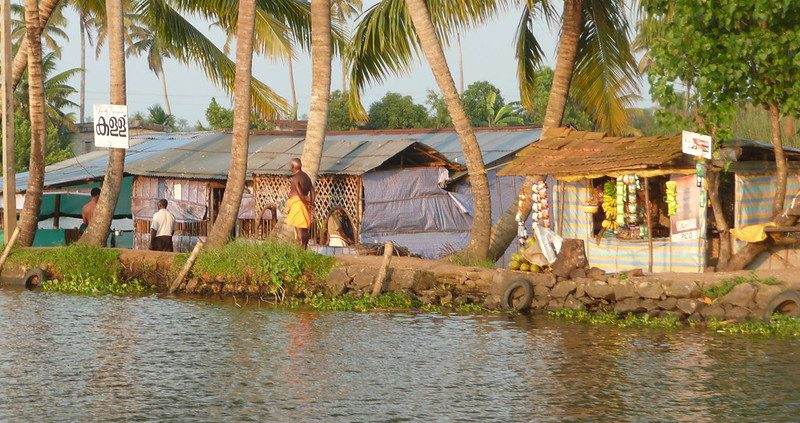
 In November 2025, Kerala declared itself free from extreme poverty, becoming the first Indian state to make such a claim. Officials said the program had reached the most marginalized families through coordination among local bodies, government departments and volunteers.
A Local Approach to Extreme Poverty
Kerala, a state in southern India, has taken a household-level approach to reducing extreme poverty. Instead of relying only on broad welfare programs, the state created individual plans for families facing severe hardship. These plans, known as household microplans, focus on the specific needs of each family, including food, health care, income and housing.
This approach is important because poverty does not affect every household in the same way. Some families may need regular food support. Others may need medical care, identity documents, housing assistance or help finding stable work. Kerala’s model shows that anti-poverty programs can be more effective when they address the real problems each family faces.
Kerala’s Extreme Poverty Eradication Project
Kerala launched the Extreme Poverty Eradication Project in 2021. According to Kerala’s Local Self Government Department (LSGD), the project aimed to identify people experiencing extreme poverty who were outside existing support systems. The department states that the project used local governments, Kudumbashree networks, Accredited Social Health Activist (ASHA) workers, anganwadi workers, residential associations and civil society groups to find families facing the most severe deprivation. ASHA workers are community health workers who connect households with basic health services. Anganwadi workers support early childhood care, nutrition and welfare services at the local level. Their involvement helped the project reach vulnerable families who may not have been visible through official records alone.
The LSGD reported that more than 1.4 million people participated in the identification process. Through this effort, Kerala identified 103,099 people from 64,006 families across 1,032 local institutions. These families were identified based on four main areas of distress: food, health, income and housing.
What Are Household Microplans?
A household microplan is a personalized support plan created for one family. Instead of giving every family the same type of assistance, Kerala looked at what each household specifically needed. For example, one family might need a ration card to access food benefits. Another might need health insurance, disability documents or social security pensions. This is why household microplans in Kerala have drawn attention as a possible model for other regions working to reduce poverty.
According to Kerala’s LSGD, each family’s situation was studied before special microplans were created. The department also reported that documents and emergency services, including Aadhaar cards, ration cards, disability cards, health insurance and social security pensions, were made available to 21,263 families through the project.
Kerala carried out the project in three phases. According to the LSGD, the first phase focused on food and health care. The second phase focused on sustainable livelihoods and income. The third phase focused on safe and permanent housing.
This structure allowed the state to respond first to urgent needs, such as hunger and health problems, before moving toward longer-term goals like income security and housing. Kerala also used related campaigns to help families access land, housing, documents, educational support and travel benefits, according to the LSGD.
One of the strongest parts of Kerala’s model was local monitoring. According to the LSGD, household needs were recorded in a digital management information system. This allowed local governments and departments to track whether families were receiving the support promised to them.
Kudumbashree, Kerala’s women-led poverty eradication network, also worked as a community monitor and service provider, according to the department. This helped make the project more accountable and reduced the chance that families would be forgotten after being identified.
Kerala’s Poverty-Free Declaration
In November 2025, Kerala declared itself free from extreme poverty. The Times of India reported that Kerala’s Local Self-Government Minister M.B. Rajesh said the state had identified 64,006 extremely poor families through indicators such as food security, health, livelihood and housing. He also said each family received a microplan to help connect it with welfare schemes and essential services.
The LSGD also stated that the project was carried out through coordination among local bodies, government departments, missions, voluntary organizations and public participation.
Kerala’s declaration has also faced criticism. Some economists and activists argue that the state has reduced severe destitution rather than fully eliminated extreme poverty. In The Times of India, economist K.P. Kannan argued that Kerala’s list of around 64,000 households differs from other official poverty-related categories, including households covered under the Antyodaya Anna Yojana food security scheme. Antyodaya Anna Yojana is an Indian government scheme that provides highly subsidized food grains to the poorest households, making it an important measure of severe food insecurity and poverty. However, long-term monitoring remains necessary.
Why This Matters for Global Poverty
Household microplans in Kerala offer an important lesson for global poverty reduction. Many countries have welfare programs, but the poorest families may still be left out. Some households lack documents. Others live in remote areas, face disability or illness, or do not know how to access public services.
Household microplans in Kerala show that governments can improve poverty reduction by combining broad welfare programs with local, household-level planning. Community participation helped identify families who were hard to reach. Personalized plans helped match each family with the right kind of support. Digital tracking and local monitoring then helped ensure that support was delivered.
Even though Kerala’s claim to have eliminated extreme poverty remains debated, its method offers a practical model for other regions. By focusing on individual households, Kerala has shown how anti-poverty programs can become more targeted, accountable and human-centered.
– Nina Novillo Astrada
Nina is based in London, UK and focuses on Good News for The Borgen Project.
Photo: Flickr

Household Microplans in Kerala Addressing Extreme Poverty
A Local Approach to Extreme Poverty
Kerala, a state in southern India, has taken a household-level approach to reducing extreme poverty. Instead of relying only on broad welfare programs, the state created individual plans for families facing severe hardship. These plans, known as household microplans, focus on the specific needs of each family, including food, health care, income and housing.
This approach is important because poverty does not affect every household in the same way. Some families may need regular food support. Others may need medical care, identity documents, housing assistance or help finding stable work. Kerala’s model shows that anti-poverty programs can be more effective when they address the real problems each family faces.
Kerala’s Extreme Poverty Eradication Project
Kerala launched the Extreme Poverty Eradication Project in 2021. According to Kerala’s Local Self Government Department (LSGD), the project aimed to identify people experiencing extreme poverty who were outside existing support systems. The department states that the project used local governments, Kudumbashree networks, Accredited Social Health Activist (ASHA) workers, anganwadi workers, residential associations and civil society groups to find families facing the most severe deprivation. ASHA workers are community health workers who connect households with basic health services. Anganwadi workers support early childhood care, nutrition and welfare services at the local level. Their involvement helped the project reach vulnerable families who may not have been visible through official records alone.
The LSGD reported that more than 1.4 million people participated in the identification process. Through this effort, Kerala identified 103,099 people from 64,006 families across 1,032 local institutions. These families were identified based on four main areas of distress: food, health, income and housing.
What Are Household Microplans?
A household microplan is a personalized support plan created for one family. Instead of giving every family the same type of assistance, Kerala looked at what each household specifically needed. For example, one family might need a ration card to access food benefits. Another might need health insurance, disability documents or social security pensions. This is why household microplans in Kerala have drawn attention as a possible model for other regions working to reduce poverty.
According to Kerala’s LSGD, each family’s situation was studied before special microplans were created. The department also reported that documents and emergency services, including Aadhaar cards, ration cards, disability cards, health insurance and social security pensions, were made available to 21,263 families through the project.
Kerala carried out the project in three phases. According to the LSGD, the first phase focused on food and health care. The second phase focused on sustainable livelihoods and income. The third phase focused on safe and permanent housing.
This structure allowed the state to respond first to urgent needs, such as hunger and health problems, before moving toward longer-term goals like income security and housing. Kerala also used related campaigns to help families access land, housing, documents, educational support and travel benefits, according to the LSGD.
One of the strongest parts of Kerala’s model was local monitoring. According to the LSGD, household needs were recorded in a digital management information system. This allowed local governments and departments to track whether families were receiving the support promised to them.
Kudumbashree, Kerala’s women-led poverty eradication network, also worked as a community monitor and service provider, according to the department. This helped make the project more accountable and reduced the chance that families would be forgotten after being identified.
Kerala’s Poverty-Free Declaration
In November 2025, Kerala declared itself free from extreme poverty. The Times of India reported that Kerala’s Local Self-Government Minister M.B. Rajesh said the state had identified 64,006 extremely poor families through indicators such as food security, health, livelihood and housing. He also said each family received a microplan to help connect it with welfare schemes and essential services.
The LSGD also stated that the project was carried out through coordination among local bodies, government departments, missions, voluntary organizations and public participation.
Kerala’s declaration has also faced criticism. Some economists and activists argue that the state has reduced severe destitution rather than fully eliminated extreme poverty. In The Times of India, economist K.P. Kannan argued that Kerala’s list of around 64,000 households differs from other official poverty-related categories, including households covered under the Antyodaya Anna Yojana food security scheme. Antyodaya Anna Yojana is an Indian government scheme that provides highly subsidized food grains to the poorest households, making it an important measure of severe food insecurity and poverty. However, long-term monitoring remains necessary.
Why This Matters for Global Poverty
Household microplans in Kerala offer an important lesson for global poverty reduction. Many countries have welfare programs, but the poorest families may still be left out. Some households lack documents. Others live in remote areas, face disability or illness, or do not know how to access public services.
Household microplans in Kerala show that governments can improve poverty reduction by combining broad welfare programs with local, household-level planning. Community participation helped identify families who were hard to reach. Personalized plans helped match each family with the right kind of support. Digital tracking and local monitoring then helped ensure that support was delivered.
Even though Kerala’s claim to have eliminated extreme poverty remains debated, its method offers a practical model for other regions. By focusing on individual households, Kerala has shown how anti-poverty programs can become more targeted, accountable and human-centered.
– Nina Novillo Astrada
Photo: Flickr
How KOTO Trains At-Risk Youth in Vietnam
Jimmy Pham, a Vietnamese-Australian who grew up in Sydney, founded KOTO in 1999. Returning to Vietnam in his twenties, he met street children who told him they wanted skills to find stable jobs. He opened a small Hanoi sandwich shop and hired nine street kids as its first crew. The venture puzzled local officials, who had no category for a business built to serve the poor — KOTO later became the first legally recognized social enterprise in Vietnam. The shop drew global attention in 2000, when U.S. President Bill Clinton, the first American president to visit Vietnam after the war, made an unannounced stop. RMIT University awarded Pham an honorary doctorate in recognition of his work.
The Model: Skills, Stability and a Second Family
KOTO runs a 24-month hospitality program for young people 16 to 22 years old, training about 150 each year. Trainees choose front-of-house service or commercial cookery and earn an internationally recognized certificate through Australia’s Box Hill Institute. Crucially, the program is entirely free: KOTO covers food, health care and accommodation in a family environment, so trainees can focus on learning rather than survival. Alongside cooking and service, instructors teach English and life skills such as personal hygiene and money management. When trainees finish, KOTO places them in their first hospitality job.
The scale of need explains why the model matters. Vietnamese call children who live and work on the streets “bụi đời,” which means “the dust of life,” and in Hanoi alone an estimated 19,000 young people live on the streets. Many support themselves and their families through hard labor, with limited access to education and real exposure to exploitation and abuse. For at-risk youth in Vietnam, a steady wage often stands between them and those dangers — and the skills to earn one are exactly what KOTO provides.
Breaking the Cycle
The results suggest stable employment can break cycles of poverty within a single generation. KOTO reports that 100% of its trainees secure a job, 33% move into managerial roles and 78% contribute financially to their families. Graduates staff five-star hotels such as Marriott, Hilton, Sheraton and Sofitel, and alumni mentor newcomers so closely that the industry jokes about a “KOTO mafia.” Over 25 years, more than 1,700 graduates — including chefs, managers and entrepreneurs — have come through the program.
Nguyen Thi Thu’s story shows what that can look like. She met Pham at 16, while selling candy to support her mother and siblings, and joined KOTO’s second cohort. Today, she heads training at a multinational corporation, and her sister is a personal chef to an ambassador in Vietnam. Thu calls Pham her “moon” — a source of light and guidance. Pham frames the mission in larger terms, saying he wants to build the next generation of Vietnamese leaders in the industry.
KOTO is now expanding. The Kind Heart Foundation of the Vietnamese conglomerate Vingroup is helping fund a new training center in Bac Ninh Province that will double KOTO’s capacity to 300 trainees, up from 150. To stay sustainable, KOTO funds its work through restaurant revenue, grants, corporate sponsorship, fundraising and alumni-run services, which reduces its reliance on any single donor.
Looking Ahead
The self-renewing design is the point. For at-risk youth in Vietnam, KOTO offers more than a job — it offers a stable income, a marketable skill and a community that expects each graduate to lift up the next. In a country where tourism keeps growing and skilled hospitality workers stay in demand, that combination can turn a vulnerable childhood into a durable livelihood, and often pull an entire family out of poverty along with it.
– Jen Phan
Photo: Wikimedia Commons
USAID Programs in Mauritania
Mauritania is a vast nation of approximately 5.3 million people in West Africa. Only 0.4% of its land is suitable for agriculture and more than 590,000 people face acute malnutrition during the 2025 lean season alone. Instability in neighboring countries has also deepened the crisis. In addition, Mauritania now hosts 288,000 refugees. This has placed additional pressure on already stretched food and resource supplies.
Feeding Refugees at Mbera Camp
In February 2024, USAID’s Bureau of Humanitarian Assistance contributed $5 million to the World Food Programme (WFP) to deliver urgent relief to Malian refugees at the Mbera camp in eastern Mauritania. This aid reached 65,000 food-insecure refugees through cash assistance, while 4,000 malnourished children under the age of 5 and 350 pregnant and breastfeeding women received more specialized, nutritious care.
The results from previous years demonstrate what these investments can achieve. In 2023, WFP reached around 83,400 refugees in the camp with monthly cash distributions, supported by USAID and other donors. Following cuts to USAID, the United States government is still providing food aid through the WFP, meaning these vulnerable communities will still be receiving support.
Investing in Young People
According to UNESCO, “more than 60% of Mauritania’s population is under 25.” Youth unemployment among 15 to 24-year-olds stands at an estimated 23%. USAID’s Nafoore initiative, meaning “add value” in the Fulani language, tackled this directly. The five-year $17 million program, which began in 2022, focused on building economic skills and expanding income opportunities for people aged 15-29 in vulnerable communities.
Alongside Nafoore, USAID also funded the Tamkeen project, meaning “empowerment” in Arabic. This is a $7 million, five-year initiative implemented by FHI 360, a global nonprofit organization aimed at improving public health and human development. Tamkeen built networks of youth and community groups across eight regions of Mauritania, created safe spaces for young people to develop leadership skills and worked to counter the spread of disinformation. Altogether, these two programs represented a serious, long-term investment aimed at improving the country’s next generation.
Strengthening Democracy
USAID programs also supported efforts to strengthen democratic institutions in Mauritania. The Kofo Sugande project, meaning “People’s Choice,” was funded by USAID and implemented by the International Foundation for Electoral Systems. This project supported Mauritania’s national electoral commission ahead of its 2023 general elections and the 2024 presidential election, making both more inclusive and accessible to voters. Its long-term aim was to strengthen Mauritania’s capacity to run credible elections independently.
The Cost of Losing This Support
The breadth of USAID programs in Mauritania, spanning emergency relief, food security, youth empowerment, civic engagement and democratic governance, shows how interconnected all of these programs were. Each addressed a different root cause of poverty and instability, and they all reinforced each other.
In 2025, the dismantling of USAID brought many of these programs to a halt. For a country like Mauritania, where the need is acute and homegrown resources are limited, the consequences are serious. The progress made at Mbera camp, in youth centers across different regions and in electoral commissions across the country did not happen by accident. It was the result of consistent, targeted support. Without it, the communities that relied on these programs will be left more exposed and vulnerable than before. Thankfully, through the WFP the U.S. government will still provide food aid to Mauritania, helping those facing food insecurity and malnutrition.
– Gonzalo Rodriguez Da Fonte Martins
Photo: Unsplash
The Growing Need for Mental Health Support in Haiti
The Growing Need for Mental Health Support
While the need for medical care, education and food stability is visible and recognized, the psychological and mental health sphere has been significantly ignored. Efforts in social services, including mental health support, are essential. More than one in five Haitians face serious mental health challenges, and these conditions have led to increased stress, psychological issues, sleep problems, anxiety and depression, creating an immediate need for mental health support in Haiti.
Organizations Working for Mental Health in Haiti
The 2010 earthquake triggered a humanitarian crisis, affecting Haitians both in the country and in the U.S. due to relocation and cultural adjustment. The uncertainty and new challenges faced by Haitians, especially migrants, created a demand for mental health support. Haiti is one of the countries with the largest number of nongovernmental organizations (NGOs) operating for its recovery. In recent decades, especially after 2010, organizations such as Rebati Santé Mentale (RSM) have rushed to provide mental health support. RSM offers clinical services in the country and to the Haitian diaspora in the U.S., along with consultation and training on mental health for government agencies, schools, health care systems and community-based organizations. RSM is also dedicated to educating on the importance of mental health in well-being and the creation of stable communities. The nonprofit organization researches culturally sensitive mental health support in Haiti, contributing to a shift in global understanding.
The mental health support crisis extends beyond Haiti, affecting Haitian emigrants globally. Gemima St. Louis and Gina Dessources Benjamin address this by supporting Haitian communities in the U.S. through the Haitian Mental Health Network, which respects cultural values and language while promoting awareness of mental health illnesses and paths to wellness.
Looking Ahead
NGOs, organizations and movements continue to highlight and address this emergency. The issue is not limited to Haiti but affects Haitian migrants worldwide. As awareness grows and culturally sensitive approaches expand, sustained investment in mental health services remains essential to the long-term recovery and well-being of Haitian communities both at home and abroad
– Ilaria Alberti
Photo: Flickr
Food Systems in Costa Rica: Advancing Nutrition Accessibility
Costa Rica was traditionally an agrarian export-based economy, supplying coffee, bananas and cocoa to countries around the world. However, from private-public industry diversification and policy adaptation leveraging Free Trade Zones, it is now has become one of Latin America’s largest high-value services and high-tech manufacturing providers. In short, Costa Rica is very different from the narrative one might expect. It is a modernized powerhouse, featuring growing population density, declining birth rates, steady immigration inflow and a population overwhelmingly concentrated in urban areas. It is a competitive high-income economy, particularly stark as the only OECD country in Central America, concentrated into a small biodiverse and climate-prone geographic area.
The same is true of food systems in Costa Rica. With all these factors at play, Costa Rica has faced a difficult task in achieving a robust and interconnected network of farm to fork food production and distribution in its food systems. However, rejecting assumptions once more, Costa Rica has continued to rise above expectations in developing globally-leading food system strategies.
Food Insecurity Solutions for Underserved Communities
Despite Costa Rica’s high-income status, many households still experience strong impacts from poverty. About 18% of households across the country lived in poverty in 2024, with an additional 4.8% living in extreme poverty conditions. Economic inequality has also increased according to measures of Costa Rica’s Gini coefficient (a figure which evaluates wealth distribution among a population), made even more starkly apparent by almost a third of all Costa Rican children experiencing poverty or extreme poverty conditions.
The country has worked heavily to expand food accessibility to more rural communities through the national initiative “Empowering Communities in Sustainable Agri-food Systems,” a program that the SDG Fund and UNICEF and the Scaling Up Nutrition (SUN) Movement supported. Costa Rica’s Ministry of Health found that food insecurity in 2020 impacted 11.76% and 22.65% of households in the cities of Buenos Aires and Guatuso respectively. Efforts have therefore been especially focused on working to assist these hard-hit cities and rural communities surrounding them, in addition to reducing overall food insecurity from a national average of 16.42% of Costa Ricans without clear or quality food.
Community and Government Coordination
Multisectoral partnerships among government and community bodies are have also been a key focus of the SUN Movement, with agencies responsible for agriculture and health working alongside local governments and community organizations to create more realistic and community-centered approaches to nutrition awareness.
The SUN Movement’s efforts have trained more than 180 Costa Ricans in nutrition-awareness activities through the SUN Movement’s efforts. SUN has additionally been effective in helping to integrate integrating community-led food strategies into formal national policy, revitalizing the national food and nutrition body Secretaria de la Politica Nacional de Alimentacion y Nutricion (SEPAN) and aiding EU4SUN and Universidad EARTH to expand early childhood nutritional access and integrate Mesoamerican farming traditions into the National Plan for Sustainable and Healthy Gastronomy. Ultimately, the initiative hopes to improve agri-food system governance, sustainable production practices and Costa Rican eating habits with strategies encompassing the often-overlooked role of women, children and indigenous peoples in creating change.
Affordability and Accessibility Policy Problems
Some have still raised concerns regarding the affordability of nutrition, however, even as the Costa Rican government works to meet the United Nation (UN)’s 2030 Agenda for Sustainable Development Goals (SDGs). A 2024 UN report on the State of Food Security and Nutrition in the World found that an average healthy diet in Costa Rica costs $4.56 per day, 60 cents higher than the worldwide average. Costa Rica also features some of the highest rates of obesity in Central America due to cheap and accessible modern ultra-processed foods, underscoring the complex web of challenges Costa Rica faces in ensuring not just food access but complete quality nutrition in its food systems.
To address these issues, Costa Rica has tried innovative new approaches. In 2023, the Costa Rican government implemented a value-added tax (VAT) on food with explicitly defined positive nutritional content, becoming the first country in the world to attempt basic tax basket reform meant to encourage more balanced dietary improvements. While not entirely successful, the 2023 VAT and its subsequent 2024 amendments represent a conscious and continuous effort to address longstanding nutritional issues in the country, especially for lower-income populations more highly affected by incomplete food systems.
Costa Rica’s Robust Environmental Sustainability Efforts
Even while addressing affordability, nutritional program implementation and economic shifts away from agriculture in its food systems, Costa Rica is notably still conscious of environmental sustainability. Given the country’s diverse topography and biological life and its high concentration of volcanic sites, Costa Rica has historically been a global leader in leading environmentally sustainable climate action, despite even with agriculture accounting for more than a third of the country’s land use and a seventh of its overall employment.
Several plans, namely Costa Rica’s National Climate Change Adaptation Policy (2018-2030), National Development Plan (2019-2022) and National Decarbonization Plan (2018-2050), present the country’s ecological and environmental adaptation and carbon neutrality ambitions. Costa Rica has also developed national low-emission livestock, coffee and banana production strategies, export industries which the country still relies on heavily. It has involved significant partnerships, most notably SCALA, or Scaling up Climate Ambition on Land Use and Agriculture, a 2020-2028 joint initiative by the UNDP Climate Change Adaptation and the Food and Agriculture Organization to develop low-carbon farming systems for the country’s beef and coffee sectors.
In addition, Costa Rica has innovated sustainable direct interventions to great success. The Payment for Ecosystem Services (PES) program of 1997, which provided financial incentives to landowners to protect forested area, has resulted in a net negative to deforestation countrywide. Digital traceability has been improved by a $120 million initiative to modernize 10,500 small and medium agricultural producers, allowing for digital registration systems and food-tracking networks. Methods like crop rotation, companion planting and natural repellents, polyculture planting and indigenous natural nutrient cycling have all been practical strategies advocated for long-term sustainable farming.
An Optimistic Food System Future
Costa Rica’s food system combines an urbanized population and a strong agricultural export economy with ambitious sustainability goals. Despite challenges in rural food insecurity, nutritional accessibility and climate and environmental concerns, the country has managed to develop strategies focused on creating a more sustainable, healthy and resilient food system that supports both people and ecosystems. With a clear commitment to using community, policy and environmental solutions to drive change, Costa Rica appears well-suited to solving its food system shortfalls with a variety of effective and concrete means.
– Matthew Hecomovich
Photo: Wikimedia Commons
How 3D Printing Can Be a Resource for Developing Countries
For educational purposes, healthcare treatments and local production, learn why 3D printing technology is a resource for developing countries.
Across many developing countries, progress can stall when essential systems lack funding, materials, or reliable access to specialized tools. Advanced technology cannot erase those barriers on its own, but it can give communities new ways to act. 3D printing can be a resource when organizations know how to leverage this technology.
Local Production Reduces Delays
Shipping costs, customs delays, limited storage and uneven supplier access can slow a simple repair. Those delays place extra pressure on communities that already stretch equipment and materials across many users.
Instead of waiting for every small object to arrive from far away, trained teams can produce selected parts using a 3D printer and digital designs. A repair component for a water system or a teaching model for a classroom becomes easier to replace once production moves closer to daily life.
Health Systems Gain Practical Tools
Health systems in developing countries often work with limited equipment and long replacement timelines. A rural clinic may not have the tools to print complex medical devices. It may still benefit from basic models, simple supplies or selected lab items that support routine care.
The National Library of Medicine describes 3D printing as a potential way to produce basic medical supplies, laboratory equipment, anatomical models and prosthetic limbs in developing countries. These uses place 3D printing in a supportive role within existing health systems. The technology expands what trained professionals have available for care, planning and problem-solving. While it cannot replace clinical judgment or formal medical infrastructure, health workers gain a practical resource when supply gaps limit what they can provide.
Rapid Prosthetic Production in Uganda
Children who needed prosthetic support in Uganda faced long production timelines because clinics relied on manual methods and limited specialist capacity. That delay kept patients in the hospital for extended periods and made timely mobility support difficult to provide.
Through 3D PrintAbility at CoRSU Hospital, clinicians tested a process that used 3D scanning, digital design and 3D printing to produce prosthetic sockets and braces for children. The technology did not replace trained orthopedic professionals. Instead, it gave them a fast workflow that fit the needs of a resource-limited clinical setting.
CoRSU reported that prosthetic socket production time dropped by as much as 70%, from five days with conventional manual methods to 1.5 days with 3D PrintAbility. That improvement shows how 3D printing can strengthen care when local teams receive practical tools that support existing medical work.
Medical Training Improves
Medical education depends on strong instruction, repeated practice and access to clear learning materials. In many settings, students learn anatomy through textbooks or flat digital images because advanced simulation tools cost too much. Those resources still teach important concepts, but they can make depth and proportion difficult to judge.
Printed anatomical models address that gap. A student can study the shape of a bone or organ from multiple angles while connecting structure to function. Then, a clinician can use the same type of model during a patient conversation, so an unfamiliar diagnosis becomes easier to understand.
Education Turns Problems Into Projects
Students and researchers can use 3D printing to connect technical learning with public service. A classroom project becomes more meaningful when it responds to a local challenge. A university lab can test a low-cost teaching tool, then improve the design after a school or clinic explains how it works in practice.
That exchange strengthens both sides. Students learn that design begins with listening. Researchers gain insight from community partners who understand daily conditions better than outside observers. The finished object matters, but the shared process builds people’s problem-solving skills.
Innovations With Global Value
A printer alone cannot overcome weak infrastructure or limited public funding. Strong programs begin with people who understand the setting. Local technicians, educators, clinicians and community organizations should guide decisions about what to print and how to maintain the equipment.
Long-term success also depends on training that fits local capacity. Programs should account for the difficulty level of learning 3D printing before they introduce new equipment. With steady instruction, repair knowledge and realistic goals, 3D printing can be a resource that supports community-led problem-solving instead of creating another unused technology project.
– Kelly Schoessling
Photo: Flickr
Higher Education for Refugees: A Scholarship for Women
A Narrow Door to University
The barriers to higher education for refugees stack quickly: prohibitive tuition, legal restrictions, language obstacles and the simple cost of survival taking priority over study. Women face an additional layer. For every 10 refugee boys enrolled in secondary school, only seven girls are enrolled, which narrows the pool that can reach university at all.
The result is a sharp loss of potential. Refugee girls who leave school early are more likely to marry young, less able to support themselves and their families and less able to take part in rebuilding their communities. Higher education offers a route in the other direction, toward employment, self-reliance and leadership, but only for those who can reach it.
The Scholarship Built for Refugees
The Albert Einstein German Academic Refugee Initiative, known by its German acronym DAFI (Deutsche Akademische Flüchtlingsinitiative Albert Einstein), exists to widen access to higher education for refugees. Funded primarily by the German government and administered by the United Nations High Commissioner for Refugees (UNHCR) since 1992, it provides full university scholarships to refugees in their countries of asylum, covering not only tuition and fees but also books, transport, accommodation and health care. Since its founding, the program has supported more than 27,200 refugee students across 59 host countries.
DAFI does more than pay fees. Scholars receive academic tutoring, language support, mentoring and networking, and many graduates return to guide the next cohort. In Burundi, for example, former scholars run the DAFI Women Power Club, a mentoring initiative led by refugee women determined to help younger women into higher education. Grace, a public health graduate from the Democratic Republic of Congo (DRC) who served as president of the club, frames the mission plainly: “We still have to fight the idea that an educated woman will not make a good wife. But we keep moving forward and mentoring younger refugee girls and women who come after us so that they can become leaders and have some impact in this world.” That model of women lifting women is now central to the program’s approach.
A Record Year for Women
The focus on women is producing measurable results. In 2024, women made up 45% of all DAFI scholars, the highest share in the program’s history, up from 42% the year before, and 60% of newly awarded scholarships went to women, a sharp rise from 40% the previous year. The gains came from targeted outreach in places with the widest gender gaps. In Ethiopia, female enrollment rose by 14%, with women making up more than 75% of new scholars, supported by tutoring, outreach and financial aid for girls still in secondary school.
Kenya shows both the need and the model at work. The country hosts more than 774,000 refugees and asylum seekers, with the camps at Kakuma and Dadaab home to tens of thousands of school-aged children. There, the DAFI program is run on UNHCR’s behalf by Windle International Kenya, which prioritizes girls and women in its scholarship awards to address the gender gap directly. Yet the access gap remains stark. Across refugee settings, fewer than one in 10 eligible young people reaches higher education at all, and in camps like Kakuma and Dadaab the share has long been smaller still.
Progress Against a Funding Headwind
DAFI is the largest and longest-running source of higher education for refugees. That reach now faces a serious threat. In 2024, the number of DAFI scholars fell to 7,890, down from a record 9,312 in 2023, the first decline since the COVID-19 pandemic, driven by shrinking global humanitarian funding. Demand has not fallen with it. In 2024, around 5,000 applicants competed for just 879 new scholarships, meaning fewer than one in five was accepted.
New efforts are trying to hold the line. In 2025, USA for UNHCR launched the Building Better Futures campaign, which aims to raise $15 million by 2028 to fund 1,000 scholarships for refugee women and had already secured $3.1 million in lead gifts.
Keeping the Door Open
DAFI alone cannot close the refugee education gap, and the funding pressures are real. Even so, refugee enrollment in higher education has climbed from 1% in 2019 to 9% in 2025, and DAFI remains one of the few avenues through which a refugee woman can earn a degree at all. When a young woman in a camp like Kakuma reaches a university lecture hall, the effect reaches further than her own life, into her family and the community she will one day help rebuild. Sustained investment is what will keep it open for the next young woman in line.
– Amna Al Harrazi
Photo: Pexels
Free Maternal And Newborn Care in Mali
The Weight of Poverty on Motherhood
Mali ranks among the world’s poorest nations. According to World Bank data, 43.3% of Mali’s population lived below the national poverty line in 2024, while the United Nations Development Programme’s 2024 Multidimensional Poverty Index estimates that 68.3% of Malians face deprivations across health, education and living standards simultaneously.
For pregnant women in Mali, poverty is not just an inconvenience but life-threatening. Mali’s maternal mortality ratio stands as high as 562 deaths per 100,000 live births, and more than 80% of those deaths are preventable. Research shows that educated women have significantly higher odds of attending antenatal care, delivering in a health facility and continuing with postnatal care. The majority of health care financing in Mali relies on out-of-pocket payments, making user fees a major barrier for vulnerable populations, especially pregnant women.
The consequences fall hardest on rural communities where conflict in Mali’s central and northern regions further limits access to care and where women face the longest distances to health facilities.
A New Model for Financing Care
In August 2025, Mali’s Ministry of Health, through its Health System Strengthening Unit (UMRSS), and Muso, a global health nonprofit founded in 2005, signed a Memorandum of Understanding formalizing Muso’s role as the independent verification agent for a new Direct Health Facility Financing (DHFF) program, supported by the Global Fund.
The program, launched in December 2025, covers 53 community health centers, 37 in the Kayes region and 16 in Bamako. Under the DHFF model, pregnant women up to 42 days postpartum and newborns from birth to 28 days receive care entirely free of charge. Health facilities receive performance-based funding directly, linking payments to verified results rather than patient fees. This approach strengthens accountability, removes financial barriers and expands equitable access to essential maternal and newborn services.
Muso’s Role: Verification With Accountability
Muso’s role as the independent verification agent is central to the program’s integrity. The organization confirms performance indicators, calculates subsidies for each health center, ensures targeted patients receive free care, follows up on corrective actions and submits comprehensive verification reports to UMRSS.
Founded in 2005, Muso has partnered with the Malian government since 2008, designing, testing and scaling strategies to remove barriers to early care. Muso currently reaches more than 330,000 patients in Mali through its Proactive Care, in which Community Health Workers (CHWs) actively search for patients door-to-door, provide care at home and evacuate the sickest patients to government health centers, all at no out-of-pocket cost.
Research has documented that communities in Mali previously recorded some of the world’s highest child mortality rates. However, with Muso’s Proactive Care, communities achieved and sustained the lowest child mortality rates in sub-Saharan Africa. It currently supports the Malian and Ivorian governments’ national efforts to connect their 45 million citizens with rapid, evidence-based health care.
Impact of Free Maternal Care in Mali
The impact of eliminating fees has been immediate. Since the rollout of free care in December 2025, prenatal consultations have increased sharply across the 53 covered health centers. This is a direct reflection of what happens when cost ceases to be an obstacle. Women who previously could not afford to seek care now arrive at health facilities. Some come with family support for the first time. Others no longer face the permission barriers that poverty and cost once created.
Mothers and newborns now feel more protected, and the data is beginning to reflect that shift.
Globally, nearly 800 women died every day in 2020, about one every two minutes, and the world is not on track to meet the Sustainable Development Goal of reducing the global maternal mortality ratio to fewer than 70 deaths per 100,000 live births by 2030. Sub-Saharan Africa accounts for 69% of global maternal deaths, with pregnancy-related causes remaining the leading cause of death among African women aged 15 to 29.
Mali’s DHFF program represents a direct response to that crisis by recognizing that poverty must not determine whether a mother survives childbirth. By channeling funds directly to facilities, tying payments to independently verified results and eliminating fees at the point of care, the program is building a model that could scale across Mali and beyond. For the mothers and newborns of the Kayes region and Bamako, it is already making a difference.
– Joy Kohol
Photo: Pexels
Poverty and Higher Education in Madagascar
Higher Education and Poverty Reduction
Higher education can prepare students for skilled and better-paid work. Universities and technical colleges train teachers, doctors, engineers, researchers and business professionals. These workers can earn more stable incomes and provide financial support to their families. By earning regular wages, graduates may be better able to pay for food, housing, health care and their children’s education, reducing the risk that poverty continues from one generation to the next. Their skills can also benefit the wider community.
Agricultural specialists can help farmers improve production and respond to climate change, which can increase food security and raise rural incomes. Health workers can improve people’s ability to remain healthy and work, reducing the financial pressure caused by illness.
Engineers and technology specialists can improve infrastructure, water systems and local services, making communities more productive and resilient. Teachers can strengthen the education system for future generations, helping more children gain the skills needed to escape poverty.
Graduates may also establish businesses and create jobs for other people, increasing local incomes and economic activity. However, university courses should meet the needs of employers and local communities. Practical programs in areas such as agriculture, health, tourism, manufacturing and technology could prepare students for available work. Internships and apprenticeships could also help graduates move from education into employment.
For many children, the barriers to university begin in primary school. Madagascar’s learning poverty rate is estimated at 94%. Most children cannot read and understand a simple text by age 10. Without basic reading, writing and mathematics skills, children are more likely to repeat grades or leave school.
Dropout is another serious problem. UNESCO has reported that children entering primary school have only a 33% chance of reaching its final grade. As a result, many students leave education before they can enter secondary school.
Poverty makes continuing education especially difficult. Families may need to pay for uniforms, materials, meals and transport, even when tuition is free. Private education is even less accessible due to the additional fees. Rural students may also live far from the nearest secondary school.
Some children leave school to work. International Labour Organization (ILO) data show that 29.8% of children ages 5 to 17 were involved in economic activity in 2018. Many work in agriculture, fishing, domestic service or other informal jobs. Although their earnings may help their families in the short term, work can limit the time and energy available for education. Leaving school without qualifications can then keep young people in insecure and poorly paid employment.
Helping Students Reach Higher Education
Financial assistance is one way to break this cycle. Scholarships, free materials, school meals and transport support can reduce the costs faced by poor families. Cash transfers may also reduce the pressure for children to work. The United Nations Children’s Fund (UNICEF) Madagascar’s Let Us Learn program provides a successful example. The initiative supports vulnerable students as they move from primary to secondary school, a stage when many children are at risk of dropping out. It operates as a cash-transfer supplement for families with children ages 11 to 18, helping them cover school-related costs and reducing the need for children to work.
The support is linked to continued school enrollment, so families receive financial help while children remain in education. In some cases, the money is paid regularly, such as every two months, and families can use it for expenses like school supplies, transport, food or other household needs that affect a child’s ability to stay in school. Its cash-transfer program increased overall enrollment by 7% among children ages 11 to 14. Among girls in this age group, enrollment rose by 13%.
Creating a Path Out of Poverty
Higher education alone cannot end poverty in Madagascar. Financial aid at university level is important, but it comes too late for many students. Children often need support from their first years of primary school.
Programs such as Let Us Learn show that targeted help can keep vulnerable students in school. However, long-term progress will require investment in early education as well as scholarships and university places. Expanding higher education in Madagascar begins with ensuring that children receive a strong education from their earliest school years. By improving basic learning and supporting students throughout their education, Madagascar can give more young people a real chance to reach university, gain secure employment and help reduce poverty in their communities. Helping citizens access higher education is also an investment in Madagascar’s long-term effort to reduce poverty.
– Nina Novillo Astrada
Photo: Flickr
Thailand’s Zero Dropout Initiative Tackling Poverty
Northern Regions
In the northern regions, including Chiang Mai, Chiang Rai, Mae Hong Son, Tak and Kanchanaburi, 169,047 children are not enrolled in the education system, with the majority of dropouts occurring at the primary level. This number makes up 16.5% of the nationwide school dropout rate, according to the Equitable Education Fund. Poverty and limited access to school continue to act as barriers, along with limited funding and a shortage of teaching staff. Many northern provinces are also among those with the highest poverty rates. In 2024, the National Economic and Social Development Council (NESDC) identified 10 provinces with the highest poverty rates, including Mae Hong Son at 25.69%, Chiang Rai at 13.69% and Tak at 13.37%.
Regions Surrounding Bangkok
In the regions surrounding Bangkok, children who are not in the education system are between the ages of 3 and 5. One reason for this is inadequate access to early childhood education. There are only 292 early childhood development centers in Bangkok and surrounding provinces, which is not enough to accommodate the high population density. An estimated 245,045 children are out of the education system, making up 23.9% of the nationwide school dropout rate, according to the Equitable Education Fund.
Impact of Education
Education continues to be an important factor in approaching social equality. Earnings increase by at least 10% when an individual finishes secondary school, reports UNICEF. Inequality continues to be overlooked, especially regarding past education reforms. Schools in rural regions continue to receive inadequate funding, while schools in more affluent areas receive resources to upgrade their spaces. The traditional education system has also failed to prepare children for the fast-changing economy. Many children leave school and are not given the opportunity to break the poverty cycle.
Zero Dropout Initiative
To address this issue, Thailand’s Zero Dropout Initiative was introduced in 2024 with the goal to “leave no child behind in the education system.” The initiative employs a multidimensional approach to ensure children stay in school and have a better chance at a successful academic journey.
The initiative introduced a concept called One School, Three Models, which offers an alternative to the traditional classroom model and provides a more flexible mode of education. Under this model, learning can take the form of a traditional formal education, a nonformal education or it can take place informally. In collaboration with other nongovernmental organizations (NGOs), the Zero Dropout Initiative helps children by:
This flexible education model is designed to allow students to see the relevance and value of education within their unique life circumstances by considering the child’s interests and aspirations as well as their socioeconomic and geographical circumstances.
The centralized database introduced has proven helpful in tracking progress and ensuring no one falls behind. Local teams rely on this database to track and find children who have been excluded as well as those at risk of dropping out. The initiative was implemented two years ago, and since then, 20% to 30% of children who had left school have returned to education, according to the Bangkok Post.
Looking Ahead
By recognizing each child’s potential and focusing on improving the system to allow every child to shine, Thailand’s Zero Dropout Initiative offers a promising future where each child can learn and thrive in their own time and break away from the cycle of poverty.
– Marine Baume
Photo: Unsplash