Fighting the Gender Wage Gap in Belize
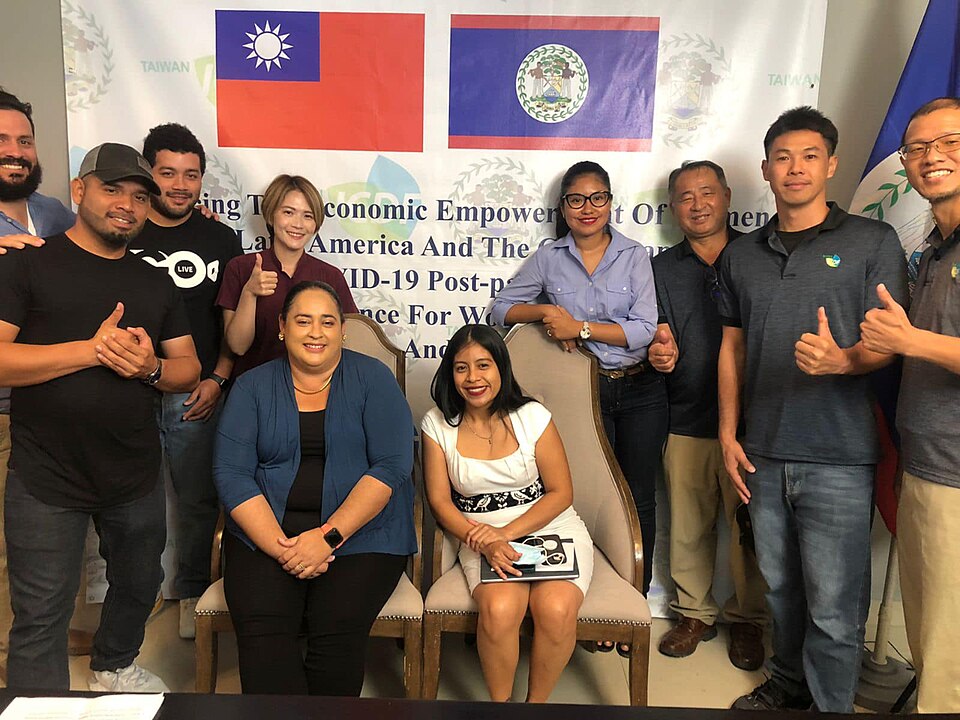 In Belize, a country near the northeastern coast of Central America, women make up half of the population yet earn far less than their male counterparts. The gender wage gap in Belize remains one of the most consistent economic inequalities present in the county, rooted in labor market barriers, deep cultural norms and occupational segregation. However, policy reform and grassroots advocacy is starting to build momentum towards change in the country.
The Numbers Behind The Gap
In Belize, inequality is significantly concerning, especially the scale of wage. The Statistical Institute of Belize states that the average monthly income for people in Belize in 2021 was 1,498 Belize dollars, yet women earned an average of only $1,116, less than 24% of what men make.
While women make up 40% of Belize’s labor force, men make up nearly 60%. Women work largely in healthcare, tourism, education and nonprofit work, sectors of work that generally receive lower wages. Men work primarily in more high paying and physically demanding sectors, like agriculture, and construction.
Barriers Keeping Women Behind
Many interlinked barriers maintain the gender wage gap in Belize. A 2007 report from the Women’s Anti-Discrimination Committee that monitored CEDAW compliance found that women in Belize suffered from discriminatory hiring practices, sexual harassment, limited maternal protections and persistent pay inequality.
Household duties and family responsibilities present themselves as another difficult obstacle. Many Belizean women are unable to participate full time in the workforce, especially in lower-income communities and rural areas. This is due to caregiving labor that is largely unrecognized and unpaid, and yet falls disproportionately on them. Women in Belize seldom receive managerial positions, which is huge regarding earning gaps. The U.S. Belize Human Rights report confirms that men earn more per month than women because they hold a larger portion of senior management roles.
Legislative Steps
To address these inequalities, Belize has taken on many meaningful legislative steps over the years. Belize ratified the Convention on the Elimination of All Forms of Discrimination Against Women (CEDAW) in 1990, an international treaty that obligated the country legally to eliminate discrimination for women and promote equal rights in all areas of life.
Belize amended its Labor Act in 2011 following concerns that CEDAW monitors brought up, penalizing unfair dismissals and establishing the Labor Complaints Tribunal. Women’s unemployment rates declined by nearly 5% between 2014 and 2015, and the portion of women obtaining university degrees has increased since those amendments took place.
In April 2024, Belize approved the Revised National Gender Policy from 2024-2030, supported by the United Nations Development Program (UNDP). The policy’s goal is to “achieve gender equity and equality and end discrimination against women and girls in Belize.” Addressing gender responsive education, healthcare, economic empowerment, women’s leadership and the end of gender based violence. It also aligns with the UN’s Sustainable Development Goal 5 on gender equality.
Organizations Leading the Charge
The National Women’s Commission (NWC) of Belize serves as the government’s primary advisory body on gender equality and women’s empowerment. After its establishment, the NWS coordinates the implementation of the National Gender Policy and advocates for CEDAW compliance between private and public sectors. Its goal is to recommend policy and legal changes that end discrimination against women and ensure that they have access to equal rights in practice, and not just on paper. The NWC conducted the first situation analysis of gender issues in Belize, and those findings developed the country’s first National Gender Policy in 2002.
The Government’s BOOST Program; Building Opportunities for our Social Transformation, turrets multidimensional poverty and uplifts female headed households through vocational training and cash transfers. A Decent Work country Programme launched in 2024 focuses specifically on economic empowerment for women, through skills training, labor rights awareness and access to financial resources.
A Path Forward
Belize’s wage gap isn’t isolated, but is the product of many structural inequalities in domestic caregiving, education and political representation. The World Economic Forum’s 2024 Global Gender Gap Index gave Belize a score of 0.07%, with political empowerment at a gap of 91%, showing that women are vastly underrepresented in decision making and leadership roles.
For Belizean women, the gap isn’t just a statistic, but it prevents them from building, achieving and earning. But Belize is finally no longer just acknowledging the issues but is creating systems to solve it.
– Saakshi Bhat
Saakshi is based in San Marcos, CA, USA and focuses on Global Health and Politics for The Borgen Project.
Photo: Wikimedia Commons
