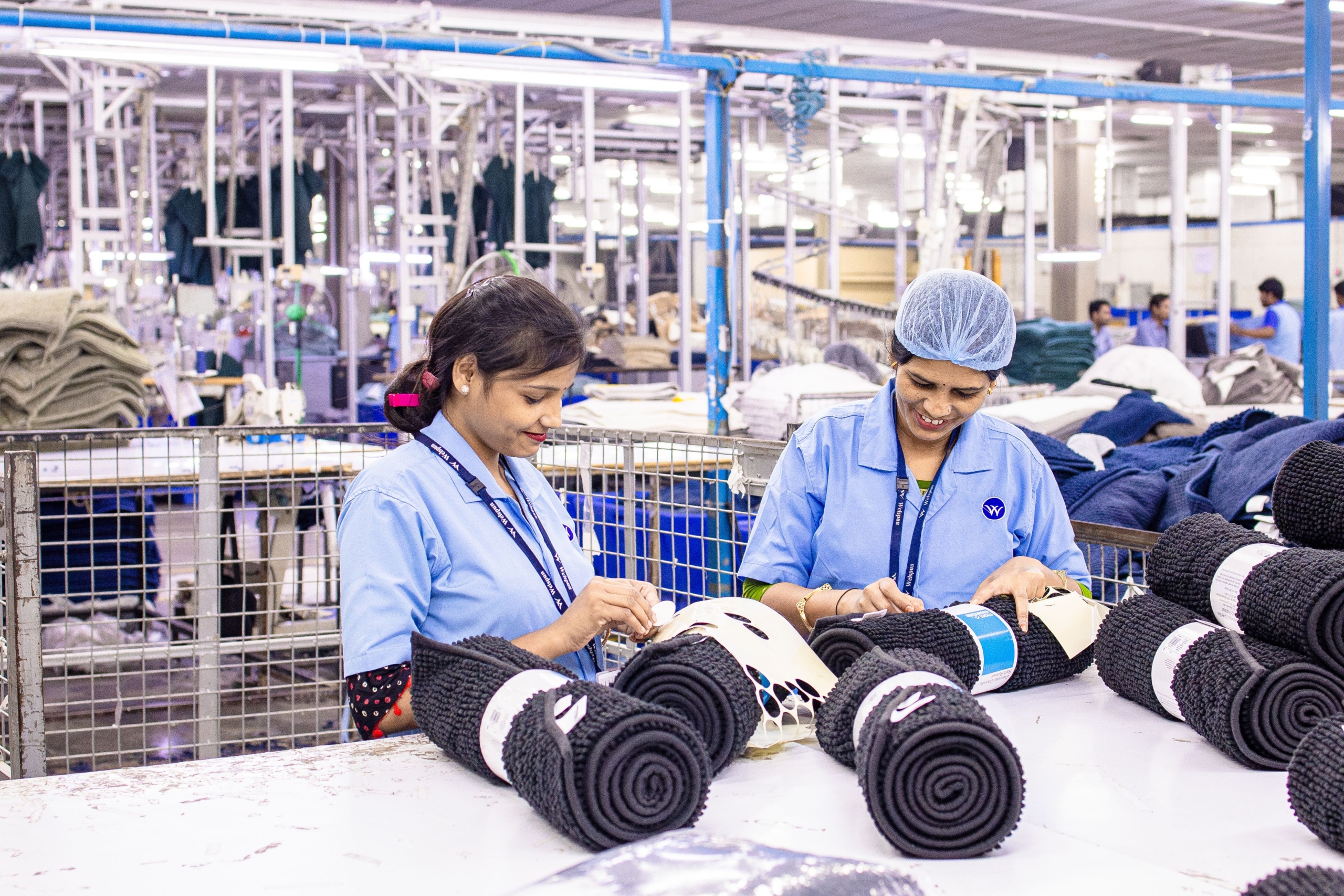
 Ethiopia’s textile and garment sector has quietly become one of Africa’s most significant engines of female employment. In a country where roughly two in five people live below the national poverty line, economic opportunities remain limited for many women, particularly in rural communities. As global brands diversify supply chains and the Ethiopian government doubles down on export-oriented manufacturing, hundreds of thousands of women, most of them young migrants from rural communities, are entering the formal workforce for the first time. The story of Ethiopia’s textile industry women workforce is one of real progress, complex challenges and organizations working hard to make opportunity sustainable.
A Sector Built on Women’s Labor
Ethiopia ranks as the fifth fastest-growing garment-producing country in the world, and the textile sector employs mostly women. The success of Ethiopia’s textile industry women is not a coincidence. On average, around 62% of women working in Ethiopia’s manufacturing industry have migrated from rural regions to take up these jobs. For 89% of them, factory employment provides a steady income for the first time in their lives.
Many of these women come from communities where poverty and underemployment limit economic opportunities. Rural households often depend on subsistence agriculture, leaving families vulnerable to economic shocks and unstable incomes. Factory jobs provide a rare source of reliable income, allowing workers to support relatives, save money and gain financial independence.
The scale of this shift is visible at Ethiopia’s flagship industrial zone. The Hawassa Industrial Park, located about 280 miles south of Addis Ababa, is the largest textile and apparel industrial park in Africa. As of May 2023, 18 companies were operating in the park, employing 23,334 workers, with female workers accounting for 84% of that total.
Jobs That Open Doors
The World Bank’s Competitiveness and Job Creation Project in Ethiopia offers a concrete measure of impact. The project, which ran from 2014 to 2023, supported industrial parks at Bole Lemi II and Kilinto. It contributed to the creation of more than 19,000 jobs, with 66% benefiting women. The project also generated more than $180 million in sales and provided nearly 8,000 workers with soft and technical skills training, helping many women develop skills that extend beyond factory work.
For many women, factory work is a launchpad rather than a ceiling. Research conducted at the Hawassa Industrial Park found that some women used their factory earnings to leave and start their own businesses, such as hair salons and coffee shops, a pattern of upward mobility that extends the sector’s impact far beyond the factory floor.
Organizations Leading the Charge
Several organizations are working to deepen the gains of Ethiopia’s textile industry women’s employment boom. The International Trade Centre (ITC) partners with its local partner, the Center for Accelerated Women’s Economic Empowerment (CAWEE), to provide women weavers with capacity building, training and support to help them earn higher incomes through the ITC project “Supporting Women in the Textiles and Garments Sector” as part of the Women and Trade Programme.
Established in 2004 and licensed under the Ethiopian Ministry of Trade, CAWEE builds the capacity of women entrepreneurs through training, advisory services, product development, mentoring and market linkages with international institutions. Through its work, the organization has helped women-owned businesses gain access to markets and opportunities that were previously out of reach.
On the factory floor, the International Labour Organization’s (ILO) Siraye program and Better Work Ethiopia initiative are tackling the leadership gap directly. Nearly 80% of Ethiopia’s garment and textile industry employees are women, many employed in factory floor roles with limited opportunity for career growth. Recognizing this, the ILO launched a Women Leadership Development Program providing a three-month intensive training and mentorship program for female workers interested in advancing to senior roles.
Now in its fifth round of training, the program continues to demonstrate how targeted skills development, mentorship and inclusive practices can empower women and accelerate Ethiopia’s industrial transformation. By helping women build leadership skills and professional networks, the initiative is working to ensure that women are represented not only on factory floors but also in management positions.
Challenges
Progress is real but incomplete. While women make up more than 80% of textile workers, men remain in the clear majority at the management level. Wage inequality is also a persistent concern. Women in Ethiopia’s garment sector earn just two-thirds of the wages that men earn and hold only about a quarter of senior positions and a third of technical posts.
Organizations including Better Work Ethiopia, Solidaridad and the ILO are working with employers to promote more gender-inclusive workplaces through leadership development, mentorship and workplace reforms. However, significant barriers remain before women can achieve equal representation in leadership roles and equal pay for equal work.
Industry advocates are pushing the Ethiopian government to address the absence of a statutory minimum wage. A study published in 2023 highlighted the damaging effects of poor wage conditions, especially for female workers in industrial parks and small and medium-sized enterprises, underscoring the urgent need for wage protections to safeguard workers’ rights and welfare.
A Future Worth Fighting For
Despite the hurdles, the trajectory of Ethiopia’s textile industry women points toward meaningful change. Programs like the ILO’s Women Leadership Development Program and CAWEE’s entrepreneurship training are proving that access to jobs is only the beginning. When paired with skills development, mentorship and advocacy for fair wages, factory employment can become a genuine pathway out of poverty.
For the young women arriving in Hawassa and Addis Ababa with ambitions larger than the sewing machines in front of them, that pathway is already becoming real. As Ethiopia’s manufacturing sector continues to grow, ensuring that women can access leadership opportunities, fair wages and long-term economic mobility will be critical to sustaining that progress and extending its benefits to future generations.
– Nay Mohamad
Nay is based in Milan, Italy and focuses on Business and Good News for The Borgen Project.
Photo: Pexels

Innovate Health Africa’s DHLSAT
A Continent Adopting Digital Tools
Africa carries approximately 25% of the world’s disease burden but accounts for only 3% of the global health care workforce, according to McKinsey. To bridge that gap, African health care has increasingly turned to digital health tools. However, this adoption has revealed a critical challenge: many health workers lack the digital literacy needed to use those tools effectively.
Research conducted across sub-Saharan Africa found that low digital literacy levels and limited access to technology represent key challenges for health workers and patients alike when adopting and embracing digital health tools. In Ethiopia, studies found that only around half of health care workers demonstrated sufficient digital literacy levels, with gaps widening in rural and lower-income areas.
The consequences are significant. Addressing the health care worker shortage in sub-Saharan Africa could reduce the region’s disease burden by 35% and increase its GDP by an estimated $22 billion a year, except if those workers are equipped with the skills to operate in an increasingly digital health landscape.
What Is the DHLSAT?
Innovate Health Africa is an organization advancing equitable health care in Africa through innovation, research and workforce capacity development. It developed the Digital Health Literacy Self-Assessment Tool (DHLSAT) to address this gap.
The DHLSAT is a scientifically validated diagnostic framework developed to align with continental health workforce digital readiness efforts. It empowers frontline health care professionals across Africa to precisely map their digital competencies, identify critical literacy gaps and access tailored recommendations to accelerate digital readiness at the frontline.
How It Works
Health care professionals complete the DHLSAT assessment online and receive a personalized digital health literacy profile based on four proficiency tiers: Practitioner, Explorer, Innovator and Expert. Each tier reflects a different level of digital health competency ranging from foundational awareness to advanced innovation capability.
Following the assessment, the tool generates personalized recommendations and scientifically validated insights to guide each user’s digital health literacy growth. Users can download their digital health literacy profile report and share it with employers, recruiters, academic institutions or other relevant organizations.
The DHLSAT covers key areas of digital health competency, including data governance, bioinformatics, digital health’s role in climate change and the broader digital health landscape across Africa, giving health workers a comprehensive view of both their strengths and the areas that require development.
DHLSAT’s Impact
The response from health care professionals who have used the tool reflects its practical value. One user, Dr. Alex O., described the experience as opening a new perspective on developing digital skills. Another user, Kofo Kola O., described the profile as clearly articulating both strengths and weaknesses in a way that felt comforting, exciting and inspiring. A community health worker, Sarah T.S., noted that with Innovate Health Africa’s guidance, her community health project now reaches more than 10,000 people monthly.
Building the Foundation for Digital Readiness
The DHLSAT does not operate alone. Innovate Health Africa works with more than 30 trusted partners in more than six countries and operates across three core portfolios: workforce capacity development, implementation research and innovation. Furthermore, the organization designs and delivers competency-based training in digital health, generates scientific evidence on how digital health is being experienced across African health systems and works with public and private health institutions to design and implement community-shaped digital health solutions.
The DHLSAT fits within a broader strategy to ensure that Africa’s digital health transformation is led by informed, capable health workers instead of being undermined by a skills gap that goes undiagnosed and unaddressed.
Looking Ahead
Africa’s digital health sector is growing rapidly, and the need for a skilled, digitally literate health workforce has never been more necessary. By giving health care professionals the ability to assess their own digital readiness, receive personalized guidance and track their progress, the DHLSAT represents a practical, scalable solution to one of the continent’s most pressing workforce challenges.
– Joy Kohol
Photo: Unsplash
CAMFED: Education Opportunities for Women
Education Barriers for Women
A child born to a mother who can read is twice as likely to live past the age of five. However, as of 2023, national laws to protect adolescent and pregnant mothers’ right to an education exist in only half of African countries, even though more than 30% of teenagers in Africa become pregnant. Adi Radhakrishnan, Leonard H. Sandler Fellow in the Children’s Rights Division at Human Rights Watch, said that many pregnant girls and adolescent mothers in Africa are still denied their basic right to education for reasons that have nothing to do with their desire and ability to learn.
The number of girls who drop out of school because of early pregnancies is especially high in Sub-Saharan Africa. More than 6 million young women ages 10 to 19 who were pregnant or parenting were out of school in October 2024. Because of the stigma around teen pregnancy and school cultures that discourage return, fewer than 5% of girls who drop out early due to pregnancy ever return to finish their education. Regional directors of the United Nations Educational, Scientific and Cultural Organization (UNESCO) have noted that when these girls want to return to school, they are not welcomed back.
Progress in Girls’ Education
For every year that a girl stays in school, her potential future income increases by 10%. Girls in Africa who finish secondary education are more likely to be healthier, earn more money for their families, marry later and have greater knowledge around medicinal and nutritional health to pass on to the next generation.
Education opportunities for women in Africa create benefits beyond the individual — they are a catalyst for brighter futures for families, communities and the broader region. In Africa, 50 million more girls were in school in 2024 than in 2015. During the same period, infant mortality declined from 55 deaths per 1,000 live births in 2014 to 47 in 2024, suggesting a connection between expanded educational access for mothers and improved child survival rates.
Providing Education Opportunities for Women in Africa
The Campaign for Female Education (CAMFED) association is a sisterhood of African women who partner with their communities to support and mentor young girls in their journey to becoming young adults, both in the classroom and beyond. CAMFED not only sends girls to school who would otherwise be unable to attend due to poverty — it also works one-on-one to provide girls with real-world skills so they can contribute to their communities long after they finish secondary school.
One young woman whose life was affected by CAMFED’s support said that without the organization, she would have dropped out of school and her family would have gone hungry. She now works as one of CAMFED’s climate-smart agriculture guides, bringing sustainable practices and climate education into classrooms and to rural farmers. Like many other women who once received educational support from CAMFED, she is now part of the sisterhood, working to help girls who are in the same position she once was.
This sisterhood, founded in 1993 with just 32 women, aims to provide education opportunities for women across Africa. On average, each member of the CAMFED association uses her own resources to support another three girls in attending school. So far, the association has supported 646,000 students with secondary school scholarships and helped more than 1 million girls attend primary school. Since its founding, CAMFED has supported more than 9 million children in schools across seven countries in Africa.
Looking Ahead
Expanding education opportunities for women in Africa requires continued investment in policy, funding and community engagement. The progress seen over the past decade — from legislative reforms to grassroots organizations like CAMFED — demonstrates that meaningful change is achievable. Sustained commitment to girls’ education remains one of the most effective pathways to reducing poverty and improving health outcomes across the continent.
– Tommy Bass
Photo: Pixabay
The Growth in Food Systems in Senegal
Many people are struggling to afford food in Senegal even if it is available. Poverty has left 1.3 million people facing acute food insecurity. The people need the ability to purchase and access food. Many people living in poverty are in the rural areas of Senegal. Cities like Dakar, the capital of Senegal, are growing rapidly. There are new initiatives to make Senegal self-sufficient and less dependent on imports and foreign aid.
Food Sovereignty
Senegal is starting to implement new agricultural practices that incorporate drought-resistant crops and better irrigation. New technology and machines are being incorporated into farming. The country is striving to reach food sovereignty by increasing its productivity and building the economy. Senegal is now a lower-middle-income country.
New policies aim to help Senegal grow and reach food sovereignty. The AgriConnect Senegal Compact aims to improve the food systems in Senegal. The World Bank has partnered with the Senegalese government to work on new farming methods. Grains, horticulture and livestock are the main focus of the AgriConnect Compact. This initiative aligns with the Senegal National Agenda for Transformation 2050 and the Food Sovereignty Strategy (SSA 2025-2034).
“By 2029, the AgriConnect Compact aims to achieve more than 90% food security at the national level and create 800,000 formal jobs in the agricultural sector,” according to the World Bank. “Among the objectives set are an increase in the cereal coverage rate from 48% to 78%, rice self-sufficiency to 64%, and the establishment of 100 community-based agricultural cooperatives across the country.”
Agriculture
The food systems in Senegal rely on agriculture. Rural areas of the country focus on small-scale farming that supplies food for their families. The Senegalese women do most of the farming. They plant and harvest everything by hand. Farms are typically two to seven acres. Larger commercial farms export crops to places such as the U.K. The farmers grow vegetables such as okra, tomatoes, onions and peppers. Vendors sell the produce in markets such as Marché Tilène in Dakar.
“In Senegal, agriculture is not just an economic activity but also a central aspect of cultural identity and community life,” according to a peer-reviewed article in World. “Growth in agricultural productivity also contributes to reducing poverty. In essence, higher agricultural productivity leads to increased incomes, which can be reinvested into local communities, further enhancing rural development.”
Peanuts are one of Senegal’s biggest cash crops. Kaolack, Kaffrine and Fatick are known as the “Groundnut Basin.” The peanuts are often sold shelled and roasted. Senegal’s national dish, Maafe, is a peanut butter and tomato stew served with meat or fish over rice. Peanuts are a large part of the country’s exports that contribute to the growth of the economy. China is a major importer of Senegalese peanuts.
Fishing
Senegal borders the Atlantic Ocean, where fishing supports the local community. Blue Marlin, Sailfish and Yellowfin Tuna are caught and sold fresh in the markets. Inland, there is the Saloum Delta and Casamance River where locals catch tarpon, captain fish and barracuda. The fishermen are known as “The Pirogue Fleet” where they partake in artisanal fishing in the colorful boats.
The people in cities such as Dakar depend on the fish for their livelihood. Overfishing has drastically depleted the numbers of fish and devastated the people who live on the coast. The Regional Partnership for the Conservation of the Coastal and Marine Zone in West Africa will apply new regulations concerning illegal, unreported and unregulated (IUU) fishing that can lead to an increase in the fish population.
“This project will effectively and sustainably improve Senegal’s capacity to fight IUU fishing through better fisheries governance, in particular by increasing the transparency of the activities of fisheries policy bodies, through enforcement of fisheries legislation and by building capacities of stakeholders in Senegal,” according to an article by Oceans 5.
Livestock
Livestock is a smaller portion of the food system in Senegal. The Senegalese diet mainly consists of fish and rice because meat is too expensive. Poultry makes up 80% of the livestock population. Farmers herd cattle, sheep and goats in rural areas. These herds are typically small. The climate poses a great challenge to raising livestock in Senegal. The drought, land and water all pose challenges for farmers.
“To optimize the use of natural resources such as pasture and surface water, whose availability varies throughout the year, livestock farmers are forced to move their herds around: these movements occur all the year round (nomadism) or in specific periods (transhumance),” according to a study by Transboundary and Emerging Diseases. “Because of the lack of storage facilities and infrastructure, the majority of animals are sold alive at markets all year round.”
A Growing Senegal
The impact of inflation, war and trade have increased the price of food in Senegal. The growing agriculture business has contributed to a significant decrease in the poverty rate. With time, West Africa can successfully grow into a productive, competitive economy with less poverty.
– Brittany LeJeune
Photo: Unsplash
Policy Changes: Estonia’s Mental Health Challenges
Despite this, the need for mental health services is continuously increasing. In 2024, Estonian psychiatrists recorded a 4% increase in mental health and behavioral disorder diagnosis during outpatient visits than the previous year. The biggest increase was among children under 15, according to the National Institute for Health Development (TAI). This is because Estonians still face some challenges when it comes to seeking mental health support.
Challenges People with Mental Health Issues Face in Estonia
Challenges for people with mental health issues in Estonia include:
Estonia has gradually implemented policy changes which aim to reduce Estonia’s mental health challenges.
How Poverty Affects Mental Health in Estonia
The Estonian government has been placing a large number of orphaned children in state-run institutions that have impoverishing conditions. For example, the children don’t have access to adequate resources or specialized staff. This means the children are at a higher risk of developing mental and behavioral issues because of their economic status. The UN Committee on the Rights of the Child has stated that Estonia needs to implement more open and rehabilitative care strategies to reduce the number of orphaned children with mental health issues.
Reducing Estonia’s Mental Health Challenges
From the early 1990s to 2003, the government closed large psychiatric hospitals and established family medicine as a specialty. It also established the publicly financed benefits package, which expanded mental health care in the region. The purchasing agency (Estonian Health Insurance Fund) provided this.
Furthermore, from 2004 to 2013, the role of mental health in primary health care was established through the development of policy frameworks and clinical guidelines, which allowed more family doctors to prescribe medicine for mental health conditions.
Additionally, since 2014, the government has consolidated and made numerous changes to the mental health services to further tackle Estonia’s mental health challenges. Some changes focused on establishing multidisciplinary primary health care with indirect benefits for mental health care. Others explicitly prioritized mental health care by making changes in how the government finances it.
Addressing Workforce Shortages
The Ministry has worked significantly to improve mental health services in Estonia, said Anne Randväli, the Head of Mental Health Department at the Ministry of Social Affairs in Estonia. They have addressed “workforce shortages” through state funding “residency or induction years for clinical psychologists and psychologist-counsellors since 2021.” The Ministry created “a coherent and sustainable system for training new specialists.” Before, “training largely depended on the personal resources of the professionals.”
Stepped Care Model for Mental Health
In 2024, the Ministry introduced a “stepped care model for mental health.” This model focuses on treating “common conditions such as depression and anxiety” through educating citizens on psychology and mental health and through specialists providing “digital self-help tools” or “low intensity intervention” to those with minor mental issues. This system provides support “at the earliest possible stage and progresses to more intensive services as needed” stated Randväli.
The findings of “the Estonian Human Development Report 2023” were used to create this model. EHDR’s current findings show that the current system resembles an “hourglass shape: relatively strong in terms of self-management and specialist care, but weak at the intermediate levels of community and primary care support.” The stepped care model will use “cost-effective solutions” to improve these intermediate levels, Randväli added.
The Outcomes of These Efforts
The national suicide rate dropped from 15.1% per 100,000 people in 2020 oecd.org to 14% per 100,000 in 2023. This is significantly lower than the suicide rates of countries such as Lithuania, which is at around 17% in 2023, or Korea which is at 24%. However, Estonia’s rate is still higher than many other countries. For example, Chile which is at 11% and Denmark at 9.5%.
Conclusion
The Estonian government has significantly improved their mental health services over the years through their policy changes, which have had a significant effect in extreme cases such as reducing the suicide rate. However, the mental health system is still seen as weak in terms of providing primary care support. The Ministry is working to further improve the mental health services through the stepped care model.
– Bianca Burdulea
Photo: Flickr
Disability and Poverty in the Marshall Islands
Link Between Disability and Poverty
The Republic of the Marshall Islands consists of 29 coral atolls and five islands in the North Pacific and has a population of about 40,000 people. The country’s government has reaffirmed its commitment to protecting the rights of people with disabilities through policies that promote inclusion and equal opportunities.
A 2024 United Nations survey of 308 people with disabilities found that many continue to face significant barriers to employment and accessibility. About 85% of those surveyed were unemployed, with respondents citing inaccessible workplaces, limited workplace accommodations and discrimination by employers as major obstacles. The report also noted that noncommunicable diseases, particularly diabetes, have contributed to disabilities such as amputations and vision loss. In addition, the long-term effects of nuclear testing continue to affect some Marshallese, creating ongoing health challenges and highlighting the need for continued international support.
The government and local disability advocates have also worked to increase public awareness. In partnership with the College of Marshall Islands, the Disability Coordination Office and the Marshall Islands Disabled Persons Organization recently organized a community “wheel-a-thon” to promote disability inclusion and increase visibility for people with disabilities.
Barriers to Education and Employment
Education plays a critical role in reducing poverty. However, children with disabilities often encounter barriers that limit their participation in school. Some schools lack accessible infrastructure, while others have limited resources to support students in diverse learning needs.
Employment opportunities also remain limited. A 2024 survey of persons with disabilities in the Marshall Islands found that approximately 85% of respondents were unemployed. Respondents identified inaccessible workplaces, employer bias and a lack of accommodations as major obstacles to finding work.
Without access to education and employment opportunities, many people with disabilities remain dependent on family support or government assistance. This cycle can contribute to long-term poverty and social exclusion.
Government Efforts to Promote Inclusion
The Marshall Islands government has taken important steps to improve opportunities for people with disabilities. In 2015, the country enacted the Rights of Persons with Disabilities Act. The law promotes disability inclusive development and seeks to protect the rights of people with disabilities in areas such as education, employment and public services.
The government also established a Disability Coordination Office to help implement disability related policies and programs. Recent efforts have focused on improving accessibility, increasing participation in public life, and strengthening support services.
In 2025, the government expanded social protection initiatives through the Social Support Scheme Act. The program provides income support to elderly citizens and persons with disabilities, helping vulnerable populations meet basic needs. Eligible beneficiaries receive at least $1,200 annually through the program.
The Role of the Marshall Islands Disabled Persons Organization
The Marshall Islands Disabled Persons Organization (MIDPO) serves as a leading advocate for disability rights and inclusion. MIDPO works alongside government agencies and regional partners to improve accessibility and increase awareness of disability issues.
In 2025, MIDPO launched an accessibility bus funded through the Asian Development Bank’s COVID-19 Assistance Fund. The service helps people with disabilities travel to essential services, community events and other important destinations. Improved transportation can increase access to education, health care and employment opportunities.
MIDPO also participated in the Pacific Disability Forum’s “Growing Stronger Together” initiative, which strengthened the organization’s capacity to advocate for disability inclusive policies and programs.
Looking Ahead
Disability and poverty in the Marshall Islands remain interconnected challenges. Limited access to education, employment and essential services continues to affect many individuals with disabilities. However, government reforms, social support programs and the work of organizations such as MIDPO demonstrate meaningful progress.
By expanding inclusive education, improving accessibility and strengthening economic opportunities, the Marshall Islands can continue reducing poverty among people with disabilities. These efforts can help ensure that all citizens have the opportunity to participate fully in society and build more secure futures.
– Terrell Munford
Photo: Wikimedia Commons
How Leaders are Responding to HIV/AIDS in Belize
The History of HIV/AIDS in Belize
AIDS first showed up in Belize in 1986 and is one of the leading causes of death for Belizeans. The disease disproportionately affects gay and bisexual men in the country with people between 15-24 years of age being the largest portion of new infection. Only half of the estimated 3,700 people infected with HIV/AIDS in Belize are receiving treatment.
While new infections have declined 29% since 2010, Belizean deaths from AIDS have risen 14%. People of lower socioeconomic status are more likely to contract HIV/AIDS due to their behaviors around health. Factors correlated to poverty such as food scarcity, lack of economic opportunity and homelessness all increase the risk of HIV transmission.
Low socioeconomic status correlates to low access to HIV treatment. Delays to treatment only decrease the chance of patient survival. In Belize, where 19.1% of the population is multidimensionally poor, organizations see the need to address the issue.
The National AIDS Commission of Belize
The National AIDS Commission of Belize’s goals include keeping Belizeans up-to-date on new information about the disease. The organization, established in 2000, drives a national response to HIV/AIDS in Belize.
The organization also educates citizens on how to prevent infection for themselves and others. It mentions factors like drug and alcohol use, vertical transmission and blood contact. The organization’s leaders are high ranking officials in the country. It also has local and regional partners that assist with education and response.
To overcome barriers associated with a response to HIV/AIDS in Belize, the United Nations in the Caribbean prioritizes the following:
Another priority of the response to HIV/AIDS in Belize is eliminating transmission from mother to child. Belize has created a system where mothers are tested for HIV and syphilis two to three times during pregnancy and before birth. If a mother tests positive, treatment is immediately given to prevent transmission. In addition, women can receive care for 18 months after birth.
In 2023, Belize repealed its law that criminalized exposure to HIV and not disclosing it. The law previously punished an individual that “deliberately or recklessly transmits or spreads HIV/AIDS.” The law did not actually require transmission for penalization.
Looking Ahead
There is some hope in Belize. In 2025, Belizeans took 49,615 HIV/AIDS tests. As a national standard, treatment is available as well as preventive measures like PrEP, PEP and HIVST.
Since 2023, the proportion of diagnosed, treated and suppressed AIDS cases have all risen. While still below the optimal rates, the numbers show that some progress is being made. In Belize, the limited resources make it difficult to overcome the HIV/AIDS epidemic entirely.
– Hayden Randolph
Photo: Unsplash
Disability and Poverty in Tuvalu
About Tuvalu
Tuvalu is a collection of small South Pacific islands with a population of approximately 11,500 people. It is a developing nation but is full of coconut trees, which provide the country’s main export.
Formally a British colony, Tuvalu’s population significantly diminished in the mid-nineteenth century from 20,000 to a mere 3,000. Multiple factors affected this shift, but most notably: the severe European enslavement of Tuvaluan people (more than half the population by 1863) and diseases brought over from Europe.
The islands were named the Ellice Islands in 1819 after a British MP who travelled there. However, after gaining independence from Britain in 1975, the islands were renamed Tuvalu, meaning ‘eight standing together’ in reference to the eight islands that made up the country, with a ninth later being included as part of the state as well.
Disability Poverty in Tuvalu Today
Life can be tough in Tuvalu; as a small nation with little foreign trade, work is scarce. A Tuvaluan may work in the agricultural or farming industries to make use of the country’s natural resources; however, this type of work typically involves hard labor, which further limits career opportunities for people with physical disabilities.
People like Sinkiagi Taulamati (a former carpenter) had to give up work in the wake of amputation surgery. In a 2021 interview with the United Nations Development Programme (UNDP), Taulamati noted that thereafter, he struggled to provide for his family as there were no other suitable work opportunities for him.
Welfare for Disabled Tuvaluans
In 2015, Tuvalu introduced the ‘Disability Support Scheme’ for those struggling in disability poverty. This was a welfare benefit scheme for disabled Tuvaluans which provided money for people who could not work due to their disability. However, access to this benefit was extremely limited, only including the congenitally disabled (from birth) and paralyzed people.
This act excluded disabilities that developed later in life, including amputees such as Sinkiagi Taulamati. Although Tuvalu amended it the following year, Pacific Data found that only eighty-seven people were receiving the benefit in 2018.
Progress for Disabled Tuvaluans
Despite little government intervention, the Tuvaluan people have not given up on those living in disability poverty. In 2009, the first and only non-government organization in aid of disabled people in the country originated.
Fusi Alofa Association (FAA) advocates for disabled welfare in Tuvalu through lobbying activities in an effort to draw attention to the difficulties faced by disabled Tuvaluans, such as poverty, inaccessibility around the islands and education.
While the FAA remains the only organization of its kind in Tuvalu, it has amassed support from the Commonwealth Foundation, which has provided funding that allows the organization to flourish in its mission to stand up for disabled Tuvaluans.
In 2017, partnering with the Australian government, the FAA conducted a study to provide important data on disability and poverty in Tuvalu. This study not only demonstrated that a great deal of disabled Tuvaluans live in poverty but the FAA ensured jobs for disabled people like Taupaka Uatea, through the project, who worked as an FAA researcher.
Looking Ahead
Although disability poverty remains an issue in Tuvalu, the FAA has helped to provide work for disabled individuals as well as conduct surveys that accurately demonstrate the widespread problem and raise awareness of the difficulties that disabled Tuvaluans face.
– Lisa Jane Bryant
Photo: Flickr
Migration to South Sudan
Despite many people migrating to South Sudan to seek refuge, the country remains one of the worst humanitarian crises globally. There have been multiple failed attempts at peace agreements and cease-fires in the region, with “political violence and instability” between government forces and rebel groups persisting. Further agricultural issues present themselves, with the country’s tropical climate leaving it highly vulnerable to the impacts of natural disasters. Therefore, the high rates of migration to South Sudan, combined with these factors, mean that currently more than half the South Sudanese population (7.8 million) face “acute food insecurity.”
The Numbers Examined
Since April 2023, the neighboring country, Sudan, has seen an ongoing brutal civil war between rival factions of the Sudanese Armed Forces (SDF) and Rapid Supported Forces (RSF). Around 19 million people are facing “crisis levels of hunger,” with one in three Sudanese experiencing displacement from their homes. Out of the 605,062 refugees and asylum seekers settled in South Sudan at the end of 2025, 95% were Sudanese refugees.
In 2025, South Sudan hosted the third most Sudanese refugees. A contributor to this is the prima facie refugee status that the South Sudanese government granted, which allows an individual to receive acknowledgment as a refugee based on the objective circumstances in their home country, rather than individual evaluation. A large proportion of these migrants are nationals returning to the country, having originally fled to Sudan as refugees. Among the refugees, around 76% are women and children combined.
Nearly two years on since the Sudan conflict began in 2023, an Oxfam report showed that more than 1 million refugees and returnees have fled to South Sudan, seeking refuge. Figures show that an estimated 1,500 people were arriving daily at Renk transit centers, located in northern South Sudan, meaning these facilities were operating at “five times their intended capacity.”
The Consequences of Mass Migration
The consequences of this mass migration to South Sudan, a country already experiencing a “catastrophic humanitarian crisis,” is devastating. Alongside these high levels of incoming migrants, South Sudan is battling with massive levels of internal displacement. At the end of 2024, 1.8 million South Sudanese individuals had been internally displaced.
A large reason for these high levels of displacement is the continued armed conflict and intercommunal violence within the country, with areas such as the Upper Nile experiencing the worst effects. This conflict has made it increasingly difficult for communities to receive appropriate aid, as well as an increase in “protection risks,” particularly in vulnerable groups such as unaccompanied children.
The migrant crisis has produced a greater strain on already sparse resources, with farmers using as little as 5% of agricultural land due to issues such as fuel price increases and changing weather patterns. An example of this is the widespread flooding that has occurred in 44 of South Sudan Counties, affecting 1.4 million people. The agricultural sector in South Sudan simply does not have the capacity to meet the needs of its people.
Internally, there are also large infrastructural issues. South Sudan boasts a large oil industry, accounting for 90% of the government’s revenue. However, much of these profits are going toward improving the lives of the elites, such as government officials.
Aid and Response
Many of South Sudan’s rural areas now rely solely on international aid to survive. An organization helping to provide this aid is Oxfam, delivering humanitarian assistance to 500,000 people. In the town of Renk, one of Oxfam’s initiatives includes providing “hygiene and dignity kits” for locals, which can include necessities such as soap or menstrual items for women.
Another organization that has played a major role in providing aid to the region for decades is Christian Aid. Its “From Violence to Peace” approach seeks to enable communities in South Sudan, by equipping them with the “knowledge and tools” regarding conflict that they require. The aim here is to allow the people to confront the underlying causes of conflict and participate in a comprehensive peace for their country.
Other African nations are also playing their part to assist with this crisis. In 2024, Uganda hosted 43% of South Sudanese refugees, the highest in the region. The country’s progressive approach offers rights such as “access to land and services” to those who migrate there. Uganda, Ethiopia and Kenya all granted prima facie status to South Sudanese refugees, allowing them “immediate protection and support.”
South Sudan’s Future
Despite help from those in the region and internationally, much work is still necessary in South Sudan. With more than 2.3 million South Sudanese remaining as refugees in neighboring countries, there will come a time when some of these people will return home. This leaves the country and its people facing a seemingly impossible equation to solve; a declining amount of food supplies alongside an ever increasing number of mouths to feed.
At the end of 2024, the “South Sudan Regional Refugee Response Plan” only received 27% of its funding. Due to “lack of governance” much foreign aid often fails to reach those who need it most. International governments have received criticism for not doing enough to implement long-term strategies to help relieve this humanitarian crisis. The people of South Sudan should not have to face this crisis alone; they cannot afford to experience abandonment as the consequences would be devastating.
– William Snow
Photo: Flickr
Ethiopia’s Textile Industry Women: Creating Jobs and Opportunities
A Sector Built on Women’s Labor
Ethiopia ranks as the fifth fastest-growing garment-producing country in the world, and the textile sector employs mostly women. The success of Ethiopia’s textile industry women is not a coincidence. On average, around 62% of women working in Ethiopia’s manufacturing industry have migrated from rural regions to take up these jobs. For 89% of them, factory employment provides a steady income for the first time in their lives.
Many of these women come from communities where poverty and underemployment limit economic opportunities. Rural households often depend on subsistence agriculture, leaving families vulnerable to economic shocks and unstable incomes. Factory jobs provide a rare source of reliable income, allowing workers to support relatives, save money and gain financial independence.
The scale of this shift is visible at Ethiopia’s flagship industrial zone. The Hawassa Industrial Park, located about 280 miles south of Addis Ababa, is the largest textile and apparel industrial park in Africa. As of May 2023, 18 companies were operating in the park, employing 23,334 workers, with female workers accounting for 84% of that total.
Jobs That Open Doors
The World Bank’s Competitiveness and Job Creation Project in Ethiopia offers a concrete measure of impact. The project, which ran from 2014 to 2023, supported industrial parks at Bole Lemi II and Kilinto. It contributed to the creation of more than 19,000 jobs, with 66% benefiting women. The project also generated more than $180 million in sales and provided nearly 8,000 workers with soft and technical skills training, helping many women develop skills that extend beyond factory work.
For many women, factory work is a launchpad rather than a ceiling. Research conducted at the Hawassa Industrial Park found that some women used their factory earnings to leave and start their own businesses, such as hair salons and coffee shops, a pattern of upward mobility that extends the sector’s impact far beyond the factory floor.
Organizations Leading the Charge
Several organizations are working to deepen the gains of Ethiopia’s textile industry women’s employment boom. The International Trade Centre (ITC) partners with its local partner, the Center for Accelerated Women’s Economic Empowerment (CAWEE), to provide women weavers with capacity building, training and support to help them earn higher incomes through the ITC project “Supporting Women in the Textiles and Garments Sector” as part of the Women and Trade Programme.
Established in 2004 and licensed under the Ethiopian Ministry of Trade, CAWEE builds the capacity of women entrepreneurs through training, advisory services, product development, mentoring and market linkages with international institutions. Through its work, the organization has helped women-owned businesses gain access to markets and opportunities that were previously out of reach.
On the factory floor, the International Labour Organization’s (ILO) Siraye program and Better Work Ethiopia initiative are tackling the leadership gap directly. Nearly 80% of Ethiopia’s garment and textile industry employees are women, many employed in factory floor roles with limited opportunity for career growth. Recognizing this, the ILO launched a Women Leadership Development Program providing a three-month intensive training and mentorship program for female workers interested in advancing to senior roles.
Now in its fifth round of training, the program continues to demonstrate how targeted skills development, mentorship and inclusive practices can empower women and accelerate Ethiopia’s industrial transformation. By helping women build leadership skills and professional networks, the initiative is working to ensure that women are represented not only on factory floors but also in management positions.
Challenges
Progress is real but incomplete. While women make up more than 80% of textile workers, men remain in the clear majority at the management level. Wage inequality is also a persistent concern. Women in Ethiopia’s garment sector earn just two-thirds of the wages that men earn and hold only about a quarter of senior positions and a third of technical posts.
Organizations including Better Work Ethiopia, Solidaridad and the ILO are working with employers to promote more gender-inclusive workplaces through leadership development, mentorship and workplace reforms. However, significant barriers remain before women can achieve equal representation in leadership roles and equal pay for equal work.
Industry advocates are pushing the Ethiopian government to address the absence of a statutory minimum wage. A study published in 2023 highlighted the damaging effects of poor wage conditions, especially for female workers in industrial parks and small and medium-sized enterprises, underscoring the urgent need for wage protections to safeguard workers’ rights and welfare.
A Future Worth Fighting For
Despite the hurdles, the trajectory of Ethiopia’s textile industry women points toward meaningful change. Programs like the ILO’s Women Leadership Development Program and CAWEE’s entrepreneurship training are proving that access to jobs is only the beginning. When paired with skills development, mentorship and advocacy for fair wages, factory employment can become a genuine pathway out of poverty.
For the young women arriving in Hawassa and Addis Ababa with ambitions larger than the sewing machines in front of them, that pathway is already becoming real. As Ethiopia’s manufacturing sector continues to grow, ensuring that women can access leadership opportunities, fair wages and long-term economic mobility will be critical to sustaining that progress and extending its benefits to future generations.
– Nay Mohamad
Photo: Pexels
Vietnam Won the GSMA Government Leadership Award
How Vietnam Achieved This
According to the GSMA, Vietnam’s digital economy contributed 18.3% of GDP in 2024, with the government on track to hit its ambitious 20.5% target this year. The award was given based on achieving five pillars as part of the index: Infrastructure, Innovation, Data Governance, Security and People. “Vietnam’s rapidly expanding digital economy is expected to contribute around 30% of its GDP by 2030, supported by strong foreign direct investment in sectors such as semiconductors, AI and smart manufacturing,” said Julian Gorman, head of Asia-Pacific at GSMA.
A Nation Built on Strategy, Not Luck
The GSMA’s Digital Nations APAC 2025 report positions Vietnam as a primary engine of Southeast Asia’s digital economy. The report notes that Vietnam’s progress reflects deliberate policy choices rather than chance, marking a clear national shift from mere digital adoption to strategic nation-building. Furthermore, the GSMA Digital Nations Index 2025 ranks Vietnam in the top half of all Asia-Pacific nations and the country is now on course to become the second-largest digital economy in the Association of Southeast Asian Nations (ASEAN) by 2030. Vietnam has achieved this at a national scale across a population of more than 100 million people, making the pace of transformation particularly noteworthy.
The Award and What It Means
The GSMA presented Vietnam with the Government Leadership Award 2026 at the Digital Nation Summit Hanoi 2026, held on May 26, 2026. The award is the highest global honor for digital policy and is decided each year by an independent panel of international experts, based on evidence of digital progress, policy consistency and delivery.
Vietnam was selected not only for its bold National Digital Transformation Roadmap but also for its timely and coordinated delivery over the past two years. “It is a real honor to recognize the Government of Vietnam as the recipient of the GSMA Government Leadership Award 2026,” said Alex Sinclair, chief technology officer at GSMA. Sinclair noted that Vietnam had been recognized not for a single initiative, but for the coherence, pace and consistency of its digital transformation, adding that it represents one of the clearest examples of how digital ambition, when matched with policy discipline and coordinated execution, produces real economic impact.
Vietnam’s Digital Future
The GSMA has identified two priorities for Vietnam’s next phase of development. The first is strengthening trust and cybersecurity. The overarching goal focuses on ensuring that growth in digital services is matched by real-time coordination between telecom operators, financial institutions and public authorities to protect consumers from scams and data breaches. Initiatives such as the Asia-Pacific Cross-Sector Anti-Scam Taskforce (ACAST) and the GSMA Open Gateway framework offer a practical foundation for this work. For a nation of more than 100 million people that has transformed its digital economy in under a decade, Vietnam’s recognition as one of the world’s most dynamic digital leaders stands as a model for what sustained policy commitment and coordinated government action can achieve.
– Jamie Noone
Photo: Flickr