Rural Poverty in Kazakhstan and Efforts to Bridge the Gap
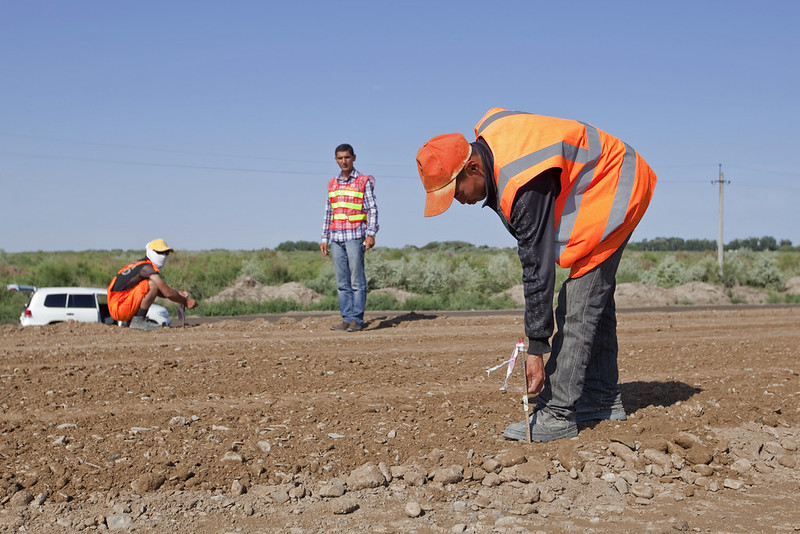 Although Kazakhstan is the largest economy in Central Asia, economic inequality between the city and the village remains a significant problem. The country has experienced substantial economic growth, largely driven by oil and natural resources exports. However, this progress has not benefited all regions equally, highlighting rural poverty in Kazakhstan. Rural communities continue to face wider unemployment, lower wages, and limited access to education, health care and infrastructure compared to urban communities.
Background
According to Kazakhstan’s Bureau of National Statistics, the poverty rate in urban areas is 3.9%, while in rural areas it reaches 7.2%, nearly twice as high. This gap is pronounced more in highly industrialized regions. In Ulytau, the country’s main coal and metal-producing region, poverty in urban areas is 2.2% compared to 12.1% in rural areas. Several western and central regions with a dominating extractive industry show similar trends. This suggests that economic growth driven by major industries did not benefit rural areas of the country equally. While industrial centers attract investments, nearby rural populations continue to experience limited access to jobs and higher incomes.
Low Productivity of the Agricultural Sector
Rural poverty in Kazakhstan is often linked to the low productivity of the agricultural sector. Agriculture generates only 4% of the country’s GDP, yet it employs 15% of the working-age population, according to the Organisation for Economic Co-operation and Development (OECD). Additionally, agriculture remains one of the lowest-paid sectors in Kazakhstan. The Bureau of National Statistics reported that the average monthly salary in agriculture, fishing and forestry reached 263,517 tenge in 2024, which is significantly below the national average of 405,416 tenge.
The contrast becomes even more striking when compared to the extractive industries. Mining and quarrying workers earned an average of 866,486 tenge per month, more than three times higher than agricultural workers. These differences demonstrate that Kazakhstan’s natural resource-driven economic growth has benefited industrial sectors far more than rural agricultural communities, contributing to economic inequality and strengthening rural poverty.
Poor Infrastructure
Poor infrastructure remains one of the main problems in rural communities in Kazakhstan, particularly in the education sector. According to government data, 57% of three-shift schools and 76% of schools under state of emergency are located in rural areas. Many rural schools continue to experience a shortage of essential equipment, qualified teachers and reliable internet access, which limits educational opportunities for rural students. The World Bank data confirms this, according to which students from cities perform much better than their peers from villages. Such disparities in education and infrastructure create serious long-term obstacles for rural populations in overcoming poverty in Kazakhstan and gaining essential qualifications for high-income jobs.
Government Initiatives
The government of Kazakhstan has introduced several initiatives to reduce inequality between urban and rural communities. As part of the Rural Development Concept, authorities plan to build around 180 new rural schools by 2027 and continue modernizing existing educational institutions. Since 2022, the “Development of the Potential of Reference Schools in Rural Areas” program has upgraded thousands of classrooms with modern equipment and educational technologies.
The government has also implemented measures to attract qualified teachers to villages by offering salary bonuses, relocation assistance and housing loans through the “With a Diploma to Rural Areas” program.
International organizations have also supported long-term rural development efforts in Kazakhstan through infrastructure and agricultural modernization projects. The World Bank supported the Second Irrigation and Drainage Improvement Project with a $102.9 million loan to modernize irrigation systems in southern Kazakhstan. The program helped improve water access for approximately 40,000 farming households and modernized irrigation infrastructure across more than 100,000 hectares of land, improving agricultural productivity and water efficiency.
The World Bank has also invested in large-scale transportation projects designed to reduce regional inequality and improve connectivity in remote areas. Since 2009, the South-West and East-West Road Projects have connected approximately 5.5 million people in regions including Kyzylorda Region, Zhambyl Region and Turkistan Region. According to the organization, these projects improved access to essential services, created 50,000 new jobs in construction and more than 1,200 permanent roles in road maintenance for residents.
– Dias Assan
Dias is based in Rome, Italy and focuses on Technology and Solutions for The Borgen Project.
Photo: Flickr
