Quick Facts About Hunger and Poverty in Honduras
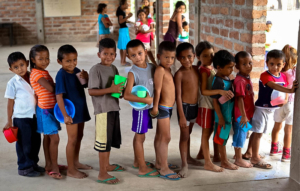 Honduras is a country located in Central America. Home to remarkable landscapes and Mayan remains, it also has an important role in world trade. Honduras is a main provider of coffee, palm oil and bananas. However, even with this, Hondurans still suffer from food insecurity.
What is Food Insecurity?
Food insecurity is a lack of access to vital food sources. This threat heightens illnesses and harm to people’s lives. This can lead to: desperation, disease and death. Families facing this are forced to make an income through selling possessions or skipping meals, as they are desperate to earn a living.
This is traced back to the problem of poverty, which deeply affects the developing countries and the people living there. The hunger crisis is an unfortunate consequence of this.
In Honduras, 63% of the population lives in poverty, which affects the most vulnerable members of society, like children. Children’s health, well-being and education are negatively affected. Eventually, this causes a reduced quality of life for the people of Honduras.
Natural Disasters and Weather Conditions
Honduras’s hunger crisis is a result of natural disasters and destructive weather conditions, like drought, which have harmed farms, increasing the chances of burning the land. Not only a crucial food source, but a hotspot for coffee production, which causes an economic decline. More than 100,000 families rely on the coffee trade as an income, showing the importance of agriculture.
Located in the Dry Corridor, the area is prone to dry spells, making food more difficult to grow and reducing the amount available to the people. With the lack of harvests, some families have to migrate to survive these harsh conditions.
Another part of the hunger crisis is linked with the extreme weather conditions, such as hurricanes. From people fleeing their homes to safety, it has negative effects on lives, not just food sources. In 2024, the hurricane season doubled the expected rainfall. This is bad because it can flood food sources and wash them away. Primarily, this affected the southern and western areas, therefore increasing the possibility of emergency food insecurity.
Malnutrition and Undernourishment
Malnutrition is a prevalent issue in Honduras. Indeed, one in four children under the age of 5 struggles with chronic malnutrition, according to the World Food Program (WFP). This is a severe issue, as it stunts growth. This takes place when a diet does not have enough healthy nutrients. On the other hand, obesity is unfortunately increasing with younger women. Therefore, this shows the issue of food access, as not enough Hondurans are able to have a healthy diet.
In 2024, 20.4% people in Honduras suffered from undernourishment. Rural areas of Honduras are particularly affected, as they face more poverty and starvation. This is because food insecurity is increased by the lack of opportunities for employment and access to standard services. Challenges make it harder for people like: farmers, women and people with medical conditions to access balanced diets.
The people of Honduras are in great need of fundamental food. More than 25% of Hondurans are relying on humanitarian assistance for survival. This takes place by action groups providing help by giving: medical care, food and water.
Lack of Awareness
Honduras was the least funded country in 2023, meaning that the lack of awareness about the daily threats is huge, with violence being one of the examples.
In 2022, there was an average of 253 homicides monthly, translating to 31% of homicides for every 100,000 people.
Fortunately, this has been decreasing yearly, but sexual violence and abuse have remained an issue in society. This has impacted many lives in Honduras.
Solutions
Certainly, Honduras faces many setbacks like hunger, poverty and extreme weather conditions, but this has not stop the country from making progress.
According to the National Institute of Statistics, poverty reduced in Honduras from 73.6% to 60.1%. For extreme poverty, it had reduced from 53.7% to 38.3%. Also, the population above the poverty line has expanded, therefore highlighting improvements in standards of living.
Employment and job opportunities have also increased. From 4.2 million people now working, the unemployment rate has decreased to 4.9%. All of these factors help the country to flourish economically. Even with substantial challenges, Honduras is beginning to develop and transform into a successful country.
– Daisy Sheena
Daisy is based in Manchester, UK and focuses on Global Health for The Borgen Project.
Photo: Flickr
